REVIEW · LAKE MAGGIORE
Dining Experience at a local’s Home in Stresa with Show Cooking
Book on Viator →Operated by Cesarine: Cooking Class · Bookable on Viator
Dinner in a local kitchen changes the day.
This private show-cooking meal in Stresa turns sightseeing into something hands-on: a seasonal starter, fresh pasta, a second course with side dish, and dessert, all paired with wine. I love the idea of learning techniques while you watch a passionate home cook work in real family rhythms, and I especially like how the best evenings lean into conversation, not just food. The only real consideration: this is in someone’s home, so the pace and space are more casual than a formal restaurant setup.
You’ll meet your host near public transportation in Stresa (starts at 28838 Stresa, Province of Verbano-Cusio-Ossola). Expect around 2 hours 30 minutes and the experience is offered in English, with a mobile ticket. Also, it’s already booked well in advance on average (about 98 days), so if your dates are fixed, it’s smart to plan early.
In This Review
- Key things that make this dinner worth planning for
- Why a Stresa Home-Cooked Show Dinner Feels More Local Than It Sounds
- When You Sit Down in Someone’s Apartment: How the Experience Usually Unfolds
- The Starter Course: Seasonal in Practice, Not Just on the Menu
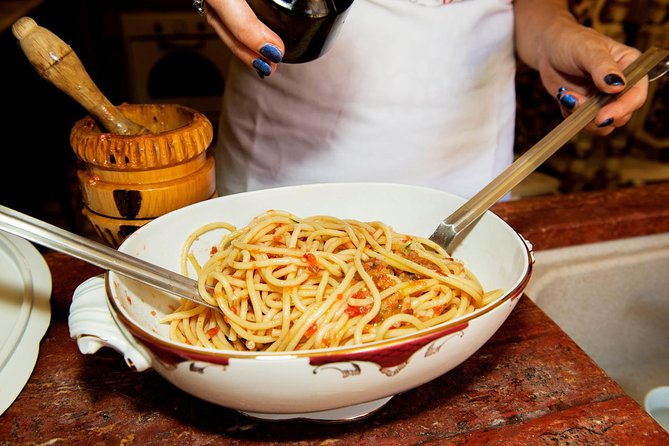
- Fresh Pasta Show Cooking: Where the Evening Gets Fun
- The Second Course With Side Dish: More Than a Detour From Pasta
- Dessert and Wine Pairing: The Finishing Touch That Makes It Feel Like an Event
- Price and Value: What You’re Really Paying For
- Where It Fits on Your Stresa and Lake Maggiore Day Plan
- Who Should Book This (and Who Might Skip It)
- Quick Practical Notes Before You Go
- Should You Book This Stresa Show Cooking Dinner?
- FAQ
- Where does the experience start and end?
- How long is the show cooking dinner?
- What’s included in the meal?
- Is the experience offered in English?
- Is this experience private?
- Is free cancellation available?
Key things that make this dinner worth planning for
- A private dining setup with only your group, so it feels personal rather than tour-bus meal vibes
- Hands-on cooking focus that can include learning fresh pasta techniques like gnocchi
- A full multi-course meal (starter, fresh pasta, second course + side dish, dessert) instead of a quick tasting
- Wine included, and in past evenings hosts have served Prosecco and finished with Marsala
- Host conversation time that can be as memorable as the food, especially with welcoming hosts like Gabriella and her husband Fausto
Why a Stresa Home-Cooked Show Dinner Feels More Local Than It Sounds
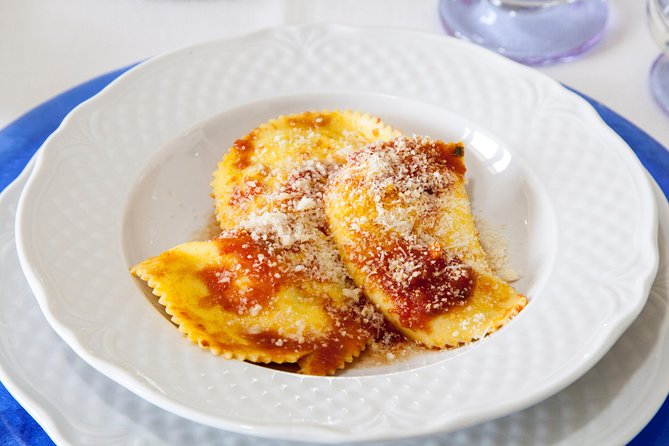
Stresa is pretty, but “pretty” can turn into “same-everywhere” if you’re only doing viewpoints and restaurant repeats. A home-cooked show dinner gives you something different: you watch the meal come together in the way Italian families actually eat, right where the cooking happens daily.
The big win is the combination of food and small talk. In great dinners, you don’t just passively receive dishes. You’re watching, learning, and chatting as the host works through the courses. Reviews consistently highlight that warmth—particularly evenings hosted by Gabriella and her husband Fausto—where the conversation ran alongside the cooking, not after it.
There’s also a practical advantage. You get a full meal in a compact time window of about 2.5 hours. That makes it a smart use of an evening when you want something meaningful without losing your whole day to logistics.
You can also read our reviews of more cooking classes in Lake Maggiore
When You Sit Down in Someone’s Apartment: How the Experience Usually Unfolds
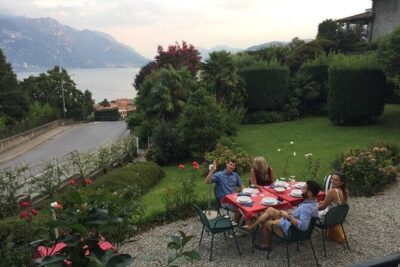
This is a private tour/activity, so you’re not mixing with strangers. That alone changes the mood. In a small home kitchen, you tend to ask better questions, and hosts can tailor explanations without racing.
From the moment you arrive, the evening is built around the cooking rhythm:
- you’re welcomed, then you settle in and get a sense of what’s coming
- you watch the host prepare the dishes, with chances to participate depending on the flow of the evening
- you move through courses as they’re finished, rather than everything arriving at once
One thing I like about experiences like this in Stresa is that they work well even if you’re not a food fanatic. You don’t need to know Italian cooking vocabulary. You just need curiosity and a willingness to pay attention while someone explains why they do things a certain way—like how pasta dough is handled, or what makes a dish taste right at home.
A heads-up that keeps expectations fair: because it’s in a home, seating, kitchen layout, and timing can be less structured than a restaurant. If you prefer strict schedules, treat this as a relaxed evening first, and a cooking lesson second.
The Starter Course: Seasonal in Practice, Not Just on the Menu
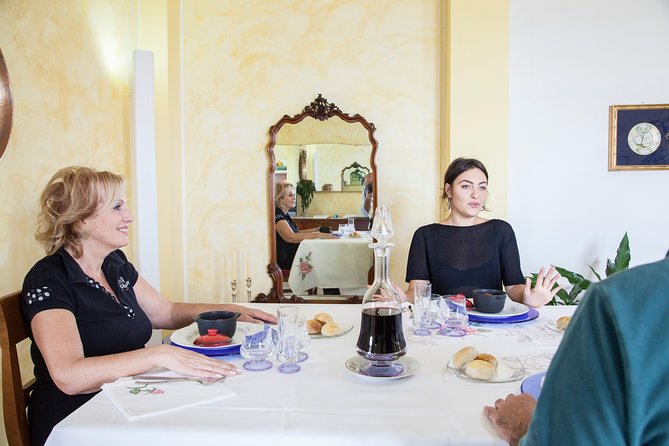
The menu starts with a seasonal starter. That phrase matters in Italy because it usually means the host is cooking with what makes sense at that time of year, not what looks impressive on a tourist menu.
In a local-home setting, a starter often acts like a warm-up. It gets you into the flavor profile of the evening—salty, tangy, herby, whatever suits the season—so the pasta course tastes even better when it arrives. It’s also a good moment for you to ask questions about ingredients and technique while the kitchen is in motion.
If you’re used to long restaurant appetizers, you’ll find this style refreshing. The starter is there to start the evening’s story, not to stall it.
Fresh Pasta Show Cooking: Where the Evening Gets Fun
The heart of the meal is the fresh pasta. This is where you’ll see the most action, and where the evening earns the high ratings.
A standout theme in the reviews is learning about gnocchi—people loved watching and participating in making it. Even if your specific focus is slightly different (every home cook has their preferences), the core idea is the same: fresh pasta in a home kitchen teaches you more than you’d expect from simply eating it. You notice textures, timing, and the small decisions that turn flour and potatoes (or dough and fillings) into something satisfying.
Here’s what tends to make this part valuable for you:
- you see how the host handles dough and portioning
- you learn why the pasta shape matters for sauce and bite
- you get a real sense of timing, since fresh pasta is best when it’s cooked right after preparation
And yes, participation is part of the appeal. Reviews describe evenings where guests joined in, not just watched politely from the sidelines. If you like to be actively involved—mixing, shaping, or assisting—you’ll probably feel right at home here.
The Second Course With Side Dish: More Than a Detour From Pasta
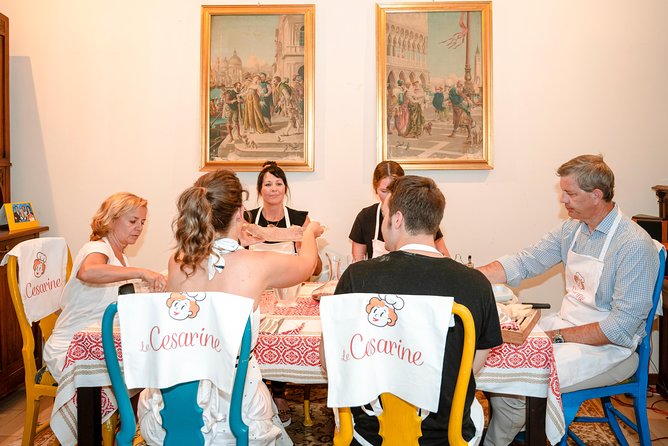
After the pasta, you get a second course with a side dish. That matters because it prevents the meal from being a one-note experience. You’re not just eating starch after starch—you’re getting a fuller sense of Italian home cooking, where dinner typically includes more than one main flavor event.
This stage is also a chance for the host to show how they build a plate. Side dishes in Italy often aren’t filler. They balance the meat or richer flavors, and they help you experience how a family chooses what goes with what—based on season, preference, and what’s easiest to cook well.
The second course is also where the evening conversation often grows. By then you’ve already tasted the first parts, so you can talk more freely about what you’re experiencing—what you like, what the host recommends, and how to think about Italian meals as a whole.



Dessert and Wine Pairing: The Finishing Touch That Makes It Feel Like an Event
Dessert comes last, labeled as typical dessert. That’s exactly the point. You’re not eating a plate designed for Instagram. You’re getting something that fits the household idea of a proper end to dinner.
Wine is included with the meal, and past evenings have featured multiple styles of wine—including Prosecco, plus red and white—plus a small glass of Marsala to cap things off. Even if the exact bottles vary by night and host, the takeaway is consistent: you’re eating like a guest, not like a customer.
This is one of the reasons to book a dinner like this in Stresa. When you leave, you don’t just remember what you ate. You remember the pace. The tasting. The way the host brought the family rhythm to your table.
Price and Value: What You’re Really Paying For
At $126.43 per person, this isn’t a budget meal. It has to be understood as a hosted experience with several value layers:
- Private setting for your group (not a shared classroom or dining room)
- A full multi-course dinner rather than a small tasting
- Show cooking with technique and participation (often including fresh pasta skills like gnocchi)
- Wine included, plus the chance for conversation with real hosts
If you compare this to paying for a restaurant dinner in Stresa, you’ll notice the cost is higher. But restaurant meals usually don’t come with the teaching moment, the home setting, or the hosted meal structure. Here, your money buys access: the kitchen knowledge, the family pace, and that feeling of being welcomed.
Also, because it lasts about 2.5 hours, you’re buying time with a purpose. It can replace a dinner-plus-snack-on-the-side plan, and it gives you a memorable anchor during your Lake Maggiore days.
Where It Fits on Your Stresa and Lake Maggiore Day Plan
This is an easy “evening plan with a story.” Since it starts and ends back at the meeting point, you don’t have to stitch together a complex route.
I’d place it on a day when you want a break from constant movement. Think of it as your reward evening after time on the lake, in town, or around viewpoints. The show-cooking format also means you’ll feel pleasantly occupied, so you’re not just waiting around for dinner.
Because it’s near public transportation, it’s not the kind of plan that traps you with only one option. You can still pair it with a normal evening walk after you finish.
Who Should Book This (and Who Might Skip It)
This works best if you:
- want a genuinely local dinner experience in Stresa
- like hands-on food learning, especially fresh pasta techniques
- enjoy conversation and being hosted like a guest
- prefer a small, private group feel
It might not be your best match if you:
- need a strictly formal, restaurant-style service flow
- don’t enjoy spending time in the social and cooking side of the experience
- prefer meals that feel entirely hands-off
The good news is that the experience is described as suitable for most travelers and is offered in English, which helps you feel confident you’ll follow along.
Quick Practical Notes Before You Go
- Bring a relaxed attitude. This is a home-kitchen vibe.
- If you’re hoping to learn a specific technique like gnocchi, lean into curiosity during the cooking portion.
- Go hungry. The meal is multi-course, and wine is part of the plan.
- Consider booking earlier than you think, since these tend to sell far in advance.
Should You Book This Stresa Show Cooking Dinner?
Yes—if you want your Stresa trip to include more than views and restaurant repeats. The strongest reasons to book are the combination of private hospitality, a full multi-course meal, and the chance to learn fresh pasta technique (including gnocchi in many evenings) while you share conversation with hosts like Gabriella and Fausto.
Skip it only if your ideal dinner is purely passive and you strongly prefer a polished, predictable restaurant rhythm. Otherwise, this is the kind of evening that turns Lake Maggiore into a story you’ll actually talk about later.
FAQ
Where does the experience start and end?
It starts at 28838 Stresa, Province of Verbano-Cusio-Ossola, Italy, and ends back at the same meeting point.
How long is the show cooking dinner?
It lasts about 2 hours 30 minutes.
What’s included in the meal?
You’ll have a seasonal starter, fresh pasta, a second course with a side dish, dessert, and wine.
Is the experience offered in English?
Yes, it’s offered in English.
Is this experience private?
Yes. It’s a private tour/activity, so only your group participates.
Is free cancellation available?
Yes. You can cancel for a full refund up to 24 hours in advance of the experience start time.