REVIEW · MILAN DUOMO
Milan: Fast-Track Milan Cathedral and Terraces Guided Tour
Book on GetYourGuide →Operated by Veneranda Fabbrica del Duomo di Milano · Bookable on GetYourGuide
Skip the lines. Climb the Duomo.
This tour is interesting because it pairs separate-entrance access with time on the terraces and an archaeological stop under the cathedral—so you get more than a quick walk-through. I especially like how the visit is structured to keep moving, and how the guide points out details you’d miss on your own. One drawback to plan for: you’ll be on a set schedule, and terrace time can feel a bit tight if your whole dream is top-roof views.
You’ll tour the Duomo complex for about 1.5 hours, then you have passes to keep exploring on your own at the Duomo Museum and San Gottardo Church. In the middle, you get the part most people don’t expect: the ruins beneath the floor, including the Baptistery of San Giovanni alle Fonti.
Before you go, do your homework on practical stuff: expect security checks, follow the dress code (no shorts or tank tops), and wear comfortable shoes because there’s serious walking and stairs. The good news is that the whole experience is designed to get you into the Duomo efficiently, with a headset so you don’t have to crane your neck.
In This Review
- Key highlights you should care about
- Fast-Track Milan Cathedral Access: Why the Separate Entrance Matters
- Entering the Duomo: What You’ll Notice Once a Guide Points It Out
- Terraces by Elevator: The Views You Came for (and the Stairs You Might Want)
- Archaeology Underfoot: The Baptistery Ruins Beneath the Duomo
- Duomo Museum and San Gottardo Church: How to Use Your Passes Well
- Pacing, Headsets, and Common Small Problems to Expect
- Price and Value at About $46: When It Makes Sense
- Who Should Book This Duomo Tour (and Who Should Rethink It)
- Should You Book This Fast-Track Milan Duomo Tour?
- FAQ
- How long is the Milan Cathedral fast-track tour?
- What does the fast-track access include?
- Do I get access to the terraces and the archaeological area under the cathedral?
- Can I visit the Duomo Museum and San Gottardo Church on my own?
- What languages are available for the live guide?
- What should I bring and wear?
- Is the tour refundable, and what happens if terraces are closed?
Key highlights you should care about
- Separate entrance to the Duomo so you’re not stuck in the biggest lines
- Terraces by elevator, plus stairs if you want the top for up-close roof sculptures
- Archaeological area underneath the cathedral, including Baptistery ruins
- Duomo Museum and San Gottardo Church passes included, for self-guided time after the tour
- Fast-track pacing with headsets, which helps when you’re trying to absorb a lot in a short visit
Fast-Track Milan Cathedral Access: Why the Separate Entrance Matters
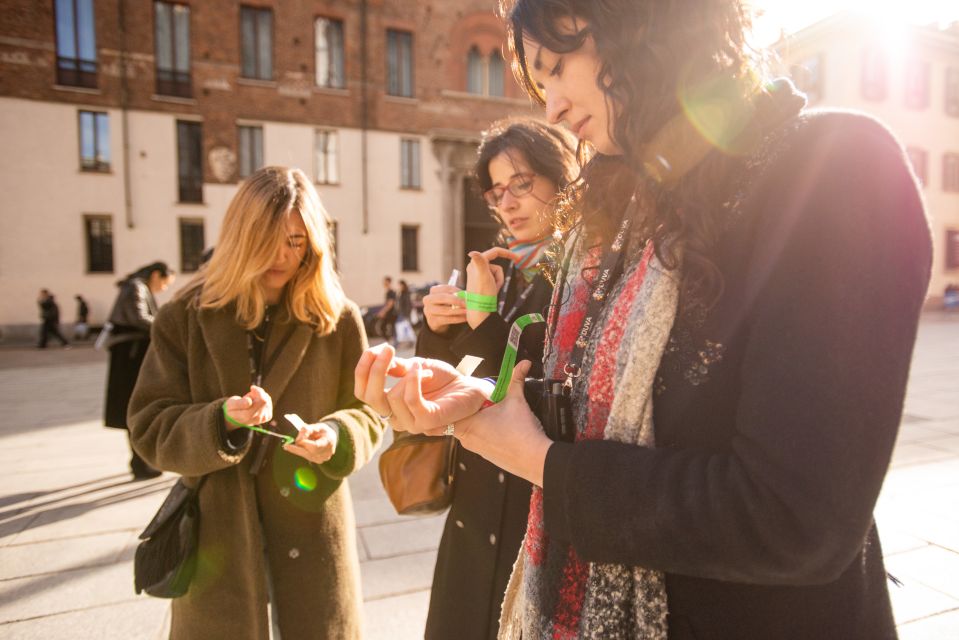
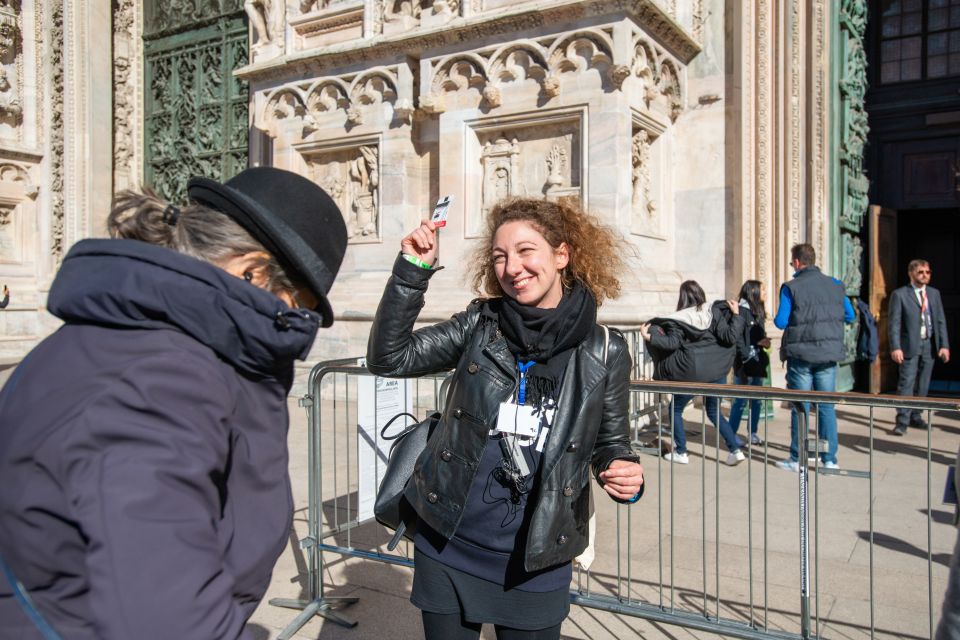
The Milan Cathedral (Il Duomo di Milano) is one of those places where the building is the whole point—and the lines can be the whole pain. This is why I like the fast-track approach. You’re not just buying a ticket; you’re buying a different entry flow. The tour includes a separate entrance access and a pass that helps you skip the ticket queues and get inside efficiently.
In practical terms, that means you spend less time watching other people shuffle toward the gates and more time actually doing the interesting work: looking closely at the façade, understanding how the cathedral’s Gothic design works, and learning what to pay attention to while you’re standing in the right spot.
You also get a local guide for about 1.5 hours with a headset. Even if you’re not the type who loves lectures, this matters at the Duomo because the details are the story. A good guide can turn “wow, big building” into “wait, I see why that sculpture placement makes sense.”
You can also read our reviews of more tours and experiences in Milan Duomo.

Entering the Duomo: What You’ll Notice Once a Guide Points It Out
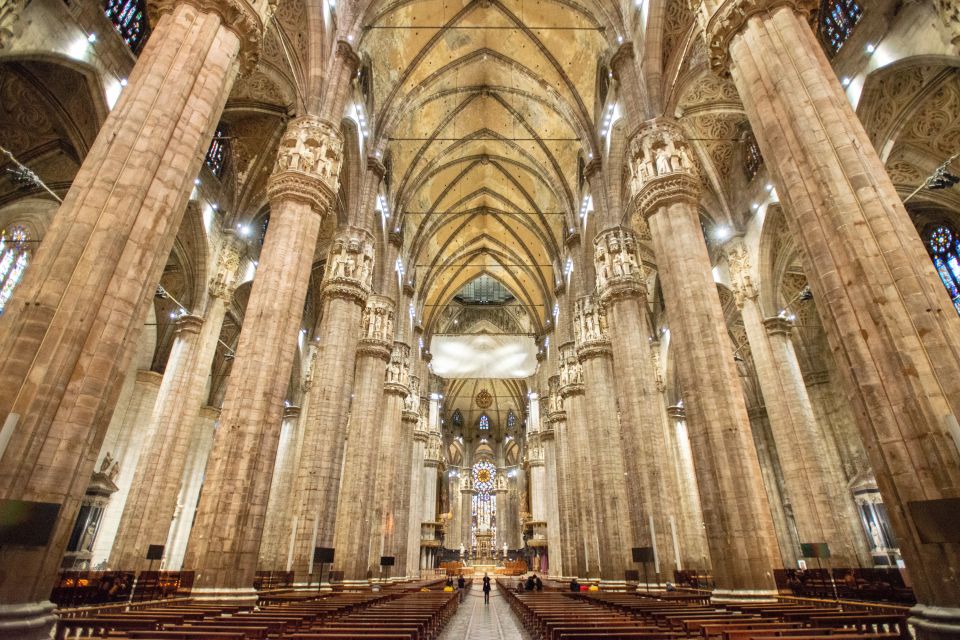
Once you’re inside, the cathedral hits you with scale and texture—stone that looks carved like lace, plus artwork that rewards slow looking. This tour is built for that. Your guided time includes the cathedral complex areas tied to the main visit, and the guide helps you connect the architectural form to the human stories behind it.
I particularly like when guides take you beyond the obvious highlights. Names from past guides shared by guests include Viktor, Josef, Stefy, Sylvia, and Ghida. People consistently remark on the way they point out subtle details and keep the pace lively. That’s not just personality—it’s useful. At the Duomo, it’s easy to miss the meaning because there’s so much to look at.
A couple practical cautions. First, the dress code is strict: no shorts or tank tops. Second, you’ll go through airport-style security checks. If you travel with a large bag, that can slow you down—big bags and luggage aren’t allowed inside, along with umbrellas and certain items (including glass objects). Comfortable shoes matter because you’ll do more walking than you expect from a “1.5-hour” description.
Terraces by Elevator: The Views You Came for (and the Stairs You Might Want)
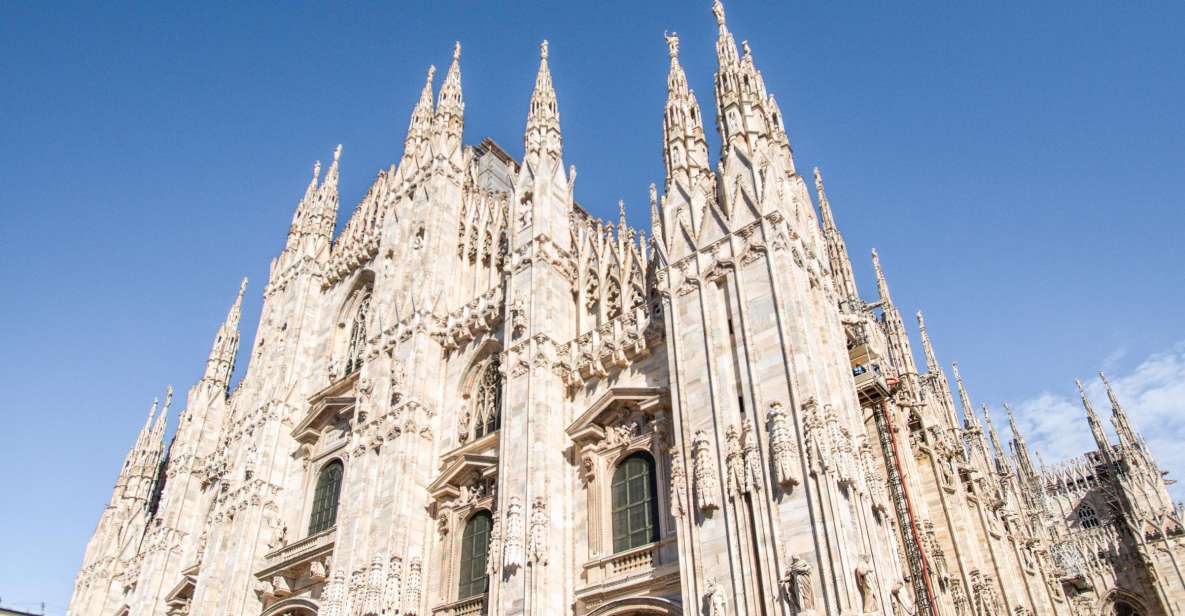
The terraces are the payoff. From up there, you stop viewing the Duomo as a postcard and start seeing it as a city of stone—statues, spires, roof patterns, and details that make the whole Gothic experiment feel almost alive.
This tour takes you to the terraces via elevator first, which helps a lot if you want the roof experience but don’t want to start with a full climb. From there, you may face steps depending on which terrace level you choose. One guest described the top option as involving over 200 steps from the first level to the second, and the stairs are enclosed by walls rather than open-air.
If heights make you nervous, here’s a good way to think about it: you’re not forced into the highest option. You can stop at a lower terrace level and still get that “I’m on the Duomo” feeling plus strong photo angles. If you do go higher, the roof details really come into focus, and the city views stretch out in a way that makes the Milan skyline feel suddenly close.
Just remember: terrace access depends on operational conditions. The tour notes that if the terraces are closed, the guided visit will include the Duomo Museum instead. On a day when the terraces are open, don’t wait too long to commit—you’ll want that time while weather is cooperating.
Archaeology Underfoot: The Baptistery Ruins Beneath the Duomo
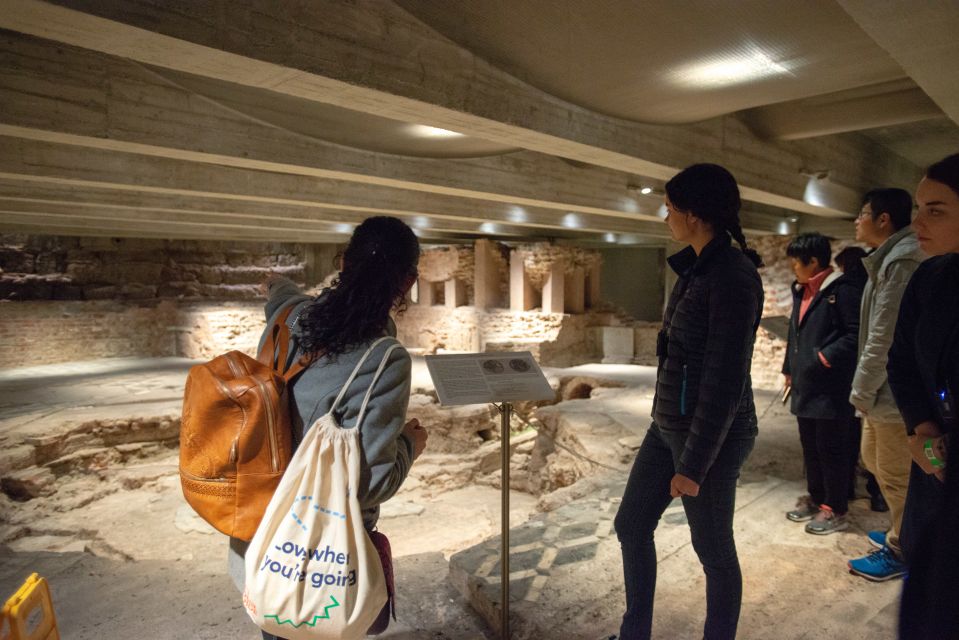
Here’s the surprise that makes the tour feel more complete than a standard rooftop-and-photos experience. After the terraces, you get access to the archaeological area underneath the Duomo, where the ruins of the Baptistery of San Giovanni alle Fonti were found.
This section changes the emotional tone of the visit. Upstairs, you’re surrounded by craftsmanship and medieval ambition. Down here, you’re confronted with layers of history—what was built, replaced, and rediscovered. The guide’s job here is practical: help you understand what you’re looking at without turning it into a textbook. People who took the tour often say they learned a lot in a short time, and the underground stop is a big reason why the visit feels “worth it,” even if you’re not an archaeology fanatic.
One important detail: each area can be visited only once. That affects how you plan your attention. Don’t “just glance” under the cathedral if the space interests you. Take a moment to slow down where the guide is focusing, because you won’t be able to repeat the same route later.
Duomo Museum and San Gottardo Church: How to Use Your Passes Well
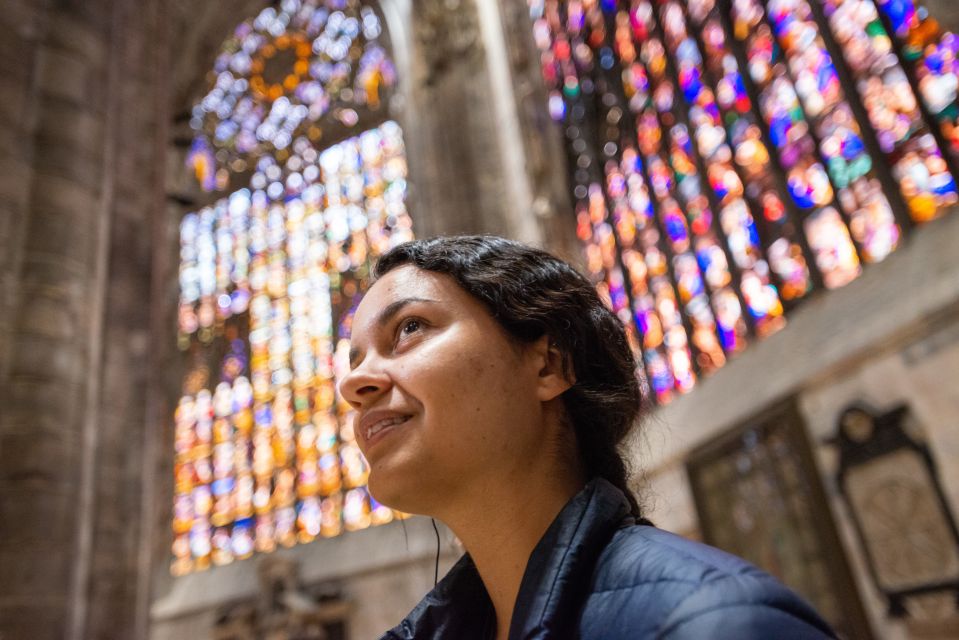
After your guided portion ends, you can explore on your own with included passes to the Duomo Museum and San Gottardo Church. This is smart because it gives you freedom after the structured part of the visit.
The museum and the church add context and continuity. The cathedral is the headline, but these spaces help you see the Duomo as an institution—art, relics, and the broader religious world around the building. It’s also a chance to adjust your pace. During the guided walk, you’re following timing and group flow. After, you can linger in the corners that catch your eye.
Two practical notes you should take seriously:
- The Duomo Museum is closed on Wednesdays.
- Your passes are for entry, but you still need to respect the site’s opening times and access rules that can shift for security and order.
If you’re traveling with family or friends who have different energy levels, this is a strong setup. The guided part gets everyone oriented. Then you can either match or separate for a bit, depending on what people want next.
Pacing, Headsets, and Common Small Problems to Expect
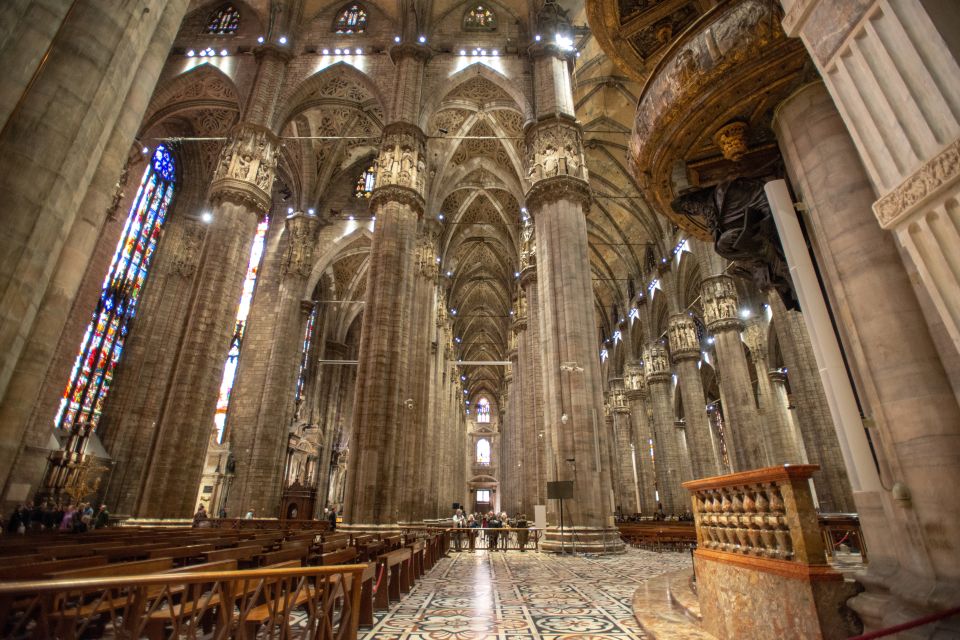
At the Duomo, a good tour is partly about what you learn and partly about how you move. This experience is designed to move efficiently through the cathedral areas, and you get a headset to hear the guide better. That headset support is a big deal if you’re traveling in cooler months when groups tend to bunch up indoors.
That said, do not assume headset audio will be perfect. Some guests reported earphones that were too loud or had weaker audio range, and one person suggested better wireless audio options like Auracast (which is not something you should count on). The practical takeaway: arrive with your patience, keep the volume reasonable, and stand close enough to hear without fighting background noise.
Also, expect the schedule to feel full. You’re compressing cathedral interiors, terraces, and the underground archaeological stop into about 1.5 hours of guided time. This is great when you want the highlights without losing a whole day, but it can feel tight if you’re the kind of person who wants unstructured hours to stare at every statue.
If you’re sensitive to heights, remember you can pick how far up you go on the terraces. If you’re comfortable on stairs, consider opting higher for the best roof-level details—but don’t force it if your legs or nerves say no.
Price and Value at About $46: When It Makes Sense
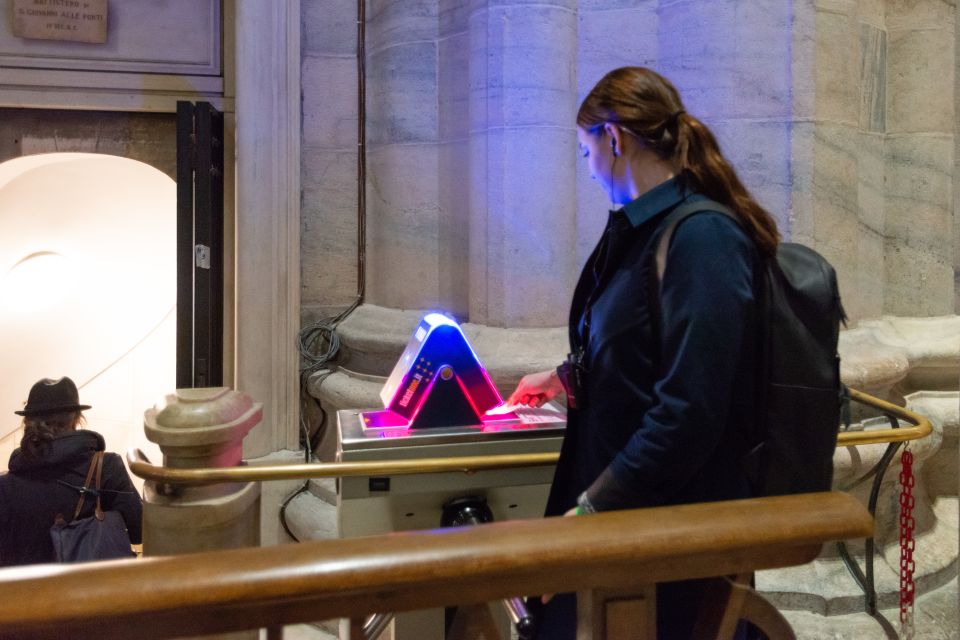
At $46 per person, this tour isn’t cheap, but it’s also not trying to be a bargain basement ticket. The value comes from a bundle of time-saving and access-saving elements.
You’re paying for:
- Fast-track entry that helps you skip ticket lines
- A guided tour for about 1.5 hours with headsets
- Access to terraces and the archaeological area underneath
- Passes for the Duomo Museum and San Gottardo Church afterward
- A 20% discount at the official Duomo shop
Here’s the decision test I use. If you’re going to the Duomo anyway—and you want more than a basic self-guided scan—this price can be a reasonable trade for less waiting and better use of your time. If you’re the kind of traveler who loves independent planning and doesn’t mind lineups, you might save money by going DIY. But if your schedule is tight (and in Milan, it often is), this fast-track setup can be the difference between a smooth day and a “why are we still waiting?” afternoon.
Who Should Book This Duomo Tour (and Who Should Rethink It)
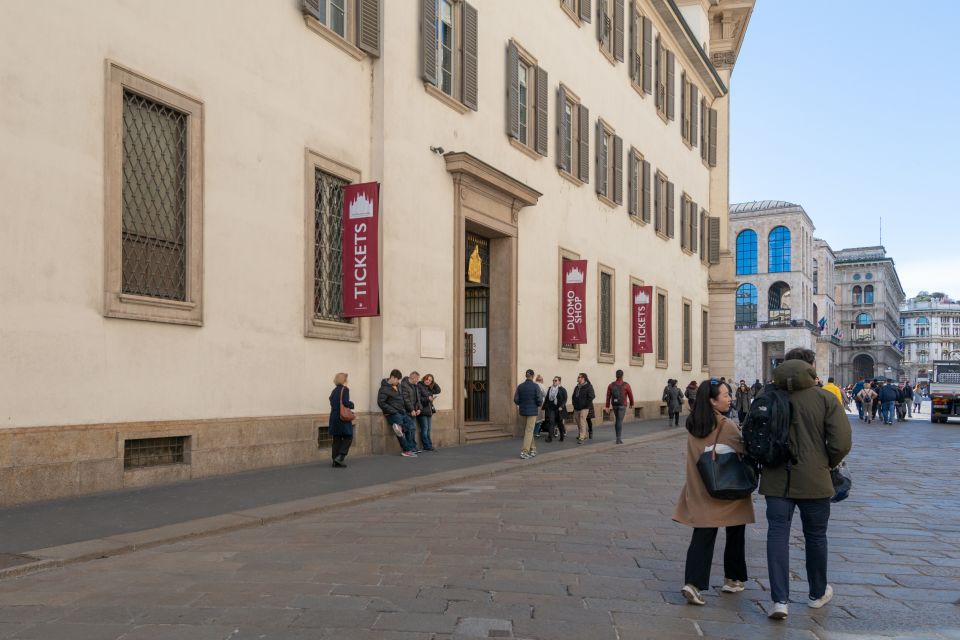
This experience fits best if you want a high-impact Duomo visit with minimal friction: terraces, underground archaeology, and guided interpretation, plus extra passes afterward.
It’s also a strong choice if you like clear structure. Many guests described guides like Viktor, Josef, and Stefy as fun, energetic, and able to point out details that otherwise would slide by. If that sounds like your style—short bursts of context while you’re standing right where the story happens—this tour works.
Who should rethink it:
- If you have mobility impairments or use a wheelchair, the tour is noted as not suitable.
- If you struggle with stairs, consider limiting terrace options. The tour includes elevator use initially, but there can still be significant stair climbing depending on which level you choose.
- If you’re traveling on a day you strongly need the Duomo Museum, remember it’s closed on Wednesdays.
Should You Book This Fast-Track Milan Duomo Tour?
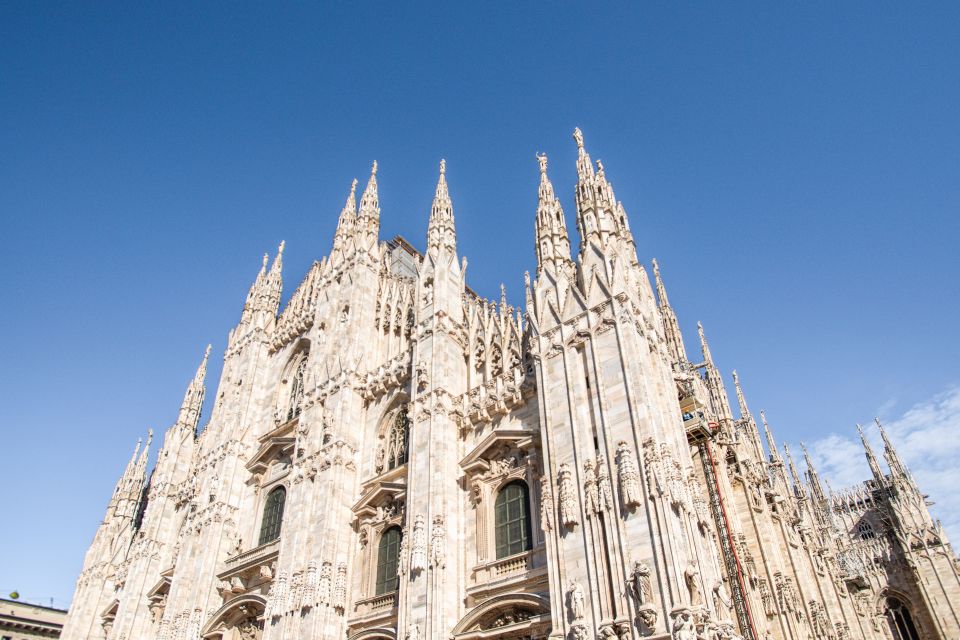
Book it if you want the Duomo to be more than a photo stop. The separate entrance plus terraces plus the underground archaeology is a strong combination for a short time window, and the included passes let you keep exploring afterward without scrambling for tickets.
Skip or rethink it if:
- You want a slow, unstructured cathedral day with no schedule pressure.
- You know you’ll be unhappy with limited terrace time or a guided pace.
- Your travel plans depend on the Duomo Museum on a Wednesday, since it’s closed that day.
If you’re on the fence, I’d make the call like this: if you can see yourself climbing to at least a terrace level for views and you’re curious about what’s under the Duomo, this tour is the efficient way to do it.
FAQ
How long is the Milan Cathedral fast-track tour?
The guided tour lasts about 1.5 to 2 hours, depending on the starting time and on-site conditions.
What does the fast-track access include?
You get separate entrance access to Milan Cathedral, plus a fast-track pass for entry to the cathedral and terrace areas.
Do I get access to the terraces and the archaeological area under the cathedral?
Yes. The guided portion includes access to the terraces (reachable by elevator) and the archaeological area beneath the cathedral.
Can I visit the Duomo Museum and San Gottardo Church on my own?
Yes. Your ticket includes passes for you to visit the Duomo Museum and San Gottardo Church independently after the guided tour.
What languages are available for the live guide?
The tour is offered with live guides in Italian and English.
What should I bring and wear?
Bring a passport or ID card and wear comfortable shoes. You’ll need to follow the cathedral dress code, since shorts and tank tops are not allowed.
Is the tour refundable, and what happens if terraces are closed?
The activity is non-refundable. If the terraces are closed for any reason, the guided tour will include the Duomo Museum instead.