Milan can feel like a blur of marble and fashion. This private 3-hour walk slows it down and gives you a street-level way to understand the city. You start near Piazza dei Mercanti and keep moving through the classic highlights, but with a local guide’s explanations and real-world advice that makes the sights stick.
I love how private the pacing feels. You get to ask questions, not just follow a crowd. I also like the mix of stops: Duomo square and Galleria for the big-name Milan, then Brera and San Simpliciano for a calmer, more neighborhood pace.
One possible drawback: language can affect the Q&A. In at least one case, a guide had trouble understanding and answering questions in French, so if you have lots of specific questions, pick your tour language carefully and come ready with a few short ones.
In This Review
- Key things that make this tour worth your time
- Why a private 3-hour Milan walk makes sense
- Starting near Piazza dei Mercanti: getting oriented fast
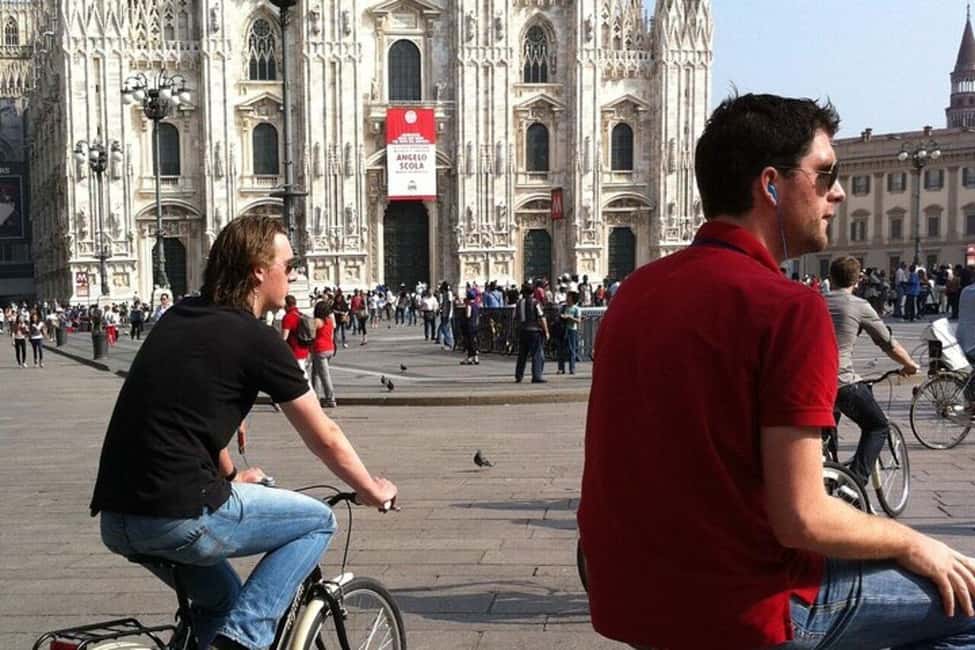
- Piazza del Duomo from the outside: learning how Milan thinks
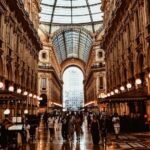
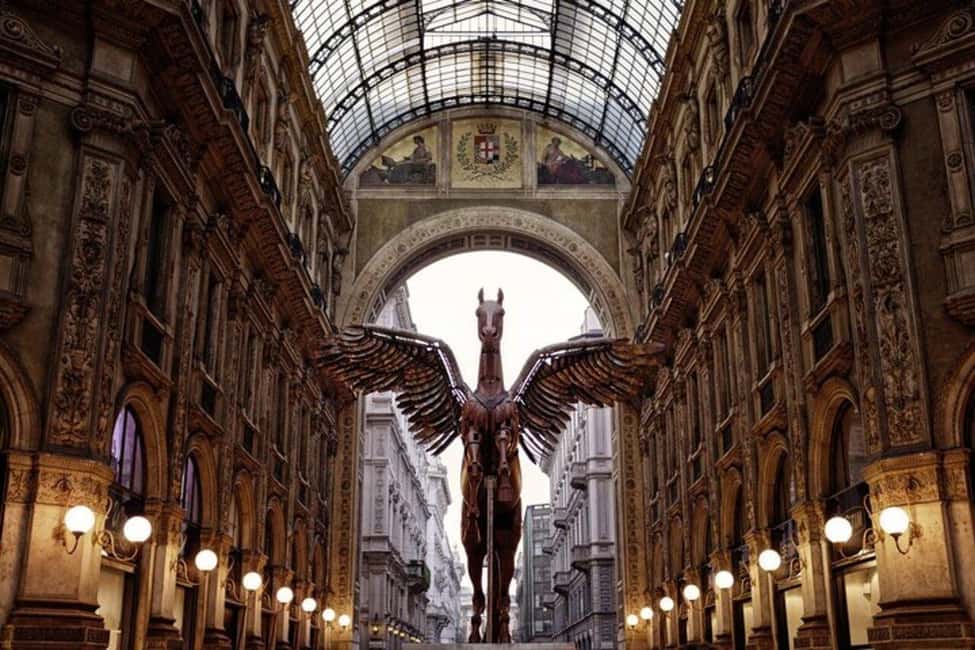
- Galleria Vittorio Emanuele II: history you can walk through
- Brera District: an easier Milan pace with local atmosphere
- Basilica di San Simpliciano: a quieter stop with long timelines
- Castello Sforzesco: feeling the castle without the stress
- The best part: the guide’s Milan recommendations
- Walking + public transport: how it affects your day
- Ticket help: useful when time matters
- Who this private tour fits best (and who might not love it)
- Price and value: is $77 per person a good deal?
- Quick heads-up: small limitations to plan around
- Should you book this Milan private walking tour?
- FAQ
- What is the duration of the Milan highlights walking tour?
- Where does the tour start and end?
- How large is the group?
- What sights does the tour include?
- Is the tour only walking?
- What languages are available for the live guide?
- Is ticket booking included?
- What is not included in the price?
- Can I cancel for a refund?
Key things that make this tour worth your time
- Duomo square + Galleria Vittorio Emanuele II on foot gives you the contrasts between civic pride and design-minded shopping history
- Brera District focuses on a lived-in neighborhood mood, away from the main tourist squeeze
- San Simpliciano adds a quieter, church-focused stop that many short tours skip
- Castello Sforzesco courtyards lets you experience the castle feel without turning it into a museum marathon
- Private, customizable format means the route and emphasis can match what you care about
- Guide-led recommendations can steer you toward the kind of cafés, squares, and churches you’d miss on your own
Why a private 3-hour Milan walk makes sense
Milan is one of those cities where you can see a lot fast, but still miss what makes it Milan. This tour is designed for exactly that problem: a compact route (about 3 hours) that gives you the best-known sights, then adds smaller, less obvious stops that help you read the city like a local.
Because it’s a private group, the guide can slow down when you want photos, speed up when you’re eager to keep walking, and adjust the focus. That matters in Milan, where architecture, industry, and style are all tangled together. Even the big sights come with context, not just coordinates.
The price (about $77 per person) is less about “a guided checklist” and more about paying for time with a guide who can point out what to notice, what to ignore, and where to go next. For a city where tickets, timing, and getting bearings can eat up energy, a focused private walk often feels like good value.
You can also read our reviews of more walking tours in Milan
Starting near Piazza dei Mercanti: getting oriented fast
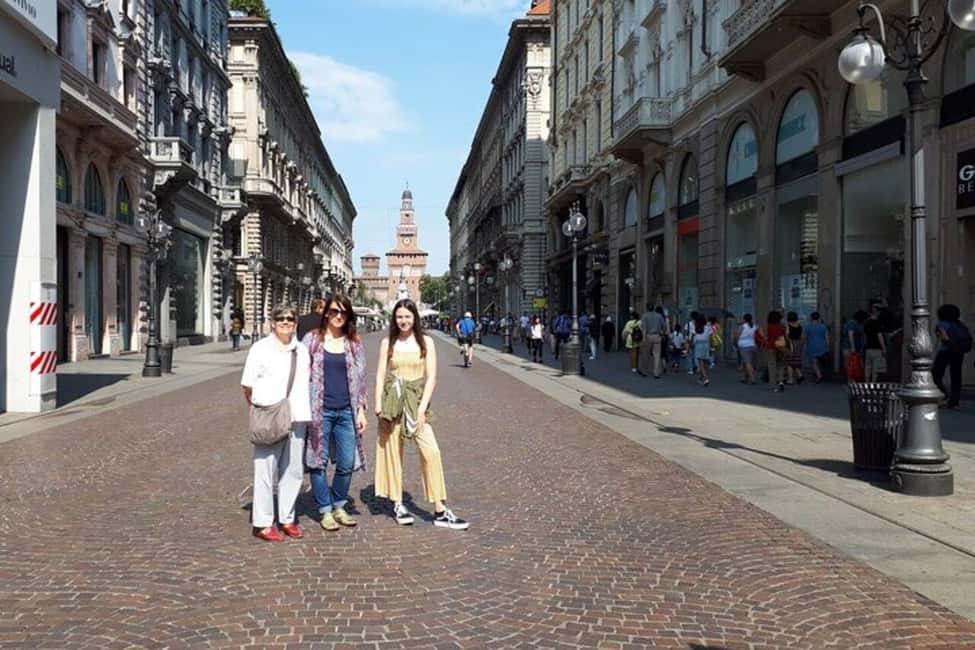
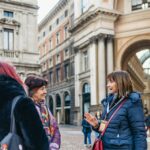
You meet at Piazza dei Mercanti, 1. I like this starting point because it helps you settle into Milan’s older urban fabric right away. From here, you’re not “hiking” across the city. You’re building a mental map while the guide sets the story.
In the best moments, this early phase feels like a warm-up: quick framing about where you’re going and what you should pay attention to. If you’re the type who wants to ask questions later, ask a few right at the start. The guide is the best source you’ll have all day.
Piazza del Duomo from the outside: learning how Milan thinks
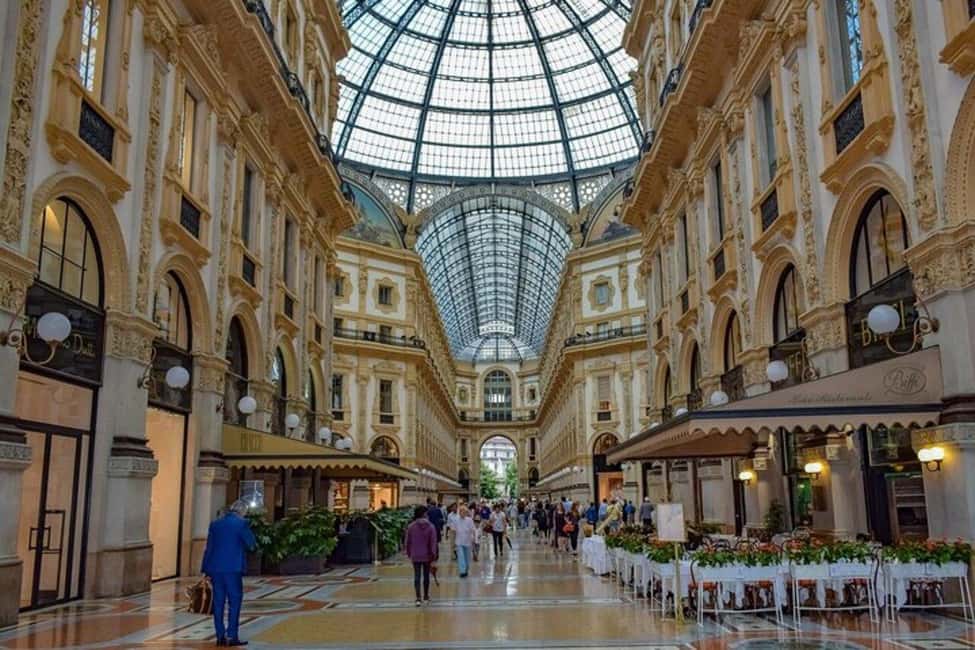
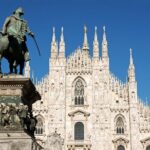
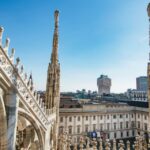
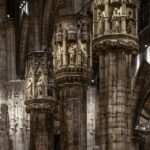
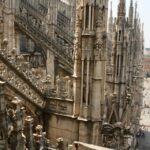
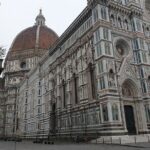
Your first highlight is Piazza del Duomo, where you view the Duomo from outside. This is smart timing. The outside experience is about scale, position, and the way the cathedral dominates the square’s energy.
From the guide, you’ll get the significance of the Duomo to the city, which changes how you see it. Instead of treating it like a landmark you already recognize from photos, you start noticing how it acts as a civic symbol.
Even if you’ve never studied Milan before, this stop helps you connect the dots quickly: why the city’s center feels “formal” and why that formal feeling blends into the everyday—people shopping, working, meeting, moving through the square.
Galleria Vittorio Emanuele II: history you can walk through
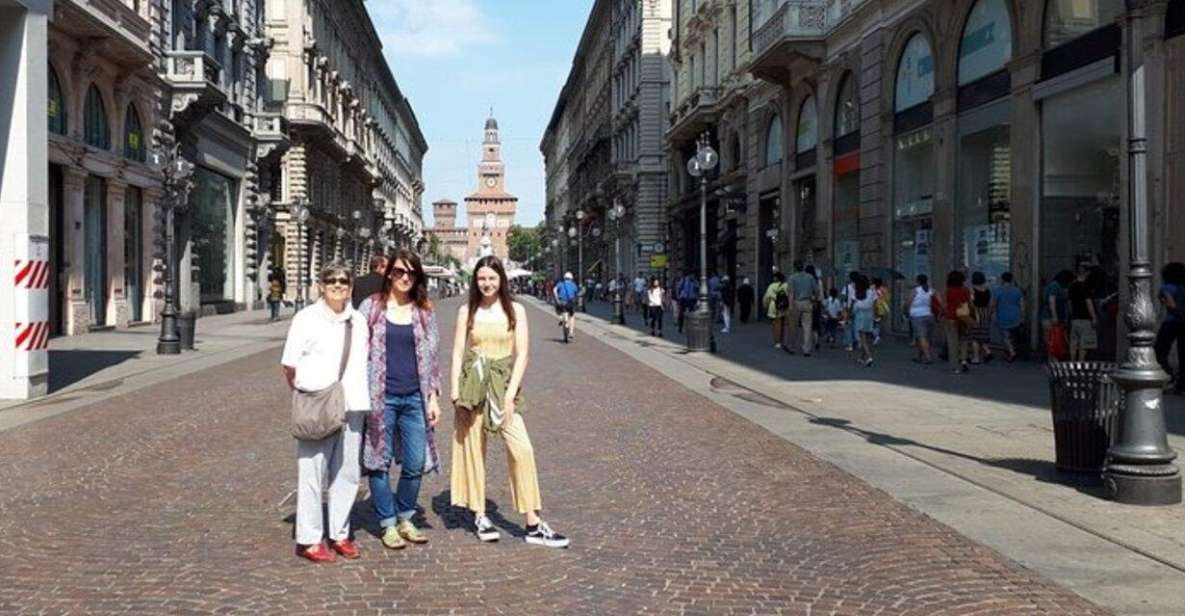
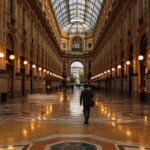
Next comes the Galleria Vittorio Emanuele II, the historic shopping arcade you can enter on the walking tour. This isn’t just a pretty interior. It’s a lesson in how Milan built spaces for strolling, commerce, and display.
You’ll walk inside with a guide who can explain the Galleria’s background and architectural beauty. The value here is interpretation. When you know what you’re looking at—how the design guides movement and how the arcade became a public stage—it stops feeling like another “shop corridor.”
If you’re planning your own day afterward, this is also where you learn the rhythms. You’ll see which directions feel most comfortable for wandering and where the space “carries” you.
Brera District: an easier Milan pace with local atmosphere
Then you shift into Brera District, described as a local area away from the heaviest tourist crowds. This is one of the reasons this tour works. It breaks the all-icons pattern and brings you into a zone where you can feel everyday Milan.
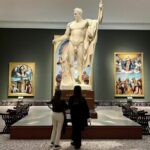
Brera is known for artistic heritage and an active atmosphere, and the guide’s job here is to steer you toward what matters. You’re not just walking. You’re being pointed to the kind of streets, venues, and corners that help you understand why people like to hang out here.
Brera is also where I’d expect you to use your guide’s “what to do next” advice. If the first half of the tour is about seeing Milan, this middle section helps you decide how to live in it for the rest of your trip.
You can also read our reviews of more private tours in Milan

Basilica di San Simpliciano: a quieter stop with long timelines
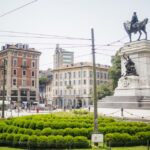
After Brera, you visit Basilica di San Simpliciano, described as Milan’s most important church with history dating back centuries. This stop adds depth without demanding you become a church-expert overnight.
A big advantage of including one major church on a walking tour is that it gives you a breather from the crowds without losing the thread of the city’s story. Churches in Italy also reward slow attention: small details, layout, and the way the building holds space.
Keep your expectations grounded. You’re going for a guided experience focused on significance and history as they relate to Milan, not a full-on museum day. But for many visitors, this is exactly the “switch” the tour needs.
Castello Sforzesco: feeling the castle without the stress
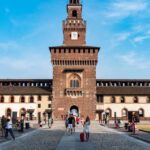
The final major highlight is Castello Sforzesco, where you wander through the main courtyards. This is the best kind of castle visit for a short tour: you get the atmosphere and scale, and you’re not trapped in a long, room-by-room museum plan.
The guide’s explanations are what make the courtyards worth it. Once you understand what you’re looking at—how the castle functions as an iconic part of the city—you’ll likely notice more than you would if you arrived with only a photo goal.
Courtyards are also practical. They’re easier for walking groups, easier for photos, and easier for hearing the guide. You end feeling like you actually saw Milan’s “power center” form, not just a collection of exteriors.
The best part: the guide’s Milan recommendations
A private tour is only as good as the person leading it, and the supplied feedback points to strong performances. One guide named Davide stood out for telling stories along the route and answering questions about Milanese architecture, industry, and fashion. That kind of connecting-the-dots teaching changes how you understand what you’re seeing.
Another guide named Rosaria was praised for an afternoon tour that felt well-rounded and full of city knowledge. In particular, one review mentioned tips for the best cafés and special churches and squares. That’s the value beyond the obvious sights: the guide helps you plan the rest of your day and even the next city block.
If you’re booking this tour, I’d treat it like your “information checkpoint.” Midway through, ask for one or two specific recommendations:
- one café idea near where you’ll be next
- one cultural stop that’s worth the effort
- one practical tip for navigating the area without wasting time
Walking + public transport: how it affects your day
The tour includes walking and public transport unless you select an option that changes that. For a 3-hour experience, this matters. It helps keep the route efficient while still giving you the best parts on foot.
For you, that means less fatigue and fewer timing problems, especially if your schedule is tight. It also means the guide can structure the flow so you’re not spending all your energy crossing distances between major sights.
Just wear comfortable shoes. Even with transport included, this is still a walking tour through central Milan.
Ticket help: useful when time matters
The tour includes help from the team to book tickets for the desired visits. The details of what’s needed can vary, but the practical point is this: somebody helps reduce the guesswork. In a city where lines and timing can be frustrating, having a plan for tickets can keep your day from turning into a scramble.
If you want a specific component of the tour that requires a ticket, ask about that in advance when you confirm your booking, so you’re not trying to sort it out at the last minute.
Who this private tour fits best (and who might not love it)
This experience is a great fit if you want:
- a focused introduction that covers Duomo square, Galleria, Brera, San Simpliciano, and Sforza Castle
- a route that stays private and allows customization
- strong guide storytelling and recommendations for what to do next
It might feel less ideal if you’re the type who wants to spend a long time inside major ticketed attractions. This tour is about a guided walk and courtyards, plus explanation and city advice. It’s built for an orientation-sized day, not for a full museum deep dive.
Price and value: is $77 per person a good deal?
At $77 per person for about 3 hours, you’re paying for several things: privacy, guided interpretation at major sights, and help booking tickets for chosen visits. In Milan, where independent planning can get complicated quickly, the “time cost” alone can make a guided solution feel reasonable.
The strongest value signal is the guide experience. When guides like Davide provide story-driven context and answer questions about architecture, industry, and fashion, you end up with something you can carry into your remaining days. And when guides like Rosaria deliver a well-rounded afternoon and city recommendations, the tour becomes more than a sightseeing loop.
If you’re traveling with a smaller group and want tailored pacing, this tour usually feels like a smart use of time.
Quick heads-up: small limitations to plan around
A couple practical considerations:
- If you have very detailed language needs, double-check the tour language and be ready to ask short, clear questions. One review noted difficulty understanding and answering questions in French.
- The tour doesn’t include food or drinks, so plan a stop afterward if you want a relaxed meal.
- Since it’s about major stops plus a few quieter ones, you’ll still want to build your own time for deeper museum-style experiences later.
Should you book this Milan private walking tour?
I’d book it if you want an efficient, personable intro to Milan that doesn’t just point at famous buildings. The route hits big icons, then adds places like Brera and San Simpliciano that make the day feel more like a real city walk than a checklist.
If you value clear guidance, good conversation, and next-day recommendations, this tour is likely to deliver. Just choose your tour language with care, and think of it as your orientation and planning tool for the rest of your trip.
FAQ
What is the duration of the Milan highlights walking tour?
It lasts 3 hours, with starting times depending on availability.
Where does the tour start and end?
It starts at Piazza dei Mercanti, 1 and returns to Piazza dei Mercanti, 1.
How large is the group?
It’s a private group, meaning it’s just your group and no one else joins you.
What sights does the tour include?
You’ll visit Piazza del Duomo, Galleria Vittorio Emanuele II, Brera District, Basilica di San Simpliciano, and Castello Sforzesco.
Is the tour only walking?
No. It includes walking and public transport, except if you select an option that changes that.
What languages are available for the live guide?
The guide is available in English, French, Spanish, and Italian.
Is ticket booking included?
Yes. The team helps you book tickets for the desired visits.
What is not included in the price?
Food and drinks are not included.
Can I cancel for a refund?
Yes. You can cancel up to 24 hours in advance for a full refund.