REVIEW · BERGAMO
Private pasta-making class at a Cesarina’s home with tasting in Bergamo
Book on Viator →Operated by Cesarine: Cooking Class · Bookable on Viator
Three hours, one flour-covered home. This private pasta-making class at Cesarina Luisa’s in Bergamo is where I love the hands-on cooking and the warm family welcome, and the possible downside is you’ll be in a home kitchen, so expect a bit of mess and close quarters.
I also like that the experience is offered in English, and it stays properly small since it’s private for your group. With mobile ticketing and a start/end in Bergamo, it’s easy to slot in, especially if you want something more local than another dinner table.
In This Review
- Key things you’ll notice right away
- Why a Cesarina home class beats a restaurant show in Bergamo
- Getting to Luisa’s kitchen: Bergamo, transport, and timing
- Your class rhythm: how three recipes get made from scratch
- Fresh pasta first: the skill that makes everything else easier
- Tagliatelle, ravioli, mondeghiri, gnocchi: what you’ll be making
- Tagliatelle: learning the feel of flat pasta
- Ravioli: where patience and technique matter
- Mondeghiri: a Bergamo-style pasta moment
- Gnocchi: shaping that changes everything
- The tasting with local wines: your payoff hour
- Private class value: why $171.52 can make sense
- Who should book this pasta-making evening
- A few practical tips before you go
- Should you book this pasta lesson in Bergamo?
- FAQ
- How long is the private pasta-making class?
- Is this experience private?
- Is the class taught in English?
- What will I make during the class?
- Do I taste the food I make?
- Where does the class start and end?
- What is the cancellation policy?
Key things you’ll notice right away
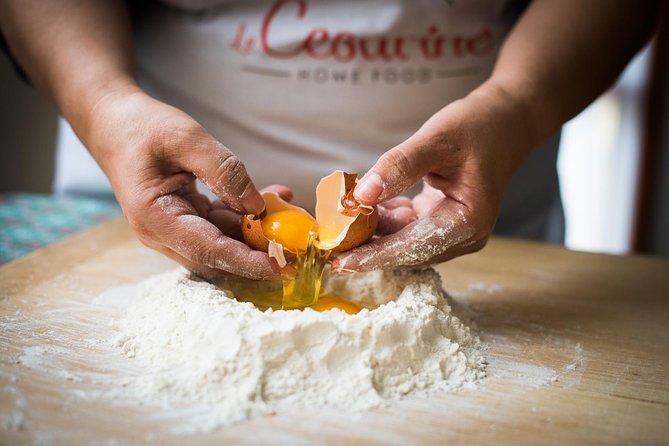
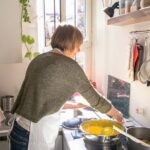
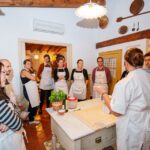
- A real home kitchen led by Luisa and her family, not a demo setup
- Three recipes from scratch, plus tasting what you make
- Bergamo-area pasta favorites show up in the menu mix: tagliatelle, ravioli, mondeghiri, gnocchi
- Local wine is included with the tasting portion
- English communication is strong, even when family members join in
Why a Cesarina home class beats a restaurant show in Bergamo
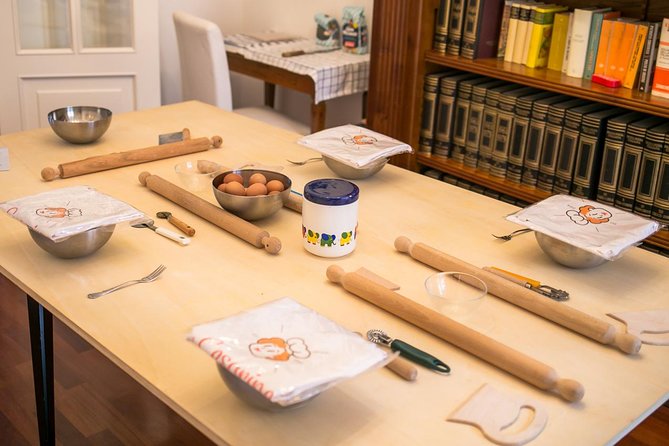
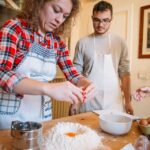
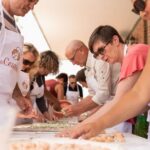
If you want authentic Italian food, the best time to learn is before it hits the plate. A private class in a Cesarina’s home gives you the full chain: dough basics, shaping, cooking, and then the moment you taste what you built with your own hands.
What you’re paying for here isn’t just ingredients and a seat at a table. You’re buying time with a skilled local cook—Luisa—and the chance to get your technique corrected in real time. In the reviews, the family welcome comes up again and again, and that matters. In a home, people take a personal interest in whether you actually get it.
The other big win is that this is private for your group. You’re not competing for attention, and you’re not stuck watching while someone else does the work. The class is also tailored to your experience and skill level, so beginners aren’t expected to perform like pasta pros from day one.
You can also read our reviews of more food & drink experiences in Bergamo
Getting to Luisa’s kitchen: Bergamo, transport, and timing
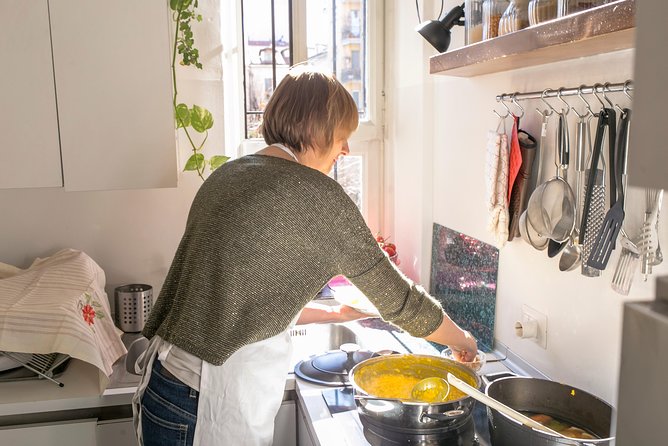
This experience starts in Bergamo and ends back at the same meeting point. The duration is about 3 hours, which is a sweet spot: long enough to make real progress, short enough that you don’t lose your whole evening.
It’s also listed as near public transportation. That’s useful because Bergamo’s streets are best enjoyed on foot, but getting there shouldn’t feel like a mini expedition. And since it’s a private activity, you’ll want to plan to arrive a few minutes early so the cooking flow doesn’t get rushed.
You’ll also get a mobile ticket, and confirmation is sent at booking. In practice, that means fewer last-minute headaches while you’re juggling dinner reservations and sightseeing.
Your class rhythm: how three recipes get made from scratch
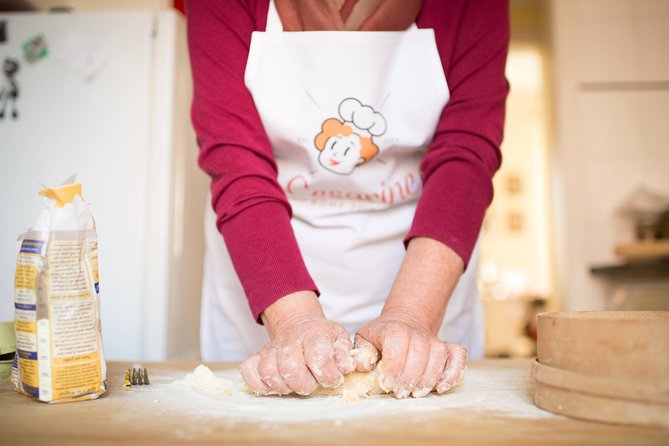
The heart of this lesson is simple: you make pasta, you finish it, and you eat it. You’ll work through fresh pasta and complete three recipes from scratch, then sample the results. Exactly which three dishes you end up making can vary within the menu set, but the listed pasta dishes give you a clear idea of the flavors and techniques involved: tagliatelle, ravioli, mondeghiri, and gnocchi.
In a class like this, the order usually helps you learn in layers:
- First, you get comfortable with the pasta base (because shaping works differently depending on how the dough feels).
- Then you move into specific forms—flat noodles for tagliatelle, filled pasta for ravioli, and shaped pieces for gnocchi and something like mondeghiri.
- Finally, you taste what you made, with wine to keep everything relaxed.
That structure is part of the value. You don’t just learn one technique and leave. You get a broader set of skills, so when you buy ingredients later and try again, you’re not starting from scratch.
Fresh pasta first: the skill that makes everything else easier
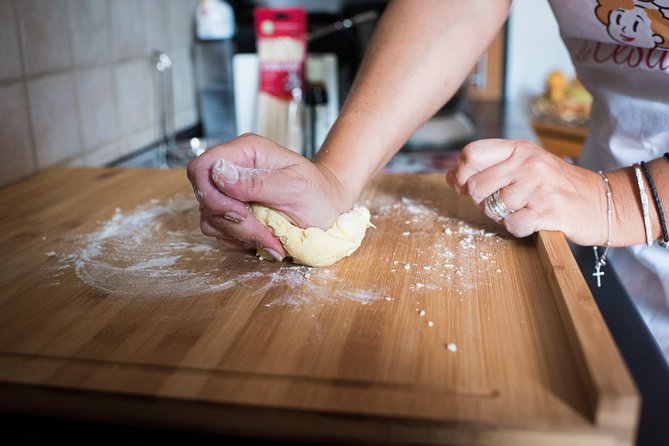
Fresh pasta isn’t just a dish. It’s a skill that affects texture, bite, and how well shapes hold up. Even if you’ve cooked before, you’ll likely notice how different fresh dough behaves compared to dried pasta.
The class is also designed around your level. That shows up in the way a private instructor can slow down for questions or speed things up when you already get it. The reviews highlight Luisa’s ability to teach in a way that works even with language barriers, and that’s a huge practical advantage.
If you’re thinking, I can watch videos at home, you’re not wrong. But in-person teaching makes the difference on the parts you can’t learn from a screen: dough consistency, thickness, sealing techniques for filled pasta, and knowing when something is ready.
Tagliatelle, ravioli, mondeghiri, gnocchi: what you’ll be making
You’ll see these dishes in the class menu mix, and the goal is not just to sample them but to learn how they come together.
You can also read our reviews of more private tours in Bergamo



Tagliatelle: learning the feel of flat pasta
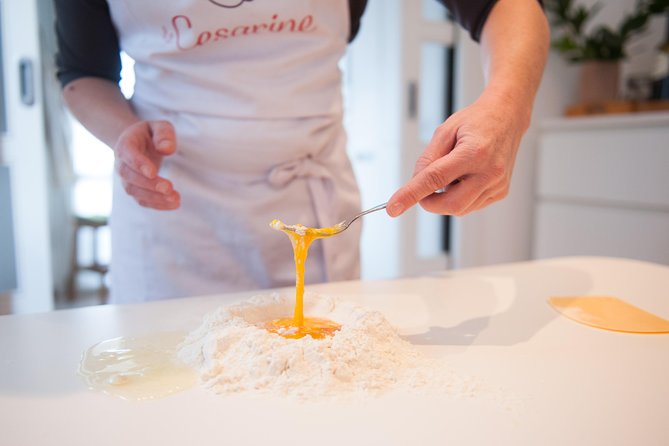
Tagliatelle is the kind of dish that teaches you control. You’re working with a smooth dough that you roll and cut into ribbons. The payoff is quick because once you can shape tagliatelle well, you can apply that same thinking to other fresh pasta formats.
Ravioli: where patience and technique matter
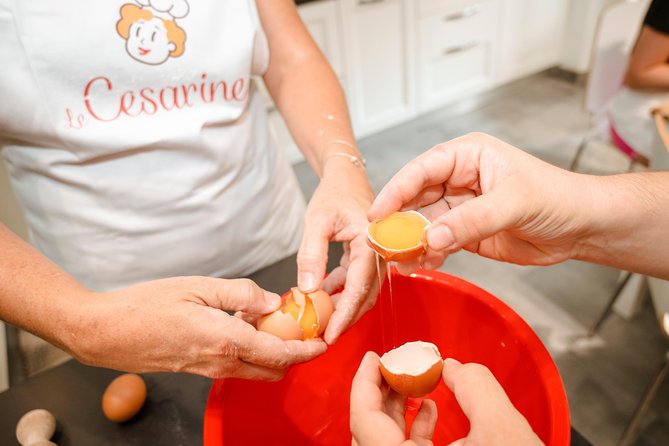
Ravioli adds a step: filling and forming individual pieces. This is where a good instructor earns their pay. You’ll learn how to manage portions, keep things from tearing, and get the edges right. The reviews mention that the family helps teach, so you’re not left alone if you’re unsure what a correct seal looks like.
Mondeghiri: a Bergamo-style pasta moment
Mondeghiri are included in the tasting and class menu list. They’re the kind of dish that makes the experience feel local rather than generic. Even if you’ve never heard of them, you’ll come away knowing what they are in the context of Northern Italian eating, because you’re making them, not just reading about them.
Gnocchi: shaping that changes everything
Gnocchi can look simple but requires judgment—how the dough holds, how you shape, and how you handle the pieces. Making gnocchi during the lesson gives you a practical skill you can repeat. And since you taste at the end, you’ll have a clear reference point for what you’re aiming for next time.
The tasting with local wines: your payoff hour
After all the work, you get to eat what you made. This class includes a tasting and a selection of local wines alongside your pasta handiwork.
That wine portion is more than a nice add-on. It changes the whole mood. Instead of ending on a rushed plate, you finish with time to slow down, enjoy the flavors, and talk with your hosts while the evening settles.
The reviews are consistent on the human side of this. People describe laughter, big welcome energy, and a family team effort while English translation helps when needed. That combination matters because it turns a cooking class into a memory, not just a meal.
Private class value: why $171.52 can make sense
At $171.52 per person, you’re not paying for a bargain ticket. You’re paying for a private, at-home lesson with a local host, tailored guidance, three recipes from scratch, and wine included with the tasting.
Here’s how I think about the value:
- You get focused attention. If you’re spending money, you want technique feedback, not just a passable result.
- You leave with repeatable skills. The reviews mention people already buying ingredients to cook at home again. That tells you the class isn’t just a one-night entertainment value.
- You get the included tasting. A private lesson that ends with wine and what you cooked helps justify the higher price versus a basic walking tour that ends with a snack.
It also helps that it’s private for your group. Even if only a couple of people in your group are enthusiastic about cooking, everyone still benefits from the shared experience and the dining payoff.
Who should book this pasta-making evening
This is a great fit if:
- You want something hands-on and practical, not just a meal.
- You’d rather cook with locals in their home than sit in a restaurant watching someone else.
- You like structured learning, where you make pasta and learn technique as you go.
- You’re traveling with a small group and want a more personal evening.
It might not be ideal if:
- You hate getting hands-on in your food. This is a cooking class, so you should expect flour on you, at least a little.
- You’re looking for something strictly high-level and fast. The value here is careful guidance, not a speedrun.
Based on the way Luisa’s family welcome and English communication are described, it also works well for English speakers who still want a deeply local experience in Northern Italy.
A few practical tips before you go
Because this happens in a home setting, I recommend you think of it like joining a kitchen team. You’ll have better results if you’re open to instruction and willing to adjust as the dough tells you what it needs.
It also helps to show up ready to learn rather than ready to document. If you’re taking photos, do it lightly so you stay present while the class is happening. The best part of these evenings is watching how the family teaches—often with real-world adjustments you can’t get from a cookbook.
And if you’re the kind of person who worries about keeping up, don’t. The class is tailored to your experience and skill level, which is exactly what you want from a private lesson.
Should you book this pasta lesson in Bergamo?
I think you should book if your idea of a great night in Bergamo involves rolling up your sleeves and learning techniques you can actually use again. The standout reasons are the home welcome from Luisa and her family, the fact that you make three recipes from scratch, and the way the experience ends with tasting plus local wine.
If you’re on the fence because of price, compare it to what you’d pay for a private dinner plus cooking instruction. Here you get both the meal and the skill—and you leave with a memory that’s hard to replicate at home without practice.
If you want a practical, local, English-friendly evening that feels like a real Bergamo experience, this one belongs on your list.
FAQ
How long is the private pasta-making class?
It’s approximately 3 hours.
Is this experience private?
Yes. It’s a private tour/activity, so only your group participates.
Is the class taught in English?
Yes. The experience is offered in English.
What will I make during the class?
You’ll learn how to prepare fresh pasta and complete three recipes from scratch. The listed pasta dishes include tagliatelle, ravioli, mondeghiri, and gnocchi.
Do I taste the food I make?
Yes. You’ll sample your handiwork, and tasting is accompanied by a selection of local wines.
Where does the class start and end?
It starts at a meeting point in Bergamo and ends back at the same meeting point.
What is the cancellation policy?
You can cancel for a full refund up to 24 hours before the experience’s start time. Confirmation is received at the time of booking.