REVIEW · LAKE COMO
Small group Pasta and Tiramisu class in Como
Book on Viator →Operated by Cesarine: Cooking Class · Bookable on Viator
This pasta night beats restaurant dinners.
In a Como home with a Cesarine cook, I love the hands-on feel and the way hosts like Anna and Sara make you part of the evening, not an audience. I also love the social pace built around a classic aperitivo—chat flows while you cook and then you sit down to eat what you made. One thing to weigh is the price: at $229.87 for about 3 hours, it’s not a budget meal, so you’ll want to go in wanting the full experience.
You’ll cook fresh pasta (often things like ravioli, and sometimes risotto or gnocchi depending on the menu) and finish with homemade tiramisù. The class is in English, uses a small group format (maximum 8 people), and ends back where you meet, near public transportation in Como’s 22100 area.
Because it’s in private homes, timing and comfort matter. You’ll want to arrive ready to roll, and if you have dietary needs, I’d message ahead since at least one host has handled vegetarian adjustments and allergy-related requests.
In This Review
- Key things to know before you go
- Why a Cesarine pasta class in Como feels different
- What you’ll cook: fresh pasta plus tiramisù
- Fresh pasta (with classic possibilities)
- Tiramisu for dessert
- What you’ll eat along the way
- Enter the Como aperitivo mood (and why it matters)
- Small group cooking in private homes: what you gain
- Price and value: is $229.87 worth it?
- You’re paying for the whole package
- Group size keeps it personal
- Como convenience matters
- Timing and how to plan your Como day
- Who should book this class (and who might pass)
- Should you book Pasta and Tiramisu in Como?
- FAQ
- What is the duration of the pasta and tiramisù class?
- How many people are in the group?
- What will I learn to make?
- Is the class offered in English?
- Where does the class meet?
- Can I get a refund if my plans change?
- Is it near public transportation, and are service animals allowed?
Key things to know before you go
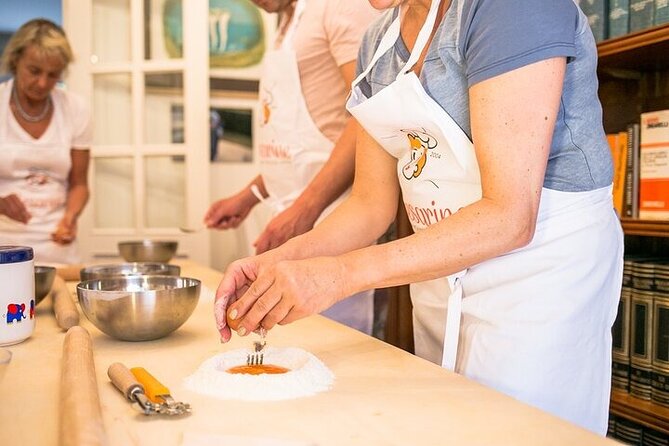
- Cesarine host, home setting: You learn in a real Como home, with family-style teaching and a relaxed table afterward.
- Small group size (max 8): It stays hands-on rather than watch-and-hope mode.
- You make the classics: Fresh pasta plus tiramisù, with menu options that can include ravioli, risotto, or gnocchi.
- Aperitivo is part of the rhythm: Expect conversation and a pre-meal vibe that feels very Lombardy.
- English instruction: Designed for English-speaking visitors, so you can follow the steps and techniques clearly.
- Top ratings for hospitality: People consistently single out hosts who make the evening feel personal and warm.
Why a Cesarine pasta class in Como feels different
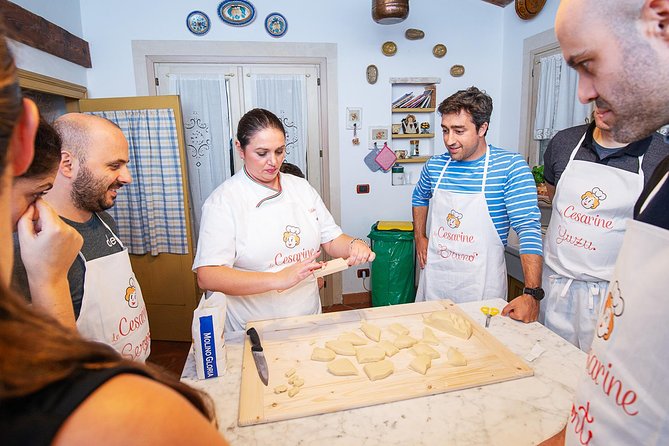
Lake Como is famous for views. But this kind of experience gives you something rarer: a lived-in slice of food culture. The big differentiator here is the Cesarine host setup. Instead of a cooking studio, you’re invited into a private home where the host cooks the way they actually cook—step-by-step, with room for questions, and with the expectation that everyone will eat what’s made.
What I like most is the balance between craft and comfort. You learn pasta technique, yes, but you’re also treated like you belong at the table. In real homes, that shifts the whole mood. One evening might include a big spread before you start; another might center more on the pasta work, and then you all slow down together after. Either way, the experience is built around an easy flow, not a strict factory timeline.
You also get something that’s hard to replicate on your own: the host’s small regional cues. Lombardy cooking isn’t just about recipes—it’s about how you time the meal, how you talk while you eat, and what details you treat as worth getting right. That’s why the class includes the aperitivo moment. It’s not filler. It’s the social glue that makes the food feel like it belongs to the place.
One practical catch: with a class in a home, the evening runs on the host’s schedule, not a restaurant one. So plan to be punctual and present. The most enjoyable classes are the ones where you don’t arrive frazzled and checking the time every five minutes.
You can also read our reviews of more cooking classes in Lake Como

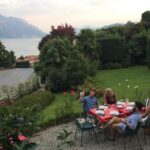
What you’ll cook: fresh pasta plus tiramisù
Let’s talk about the food you’re here to make.
Fresh pasta (with classic possibilities)
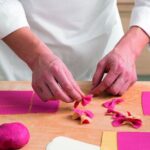
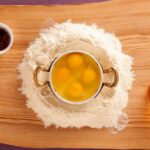
You’ll learn to make fresh pasta by doing it—not just assembling ingredients. The menu you’ll work from focuses on fresh pasta, and the pasta dishes you might make include ravioli, risotto, or gnocchi. In past classes hosted in Como homes, you may also see other well-known shapes and variations like tagliatelle or fettuccine-style pasta mentioned in real-world examples.
The useful part for you is technique: forming dough, learning how to handle it, and getting a feel for how the pasta turns out when you’re working the dough yourself. Even if you’ve made pasta before, a home class usually pays extra attention to the small steps—how you portion, how you shape, and how you judge doneness without overcooking everything.
Tiramisu for dessert
Then comes tiramisù—homemade, made as part of the lesson. Tiramisu can be intimidating if you only ever buy it, but learning it in the same setting as your pasta makes it easier. You get the rhythm of the evening, and you can focus on getting it right because you’re not racing a restaurant service clock.
The dessert is also what makes the night feel complete. You finish with something that tastes like an Italian celebration, not just a “snack you made.”
What you’ll eat along the way
Many classes in this format include more than the two headline dishes. Hosts often set out an antipasto-style spread before you cook, and the aperitivo can include wine or Prosecco. Some hosts even mention extra touches like aperitivo-friendly spritzes, and on at least one occasion, a host incorporated music into the evening. That’s not something you should count on every time, but it matches the overall style: the meal is the point, and the table is where the memories happen.
You can also read our reviews of more tours and experiences in Lake Como



Enter the Como aperitivo mood (and why it matters)
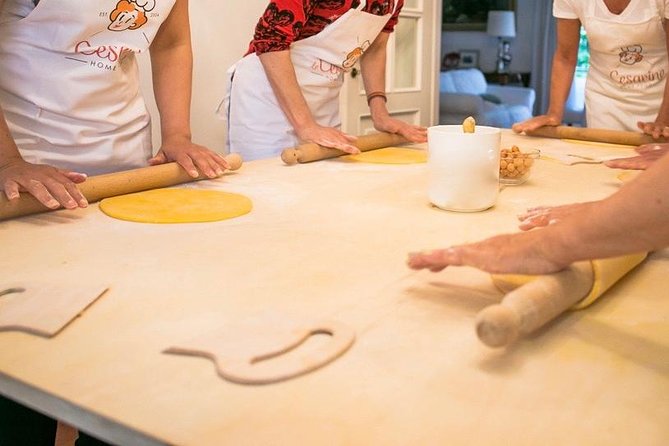
The aperitivo isn’t an add-on here. It’s part of the lesson experience.
Think of it like this: when you start with conversation and small bites, pasta-making stops feeling like a class and starts feeling like an evening with people who genuinely love food. You’ll be chatting about Lombardy cuisine and local eating rhythms as you go. It’s also a great way to get context for what you’re cooking. You’re not learning in a vacuum.
In several examples, hosts describe the experience as welcoming and family-like. That lines up with the Cesarine approach: the host is trying to make you feel comfortable enough to ask questions mid-dough, and comfortable enough to linger after the meal.
There’s also a practical upside. The aperitivo period gives you time to settle in, especially if you’re traveling from one part of Como to another. And because the group is small, the chat doesn’t become awkward small-talk. It’s usually more like a shared table conversation—people ask what they’re making, where their ingredients come from, and what to do differently back home.
So if you’re the kind of traveler who hates “activity fatigue,” this format helps. You’re not just checking a box; you’re enjoying a slow, Italian rhythm.
Small group cooking in private homes: what you gain
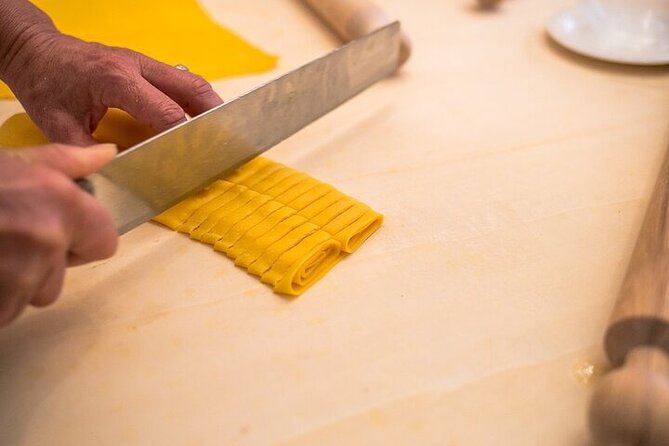
This class is designed for intimacy. The maximum is 8 travelers, and that small number is a big deal for quality.
Here’s what it changes for you:
- You get more direct attention while you’re shaping pasta.
- Questions don’t get lost in the noise.
- The host can tailor pacing when someone is learning dough handling for the first time.
- You’re more likely to sit down as a group and actually talk, instead of eating quickly and leaving.
That matters in a pasta class because pasta is physical. You can’t learn it only from watching. Dough needs your hands. When the group is small, you get enough time to do the work and enough reassurance to correct mistakes early.
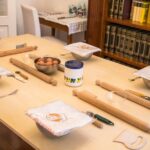
The other gain is the atmosphere. Homes create a different kind of authenticity than a public kitchen. One common detail across these experiences is the clean, organized home environment paired with a relaxed host vibe. That combination makes the cooking feel doable, not stressful.
Price and value: is $229.87 worth it?
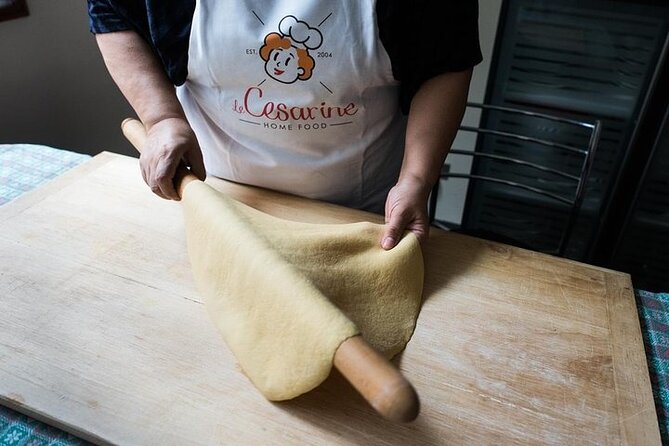
Let’s be honest: $229.87 is not the price of a casual cooking workshop. It’s closer to paying for a full evening experience.
So where is the value coming from?
You’re paying for the whole package
You’re not just paying for ingredients. You’re paying for:
- a private home setting with a Cesarine host
- English instruction
- hands-on teaching for pasta-making
- a full meal experience centered on fresh pasta and tiramisù
- the social aperitivo moment
Group size keeps it personal
Because the group is small (max 8), you’re not competing for attention. That’s a value driver. In larger classes, the “teaching” part can turn into “here’s a demonstration.” Here, it’s built around doing.
Como convenience matters
The meeting point is in Como (22100 area) and it’s near public transportation. That helps you plan your day without needing a private car just to reach a class location.
If you go into it like a fun food tour plus a cooking session, the price makes more sense. If you only want a quick meal, you’ll probably feel it’s pricey. This one is for people who want to take technique home with them and also enjoy the dinner-like atmosphere.
A good rule: if you’d happily spend money on a chef’s table-style dinner and like learning the kitchen basics, this class fits. If you prefer low-cost eating and self-guided exploring, you might want to skip.
Timing and how to plan your Como day
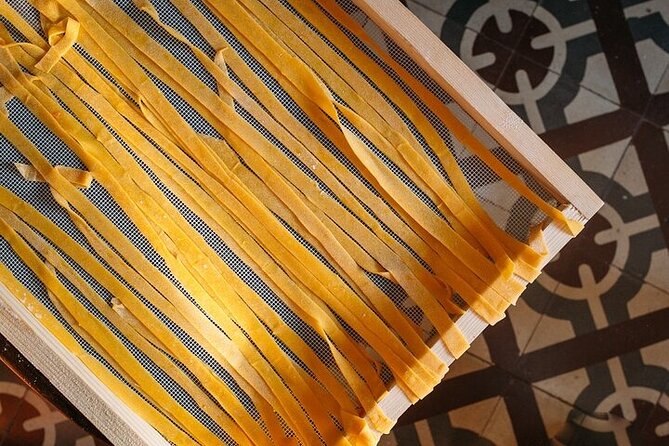
You’re looking at about 3 hours. That’s usually a sweet spot in Como: long enough to feel like an event, short enough that it won’t wreck your whole itinerary.
Because the class ends back at the meeting point, you can plan your evening food and gelato stops without a big relocation headache. Also, the experience is offered in English, so you can concentrate on the instructions rather than decoding language.
A practical strategy: book this as an anchor activity. Pick one day where you want to slow down. Do the scenic stuff earlier in the day, then let the cooking class become your “Coma night.”
And since the average booking timing is about 53 days in advance, you’ll want to reserve early if you’re traveling in peak season. Small group classes in homes can be harder to line up last minute.
Who should book this class (and who might pass)
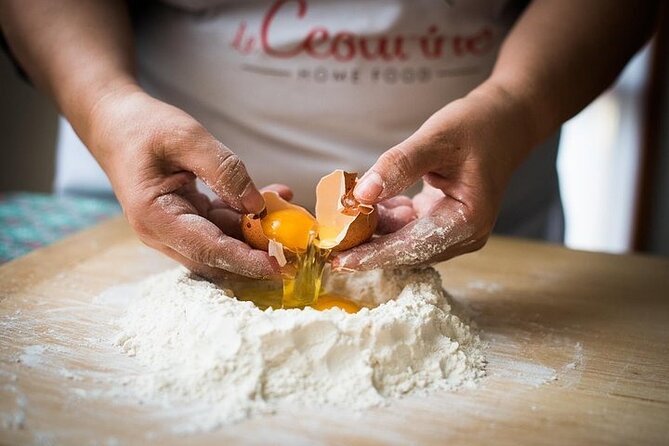
This class is a strong match if you:
- want to learn fresh pasta technique and not just taste Italian food
- love the idea of cooking in a local home with a Cesarine host
- enjoy aperitivo-style social time rather than rushing through a checklist
- prefer small group settings where you can ask questions and get feedback
It might not be ideal if you:
- only want a quick, low-cost meal
- hate structured activities even when they feel relaxed
- need highly specialized accommodations and haven’t confirmed details in advance
Also, keep your expectations tuned to the format. This is a home kitchen class, not a restaurant show. That’s why people come away impressed with the warmth and hospitality—and why being on time and ready to participate makes a big difference.
Should you book Pasta and Tiramisu in Como?
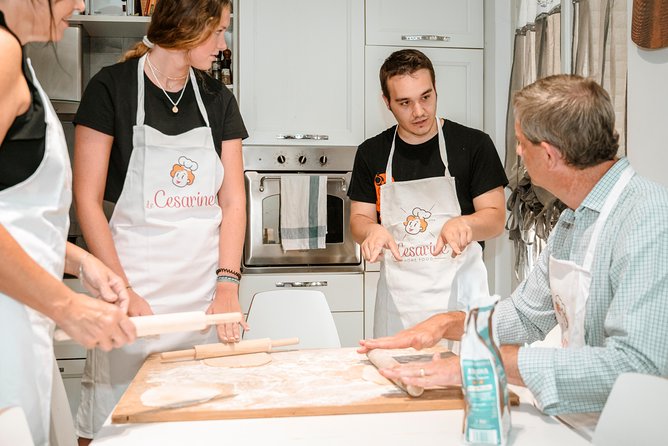
I’d book it if you want a memorable Como night that combines skill-building with real hospitality. The Cesarine home format is the core win, and the small group size (max 8) keeps it fun and interactive. Add in fresh pasta and tiramisù, plus the aperitivo mood, and you get an evening that feels like more than dinner.
But I’d hold off if you’re value-focused and don’t care about learning technique. For pure sightseeing or pure budget eating, Como has cheaper options. This one is for food people—especially anyone who wants to return home able to make pasta and tiramisù again, even if your first try isn’t restaurant-perfect.
If you like the sound of cooking as part of a local dinner rhythm, this class belongs on your Como list.
FAQ
What is the duration of the pasta and tiramisù class?
The class runs for about 3 hours (approx.) and ends back at the meeting point.
How many people are in the group?
It’s a small group with a maximum of 8 travelers.
What will I learn to make?
You’ll make fresh pasta and tiramisù. The pasta dishes can include options like ravioli, risotto, or gnocchi.
Is the class offered in English?
Yes, the experience is offered in English.
Where does the class meet?
The meeting point is listed as 22100 Como, Province of Como, Italy, and the activity ends back at that meeting point.
Can I get a refund if my plans change?
Free cancellation is available. You must cancel at least 24 hours in advance for a full refund.
Is it near public transportation, and are service animals allowed?
The experience is near public transportation, and service animals are allowed.