REVIEW · MILAN
Milan: Share Your Pasta Love in a Local’s Home
Book on GetYourGuide →Operated by Cesarine · Bookable on GetYourGuide
Flour, wine, and a real Milan living room. This Milanese pasta-making class happens in a local family’s home, not a studio, and it packs a surprising amount of flavor and technique into 1.5 hours. You’ll roll up your sleeves with a certified home cook, learn Northern Italian pasta basics, and then sit down to eat what you made, with wine included.
I really like the warm start: an aperitivo and small appetizer before you touch dough. I also love the way the evening is built around doing the work yourself—mixing, kneading, shaping classic pasta like tagliatelle/fettuccine/ravioli—then tasting everything together. Add in coffee and water alongside the wine, and it feels like a full evening, not a rushed demo.
One thing to consider: this is short by design. If you’re expecting a long, multi-course meal-style class with big portions and very detailed step-by-step explanations in English, you may want to set expectations early—some sessions can feel lighter than others.
In This Review
- Key highlights worth planning for
- Milan Pasta Love, in a Real Home Kitchen
- The 1.5-Hour Flow: Welcome, Make, Eat
- Aperitivo and Appetizer: Starting Like a Neighbor
- Making Fresh Pasta: Techniques You Can Actually Reuse
- The Wine Toast and Your Homemade Meal
- Price and Value: Is $65 Worth It in Milan?
- Small Group Size and English Support
- Who Should Book This Pasta Class?
- Practical Tips for a Smooth Home-Kitchen Evening
- Quick FAQ
- FAQ
- Where does the experience take place?
- How long is the class?
- What is the price?
- What will I make?
- Is wine included?
- Do they provide other drinks besides wine?
- Is it a small group?
- What language will the instructor use?
- Where do I meet the host?
- What is the cancellation policy?
- Should You Book This Milan Pasta Class?
Key highlights worth planning for
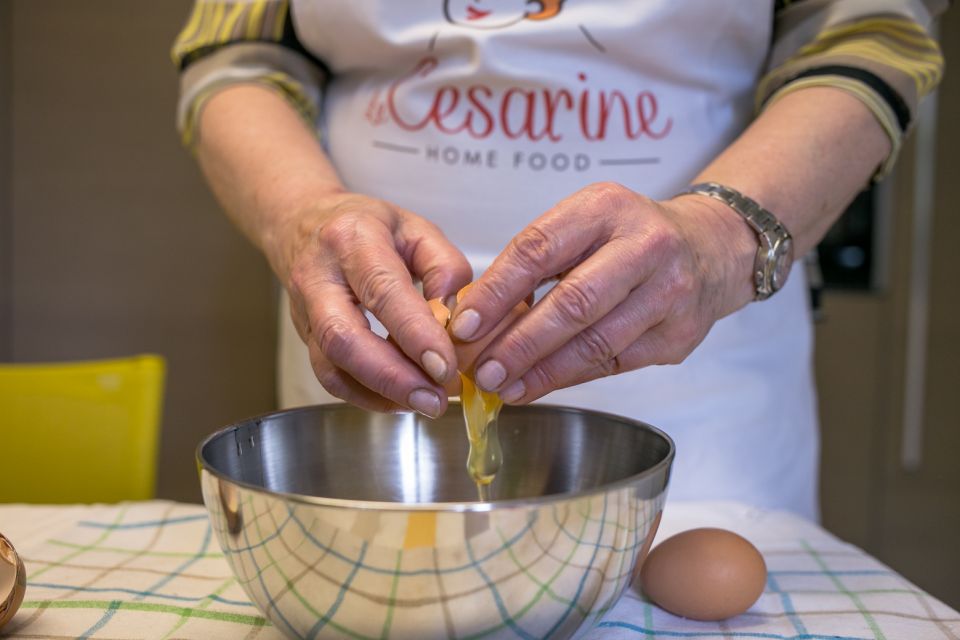
- A local home setting: you get a genuine feel for Milanese everyday life, in someone’s real space
- Aperitivo first: you start with welcome drinks and a small appetizer before the pasta work
- Hands-on technique: you actually mix, knead, and shape the pasta, not just watch
- Wine included: a bottle of wine is provided (one per three participants), plus coffee and water
- Small group (max 10): enough room for questions and hands-on guidance
Milan Pasta Love, in a Real Home Kitchen
Milan can be a “see it, then leave” kind of city. This experience works because it flips that. Instead of chasing one more landmark, you get a front-row seat to Italian cooking culture the way locals actually pass it down: through technique, patience, and plenty of conversation.
You’re in Lombardy, and the food focus is unmistakably Northern Italian. That matters because the approach to fresh pasta here isn’t about fancy tricks—it’s about texture and feel: how the dough comes together, how thin you roll it, and how shapes hold their sauce.
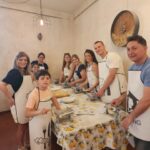
Best of all, it’s social without being noisy. With a small group capped at 10, you spend the time working side-by-side with new people, then eating at an actual table.
You can also read our reviews of more cooking classes in Milan
The 1.5-Hour Flow: Welcome, Make, Eat
This is a compact class, so the timing is tight. Here’s what the evening feels like, step by step.
First comes the welcome aperitivo and appetizer. You’ll get a friendly introduction to the host and the pasta tradition you’re about to learn. It’s a good moment to ask questions before flour takes over your hands.
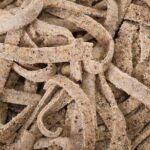
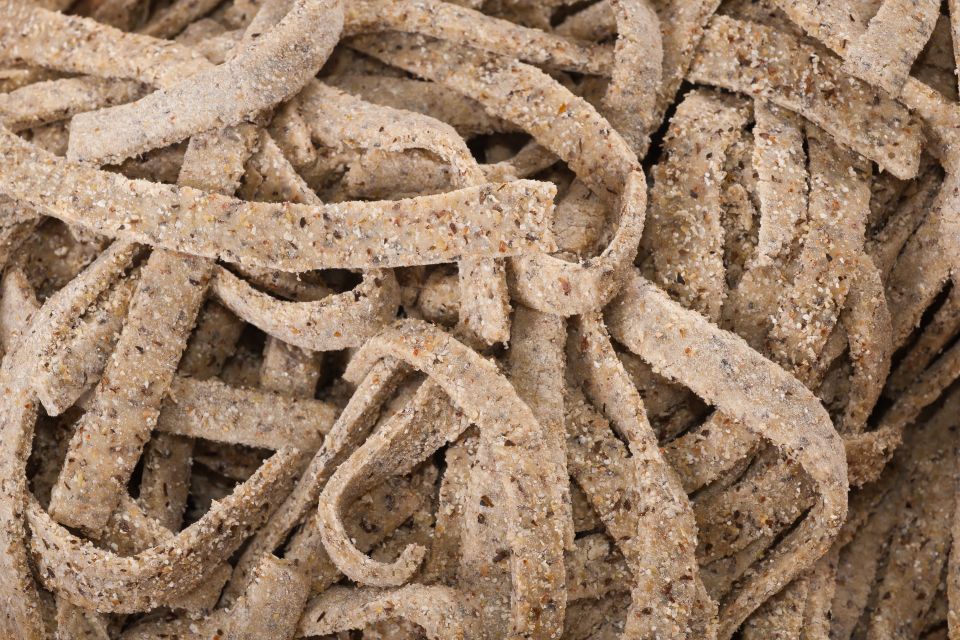
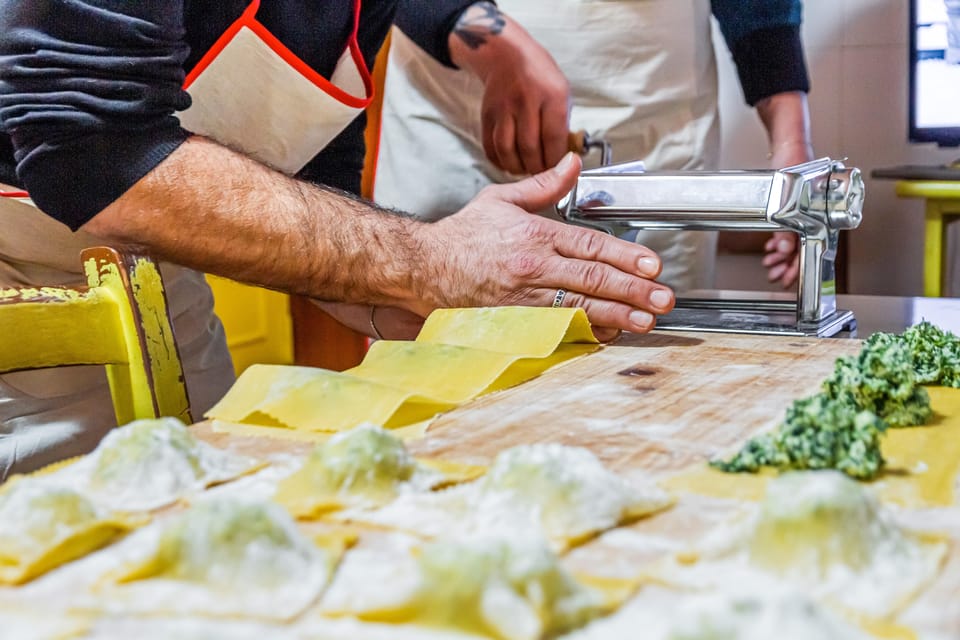
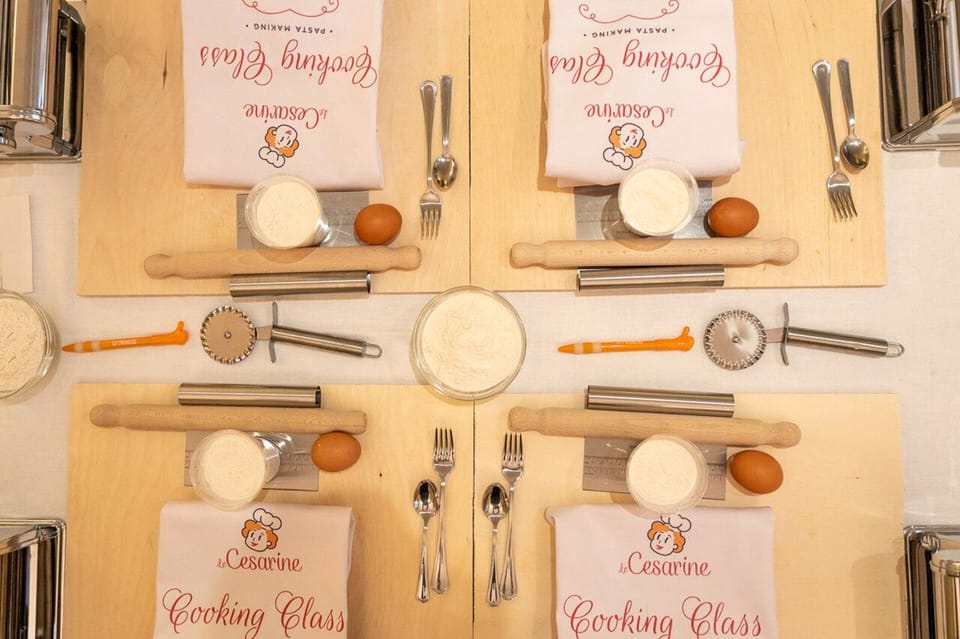
Then you get to the core: hands-on pasta-making. Your certified home cook guides you as you mix the ingredients, knead, and shape classic pasta options such as tagliatelle, fettuccine, or ravioli. The exact pasta can vary by session, but the skill-building is the point—so even if you’re a beginner, you learn how to recognize the dough when it’s right.
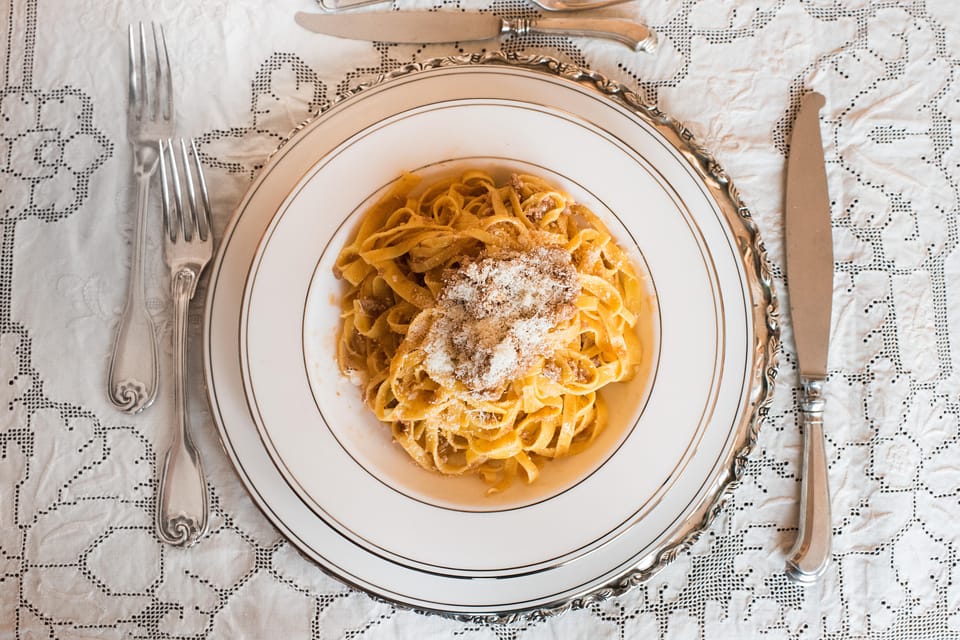
Finally, you sit down and eat what you made. You’ll toast with wine, and you’ll have a homemade pasta meal along with beverages like water and coffee. Some sessions also end with a sweet course prepared by the host, so plan to leave full and happy, not just satisfied by the process.
A small note on comfort: since it’s in a home, you’ll want to be ready for a casual, lived-in setting. Bring curiosity, and keep your phone put away once cooking starts.
Aperitivo and Appetizer: Starting Like a Neighbor
The best classes don’t start with instructions—they start with a welcome. Here, the host greets you with an aperitivo and a small appetizer before you ever touch dough.
Why this is more than a nice extra: it changes the whole vibe. You stop feeling like a “participant” and start feeling like someone being shown a family routine. You get a chance to settle in, meet the group, and hear how the host explains pasta—often in a mix of Italian and English.
From reviews, I’ve seen hosts like Valentina, Rosa, and Simona deliver this welcome in a very warm, patient way, with step-by-step guidance once the class begins. That kind of pacing makes it easier to ask questions without feeling rushed.
If you prefer a class that begins immediately with cooking, the aperitivo may feel like a slow start. But if you want the full Milan “home table” experience, that pre-dough break is part of the charm.
Making Fresh Pasta: Techniques You Can Actually Reuse
This is the hands-on heart of the evening: you’ll make fresh pasta yourself, with expert guidance.
You’ll do the key tasks—mixing, kneading, and shaping—so you come away understanding what fresh pasta dough should feel like. That matters more than memorizing a recipe. Once you know the texture you’re aiming for, you can recreate the results later.
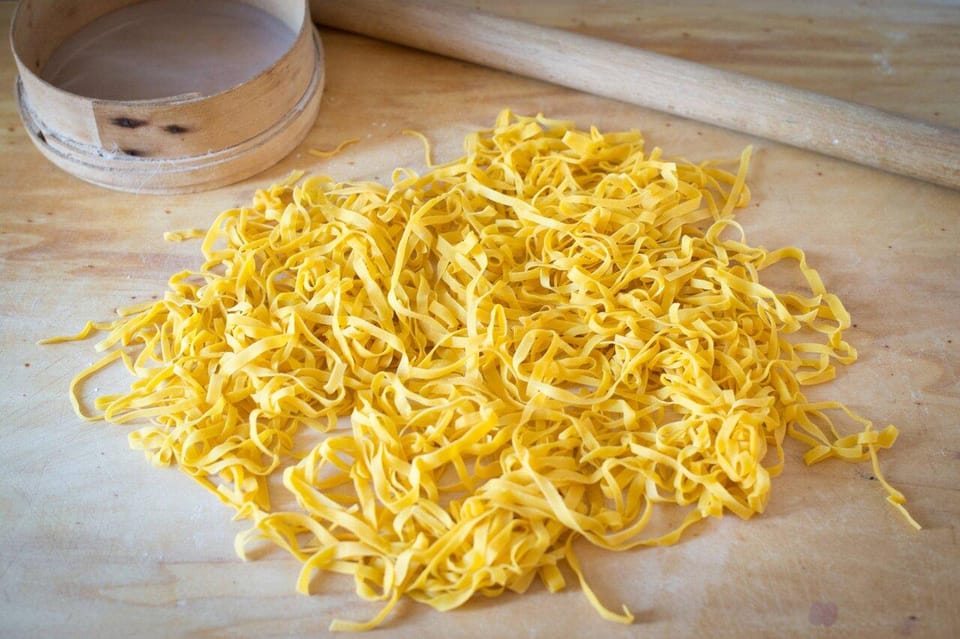
You may learn classics such as:
- tagliatelle or fettuccine
- ravioli
- and, in some sessions, other Northern-style shapes and sauces (you might see options like parmigiano-based tagliatelle or other pasta variations)
Even if you’re a serious foodie, you’ll likely pick up small technique habits: how to handle the dough without tearing, when to stop kneading, and how to shape pasta so it holds sauce. That’s where the value really shows.
And because the group stays small, the host can correct your form quickly. That’s important. In bigger cooking setups, one person can spend most of the time waiting their turn. Here, you’re in the action.
The Wine Toast and Your Homemade Meal
After cooking, you get the best part: eating the pasta you made.
A bottle of wine is included with a toast (one per three participants), plus water and coffee. The wine isn’t just a prop—it’s part of the rhythm of a home meal. You toast, you sit down, and you taste the results while everything is still fresh and warm.
What you’re served is described as a homemade pasta meal, paired with the included wine and beverages. In real terms, this is when the class stops being “just training” and becomes dinner with friends you haven’t met yet.
One more practical point: because this is a home, the meal flow can feel gentle and personal. Some hosts also prepare something sweet afterward, based on what people have experienced in recent sessions. So if you’re trying to time dessert, you’ll probably want to skip planning one right after—this tends to be satisfying.





Price and Value: Is $65 Worth It in Milan?
Let’s talk straight about price. At $65 per person for a 1.5-hour session, the big question is: what are you actually getting?
You’re paying for more than ingredients. The price includes:
- the welcome aperitivo and appetizer
- the hands-on pasta-making class
- beverages (water, wines, coffee)
- a homemade pasta meal (plus wine)
- local taxes
- a small-group format capped at 10
If you priced this out as “cooking instruction + home dining access,” it starts to look more reasonable. In a restaurant, you might pay similar or higher for pasta, but you wouldn’t get the technique coaching or the chance to eat something you made with guidance.
The main value trade-off is time. This isn’t a full half-day food tour. If you want a long, heavy meal experience, you’ll want to understand this is designed to be tight and efficient.
And one real caution from feedback: a small number of people felt the portions and explanation depth didn’t fully match what they expected. So if you’re the type who wants extremely detailed English instruction throughout, or you expect a big “main meal” serving as the centerpiece, it’s worth going in with a clear mindset: this is a compact cooking + tasting experience.
Small Group Size and English Support
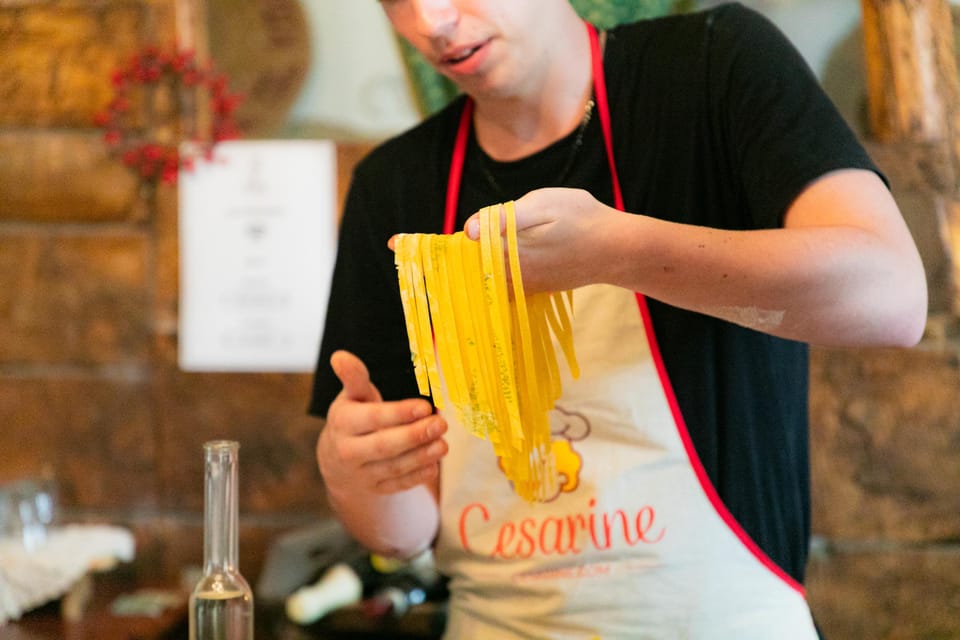
The class runs with a small group (limited to 10 participants), which is ideal for a hands-on activity. You’re not stuck watching a demonstration from the back. You can ask questions and get corrections while you’re kneading and shaping.
Language-wise, the instructor can work in Italian and English. In practice, the depth of English explanations can depend on the host and the pace of the group. Most sessions should feel welcoming either way, but if you’re sensitive to limited instruction in English, plan to ask questions as you go.
The upside: because you’re in a home and the group is small, you’ll usually be able to communicate through cooking actions, too. If the host demonstrates with patience—and many do—you’ll learn even when language has gaps.
Who Should Book This Pasta Class?
This class is a great fit if you want one of these outcomes:
- you want a memorable Milan activity that feels personal, not staged
- you like learning techniques you can repeat at home
- you enjoy food culture that includes wine, conversation, and a sit-down meal
- you’re coming as a couple or a small group and want something interactive
It also works for beginners, especially if you like structured guidance and learning by doing. At the same time, if you’re a serious pasta nerd expecting a very in-depth lecture or a larger multi-course meal, you might find it more “friendly and hands-on” than “academic and expansive.”
Practical Tips for a Smooth Home-Kitchen Evening
A few practical things will help you enjoy this without stress.
First, expect a home address format. For privacy, you receive the full address after booking, so keep an eye on your confirmation details. Plan to arrive a few minutes early, since it’s a home entrance and you’ll need time to settle in.
Second, come ready to get hands-on. Even with guidance, fresh pasta is tactile. Wear something you don’t mind getting slightly flour-adjacent, and be prepared for a casual, lived-in kitchen environment.
Third, eat lightly beforehand. The evening includes a meal you made plus beverages, and the welcome aperitivo starts the food clock early.
Finally, treat it like dinner with instruction, not a fast checklist. The best results come when you slow down enough to pay attention to dough texture and shaping.
Quick FAQ
FAQ
Where does the experience take place?
It takes place in Lombardy, Italy, inside a local family’s home in Milan.
How long is the class?
The duration is 1.5 hours.
What is the price?
The price is $65 per person.
What will I make?
You’ll learn classic fresh pasta dishes such as tagliatelle, fettuccine, or ravioli.
Is wine included?
Yes. Wine is included, with a bottle of wine (one per three participants).
Do they provide other drinks besides wine?
Yes. You’ll have water, wines, and coffee.
Is it a small group?
Yes. It’s limited to a small group of up to 10 participants.
What language will the instructor use?
The instructor can work in Italian and English.
Where do I meet the host?
The full address is shared after booking for privacy reasons.
What is the cancellation policy?
You can cancel up to 24 hours in advance for a full refund.
Should You Book This Milan Pasta Class?
If you want a hands-on food memory with real local hospitality, this is an easy yes. The combination of fresh pasta technique, a home-style welcome with aperitivo, and a sit-down meal with wine makes it feel like more than a standard cooking class.
Book it when you’re aiming for connection as much as cooking. If you’re going to be picky about portion size or you need extremely detailed English explanations, it’s smart to set expectations that this is compact and home-based—more warm and practical than long and lecture-heavy.
My advice: if Milan is your “food and culture first” stop, this is the kind of evening you’ll keep thinking about when you’re back home rolling dough.