REVIEW · MILAN
Bernina Red Train, Swiss Alps & St Moritz From Milan
Book on Viator →Operated by TAOTRAVEL · Bookable on Viator
Alps in one long day. This Milan to St Moritz trip mixes a coach ride with the dramatic Bernina Red Train climb into the Swiss Alps on a UNESCO-recognized route. I like that the day is run tightly by English-speaking guides such as Sabrina, Monika, and Alejandro, with clear handoffs between bus and rail.
What I also love is the mix of big scenery plus real breaks. You get coffee and views while you travel (including a stop where Lake Como shows up), then you land in St Moritz for free time to graze, shop, and enjoy the high-altitude atmosphere.
One drawback: it’s a 12-hour kind of day. You’ll spend plenty of time on buses, and St Moritz is not a slow, lingering visit, so plan for a “see a lot” pace.
In This Review
- Key reasons this day trip is popular
- Piazza Duca d’Aosta to the Alps: your Milan start
- Lake Como on the way up, plus quick stops that keep you human
- Arriving in St Moritz: 1.5 hours to shop, snack, and reset
- The Bernina Red Train: Europe’s highest train point by window view
- From St Moritz to Tirano (and why the timing feels tight but works)
- Riding comfort: what you can control before you get on the bus
- Getting your timing right: meeting points, snow, and the real pace
- Seasonality and expectations in St Moritz
- Who this tour fits (and who should skip it)
- Should you book the Bernina Red Train day trip from Milan?
- FAQ
- How long is the day trip?
- Where do I meet in Milan?
- Is the Bernina train ticket included?
- How much free time do I get in St Moritz?
- Are food and drinks included?
- What train class is included, and do the windows open?
- Do I need a passport or EU ID card?
- Is the tour offered in English, and how big are the groups?
- What happens if weather is bad or I need to cancel?
Key reasons this day trip is popular
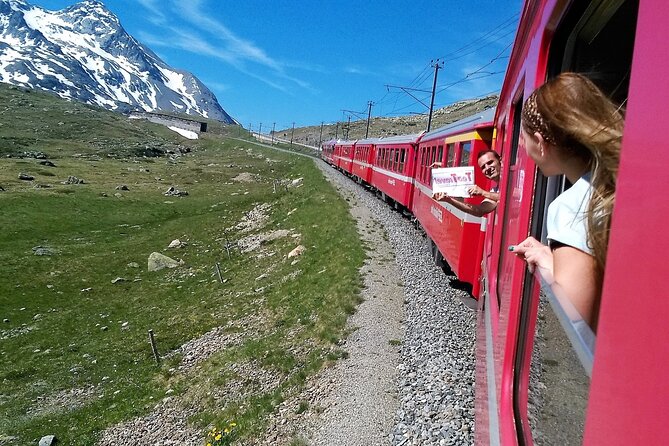
- Bernina Red Train views that do the heavy lifting: major Alps scenery with an on-board explanation
- St Moritz free time: about 1.5 hours to wander, snack, and shop at your own speed
- UNESCO-listed rail route: the train climbs to 2,253 meters (7,390 feet), the highest point reached by trains in Europe
- Second-class comfort with opening windows: you can get fresh air and better photo angles
- Big-day logistics handled for you: round-trip coach from central Milan with an English-speaking leader
- A capped group size: up to 48 travelers, which helps keep the day workable
Piazza Duca d’Aosta to the Alps: your Milan start
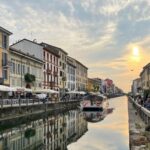
The day starts in central Milan at Piazza Duca d’Aosta (near the Excelsior Hotel Gallia). You meet your group, then board an air-conditioned coach and begin the long but smooth push north.
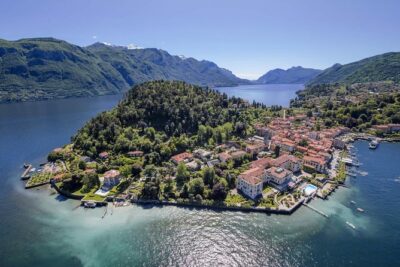
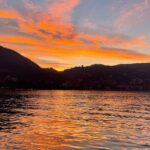
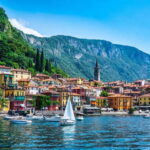
There’s a breakfast stop along the way, and the schedule includes short breaks rather than a single endless drive. You’ll also stop for coffee and get moments where the views really start to show, including an eye-catching stop where you can admire Lake Como before you head deeper into the mountains.
This part matters more than it sounds. If you try to DIY this on your own, you’re juggling departure times, transfers, and ticket timing across two countries. Here, you’re basically trading some freedom for a guide-managed flow.
You can also read our reviews of more tours and experiences in Milan.
Lake Como on the way up, plus quick stops that keep you human
The route includes quick “reset” stops that break the drive into manageable chunks. There’s a brief breakfast stop around Piantedo, then travel onward toward Maloja, with time passing as the scenery shifts from Italian plains to Alpine foothills.
You’re not going to step out and tour every stop like it’s a museum day. Think of these as breathers. You’re saving your energy for the part you came for: the rail ride and the time in St Moritz.
Tip: treat these stops like your chance to solve small problems early—water, a snack, bathroom time, and charging your phone. Once you’re on the train, you’ll want to be ready to just look out and shoot photos.
Arriving in St Moritz: 1.5 hours to shop, snack, and reset
You arrive in St Moritz and get a short city orientation. St Moritz sits in the Upper Engadin area, at 1,856 meters altitude, and has that classic luxury-resort vibe built in the 19th century.
Then comes your free time—about 1 hour 30 minutes—for shopping or food tasting (your own expense). This is the sweet spot if you want a taste of St Moritz without paying for a full overnight stay. You can do it two ways:
- Quick wander + photos + pastry breaks
- Focused shopping and people-watching, then back to the meetup point on time
In low season (September to November), some shops may be closed, so don’t build your plan around finding every café or store open. In other months, you’ll have more to do with your spare time.
One practical note: the day works only if you return to the exact meeting point when the group says. I’d rather you arrive a few minutes early than sprint back at the last second.
The Bernina Red Train: Europe’s highest train point by window view
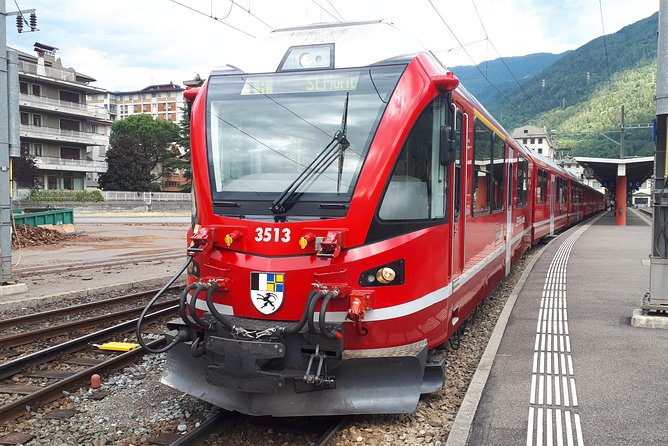
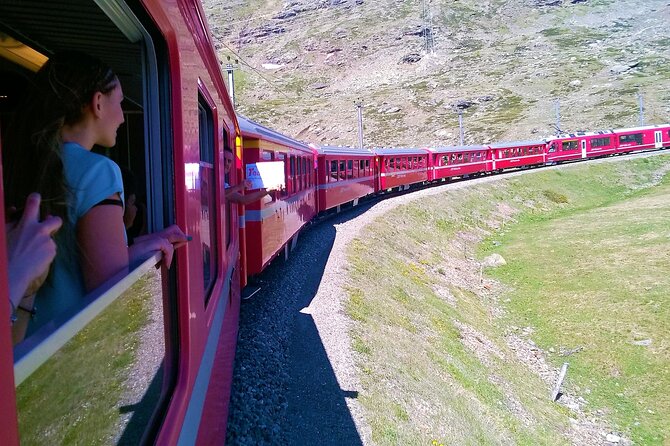
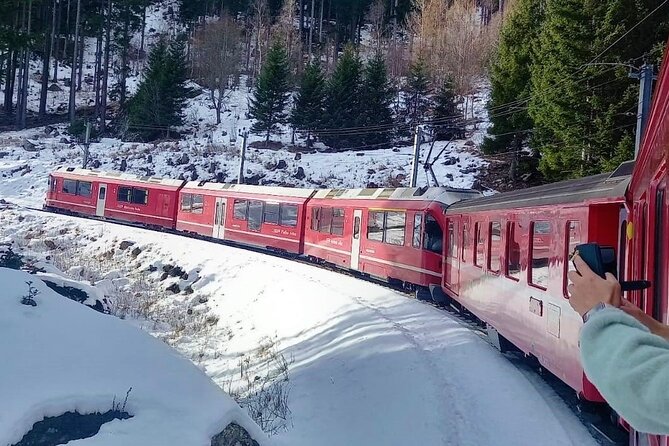
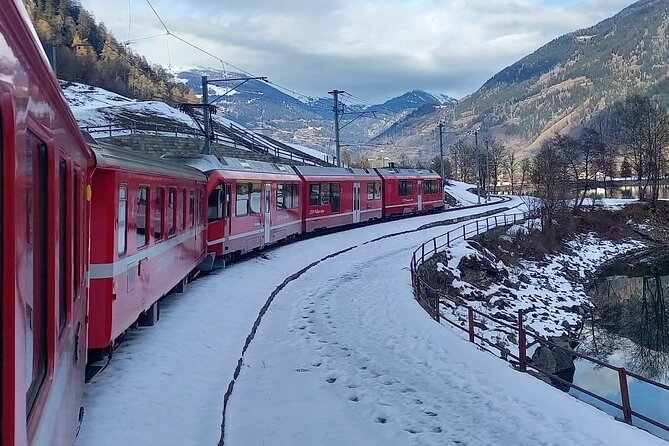
The highlight is the Bernina Red Train ride from St Moritz toward the rail destination (most commonly Tirano in this program, with an alternate St Moritz–Thusis option depending on what you’re assigned). You’ll board with a second-class ticket that includes opening windows, plus an explanation on board the train.
Here’s what makes this ride special: the line climbs to 2,253 meters (7,390 feet), described as the highest point reached by trains in Europe. You’ll be traveling through the Alps along a route with UNESCO World Heritage status, with nonstop big views outside the windows.
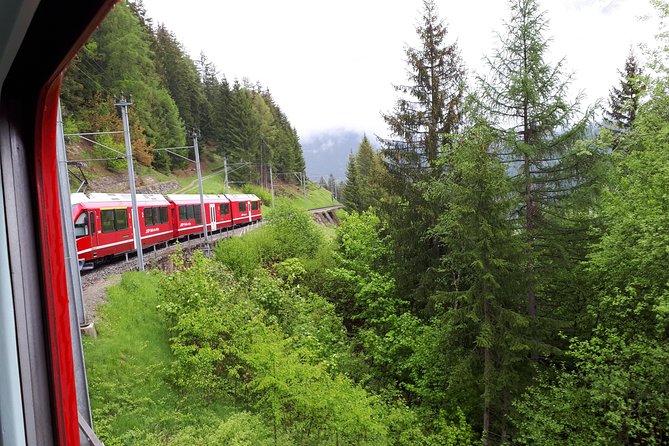
Also, manage expectations about the train style. This is not the version with the famous roof-window setup. The payoff still comes from the fact that you see scenery from the sides, and the train’s movement keeps the scenery changing constantly—mountain slopes, valleys, and small settlements rolling by in waves.
Practical photo tip: keep your camera/phone mount steady and clean the lens before you board. Even when you have good views, window reflections can sneak in fast once the light changes.
From St Moritz to Tirano (and why the timing feels tight but works)
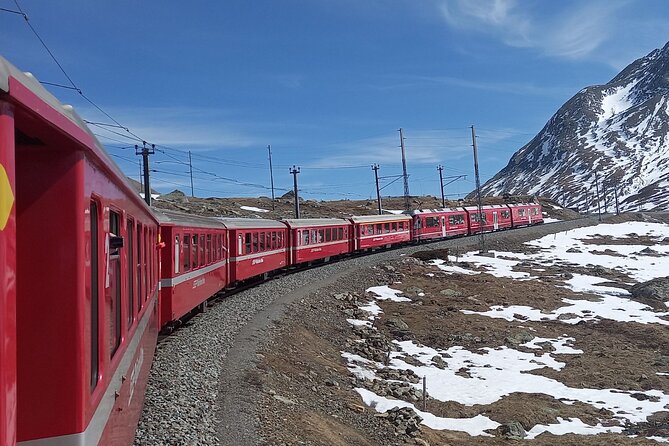
The train segment is about 2 hours 20 minutes. That timing is a big part of the value. You get enough time to feel like you had a real rail experience, not just a quick scenic transfer.
Then you arrive in the evening at Tirano, and the day shifts back into “return mode.” A coach takes you back to Milan, with an ending back at the same Piazza Duca d’Aosta meeting point (drop-off is at the Hotel Gallia area, 9, per the program info).
Is it perfect? No. It’s a full day, and you’re moving right along. But that’s exactly why this tour works for many people: you get both countries’ “hit list” without having to plan it like an engineering project.
Riding comfort: what you can control before you get on the bus
The train is the show. The bus is the means. And buses are where most people feel the day’s length.
From the notes you’re given, this is a group trip run with an English-speaking professional tour leader and air-conditioned transportation. The group size tops out at 48 travelers, which usually keeps it organized. Still, bus seats are bus seats. If you’re picky about comfort, bring layers and something for your lower back.
Here’s what I recommend packing for a day like this:
- Snacks and water (food and drinks are not included)
- A warm layer (Alps air can feel sharp even if Milan is mild)
- Something to do while you wait during the long drives: music, offline maps, photo sorting
- A fully charged phone/camera (your windows will earn their keep)
And yes, luggage matters. Luggage storage on the bus is not guaranteed, and it depends on the train route and whether the return bus is the same. If you travel with more than a small bag, ask the guide how they’re handling it that day.
Getting your timing right: meeting points, snow, and the real pace
This is a tightly scheduled day. You leave Milan early enough that you’ll feel the morning before your coffee kicks in. You return after dark, which is a big reason the pace stays efficient.
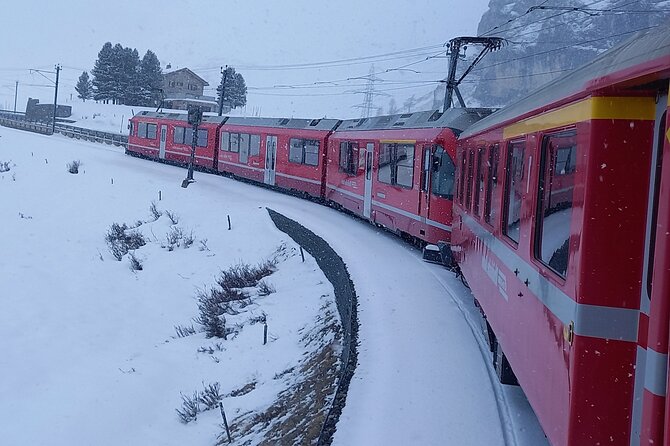
Some days come with extra drama. If weather brings snow, it can make the train ride even more dramatic. It’s also why the operator notes the experience depends on good weather. The plan can be altered if conditions aren’t right, and the trip can be moved or refunded if it’s canceled due to poor weather.
Also, do not treat the meeting point like a casual rendezvous. One review-style lesson that’s worth believing: get there early. Piazza Duca d’Aosta has multiple ways to get oriented, and messages sometimes come close to departure time. Arrive early, look for the group leader, and double-check you’re boarding the correct coach.
Seasonality and expectations in St Moritz
St Moritz is one of those places where the mood changes fast with the season. The program info specifically flags that in September–November, many shops may be closed. That doesn’t make the town pointless, but it changes what you’ll actually do with your free time.
In quiet periods, you’ll likely focus more on the feel of the town and the surrounding views. In busier months, you’ll have more choice for pastries, cafés, and shopping.
Either way, your free time is short. Treat it like a window, not a stay.
Who this tour fits (and who should skip it)
This day trip is best for you if:
- You want a once-in-a-lifetime Bernina rail experience without sorting trains across borders
- You like guided days where transportation and timing are handled
- You’re okay with a long day that’s mostly transit plus two key moments: St Moritz + the Bernina train
You might skip this if:
- You hate being on buses for hours
- You want a slow, deep dive into St Moritz with time for lunch that isn’t rushed
- You’re traveling with very large luggage and dislike last-minute storage uncertainty
The math is simple: this tour gives you maximum scenery per day. You pay with time.
Should you book the Bernina Red Train day trip from Milan?
If you want the Bernina Red Train and you’d rather not plan a multi-leg trip, I think it’s a solid booking. The included round-trip coach, the second-class train ticket with opening windows, and the guided explanations make the price feel less like a splurge and more like “paying for convenience.”
That said, go in knowing it’s a long all-day run. If you pack snacks, dress warmly, and manage your expectations about the short St Moritz visit, you’ll probably love this for what it is: one efficient day that delivers serious Alps views.
FAQ
How long is the day trip?
It’s listed as about 12 hours total, with transfer times that can vary depending on traffic and the time of day.
Where do I meet in Milan?
You meet at Milan Piazza Duca d’Aosta (20124 Milan). The tour ends back at the same meeting point.
Is the Bernina train ticket included?
Yes. Your second-class train ticket is included for the St Moritz to Tirano option (and the program also notes a St Moritz to Thusis option depending on the itinerary).
How much free time do I get in St Moritz?
You get about 1 hour 30 minutes of free time in St Moritz for shopping or food tasting (own expense).
Are food and drinks included?
No. Food and drinks are not included, so plan to buy what you need during breaks and in St Moritz.
What train class is included, and do the windows open?
The included ticket is second class, and the program specifies opening windows for the train segment.
Do I need a passport or EU ID card?
Yes. You’ll need a current valid passport or EU ID card on the day of travel.
Is the tour offered in English, and how big are the groups?
It’s offered in English, and the tour notes a maximum group size of 48 travelers.
What happens if weather is bad or I need to cancel?
The experience requires good weather. If it’s canceled due to poor weather, you’ll be offered a different date or a full refund. You can also cancel for a full refund up to 24 hours before the experience starts.