REVIEW · MILAN
Milan: City Sightseeing Hop-On Hop-Off Bus with Audio Guide
Book on GetYourGuide →Operated by Sightseeing Experience · Bookable on GetYourGuide
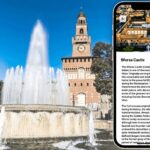
Milan clicks into focus from the top deck. I love the hop-on hop-off flexibility across four connected bus lines, and I love the multilingual audio guide that talks you through sights like Castello Sforzesco and the La Scala area. The main drawback is simple: the start point at Foro Bonaparte for Lines A, C, and D can be hard to spot the first time, so give yourself a little extra time to get oriented.
You’ll also appreciate the onboard Wi-Fi and the fact that the audio comes in many languages, with a separate kids track. I’d use the first ride to get your bearings, then hop off where you actually want to linger, like Brera, Navigli, or Parco Sempione.
In This Review
- Key reasons this bus works well in Milan
- Panoramic Milan without the constant uphill walking
- Ticket mechanics: where each line starts and how you switch
- Line A and D: Castello and Cenacolo to Duomo, then either Moscova or Brera
- Line A stops (Castello → Cadorna → Cenacolo → Corso Magenta → Duomo → Monte Napoleone → Manin → Moscova)
- Line D stops (Castello → Cadorna → Cenacolo → Navigli → Piazza XXIV Maggio → Duomo → Monte Napoleone → Brera)
- Line B: Duomo to Repubblica, Centrale, and the Porta Venezia shopping zone
- Line C: Triennale, City Life, Casa Milan, San Siro, and Parco Sempione
- A practical 1- or 2-day plan for first-time Milan
- Audio guide, Wi-Fi, and headset troubleshooting
- Price, value, and how long you should budget for traffic
- Seasonal disruptions and common gotchas at Foro Bonaparte and Duomo
- Should you book the Milan hop-on hop-off bus pass?
- FAQ
- How many bus lines are included in the Milan hop-on hop-off ticket?
- Where is the first stop for Lines A, C, and D?
- Where is the first stop for Line B?
- What languages are available on the audio guide?
- What’s included with the ticket besides the bus rides?
- Are attraction tickets included?
- Is the Milan Night Tour included with the 72h weekend ticket?
- Are there any known disruptions?
Key reasons this bus works well in Milan
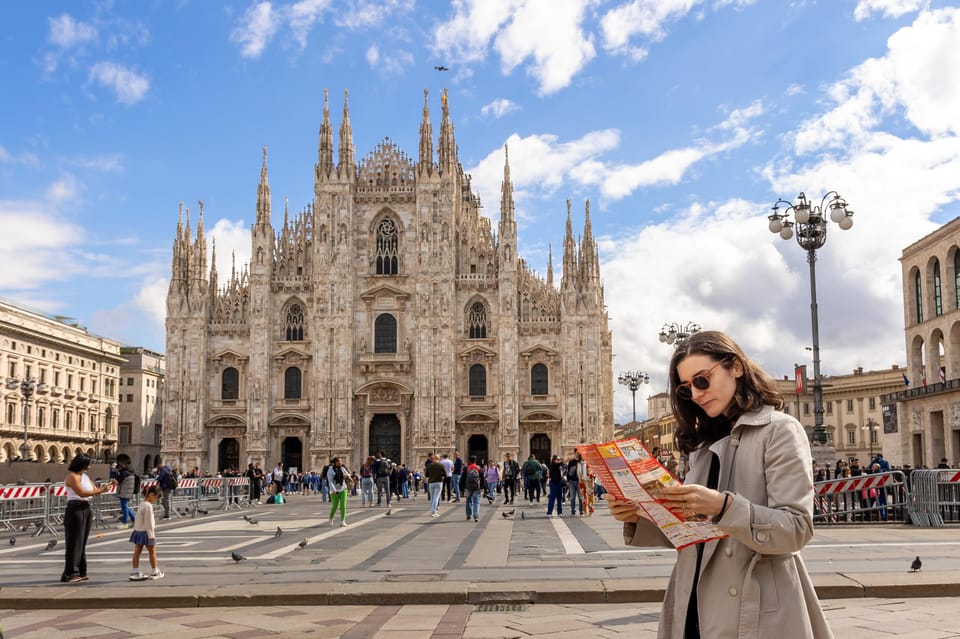
- Four routes on one ticket (Lines A, B, C, and D) so you can stitch together your own perfect day
- Audio guide in 10 languages, plus a special children’s commentary track
- Major Milan anchors on the map: Duomo, Cenacolo, Navigli, San Siro, and Parco Sempione
- Wi-Fi onboard and a city map to help you decide where to jump off next
- Extra summer value: a 72h weekend ticket can include the Milan Night Tour (June–September)
Panoramic Milan without the constant uphill walking
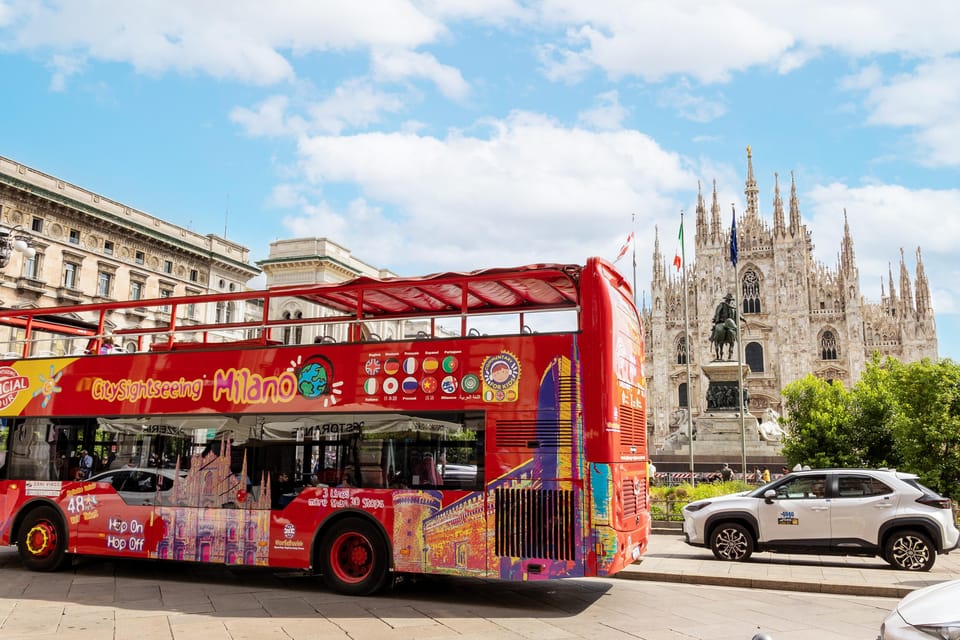
Milan is a city where it’s easy to spend your energy just getting between neighborhoods. This open-top hop-on hop-off bus is a straightforward way to cover a lot of ground without turning your trip into a nonstop foot race.
I like that you’re not stuck with one fixed route. You can ride, listen, and then hop off to explore longer at whichever areas grab you. The panoramic setup also helps with quick orientation: after one loop, you usually understand where the Duomo zone sits relative to districts like Brera or Navigli.
The trade-off is time. Traffic can slow buses down, especially around the central sights. If you’re trying to fit the bus between timed entry tickets, you’ll need a buffer and a clear plan.
You can also read our reviews of more guided tours in Milan

Ticket mechanics: where each line starts and how you switch
This pass gives access to four connected bus lines that you can combine over your visit (duration is listed as 1–3 days). Each line covers different neighborhoods, which is why the same ticket can feel like multiple mini-tours rather than one long circle.
Meeting points are important:
- For Lines A, C, and D, your first stop is at Foro Bonaparte
- For Line B, your first stop is at Piazza Duomo
Once you’re onboard, hop-on hop-off is the whole point. You decide where to get off, and you can later board another bus line to keep exploring. A practical tip: if your goal is to maximize sightseeing, you’ll do best by treating the bus as your transportation backbone and using your walking time for the places you choose.
Line A and D: Castello and Cenacolo to Duomo, then either Moscova or Brera
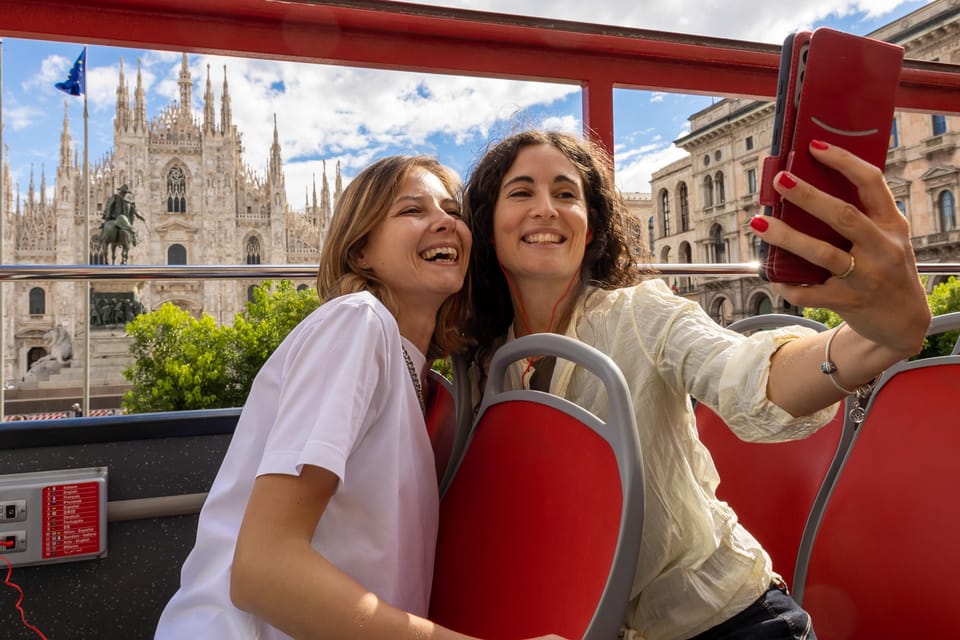
These two lines are your “historic core” options. They sweep through the classic Milan highlights and give you natural drop points for museums, shopping streets, and central districts.
Line A stops (Castello → Cadorna → Cenacolo → Corso Magenta → Duomo → Monte Napoleone → Manin → Moscova)
Here’s how I’d use Line A:
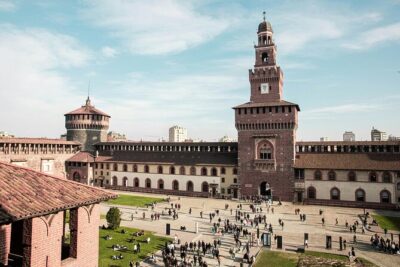
- Castello: your connection to the Castello Sforzesco area. If you like fortress-and-gardens views, this is a great anchor.
- Cadorna: a useful transit-adjacent stop if you plan to connect onward to other parts of the city.
- Cenacolo: positioned for the Last Supper area. You’ll want attraction tickets for the indoor visit, but the bus stop is a convenient way to get close without a long walk.
- Corso Magenta: a calmer route through a central corridor where you can catch views and decide what to explore on foot.
- Duomo: the big centerpiece. Hop off here if you want the cathedral zone to be your base area.
- Monte Napoleone: high-end fashion streets. Even if shopping isn’t your main goal, the area gives you a feel for Milan’s style.
- Manin: another central stop that helps you avoid backtracking.
- Moscova: a good off-ramp for neighborhoods to the north-east of the center.
Line A is ideal when you want a mix of history (Castello/Cenacolo), the Duomo heartbeat, and then a shift into more refined shopping streets.
Line D stops (Castello → Cadorna → Cenacolo → Navigli → Piazza XXIV Maggio → Duomo → Monte Napoleone → Brera)
Line D is similar early on, then it adds two neighborhoods people actively plan around:
- Navigli: the canal area. If you like riverside strolling, this stop is a smart choice.
- Piazza XXIV Maggio: a practical place to hop off while you explore the Navigli zone on foot.
- Brera (final stop): a classic art-and-cafés district choice. Great for a slower evening when you want to wander without a strict plan.
And again, Duomo and Monte Napoleone appear on this line too. That means you can treat Line D like a “center + nightlife atmosphere” route, while still using the bus for transportation.
One caution: transferring between lines can mean packed buses in peak periods, so if you care about getting seats and clean headset audio, aim to board a bit earlier at the interchange stops.
You can also read our reviews of more city tours in Milan
Line B: Duomo to Repubblica, Centrale, and the Porta Venezia shopping zone
Line B leans more “big-city infrastructure and modern Milan,” while still touching the central attractions.
Stops:
- Duomo
- Monte Napoleone
- Manin
- Repubblica
- Palazzo Lombardia
- Stazione Centrale
- Buenos Aires
- Porta Venezia
- San Babila
How this plays for you:
- Duomo + Monte Napoleone keep Line B grounded in the most famous center-to-fashion axis.
- Repubblica is handy if you’re planning connections or want a different angle on the center.
- Palazzo Lombardia gives you a modern skyline feel.
- Stazione Centrale is one of Milan’s most recognizable transportation hubs. Even if you’re not taking a train, it’s a strong visual landmark.
- Buenos Aires and Porta Venezia move you into lively neighborhoods with more day-to-day city texture.
- San Babila is another central shopping/streets area stop that works well if you want to stay close to the center but not only in the Duomo square.
Line B also has its own advantage: because the first stop is Piazza Duomo, it’s the easiest line to start if you’re already in the cathedral area.
Line C: Triennale, City Life, Casa Milan, San Siro, and Parco Sempione
Line C is the “big sweep” route. It covers design-and-architecture stops, then shifts into the sports-and-stadium part of Milan, and finally lands you near parks.
Stops:
- Castello
- Triennale
- Arco della Pace
- City Life
- Casa Milan
- Mico – Congress Centre
- Lotto – Montebianco
- Lido
- Ippodromo
- Stadio San Siro
- Lotto – Monterosa
- Buonarroti
- Pagano
- Conciliazione
- Parco Sempione
This route is great for people who want Milan in “chapters”:
- Start with Castello and move toward cultural stops like Triennale.
- See the landmark sweep of Arco della Pace.
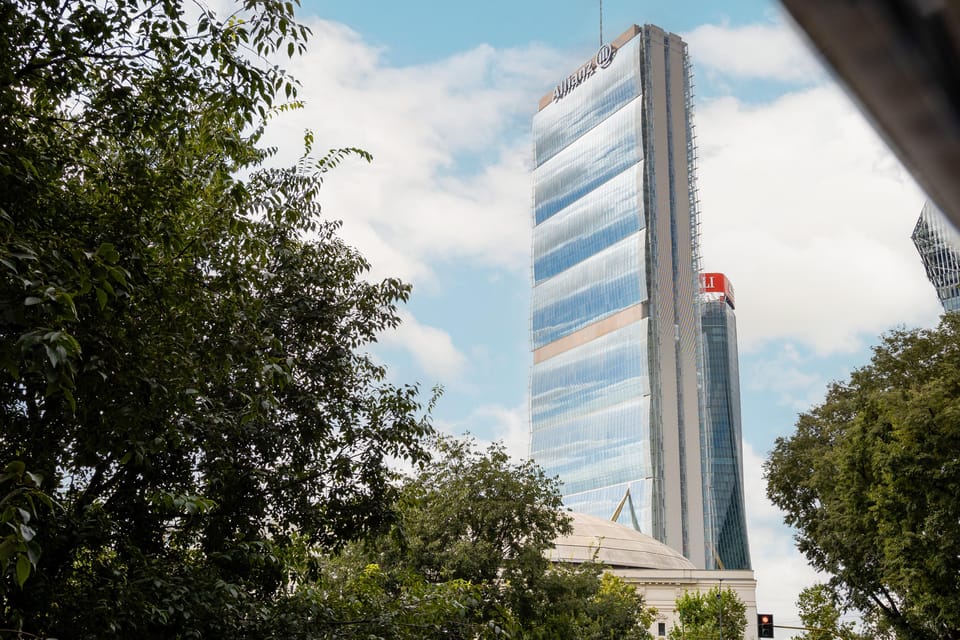
- Then jump to the modern skyline area around City Life.
- If football is part of your trip, Casa Milan and Stadio San Siro are the star moments. The bus stop gets you close, but indoor stadium experiences typically require separate ticketing.
- End with Parco Sempione, a strong payoff when you want greenery and open space after city streets.
If you only have one full day, this line can feel like the best use of your “outer Milan” time. Just remember that Milan traffic can stretch the ride, so don’t schedule a tightly timed visit immediately at the end of the loop.
A practical 1- or 2-day plan for first-time Milan
If you’re arriving with limited time, the smartest approach is simple: do one long loop early, then build your second day around neighborhoods you truly want to repeat.
Day 1: Get your bearings
- Start near the center, then choose the line that best matches your priorities.
- For a classic first day, mix Line A or Line D stops around Duomo and Cenacolo, then continue toward Monte Napoleone.
- Keep your “must-walk” list short. Hop off for a single longer neighborhood, then return by bus.
Day 2: Pick a theme
- Choose Line C if you want a blend of design landmarks, modern districts, and the San Siro area, finishing near Parco Sempione.
- Choose Line B if you want a more urban-city feel: Stazione Centrale and Porta Venezia are excellent for day-to-evening wandering.
A key reality check: with just one day, you can see a lot, but you’ll likely want at least one more day if your interests include more than one neighborhood. The bus helps you cover ground fast, but it doesn’t replace time needed on foot.
Audio guide, Wi-Fi, and headset troubleshooting
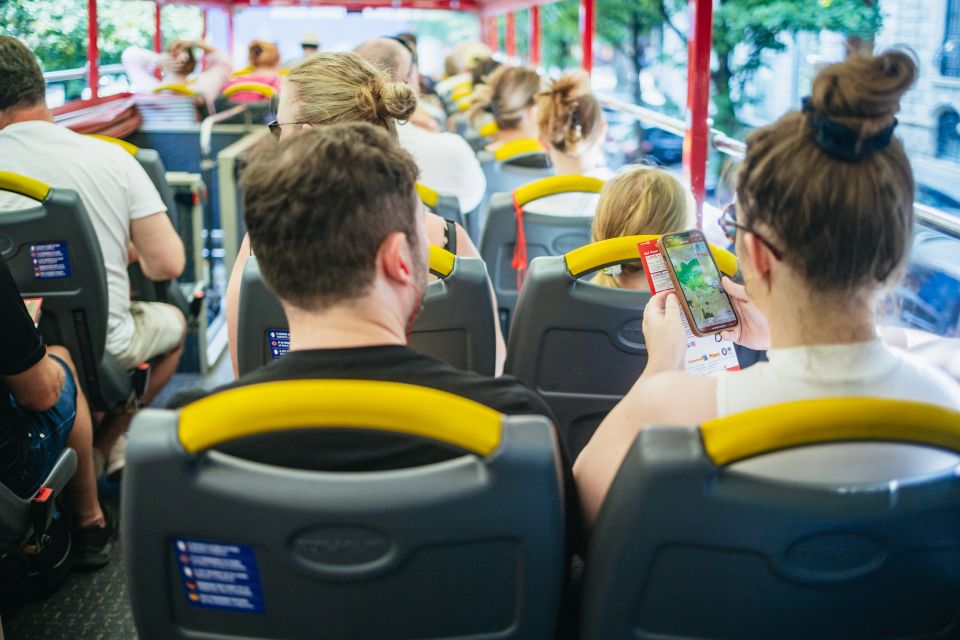
The audio is a big part of why this bus feels like more than just sightseeing transportation. The commentary is available in 10 languages (Spanish, Chinese, English, French, German, Italian, Russian, Portuguese, Japanese, Arabic). There’s also a special audio commentary for children, which can make family rides much easier.
I especially like the way the stories go beyond buildings. The audio includes local food topics like the recipe for Cotoletta alla Milanese and the history of panettone, which turns the bus ride into a sort of moving study guide.
Two practical notes:
- Onboard Wi-Fi can help while you wait for the next bus or figure out where you want to hop off.
- Audio can vary by seat. If you notice the headset jack or audio isn’t working, switch seats or swap equipment when possible. The system is built for mass use, so it’s worth checking audio early rather than waiting until you’re already past a key stop.
Price, value, and how long you should budget for traffic
At $26 per person, this hop-on hop-off ticket often feels like good value because it turns bus rides into decision time. You pay once, then you choose where to spend time on land, which can save you money on extra transport between scattered sights.
The pass also works over 1–3 days, which is where the value really clicks. If you’re only in Milan for a few days, you can use the bus to reduce walking between districts and save your energy for actual exploring.
There’s also a seasonal perk worth noting: with the 72h rate valid for the weekend (Saturday and Sunday) between June and September, the Milan Night Tour is included. That can add meaningful value if you want a nighttime view and don’t want to pay separately.
Now the less-fun part: Milan traffic. Buses can get delayed and transfer points can become crowded. Plan for extra minutes, especially around the busiest central stops like Duomo, where everything tends to slow down.
Seasonal disruptions and common gotchas at Foro Bonaparte and Duomo
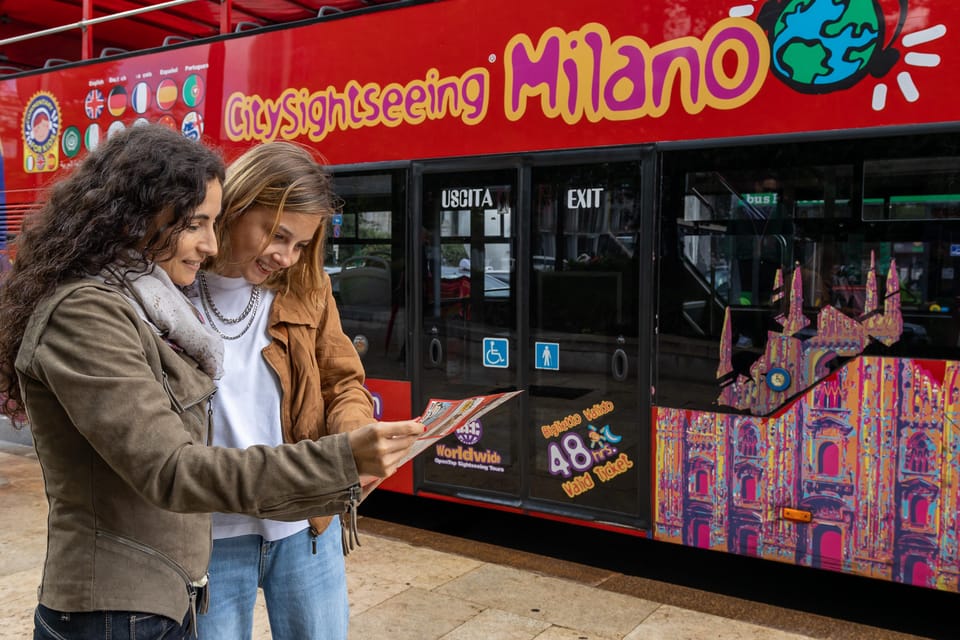
A few logistics items can save you stress:
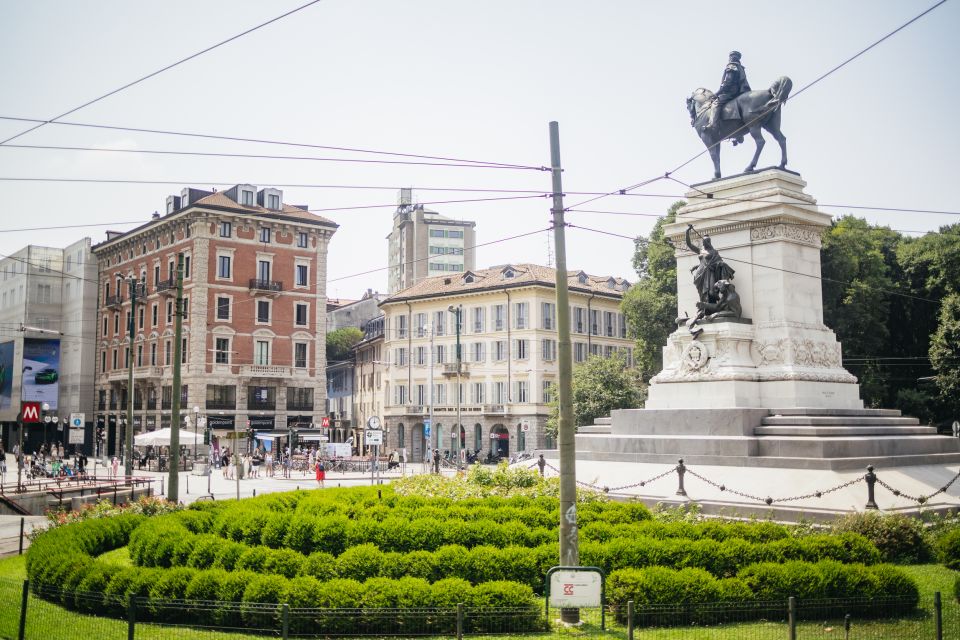
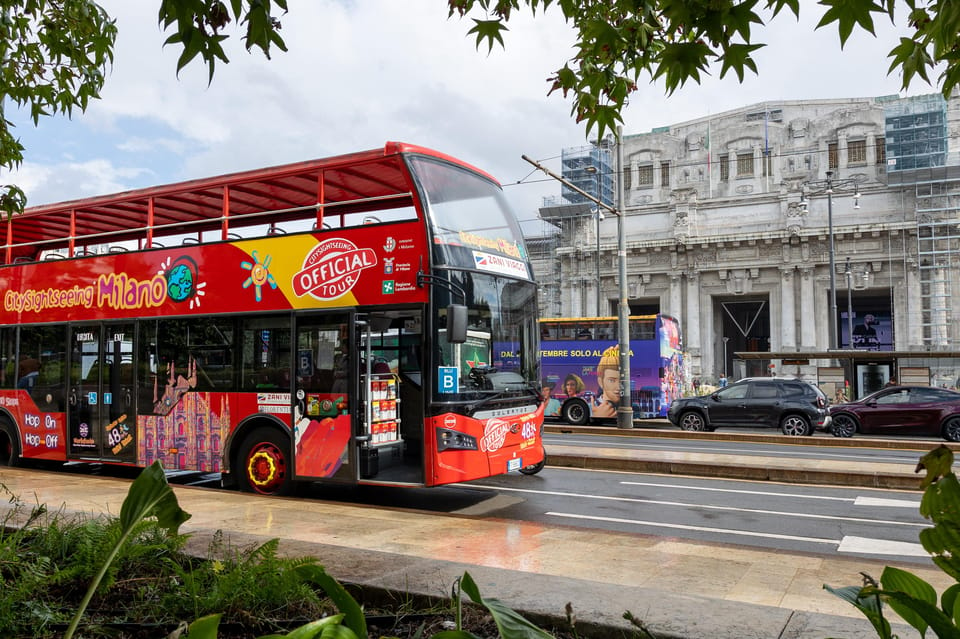
- If you’re using Lines A, C, and D, start at Foro Bonaparte. It’s a large area, so don’t treat it like a tiny square. I recommend checking your map before you arrive and heading straight for the visible info/ticket area rather than chasing the stop shown in a distant photo.
- If you’re starting with Line B, the first stop is Piazza Duomo, which is easier to locate if you’re already staying in the center.
- Watch for operational disruptions. During the Winter Olympic Games, there may be changes, including closure of Green Line Stop n.2. On Saturday February 21, Stop Castello may be suspended.
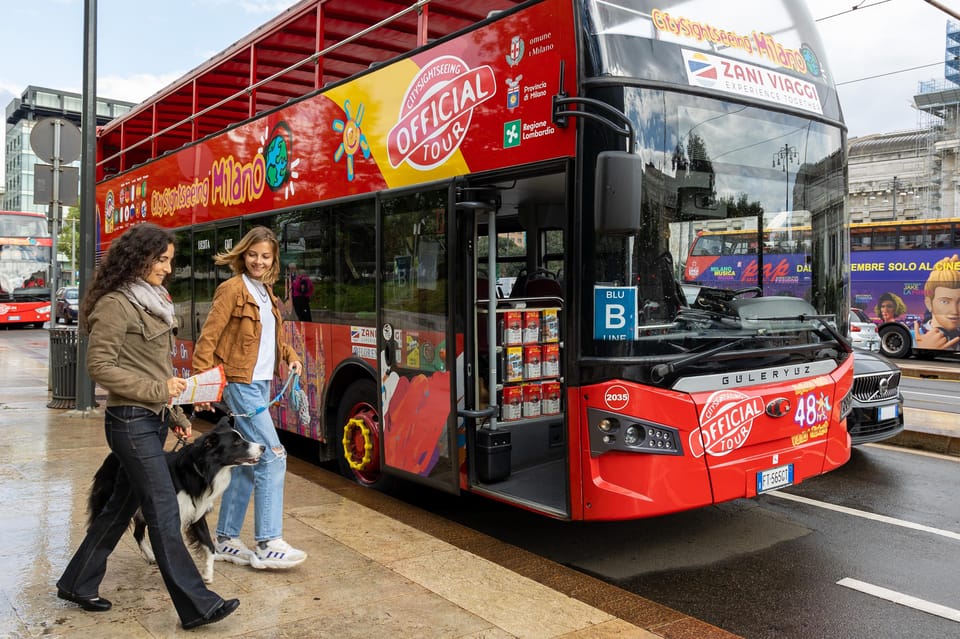
- There can be more than one company running similar-style buses. Make sure the bus stop and branding match what your ticket says, so you don’t waste time at the wrong platform.
These are the kinds of small issues that can make the difference between a smooth day and an annoying half-hour of wandering.
Should you book the Milan hop-on hop-off bus pass?
Book it if you want an easy way to see Milan’s big landmarks plus multiple neighborhoods without planning every bus segment in advance. This works especially well for first-time visitors, people traveling with kids (kids audio is included), and anyone who wants to get oriented early and then return to favorites on foot or by metro.
Skip or downsize if you’re staying in one area only and you’re confident doing Milan on foot already. The bus is a tool for breadth; it won’t magically replace the time you’ll want to spend actually walking Brera streets or enjoying the Navigli vibe at street level.
If your ideal trip is flexible, comfortable, and guided by stories as you travel, this is a solid pick.
FAQ
How many bus lines are included in the Milan hop-on hop-off ticket?
Your ticket covers 4 separate but connecting bus lines in Milan: Lines A, B, C, and D.
Where is the first stop for Lines A, C, and D?
For Lines A, C, and D, the first stop is Foro Bonaparte.
Where is the first stop for Line B?
For Line B, the first stop is Piazza Duomo.
What languages are available on the audio guide?
The audio guide is available in Spanish, Chinese, English, French, German, Italian, Russian, Portuguese, Japanese, and Arabic. There is also a special audio commentary for children.
What’s included with the ticket besides the bus rides?
Included are multilingual audio commentary, a kids audio track, Wi-Fi onboard, a free walking tour in the mobile app in 5 languages, and a city tour map.
Are attraction tickets included?
No. Attraction tickets are not included.
Is the Milan Night Tour included with the 72h weekend ticket?
Yes. With the 72h rate valid for the weekend (Saturday and Sunday) from June to September, the Milan Night Tour is included.
Are there any known disruptions?
Yes. During the Winter Olympic Games, there may be disruptions, including closure of Green Line Stop n.2 for the period. Also, on Saturday February 21, Stop Castello may be suspended.