REVIEW · MILAN
Choose three recipes to cook from all the traditional cuisine
Book on Viator →Operated by Cook and Dine · Bookable on Viator
Cooking in someone’s home kitchen changes everything. Here, you pick three dishes from Italian traditions and cook them yourself in Milan, with a chef who brings it all down to practical steps. The group stays small, up to 10, so you’re not shouting over anyone to get help.
I especially love how the class is hands-on from the start—fresh pasta, fried zucchini flowers, gnocchi, and classic sweets like tiramisu or cannoli are all on the menu options. I also like that you get the recipes in English, so you’re not just eating a great meal and forgetting how it was made.
One possible drawback: if you’re hoping for a full tutorial on every dough step for every dish, the amount of hands-on can vary by recipe and what the chef has planned for the day. Also, there’s no hotel pickup, so you’ll want to get to the meeting point on Via Mantova on time.
In This Review
- Key Things That Make This Cooking Class Worth Your Time
- A Milan Home-Kitchen Class That Feels Personal
- How the Three Recipe Choice Actually Works
- The Two-Hour Cooking Block: What You’ll Do
- Starter, Pasta, Fried Veg, and Sweets: The Menu Options That Drive the Fun
- Bread-First Comfort: Bruschetta
- Fresh Pasta Choices: Tagliatelle, Ravioli, and Gnocchi
- Milanese Classic: Risotto with Saffron
- Eggplant and Zucchini Flower: Parmigiana Energy
- Meat and Fish Options: Roman-Style Lamb or Venice Cod
- Pizza and Panzerotti: Knead to Pocket or Fold
- Lasagna: Meat or Vegetarian Versions
- Dessert That’s Built to Impress
- The Meal Table Part: Wine, Prosecco, and Limoncello
- Price and Value: What You’re Really Paying For
- Getting There at Via Mantova (and Staying Relaxed Once You Arrive)
- Who Should Book This Cooking Class in Milan
- Should You Book This Milan Cooking Class?
- FAQ
- Is the cooking class in English?
- How long is the experience in Milan?
- Can I choose which three recipes I cook?
- Is lunch or dinner included?
- What drinks are included with the meal?
- Are vegetarian or gluten-free options available?
- Where do I meet, and is hotel pickup provided?
Key Things That Make This Cooking Class Worth Your Time
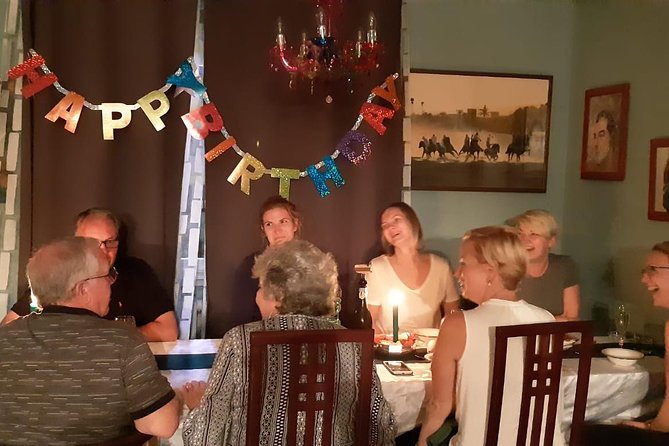
- Recipe choice before you cook: Chef Aurora or chef Lucrezia sends you a list, and you choose your three dishes.
- Small-group attention: max 10 people, so you can ask questions while you work.
- Hands-on Italian techniques: cutting, herbs and spices, timing, and frying/boiling basics for real success at home.
- Milan-specific comfort classics: options range from bolognese tagliatelle to Milanese risotto with saffron.
- Dessert included with real pride: tiramisu, panna cotta, and even cannoli tube-making and filling.
A Milan Home-Kitchen Class That Feels Personal
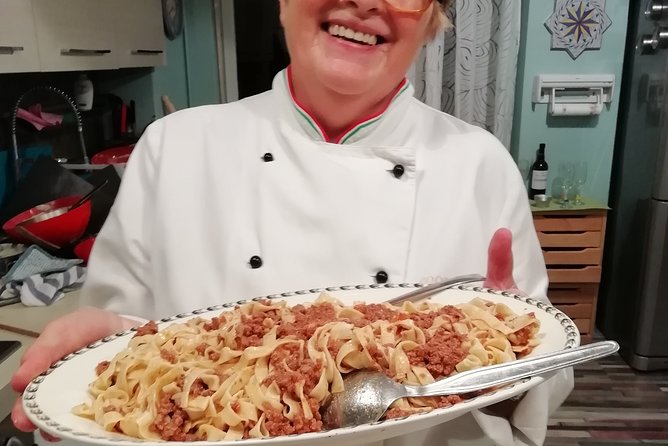
This isn’t a “watch first, eat later” cooking show. You’re in a real home kitchen, guided by Chef Aurora or Chef Lucrezia, with Chef Elena also appearing as a frequent instructor. The vibe is relaxed but focused—step by step, in English, and built around you cooking your own portion.
That matters in Milan, where it’s easy to spend time “doing sights” and then eat whatever is closest. This class is the opposite: you’re learning how Italian food comes together, not just what it tastes like.
You also get a real cultural bonus without the lecture-heavy feel. The chefs connect techniques to Italian habits—how ingredients should behave, how herbs work in sauce, and why timing is everything when you’re making fresh egg pasta.
You can also read our reviews of more tours and experiences in Milan.



How the Three Recipe Choice Actually Works
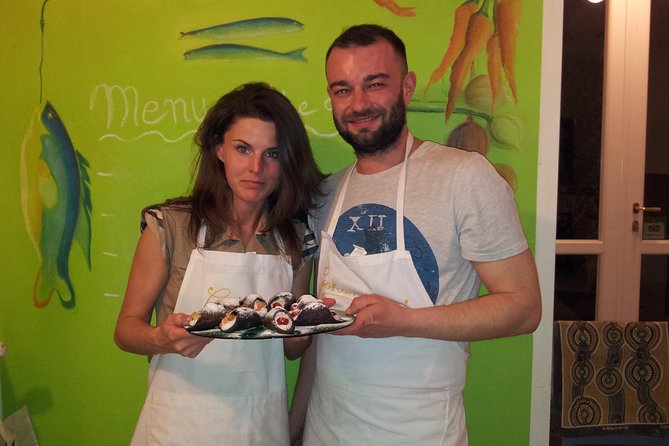
When you book, Chef Aurora or chef Lucrezia contacts you with a list of dishes spanning Italian culinary traditions. You then select three recipes you want to prepare. If you’re the first one booking a date, you’ll often have more freedom in which three you choose.
That choice is more than a nice extra. It’s what turns this into a tailored experience:
- You can steer toward what you actually want to eat in Italy (pasta, fried vegetables, ragù, fish, desserts).
- You can build a menu around dietary needs since vegetarian and gluten-free options are available.
- You can match your skill level by choosing simpler dishes if you’re new to cooking, or more involved ones if you like a challenge.
And because the chefs pick ingredient lists you can find in your country, this is aimed at helping you cook again at home, not just snap a photo and move on.
The Two-Hour Cooking Block: What You’ll Do
Expect about 3 hours total. The core cooking time is roughly 2 hours, and after that you sit down to lunch or dinner and eat what you made.
During the cooking block, you’re not just assembling plated food. You’re learning practical kitchen moves that translate well beyond Italy:
- How to cut (and keep pieces cooking evenly)
- How to use herbs and spices without overcomplicating things
- How much time different steps need (especially with sauces and fresh pasta)
- Whether to fry or boil, depending on the dish and texture you want
A key detail: nothing is prepared beforehand. So you’re working through the real process—mixing, rolling, filling, shaping, or frying—while the chef keeps the pacing manageable for a mixed group.
In a small class, you’ll likely get more direct help when you hit a snag. That’s the difference between learning a recipe and learning a method.
Starter, Pasta, Fried Veg, and Sweets: The Menu Options That Drive the Fun
Your three picks come from a menu that goes well past the usual pasta-and-pizza storyline. You’ll see dishes built around vegetables, regional sauces, and classic desserts.
Bread-First Comfort: Bruschetta
A typical starter option is bruschetta—toasted bread topped with tomatoes, garlic, basil, and anchovies. It’s a great entry point because it teaches how to balance raw and cooked flavors. Even if you skip anchovies, the approach still makes sense: tomatoes + herbs + seasoning should be sharp, not bland.






Fresh Pasta Choices: Tagliatelle, Ravioli, and Gnocchi
For mains, fresh pasta often becomes the centerpiece. Common options include:
- Tagliatelle with bolognese sauce (meat ragù style)
- Ravioli filled with pumpkin or ricotta and spinach
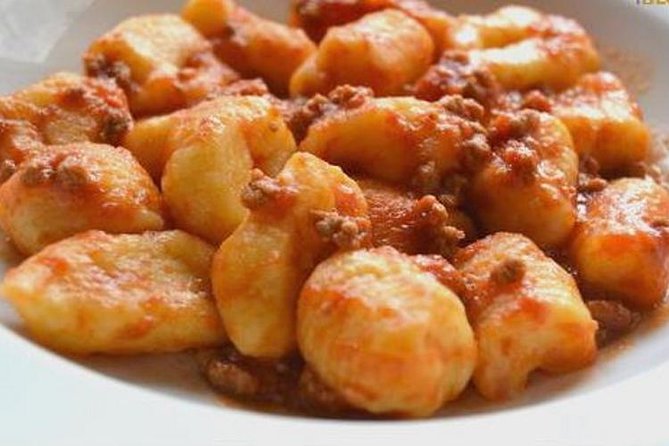
- Potato gnocchi, made by hand
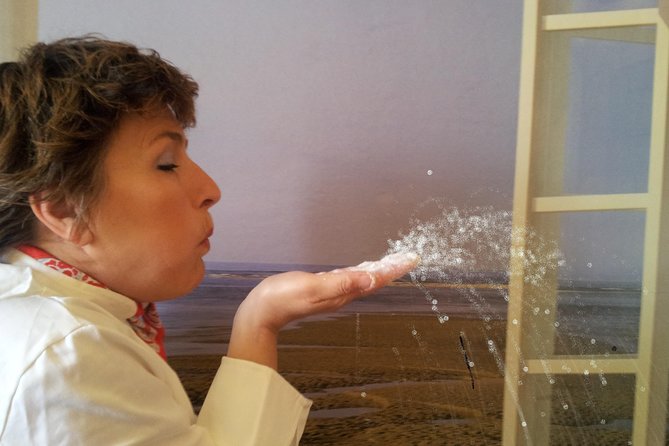
If you love the idea of fresh pasta, this is where it gets serious. You’re working with egg pasta, and the class is designed to teach how to handle it and keep it from turning into a sad lump.
One small practical note: if you specifically want the most detailed dough-making process for a particular pasta type, pick your dishes thoughtfully. Some recipes may focus more on what you add and shape rather than giving every minute of dough technique for every style.
Milanese Classic: Risotto with Saffron
Another standout option is Milanese risotto with saffron, cooked with broth and often paired with chicken and beef notes. Risotto is a lesson in patience. It’s also a good pick if you want a dish that feels special without being overly fussy.
Eggplant and Zucchini Flower: Parmigiana Energy
This is the part many people remember most because it’s not typical “home cooking class filler.” You may cook:
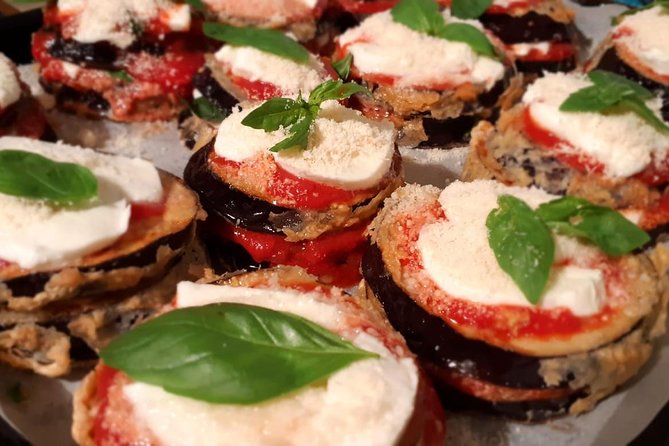
- Parmigiana eggplants: breaded and fried eggplant, then finished in the oven with mozzarella, basil, and tomato sauce
- Zucchini flowers: mozzarella-filled flowers, fried
These dishes teach texture. The chef’s guidance matters here: how to bread, how to fry, and how to finish so it’s not greasy or dry.
Meat and Fish Options: Roman-Style Lamb or Venice Cod
If you eat meat and fish, you have options like:
- Lamb in Roman style, with wine, garlic, and anchovy (often tied to Easter traditions)
- Cod from Venice, cooked in milk and onion and then creamed to spread on polenta
These aren’t random “protein choices.” They’re classic Italian methods: gentle cooking that builds flavor, then a finish that makes the sauce cling to your food.
Pizza and Panzerotti: Knead to Pocket or Fold
You may also work on pizza or panzerotti. Pizza includes kneading and topping; panzerotti is folded like a pocket, filled with mozzarella and tomatoes and then fried (not baked). This option is a fun way to learn how Italian comfort food can still be hands-on and flexible.
Lasagna: Meat or Vegetarian Versions
Lasagna options can include meat lasagna or vegetarian lasagna—including versions with white sauce, bolognese-style meat sauce, or green beans and pesto for a vegetarian take.
Dessert That’s Built to Impress
Dessert is where Italian classes usually go soft. Here, you get options that actually feel like you earned them:
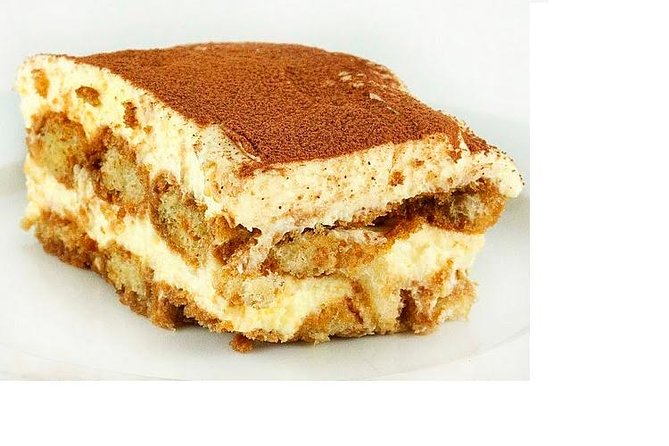
- Tiramisu: mascarpone and coffee dessert made by you
- Panna cotta with strawberry
- Sicilian cannoli: making the tube and filling with sheep ricotta
- Caprese cake: almonds, egg, and cocoa powder (noted as a great gluten-free dessert)
If you’ve ever had cannoli that tasted like it was assembled instead of crafted, you’ll understand why the filling step matters. And tiramisu is all about layering and texture—less “bake and forget,” more “get it right.”
The Meal Table Part: Wine, Prosecco, and Limoncello
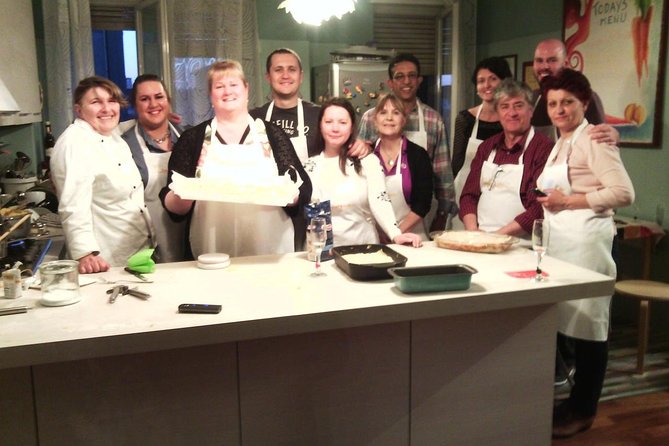
After cooking, you sit down for a 3-course lunch or dinner. The wine setup is part of the experience, and it’s generous for the price:
- 2 glasses of Italian wine per person
- a welcome Prosecco glass
- limoncello at the end
This is a practical touch, not just a party move. When you taste what you made with wine, you get immediate feedback: salt level, sweetness balance, sauce thickness, and acidity all become easier to understand.
You’ll likely eat everything you helped make, not a separate plated version. People often leave full and sometimes with leftovers, which is a nice bonus for an evening back at your hotel.
Price and Value: What You’re Really Paying For
At $145.18 per person for about 3 hours, you’re not just buying dinner. You’re paying for:
- a small-group class (max 10)
- hands-on cooking instruction in English
- a 3-course meal you help produce
- two glasses of wine plus Prosecco and limoncello
- recipe handouts in English
If you’ve been eating in Milan on a tight schedule, this can feel like a better deal than a standard restaurant dinner plus a cooking school admission later. You get skills you can repeat, plus a meal that tastes like what Italians actually serve at home—especially when you cook the vegetables, pasta, and dessert instead of ordering them.
Getting There at Via Mantova (and Staying Relaxed Once You Arrive)
You start at Via Mantova, 19, 20135 Milano and the experience ends back at the meeting point. There’s no hotel pickup, so build in time to reach it on your own.
The good news: it’s near public transportation. The practical part: wear comfortable walking shoes, because you’ll want to feel steady once you’re in and out of the kitchen space.
One more “don’t let it ruin your day” rule: the experience doesn’t accept lateness of more than 20 minutes. Show up early, grab a quick water if you need it, and you’ll settle in fast.
Who Should Book This Cooking Class in Milan
This is a great fit if you want a hands-on food experience in Milan and you like the idea of learning methods you’ll use later. It also works well for families—there are several examples of classes with teens and younger kids, with chefs staying patient and step-by-step.
You might consider something else if you want a purely instructional class with deep focus on one technique only (for example, making every possible dough from scratch at an expert level). This program aims to produce a complete meal experience, so recipe choices matter.
If you’re traveling as a couple, the small group can feel extra personal. If you’re traveling alone, it’s still social in a calm way because the work keeps you engaged.
Should You Book This Milan Cooking Class?
Yes, if you want an authentic meal in a home kitchen and you’re excited to cook real Italian dishes with guidance. The combination of recipe choice, small-group attention, and the fact that you get home-ready English recipes makes it a smart use of time in Milan.
Book it especially if you’re the type who wants to bring something back: a technique, a flavor balance, or a dessert you can actually repeat. Just show up ready to cook, pick dishes you genuinely want to eat, and double-check you’ll be able to receive your English recipe handouts after the class (I’d also check your spam folder, just in case).
FAQ
Is the cooking class in English?
Yes. The experience is offered in English, and you’ll receive all recipes in English.
How long is the experience in Milan?
It runs for about 3 hours (approx.), including the cooking time and the sit-down meal.
Can I choose which three recipes I cook?
Yes. When you book, Chef Aurora or Chef Lucrezia contacts you with a list of recipes from Italian culinary traditions, and you select three dishes you want to prepare.
Is lunch or dinner included?
Yes. The class includes a 3-course lunch or 3-course dinner, depending on your booking.
What drinks are included with the meal?
You’ll have a welcome Prosecco glass, then 2 glasses of Italian wine per person, and limoncello at the end.
Are vegetarian or gluten-free options available?
Yes. Vegetarian and gluten-free options are available when choosing your recipes.
Where do I meet, and is hotel pickup provided?
Meet at Via Mantova, 19, 20135 Milano. Hotel pickup is not offered, and the activity ends back at the meeting point.