REVIEW · COMO
Como Area: Pizza Training Experience
Book on GetYourGuide →Operated by Slow Lake Como · Bookable on GetYourGuide
Pizza lessons move fast, but the lessons stick. I love the chance to learn pizza history and the practical home-kitchen tips that actually transfer beyond the class. I also love finishing with a family-style lunch/dinner where you eat what you made with your new pizza-making crew.
In Lombardy, Slow Lake Como pairs hands-on baking with real ingredient education. You’ll work with a master pizzaiolo and focus on choosing high-quality ingredients, including items sourced from local producers for class.
One possible drawback: this experience is not suitable for people with gluten intolerance.
In This Review
- Key Things You’ll Appreciate Most
- Why Pizza Training in Lombardy Feels Like a Real Skill, Not a Show
- Two Hours With a Master Pizzaiolo: What the Lesson Covers
- Pizza History in Real Life: The Context That Improves Your Results
- Local, High-Quality Ingredients: The Buying Tips You’ll Actually Use
- Dough, Sauce, and Toppings: Learning Techniques You Can Repeat at Home
- Cooking Your Pizza: What to Watch for When It’s Time to Bake
- Family-Style Lunch or Dinner: The Part That Makes It Stick
- Small Group Size and Bilingual Guidance (English and Italian)
- What to Wear for a Rain-or-Shine Pizza Session
- Value for Money: Why This Class Feels Like More Than a Recipe
- Who Should Book This Pizza Training Experience in Lake Como?
- Should You Book This Pizza Training Experience?
- FAQ
- How long is the pizza training experience?
- Is the class taught in English and Italian?
- What group size should I expect?
- What should I bring?
- Is this experience suitable for gluten intolerance?
- Does the activity run in bad weather?
Key Things You’ll Appreciate Most
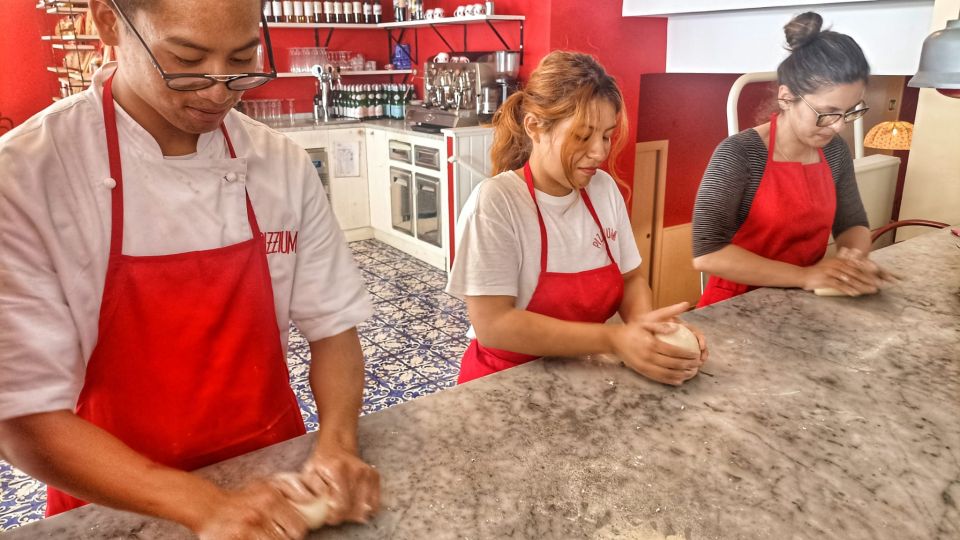
- Small group, max 10 participants means you get hands-on attention, not just a quick demo.
- English and Italian instruction helps you follow along even if your Italian is still warming up.
- Guidance from Slow Lake Como chefs (Chef Francesco and Daniele are named in feedback) keeps the tone friendly and focused.
- Pizza history plus technique so you understand what you’re doing, not just copy steps.
- Ingredient selection tips so you can rebuild your results at home.
- Family-style meal ties everything together, from dough to dinner at the same table.
Why Pizza Training in Lombardy Feels Like a Real Skill, Not a Show
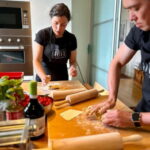
This isn’t the kind of food class where you sit back and watch. It’s built around doing the work—mixing, shaping, topping, and cooking—while a professional baker steers you. That matters, because pizza is one of those foods where small choices change everything.
I like the way this class treats pizza like culture, not only calories. You get a quick sense of where pizza fits in Italian life, then you move right into technique and ingredients.
And because the group is limited to 10, you don’t feel rushed. In a short 2-hour session, that small size helps you get real coaching instead of generic advice.
You can also read our reviews of more cooking classes in Como
Two Hours With a Master Pizzaiolo: What the Lesson Covers
You’re looking at a focused, two-hour experience with a clear rhythm: learn a bit, practice a lot, then eat together. The pacing is the point. Pizza-making has a lot of steps, and you’ll want to spend your time where it counts most.
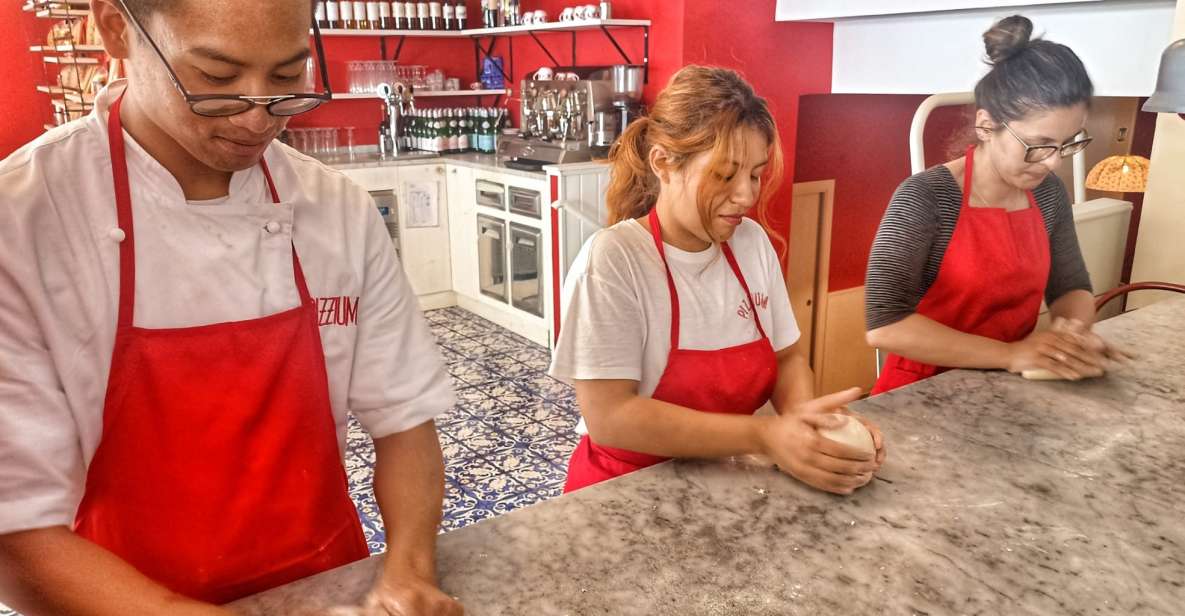
You’ll be guided by a professional baker (a master pizzaiolo), with instruction in English and Italian. The goal isn’t to turn you into a full-time pizzaiolo. It’s to help you understand enough to make a strong pizza at home and avoid the common mistakes that lead to tough dough or bland flavor.
Expect instruction on:
- how to prepare and cook traditional Italian pizza
- how to think about healthy, high-quality ingredients
- how to apply the class tips to your own kitchen later
Even if you’ve made pizza before, you’ll likely come away with a more confident approach. That’s because the class combines technique with ingredient logic, so you’re not guessing what will work.
Pizza History in Real Life: The Context That Improves Your Results
A short history segment might sound like filler, but it usually isn’t in a class like this. Pizza has a way of turning into a backyard experiment unless you know what you’re aiming for. The background helps you understand why traditional pizza is built the way it is.
You’ll learn some pizza history, then connect it to what you’re about to make. The best part is how it frames pizza as passion and craft, not just a flatbread you order.
This context also helps you make better decisions at home. When you know what traditional pizza prioritizes—texture, balance, and ingredient integrity—you stop chasing shortcuts that often backfire.
Local, High-Quality Ingredients: The Buying Tips You’ll Actually Use
One of the strongest parts of this experience is that it doesn’t treat ingredients like an afterthought. You’ll learn how to choose healthier, higher-quality options for your own pizza making, and you’ll work with ingredients sourced from local producers for the class.
Why that’s valuable: when you cook at home, you’re usually limited by what’s available. If you understand what you’re looking for—freshness, quality, and what ingredients bring to flavor and texture—you can shop smarter anywhere, not only in Italy.
In practice, this kind of ingredient education helps you answer questions like:
- Which ingredients make the biggest difference?
- What does good quality look like in real life?
- How do you keep your pizza from tasting like a random pile of toppings?
The class also pushes you to think about products, not only recipes. That shift is where you get long-term results.
Dough, Sauce, and Toppings: Learning Techniques You Can Repeat at Home
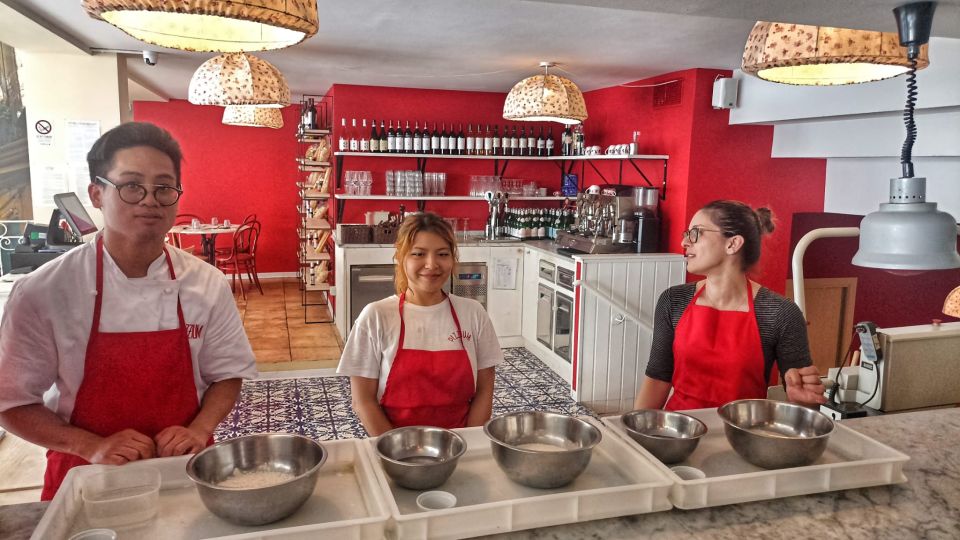
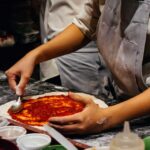
Pizza is hands-on by nature, and this class leans into that. You’ll be working directly on the pizza you’ll cook, so you can see cause and effect instead of relying on theory.
You’ll learn tips and tricks for preparing pizza at home. The key is that those tips are tied to the process you’re doing in the room. So when you repeat the steps later—stretching/shaping, assembling toppings, and cooking—you’ll recognize what your instructor was teaching.
Even if you’re not aiming for restaurant-level perfection, this helps you avoid the usual traps:
- overbuilding toppings
- using ingredients that don’t deliver flavor
- skipping the simple process decisions that affect texture
Since the class is only 2 hours, it’s not the time to try to memorize every minute detail. Instead, the coaching helps you focus on the few takeaways that make the biggest difference.






Cooking Your Pizza: What to Watch for When It’s Time to Bake
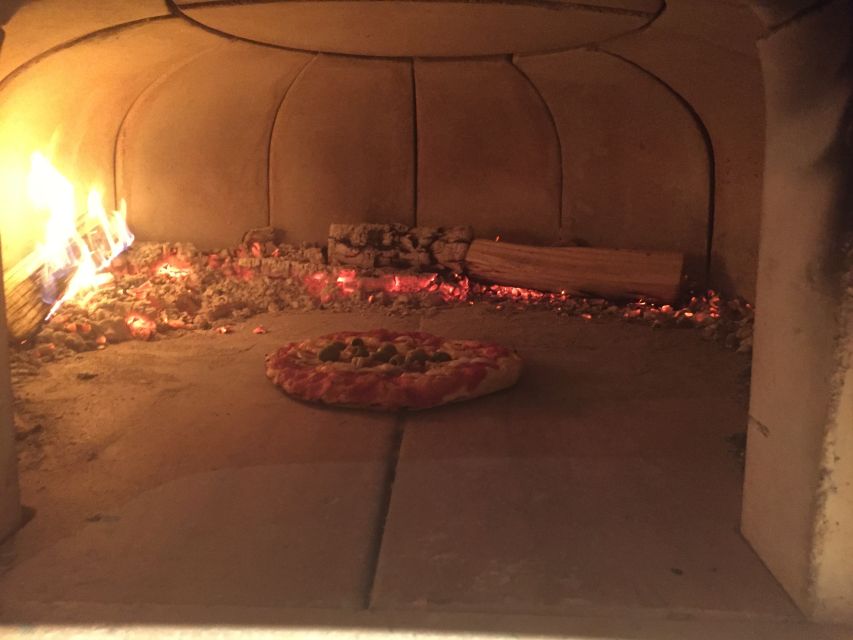
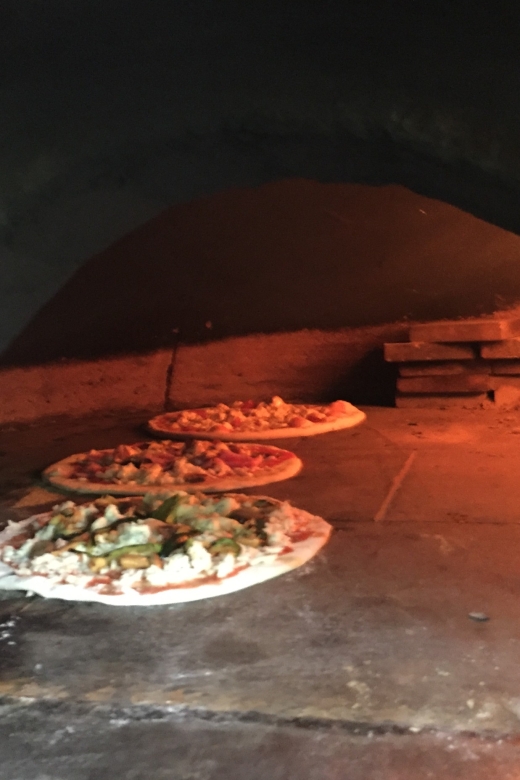
The class culminates when your pizza is finished and cooked, which is exactly when you want clarity. Cooking can turn a good pizza into a disappointing one if you don’t understand what to look for.
You’ll be guided through the traditional Italian pizza cooking process with a professional baker. You’ll also learn what to do with the products you’ve selected—because pizza isn’t only about throwing ingredients together. It’s about how they behave under heat.
When you cook at home afterward, the most useful thing you’ll likely remember is the instructor’s approach: use quality ingredients, assemble thoughtfully, and treat the cooking stage as something you can observe and adjust rather than purely wait out.
Family-Style Lunch or Dinner: The Part That Makes It Stick
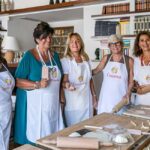
After your pizza is ready, you sit down with your fellow pizza makers for a family-style lunch/dinner. This isn’t just a nice extra. It’s a practical learning moment.
Sharing the meal helps you notice differences between pizzas. People in a small group will have slightly different interpretations and choices, and you’ll often learn as much from comparing results as you did from instruction.
It also makes the whole experience feel social in a good way. You’re not juggling plates and distractions. You’re focused, talking about what you made, and enjoying the payoff right away.
In feedback, the meal comes up as delicious and memorable—exactly what you’d hope for after hands-on work.
Small Group Size and Bilingual Guidance (English and Italian)
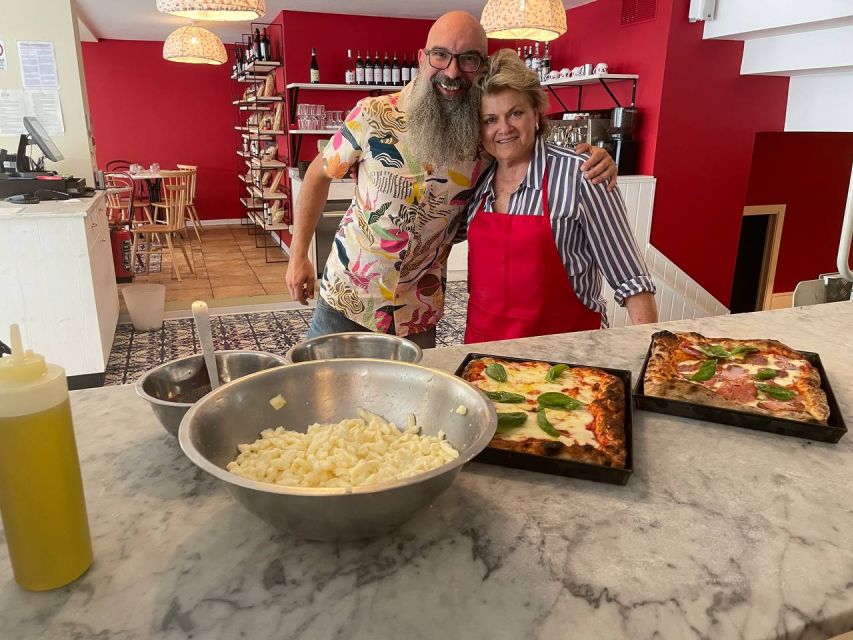
This class is limited to 10 participants, which is the sweet spot for a hands-on food lesson. More people would dilute attention, and pizza dough doesn’t care about crowds.
You’ll have instruction in English and Italian, which is a real plus in Lombardy if you’re not fluent. When the guidance is bilingual, you can follow what matters without translating everything in your head.
The tone is also important for a hands-on class. In feedback, Chef Francesco and Daniele from Slow Lake Como are specifically credited, and that kind of named leadership usually points to an organized, welcoming environment.
What to Wear for a Rain-or-Shine Pizza Session
Comfort matters here. You’ll want clothes you can move in easily, since pizza-making is physical work. The experience is rain or shine, so dress with weather in mind and don’t plan on looking overly polished afterward.
Practical approach:
- wear comfortable clothes
- bring a mindset that you’ll get flour and dough on you at some point (it’s part of the process)
You’ll enjoy the class more if you prioritize comfort over trying to stay spotless.
Value for Money: Why This Class Feels Like More Than a Recipe
Even without seeing a price tag here, you can judge value based on what you actually get in 2 hours. You’re paying for:
- hands-on instruction from a professional baker
- pizza history and practical home tips
- local-producer ingredients and ingredient education
- the finished pizza meal, served family-style
Most pizza experiences fall into one of two buckets: either a cooking show, or a quick tasting. This one blends learning and payoff. The meal you eat is not separate from the lesson—it’s the result of the work you did.
That’s why the experience tends to land well. You leave with both a story and a usable skill set.
Who Should Book This Pizza Training Experience in Lake Como?
I think this experience is a strong match if you want an authentic Italian meal with real technique. It’s also great for you if you like food classes where you can ask questions and get feedback while you work.
It’s especially good if:
- you’re traveling with friends and want a shared activity with laughs and teamwork
- you want to bring home skills, not just photos
- you enjoy structured learning with a social meal at the end
Two quick fit notes:
- not suitable for people with gluten intolerance
- best for those who can handle a short, focused 2-hour session
If your main goal is to watch pizza being made while someone else does everything, this may feel too hands-on. If your goal is to learn by doing, it’s a solid choice.
Should You Book This Pizza Training Experience?
Book it if you want a small-group, guided pizza class where ingredient choices and technique matter. The combination of pizza history, home-kitchen tips, and a family-style lunch/dinner makes it more useful than a quick workshop.
Skip it if gluten intolerance is part of your needs. And if you hate getting a little messy, choose clothes that make that easy to ignore.
If you’re already in Lombardy and craving an experience that feels like real Italian craft—without turning the whole day into a massive production—this is one of the more satisfying options for a 2-hour block.
FAQ
How long is the pizza training experience?
The experience lasts 2 hours.
Is the class taught in English and Italian?
Yes. The instructor teaches in English and Italian.
What group size should I expect?
It’s a small group, limited to 10 participants.
What should I bring?
Wear comfortable clothes.
Is this experience suitable for gluten intolerance?
No. It’s not suitable for people with gluten intolerance.
Does the activity run in bad weather?
The activity takes place rain or shine.