REVIEW · COMO
Como: Cooking Class at a Local’s Home
Book on GetYourGuide →Operated by Cesarine · Bookable on GetYourGuide
A home kitchen in Lombardy beats any demo. You’ll cook three regional recipes with a certified home cook, then sit down and taste your work with local wine included. I especially love the small group feel and the chance to learn from a family-style setup using family cookbooks. One practical consideration: you don’t get the exact address until after booking, so plan a little flexibility.
This is also one of the few food experiences where the “lesson” ends in a real meal at the table, not just a plate-and-run photo moment. Expect a 3-hour class in Lombardy with English/Italian instruction, plus water, coffee, and wine during the tasting of the three dishes.
In This Review
- Key points for a Lombardy home cooking class
- Why this Lombardy home setting makes the class feel real
- What you’ll cook: three local recipes (and why that’s the sweet spot)
- How the 3-hour schedule usually feels in practice
- The tasting table: wine, coffee, and why it matters more than you think
- The host experience: small group energy with real home hospitality
- Languages, pace, and comfort: English and Italian in one kitchen
- Dietary requirements: what you need to do before you arrive
- Price and value: what you’re really paying for
- Who should book this cooking class in Lombardy
- Practical expectations before you go
- Should you book this class?
- FAQ
- Where is the meeting point?
- How long is the cooking class?
- What’s the group size?
- What dishes will I make?
- Is wine included?
- What languages are used during the class?
- Do I need to share dietary restrictions?
- What start times are offered?
- Is there a minimum number of participants?
- Can I cancel for a refund?
Key points for a Lombardy home cooking class
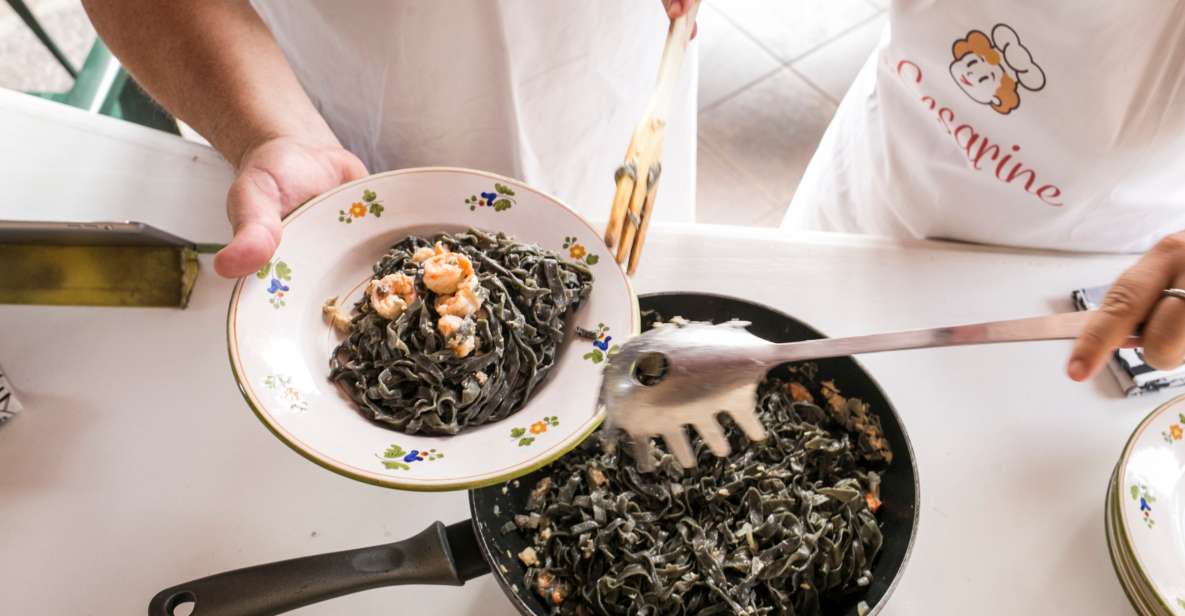
- Three recipes, one shared table: you cook and taste everything you make.
- A certified home cook: real home methods, not a rushed studio performance.
- Small group up to 10: easier questions, better pacing.
- Wine included: a selection of red and white local wines with the meal.
- Family cookbook vibe: you’ll learn the reasoning behind the recipes, not just steps.
- English and Italian: instruction is offered in both languages.
Why this Lombardy home setting makes the class feel real
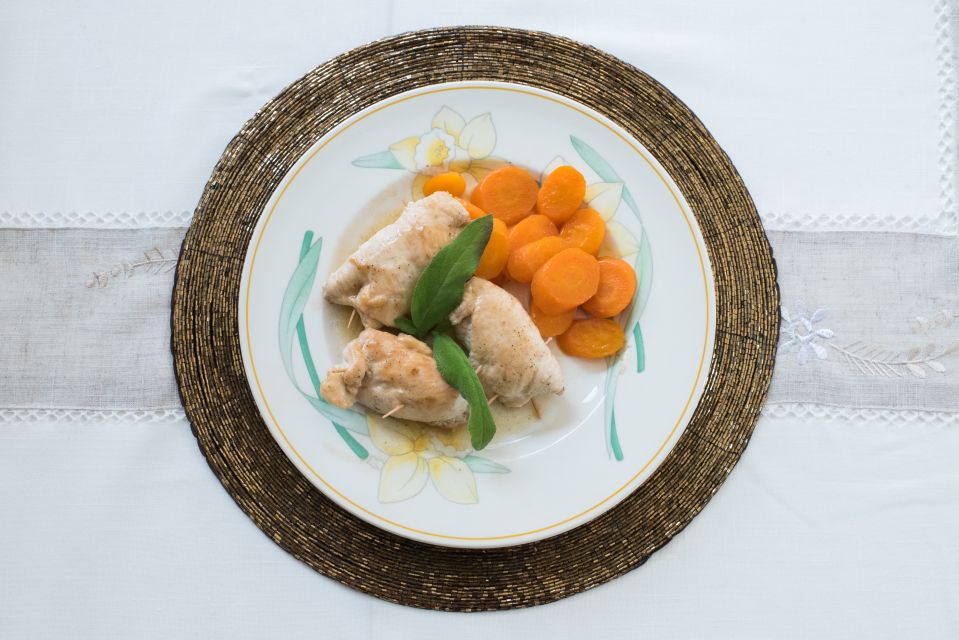
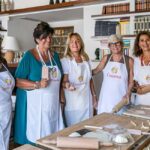
Cooking classes can be hit-or-miss when they feel staged. Here, the setting matters: it’s held in a local family’s home, so you’re working in the kind of kitchen where people actually cook on regular days.
I like that the experience is built around connection, not choreography. The host is there as a guide and teacher, so you’re not just following instructions—you’re getting little practical lessons that match how Italians tend to cook and talk around the stove. And with the small group limit of 10, it stays personal enough to ask why a step is done a certain way.
The one caveat is simple: you’ll receive the full address after you book. Privacy is the reason, but it means you’ll want to handle directions and timing with a bit of patience once you get the final meeting point.
You can also read our reviews of more cooking classes in Como

What you’ll cook: three local recipes (and why that’s the sweet spot)
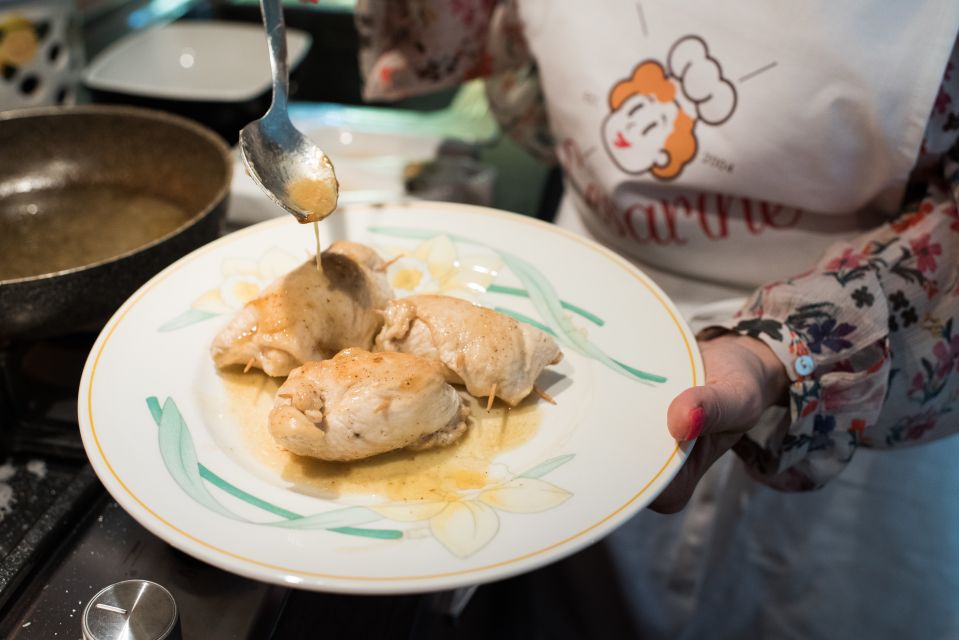
This class focuses on three authentic local recipes from the regional tradition. That number is smart. If you only make one dish, you miss the rhythm of a full meal; if you try to do too many, the cooking becomes a blur and nobody remembers the technique.
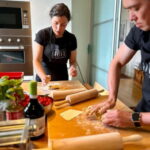
During the lesson, the certified cook walks you through the tricks of the trade for each recipe. You’ll work at a workstation that’s set up with utensils and the ingredients needed, so you’re not hunting around for supplies or figuring out what you should have packed.
Then comes the part that turns instruction into confidence: you taste everything you prepared, sitting together and eating as a group. It’s one thing to follow a recipe once. It’s another thing to taste your own result while the cook is there, so you can connect the final flavor to the steps you just did.
Some past classes have included dishes like caprese salad, pasta, and tiramisu. You shouldn’t assume the exact menu will match what you see from another group, but it gives you a sense of the range: a classic starter, a pasta course, and a sweet finish.
How the 3-hour schedule usually feels in practice
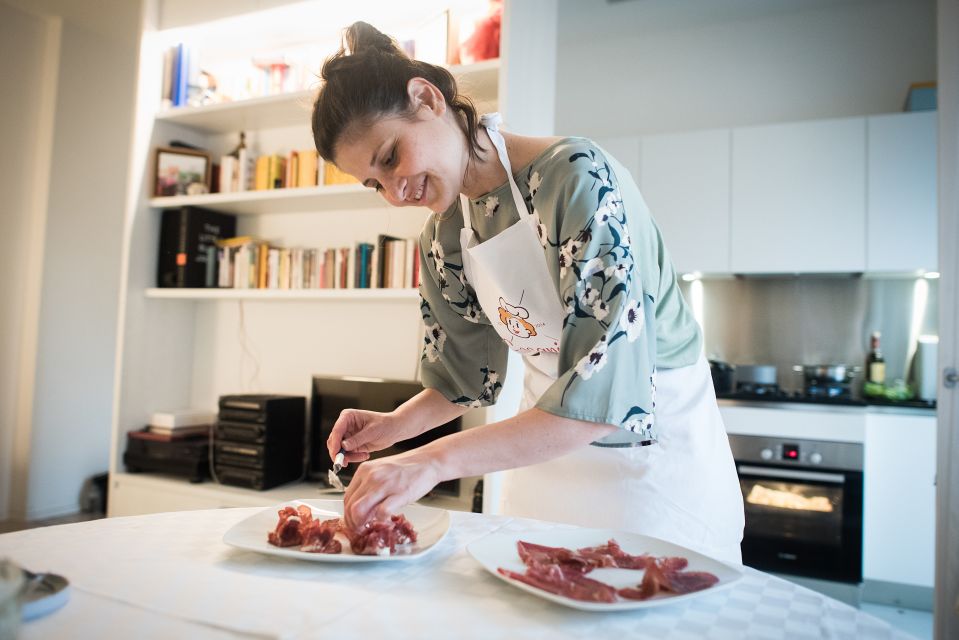
The experience runs about 3 hours, with start times typically at 10:00 AM or 5:00 PM. If you tell the operator in advance, the start time can be flexible based on your needs, which is helpful if you’re trying to fit this around a bus, train, or a day trip.
In terms of flow, you can expect the class to move through three cooking phases—one for each of the local dishes—followed by the shared tasting. Because the cook provides utensils and ingredients at your workstation, the schedule is mostly about learning and making, not logistics.
Here’s the practical tip I’d give you: show up ready to work. Comfortable clothing helps, and you don’t want to arrive starving and then spend the first part of the class mentally negotiating with hunger. The lesson includes beverages, and you’ll have wine during the tasting, but you’ll still be doing hands-on cooking for most of the 3 hours.
The tasting table: wine, coffee, and why it matters more than you think
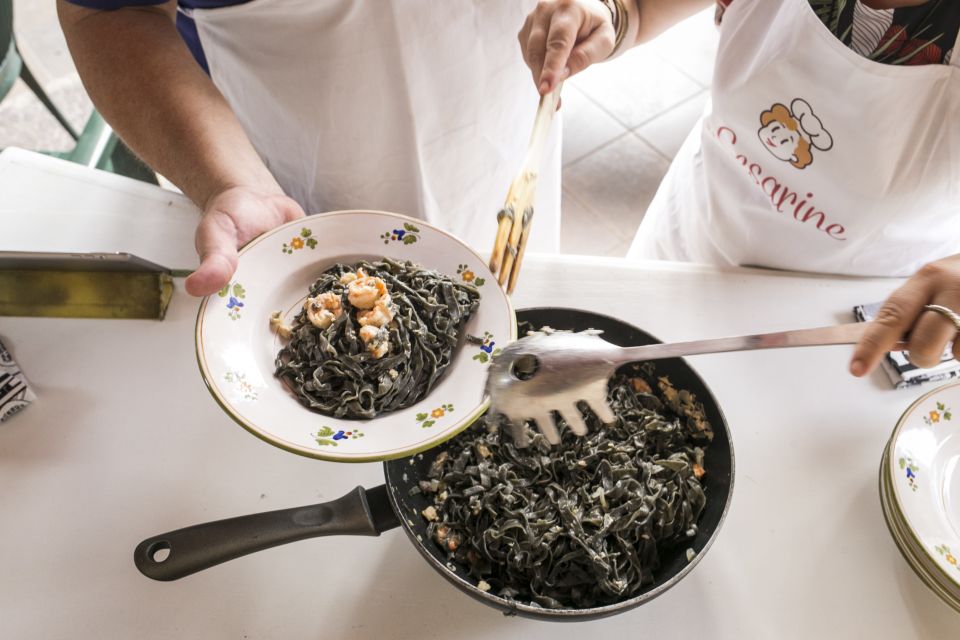
You’re not just making food here—you’re learning how it’s served. After cooking, you taste the three local dishes around the table, accompanied by a selection of red and white local wines. Water and coffee are included too.
This matters for two reasons:
First, it’s how you learn balance. You’ll taste the dishes in the order they’re meant to be eaten, and that helps you understand how Italian meals are built: not just flavors, but pacing.
Second, it makes the whole experience stick. When you eat what you made, you remember texture, timing, and the feeling of the final result. That’s the kind of memory that shows up the next time you cook at home.
The host experience: small group energy with real home hospitality
One of the most praised parts of this class is the hosting style—warm, organized, and genuinely welcoming. Names like Silvana have been singled out as warm, inviting, and full of practical know-how, which matches what you want from a home-cook teaching in a home setting.
And yes, this can go beyond the basics. In one case, the host Damiano helped out with transportation back to the area when a bus plan didn’t work due to timing. That’s not something you should expect as a guarantee, but it tells you the mindset behind the experience: people try to make it easy for you to enjoy the night—or the morning—without stress.
Because the group is limited to 10 participants, you’re more likely to get personal help while cooking. If something feels awkward—timing, technique, plating—there’s room to ask and adjust.
You can also read our reviews of more tours and experiences in Como
Languages, pace, and comfort: English and Italian in one kitchen
Instruction is offered in English and Italian, which is great if you’re not fluent. You can also use the mixed language environment to your advantage: you’ll hear the recipe terminology in English while getting the Italian rhythm of how a home cook explains things.
The pacing is geared toward real cooking. You’re not watching from a distance. You have a workstation and you’re doing the work, which means the course is most comfortable if you’re okay with getting a little hands-on and a little busy.
If you’re the type who likes clear steps and direct answers, this setup works well. If you’re hoping for a purely observational class, you might find the hands-on portion a lot—but most people come specifically for that reason.
Dietary requirements: what you need to do before you arrive
If you have dietary requirements, you must advise in advance so the host can cater for you. This is key. Since the class includes ingredients and a full tasting, the cook needs time to adjust the menu and prep.
If you’re vegetarian, have allergies, or need to avoid specific ingredients, send those details early and keep them specific. That way, you’re not trying to negotiate changes on the day of the class.
Price and value: what you’re really paying for
At $202.78 per person, this isn’t a casual snack-level activity. You’re paying for three things that are hard to recreate on your own:
- A certified home cook teaching in a real home kitchen
- Hands-on instruction plus ingredients and utensils at your workstation
- Full tasting of three dishes with wine, plus water and coffee, and local taxes included
When a class includes wine and a meal at the end, it changes the value equation. You’re not only learning technique—you’re also getting a structured dining experience built around what you cooked.
Is it “worth it”? For me, it depends on your travel style. If you like experiences where the result is shared and you leave with skills you can use again, the price makes more sense. If you only want a quick taste with no cooking role, a class like this may feel like more effort than you want.
Who should book this cooking class in Lombardy
I’d point you toward this experience if you want a food activity that feels like a real evening at someone’s home, not a lecture. It’s especially good for couples and small friend groups because the max 10 participants keeps the atmosphere comfortable.
It can also suit families, since one of the standout comments described it as a fun option for the entire family and noted that the hosts were gracious and well organized. If you’re traveling with kids or teens, just remember the format is hands-on and involves wine during the tasting, so you’ll want to manage expectations accordingly.
If you’re traveling solo, you can still enjoy it—small group means you’ll be pulled into the group table rather than feeling like you’re stuck on the outside.
Practical expectations before you go
A few things to know so you can show up relaxed:
- Address comes after booking: plan to wait for the full meeting point instructions.
- Minimum two people: if you’re booking alone, there’s a requirement that the class needs at least two participants to run.
- Start times are flexible: it’s usually 10:00 AM or 5:00 PM, but flexibility may be possible if you advise in advance.
- English/Italian instruction: you’ll be able to follow the lesson even if your Italian is basic.
- Small group: expect a more interactive experience than the big public cooking demos.
Should you book this class?
If you want to take home more than photos—specifically, real cooking skills and the feel of an Italian meal—then yes, this is a strong bet. The hands-on cooking, tasting of everything you make, and the wine included format make it a satisfying afternoon or evening, and the small group size helps it stay human.
I’d skip it only if you dislike hands-on cooking or you need a fully predictable meeting location before booking. If you’re the kind of traveler who likes meeting people through food, you’ll likely enjoy this one a lot.
FAQ
Where is the meeting point?
The class is held in a local family’s home. For privacy reasons, you receive the full address after booking, and the exact meeting point details are shared with you once booked.
How long is the cooking class?
The experience lasts 3 hours.
What’s the group size?
It’s a small group limited to 10 participants.
What dishes will I make?
You’ll learn three authentic local recipes and taste the three dishes you prepare. Some past classes have included caprese salad, pasta, and tiramisu.
Is wine included?
Yes. The tasting includes a selection of red and white local wines, along with water, wine, and coffee.
What languages are used during the class?
The instructor provides instruction in English and Italian.
Do I need to share dietary restrictions?
Yes. You must advise of any dietary requirements in advance so the host can cater for you.
What start times are offered?
Classes usually begin at 10:00 AM or 5:00 PM, and the start time can be flexible if you advise in advance.
Is there a minimum number of participants?
Yes. The class requires a minimum of two people.
Can I cancel for a refund?
You can cancel up to 24 hours in advance for a full refund.