REVIEW · COMO
Como: Homemade Pasta Workshop with a Local
Book on GetYourGuide →Operated by Cesarine · Bookable on GetYourGuide
Fresh pasta beats every takeout meal.
This homemade pasta workshop in Lombardy is hosted in a real family home by a Cesarina (certified home cook). You’ll learn regional techniques, make three authentic pasta recipes, and sit down to taste everything you cook with a selection of red and white local wines. The one catch is simple: for privacy, you only get the exact address after booking, so plan a little extra time to arrive.
What I like most is the hands-on setup. Each person gets their own workstation with utensils and ingredients, so you’re not just watching. And because the group is limited (to 10 participants), you get real help when your dough turns more like a science experiment than pasta. One other thing to consider: you’ll be cooking in a home kitchen, so expect it to be a bit cozy and occasionally messy.
In This Review
- Key highlights you’ll actually care about
- A Cesarina home in Lombardy: why this pasta class feels different
- The main “watch-out”
- What you’ll cook: three regional pastas and the dough skills behind them
- How the class usually moves
- What you should pay attention to
- The table moment: tasting three dishes with local red and white wine
- Why the wine pairing matters (practically)
- Timing in real life: morning vs afternoon sessions
- Price and value: is $189.19 per person worth it?
- Small group limits and language: how you’ll get help
- A practical tip
- Dietary needs: what you can request ahead of time
- Who this pasta workshop suits best (and who might not)
- Should you book this homemade pasta workshop in Lombardy?
- FAQ
- How long is the pasta workshop?
- How many people are in the group?
- Where does the experience take place?
- What’s included in the price?
- What languages will the instructor use?
- Can the host accommodate dietary requirements?
- Is there free cancellation?
Key highlights you’ll actually care about
- Cesarina home cooking: You learn recipes as they’re done in a household, not a studio demo.
- Three regional pasta recipes: You practice, not just taste.
- Full-table tasting: You eat what you make, paired with local wines (red and white).
- Small group size: Up to 10 people means more attention and a calmer pace.
- Hands-on stations: Utensils and ingredients are provided for each participant.
A Cesarina home in Lombardy: why this pasta class feels different
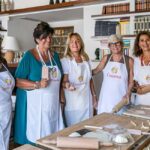
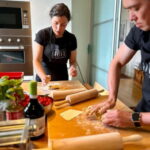
This experience happens in the home of your host, so the vibe is practical and warm instead of staged. You’re not herded from one photo spot to another. You’re working at a kitchen counter, learning the same kind of muscle memory you’d pick up if you were invited over to help.
In Lombardy, that home setting matters. Food culture here isn’t only about ingredients. It’s about habits: how dough should feel, when to slow down, how sauces and shapes work together. When you cook in someone’s home, you tend to ask better questions because you’re part of the room.
There are two names you might hear during the process of meeting your host. One is Lidia, mentioned by one set of hosts as welcoming, kind, and patient. Another is Debora, whose home came with stunning lake views. You might get a different family, but the point stays the same: this is relationship-based cooking.
You can also read our reviews of more cooking classes in Como
The main “watch-out”
Because the exact address is only shared after booking, you need to treat the meeting time seriously. If you rely on last-minute navigation, build in buffer. Once you arrive, you’re in, apron on, and you’ll forget about the logistics quickly.
What you’ll cook: three regional pastas and the dough skills behind them
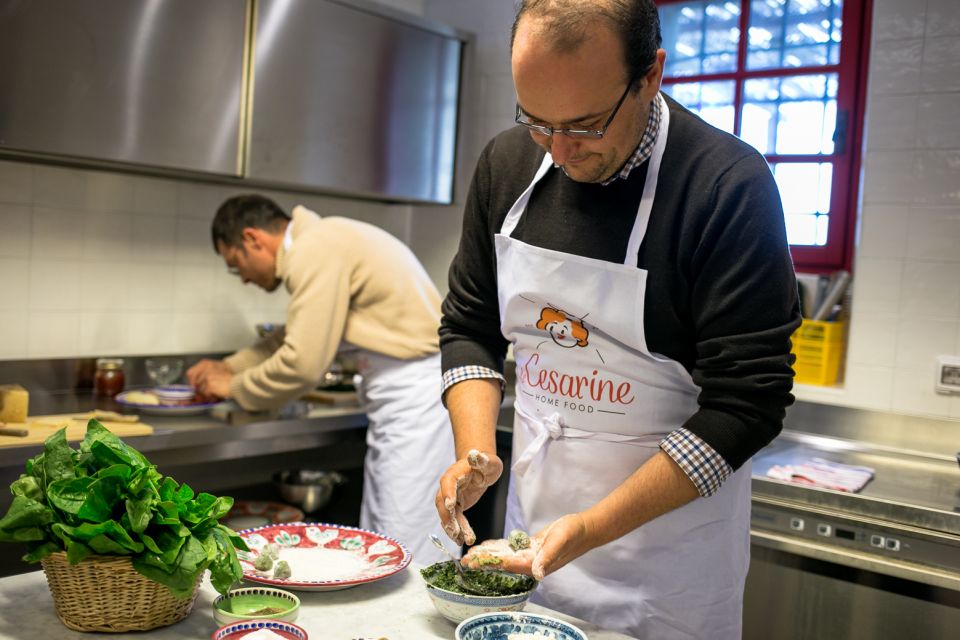
The workshop is built around three authentic regional pasta recipes. That sounds straightforward, but it’s the structure that makes it useful.
You’re not going to leave with one clever trick. You’ll learn a small chain of skills that repeat across recipes:
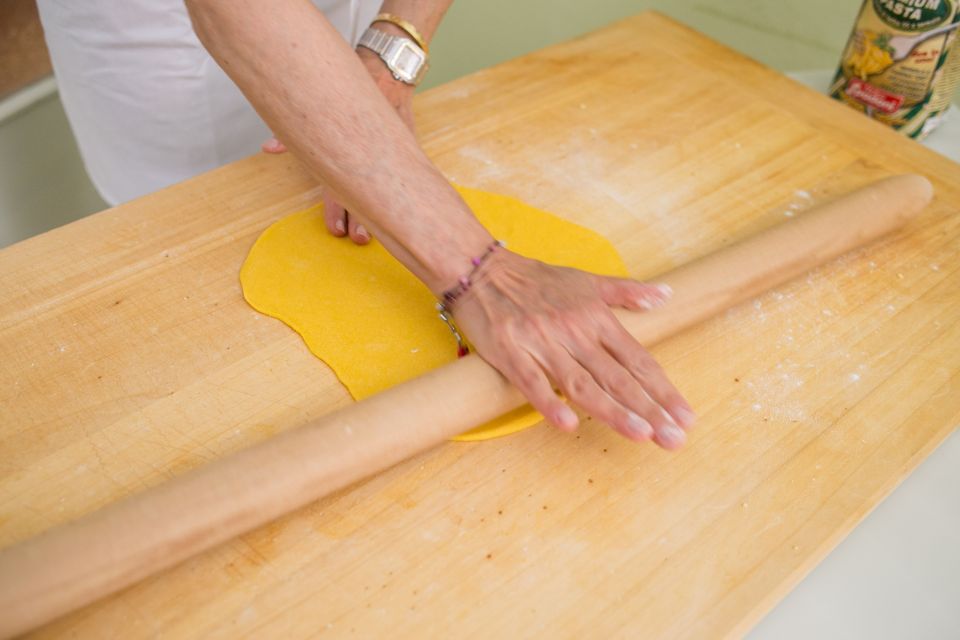
- Mixing and working the dough (so it’s smooth and elastic, not sticky chaos)
- Shaping and handling the pasta so it cooks correctly
- Pairing the pasta with a regional sauce or preparation method
- Timing everything so you’re ready to eat around the table
Each participant has a workstation with utensils and all ingredients. That matters because it keeps you focused on learning. You don’t spend half your class hunting for a rolling pin or wondering where the flour went.
How the class usually moves
The host explains the process, then you put your hands on it. Expect the Cesarina to share tricks of the trade for the regional recipes, then help you adjust as you go. The pace is designed for small groups, not for speed-running. If you need patient coaching, you’ll generally get it.
What you should pay attention to
Even though you’ll make three dishes, the real value is the feel:
- How the dough changes as you work it
- How thin you should roll (and what happens if you go too far)
- How the pasta texture looks as it cooks
This is the stuff you can’t copy from a recipe alone. It’s also what makes you feel confident when you try again at home.
You can also read our reviews of more tours and experiences in Como
The table moment: tasting three dishes with local red and white wine
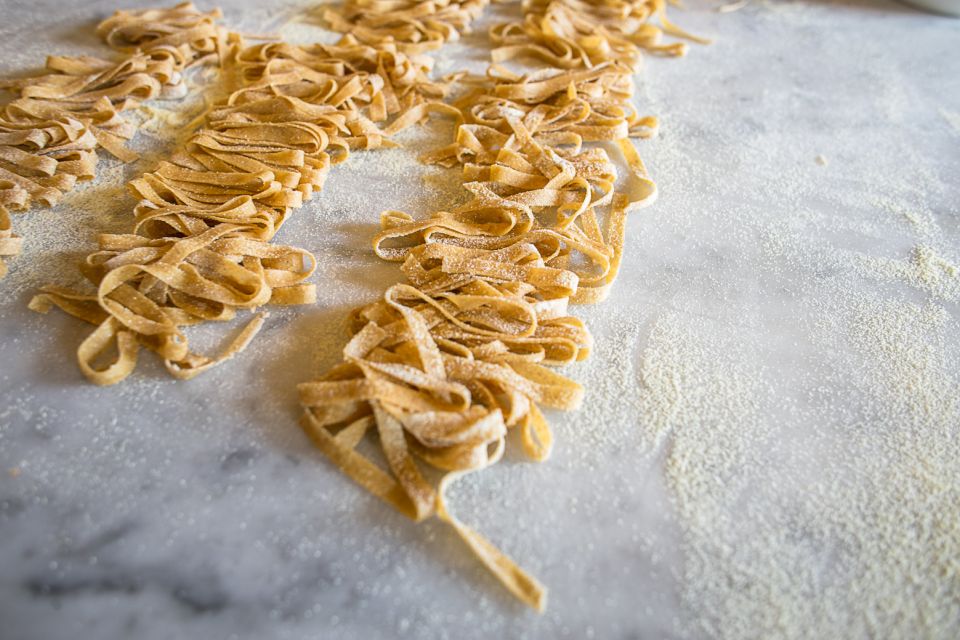
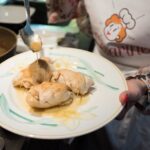
You’ll taste everything you prepare. That’s not a bonus add-on. It’s part of the learning loop.
When you eat right after cooking, you instantly understand what worked and why. If the pasta was too thick, you notice. If the sauce needed more balance, you notice. If the shape held onto sauce the way it’s supposed to, you notice.
Wine is included with the tasting. You’ll have a selection of red and white local wines alongside your meal. This turns the end of the class into a real dinner, not a quick bite before you go.
Why the wine pairing matters (practically)
Wine isn’t just about sipping. It’s about making the tasting more comfortable and social. In small-group cooking, that matters because it keeps the energy up while you compare textures and flavors. It also encourages you to ask questions at the table instead of rushing out the door.
Timing in real life: morning vs afternoon sessions
The class typically starts at 10:00 AM or 5:00 PM, depending on the session. The provider can be flexible based on your travel requirements if you arrange that in advance.
Here’s how to choose:
- Morning (10:00 AM): Great if you like a full “activity block” early. You’ll usually have the rest of the day free to sightsee or relax.
- Afternoon (5:00 PM): Nice if you’re doing other Lombardy plans earlier and want dinner to double as your activity. You’ll likely feel less rushed getting there.
Because it’s in a private home, you’ll also want to treat timing as more important than at a public venue. Arrive close to the start time so you don’t disrupt the flow of the lesson.
Price and value: is $189.19 per person worth it?
At $189.19 per person for a 3-hour experience, this isn’t the cheapest thing on your Lombardy list. But it also isn’t just a “cooking demo.” You’re paying for several concrete components:
- A small-group hands-on class (limited to 10 participants)
- Ingredients and utensils provided at your workstation
- Three local pasta dishes cooked and then tasted by you
- Included local wine at the table
- Instruction in Italian and English
A useful way to think about value: you’re paying for kitchen access, coaching time, and the meal experience wrapped together. If you’ve ever done a workshop that mostly felt like standing around, you’ll appreciate this format more. And because you leave knowing how to make multiple pastas, it’s a skill-based souvenir, not just a story for later.
If you’re the type who cooks at home or wants to host friends one day, this value tends to make more sense. If you only want a quick food snack, you may feel the price is higher than you expected.
Small group limits and language: how you’ll get help
The group is limited to 10 participants, and that detail affects everything: attention, pacing, and how comfortable it feels to ask questions.
The instructor speaks Italian and English, which should help if you’re more comfortable in English but want to follow along with local terms. In a home kitchen, communication matters because small corrections can change the result fast. You’ll likely appreciate having instructions in a language you understand.
A practical tip
Wear something you’re willing to get flour on. Even with provided ingredients and utensils, pasta-making is hands-on. Also keep your phone away when you’re kneading and rolling. Not because you can’t take photos, but because it’s harder to learn when you’re constantly stopping.
Dietary needs: what you can request ahead of time
Good news: the local provider can cater to dietary requirements upon request, including vegetarian, vegan, gluten free, etc.
This is one of the most important details for real life. In a cooking class, dietary changes aren’t always as simple as swapping one ingredient. Here, you’re explicitly told they can accommodate needs if you request them, so you can plan without guesswork.
If dietary restrictions matter to you, send them early. The sooner the host knows, the easier it is for them to plan the right ingredients and keep you included in the tasting.
Who this pasta workshop suits best (and who might not)
This is a great fit if you:
- Want an authentic food experience that happens in a real home
- Learn best through hands-on practice
- Like the idea of eating what you make, not just taking it to go
- Enjoy wine with dinner and want it included in the plan
- Appreciate small groups where you can actually ask questions
You might hesitate if:
- You hate cooking mess and prefer purely observational tours
- Your schedule is extremely tight and you don’t have room for the “arrive to a home” element
- You’re looking for a purely low-cost activity
Should you book this homemade pasta workshop in Lombardy?
I’d book it if you want a real Italian experience where the goal isn’t performance, it’s learning and sharing a meal. The small-group size, the hands-on workstation setup, and the fact that you taste all three pastas with local wine make it more like a dinner party with lessons than a checklist tour.
If you’re on the fence because of the $189.19 price, compare it to what you’d spend on a guided food experience plus dinner plus wine. This bundles all of that into one 3-hour block with instruction.
If you love cooking, host meals, or just want a skill you can repeat at home, this workshop is an easy yes. If you only want a quick bite and photos, you might prefer something lighter.
FAQ
How long is the pasta workshop?
The class lasts 3 hours. Starting times can vary, so it’s best to check availability for the session you want.
How many people are in the group?
It’s a small group with a maximum of 10 participants.
Where does the experience take place?
It takes place in a local family’s home in Lombardy. For privacy, you receive the full address after booking, and you’ll get the exact meeting point details then.
What’s included in the price?
You get the cooking class plus a tasting of three local pasta dishes. Wine is included with the tasting, with a selection of red and white local wines.
What languages will the instructor use?
The instructor speaks Italian and English.
Can the host accommodate dietary requirements?
Yes. The provider can cater to dietary requirements upon request, including vegetarian, vegan, gluten free, and more.
Is there free cancellation?
Yes. You can cancel up to 24 hours in advance for a full refund.