REVIEW · COMO
Lake Como: Ravioli Cooking Class with Wine
Book on GetYourGuide →Operated by Cesarine · Bookable on GetYourGuide
Fresh pasta beats a normal dinner. In Lake Como, this class gives you hands-on ravioli training in a real home kitchen, not a demo-style show. You roll dough, shape packets, then sit down to enjoy what you made with wine.
I love that the teaching stays practical and step-by-step: mix, knead, roll, fill, and seal. And I really like the small group size (up to 10), so you can ask questions while the dough is still fresh and workable.
One thing to consider: there’s no hotel pickup or drop-off, and the meeting address gets confirmed after you book. You’ll need to get yourself there on time, and comfortable shoes matter since you’ll be standing and moving around the kitchen.
In This Review
- Key things to know before you go
- Why Lake Como Ravioli Is About More Than Food
- The 2-Hour Flow: From Aperitivo to a Plate of Ravioli
- Pasta Dough Technique You Can Actually Reuse
- Fillings, Shaping, and Sealing Like a Local
- Wine and Aperitivo: A Real Meal, Not a Side Note
- Cesarine Hosting: Home Kitchen Energy (with Serious Structure)
- Price and Value: What $105 Really Buys You
- Practical Logistics That Affect Your Comfort
- Who Should Book This (and Who Should Skip)
- The Takeaway: A Skill-First Meal You’ll Remember
- Should You Book the Lake Como Ravioli Cooking Class with Wine?
- FAQ
- What is the duration of the Lake Como ravioli cooking class?
- How much does it cost per person?
- What’s included in the experience?
- Are hotel pickup and drop-off included?
- What wine will I be served?
- How big is the group?
- What languages are used during the class?
- Do I need to bring anything?
- Is the class suitable for kids or everyone?
- Can dietary restrictions be accommodated?
- Can I cancel for a full refund?
Key things to know before you go
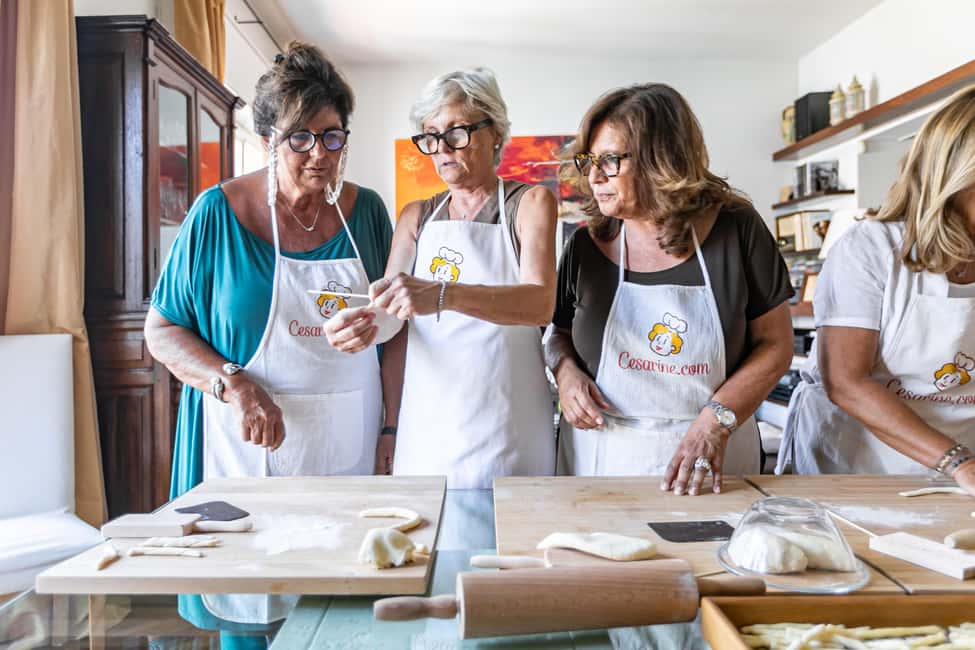
- Cesarine home-cooking format: You cook inside a local home through Italy’s Cesarine network of host cooks.
- True pasta skills, not just tasting: You learn the full workflow, from dough to stuffing to shaping and sealing.
- Aperitivo + wine with your meal: You start with a small snack aperitivo, then eat ravioli with traditional sauce and a glass of regional wine.
- Limited to 10 people: More hands-on time and easier conversation with the instructor.
- Family-style hospitality: Many of these classes run with a mother/daughter or broader family setup, so the vibe feels personal.
Why Lake Como Ravioli Is About More Than Food
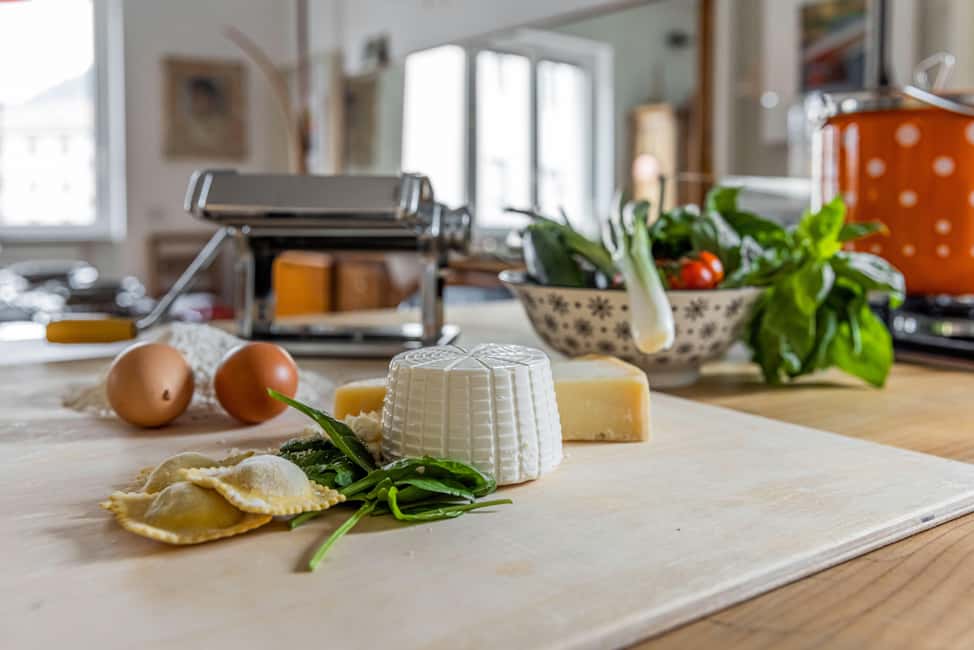
Lake Como is famous for scenery, but the best part of this experience is how local it feels. You’re not just learning recipes. You’re learning how real Italian home cooks think about fresh pasta: texture, timing, and the small details that make a dumpling taste like it belongs in Lombardy.
I like that the class is built around doing. You mix and knead dough with guidance, and you shape your own ravioli by hand. That means the meal you eat later is actually connected to your effort, not something delivered to you after a quick photo stop.
And yes, you also get to enjoy the food the right way: seated, with a traditional sauce and a glass of regional wine. It’s the kind of meal where conversation matters as much as the pasta.
You can also read our reviews of more cooking classes in Como

The 2-Hour Flow: From Aperitivo to a Plate of Ravioli
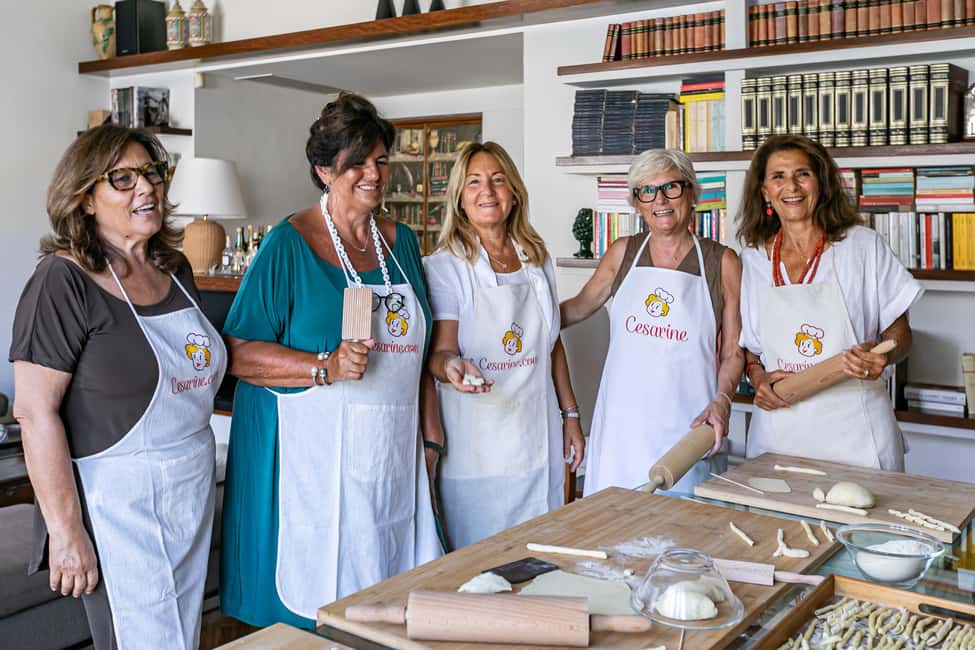
This is a tight, well-paced lesson that fits into about 2 hours. The rhythm is simple: warm welcome, hands-on work, then you eat what you made.
First, you start with a small aperitivo and local snacks. During that time, your host shares insights into Lake Como culinary traditions and local ingredients. It sets the tone. You get context for what you’re about to do, which makes the technique lessons click faster.
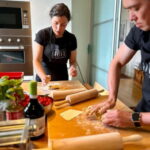
Then the real work starts in the kitchen:
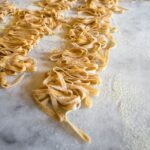
- You make fresh pasta dough (mix and knead).
- You roll it out to the right thickness for ravioli.
- You prepare fillings typical to the region.
- You portion, shape, and seal the ravioli so they cook without opening.
At some point you’ll cook and plate your ravioli, and then comes the payoff: you sit down with your finished pasta, served with a traditional sauce and paired with a glass of regional wine. Examples listed include Barbera, Nebbiolo, or Pinot Grigio—so expect something that fits Italian dining, not a random pour.
The whole thing stays small-group and conversational. One of the best parts is that the instruction isn’t rushed. When you’re learning dough handling, a few extra minutes of calm guidance makes a bigger difference than you’d expect.
Pasta Dough Technique You Can Actually Reuse
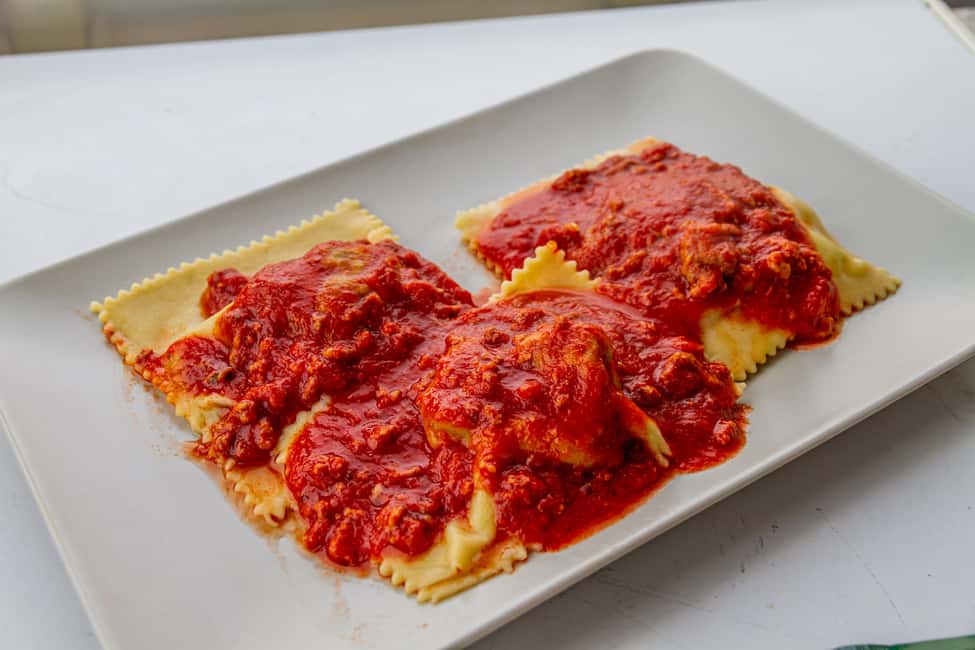
Let’s talk about the skills you walk away with, because that’s where the value lives.
You learn how to:
- mix the ingredients to build dough properly,
- knead until the texture is right,
- roll it out evenly so the ravioli cooks consistently.
This matters because fresh pasta is a feel-based craft. If your dough is too stiff or too soft, it behaves differently when you roll it thin and when you shape and seal. In other words, the class doesn’t just teach a recipe. It teaches control.
I also appreciate that the class supports both beginners and more experienced home cooks. Even if you’ve made pasta before, you’ll likely notice how Italian home cooks approach dough and portioning with practical habits—things you can copy next time you’re in your own kitchen.
One more helpful detail: since the instructor teaches in English and Italian, you can follow along comfortably even if your Italian is limited. That means fewer moments where you’re nodding politely but unsure what to fix.
Fillings, Shaping, and Sealing Like a Local
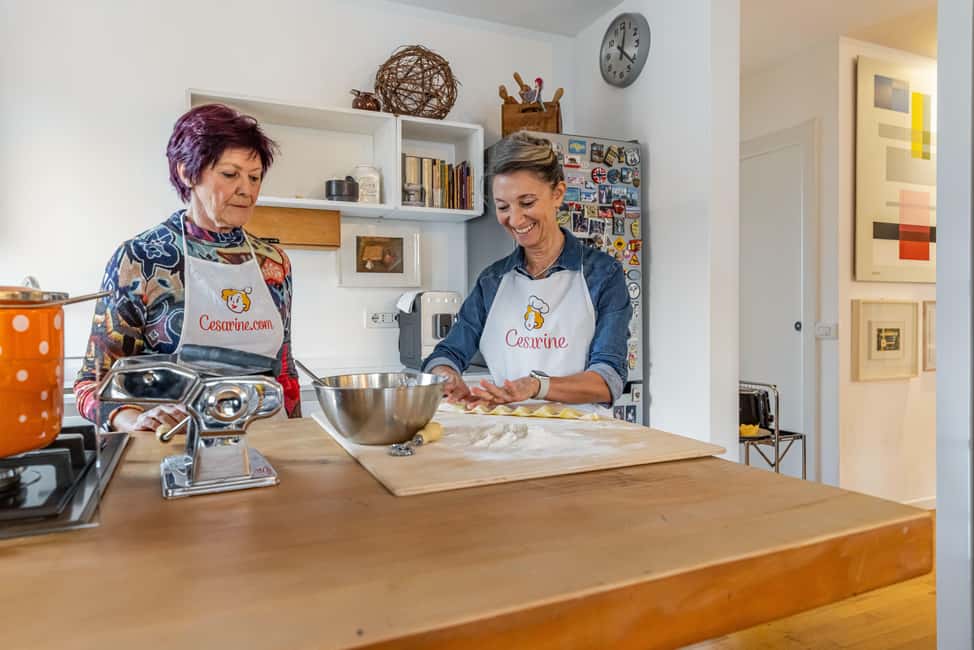
Ravioli look simple until you try to make them. The filling has to be portioned correctly, and the sealing has to be secure so the dumplings stay intact when cooking.
In this class, you prepare authentic regional fillings and then practice shaping and sealing classic ravioli. That’s important because people often learn how to make dough but struggle with the filling-to-dough ratio and the final seal.
Why that balance matters:
- Too much filling makes sealing harder and can lead to leaks.
- Too little filling can make the ravioli taste flat.
- A weak seal risks breakage when the pasta hits the water.
The hands-on shaping step is where you get the muscle memory. And it’s also where the class feels most satisfying, because you can see progress immediately—one tray at a time.
If you love classic Italian technique, this is one of the better formats you can pick in Lake Como. Instead of turning ravioli into a quick snack, it treats the dumpling like the main event.
Wine and Aperitivo: A Real Meal, Not a Side Note
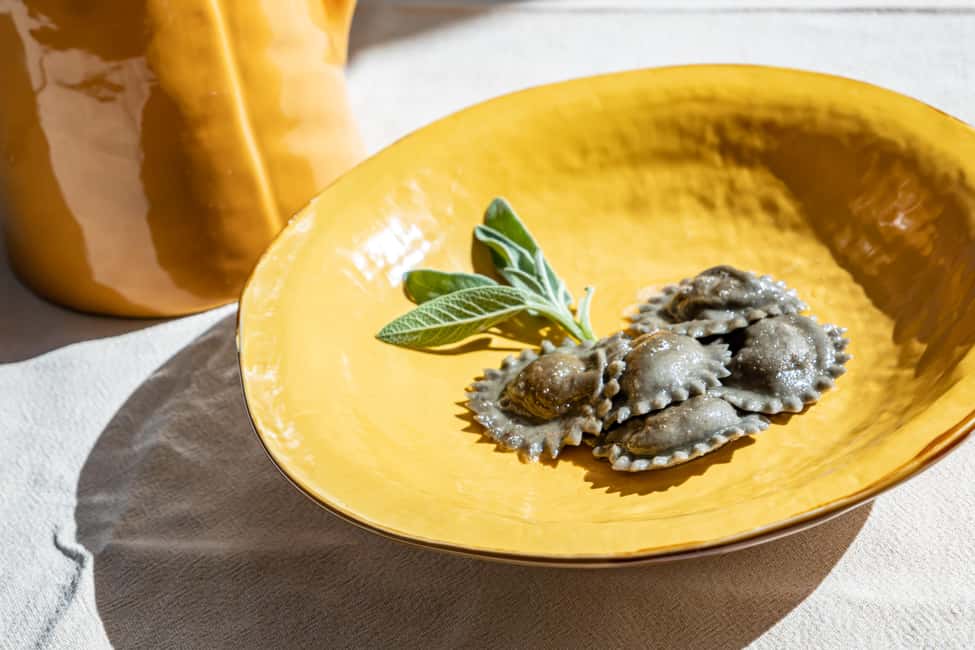
This isn’t a lesson where the food shows up only at the end. You start with a small aperitivo, then you finish with your meal.
The aperitivo phase matters because it acts like a warm-up. You settle in, chat, and learn a bit about what the host thinks is important in local ingredients and traditions. It also helps you slow down. Fresh pasta takes attention, and you’ll do better when you’re not sprinting from one step to another.
Then you get the real pairing: a glass of regional wine with your ravioli, alongside a traditional sauce. Listed options include Barbera, Nebbiolo, or Pinot Grigio, which tells you the wine selection is meant to match Italian flavors rather than just being generic.
If you’re a food lover, this is the part that makes the whole evening feel complete. You don’t just learn; you eat what you made with something that fits the region’s style.
You can also read our reviews of more wine tours in Como

Cesarine Hosting: Home Kitchen Energy (with Serious Structure)
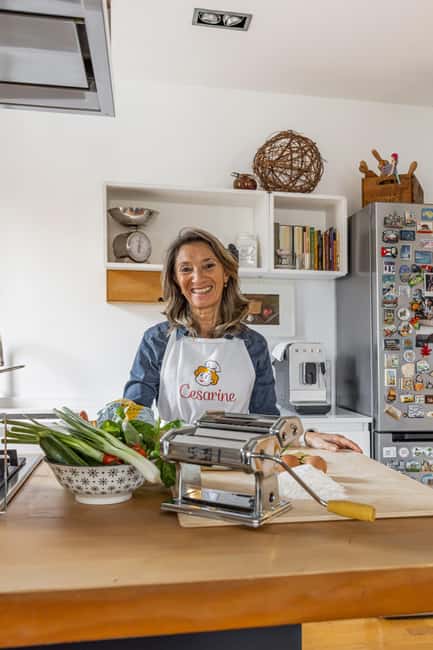
This experience is hosted by Cesarine, Italy’s oldest network of home cooks. That branding isn’t just marketing. It usually signals a certain balance: a family-home atmosphere with a clear structure so you still learn properly.
In practice, you often feel the household vibe. Some classes run with a mother/daughter dynamic, and other family members may help with the flow and hospitality. That can turn the class into more than a transaction. You get a sense of how these meals live in everyday life, not just on holidays.
At the same time, the cooking process is organized enough that you don’t feel lost. You know what comes next, and the instructor can correct technique while you’re working, which is exactly when corrections are useful.
Price and Value: What $105 Really Buys You
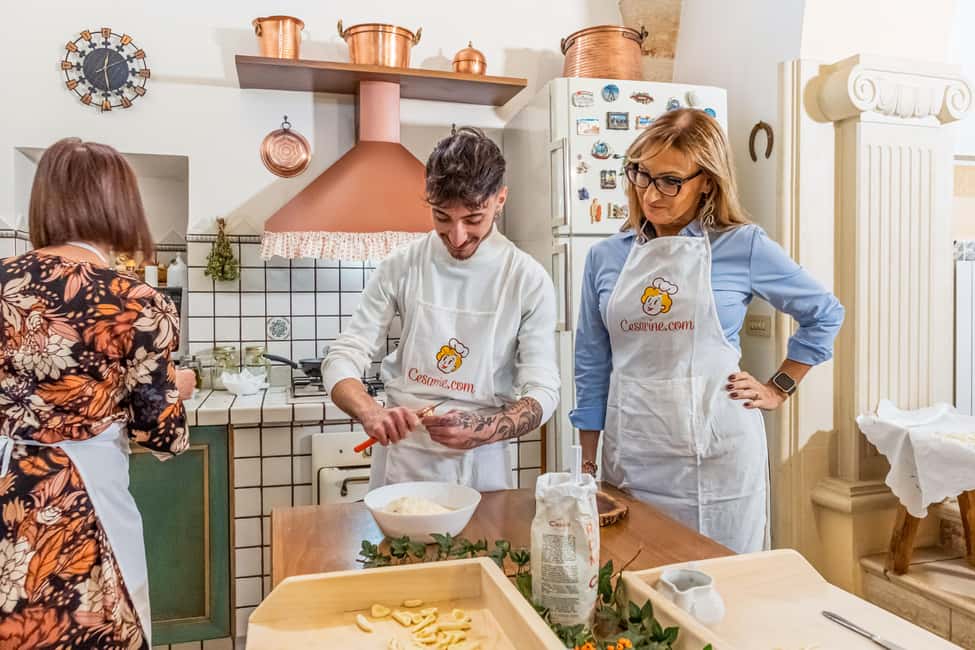
At $105 per person, this isn’t a cheap snack activity. But it’s also not overpriced for what’s included.
Here’s what you’re paying for:
- a hands-on class with a local Italian expert,
- tasting of what you make with traditional sauce,
- a glass of regional wine,
- a small aperitivo with local snacks,
- and the practical time needed to teach dough, fillings, and sealing to a small group (max 10).
If you compare it to “watch someone cook” experiences, this is more work per person, and that usually means better learning. You’re not just receiving information. You’re producing food, eating it, and taking home technique you can use again.
Two other value points often get overlooked:
- Fresh pasta ingredients and the time it takes to make dough properly aren’t free, especially in a home setup.
- The class format gives you a real meal experience in Lake Como without hunting down a restaurant reservation and crossing your fingers about whether you’ll find the dish you actually want.
So if you want one Lake Como food memory that feels hands-on and repeatable, this is a strong use of money.
Practical Logistics That Affect Your Comfort
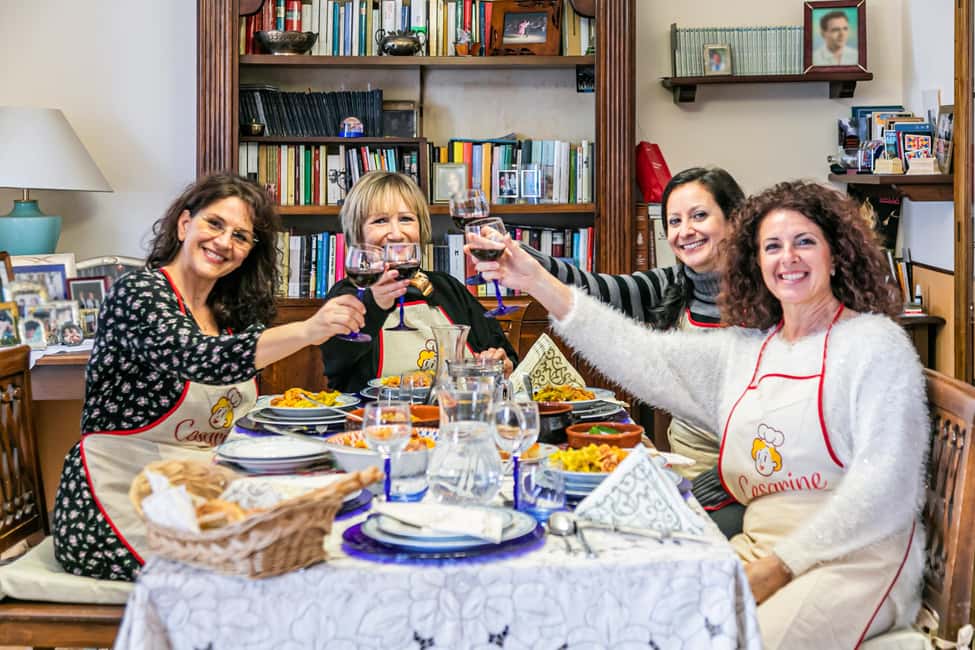
Because this is held in a home, details matter.
Meeting point: after booking, the operator contacts you to confirm the address. That’s normal for this kind of experience, but it means you should keep an eye on messages and arrive early enough to find the place calmly.
What to bring:
- comfortable shoes (you’ll be standing),
- a camera,
- water.
What not to do: smoking isn’t allowed.
Dietary restrictions: notify dietary restrictions in advance. The data doesn’t promise specific substitutions, so don’t assume everything can be adapted on the spot. Send your needs early so the host has time to plan.
Class language: taught in English (and Italian as well). If you’re worried about understanding cooking instructions, this should feel manageable.
And quick timing reality: the experience runs for about 2 hours, so try not to schedule it as a last-minute add-on before another commitment. Put it in your day like a real plan.
Who Should Book This (and Who Should Skip)
This class is best for people who enjoy learning by doing and who like traditional Italian food.
You’ll likely enjoy it if:
- you want a true cooking skill (dough + ravioli shaping),
- you’re comfortable following instructions in English,
- you want a small-group dining experience with wine and aperitivo.
It’s not suitable for:
- children under 12,
- pregnant women,
- people with mobility impairments.
That’s worth taking seriously because home kitchens can involve stairs, tight spaces, and standing work. If you’re unsure, check your comfort level with similar home-based activities in Italy.
The Takeaway: A Skill-First Meal You’ll Remember
My favorite kind of food travel is the kind that changes what I can do at home. This Lake Como class leans hard into technique, especially dough handling and ravioli shaping and sealing. Then it rewards you with a sit-down meal: traditional sauce, wine, and the satisfying fact that your hands made everything.
Also, the small group format helps. You’re not shouting over music. You’re learning at kitchen speed, with time to ask questions while the process is happening.
If you want one experience that feels both authentic and practical, this is it.
Should You Book the Lake Como Ravioli Cooking Class with Wine?
Book it if you want:
- a hands-on class in a local home kitchen,
- pasta skills you can repeat,
- and a full food experience with aperitivo, wine, and a proper meal.
Skip it if:
- you’re looking for a casual, walk-in tasting with no cooking,
- you rely on hotel pickup and don’t want to find the address independently,
- or you fall into the groups listed as not suitable.
For most food lovers visiting Lake Como, this is a smart pick. It turns a beautiful destination into something you can carry home: technique, confidence, and a meal that tastes like you earned it.
FAQ
What is the duration of the Lake Como ravioli cooking class?
The class lasts 2 hours.
How much does it cost per person?
The price is $105 per person.
What’s included in the experience?
You get a hands-on ravioli-making class, a tasting of your freshly made ravioli with traditional sauce, a glass of regional wine, and a small aperitivo with local snacks before the meal.
Are hotel pickup and drop-off included?
No. Hotel pickup and drop-off are not included.
What wine will I be served?
The experience includes a glass of regional wine, with examples listed such as Barbera, Nebbiolo, or Pinot Grigio.
How big is the group?
It’s a small group limited to 10 participants.
What languages are used during the class?
The instructor teaches in English and Italian.
Do I need to bring anything?
Wear comfortable shoes, and bring comfortable clothing, camera, and water.
Is the class suitable for kids or everyone?
It’s not suitable for children under 12, pregnant women, or people with mobility impairments.
Can dietary restrictions be accommodated?
You should notify any dietary restrictions in advance. The experience information doesn’t guarantee specific changes, so early notice is key.
Can I cancel for a full refund?
Yes, there is free cancellation up to 24 hours in advance for a full refund.