REVIEW · MILAN
Intimate Small-Group Bernina UNESCO Scenic Train on Swiss Alps
Book on Viator →Operated by LUCAfromITALY · Bookable on Viator
A red train crosses the Alps in a day. You’re in the Milan-to-Swiss-Alps zone for a full 13+ hours, but the payoff is the Bernina Train and its high point views. I really like how this is a small-group outing (max 18) with an English guide who keeps the timing tight and gives you real moments to look, photograph, and breathe. The main catch is simple: it’s a long day with buses/coaches and some stairs, so you’ll want moderate fitness and a flexible attitude about travel time.
You’ll start at Milan Central Station at 8:00 am, then work your way from lake to valley to mountain rail. You get a quick look at Lake Como, a stop through the Valtellina valley (often with wine or café options), and free time for lunch in Tirano before you board the little red train. It’s a lot of moving parts, which is why this tour works best when you’re focused on the train experience, not trying to do everything like it’s a weekend.
One more practical note up front: conditions matter. You’ll dress for cold up high, and if the Bernina Train can’t run normally, you might do only a partial ride and miss St. Moritz. That doesn’t happen often, but it’s built into how they protect the schedule and the highest-point stop.
In This Review
- Key Points Before You Go
- Milan to the Swiss Alps: How This 13+ Hour Day Really Works
- Lake Como’s Quick Stop: Nice Break From the Bus Grind
- Valtellina Valley: The Rest Stops That Keep the Day Human
- Tirano and the Climb to the Station: Where the Mountain Journey Starts
- The Bernina Train Ride: The Main Character of the Day
- St. Moritz Free Time: Short, Cold, and Very Swiss
- Colico and the Return to Milan: The Part You Should Plan Around
- Price and Value: Why $211.63 Can Make Sense
- What to Pack (So You Enjoy the Day, Not Just Survive It)
- Who Should Book This Bernina Day Trip
- Should You Book This Tour?
- FAQ
- What time does the tour start?
- How long is the tour from Milan?
- How big is the group?
- What’s included in the price?
- Do I need lunch included?
- Do I need a passport?
- What season changes happen for the train stop?
- What should I wear or bring?
- If weather is bad, will I still go?
Key Points Before You Go
- Max 18 people keeps the day more personal and easier for photo stops.
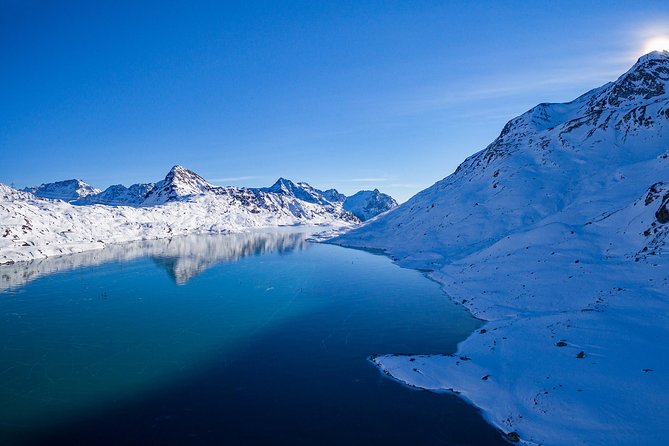
- Bernina high-point drop-off (Ospizio Bernina in summer or Diavolezza in winter) is the big moment.
- Lake Como + Tirano give you contrast: postcard lake town, then mountain rail gateway.
- St. Moritz time is short, so come for the Swiss vibe and views, not deep shopping marathons.
- Long day, mountain roads, and stairs mean you’ll pack for comfort, not just looks.
- English guide and reserved rail placement are common wins in group reviews.
Milan to the Swiss Alps: How This 13+ Hour Day Really Works
This is not a quick hop into Switzerland. It’s a full-day run built around one centerpiece: the UNESCO-listed Bernina rail experience. You meet at Centrale (Piazza Duca d’Aosta) in Milan at 8:00 am, then you’re immediately in “day trip mode,” with transfers that include a regional train/minibus leg out toward Lake Como and the lake area.
A good way to think about the pacing: you’re getting enough time at each stop to reset your eyes and take photos, but the timeline keeps pulling you forward. That’s why the tour reads better when you’re excited to watch the scenery change all day—from lake water to mountain valleys to glacier-level rail views.
You’ll also notice the tour design is built for comfort through structure. A guide is with you across most transitions, and the small group helps during boarding and getting everyone back on the right transport. Multiple guides are referenced in the past (Luca, Silvia, Julia, Mari, Paola/Nico as coordination roles), and the pattern is the same: they focus on keeping the group accounted for and the itinerary on track.
You can also read our reviews of more tours and experiences in Milan.
Lake Como’s Quick Stop: Nice Break From the Bus Grind
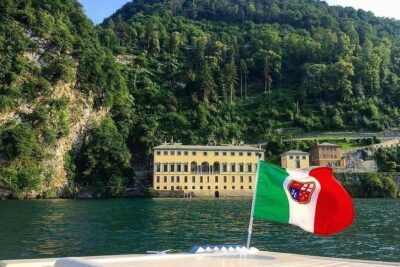
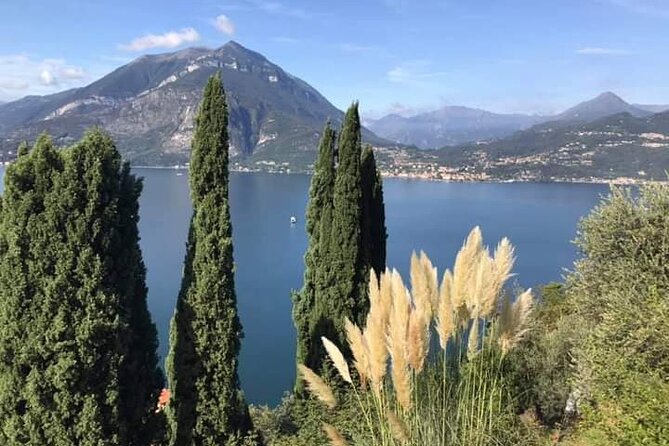
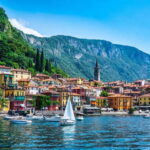
Lake Como gets a short, intentional look rather than a full sightseeing day. You’ll transfer from Milan to a town around the lake, then have about 30 minutes for a walk. The upside is that you get the “I’m at Lake Como” feeling without the long lines and all-day crowds.
The walk is light but not friction-free. There may be stairs, so wear shoes you’ll be happy in for uneven pavement and steps. In reviews, people liked the chance to admire the lake with less stress, plus quick coffee/rest-stop moments.
One drawback to be honest about: Lake Como here is a preview. If your main goal is a deep dive into villas, ferries, and long waterfront roaming, you’ll probably feel like you barely tasted it. But as a palate cleanser before the Alps, it makes sense.
Valtellina Valley: The Rest Stops That Keep the Day Human
After Lake Como, the route travels along the lake shore and into the Valtellina valley. You’ll have a quick stop—either in a quaint valley town or at a winery or café (timing and choice can vary).
This stop is small on purpose. It’s about giving you a bathroom chance, stretching your legs, and getting something warm or sweet before the long climb toward Bernina and the high point.
I like this part of the day because it’s where the tour starts to feel less like a checklist and more like a road trip through real regions. You’re not just looking at mountains—you’re passing through the places that feed them with vineyards, cafés, and local goods.
Tirano and the Climb to the Station: Where the Mountain Journey Starts
Tirano is your mountain gateway. You’ll drive in, get off, and then climb some stairs to reach the Bernina station area. The tour gives you about an hour of free time there, including time for lunch on your own.
This hour is valuable because it’s the one stretch you control a bit. The tour isn’t serving lunch, so you should use that time to eat something that won’t wreck your energy before the train (sandwiches, simple pasta, or local options are usually easier than anything too heavy). Also, plan your timing: you’ll want to be back at the meeting spot with enough buffer for stairs and boarding.
One smart tip from how guides operate: ask your guide (or check the plan) for quick food ideas based on what’s open. In past experiences shared by participants, guides have offered recommendations that helped avoid hunting for a table under time pressure.
Then, once you’re in station mode, it’s onward to the Bernina rail.
The Bernina Train Ride: The Main Character of the Day
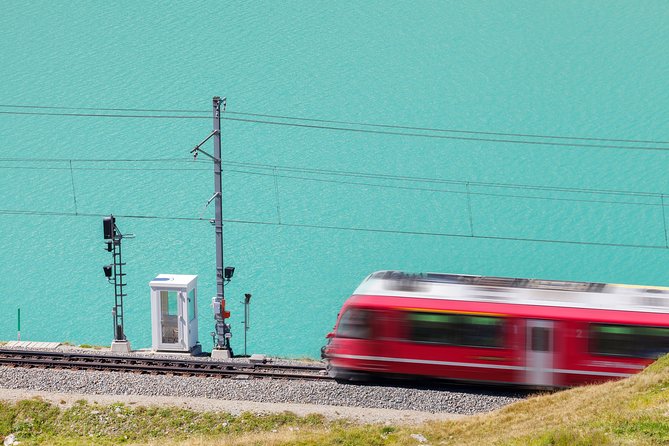
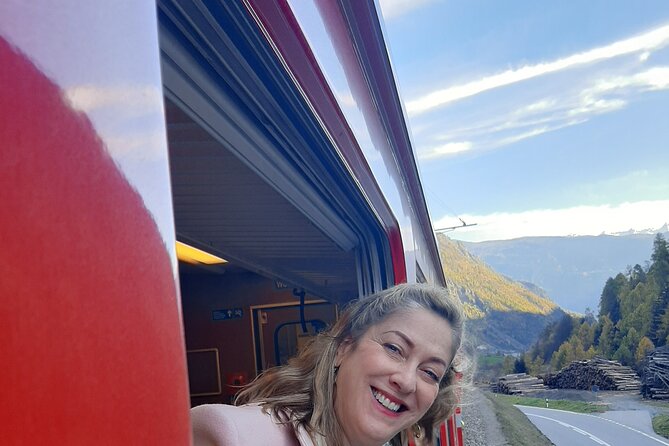
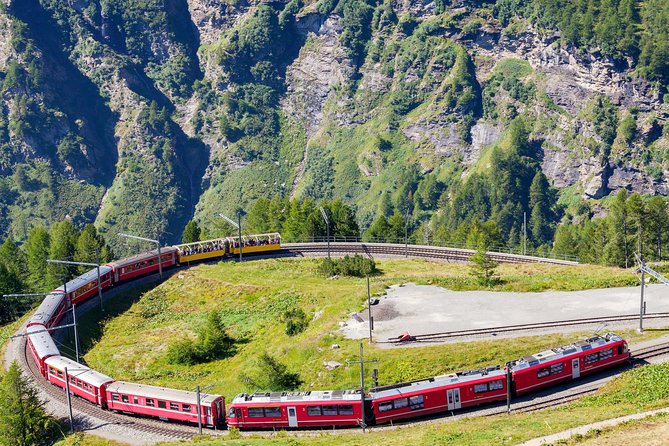
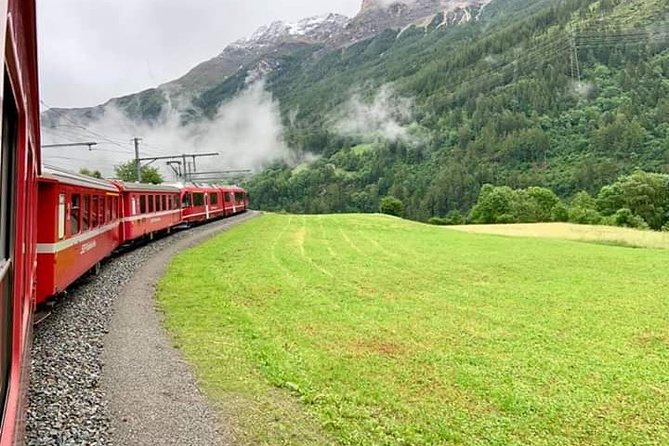
This is the reason to book. The Bernina rail is famous for a reason: you’re riding through steep terrain with dramatic mountain-and-lake views, crossing bridges and viaducts as the route climbs.
You’ll board the Bernina Express railway portion and ride to the highest-point stop. The exact disembark station depends on season:
- Summer: Ospizio Bernina
- Winter: Diavolezza
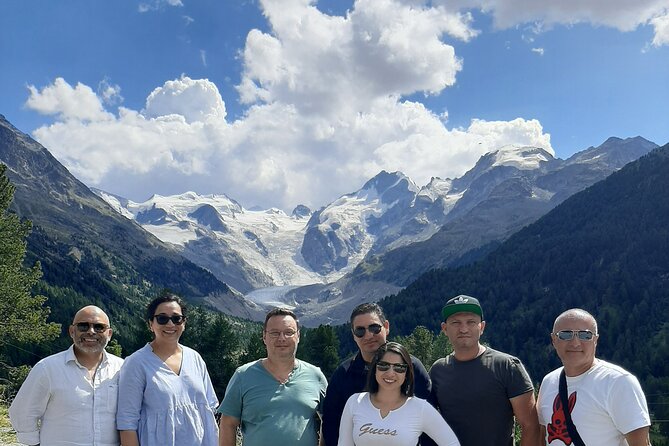
This matters because it changes what you see in your photos and what the air feels like when you step off. Ospizio Bernina gives you glacier-level drama in warm months, while Diavolezza is all about winter snow and exposed alpine views.
Practical train advice that comes straight from the experience people describe: many riders love that the windows can be opened for photos. If you’re bringing a phone or camera, consider how you’ll steady it while moving and wind hits. Also dress for “train air,” not just station air. The temperature difference can sneak up on you.
Another quiet win: small groups often get rail placement that makes photos easier. Some participants specifically mention having a car reserved for their group, which reduces the crowd-chaos factor and lets you move and look without constantly squeezing through strangers.
If the Bernina Train cannot operate normally, the operator can cancel or run only a partial ride, and you may not reach the highest point—and in that scenario, you won’t reach St. Moritz either. That’s the risk side of weather-dependent high mountain rail.
St. Moritz Free Time: Short, Cold, and Very Swiss
After the train, you’ll travel by coach/minibus toward St. Moritz. Then you get free time, but it’s not a long stay. Expect about 45 minutes total at the area, with a short walk along a small alpine lake (about 10 minutes), a section of stairs, then an escalator ride up to the downtown slope area.
Then you’ll have roughly 30 minutes to explore St. Moritz on your own.
Here’s what you can realistically do in that time:
- Walk the main areas and take quick photos
- Pop into a chocolate shop if open
- Get a feel for the town vibe (even if many businesses are closed between seasons)
In off-season or colder months, a lot is shut, so don’t plan on a long restaurant meal in that window. Instead, aim for quick bites and scenic wandering.
Also: St. Moritz is cold in winter, and even shoulder seasons can be chilly. If your guide says gloves and scarf, trust them. People often mention that the magic comes from the weather and snow—when it’s there—so dress to handle it.
Colico and the Return to Milan: The Part You Should Plan Around
After St. Moritz, you travel onward to Colico and then take the train back to Milan. The full return portion is about 3 hours total, including a break.
The return is where timing can feel a little less controlled. Even though the plan includes a train back, the day is still subject to real-world delays and road traffic on the coach leg(s). You’ll be tired by then, so plan your evening in Milan with some slack.
If you’re sensitive to long commutes, pack for it like it’s part of the tour, because it is: comfy layers, water, and a snack you can grab quickly. Some participants also recommend considering motion-sickness options if you’re prone to it—especially with mountain switchbacks.
Price and Value: Why $211.63 Can Make Sense
At $211.63 per person, you’re paying for more than a train ticket. Your cost covers:
- Small-group operation (max 18)
- English-speaking guide
- Small bus/coach transfers
- Bernina Train ticket
- A structured day that links Milan, Lake Como, Tirano, the Bernina high point, and St. Moritz
Is it cheap? No. But the value is that you’re buying logistics solved. Doing this on your own means coordinating train schedules, transfers, and timing around the high-point stop—plus dealing with weather risk yourself.
A good “value check” for you: ask what matters most.
- If you want one big Alps experience with minimal planning, this is strong value.
- If you mainly want lots of time wandering towns, you may feel the money goes toward transportation time.
Reviews also highlight how guides keep photo timing and stop timing tight. That kind of management is hard to price, but it’s often what turns a “long day” into a “worth it day.”
What to Pack (So You Enjoy the Day, Not Just Survive It)
This tour comes with weather swings, stairs, and long rides. Pack accordingly.
Bring:
- A light sweater or jacket in summer
- In winter: a heavy jacket, good shoes, scarf, gloves, cap
- Plan for stairs at Lake Como (maybe), Tirano station climb, and St. Moritz access points
- Comfortable shoes for walking on uneven ground
If you’re car-sick-prone, consider motion-sickness meds. Some people specifically recommend them after dealing with switchback roads outside St. Moritz. You’re on twisty mountain roads for parts of the day, and while drivers are cautious, physics wins.
Finally, bring your passport. The tour data is clear: each passenger must carry a valid passport.
Who Should Book This Bernina Day Trip
This tour fits best if you:
- Want the Bernina Train as the highlight, not just a bonus
- Like scenic travel days with short town stops
- Are okay with stairs and a “moderate fitness” level
- Prefer a small group (max 18) over large coach chaos
It’s less ideal if:
- You struggle with long days and travel fatigue
- You have medical conditions that could be affected by long rides, stairs, and weather swings
- You’re very elderly (the tour notes it’s not recommended)
Children must be accompanied by an adult, and the minimum age is 12.
Should You Book This Tour?
Book it if you want one of the most classic Switzerland-in-a-day experiences starting from Milan, with a small-group setup and an English guide. The Bernina high-point stop (Ospizio Bernina or Diavolezza) is the moment you’ll remember, and the rest of the day is there to get you there smoothly and give you just enough time in each place to feel the change of scenery.
Skip or reconsider if you need lots of town time or you’re uncomfortable with long driving legs, stairs, and winter cold. Also, keep in mind that weather can affect the Bernina schedule, and that could change whether you reach the highest point and St. Moritz.
If your plan includes flexibility and you’re serious about the rail ride, this one is an easy yes.
FAQ
What time does the tour start?
It starts at 8:00 am, meeting at Centrale F S (Piazza Duca d’Aosta), 20124 Milano MI, Italy.
How long is the tour from Milan?
It’s a minimum of about 13 hours round trip from Milan Central station, and you return back to the meeting point.
How big is the group?
It’s a small group with a maximum of 18 travelers.
What’s included in the price?
Included are a small bus transport, an English-speaking tour guide, the Bernina train ticket, and the small-group experience.
Do I need lunch included?
Lunch is not included. There’s free time in Tirano for lunch on your own.
Do I need a passport?
Yes. Each passenger must carry a valid passport.
What season changes happen for the train stop?
In summer you get off at Ospizio Bernina, and in winter the stop is Diavolezza.
What should I wear or bring?
Bring a light sweater or jacket in summer. In winter, bring a heavy jacket, good shoes, scarf, gloves, and cap.
If weather is bad, will I still go?
This experience requires good weather. If it’s canceled due to poor weather, you’ll be offered a different date or a full refund. In certain cases, the Bernina ride may be partial and you may not reach St. Moritz.