REVIEW · MILAN
Milano: Degustazione caffè di qualità dalla moka al filtro
Book on GetYourGuide →Operated by Il Cafetero Specialty Coffee · Bookable on GetYourGuide
Coffee gets serious in Milan. If you think you already know coffee, this small-group session from Il Cafetero Specialty Coffee resets your expectations with three single-origin tastings and hands-on brewing context (moka, V60, Chemex). I especially like that it’s limited to 6 people, so the conversation stays personal, and you don’t just sample—you learn what to do at home. One thing to consider: the exact single origins can shift with seasonality and availability, so your lineup may differ from someone else’s.
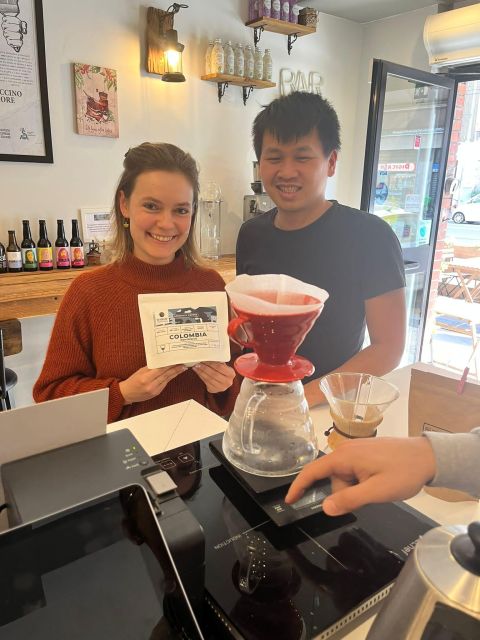
The workshop runs with instructors in English, Italian, and Spanish, and the vibe comes off friendly rather than formal. You might even meet hosts like Ivone and Federico, who are praised for staying on a “friend” level while still explaining the details clearly.
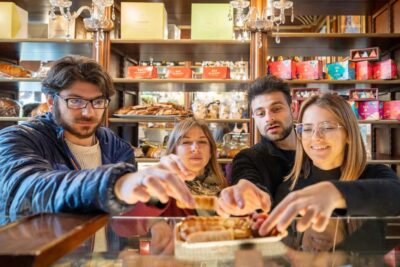
You’ll taste three coffees, get water between rounds, and close with a dessert that includes a vegan option. At $35 for 2 hours, it’s not a cheap caffeine stop—but it’s good value if you want real technique, not just a sip-and-go.
In This Review
- Key things I’d plan around
- A Milan coffee class built for your taste buds, not your ego
- The $35 question: does this feel like good value?
- The coffee lineup: single origin means you taste the “who,” not the “blend”
- Moka in Milan: Italian tradition, but explained like a system
- V60 vs American-style thinking: learning to spot filter coffee
- Chemex: the design test, then the aroma payoff
- Water breaks and dessert: why this schedule makes you a better coffee taster
- What you take home: the real win is technique
- Who this experience is best for (and who should skip it)
- Should you book Il Cafetero’s Moka, V60, Chemex tasting in Milan?
- FAQ
- How long is the coffee tasting experience?
- How many people are in the group?
- What coffee will I taste?
- Which brewing methods are included?
- Are any dessert options available besides dairy?
- What languages is the instructor available in?
- Is there anything besides coffee included in the price?
- Is this experience good if I usually drink coffee with milk?
- Can I cancel for a refund?
- Do I need to pay immediately?
- FAQ
- What makes this tasting different from a normal coffee shop tasting?
- Will I taste American-style coffee?
- Do I get time to reset between tastings?
- Can the coffee types change?
- What kind of discount do I get?
- Is dessert included even if I choose a vegan option?
- Is the group really limited?
- Is it taught in multiple languages?
- Is the event located in Milan proper?
- Is there a recommended type of participant?
Key things I’d plan around
- Three single-origin coffees chosen by season, so you taste distinct flavors rather than a house blend
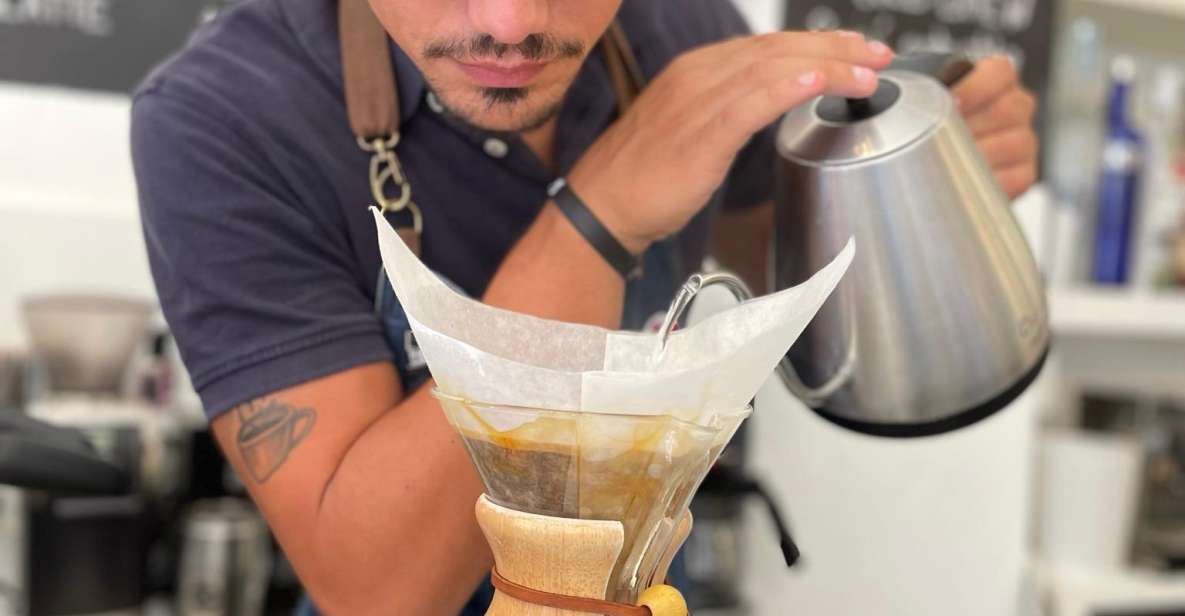
- One coffee, three extractions: moka, V60, and Chemex, compared back-to-back
- Flavor-focused water breaks between tastings to keep the palate honest
- Practical at-home tips for making great coffee without fancy equipment envy
- Dessert included, with a vegan option if you need it
- A discount on coffee beans after the tasting, so the experience can actually stick
A Milan coffee class built for your taste buds, not your ego
This isn’t the kind of tasting where you memorize trivia and leave with a shrug. The point is to help you understand why coffee tastes the way it does—starting with origins, then moving to brewing method.
What I like about the way it’s framed is how quickly it challenges the usual habit: most people only know coffee as a latte or cappuccino. Here, you taste it as coffee—by itself—and suddenly small differences show up fast. That’s where the learning hits.
You also get a controlled format: three single origins and three extraction styles. That matters because coffee can taste “good” for tons of reasons (beans, roast, grind, water, technique). This experience tries to isolate the big variables so you can actually tell what changed.
You can also read our reviews of more tours and experiences in Milan.

The $35 question: does this feel like good value?
At $35 per person for 2 hours, you’re paying for four real things:
- Three single-origin coffees (not just a single sample or two sips)
- Three extraction methods: moka, V60, Chemex
- Water between tastings plus sweets/biscuits (including vegan and gluten-free options)
- Tips you can use at home, plus a discount on beans
If you’re the type who wants to improve how you make coffee (or you’re tired of ordering drinks that taste the same no matter where you go), this cost makes more sense. You’re not paying for ambiance. You’re paying for structure, technique, and comparison.
If you’re only looking for a casual espresso and a quick snack, you might feel it’s more than you need. But if you care about taste—especially filter coffee and brew methods—this is one of those experiences where you’re likely to feel the difference immediately.
The coffee lineup: single origin means you taste the “who,” not the “blend”
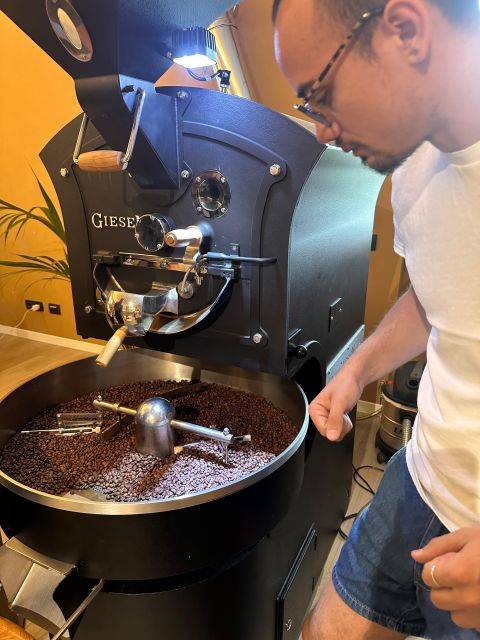
Before you even brew, you’re working with three single-origin coffees, chosen from African, South American, and Asian producers. The specific origins depend on what’s available and seasonal at the time you go.
That single-origin focus is the main reason this workshop is more meaningful than random sampling. Blends can hide what’s happening. Single origins make it easier to notice how aroma and flavor shift when you change extraction style.
Also, because you’re tasting multiple origins, you start learning a subtle but important skill: separating coffee characteristics from your brewing method. Not perfect, but much clearer than trying to learn at home with only one bag and one recipe.
Moka in Milan: Italian tradition, but explained like a system
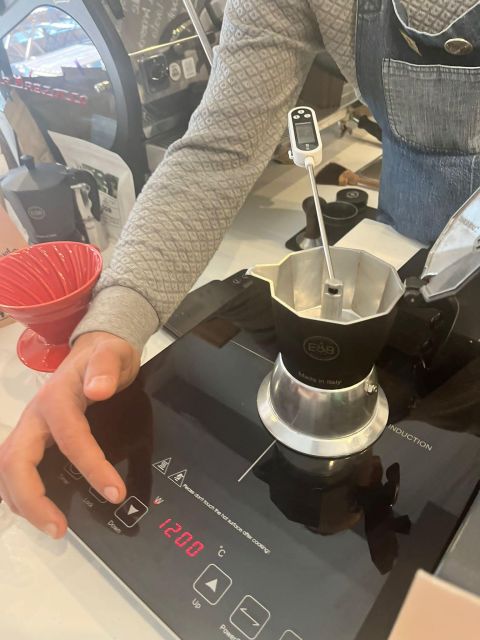
The first method you’ll taste is moka—the classic Italian stovetop brewer. It’s famous for being practical and cultural, not just technical.
What makes this part valuable is that you’ll see moka treated as more than a nostalgic object. You’ll understand how it has changed over time and how to use it to bring out the coffee’s aromatic and natural properties. That’s the difference between using moka like a machine and using it like a recipe.
Here’s what you should pay attention to while tasting:
- Does the flavor feel more rounded or more intense?
- Do you notice heavier aromatic presence, or more clarity?
- How does the finish taste after the first sip and after a water break?
Even if you don’t own a moka right now, this tasting helps you connect “Italian habit” to actual brewing decisions—water heat, extraction strength, and what gets pulled into the cup.
V60 vs American-style thinking: learning to spot filter coffee
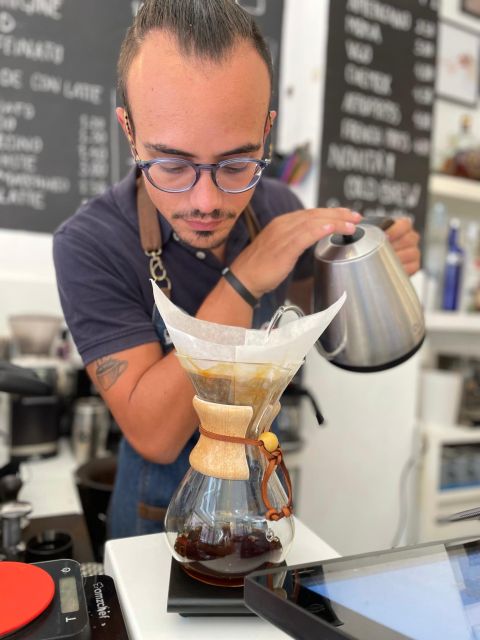
Next up is the V60, a method beloved by baristas and increasingly common in Italian coffee shops.
The key idea you’ll learn here is the difference between American coffee and filter coffee. That matters because people often use the same words for different brewing realities, and the results can be wildly different.
During this part, focus on method-specific flavor signals:
- How does it feel compared with moka—lighter, cleaner, sharper, smoother?
- Does aroma present differently in the cup?
- Is the body more delicate or more substantial?
The V60 section is also where you’ll start receiving practical guidance for technique at home. Even if you don’t use a V60 machine today, learning how extraction changes flavor helps you adjust with whatever gear you have.


Chemex: the design test, then the aroma payoff
Finally, you’ll taste using Chemex. It’s recognizable by design, but the tasting experience treats it as a brewing approach with a particular style of extraction and cup character.
What you’re aiming to notice: Chemex allows you to taste a very aromatic coffee. Aromatic isn’t just a poetic word here—it’s something you can detect as you switch methods. Your nose and palate pick up differences in how aromatic compounds land in the cup.
If you’ve only ever had coffee as a darker, milk-friendly drink, this is often where things can surprise you. Aromatics tend to show up more when the coffee isn’t being masked. That’s also why you get water between tastings—your palate needs reset time, or you’ll smear memory across cups.
Water breaks and dessert: why this schedule makes you a better coffee taster
Two small touches do a lot of work here:
- A lot of water between coffees
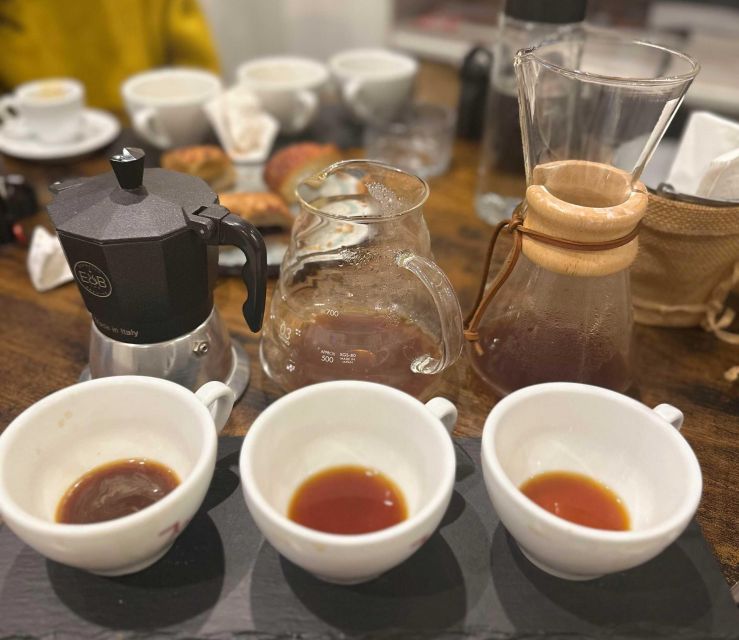
Coffee has a way of coating your tongue. Water breaks keep you from mixing impressions. It helps you actually compare the moka cup to the V60 cup to the Chemex cup.
- Dessert with your tasting (including vegan option)
Having a sweet or biscuit alongside the tasting gives you a controlled palate shift. You’re not eating your way through coffee entirely—you’re giving your brain a “reset” so you can still finish the final comparison.
If you’re doing this as part of a day out in Lombardy, it’s also a practical plan: two hours isn’t a half-day commitment, and you still get food. You won’t leave buzzing on caffeine with nothing in your schedule.
What you take home: the real win is technique
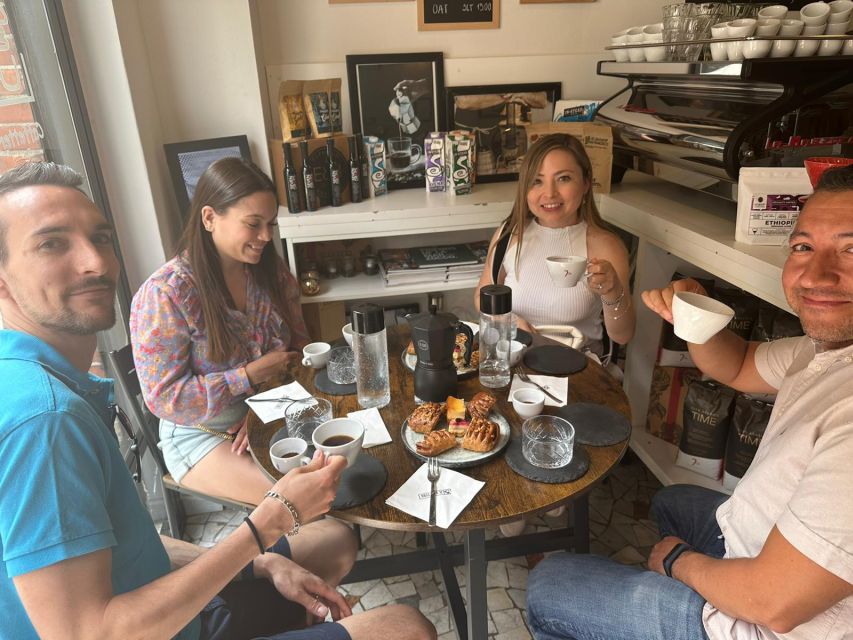
A lot of coffee tastings end with polite comments and a purchase link. This one tries to give you usable technique.
By the end, you’ll explore the differences between the three methods, including:
- how the preparation technique changes what you taste
- tips for implementing those ideas at home
The value here isn’t that you’ll suddenly become a barista. It’s that you’ll stop treating coffee as a mystery. Instead, you start thinking in inputs and results—origin, method, and how each affects flavor.
And yes: there’s a practical bonus in the experience too—a discount on coffee beans. If you find you’re now chasing one of the single origins or a specific style, you have a straightforward way to continue without guessing where to start.
Who this experience is best for (and who should skip it)
This workshop is a great fit if:
- you love coffee and want to taste it plain
- you’re curious about moka vs V60 vs Chemex
- you want clear methods you can try at home
- you prefer a small group, not a crowd
It might be less satisfying if:
- you only want milk-based drinks and don’t care how coffee tastes on its own
- you expect a coffee-and-tour style day with lots of walking and sightseeing (this is a tasting workshop, not a city tour)
Should you book Il Cafetero’s Moka, V60, Chemex tasting in Milan?
I’d book it if you’re the kind of person who gets excited by small differences. The format is built for comparison, and the included sweets, water breaks, and home-prep tips help make the 2 hours feel purposeful rather than rushed.
If you’re on the fence because $35 sounds like “a lot,” ask yourself this: do you want to leave knowing one new thing you can apply, or do you just want something fun to drink? For technique-minded coffee lovers, this is one of the better value bets in Milan—small group, multiple tastings, and a method lesson you can repeat.
If you want, tell me your coffee habits (espresso? cappuccino? pour-over at home?) and I’ll help you decide which brew method you’re most likely to enjoy most from this lineup.
FAQ
How long is the coffee tasting experience?
It lasts 2 hours.
How many people are in the group?
It’s a small group limited to 6 participants.
What coffee will I taste?
You’ll taste three different single-origin coffees, chosen based on seasonality and availability.
Which brewing methods are included?
You’ll taste coffee prepared with moka, V60, and Chemex.
Are any dessert options available besides dairy?
Yes. Dessert includes a vegan option, and sweets/biscuits may include gluten-free options.
What languages is the instructor available in?
The instructor speaks English, Italian, and Spanish.
Is there anything besides coffee included in the price?
Yes. You’ll have water between tastings, sweets or biscuits, and you’ll receive a special discount on coffee beans.
Is this experience good if I usually drink coffee with milk?
It’s especially useful if you want to taste coffee on its own, but it may still be enjoyable if you’re curious about why coffee tastes different depending on brewing method.
Can I cancel for a refund?
Yes. You can cancel up to 24 hours in advance for a full refund.
Do I need to pay immediately?
No. There’s a reserve now & pay later option, so you can book and pay nothing today.
FAQ
What makes this tasting different from a normal coffee shop tasting?
You’re comparing three single-origin coffees across three specific extraction methods, plus you get technique tips for making coffee well at home.
Will I taste American-style coffee?
You’ll specifically learn about the difference between American coffee preparation and filter coffee during the V60 part.
Do I get time to reset between tastings?
Yes. The experience includes a lot of water between one coffee and another.
Can the coffee types change?
Yes. The three origins can depend on the period’s seasonality and availability.
What kind of discount do I get?
You receive a special discount on the coffee beans as part of the experience.
Is dessert included even if I choose a vegan option?
Yes. Dessert is included and includes a vegan option.
Is the group really limited?
Yes. The group is limited to 6 participants.
Is it taught in multiple languages?
Yes. It’s available in English, Italian, and Spanish.
Is the event located in Milan proper?
It’s listed as a Milano experience in Lombardy, Italy.
Is there a recommended type of participant?
It’s best for people who want to understand coffee flavor and brewing methods—especially those curious about moka, V60, and Chemex.