REVIEW · MILAN
Milan : Historic Private Walking Tour
Book on GetYourGuide →Operated by Guydeez Tours · Bookable on GetYourGuide
Milan moves fast in two hours. This private walking tour strings together major sights and modern design, starting at Piazza Gae Aulenti.
I like that you get two things at once: art-focused time and street-level architecture context. It’s not just photo stops.
I love the way the guide turns buildings into a story you can actually follow, with architecture and history explained in plain language. I also like the customizable feel, so the route can flex to what you care about and what you’ve already seen.
One possible drawback: if you’re after strict, detail-heavy history, you’ll want to confirm the guide’s style upfront. Some leads can feel more like a casual stroll than a deep architectural tour.
In This Review
- Key highlights you’ll feel right away
- A private 2-hour Milan walk that starts at Gae Aulenti
- Pinacoteca Ambrosiana: art first, then you hit the streets
- Bosco Verticale and UniCredit Tower: seeing modern Milan up close
- Porta Garibaldi and Piazza Gae Aulenti: your Milan bearings test
- Basilica of San Simpliciano and N’Ombra de Vin: history with real street energy
- Chiesa di Santa Maria Incoronata and Piazza Mercanti: the feel of older Milan
- SUPER Milano and Gallerie d’Italia: culture stops that break up the pace
- The guides: the real difference between a good walk and a great one
- Walk time, transport, and comfort: why “2 hours” is a smart limit
- Price and value: is $41 per person worth it?
- Who should book this Milan historic private walking tour
- Should you book this tour?
- FAQ
- Where does the tour start and end?
- How long is the Milan private walking tour?
- How much does the tour cost?
- Is this tour really private?
- What kinds of places are included on the route?
- Are museum or attraction tickets included?
- Is the tour walking only?
- What languages are the live guides available in?
- Is the tour wheelchair accessible?
- Are food and drinks included?
Key highlights you’ll feel right away
- Private, no strangers: it’s just your group, so questions don’t get rushed
- 2 hours of real variety: galleries, churches, city squares, and modern towers
- Modern Milan on display: Bosco Verticale’s terraces with 900+ trees is a standout
- Central city logic: you move between areas you’d otherwise need transit for
- Local-use advice: guides share practical tips on where to eat and what timing matters
- Multi-stop cultural coverage: you hit more than the usual repeat checklist
A private 2-hour Milan walk that starts at Gae Aulenti
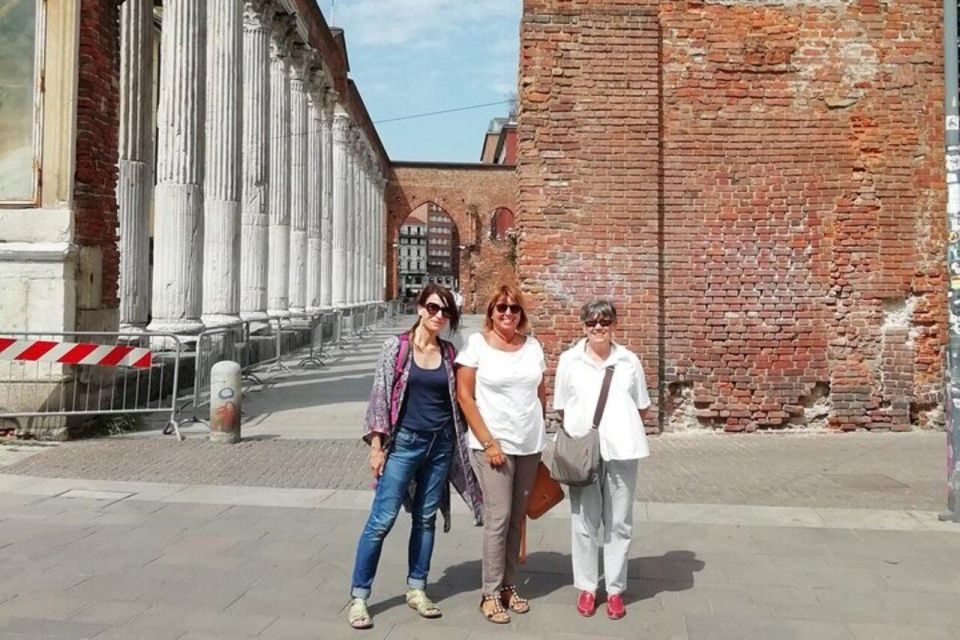
This tour is built for people who want Milan’s highlights without spending the whole day chained to tickets and schedules. You meet at Piazza Gae Aulenti, and you move from one type of Milan to the next: art, modern architecture, historic places of worship, and the neighborhoods around them.
Because it’s private, the pacing can match you. If you like to stop and look, you can. If you want “see it, understand it, move on,” you can do that too. That flexibility matters in Milan, where you can easily feel like you’re just sprinting from one landmark to the next.
It also helps that the guides bring city-logic you won’t get from a printed audio guide: how areas connect, what you’ll want to pair with the rest of your trip, and what’s worth your time later.
You can also read our reviews of more walking tours in Milan

Pinacoteca Ambrosiana: art first, then you hit the streets
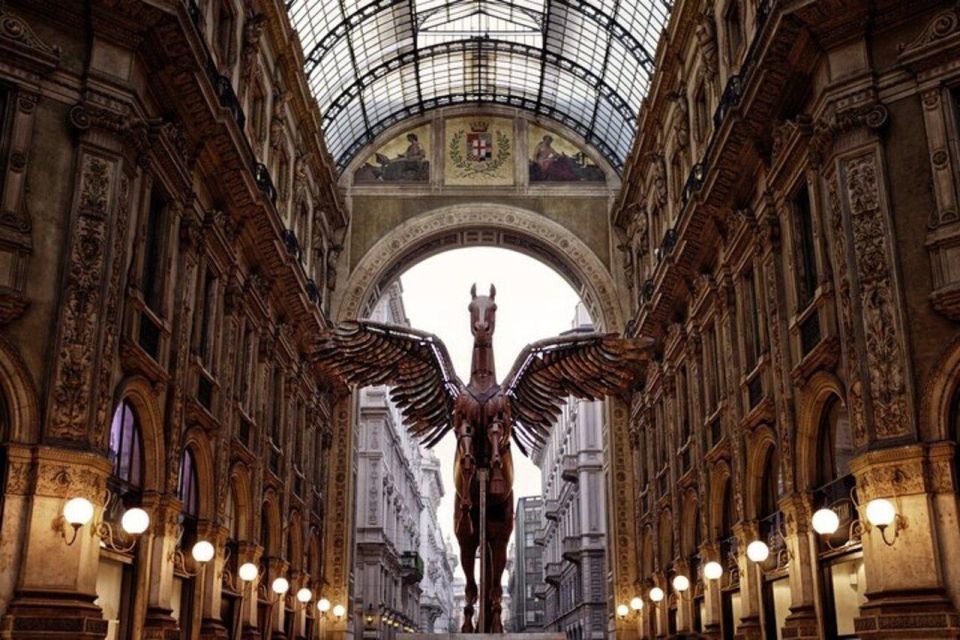
The tour kicks off with a guided visit connected to Pinacoteca Ambrosiana, described as the main public gallery for paintings in Milan. Starting with an art anchor sets a strong tone. You get context for how Milan thinks about culture, not just how it looks in selfies.
In a two-hour experience, this kind of early structure is smart. You’re not wasting time later trying to remember what you saw. The guide can connect what’s in front of you to the city outside the walls—why certain styles show up, and what Milan values about design and artistic tradition.
If you’re the type who likes museums but doesn’t want a long museum day, this stop hits a good middle ground. You get the guided context without turning the trip into a marathon.
Bosco Verticale and UniCredit Tower: seeing modern Milan up close
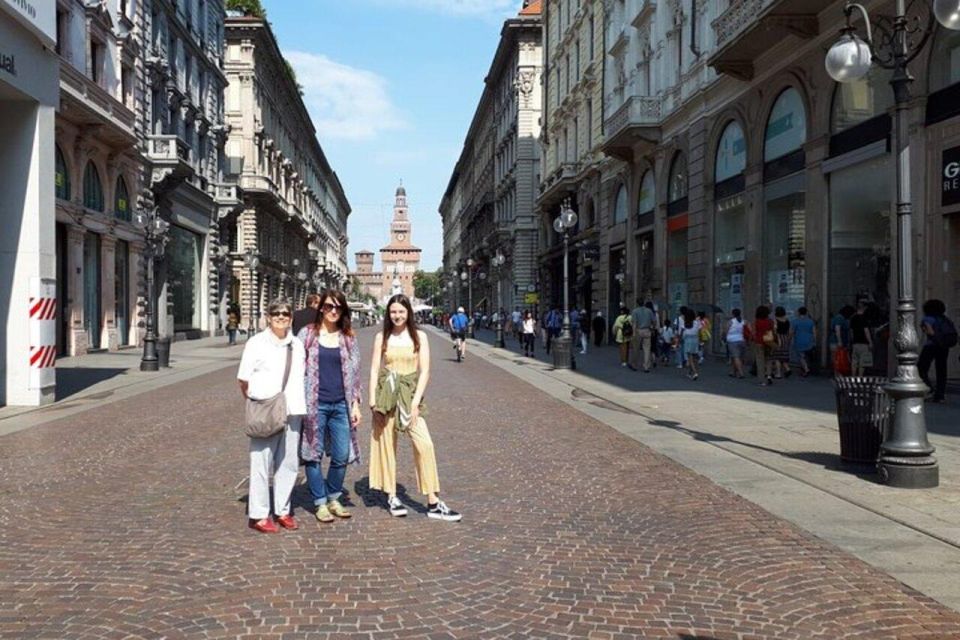
Next comes a big visual shift. You’ll visit Bosco Verticale, the pair of residential towers covered with 900+ trees on terraces. This is one of those places where the guide’s explanations can change how you see it. Instead of treating it like a quirky photo location, you start noticing the idea behind it—how architecture can work with nature and daily life.
From there, the route continues past major modern landmarks like the UniCredit Tower. Even if you don’t spend a long time staring at the details, a guided pass helps. Your guide can point out what makes these buildings feel like “Milan now,” and where they sit in the city’s larger story.
I like pairing a living design (Bosco Verticale) with a big-business icon (UniCredit Tower). It gives your brain a contrast: the city’s future-facing side and the skyline power side, both in one compact walk.
Porta Garibaldi and Piazza Gae Aulenti: your Milan bearings test
As you work through the center, Porta Garibaldi and Piazza Gae Aulenti show up as key wayfinding points. This matters more than you’d think. Milan is dense, and if you don’t get your bearings early, it’s easy to spend the rest of your trip in the wrong places or on the wrong transit lines.
At Piazza Gae Aulenti, you’re surrounded by a very modern, open-feeling urban layout. It’s a good start and a good endpoint because it’s where you can reset your sense of direction. After a tour like this, you’ll usually feel more confident walking on your own—even if you didn’t know the neighborhood an hour earlier.
Paired with Porta Garibaldi, the contrast is useful. You see how Milan mixes older urban rhythms with newer developments. That makes your later self-guided wandering feel less random.
Basilica of San Simpliciano and N’Ombra de Vin: history with real street energy
Then the tour turns toward older Milan, with a stop at the Basilica di San Simpliciano. Places like this are where a guide earns their keep. Without guidance, you can end up just looking at facades. With the right lead, you understand why the building matters and what kind of city life it supports across centuries.
After that, you get a more everyday-feeling stop at N’Ombra de Vin. The point here isn’t just the building—it’s the atmosphere of local life. Milan isn’t only museums and monuments. It’s also the places where people linger, eat, talk, and make an evening out of small moments.
One thing I appreciate about this structure is that it prevents the tour from becoming one-note. You’re not only “looking up” at architecture. You’re also learning how Milan actually feels at street level.
You can also read our reviews of more private tours in Milan

Chiesa di Santa Maria Incoronata and Piazza Mercanti: the feel of older Milan
The tour also includes Chiesa di Santa Maria Incoronata, plus a stop at Piazza Mercanti. These are the kinds of locations that help you understand how Milan’s historical identity shows up in public space, not only in museums.
A guided stop at a church is never just about stopping in front of something pretty. It’s about learning how people used to organize daily life around faith, community, and tradition, and how those patterns still influence the city.
Piazza Mercanti adds another layer. You’re moving from a sacred building to a civic-feeling square, which helps you see how Milan’s old city worked as a system. Even if you’re not an architecture nerd, you’ll start spotting how streets and squares funnel movement—and why certain areas feel the way they do.
SUPER Milano and Gallerie d’Italia: culture stops that break up the pace
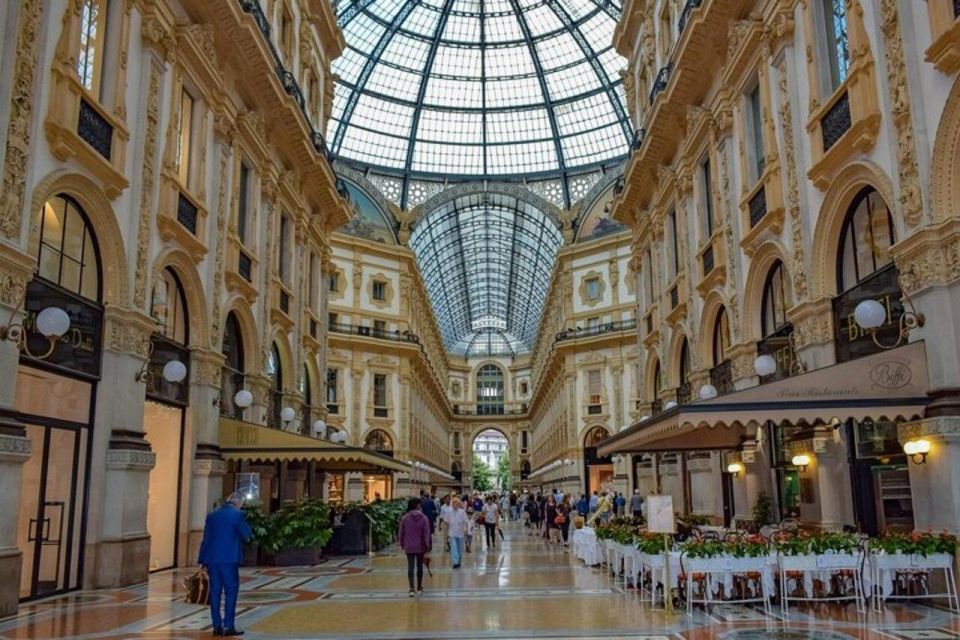
On the later stretch, you’ll pass by or visit cultural spaces like SUPER Milano and Gallerie d’Italia. This is where the tour’s “value per minute” approach shows. You’re still in guided mode, but the mood shifts toward culture and exhibitions rather than only churches and city squares.
Gallerie d’Italia is especially helpful if your trip already includes multiple churches. It gives your brain a different kind of focus: art and cultural exhibitions rather than architectural worship spaces.
And SUPER Milano keeps the pace modern. It’s a useful reminder that Milan’s creativity doesn’t live only in historic buildings. It also lives in contemporary cultural projects.
If you like variety and you don’t want to choose between a museum day and a city-walk day, this blend is a strong selling point.
The guides: the real difference between a good walk and a great one
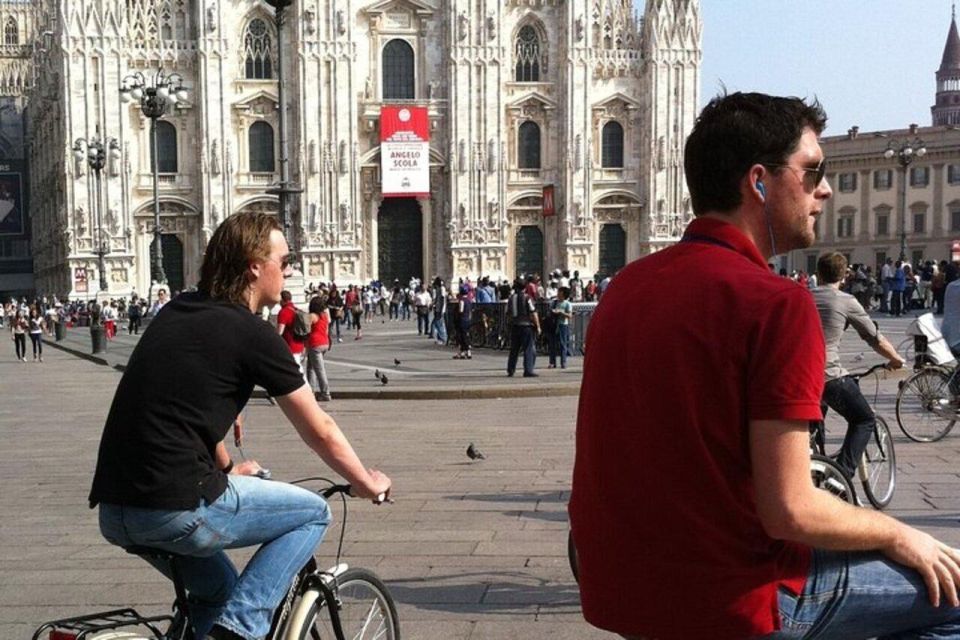
The tour’s rating is strong, with many people praising how well the guide explains the city and how much ground the route covers in just two hours. The guide names that show up include Davide, Daniela, Ismail, and Gabriella—each representing a slightly different style.
Here’s what you’ll want to aim for:
- Clear explanations and solid historical knowledge (this is a big theme with guides like Davide and Daniela)
- Adaptation based on what you like and what you’ve already done earlier in your trip
- Lots of practical next-step advice on what to do after the tour
One very Milan-specific type of tip that can make this tour feel personal: guides may share local habits, like how cappuccino is treated as a breakfast-only thing, while espresso stops can be a fun, specific recommendation. You might even get advice tied to well-known places (for instance, an espresso tip connected with Armani), plus a suggestion for what kind of aperitivo to try next.
That kind of guidance is gold because it saves you time later. It also helps you avoid the tourist traps that look good online but are less fun in real life.
Walk time, transport, and comfort: why “2 hours” is a smart limit
Two hours is short enough to keep energy up and long enough to see a meaningful arc of the city. You’re walking, with public transport included as part of the plan when needed (unless you choose a different option).
This matters if you’re visiting in busy seasons. Milan’s center is walkable, but not always easy to cover efficiently. Using transport strategically helps you spend your legs on the moments that matter, not on random dead stretches.
The tour is also wheelchair accessible, so it’s built with inclusive planning in mind. That’s a practical plus if mobility is a concern.
Price and value: is $41 per person worth it?
At $41 per person for a private, 2-hour guide, the value depends on your travel style.
This price tends to make sense if:
- You want a tight highlight route with context, not just a checklist
- You’ll ask questions and use the advice for the rest of your day
- You’d rather pay for guidance than spend time piecing together routes yourself
- You appreciate a customizable plan that can adjust to your interests
It’s less ideal if you only want the “outer shells” of attractions and don’t care about explanations. In that case, a self-guided walk might feel cheaper.
Also, because it’s private, you’re not splitting attention with strangers. That’s worth something in a short tour.
Who should book this Milan historic private walking tour
This works best for:
- First-time Milan visitors who want a fast sense of the city without long museum days
- Travelers who like walking tours but want the guide to handle history and architecture clearly
- People traveling with mixed interests, like someone who wants modern design and someone who wants older churches
- Families and groups who want a route that can hold attention across different ages (the tour is often praised for working for all ages)
If your priority is only museum time or only nightlife, you might find the balance slightly uneven. The tour blends both types of city moments, and that’s the point. Just be clear with your expectations.
Should you book this tour?
Yes, I’d book it if you want a focused, guided overview of Milan’s big contrasts—art, modern architecture, historic churches, and city squares—wrapped into a tidy two hours.
Before you go, do one simple thing: make sure your guide knows what you want most. If your top goal is deep architecture and history, say so early in the conversation. If you want local-life tips and good pacing for photos and walking, say that too. The better the match, the better the tour.
FAQ
Where does the tour start and end?
The tour starts and arrives back at Piazza Gae Aulenti, 8.
How long is the Milan private walking tour?
The duration is 2 hours.
How much does the tour cost?
The price is $41 per person.
Is this tour really private?
Yes. It’s a private and exclusive tour with no one else in your group.
What kinds of places are included on the route?
You’ll see and/or stop at major Milan spots such as Pinacoteca Ambrosiana, Bosco Verticale, UniCredit Tower, Porta Garibaldi, Basilica di San Simpliciano, N’Ombra de Vin, Chiesa di Santa Maria Incoronata, Piazza Mercanti, SUPER Milano, and Gallerie d’Italia.
Are museum or attraction tickets included?
Tickets are not listed as included, but the team provides help to book tickets for the desired visits.
Is the tour walking only?
It’s described as a walking tour with public transport included as part of the plan, except if you select an option that changes this.
What languages are the live guides available in?
Live tour guides are available in English, French, Italian, and Spanish.
Is the tour wheelchair accessible?
Yes, the tour is wheelchair accessible.
Are food and drinks included?
No. Drink or food isn’t included.
If you want, tell me your travel dates and whether you’re more into modern architecture, churches, or art. I’ll suggest how to frame your interests so the guide can tailor the route during those 2 hours.