REVIEW · MILAN
Milan: “Museo Teatrale Alla Scala” Guided Tour
Book on GetYourGuide →Operated by Hidden Experiences · Bookable on GetYourGuide
La Scala feels like a movie set. In this guided tour, you get the stories that explain why the house matters, then you walk through the Museo Teatrale alla Scala collections that prove it. I like that it’s compact—about 1.5 hours—yet still gives you real context for what you’re seeing, from early years to big-name performers.
My two favorite parts are the elegant theater interior (yes, even when you’re not in an actual performance) and the museum displays that show how opera becomes real: instruments, costumes, and set designs. One thing to plan for: on certain days, rehearsals or private events can limit the visit so you might see more museum than stage.
In This Review
- Key points to know before you go
- The value: what you really get for $44 in Milan
- Finding La Scala: meeting at the museum entrance (near the Duomo area)
- Inside the theater: boxes, layout, and why La Scala feels intimate
- The museum galleries: costumes, instruments, and set designs that tell the how
- Opera legends on the stage: Verdi, Rossini, Pavarotti, Callas
- The role of your guide: why names like Fabio, Simone, and Alice pop up
- When you might see mostly the museum: rehearsals and private events
- Price and logistics: tickets included, but pack light
- Who this tour is best for (and who should skip it)
- Should you book this Museo Teatrale alla Scala guided tour?
- FAQ
- How long is the La Scala museum and theater guided tour?
- How much does the tour cost?
- Where do I meet the guide?
- What’s included in the price?
- What languages are available for the live guide?
- Is the tour wheelchair accessible?
- Can the tour visit the theater part as well as the museum?
- Is hotel pickup included?
- What items are not allowed?
Key points to know before you go
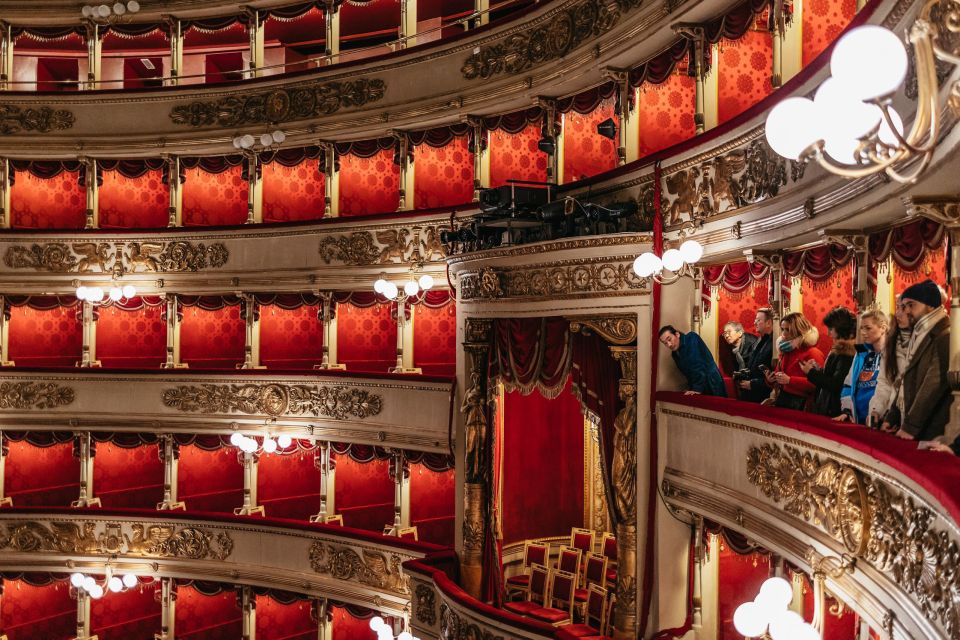
- Guides connect the art to the building, so La Scala stops feeling like a postcard and starts feeling like a working machine.
- Costumes, instruments, and props help you understand what singers, designers, and orchestras do to create a show.
- Headsets are included, which makes the tour easier to follow inside a loud, echo-prone space.
- Small details matter here: boxes, sightlines, and the theater’s layout come up more than you’d guess.
- Rehearsal glimpses happen sometimes, so if you time it right, you may catch a bit of live preparation.
- Meeting at the museum entrance is straightforward and puts you right in central Milan near the main sights.
The value: what you really get for $44 in Milan
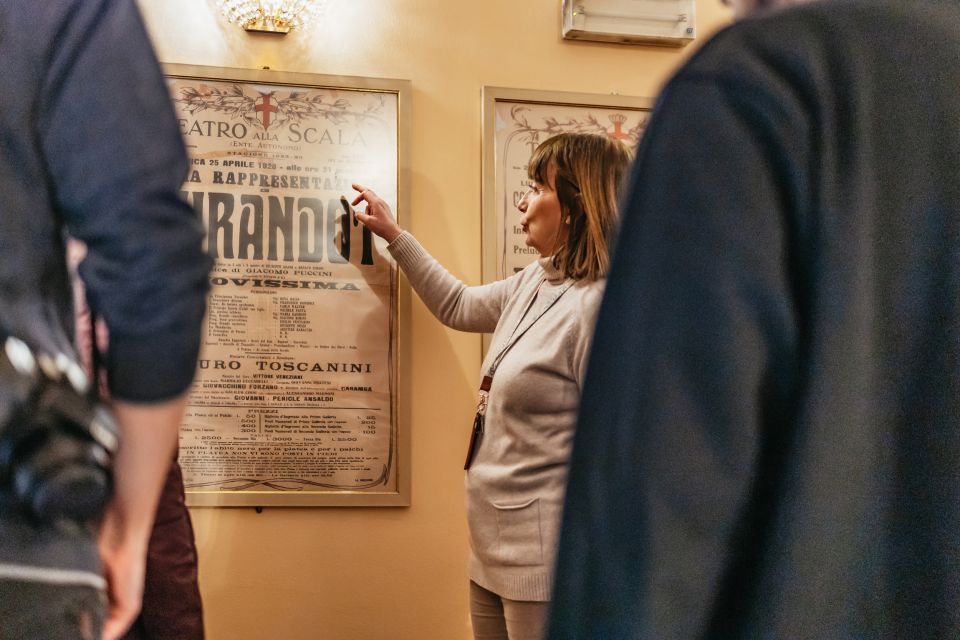
At $44 per person for about 1.5 hours, this tour is priced like a solid museum outing—but it’s really two experiences in one. You get entry to La Scala Theater and the museum, plus a live guide and headsets so you can hear clearly without craning your neck.
If you’ve considered an opera ticket, you already know that can get pricey fast. This tour is a more budget-friendly way to understand La Scala without committing to a specific night on the calendar. You also come away with practical knowledge: you’ll know what you’re looking at and why it’s famous, instead of just staring at gold paint and hoping it makes sense.
The biggest “value” win is that you’re not only seeing a space. You’re learning how the place functions—how performances shaped Milan, how composers became tied to this stage, and how the museum preserves that legacy through tangible objects.
You can also read our reviews of more guided tours in Milan



Finding La Scala: meeting at the museum entrance (near the Duomo area)
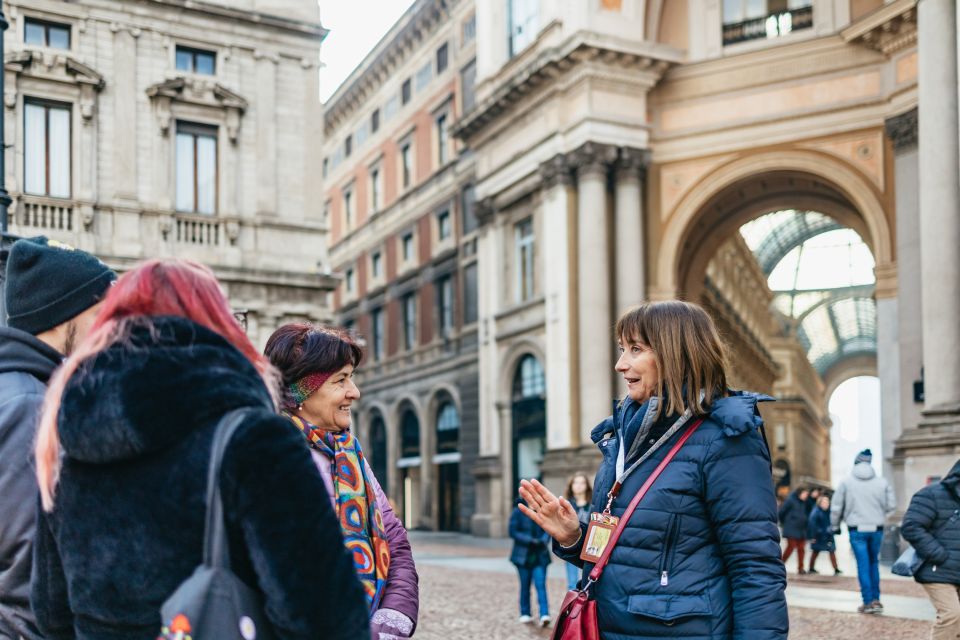
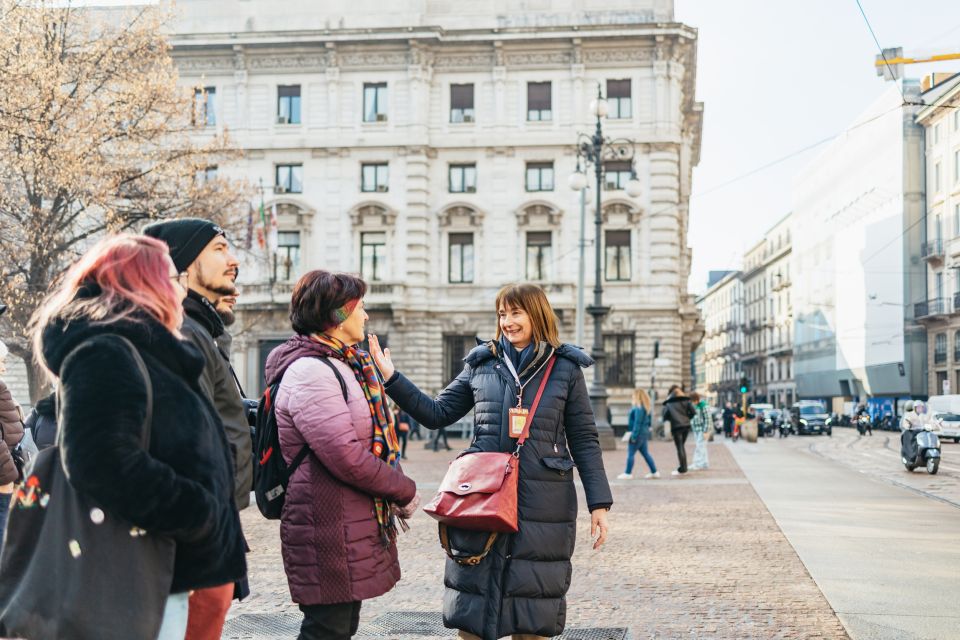
Your tour starts right where you want it: in front of the entrance to the La Scala Theatre Museum. You look for the guide holding the Hidden Experiences purple flag or board.
This location is handy because you’re already in central Milan. You can pair the tour with a walk to other nearby highlights afterward, rather than burning time crossing town. Also, the fact that there’s a clear meeting reference point helps if you’re arriving during peak foot-traffic.
Bring only what you can comfortably carry. Oversize luggage isn’t allowed, and large bags and backpacks must be checked into the cloakroom. If you hate the hassle of coat-check life, plan to travel light for this one.
Inside the theater: boxes, layout, and why La Scala feels intimate
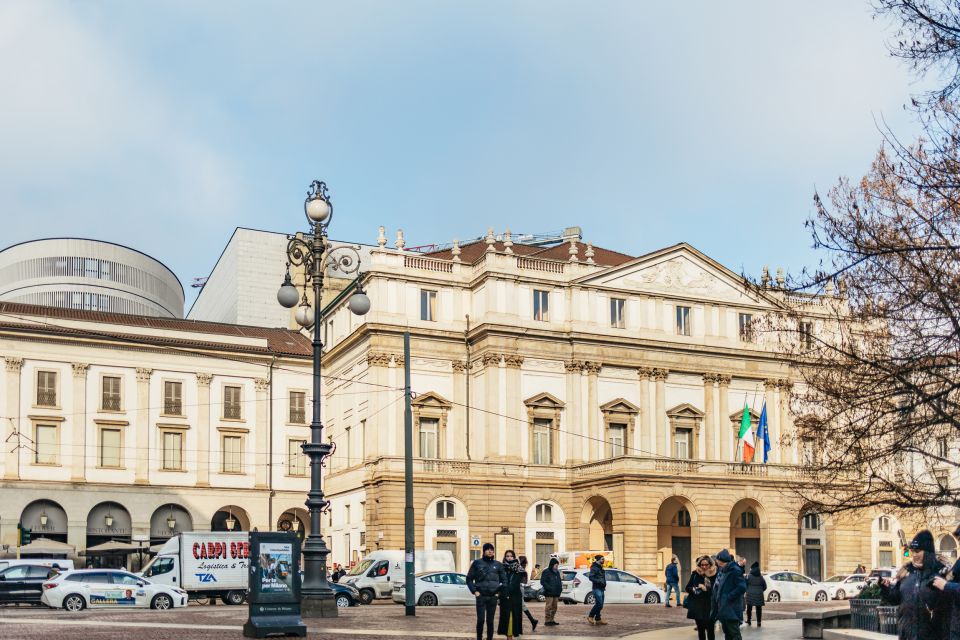
The theater part is where the experience clicks. Even without being in the audience for a performance, you start to feel what makes La Scala different from other big opera houses.
Your guide typically walks you through the theater interior design, and this matters because La Scala doesn’t look impressive only from the outside. The interior is built for drama in a very specific way: you notice the boxes, the way levels relate to each other, and how the space shapes the experience for performers and audience alike.
A few standout moments can happen depending on the day:
- If rehearsals are running, you may get a glimpse of orchestral or ballet rehearsal activity.
- Sometimes you can see inside areas that visitors don’t always get access to during normal public hours.
- On certain tours, people report getting a moment from a box area while things are in progress.
You shouldn’t assume any rehearsal will be visible every time, but it’s a real possibility, and it makes the building feel alive rather than static.
The museum galleries: costumes, instruments, and set designs that tell the how
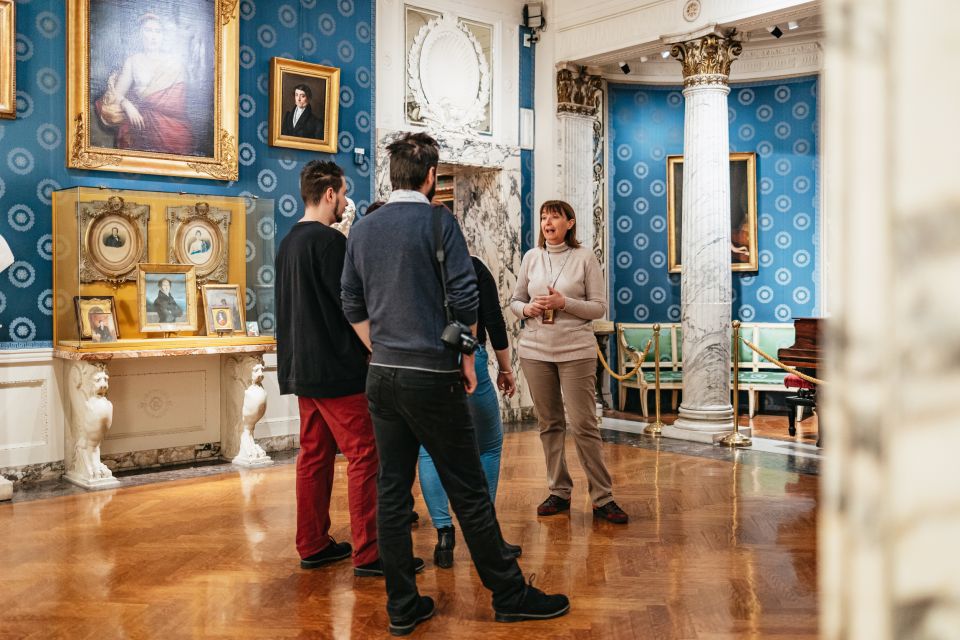
Then you move into the museum side, and this is where your visit becomes practical. You stop thinking about opera as a vague tradition and start seeing the parts that make it work.
Expect displays that include:
- Musical instruments tied to performances and eras
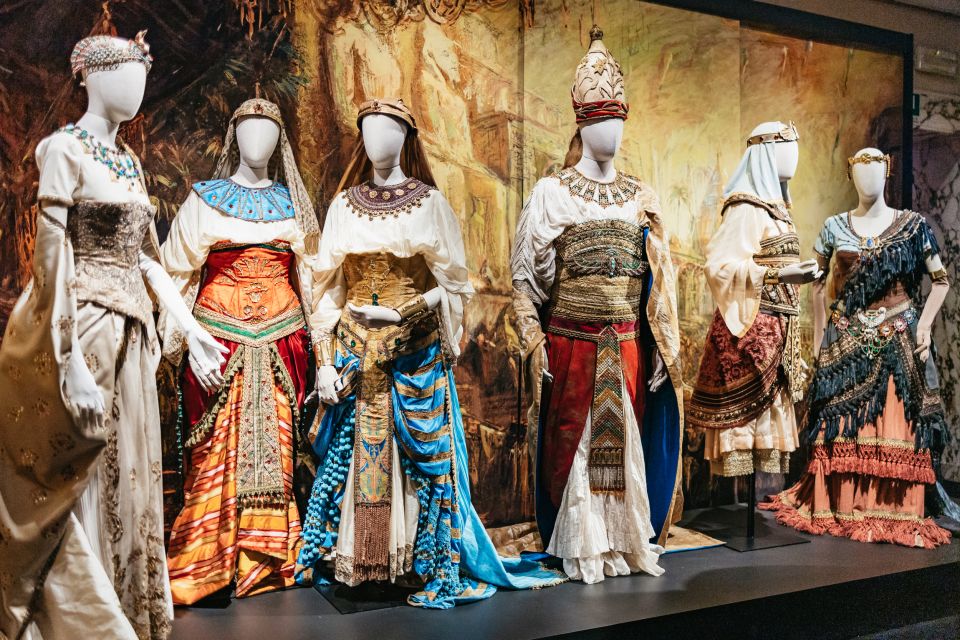
- Costumes that show how designers built character and style for the stage
- Set designs and stage elements that explain how scenes were engineered
- Private artifacts that point to the cultural impact of the theater
This museum is especially good for people who like details: handwork in costumes, stagecraft in visual designs, and the way instruments connect performers to composers. The tour narration helps you connect what you’re seeing to the famous productions that made La Scala a household name.
It’s also easier to explore the museum than you might think. The tour keeps you moving through the right rooms, and headsets help you stay locked into the guide’s explanation instead of losing the thread to your surroundings.
Opera legends on the stage: Verdi, Rossini, Pavarotti, Callas
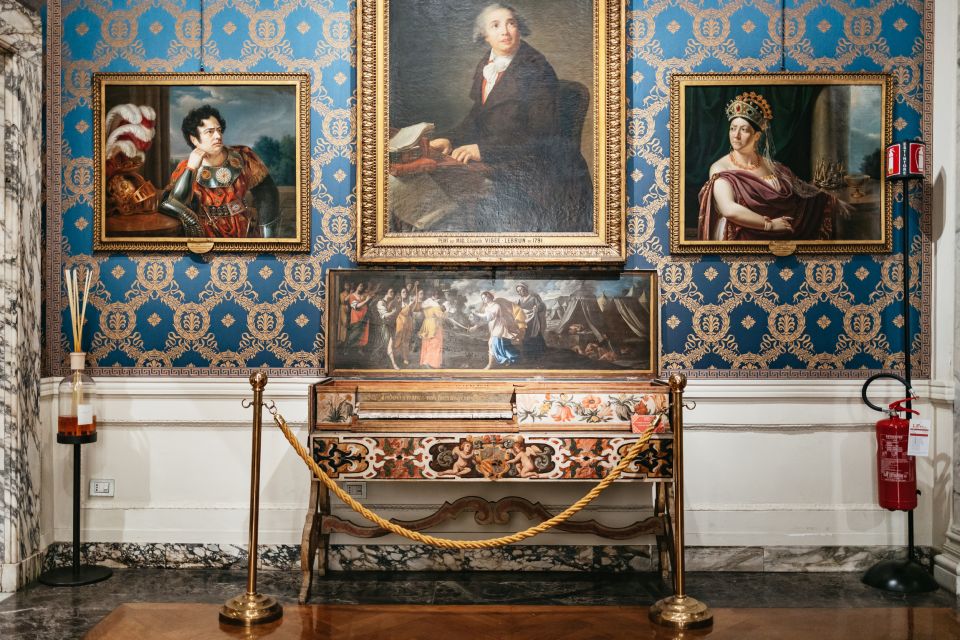
The tour doesn’t just name-drop famous people. It uses big names to explain what the stage became known for over time. You’ll hear about major figures such as Giuseppe Verdi, Gioachino Rossini, Luciano Pavarotti, and Maria Callas.
Why this part matters: hearing these names without context can feel like trivia. But here, the guide connects the names to the theater itself—how performances shaped Milan’s cultural identity, how different musical eras left marks, and how the building became a symbol far beyond Italy.
Along the way, the tour often adds human texture. People have shared stories about performers and the theater community, and guides have a way of making the audience picture a world where rehearsals, costume rooms, and orchestras were all part of daily life.
If opera is your main interest, this is where you’ll feel the tour working. If you’re more of a general culture fan, it still helps you understand why this building is treated as a landmark.




The role of your guide: why names like Fabio, Simone, and Alice pop up
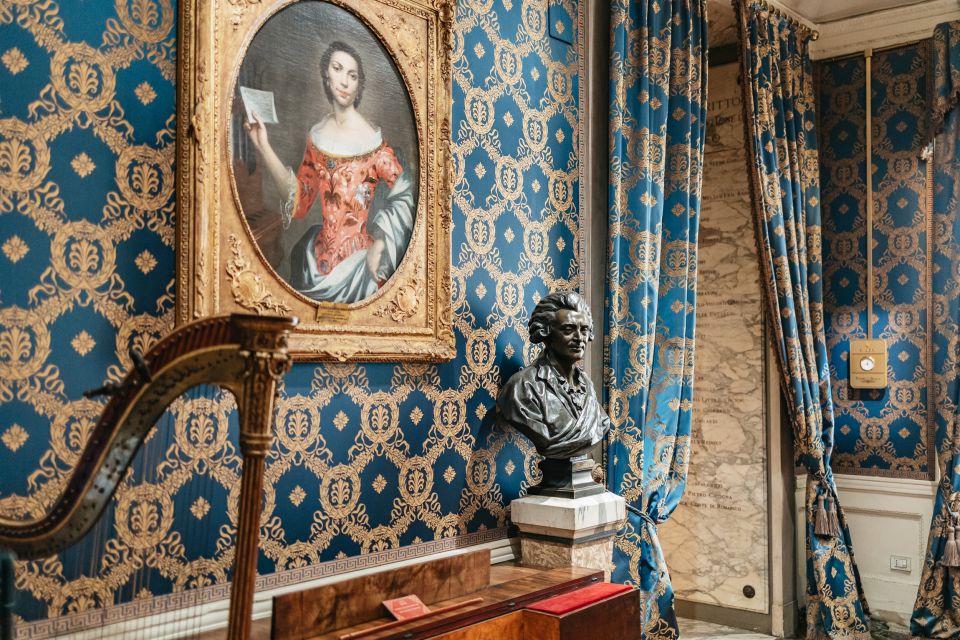
Guides can make or break any museum tour. With La Scala, it’s extra noticeable because the venue is both famous and complicated. The guides here speak multiple languages—French, Italian, English, German, and Spanish—and the narration is clear thanks to the headsets.
What I like most is the energy people bring. Guides named in recent tours—like Fabio, Simone, Alice, Giorgio, Lara, Lorella, Chiara, and Giorgio again—are described as passionate about opera and the theater’s backstage world. That enthusiasm isn’t just charming. It changes what you notice: you start pointing out architectural features, asking why certain rooms exist, and understanding how the museum items relate to actual performances.
One nice practical detail: guides often keep the pace friendly for questions. If you’re the kind of person who asks why something is the way it is, this tour tends to meet you halfway.
When you might see mostly the museum: rehearsals and private events
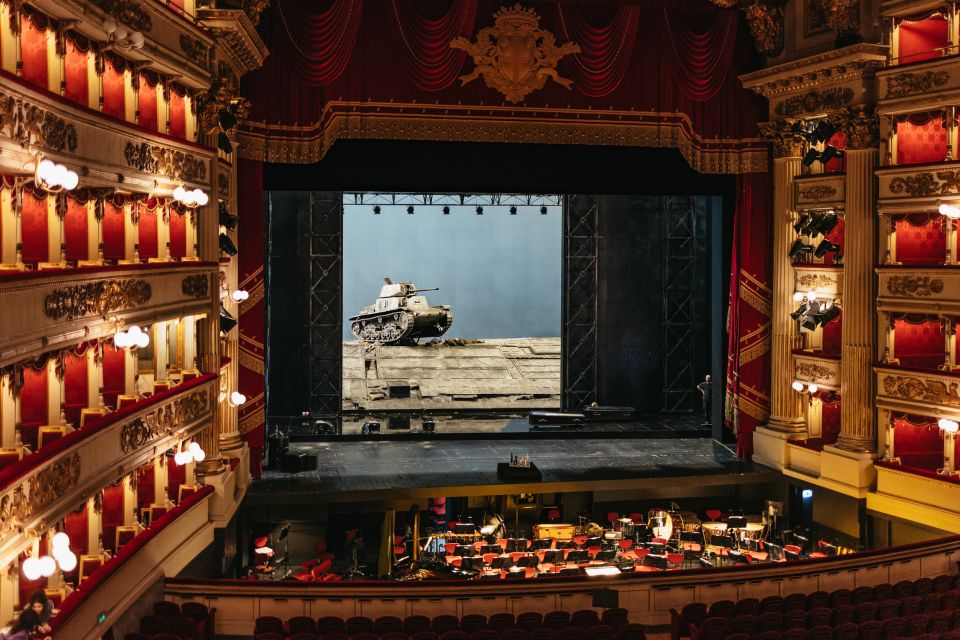
Here’s the reality of a working theater: schedules change. The tour info notes that, due to rehearsals and private events, your visit may be limited to the museum only.
This isn’t necessarily a disappointment. The museum collections are strong on their own, and if you come in expecting full access to the stage every time, you’ll want to adjust your expectations slightly.
My advice: treat the theater visit as a bonus if conditions allow it. You’re still paying for a guided look at La Scala’s museum treasures, and that alone is a meaningful experience. If the theater portion is reduced, you’ll still come away with a clearer grasp of how La Scala produces art.
Also, if you’re going during a busy season, rehearsals are more likely to be happening. On days when rehearsal access is possible, people have reported catching moments of activity and seeing how the house prepares for performance.
Price and logistics: tickets included, but pack light
Let’s talk value in plain terms. You pay $44, and it includes:
- Entry tickets to La Scala Theatre and Museum
- A guided tour
- Headsets to hear the guide clearly
What’s not included: hotel pickup and drop-off. So you’re on your own for getting to the meeting point, but that’s fairly normal for city-center tours.
Now the logistics that actually matter:
- No oversize luggage
- Large bags and backpacks go to the cloakroom
If you’re someone who likes carrying a camera bag and a small backpack, this is manageable if you arrive with a plan for the check-in. If you’re traveling with bulky luggage, rethink what you bring for this stop.
In return, you get a guided structure that saves you from wandering. La Scala is famous, but famous buildings can still feel confusing without explanation. This tour aims to fix that.
Who this tour is best for (and who should skip it)
This is a great fit if you fall into one of these groups:
- You want culture with context, not just photos.
- You care about opera and ballet, or you’re curious but don’t know where to start.
- You like hands-on storytelling through objects: costumes, instruments, and set designs.
- You prefer a guided pace in a major landmark so you don’t waste time figuring out what’s important.
You might reconsider if:
- You only want to see the theater stage at all costs and don’t care about museum artifacts. The tour can be museum-only on certain days.
- You dislike guided tours in general. This one depends on the guide’s storytelling to connect the dots quickly.
The good news is that the duration—about 90 minutes—keeps it from dragging. It’s enough time to cover the highlights without turning into a half-day commitment.
Should you book this Museo Teatrale alla Scala guided tour?
I think it’s a strong booking for most visitors to Milan who want to feel smart fast. You’re paying for guided access plus included tickets, and you’ll leave knowing why La Scala matters, not just that it’s famous.
Book it if you want:
- A structured visit that turns La Scala into a story
- The museum side with stagecraft objects you can actually look at and understand
- A chance for rehearsal energy when schedules line up
Skip it only if you’re specifically trying to guarantee full stage access regardless of day-to-day theater operations. If you can accept that possibility and focus on the museum and guided interior tour, you’ll likely have exactly the kind of “one-stop understanding” experience this place is built for.
If your opera schedule is tight or ticket prices feel stubborn, this tour is a practical workaround that still feels like you’re getting the real La Scala experience.
FAQ
How long is the La Scala museum and theater guided tour?
The tour lasts about 1.5 hours.
How much does the tour cost?
It costs $44 per person.
Where do I meet the guide?
Meet in front of the entrance to the La Scala Theatre Museum and look for the guide holding the Hidden Experiences purple flag or board.
What’s included in the price?
Entry tickets to La Scala Theatre and Museum, the guided tour, and headsets to hear the guide clearly are included.
What languages are available for the live guide?
Guides are available in French, Italian, English, German, and Spanish.
Is the tour wheelchair accessible?
Yes. The theater and museum are accessible to wheelchairs and strollers.
Can the tour visit the theater part as well as the museum?
Usually you’ll visit the theater and then the museum, but due to rehearsals and private events your visit may be limited to the museum only.
Is hotel pickup included?
No. Hotel pickup and drop-off are not included.
What items are not allowed?
Oversize luggage is not allowed, and large bags and backpacks must be checked into the cloakroom.