REVIEW · MILAN
Milan: Pinacoteca Ambrosiana and San Sepolcro Crypt Ticket
Book on GetYourGuide →Operated by Veneranda Biblioteca Ambrosiana · Bookable on GetYourGuide
You don’t come to Milan just for the big sights. You come for the smaller places that pack a punch, and Pinacoteca Ambrosiana delivers with world-class art plus the rare Codex Atlanticus exhibition in the historic library reading room.
What I like most is the lineup of Italian Masters in a museum that stays manageable. You get Leonardo, Raphael, Caravaggio, Brueghel, and more—then you follow that brainy art world down into the medieval San Sepolcro crypt, where the stones under your feet tie back to ancient Mediolanum. The only real consideration is timing and access: the crypt closes at 6:00 PM (last entry 5:30 PM), and the crypt isn’t fully wheelchair-friendly due to architectural barriers.
In This Review
- Key things to know before you go
- Entering the Pinacoteca Ambrosiana: art you can actually slow down for
- Your route and timing: Pinacoteca first, crypt before the last entry
- Pinacoteca Ambrosiana highlights: the Old Masters that steal the show
- Caravaggio, Raphael, and the works you’ll remember
- How the museum experience feels
- The library reading room and Codex Atlanticus: where the visit turns special
- San Sepolcro crypt: underground Milan that makes the city feel real
- What you’ll notice right away
- Optional tech that can help
- The best way to enjoy this ticket: pace, questions, and smart time allocation
- Price and value: why $25 makes sense for this pair of experiences
- Who should book this Milan combo (and who might rethink it)
- Should you book the Pinacoteca Ambrosiana and San Sepolcro crypt ticket?
- FAQ
- What’s included with the ticket?
- Where does the experience start and end?
- How long should I plan for the whole visit?
- What time does the crypt close?
- Does the ticket let me skip the ticket line?
- Are strollers, luggage, or backpacks allowed?
- Is this experience wheelchair accessible?
- Is there free cancellation?
Key things to know before you go
- Old Masters in a “small but serious” museum: Caravaggio, Raphael, Leonardo, Brueghel, and other heavyweights in one concentrated visit
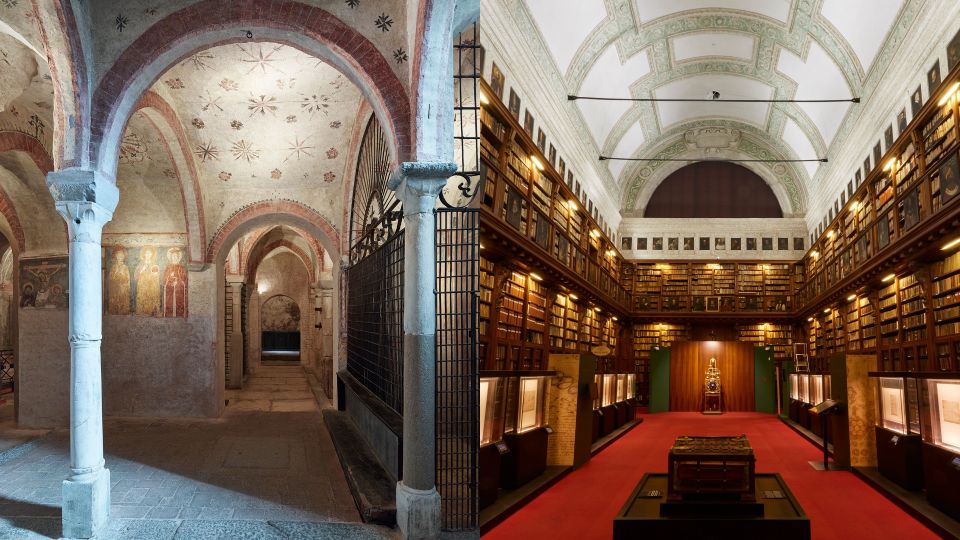
- The library reading room is a highlight by itself: plan time for the Codex Atlanticus exhibition and related drawings
- San Sepolcro crypt is medieval, but it’s also short: expect about 30–40 minutes, sometimes less if it’s not busy
- You’re on a timed day: you’ll want to finish the Pinacoteca in time for the crypt’s last entry (5:30 PM)
- Optional audio and tech can add context: there’s an app option, and the crypt is also set up for added interpretation (like VR in some cases)
- No strollers or bulky bags: come light, especially if you’re traveling with a backpack
Entering the Pinacoteca Ambrosiana: art you can actually slow down for
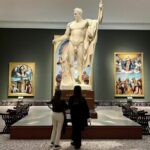
The Pinacoteca Ambrosiana has a way of feeling focused. This is not the “walk fast, see a blur” kind of museum. Instead, it gives you space to look, sit, and really compare details across artists and centuries.
The building itself has strong presence too. Even if you’re not an architecture person, you’ll feel like you’re inside a place with purpose. That matters in a museum full of masterpieces because it keeps the experience calmer—and it helps you connect more quickly to the works.
If you’re choosing between a handful of Milan museums, I’d frame the Ambrosiana as a high-value choice. You’re not trading quality for quantity. You’re getting a concentrated mix of famous names and rarer context, especially when you reach the library rooms.
You can also read our reviews of more tours and experiences in Milan

Your route and timing: Pinacoteca first, crypt before the last entry
You start at Piazza Pio XI 2 and your visit ends at Piazza San Sepolcro, where the crypt entrance is located. The flow is simple, but the schedule is real.
Here’s the timing you should plan around:
- The Pinacoteca visit usually takes about 1.5 hours
- The crypt takes about 30–40 minutes
- Last admission to the crypt is 5:30 PM, and it closes at 6:00 PM
That means you should not treat the Pinacoteca as optional time. If you linger too long in the galleries, you can easily lose part of the crypt. And the crypt is short enough that rushing it is a disappointment.
A good strategy is to set yourself a personal checkpoint at around the 1-hour mark in the Pinacoteca. Once you’re near your target, move with intent toward the exit so you can give San Sepolcro the attention it deserves.
Pinacoteca Ambrosiana highlights: the Old Masters that steal the show
This museum’s reputation comes from the quality of what’s here, not from hype. You’ll see a mix of famous masterpieces and works tied to specific artistic stories.
Caravaggio, Raphael, and the works you’ll remember
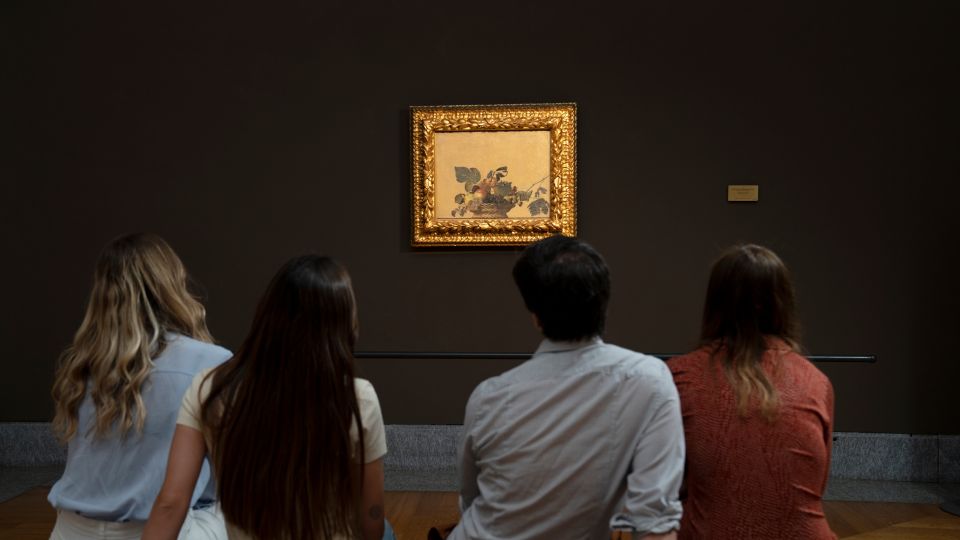
Caravaggio fans often come for one major draw: Basket of Fruit. The power of Caravaggio is how he makes “still life” feel physical—light, texture, and realism that pulls you closer.
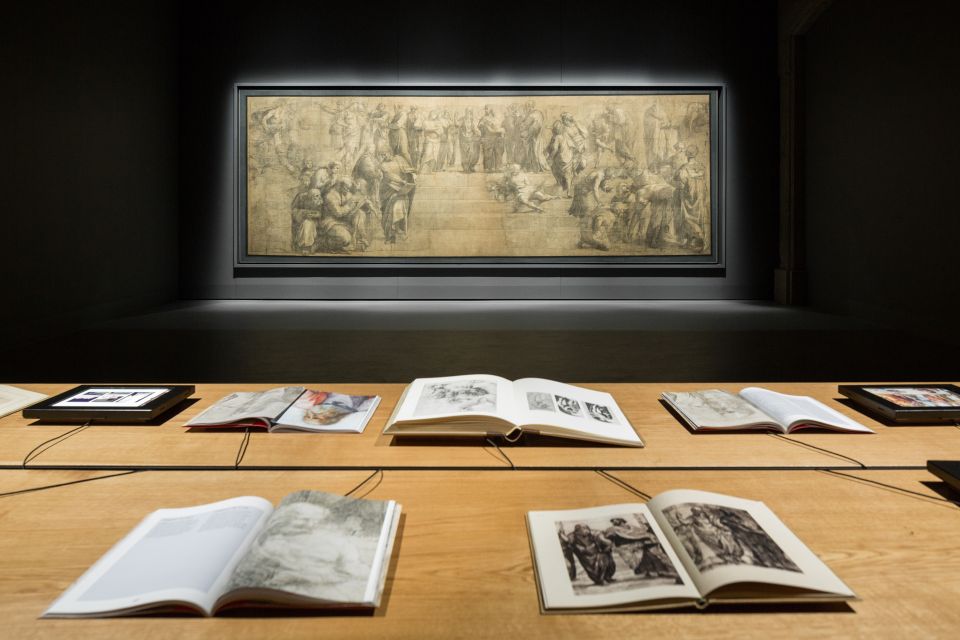
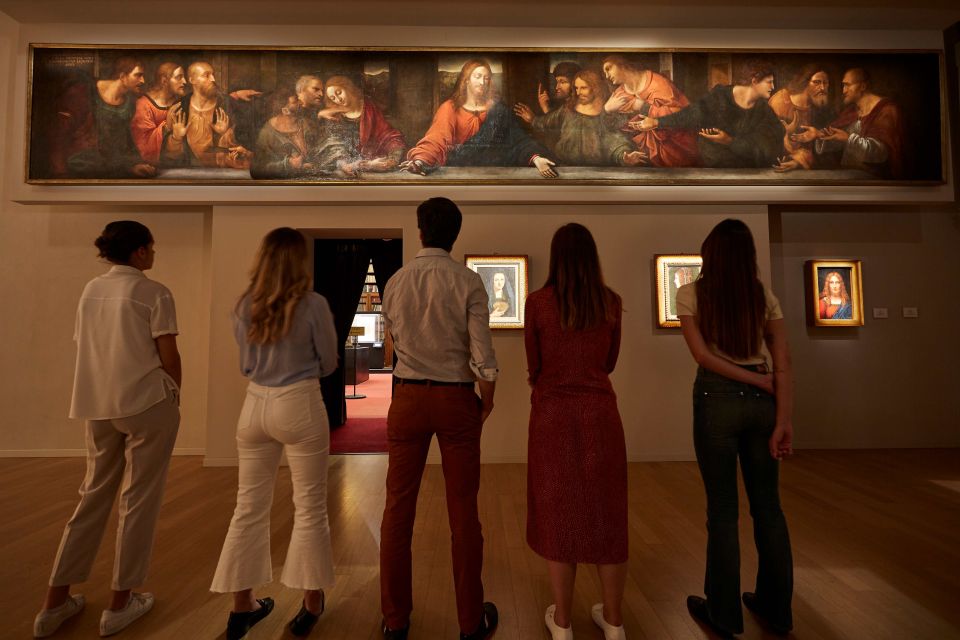
Raphael’s presence is another big reason to buy this ticket. The standout is the famous Cartoon for the School of Athens, and it’s the kind of object that rewards time. Even if you’ve only seen the painting in photos, seeing the full scale and the design logic in person changes the way you understand the work.
Then there’s the broader lineup. You’ll also encounter artists like Leonardo da Vinci and Brueghel, plus additional Italian painters that help fill in the artistic world around those giants. One recurring theme from people who visit: they’re surprised at how much they can fit in without feeling rushed.
How the museum experience feels
One of the nicest things about the Ambrosiana is that it doesn’t feel like you’re being herded. Many rooms are arranged so you can choose your pace. And because the collection is concentrated, you can actually go back to compare two works in your own time.
Do note one practical detail: lighting can feel uneven in certain rooms. It’s not a dealbreaker, but if you care about brushwork and fine detail, give yourself moments where you can step closer and re-check what you’re seeing.



The library reading room and Codex Atlanticus: where the visit turns special
If the Pinacoteca is the art course, the library is the dessert you didn’t know you needed.
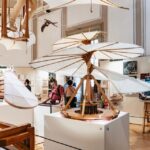
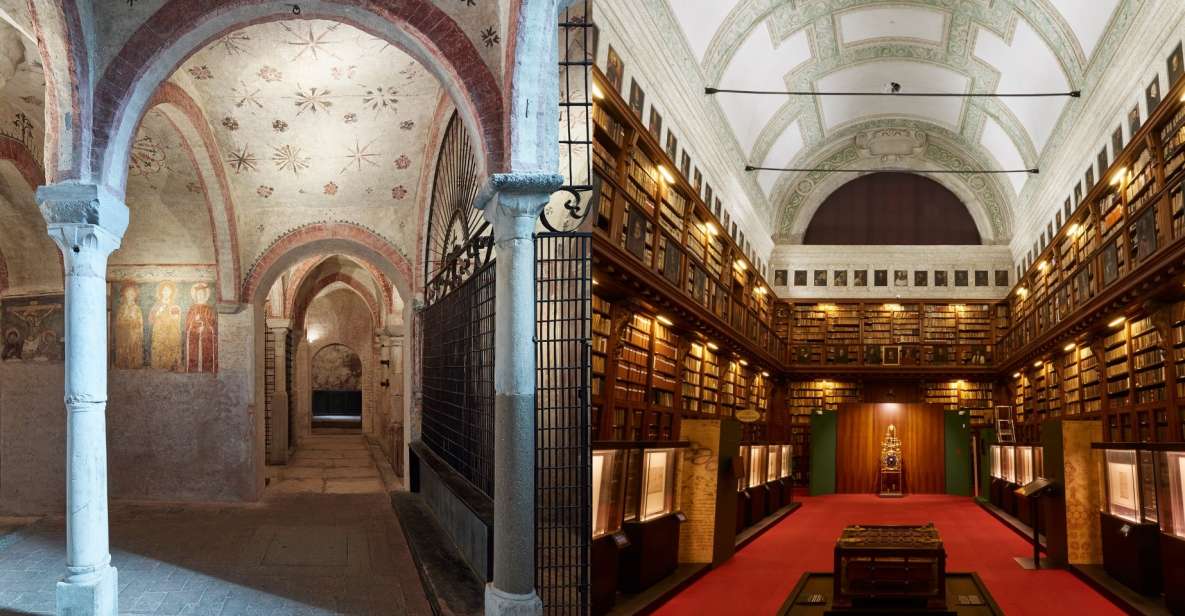
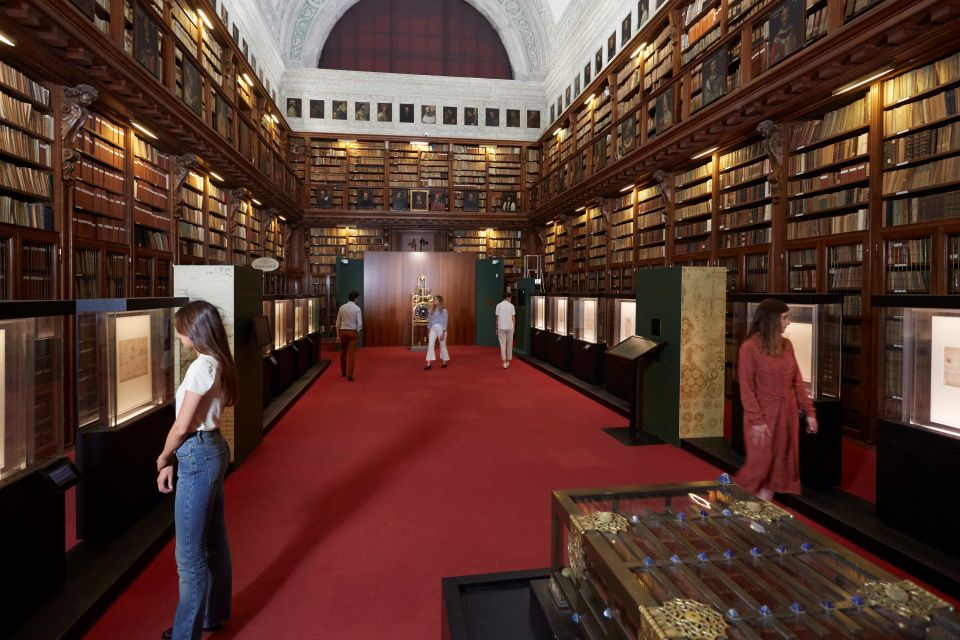
The Ambrosiana includes the 17th-century reading room and an exhibition connected to Codex Atlanticus, along with original drawings and material tied to Leonardo. This is the part that makes the day feel different from “another museum with a few famous paintings.”
Why it works: the reading room and Codex displays make Leonardo feel less like a statue and more like a working mind. You can connect the art, the observation, and the science-thinking that sits behind it.
If you like museums where you learn how people thought—not just what they made—this section is exactly your lane. People often say they could spend longer here, and that’s because the material invites careful attention. It’s also a strong match for couples and families who want a change of pace from paintings alone.
And if you’re the type who enjoys museum objects that feel rare or almost too important to touch, this is where you’ll feel it.
San Sepolcro crypt: underground Milan that makes the city feel real
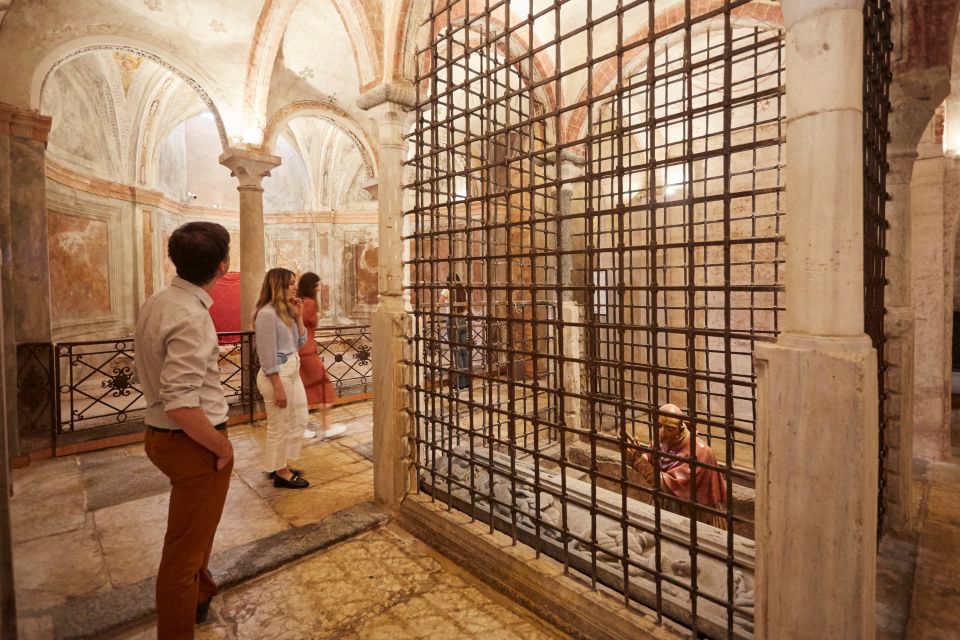
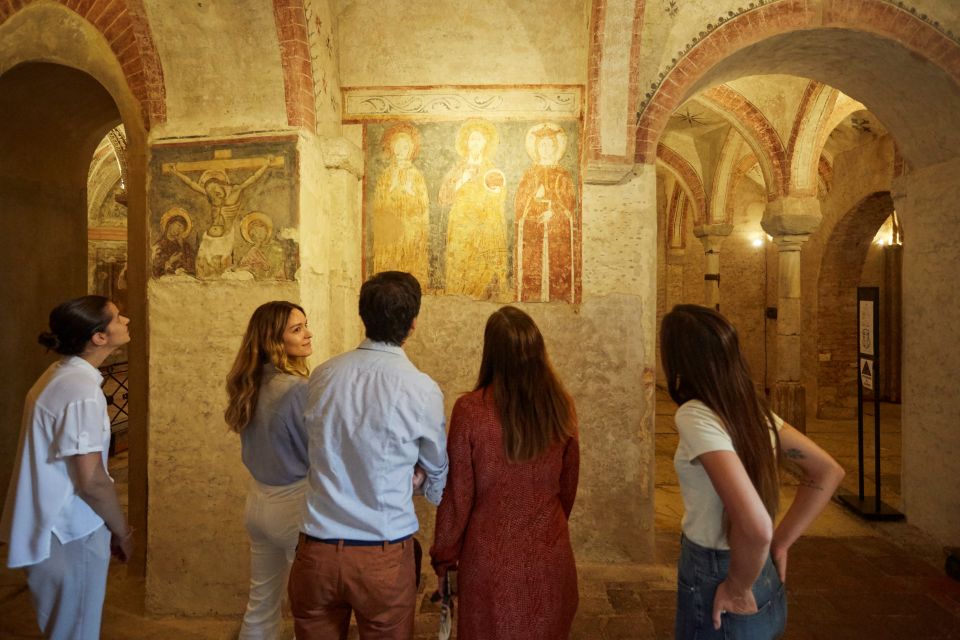
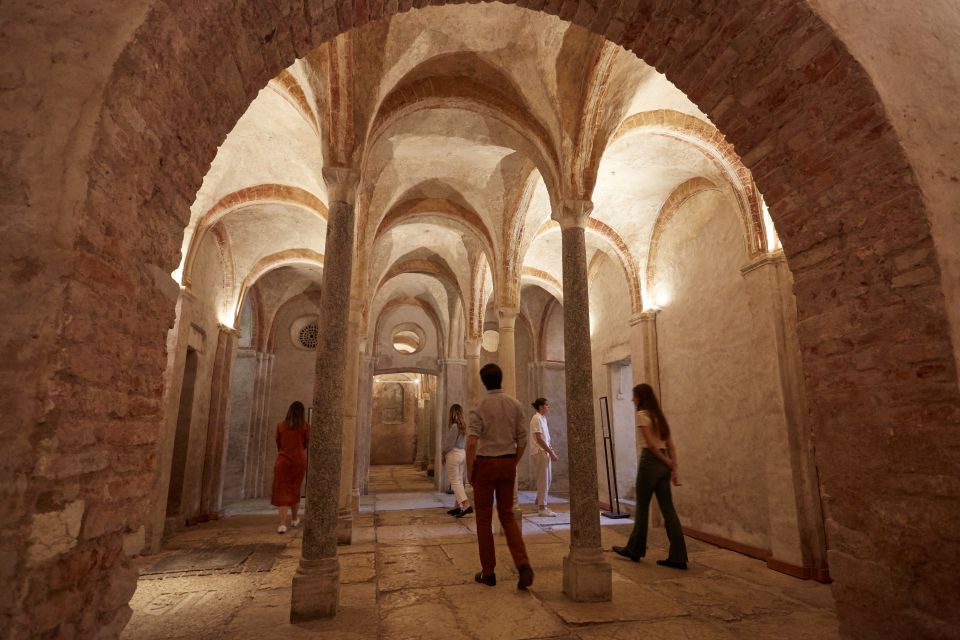
After the museum, you walk from Piazza San Sepolcro area into the crypt. This is a medieval hypogean church, meaning it’s built underground (or partly underground), and it gives you a completely different Milan.
The big idea is the floor. The pavement uses ancient stones from the old city of Mediolanum. That detail turns the crypt from “a small basement church” into something like a time layer.
What you’ll notice right away
The crypt is architectural and atmospheric. Look up at the ceiling, then slow down and scan how the space is built. Even when the crypt is small, the setting makes it feel like you’re stepping into an earlier version of the city.
One practical note: the crypt visit isn’t long. If it’s quiet, you might move through in around 10–15 minutes. If you’re reading the information and paying attention to structure and symbolism, you’ll naturally stretch it into the full 30–40 minute window.
Optional tech that can help
If you’re history-minded, consider adding extra interpretation. Some visitors describe using a VR experience in the crypt (with payment at the entrance). Even if you only do part of that, it can help the crypt feel less like an empty shell and more like a story you can place in your mental map of Milan.
The best way to enjoy this ticket: pace, questions, and smart time allocation
Here’s how I’d approach your day so you leave satisfied, not tired.
Start with the art you care about most, then let the rest support it. If Leonardo and Raphael are your priority, don’t get stuck wandering randomly for the first 30 minutes. Instead, aim for those rooms early so your energy is high when you hit the most memorable objects.
Then give the library its due. Even if you feel like you’re “almost done” with the Pinacoteca, this is where the trip can shift from nice to unforgettable.
Finally, treat the crypt as your ending chapter. It’s short, but that can be a feature. The contrast between bright painting rooms and a darker underground church is exactly what makes the combined ticket feel like a complete Milan experience rather than two separate stops.
Price and value: why $25 makes sense for this pair of experiences
At about $25 per person, the ticket is solid value because it bundles two things most people would otherwise pay for separately:
1) A serious art museum with major names
2) An underground historic site connected to ancient Milan
What makes it particularly good value is the pairing. The Ambrosiana tells you how art was made and collected in the world of Italian Masters. The crypt tells you where the city physically came from, down to reused ancient stone.
Also, skip-the-line access helps. You’re saving time in a place where you want your attention for looking, not waiting.
Who should book this Milan combo (and who might rethink it)
This ticket is a great fit if you:
- Love Leonardo da Vinci and want more than one painting
- Want Raphael’s cartoon experience in person
- Prefer smaller museums over giant crowds
- Like history that shows up in physical details like buildings and stonework
- Want a self-paced day you can shape around your interests
It’s not the best choice if you have mobility limitations. The crypt has architectural barriers and the activity isn’t fully accessible for wheelchair users or people with physical impairments. Most of the Pinacoteca exhibition rooms are wheelchair accessible, but the combined experience includes the crypt, so you should plan carefully.
If you’re traveling with strollers or bulky luggage, also reconsider. The experience doesn’t allow baby strollers, luggage or large bags, or backpacks, so pack light.
Should you book the Pinacoteca Ambrosiana and San Sepolcro crypt ticket?
Yes, with a couple of conditions.
Book it if you want a Milan day that feels smarter than the usual checklist: Old Masters you’ll actually remember, plus the rare bonus of the library reading room and Codex material, then a short underground stop that connects to the city’s earliest layers.
Think twice if your schedule runs late in the afternoon. The crypt has a hard finish—last entry at 5:30 PM, closing 6:00 PM—and once you miss that, the second half of the ticket is gone.
If you want art and city history in one tidy loop, this is one of the better-value ways to do it.
FAQ
What’s included with the ticket?
Your ticket includes admission to both the Pinacoteca Ambrosiana and the Crypt of San Sepolcro.
Where does the experience start and end?
You start at the Pinacoteca Ambrosiana at Piazza Pio XI 2. You exit at Piazza San Sepolcro, where the crypt entrance is located, and the tour ends in Piazza San Sepolcro.
How long should I plan for the whole visit?
The Pinacoteca visit typically lasts about 1.5 hours, and the crypt takes about 30–40 minutes.
What time does the crypt close?
The last admission to the crypt is at 5:30 PM, and it closes at 6:00 PM.
Does the ticket let me skip the ticket line?
Yes, it includes skip-the-ticket-line entry.
Are strollers, luggage, or backpacks allowed?
No. Baby strollers, luggage or large bags, and backpacks are not allowed.
Is this experience wheelchair accessible?
The activity is not completely accessible for people in a wheelchair or with physical impairments due to barriers in the crypt. Most of the Pinacoteca exhibition rooms are wheelchair accessible.
Is there free cancellation?
Yes. You can cancel up to 24 hours in advance for a full refund.