REVIEW · MILAN
Milan: Leonardo3 The World of Leonardo Museum Entry Ticket
Book on GetYourGuide →Operated by Leonardo3 - The World of Leonardo · Bookable on GetYourGuide
Leonardo turned sketches into machines, and this place proves it. With a ticket to Leonardo3 you get 200+ interactive 3D reconstructions plus an audioguide that explains what you’re seeing. I especially like the mix of science and showmanship, but there’s one watch-out: some parts feel tight, so you may need a little patience with the hands-on areas.
Next, you’ll spend your time walking through rooms of working models made from Leonardo’s manuscripts, not just static displays. The digital restoration of the Last Supper is also a standout, especially if you want that experience without lining up for the real church painting viewing. One more consideration: no food, drinks, or cameras inside, so plan to snack outside and keep your phone put away.
In This Review
- Key things to know before you go
- Leonardo3 Milan in plain terms: what your entry ticket really delivers
- Getting there: Piazza della Scala, Galleria Vittorio Emanuele II, and a smooth start
- 200+ interactive 3D machines: the wow factor and how to get more out of it
- Leonardo’s manuscripts made real: codex in 3D and functioning reconstructions
- The Last Supper digital restoration: a smart alternative, not a replacement
- Hands-on workshops and build stations for kids (and adults who don’t act like it)
- Audioguide value: make the exhibits click instead of just pass by
- Practical rules: no food, no cameras, and how to plan around it
- Bookshop perk: 10% off if you show your voucher
- Price and value: is $18 fair for what you get?
- Who should book Leonardo3, and who might skip it
- Should you book this Leonardo3 museum ticket?
- FAQ
- How much is the Leonardo3 museum entry ticket?
- How long is the ticket valid?
- What languages are available for the audioguide?
- Is the audioguide included with the ticket?
- What’s not allowed inside the museum?
- Is the museum wheelchair accessible?
Key things to know before you go
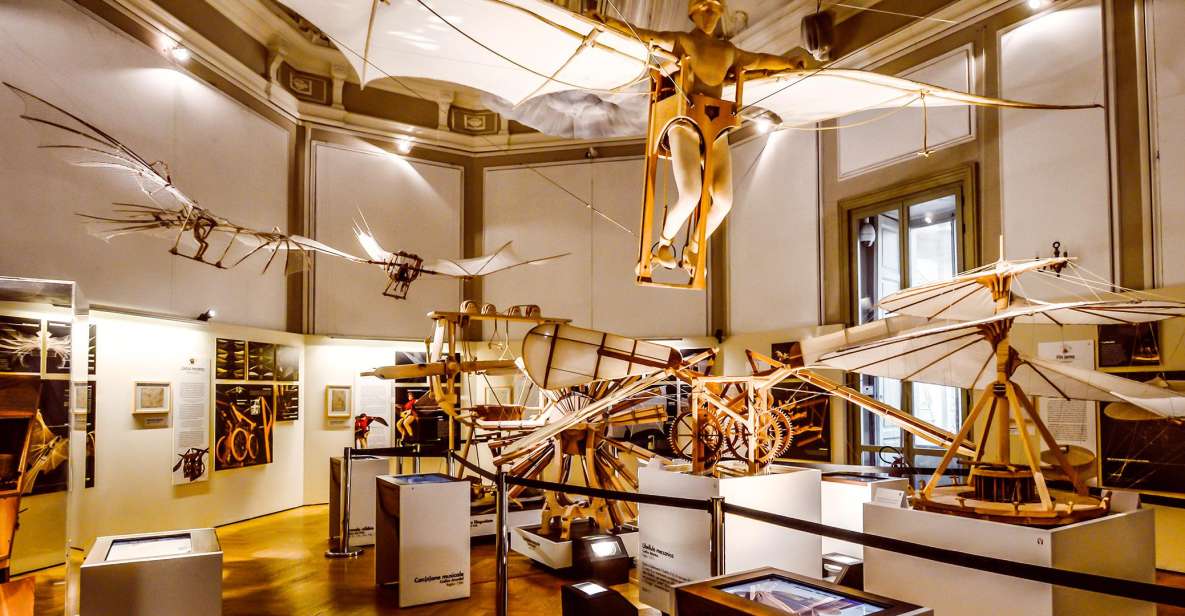
- 200+ interactive 3D machines based on Leonardo’s studies and sketches
- Working reconstructions that translate manuscripts into real mechanisms
- Digital Last Supper restoration you can view in the museum setting
- Audioguide available in many languages (plus English/Italian on the exhibits)
- Hands-on workshop corners including kid-friendly building activities
- Small-space feel in some areas, so go at a steady pace
Leonardo3 Milan in plain terms: what your entry ticket really delivers
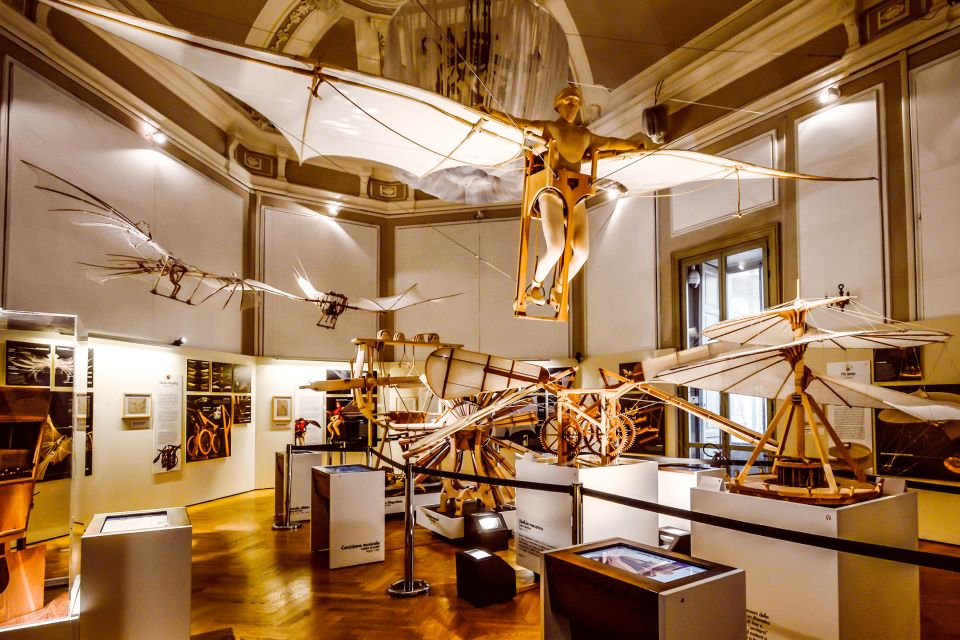
Leonardo3 is a ticketed exhibition focused on one thing: Leonardo da Vinci as an engineer and inventor. You’re not coming for a single headline artwork. You’re coming for a bunch of “how does that work?” moments, arranged into rooms so you can compare ideas, mechanisms, and design thinking as you move along.
For me, the best part is how the museum treats Leonardo like a maker. His notebooks and manuscripts aren’t just displayed like relics behind glass. Instead, you see how researchers used his written observations and diagrams to build reconstructions—then you can interact with those reconstructions. It’s the difference between reading about flight and watching a wing do its job.
The ticket price is about $18 per person, and you really do get a full hour-and-change worth of attention if you use the audioguide. If you’re in Milan for other must-sees, I’d still treat this as a proper stop, not a quick detour. You can’t rush your way through it without missing the point.
You can also read our reviews of more tours and experiences in Milan

Getting there: Piazza della Scala, Galleria Vittorio Emanuele II, and a smooth start
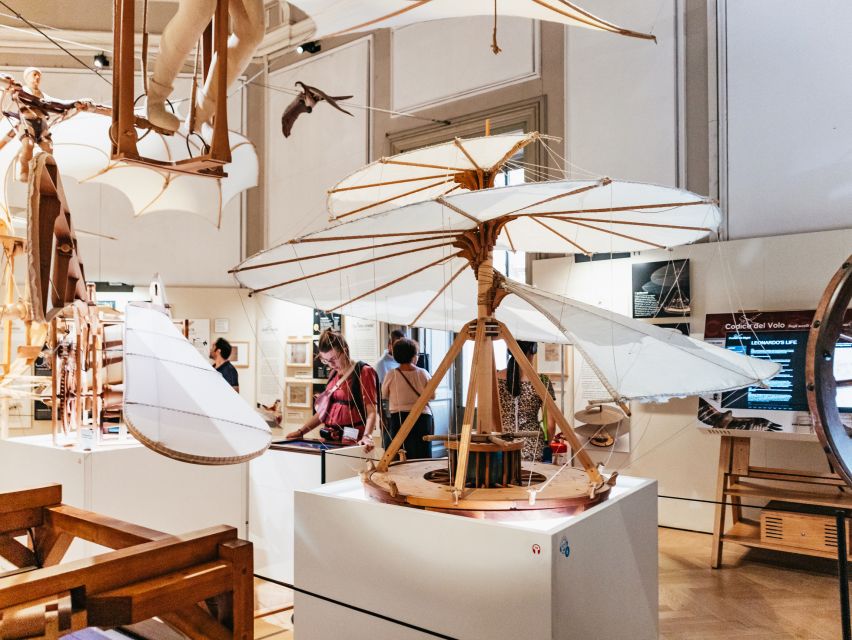
Your entry point is easy if you already like walking central Milan. You start by entering through the Galleria Vittorio Emanuele II in Piazza della Scala. Show your ticket at the ticket office there. The activity ends back at that same meeting point.
Why this matters: it’s a very walkable area. You can pair this with nearby sights before or after you visit, and you won’t lose time guessing where to go. It also means you can keep your day organized. Grab a coffee outside, then head in with a clear plan.
Timing-wise, your ticket is valid for 1 day, but you’ll want to check availability for starting times. That’s usually the biggest planning factor for popular attractions, and it’s worth confirming early so you’re not trying to rearrange your day at the last minute.
200+ interactive 3D machines: the wow factor and how to get more out of it
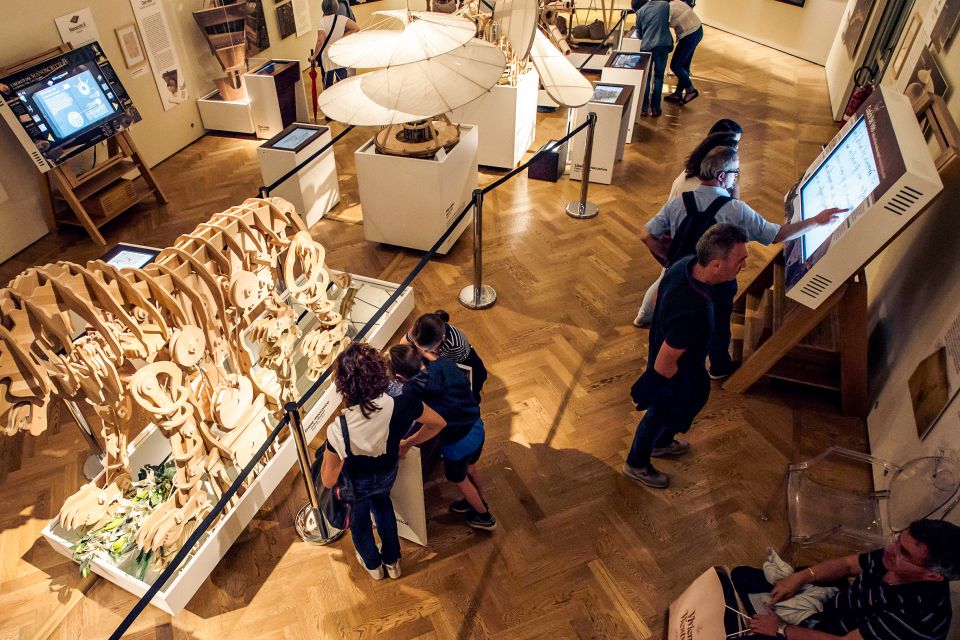
The headline is more than 200 interactive, 3D machines. That’s a big number, but the museum earns it by giving you plenty of ways to “read” Leonardo’s thinking through mechanisms.
Here’s what you should look for while you walk:
- Function over spectacle. Many of the displays are built to show motion and cause-and-effect, not just a pretty shape.
- Patterns across rooms. You’ll start to notice themes—how Leonardo kept iterating, recombining ideas, and refining approaches.
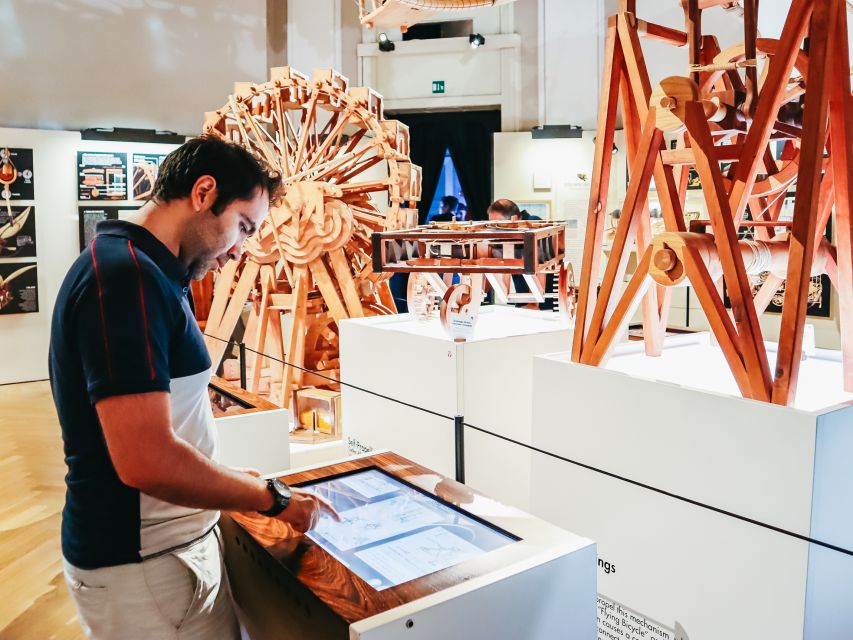
- Hands-on zones. If you like touching and testing, you’ll find more than a few opportunities to engage instead of only viewing.
Some areas can feel a bit tight, and interactive sections may be hard to access depending on crowds and where the display places you in the walkway. My practical advice: don’t fight the congestion. Step back, watch how the mechanism is supposed to work, then re-approach when you have space.
Also, the museum layout is dense. You might feel like the exhibits are packed close together, so slowing down helps. If you skim, you’ll miss the quieter explanatory details that make Leonardo3 more than a fun science stop.
Leonardo’s manuscripts made real: codex in 3D and functioning reconstructions
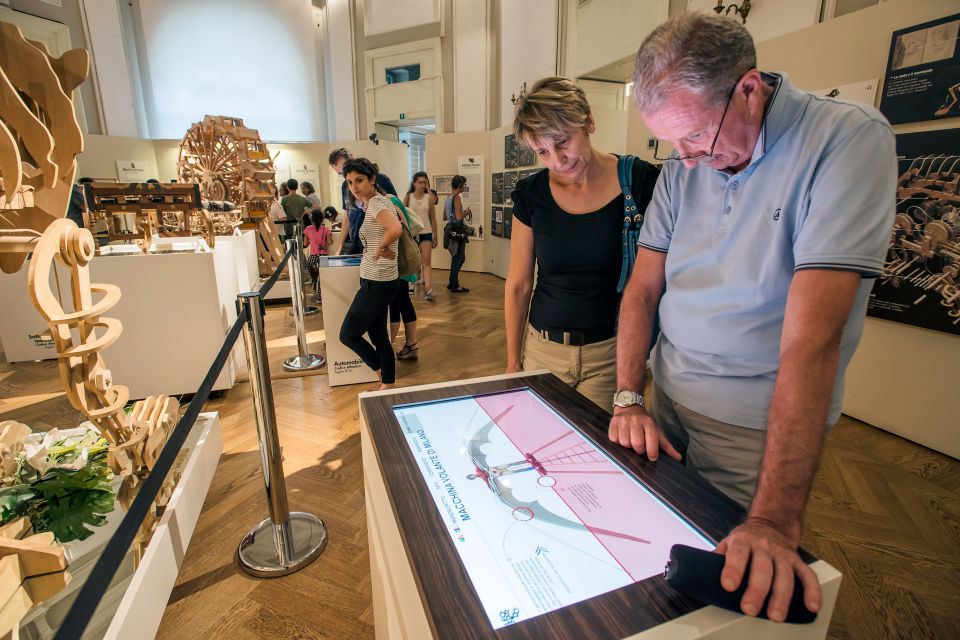
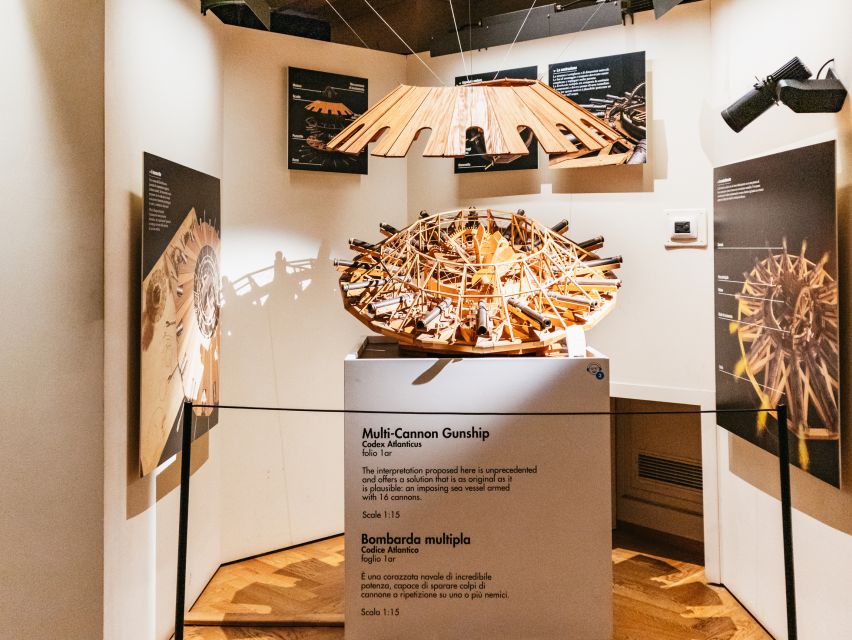
One of the most praised elements is seeing Leonardo’s material translated into models. You’ll encounter 3D views of Leonardo’s notebooks and studies, along with reconstructed machines built by researching the manuscripts.
What’s valuable here is the method. The museum doesn’t only show the end result. It shows the idea chain—how a concept appears in sketches or notes, then becomes a buildable mechanism. That’s a powerful way to understand creativity in engineering terms.
This is also where Leonardo3 can feel especially rewarding if you like history that’s more than names and dates. Instead of learning that Leonardo was brilliant, you learn how his mind worked: observation, experimentation, and translating ideas into physical form.
And yes, you’ll see categories that can range from military-era concepts to theatrical inventions and transportation-related thinking. If your interest is broader than just “famous paintings,” you’ll probably love the variety.
The Last Supper digital restoration: a smart alternative, not a replacement
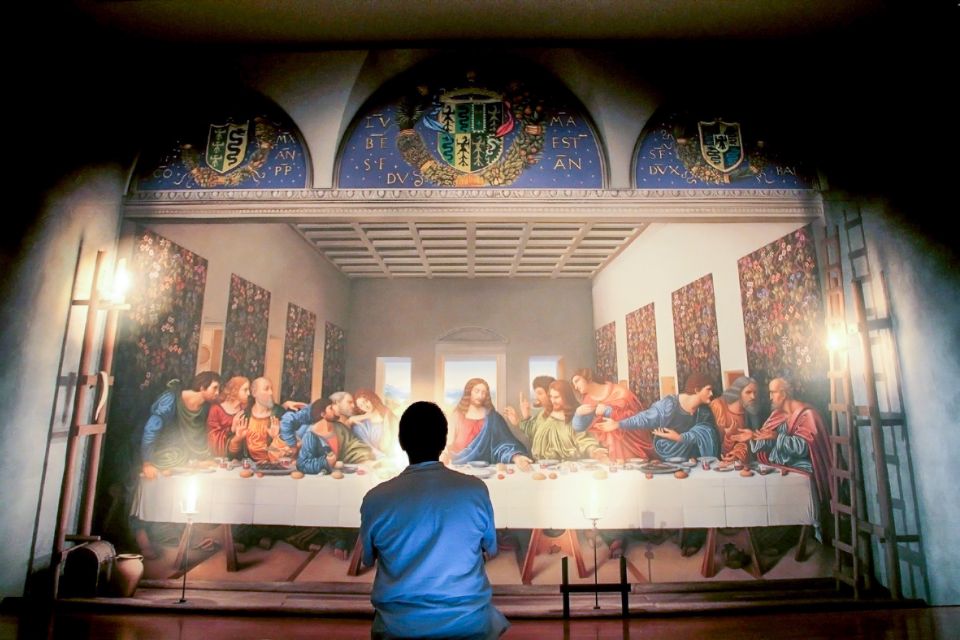
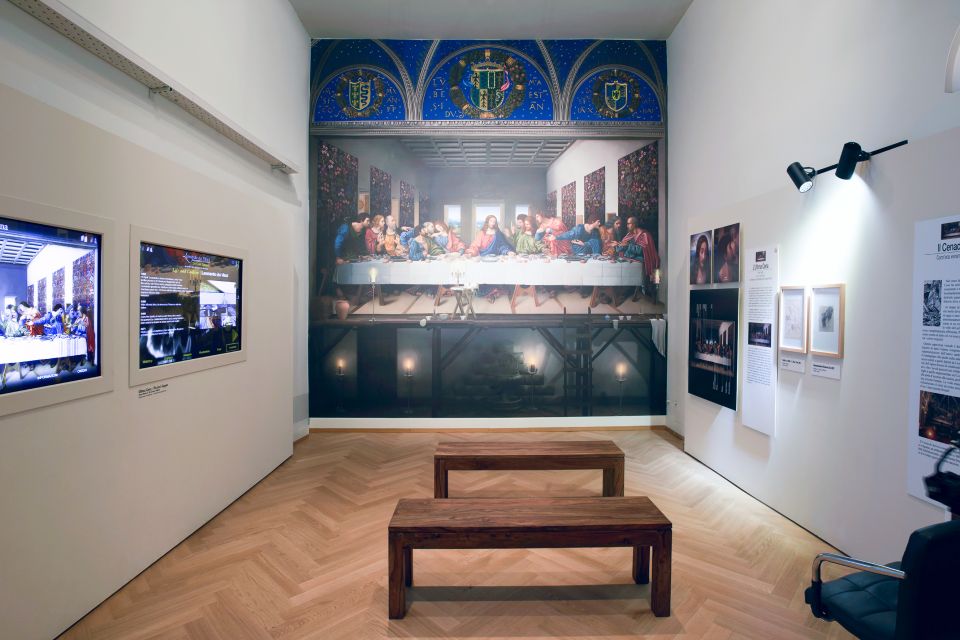
Leonardo3 includes a digital restoration of Da Vinci’s Last Supper (the wall painting from Santa Maria delle Grazie). The museum presents it digitally, so it’s not the same as viewing the original in the church.
But that doesn’t make it worthless. It’s a helpful way to connect Leonardo’s reputation as both painter and system-thinker. Plus, if you cannot make it to see the real painting, this digital version gives you a chance to experience that specific masterpiece in a museum context.
One practical note: some people go expecting the biggest connection to Milan to be the Last Supper itself, then end up saying the machines and 3D reconstruction work is what really captured them. So keep your expectations flexible. Treat the Last Supper as a highlight, then let the machines and notebook-based recreations do the heavy lifting.
You can also read our reviews of more museum experiences in Milan




Hands-on workshops and build stations for kids (and adults who don’t act like it)
Leonardo3 isn’t only for museum walkers. There are workshop areas aimed at younger visitors, and they’re built around making and trying.
The info you should know includes activities like:
- A mechanical dragonfly type interactive experience
- A workshop where kids can print an inventor’s certificate
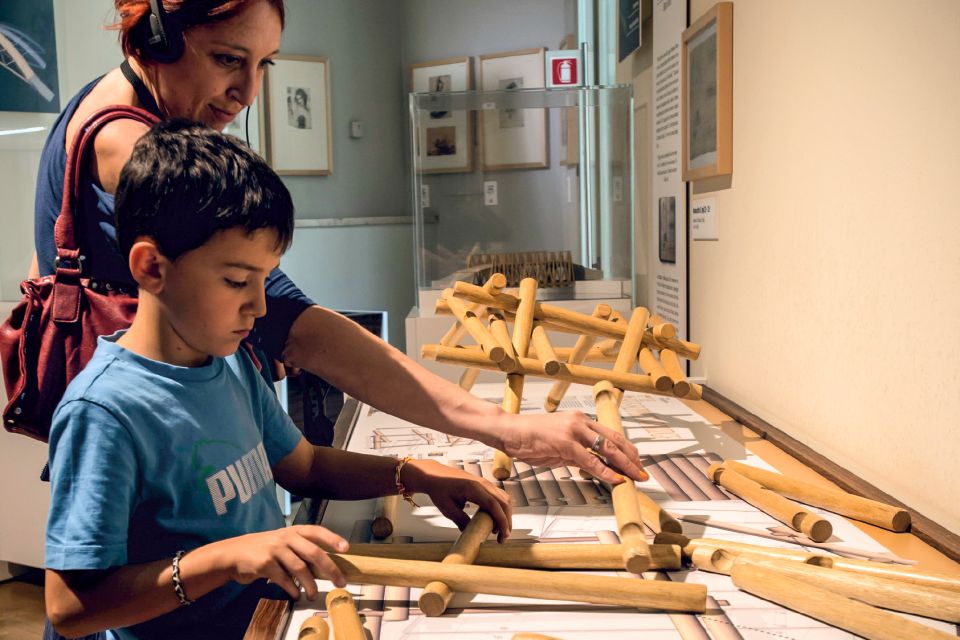
- A workshop to assemble a self-supporting bridge out of wooden parts
Even if you don’t have kids with you, these stations can be worth your time because they bring the museum’s message into a “do it yourself” zone. For adults, it’s a nice reminder that engineering is physical. You can talk about structures all day, then learn something instantly when you try to assemble one.
There’s also an adult-or-older-kid play area element mentioned in the experience flow, so if you’re traveling with a mixed-age group, Leonardo3 is one of the easier places to keep everyone engaged.
A gentle caution: hands-on corners can get warm and busy, and some people find the indoor temperature uncomfortable for longer hangs. If you run hot, bring a light layer you can add or remove.
Audioguide value: make the exhibits click instead of just pass by
The exhibits are described as being in English and Italian, and you have the option for an audioguide to go deeper. The audioguide is available in Italian, English, Russian, German, French, Spanish, Portuguese, and Chinese.
That language flexibility matters more than it sounds. Leonardo’s ideas can get technical, and the museum approach makes more sense when the audio gives you context while you’re standing in front of the mechanism. You can skim visuals, sure—but you’ll understand more when the explanations line up with the machine in real time.
Many visitors strongly recommend the headphone audioguide option. It’s also one of the simplest ways to get better value for your time. If you’re paying around $18, spending extra for the audioguide isn’t mandatory, but it’s often what turns a fun visit into an actually educational one.
Tip: if you’re traveling with friends, agree in advance whether you’ll use individual audioguides. Sharing one voice over a busy room can get chaotic fast.
Practical rules: no food, no cameras, and how to plan around it
A few house rules will shape your visit:
- No food and drinks inside
- No cameras inside
That means you should plan for a proper snack break outside the museum. If you’re visiting with kids, it’s especially important to manage timing so you’re not trying to satisfy hunger while everyone is trying to focus on mechanics.
Also, since cameras are restricted, you’ll want to rely on memory and any allowed printed materials or bookshop resources. The bookshop discount is part of that strategy.
Bookshop perk: 10% off if you show your voucher
After you finish your walk, you get a small but real value add: a 10% discount at the bookshop on books when you show your GetYourGuide voucher at the counter.
This is worth thinking about because it turns a one-ticket visit into a take-home learning moment. If you want to keep exploring Leonardo’s ideas after you leave, the discount helps you justify buying a book right there instead of hunting for one later.
Price and value: is $18 fair for what you get?
At around $18 per person, Leonardo3 is fairly priced for a museum that combines:
- large-scale content (200+ interactive items)
- working reconstructions
- a digital Last Supper component
- audioguide depth (if you choose that option)
- kid-oriented workshop activities
The biggest determinant of whether it feels like great value is how you use the time. If you rush and ignore the audioguide option, it can feel like a fun science walk. If you slow down and match audio explanations to machines, it starts feeling like an engineering lesson with entertainment built in.
One more value note: the museum is described as easy to explore. There are lots of information stations, and the layout is designed to help you understand what you’re looking at without needing a lot of prior knowledge.
Who should book Leonardo3, and who might skip it
You’ll probably love Leonardo3 if:
- You like hands-on learning and want more than static exhibits
- You’re a Leonardo da Vinci fan and want to see how his ideas become physical models
- You’re traveling with kids (or teens who can handle a museum) and need something they’ll actually engage with
- You want a Milan activity that balances art and engineering
You might consider a different plan if:
- You strongly prefer quiet, spacious museums with lots of room to move
- You’re only interested in the real Last Supper itself, since Leonardo3 offers a digital restoration, not the church viewing
Also, if you’re short on time in Milan, think about your must-dos list. Leonardo3 is one of those places where “I’ll just look for 30 minutes” can turn into longer because the machines keep pulling you in.
Should you book this Leonardo3 museum ticket?
If you want a smart Milan stop that mixes Leonardo’s manuscripts, working reconstructions, and interactive 3D machines, I’d book it. The price is reasonable for the amount of content, and the audioguide option makes it easier to understand what you’re seeing without needing to be a technical expert.
I’d especially book if you’re traveling with a mix of ages or you’re trying to add an engineering-leaning experience to your itinerary. Just go in knowing the museum areas can feel a bit tight, plan to avoid camera use, and schedule enough time to slow down.
In other words: this is a fun museum, but it also has real substance. The kind that leaves you thinking about Leonardo as a builder, not just a painter.
FAQ
How much is the Leonardo3 museum entry ticket?
The ticket price is listed as about $18 per person.
How long is the ticket valid?
The ticket is valid for 1 day. You’ll need to check availability to see starting times.
What languages are available for the audioguide?
The audio guides are available in Italian, English, Russian, German, French, Spanish, Portuguese, and Chinese. The interactive experiences are in English and Italian.
Is the audioguide included with the ticket?
Museum entrance is included. The audioguide is included if you select the option that includes it.
What’s not allowed inside the museum?
Food and drinks are not allowed, and cameras are not allowed.
Is the museum wheelchair accessible?
Yes, the experience is listed as wheelchair accessible.