REVIEW · MILAN
Milan Semi-Private Max 6 People Tour with Last Supper and Duomo
Book on Viator →Operated by LivTours · Bookable on Viator
One big draw: the Last Supper with a tiny group. This semi-private tour (max 6) pairs timed access to Leonardo’s masterpiece with a smart stroll through Milan’s churches and key city spaces, ending at the Duomo area. I like that it’s paced for people who want real context, not just photo stops, and I also like the mix of art + architecture across several iconic sites.
The best part is how the tour is built around the Last Supper visit at Santa Maria delle Grazie and Il Cenacolo, then connects the ideas to what you’ll see around Milan. One drawback to plan for: the tour ends at the Duomo square, but Duomo entrance is not included, so if you were hoping to go inside as part of this booking, you’ll need a separate ticket.
In This Review
- Key things I’d book this for
- Your small-group setup: max 6 and a realistic pace
- First stop: Santa Maria delle Grazie and the Last Supper timing
- Il Cenacolo: getting the room with far fewer distractions
- Piazza Affari: Milan’s financial heartbeat, plus modern art shock
- San Maurizio al Monastero Maggiore: the Sistine Chapel comparison makes sense
- Duomo di Milano: the square finale, and what you should double-check
- San Satiro: Bramante’s perspective trick you can actually notice
- Price and value: what you’re really paying for
- Which guides and vibes match your travel style?
- Practical tips so your tour day runs smoothly
- Should you book this Milan tour?
- FAQ
- How many people are in the group?
- Is the Last Supper ticket included?
- Do I get into the Duomo itself?
- How long is the tour?
- What should I bring for the tour?
- What are the dress rules for the churches?
Key things I’d book this for
- Skip-the-line Last Supper tickets included, handled through a timed visit
- Max 6 people, so the guide can actually keep the group together and answer questions
- Churches beyond the obvious: San Maurizio al Monastero Maggiore and San Satiro use art and perspective tricks you’ll notice more with a guide
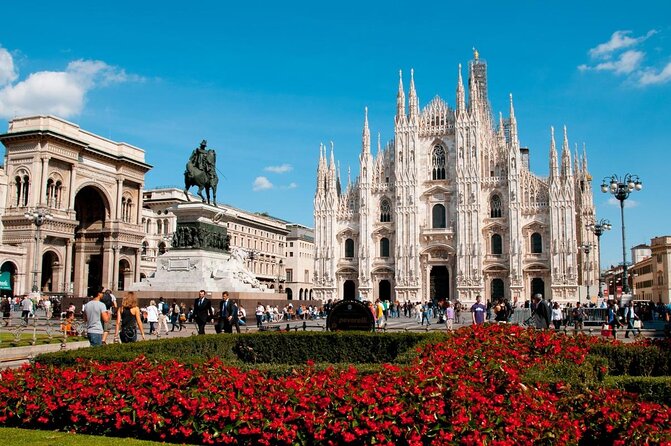
- Duomo finish at Piazza del Duomo (great views and photos), but not the interior
- Lots of architecture talk without turning it into a lecture, with guides such as Larissa, Barbara, and Mirella getting praised for energy and clear explanations
Your small-group setup: max 6 and a realistic pace
Milan can feel like a sprint if you try to do everything on your own. This tour keeps the group small—only up to 6—so you’re not stuck behind a wall of people while your guide tries to wrangle a crowd. That matters most for the Last Supper timing, where minutes count.
The format is a walking tour, roughly 3 hours, with several short stops plus a couple longer ones for the city spaces. You should plan for moderate walking and standing. If your knees and shoulders are a bit cranky, you’ll still be fine as long as you pace yourself—just bring water and wear shoes that won’t betray you on old sidewalks.
You can also read our reviews of more private tours in Milan
First stop: Santa Maria delle Grazie and the Last Supper timing
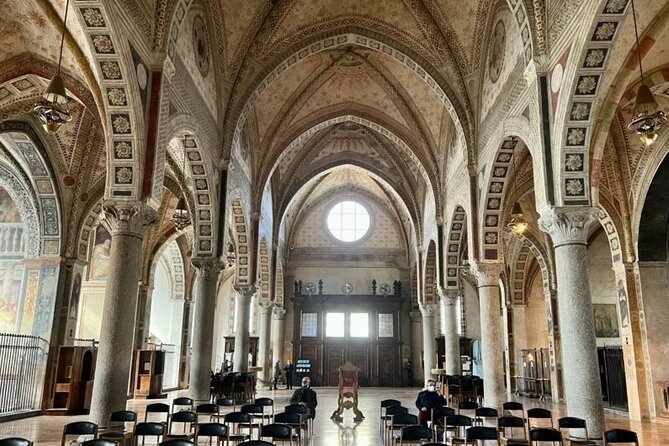
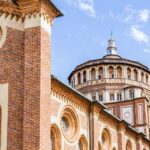
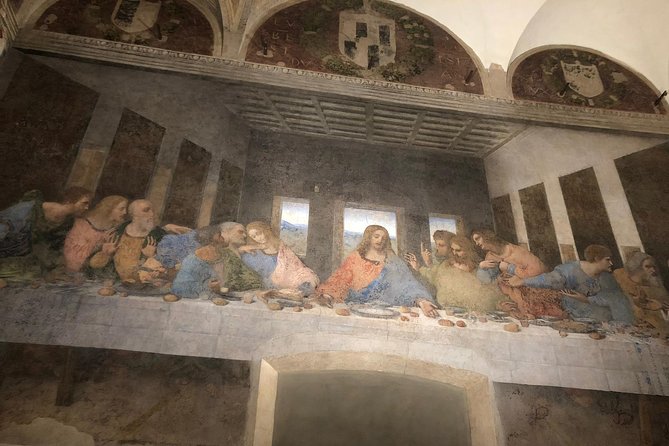
You start near Piazza di Santa Maria delle Grazie at the Convent of Santa Maria delle Grazie, where Leonardo da Vinci’s Last Supper is housed. The schedule is tight in a good way: the tour begins with a brief orientation and then moves you into the controlled, timed experience.
What you’re getting here is not just access, but access that’s managed. The Last Supper is famously hard to book directly, and the whole point of doing this with a guide is to avoid the stress of hunting for tickets and matching the right time slot. When people share that the experience is a highlight, it’s usually because the timing is handled well and the visit doesn’t feel rushed.
A practical note: the tour requires a valid picture ID (original or photocopy). I’d rather you show up with it than risk being turned away. Also, places of worship require knees and shoulders covered, so pack a layer if you’re traveling in warm weather.
Il Cenacolo: getting the room with far fewer distractions
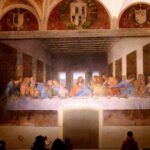
Next comes Il Cenacolo, where you get a close look at the Last Supper itself. The tour gives you about 20 minutes inside the site, with what’s described as a privileged moment—think fewer people in the room than you’d expect on a free-for-all visit.
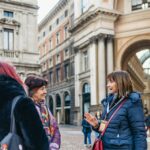
This is where your guide earns their paycheck. Names like Larissa, Lara, and Piva show up in praise for explaining details and helping you notice what you’d otherwise miss. The key benefit: Leonardo’s painting makes more sense when someone frames the composition and the stories behind it. You don’t need to be an art expert. You just need someone to point out what to look for.
If you care about the painting, this stop is the reason to do the tour. If you don’t, you’ll still enjoy the walk, but the Last Supper visit is the spine of the whole experience.
Piazza Affari: Milan’s financial heartbeat, plus modern art shock
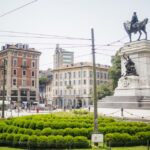
After the painting, you shift from church walls to the city’s power centers. The tour heads to Piazza degli Affari, a financial district space that also carries layers of history. You’ll get a sense of Milan’s identity as a place of industry and money, not just fashion and cathedrals.
One of the more memorable details from the tour description is the mention of Maurizio Cattelan’s controversial public sculpture called L.O.V.E., nicknamed Il Dito by locals. Even if you’re not a modern-art person, that kind of street moment gives Milan personality. It also helps you understand how Milan can hold medieval seriousness and contemporary attitude in the same breath.
This stop runs about 1 hour, so it’s not a blink-and-you-miss-it pause. If you like watching how a neighborhood actually functions—people moving, street life, storefronts—this section gives you that sense of the city’s rhythm.
San Maurizio al Monastero Maggiore: the Sistine Chapel comparison makes sense
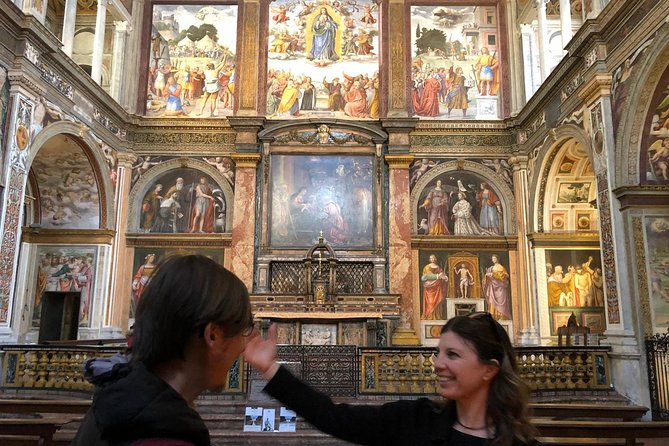
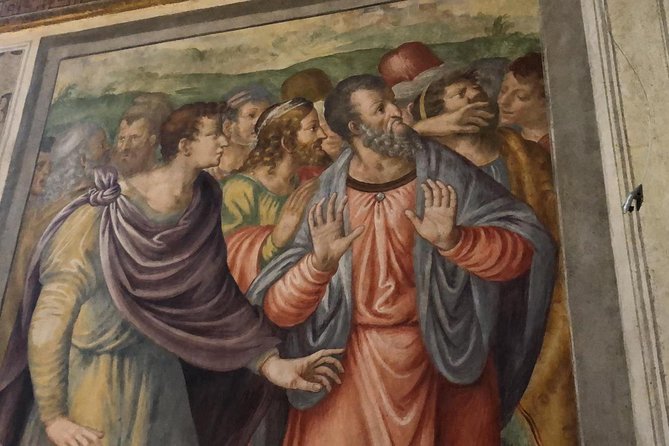
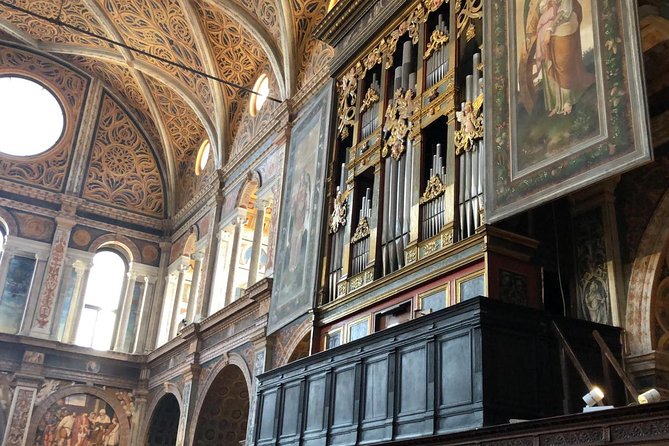
Next is Chiesa di San Maurizio al Monastero Maggiore, usually a favorite for art lovers. You’ll spend about 30 minutes here, and the emphasis is on the 16th-century frescoes, including work that covers ceilings and walls rather than just a single altar view.
This church earns the famous comparison because the decoration is all-over, not confined. If you’re thinking, okay, but what am I supposed to look for?—that’s where a good guide matters. In the tour approach, you’re not just seeing paint. You’re hearing the stories tied to the space, including the life and death of Santa Caterina and chapel connections linked to artists such as Luini.
People also praise guides like Ema/Emanuele and Elisa for mixing art context with city orientation. That combination is gold here. You can stand in front of a ceiling and feel like you’re staring at a ceiling. With the right explanation, it turns into a map.

Duomo di Milano: the square finale, and what you should double-check
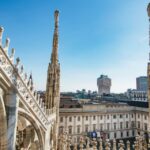
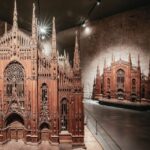
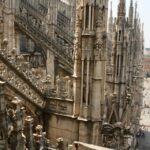
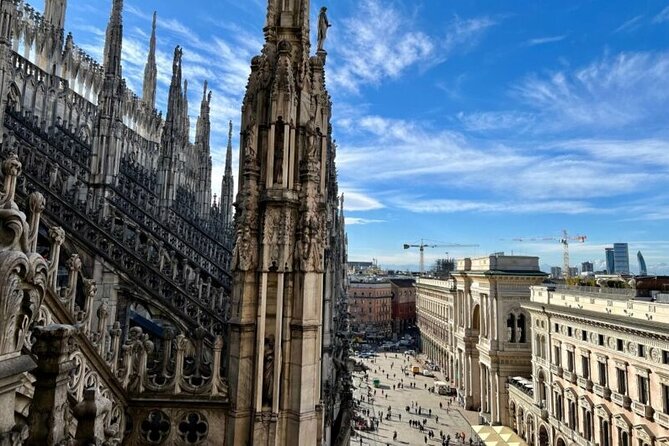
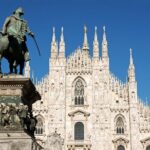
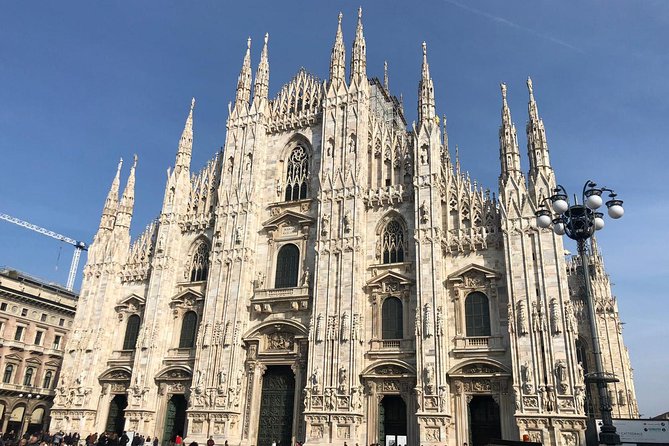
The tour culminates at Piazza del Duomo, right by the Duomo di Milano. You’ll get about 30 minutes and a guide-led explanation of Gothic architecture and why this place matters in Milan’s story.
This is a major point to read carefully: the tour includes Duomo exterior viewing, not Duomo entrance. Several people felt the title can create confusion, especially if they were expecting to go inside. If you want to experience the interior, plan to book that separately so you don’t end your walk with disappointment.
That said, the Duomo square is still worth your time even without entering. It’s one of the best places in Milan to get that big-city feel: scale, crowd energy, and the classic photo spots. Even if the interior is a must for you, this final moment works as a strong payoff after seeing the Last Supper and the lesser-known churches.
San Satiro: Bramante’s perspective trick you can actually notice
The last church stop is Chiesa di Santa Maria presso San Satiro. You spend around 30 minutes, and this is a great “wow” moment because the architecture uses perspective in a way that feels like a visual cheat. The tour credits Bramante as the designer, the same name tied to St. Peter’s in Rome, and that’s meaningful context for anyone who likes architectural genius.
If perspective is the theme you love, this stop is one of your best bets in the tour. The idea here is that the space creates depth where you don’t expect it. A guided stop helps you catch the trick during the short time window, instead of leaving without realizing what you just looked at.
Also, the tour keeps this section practical. You’re not stuck in the far edges of Milan with only transit time to show for it. You’re walking through streets and seeing how these sites sit in daily city life.
Price and value: what you’re really paying for
At $204.46 per person (about a 3-hour outing), the price isn’t cheap. But it’s not random either. You’re paying for three things that are hard to replace on your own:
1) Last Supper access that’s timed and managed. That part is the cost driver.
2) A small-group format (max 6). You’re not sharing your guide with a bus of strangers.
3) Guided context across multiple sites, including San Maurizio and San Satiro, not just the single headline stop.
Where value can feel shaky is if your priority is the Duomo interior. Since entrance is not included, you may feel like the tour name sets an expectation that isn’t met by the actual plan. If you’re the type who needs to go inside every major landmark, budget for extra tickets.
On balance, if you want a clean, efficient path through Milan’s top art sites with less stress and less crowd friction than doing it alone, this tour tends to justify itself. If you only care about the Duomo interior and think the rest is filler, you may decide the price is too steep for what’s included.
Which guides and vibes match your travel style?
One pattern in the guide praise is energy. Guides such as Larissa, Barbara, Lara, Mirella, Christina, Katarina, and Elisa show up repeatedly with comments about being engaging, keeping groups moving, and explaining art in a way that makes you look more carefully.
If you like a walking tour that feels like a guided conversation—clear, lively, and not stiff—that’s the lane this tour aims for. If you prefer quiet and self-paced wandering, it might feel a bit structured. Still, you’ll get short time windows that let you look and reset your brain.
Also, a few notes from the experience: some guides are described as flexible about needs like food or restrooms, which matters in real life. If you’re the planner type, that flexibility can lower stress a lot.
Practical tips so your tour day runs smoothly
- Bring your picture ID (original or photocopy). Don’t improvise.
- Cover shoulders and knees for churches.
- Wear shoes you trust. You’ll be on foot for a few hours with multiple stops.
- Expect the Duomo to be outside on this tour. If you want interior time, plan it separately ahead.
- Start times can shift based on ticket availability, so avoid locking yourself into a hard schedule for the rest of the day.
One more small thought: pick a day when you’re not rushing to another reservation right after. You’ll feel better if you can linger a bit around the Duomo afterward.
Should you book this Milan tour?
Book it if you want:
- Last Supper access handled for you, with a small group
- A guided route that includes major art stops and smart architectural context
- A confident first intro to Milan’s church-and-city-center vibe, ending in the Duomo square
Skip or adjust your expectations if:
- Your #1 goal is going inside the Duomo, and you don’t want to add more tickets
- You’d rather do everything independently and don’t need help with the Last Supper timing
If you’re trying to choose between paying more for a smoother Last Supper plan versus cobbling together your own day, this tour is aimed at the smoother option.
FAQ
How many people are in the group?
The tour is semi-private with a maximum of 6 people.
Is the Last Supper ticket included?
Yes. You get admission included for Santa Maria delle Grazie and for the Il Cenacolo Last Supper viewing.
Do I get into the Duomo itself?
No. The tour ends at Piazza del Duomo for Duomo viewing, but Duomo entrance is not included.
How long is the tour?
The tour lasts about 3 hours (approx.).
What should I bring for the tour?
You need to bring a valid picture ID (original document or a photocopy).
What are the dress rules for the churches?
You should have knees and shoulders covered when visiting places of worship.