Milan is all angles and details. This walking tour is a smart way to cover big-name sights plus a few local-feeling stops without wasting your afternoon. You get a guided loop through the Duomo area, the Galleria, Brera, and the Sforza Castle zone, all on foot.
I like that the plan focuses on what you can actually see in a short visit: the Duomo’s sculpted exterior, the Galleria’s historic arcades, Brera’s streets, and storefront culture like Cavalli e Nastri. Two more things I really value are the tight 2-hour timing on paper (so you can still plan the rest of your day) and the fact that many stops are described as admission-free because you’re viewing from outside.
One drawback to keep in mind: the experience depends a lot on the guide and on how closely the walk follows the described order. In one account involving a guide named Matteo, English was hard to follow and the route/timing didn’t match the posted plan, including a brief Castello Sforzesco view from a distance. That doesn’t mean it will happen to you, but it is worth planning for.
In This Review
- Key things worth knowing before you lace up
- Why this Milan walking tour is good value for a short stay
- Start in Montenapoleone, then walk into the Duomo zone
- Duomo di Milano: exterior brilliance without ticket stress
- Galleria Vittorio Emanuele II: the arcades that connect two plazas
- Bottega Rossa: a food-story stop you can appreciate without entering
- Brera district: art galleries and street-level Milan
- Cavalli e Nastri: vintage shopping energy, no museum needed
- Castello Sforzesco: fortress presence and museum zone views
- Guide quality and timing: the practical make-or-break
- Who this tour fits best (and who should skip it)
- Should you book this Milan walking tour?
- FAQ
- How long is the Milan walking tour?
- What is the price per person?
- Is the tour offered in English?
- Do I need entry tickets for the attractions?
- Where does the tour start and end?
- How big is the group?
- What is included in the ticket price?
- Is hotel pickup or drop-off included?
Key things worth knowing before you lace up

- Small group (max 15): easier questions, less crowding at each photo spot.
- English tour: plan your day with that in mind if you prefer tight explanations over silent wandering.
- Outdoor-focused stops: many sights are seen from the street, so you’re not stuck buying timed tickets.
- Brera + fashion storefronts: you’re not only doing monuments; you’re also picking up how Milan shops and neighborhoods work.
- Meeting point in Montenapoleone: you start and end back near the same area, so the day stays tidy.
- Tour length can flex: one account reported a longer experience and an itinerary change, so leave a little breathing room.
Why this Milan walking tour is good value for a short stay

At $39 per person for about 2 hours, this tour makes sense if you want structure without paying extra for entry tickets you may not even have time for. The stops are designed around areas where you can absorb a lot quickly: the Duomo façade, the Galleria’s indoor passage, Brera’s district vibe, and Castello Sforzesco’s fortress presence.
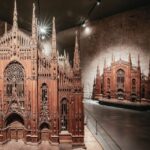
You also get something you can’t easily fake on your own: a guide who ties the pieces together. Even when you see famous places every guidebook mentions, Milan’s details are what you’ll miss without help—like the sheer scale of the Duomo’s façade sculpture program (more than 3,000 statues and 135 spires).
That said, this is not an all-day program. You’re moving, stopping, and looking. If your main goal is to spend long minutes inside museums or galleries, you’ll likely want to pair this with separate timed entry elsewhere.
You can also read our reviews of more walking tours in Milan


Start in Montenapoleone, then walk into the Duomo zone
The tour meeting point is listed near Montenapoleone (Montenapoleone M320121). Starting there matters because it helps you get bearings fast. Milan can feel like a patchwork of districts, and Montenapoleone is a good launching pad into the core sights.
Logistics are also simple: you’ll use a mobile ticket, and the tour ends back at the meeting point. That makes it easier to plan dinner afterward. One caution from an actual experience: in that case, the walk ended near the canals rather than being guided back to the stated end point. It’s not clear how common that is, but it’s a good reminder to confirm the plan with your guide if you have a firm commitment back near Duomo.
Duomo di Milano: exterior brilliance without ticket stress
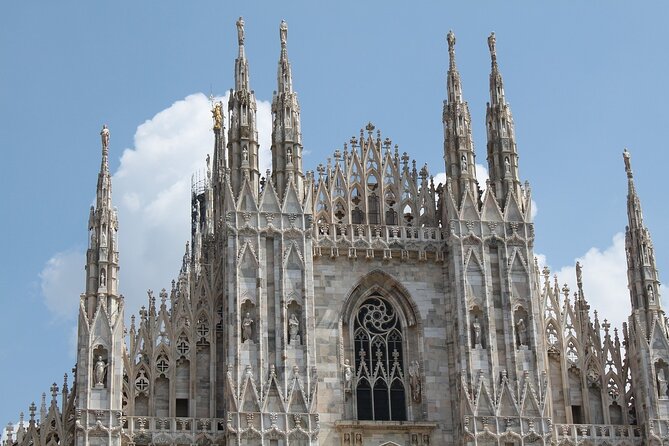
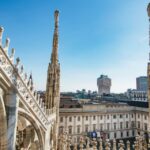
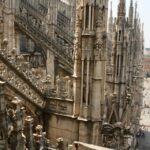
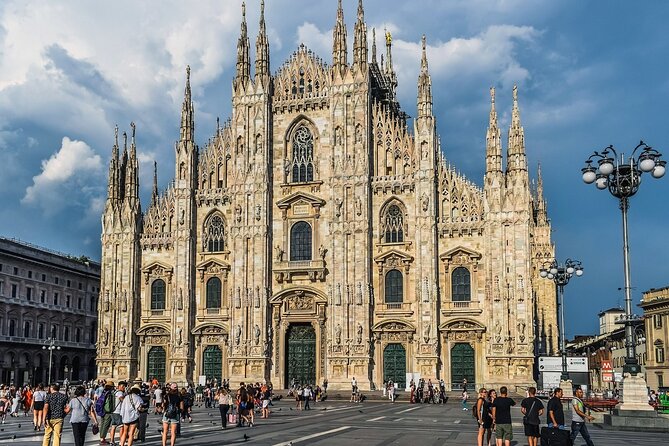
Your first stop is Duomo di Milano, with an outside visit only. This is the right call for a walking tour because the façade is the showpiece. You’re looking at a structure built over six centuries, packed with sculpture details, and it’s big enough that even a short viewing time can still feel satisfying if you’re oriented.
What you’ll want to do here is slow down for your own “scan.” Look high first (spires), then sweep across the façade. Milan’s cathedral details reward even basic pattern recognition. When you know what to look for, you stop taking random photos and start building a mental map of what’s where.
Drawback to consider: because it’s exterior-only, you won’t get the inside experience unless you add it on your own. If you want the roof views or interior highlights, plan that as a separate stop with its own time and ticket.
Galleria Vittorio Emanuele II: the arcades that connect two plazas
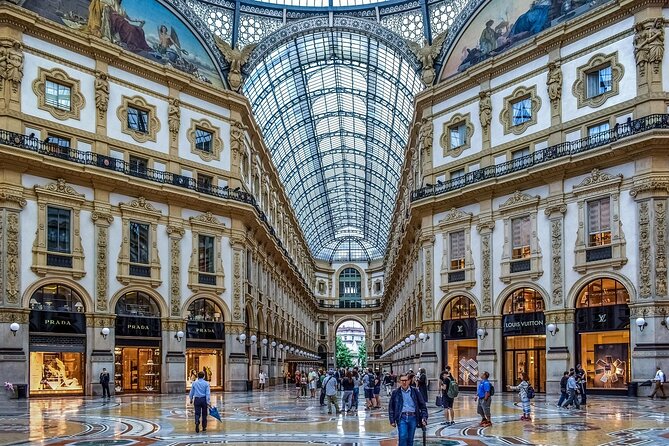
Next up is the Galleria Vittorio Emanuele II, a covered passage linking Piazza del Duomo with Piazza della Scala. This part of Milan is where you see how the city moves: people don’t just gather in squares, they also circulate through elegant indoor streets.
The tour’s approach here is practical. You get about 20 minutes, which is perfect for noticing:
- the scale of the vaulted space,
- how it functions as a corridor between major landmarks,
- and the historic shops and cafés that still operate along the route.
If you’re the type who gets restless in long indoor spaces, this is still manageable. If you love architectural mood, you’ll probably want a few extra minutes after your guided explanation.
Bottega Rossa: a food-story stop you can appreciate without entering
At Bottega Rossa, the tour is designed as a “learn while you walk” stop. You’ll get an explanation of traditional Milanese food through a historic restaurant, but you’re continuing the tour without entering.
That’s a smart fit for time management. Milanese cuisine is full of regional details, and having even a brief context can make you order more confidently later. Instead of thinking, I guess I’ll try something random, you’ll have a framework for what to look for when you’re hungry.
One practical tip: treat this as your mental prompt. When you later see menu terms you learned from the guide, you’ll connect them faster and avoid choosing purely by English-friendly labels.



Brera district: art galleries and street-level Milan
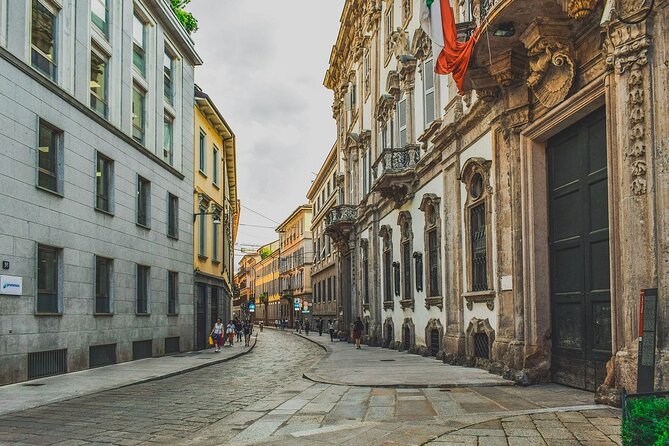
Then you head into Brera, a historic neighborhood known for art galleries, shops, and the area around the Pinacoteca di Brera. The tour keeps you outside, using Brera as a setting rather than a museum timeline.
Why this is valuable: Brera is one of those districts where the streets themselves tell you how people live and shop. Even if you don’t go inside an attraction, you’ll pick up the feel of the place—small-scale storefronts, gallery windows, and pedestrian-oriented corners.
You also get another benefit: Brera is a good “transition” neighborhood. It sits between major landmarks and the more fortress-focused feel of the Sforza Castle area. In about 20 minutes, you can reset your pace from monument mode to neighborhood mode.
Potential drawback: if you’re hoping for a deep museum experience (Pinacoteca di Brera, for example), a walking-tour stop isn’t that. This is about orientation and neighborhood understanding, not a ticketed gallery visit.
Cavalli e Nastri: vintage shopping energy, no museum needed
The tour includes Cavalli e Nastri, described as a vintage clothing store selling second-hand fashion items. This stop is short, but it’s an interesting one because it shows another Milan layer: style as culture, not just as runway.
If you like fashion history, this is your chance to see how Milan presents itself through commerce. Even if you don’t buy anything, you can learn a lot from what’s displayed and how the shop positions its identity.
If shopping isn’t your thing, you might feel you’re paying attention for less payoff. Still, as part of a broader walking route, it works. It breaks up the architecture-heavy flow with a human-scale Milan moment.
Castello Sforzesco: fortress presence and museum zone views
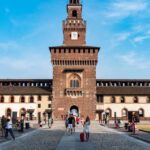
The final major sight is Castello Sforzesco, a former fortress that houses several museums. Your stop is described as a brief 20 minutes, and the tour appears to focus on the castle area rather than deep museum time.
Here’s the key point: Castello Sforzesco is not a background landmark. Even when you’re only seeing it from outside, it gives Milan a weighty, grounded feeling. You’re moving from sculpted cathedral drama to a solid, fortress-based “keep your feet on the ground” vibe.
One concern raised in an actual experience: the group reported only seeing the castle from a distance briefly rather than something closer to the timing/range described. If Castello Sforzesco is a must-see for you, I’d treat the tour as a highlight glance, not your only opportunity. Consider adding separate museum time if it’s important to your trip.
Guide quality and timing: the practical make-or-break
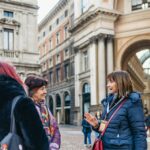
For a walking tour like this, the guide is everything. This experience is offered in English, and the group size cap is 15 travelers, which should help the guide manage conversation and pacing. You also have a professional tour guide included in the price.
But clarity matters. In one account involving a guide named Matteo, the guide’s English was described as difficult to follow, and the tour did not fully match the described route and timings. Another issue mentioned was ending near the canals without being guided back to the stated end point.
So what should you do with this information? Keep it simple:
- If English is a big deal for you, show up a bit early so the guide can orient the group clearly at the start.
- Bring a little flexibility in your schedule. The tour is listed as about 2 hours, but real timing can shift.
- If you’re tracking the route mentally, pay attention early—then ask if the rest of the sequence matches what you expected.
This doesn’t mean the tour is unreliable. It means you should treat a short walking tour as a live experience, not a rigid movie script.
Who this tour fits best (and who should skip it)
This Milan walking tour is a good match if you:
- want a structured overview of Duomo → Galleria → Brera → Sforza Castle area,
- like mixing monuments with street-level neighborhoods,
- don’t want to spend your limited time wrestling with multiple ticket lines,
- and enjoy learning quick context so your later meals and wandering make more sense.
It’s less ideal if you:
- need a museum-heavy itinerary or long interior time,
- get frustrated when pacing changes,
- or require very clear English explanations to feel satisfied.
Also, if you’re the type who likes shopping but hates window-shopping, plan your expectations around the fact that stops like Cavalli e Nastri are brief.
Should you book this Milan walking tour?
If you’re short on time in Milan and you want a guided route that covers the big silhouettes plus neighborhood texture, I’d say it’s worth booking—especially at $39 when much of what you see is outside-focused and ticket burden is low.
But book with open eyes. This is an experience where guide communication and follow-through can change how enjoyable it feels. If you’re someone who values crisp English and a tightly managed route, arrive early, confirm the plan at the start, and leave yourself a little buffer.
If you want Duomo interiors or museum depth at Castello Sforzesco, treat this as the warm-up walk and plan separate stops for the deeper dives.
FAQ
How long is the Milan walking tour?
It’s listed as about 2 hours.
What is the price per person?
The price is $39.00 per person.
Is the tour offered in English?
Yes, it’s offered in English.
Do I need entry tickets for the attractions?
Entry tickets are not included, and the tour’s stops are described as admission-free for the time you’re viewing from the outside.
Where does the tour start and end?
It starts at Montenapoleone M320121 Milan and ends back at the same meeting point.
How big is the group?
The tour has a maximum of 15 travelers.
What is included in the ticket price?
You get a 2-hour walking tour and a professional tour guide.
Is hotel pickup or drop-off included?
No, hotel pickup and drop-off are not included.