REVIEW · MILAN
Ticket Pinacoteca Ambrosiana + Cripta San Sepolcro, Milan
Book on Viator →Operated by Veneranda Biblioteca Ambrosiana · Bookable on Viator
Two worlds in one ticket. In about two hours, you get top-notch Renaissance art at the Pinacoteca Ambrosiana and then step into the medieval Cripta San Sepolcro, right under the city. The pairing makes Milan feel less like a checklist and more like a timeline.
I love that the art stops aren’t vague. You’ll see crowd-favorites like Caravaggio’s Basket of Fruit, Raphael’s Cardboard for the School of Athens, Brueghel’s Vase of Flowers, and Leonardo da Vinci’s Portrait of the Musician. And I also like the library side of the visit: the 17th-century reading room tied to Leonardo’s original drawings from the Atlantic Codex.
One thing to consider: this ticket is for admission only, not guided interpretation or audio, so you’ll get the most out of it if you’re happy reading labels and taking your time rather than following a script.
In This Review
- Pinacoteca + Cripta: Why This Pairing Works
- The Highlights You Should Aim For
- Pinacoteca Ambrosiana: Your Art-First Walk Through Milan
- What to Look For at the Big Names (So It Feels Personal)
- Caravaggio’s Basket of Fruit
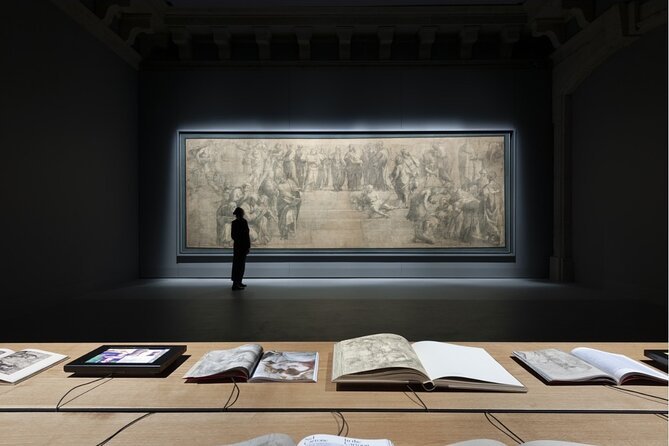
- Raphael’s Cardboard for the School of Athens
- Brueghel’s Vase of Flowers
- Leonardo da Vinci’s Portrait of the Musician
- The Library Reading Room and the Atlantic Codex Link
- Cripta San Sepolcro: A Medieval Church Under Modern Streets
- The Paving Stones of Mediolanum
- Timing, Order, and How to Avoid Rushing
- Ticket Value: Admission Included, Interpretation Optional
- Logistics That Matter on a Real Milan Day
- Should You Book This Pinacoteca + Cripta Ticket?
- FAQ
- How long does the Pinacoteca Ambrosiana and Cripta San Sepolcro ticket take?
- What is included in the ticket?
- Are tour guides or audio guides included?
- Is the ticket mobile?
- When do I get confirmation after booking?
- What is the cancellation policy?
- Is the experience suitable for most travelers?
- Are service animals allowed?
Pinacoteca + Cripta: Why This Pairing Works
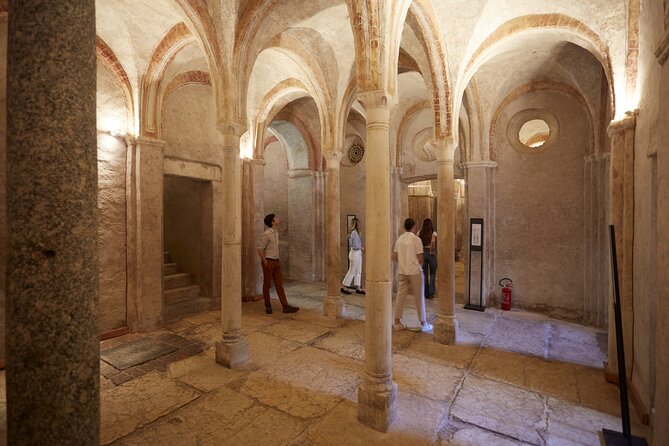
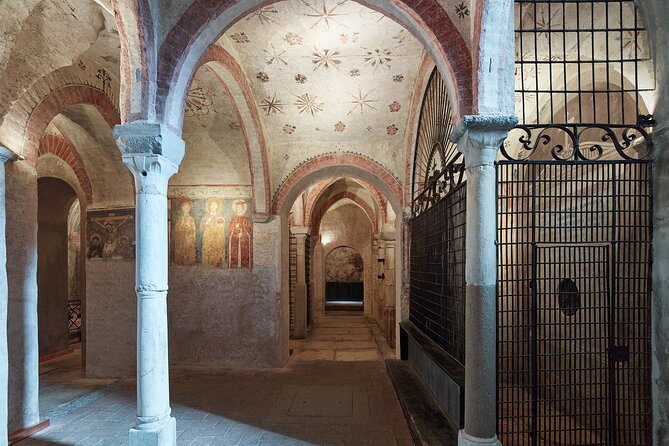
This isn’t just two separate entries—it’s a smart way to experience Milan in layers. The Pinacoteca Ambrosiana shows you how artists and thinkers shaped what you see today: famous paintings, major drawings, and the sort of “study first” mindset that defined the Renaissance. Then the Cripta San Sepolcro takes you underground and back in time with a medieval hypogean church floor paved with ancient Roman stones from Mediolanum.
The result is a visit that feels grounded. You’re not only seeing art. You’re seeing how the same city kept reusing space, materials, and meaning.
The Highlights You Should Aim For
- Caravaggio’s Basket of Fruit: bold realism that grabs you fast.
- Raphael’s Cardboard for the School of Athens: a major design step, not just a final result.
- Brueghel’s Vase of Flowers: a calmer counterpoint, full of detail.
- Leonardo’s Portrait of the Musician: a study in expression and technique.
- Leonardo’s Atlantic Codex drawings: the library visit gives you a rare look at thinking on paper.
- Cripta San Sepolcro floor of Roman stones: the medieval church literally built on older Milan.
You can also read our reviews of more tours and experiences in Milan


Pinacoteca Ambrosiana: Your Art-First Walk Through Milan
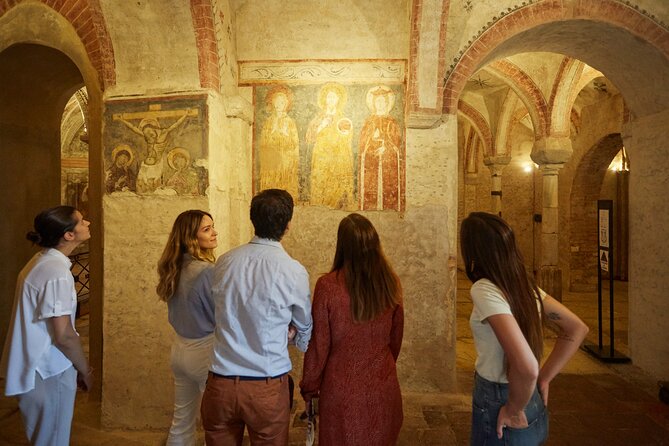
Plan for a visit around 1 hour 30 minutes to 2 hours total, depending on how long you linger. Within that window, you’ll start with the Pinacoteca Ambrosiana. This is where the ticket earns its keep: it’s a single entry that includes several heavyweight works, plus the library environment that connects art to study.
If you’re the kind of person who likes to spot details—brushwork, posture, lighting, or how a composition is planned—you’ll likely enjoy this museum more than you expect from a straightforward ticket. The works listed for this visit are not random. They’re the sort of names that make labels matter, because you can actually compare what you’re seeing against what you’ve heard about.
Practical tip: if your time is tight, don’t try to “see everything.” Choose a few anchor works (Caravaggio, Raphael, Leonardo) and let the rest support them.
What to Look For at the Big Names (So It Feels Personal)
Here’s how I’d approach the major pieces so they don’t blur together.
Caravaggio’s Basket of Fruit
Even if you’ve never studied Baroque art, Caravaggio’s realism tends to pull you in. Look for how the light shapes the objects and how the scene feels close—almost staged for you at arm’s length. It’s the kind of work that can make a short visit feel meaningful because it creates an immediate mood.
Raphael’s Cardboard for the School of Athens
This is not a finished painting. It’s a preparatory work—something like a blueprint. That difference matters. When you see it, you’re watching the creative process, not just the final performance. If you like seeing how artists plan scale, perspective, and character placement, this one will reward your attention.




Brueghel’s Vase of Flowers
This stop can act like a reset button. Flowers sound simple, but the work is full of careful observation. You’ll probably find yourself slowing down here because there’s so much to notice: textures, arrangement, and the way the subject holds together visually.
Leonardo da Vinci’s Portrait of the Musician
Leonardo’s portraits often feel alive because of how expression is handled. Instead of only looking at the face, try focusing on the overall construction—how gaze, posture, and handling of detail create personality. It’s also a good bridge to your library visit, because the museum isn’t only showing art. It’s pointing you toward Leonardo as a thinker.
The Library Reading Room and the Atlantic Codex Link
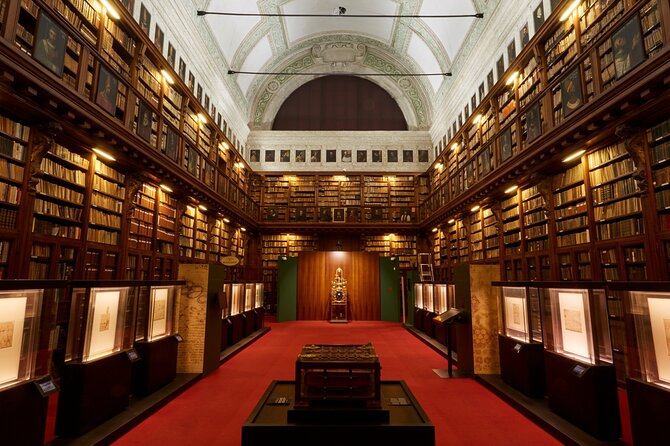
One of the smartest parts of this ticket is the inclusion of the library experience: the 17th-century reading room with original drawings related to Leonardo’s Atlantic Codex.
Even if you’re not a “museum drawings” person, this component can change how you view the paintings and portraits. Why? Because it highlights what the codex represents in spirit—ideas, sketches, and observations across subjects. It’s a reminder that Renaissance genius wasn’t only about finished canvases. It was also about notebooks, drafts, and constant study.
You might find this section especially good if you travel with someone who enjoys learning, not just seeing. The room adds atmosphere too. It’s calmer than the typical gallery feel, and that makes the material feel more serious and focused.
Cripta San Sepolcro: A Medieval Church Under Modern Streets
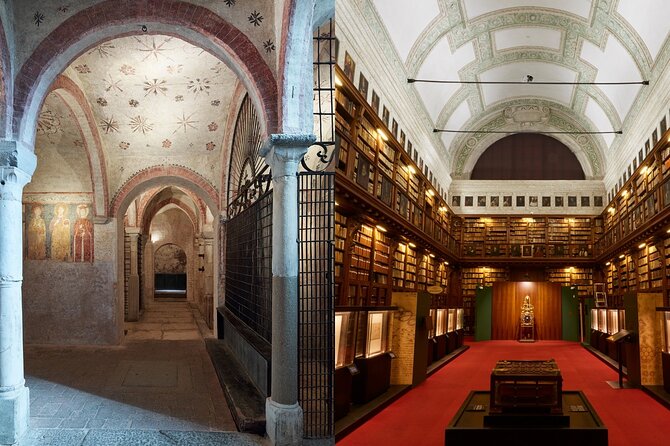
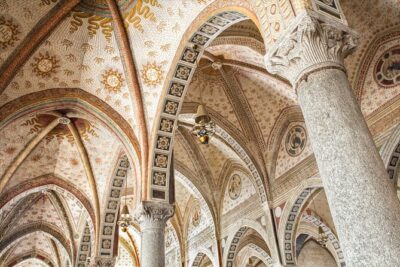
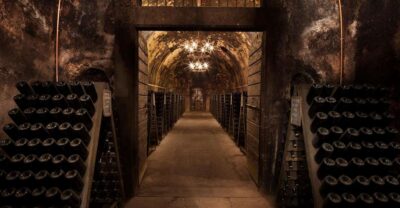
After the Pinacoteca, you move on to the Cripta San Sepolcro. This is where the tone shifts. The crypt is described as a medieval hypogean church, and that wording matters: hypogean means it’s built below ground, in the shadowy space where the city keeps its older layers.
The visit is around 30 minutes for the crypt, which is a good amount. It’s long enough to feel the space, but not so long that it becomes a slog. Expect a quieter pace and a stronger sense of physical history: stone, pavement, and a setting that makes time feel tangible.
The Paving Stones of Mediolanum
The most memorable detail is the floor. The paving uses ancient stones from the Roman city of Mediolanum. That’s not a metaphor—it’s literally part of what you’ll walk on as you move through the crypt.
So instead of just hearing about Roman Milan, you’re standing on it. It’s one of those small, direct experiences that travel tends to deliver when you choose the right place.
Practical tip: wear shoes that handle lots of walking inside museums. Even if the crypt visit is only about 30 minutes, you’re still moving between two sites.
Timing, Order, and How to Avoid Rushing
This ticket doesn’t force a strict experience length on you, but the stated totals help you plan. You’ll spend about 1 hour 30 minutes to 2 hours overall, split between the Pinacoteca and the crypt.
A solid approach:
- Start with the Pinacoteca and pick your “anchor” works first.
- Use the library section as your mid-visit slow-down.
- Save the crypt for a more reflective ending.
If you’re the type who likes to read every label, you’ll want a bit more time than you think. If you only want the highlights, you can keep it efficient. Either way, the flow is forgiving because it’s admission-based; you control how long you pause.
Ticket Value: Admission Included, Interpretation Optional
Here’s the tradeoff, and it’s worth saying plainly.
This mobile ticket includes admission to both the Pinacoteca and the Crypt. What it does not include is a tour guide or audio guides. That means you’re effectively choosing between:
- independent museum time with help from signage and your own curiosity, or
- adding interpretation elsewhere if you want a guided narrative.
If you enjoy art and architecture with minimal structure, this ticket is a great value. If you strongly rely on a guide to translate art into story, you might feel the difference in the Pinacoteca and the crypt.
One piece of feedback I’ve seen attached to similar offerings praises a well-informed guide and highlights that timing matters—showing up a few minutes early helps the start feel smooth. Since this specific ticket is admission only, you’ll need to decide whether you want to bring your own questions or seek guided context separately.
Logistics That Matter on a Real Milan Day
This experience is run by Veneranda Biblioteca Ambrosiana, which is a good sign that you’re dealing with the institution connected to the site—not a random ticket reseller with no connection to the space.
A few practical notes from the provided details:
- The ticket is mobile, so you don’t need to hunt for paper.
- It’s near public transportation, which is helpful because Milan is best navigated in legs and metro lines, not just taxis.
- Most travelers can participate, which suggests the experience isn’t geared only toward specialists.
- Service animals are allowed, so you can travel with assistance animals.
If you like a relaxed day, you can place this as a focused activity rather than trying to stack it with too many other indoor stops.
Should You Book This Pinacoteca + Cripta Ticket?
I think you should book if you want a Milan visit that blends famous art with a real sense of place. The standout strength is the pairing: masterworks plus a crypt floor made from Roman stones. That combination gives you both visual impact and a physical connection to the city’s layers.
Skip it (or plan to add extra interpretation) if you need guided storytelling or audio to make museums click. Because the ticket is admission-only, the experience depends on your comfort with self-guided looking and reading.
If you’re curious, take your time with a few anchor works, then make the crypt your slower, reflective ending. That rhythm is where this ticket feels most rewarding.
FAQ
How long does the Pinacoteca Ambrosiana and Cripta San Sepolcro ticket take?
The visit is approximately 1 hour 30 minutes to 2 hours total, with about 30 minutes for the crypt and around 1 hour 30 minutes for the Pinacoteca.
What is included in the ticket?
Admission to both the Pinacoteca Ambrosiana and the Cripta San Sepolcro is included.
Are tour guides or audio guides included?
No. Tour guides and audio guides are not included with this ticket.
Is the ticket mobile?
Yes. This is a mobile ticket.
When do I get confirmation after booking?
Confirmation is received at the time of booking.
What is the cancellation policy?
You can cancel for a full refund if you cancel up to 24 hours in advance. If you cancel less than 24 hours before the start time, the amount you paid is not refunded.
Is the experience suitable for most travelers?
Yes. Most travelers can participate.
Are service animals allowed?
Yes. Service animals are allowed.