REVIEW · MILAN
2 hour Vintage Fiat 500 Central City Tour in Milan
Book on Viator →Bookable on Viator
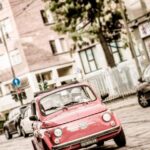
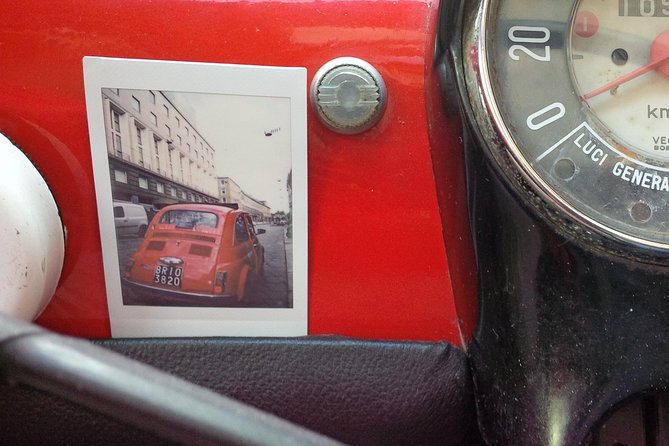
A Fiat 500 turns Milan into a movie set. You get the thrill of cruising in a classic Fiat 500 with live English commentary, plus you can add two stops of your choice. The trade-off is real: this is a tiny, vintage car with no air-conditioning, so summer heat and cramped legs are part of the deal.
I like that the experience is built for time-starved first-timers. You see big-name sights tied to Leonardo and the Duomo, then you also get street-level context about how Milan works beyond the postcard zones. If you’re lucky enough to ride with Luca (and yes, guides like Luca and Carlo come up often), you’ll usually get a friendly, conversational ride with great story pacing.
One more consideration: your route can shift based on traffic and city guidance, and you’ll want a current passport with you on the travel day. Also, this is old-school car safety: no seat belts and no airbags—so keep that in mind for your comfort level.
In This Review
- Key highlights worth planning around
- A private ride in a vintage Fiat 500 through central Milan
- Tiny car realities: no AC, legroom limits, and photo-friendly streets
- Pickup at selected Zone 1 hotels, or meet by Via Palestro 16
- Leonardo, churches, and art stops you can tailor with two choices
- Duomo di Milano from via Larga and the city behind it
- Roman palace ruins, Banca d’Italia, and everyday Milan beyond the cathedral
- Price, time, and value for a 2-hour overview
- Should you book this Fiat 500 Milan tour?
- FAQ
- How long is the 2 hour Vintage Fiat 500 Central City Tour?
- How much does it cost, and how many people can ride?
- Is pickup available?
- What language is the tour in?
- Can I choose where we stop?
- Does the Fiat 500 have air-conditioning and seat belts?
- What should I wear or bring?
Key highlights worth planning around
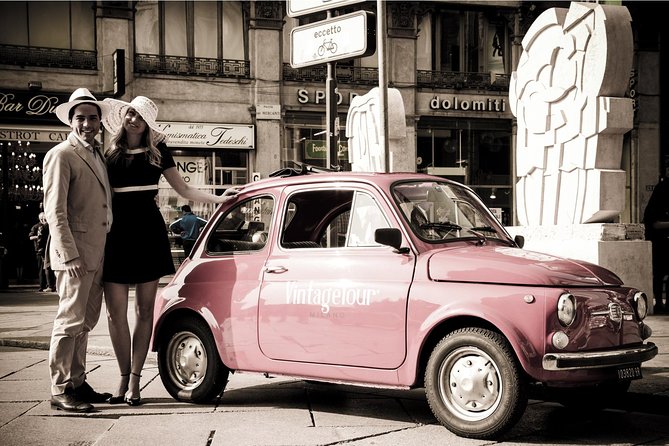
- Private car up to 3 people: you ride in a single classic Fiat 500, not a shared fleet.
- Two stops you choose: you can decide what you want extra time on as you go.
- Live English commentary: your driver keeps explanations flowing while traffic is handled for you.
- Leonardo-focused route: the story threads through Sforza-era rooms and places tied to The Last Supper.
- Duomo scale + street context: you get the cathedral’s history beats and how the area evolved.
A private ride in a vintage Fiat 500 through central Milan
The whole point here is motion plus meaning. You’re not stuck on a bus schedule, and you’re not piecing together a route on your own. Instead, you’re in a tiny 1970s-style vibe (classic, not brand-new) while your professional driver manages traffic and keeps the commentary going in English.
That format matters in Milan because the “best sights” are spread out. In two hours, you can cover far more than you could comfortably do on foot—especially if you’re arriving jet-lagged, rolling with limited time, or trying to figure out what neighborhood fits you. The private setup also makes it easier to ask questions and adjust the pace a bit.
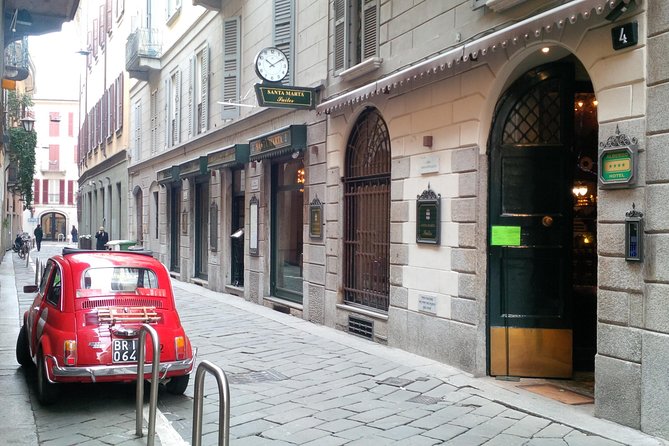
And yes, the Fiat 500 attracts attention. From what shows up in guide-and-driver notes, people often wave and take photos as you roll by. If you like quirky travel moments that make you feel like you’re part of the city (even if just for a short time), this is one of the better ways to get that.
You can also read our reviews of more city tours in Milan

Tiny car realities: no AC, legroom limits, and photo-friendly streets
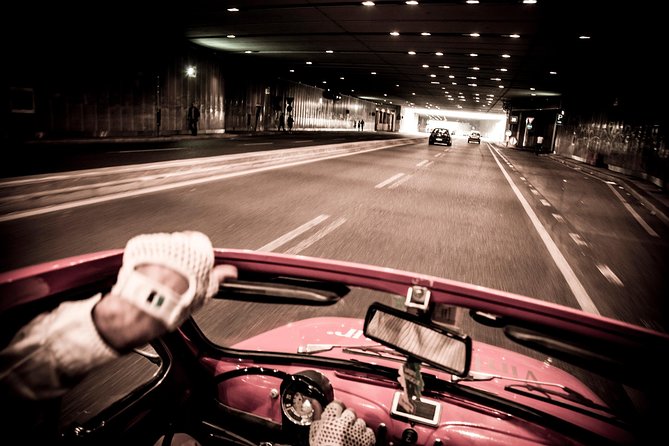
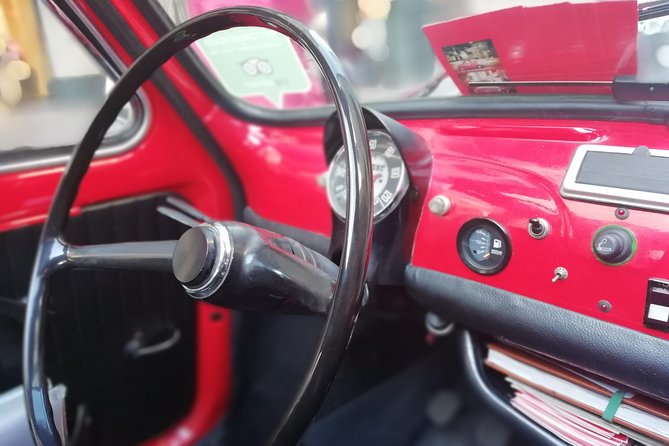
This is the big “know before you go” part. The Fiat 500 is famously small. Even with up to three people, space is tight, and the back seat won’t feel roomy for taller folks. Plan for comfort to be basic, not luxury.
Also: no air-conditioning. That can be fine in cooler months, but in warm weather you’ll want light clothing and a practical mindset. One of the upsides is that vintage-style fans are used onboard, so it’s not completely miserable—just not the same as modern climate control.
Then there’s safety gear. The car has no seat belts and no airbags. That doesn’t mean the ride is chaotic, but it does mean you should choose this tour with your own comfort level in mind. If you’re traveling with someone who is sensitive to vehicle safety setups, consider whether a modern car tour would suit them better.
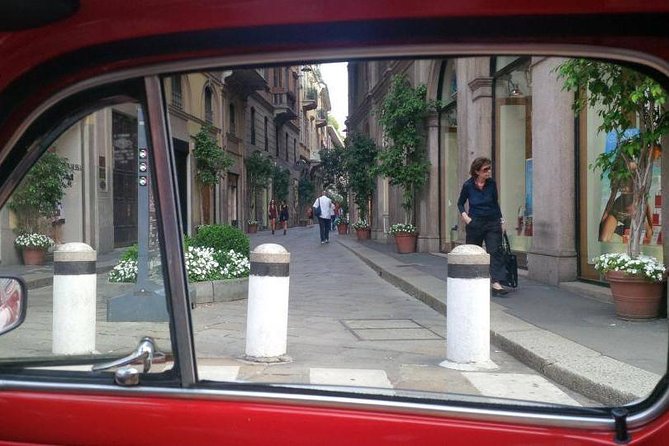
The upside? The small car makes the city feel close. You’ll be able to spot details along the route and it’s easier to capture quick photos from curbside angles—especially around the moments where you’ll be pausing for your chosen stops.
Pickup at selected Zone 1 hotels, or meet by Via Palestro 16
You have two practical starting options. If your hotel is in Zone 1 (selected hotels only), you can arrange pickup, which saves you from navigating early-day crowds or trying to locate a specific street corner. If you’re not in Zone 1, you’ll meet at Via Palestro, 16, 20121 Milano.
Either way, build a little buffer. Milan traffic and city routing recommendations can change the exact path, so it’s smart to be ready at the start point rather than sprinting at the last second. Also, the tour has multiple departure times, with the first starting at 10:00 (so check your specific start time before you plan the rest of your day).
Dress code is smart casual. You don’t need formalwear, but I’d avoid anything too sloppy if you’re hopping in and out for stops. And one oddly important item: bring a current valid passport for the day of travel.
Leonardo, churches, and art stops you can tailor with two choices
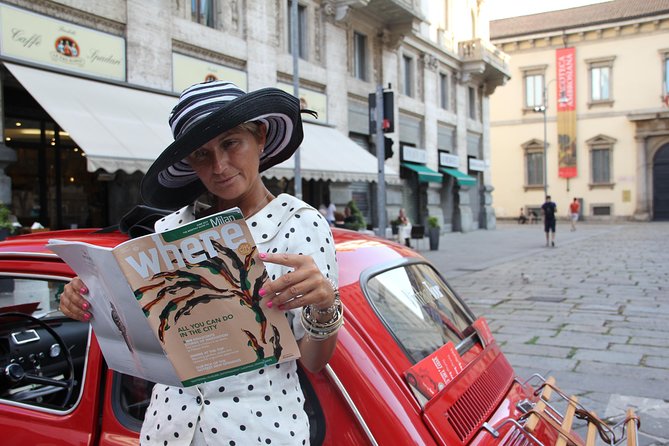
What makes this ride feel “Milan” is how it links power, art, and architecture in one thread. You’ll start with an area tied to art and design, which helps you set the city’s tone beyond monuments. From there, the story turns to Renaissance-era Milan.
A key stop focuses on the residence of Milan’s Duke Ludovico Sforza, where Leonardo first worked as a military and civil engineer before becoming the artist we recognize today. The big detail here is the Sala delle Asse ceiling connection—Leonardo’s ceiling is described as combining naturalist depiction with symbolism. Even if you’re mostly viewing from outside or from a quick window moment, the driver’s framing helps you see why people still study this period so closely.
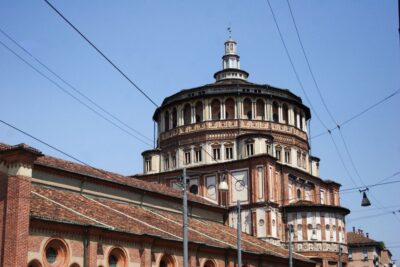
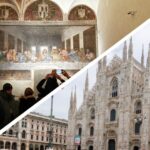
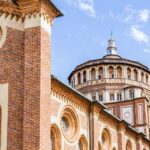
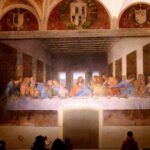
Then the route goes toward the church of Santa Maria delle Grazie. It’s highlighted as a standout example of late Gothic architecture, built by the Dominicans between 1463 and 1482. The important Leonardo connection is that in 1495–1498, The Last Supper was painted in the refectory of the monks. You’re not just hearing the “famous painting” name—you’re getting the architectural and institutional context that makes the site land harder.
Here’s where your two chosen stops become your secret weapon. You can decide how long you want to linger around the spots that matter most to you—whether that’s a church setting, a walk-around moment, or a pause for photos. If you’re the kind of traveler who enjoys stepping out to read plaques and take in façades up close, pick stops that support that.
One of the most striking options along the route is San Maurizio al Monastero Maggiore. This Renaissance church is described as a project based on Giovanni Giacomo Dolcebuono’s plan and is known for hosting frescoes and pictures—earning the nickname Sistine Chapel of Milan. If you’re curious about art beyond the usual museum game, this is a great place to spend one of your two stop slots.
Finally, the route can include time that connects Leonardo to drawings: the Pinacoteca stop includes exhibition material featuring drawings from the Codex Atlanticus, described as the biggest collection of Leonardo’s drawings. If you like seeing how masterpieces start as studies, that’s a nice mental bridge between the walls you see and the ideas behind them.
Duomo di Milano from via Larga and the city behind it
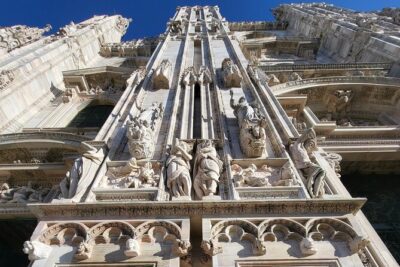
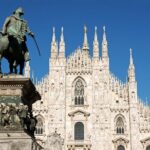
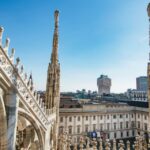
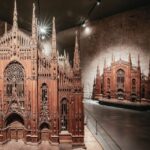
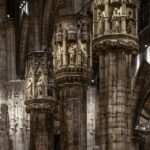
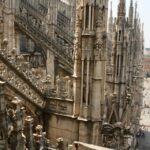
The Duomo di Milano is the one everyone expects—yet the way this tour frames it can surprise you. You’ll get a perspective described from via Larga, with the cathedral’s massive scale called out: 515 ft (157 meters) long and 302 ft (92 m) wide. Those numbers matter because Milan Cathedral can feel like a “background” sight if you approach it only as a photo spot. Here, the size is part of the story.
More importantly, you’ll learn that the cathedral’s site wasn’t always cathedral. Before the current Duomo, the location was tied to earlier religious buildings: the Basilica of Sant’Ambrogio, and later foundations including Santa Tecla. After a fire devastated the earlier churches, the Duomo was established on the same ground, and construction began in 1386.
That’s the kind of detail that changes how you look at the façade. Instead of just “Wow, big church,” it becomes “Why here, and how did Milan rebuild itself?” Even if you don’t spend a long walk at the cathedral during this 2-hour format, the driver’s framing helps you turn your next independent visit into something richer.
You can also read our reviews of more tours and experiences in Milan

Roman palace ruins, Banca d’Italia, and everyday Milan beyond the cathedral
Milan isn’t only cathedrals and art notebooks. This route also adds layers that feel more like the city you’ll wander later.
On Corso Magenta, behind Marchesi 1824 pastry shop, you’ll see the ruins of a Roman Imperial Palace in Milan, tied to Emperor Maximian’s residence around 286 A.D. That placement matters: it’s not a museum diorama. It’s part of the city’s ongoing built environment, where ancient and modern keep sharing space.
Next, the ride points you toward the Banca d’Italia palace built in 1907, designed by Luigi Broggi and Cesare Nava. The architectural inspiration is said to come from the architecture of Rome’s Vittoriano. If you’re walking Milan later and notice “wait, that looks Roman,” this stop helps you connect the dots.
Then you get more practical Milan beats: an affordable shopping street and a stop tied to education and medicine. The tour references Milan’s first hospital, founded in 1456 by Francesco Sforza, which is now the main site of the State University. That’s a great reminder that Milan’s history isn’t stuck in the Renaissance. It keeps transforming into the systems city life uses today.
This part of the route is also useful because it helps you plan your evening. You’ll get a sense of where to go next without guessing blindly.
Price, time, and value for a 2-hour overview
Let’s talk value. The price is $362.95 per group, up to 3 people. That sounds high until you remember the practical trade: you’re paying for a private car experience with live commentary, a professional driver, and pickup help in Zone 1. With three people sharing the cost, it can start to feel like a “convenience fee” for speed, comfort, and not having to figure out logistics in a traffic-heavy city.
The timing is also a sweet spot. At roughly 2 hours, you’re not trying to force Milan into one long sightseeing block. You can use it as a first-day orientation to decide what you want to do in depth later—especially around Leonardo sites and the Duomo area.
There’s also a less obvious value: the route includes a lot of different city “modes,” from Renaissance art power to Roman-era remnants to modern institutional architecture. If you’re the type of traveler who likes big ideas but also wants street-level reality, this format tends to land well.
Just be realistic about the car: it’s tiny, and it has no AC. If you’re expecting a comfortable, modern vehicle and long interior time, this won’t match that expectation. But if you want a fun, structured overview and you don’t mind vintage-seat compromises, it’s a strong use of limited time.
Should you book this Fiat 500 Milan tour?
Book it if you want the fast start that helps you explore the rest of Milan with less stress. This is ideal for first-timers, couples, and small groups of up to three who want a private overview with live English narration and two chances to slow down and choose what matters most.
Skip it (or switch expectations) if you know you’ll feel uncomfortable in a very small car, you hate heat and there’s no AC, or you’re sensitive to vehicles without seat belts and airbags. In those cases, a modern small-group tour might fit better.
If you do book, I’d treat your two chosen stops like your priority list. Pick the sights where you want to actually spend time—not just look at façades from a moving car. That’s where the tour delivers its best payoff.
FAQ
How long is the 2 hour Vintage Fiat 500 Central City Tour?
The tour runs for about 2 hours.
How much does it cost, and how many people can ride?
It’s $362.95 per group and the car accommodates up to 3 people for this private tour.
Is pickup available?
Yes. Hotel pickup is available from selected hotels in Zone 1 only. If you’re not picked up, the meeting point is Via Palestro, 16, 20121 Milano.
What language is the tour in?
The tour includes live commentary on board in English.
Can I choose where we stop?
Yes. The tour includes two stops of your choice along the route.
Does the Fiat 500 have air-conditioning and seat belts?
No. The car doesn’t have AC, and it also has no seat belts and no air bags.
What should I wear or bring?
Wear smart casual clothing. A current valid passport is required on the day of travel.