REVIEW · MILAN
Market Tour and Cooking Class
Book on Viator →Operated by Cook and Dine · Bookable on Viator
Fresh produce shopping turns Milan into a classroom. This market-to-kitchen experience pairs a chef-guide with a hands-on cooking session, then ends with the meal you made at Via Mantova 19. You start at a real street market, pick ingredients with expert guidance, and cook in a tight group that stays personal.
I love two things most: the chef-guide market walk that teaches you what to buy and why, and the fact that you’re not just watching. You’ll make classic dishes with fresh ingredients, then eat together with a welcome drink and wine, so the day feels practical, not performative.
One consideration: there’s no hotel pickup, so you’ll need to handle your own arrival to the meeting point near public transit.
In This Review
- Key highlights at a glance
- Market-to-kitchen in Milan: why this format works
- Meeting at 9:30 near V.le Sabotino: logistics that matter
- The street market stop: choosing produce, fish, cheese, and meats
- Via Mantova 19 cooking time: hands-on pasta and real sauce technique
- The menu you’ll cook (and what it teaches)
- Starter: parmigiana eggplants
- Main cooking: lasagna and fresh pasta choices
- Stuffed pasta: ravioli or tortellini
- Fish main: cod in Venetian-style milk
- Dessert: spoon tiramisu
- Welcome drink, wine lunch, and how the small group changes the experience
- English instruction, timing, and pacing: what 4 hours feels like
- Price and value: is $180.21 fair for Milan?
- What to know before you go: metro, dietary needs, and vegetarian options
- Who this is best for in Milan
- FAQ
- FAQ
- Where is the meeting point for the tour?
- What time does the tour start?
- How long does the cooking class and market tour last?
- Is the tour offered in English?
- What’s included in the price?
- Is hotel pickup or drop-off included?
- Do I need a metro ticket after the tour?
- Is a vegetarian option available?
- How many travelers are in the group?
- Can I get a refund if I cancel?
- Final verdict: should you book this Milan market tour and cooking class?
Key highlights at a glance
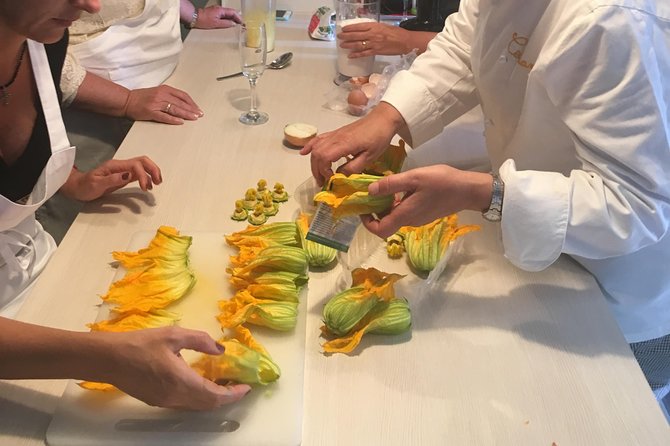
- Small group of up to 8 means more hands-on help and more time to ask questions.
- Market shopping with a chef-guide: you select produce, fish, cheese, and meats based on what’s fresh and in season.
- Hands-on cooking of classic Italian dishes, including fresh pasta work.
- Lunch with wine (plus a welcome drink), so you’re eating what you made while things are still warm.
- English instruction with a guide who can explain techniques clearly, step by step.
- Vegetarian option available if you request it at booking.
Market-to-kitchen in Milan: why this format works
Milan can feel like a city where you either rush through sights or you slow down with a class. This experience does the second one well. Instead of starting in a kitchen, it starts where Italian food starts: at the stalls.
What makes it especially useful is that the market part is not just sightseeing. You’re buying ingredients with a chef-guide, so you learn the logic behind Italian cooking choices. Fresh produce has a short season, fish quality matters, and cheese and cured meats are chosen for texture as much as flavor.
Then the cooking portion locks in the learning. When you hand-roll or shape pasta, you suddenly understand what good ingredients do to the final dish. It turns into a memory you can recreate back home.
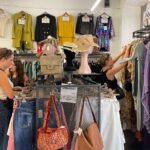
You can also read our reviews of more shopping tours in Milan

Meeting at 9:30 near V.le Sabotino: logistics that matter
You start at 9:30 am at McDonald’s, V.le Sabotino 38, 20135 Milano. It’s a convenient, easy-to-find reference point, but it does mean you should plan your route ahead of time and arrive a few minutes early so you’re not scrambling.
The tour runs about 4 hours, and it ends back at the same meeting point. You’re also told you’ll need a metro ticket to use after the tour, so make sure you’re not planning to rely on luck with public transport when you’re done and hungry.
This is not a door-to-door service. There’s no hotel pickup or drop-off, which keeps the experience focused on the market and the cooking, but it also means you’re responsible for getting there.
The street market stop: choosing produce, fish, cheese, and meats
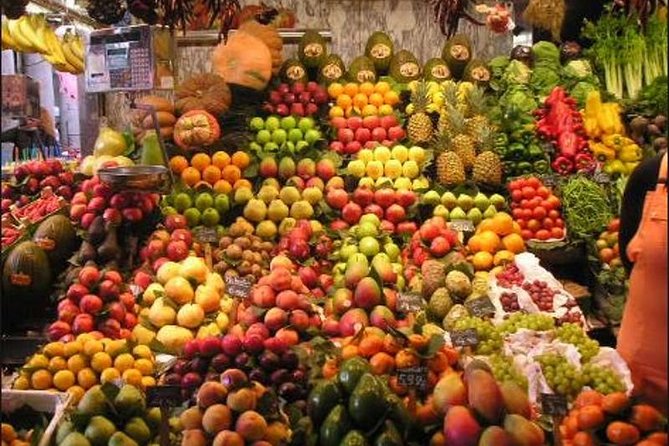
The day begins at the market, where you’ll meet your chef-guide and start selecting ingredients. You’ll spend about an hour walking the stalls, and the point is to help you recognize quality fast.
From the guidance style described in feedback, the guide doesn’t just point and name foods. You learn what to look for in in-season produce, how to think about seafood choices, and how Italian markets offer a big range of ingredients that you don’t always see the same way in supermarkets.
A few practical lessons are part of the teaching:
- You’ll get ideas for how to choose vegetables and herbs that will actually hold up in sauce.
- You’ll learn how to translate market selection into cooking decisions, not just shopping satisfaction.
- You’ll hear context about how markets work in Italy and what “good” means for different ingredients.
If you care about food, this part is the payoff. It’s also the easiest section to remember because your senses are awake: smells, textures, colors, and the simple fact that you’re buying what you’ll cook later.
Via Mantova 19 cooking time: hands-on pasta and real sauce technique
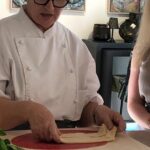
After the market walk, you head to Via Mantova 19 to cook and have lunch together. This is where the experience shifts from learning-by-looking to learning-by-doing.
The teaching style is built around clear instruction and corrections. You’re working in a small group (maximum 8 travelers), so the chef-guide can watch what you’re doing and help you adjust while it still matters. That’s a big deal with pasta and sauces, where tiny changes make a noticeable difference.
Expect active prep and cooking. This is not a sit-and-smile class. You’ll do the work: shaping, assembling, and learning how Italian seasoning happens in practice rather than theory.
One of the most useful technique notes you’re likely to hear is about flavor building. For example, you may learn how to use basil stems during sauce cooking for extra flavor, then remove them later. You may also get a very Italian approach to seasoning, where salt is added in a way that makes sense for real cooking rather than timid measuring.
The menu you’ll cook (and what it teaches)
The course is built around classic Italian dishes, with the day ending in a shared meal. Based on the sample menu, you can expect a mix of eggplant, pasta, fish, and a classic dessert.
You can also read our reviews of more tours and experiences in Milan
Starter: parmigiana eggplants
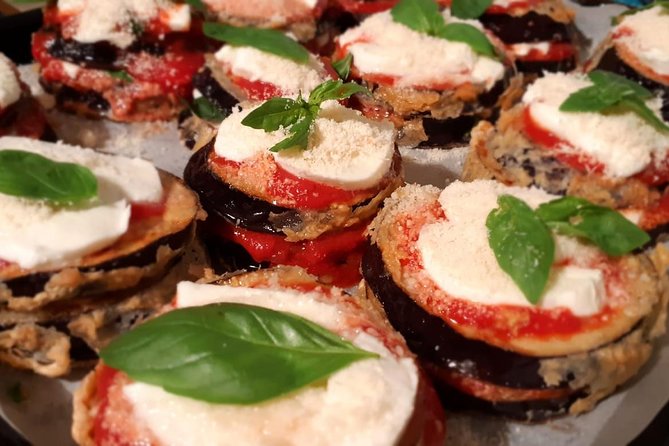
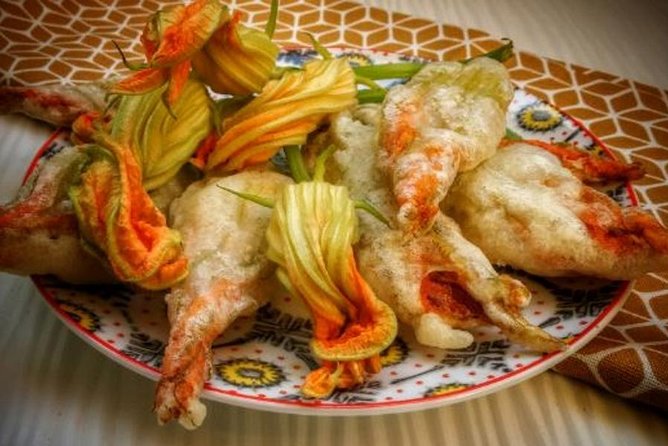
You’ll make parmigiana-style eggplants, with sliced and fried eggplant filled with mozzarella, basil, and tomatoes. This is a great starter to learn because it teaches you how Italian comfort food gets structure: eggplant needs the right texture, and the filling depends on balance between richness and acidity.
Main cooking: lasagna and fresh pasta choices
You’ll get hands-on with pasta-based cooking. The sample menu includes vegetarian or traditional lasagna, plus fresh egg pasta that you make yourself and then pair with sauces. The sauces you’ll see options for include white sauce, bolognese, or pesto, with a vegetarian version that also includes green beans.
In practice, the value here is understanding how sauce choice changes the feel of the same base ingredient. Fresh pasta is tender, so the sauce has to complement it instead of hiding it.
Some class runs also include pasta work that’s shaped into different forms, and you may find the lesson includes dough shaping beyond standard noodles. The consistent theme is that you’re getting touch-time with real Italian pasta technique, not just assembling a plate.
Stuffed pasta: ravioli or tortellini
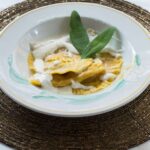
Another major part of the class is stuffed pasta. You’ll make ravioli with ricotta and spinach or tortellini, plus associated short pasta options in versions filled with ricotta and spinach or meat.
This is where the class becomes more than cooking. Stuffed pasta training teaches you dough handling, portion control, and sealing technique. It’s a skill you can use later even if you don’t make the same filling twice.
Fish main: cod in Venetian-style milk
You’ll also cook cod fish in Venezia-style milk, modeled on how Venetian people cook it. This is a memorable dish because cod is delicate, and the milk method changes texture and flavor without turning the fish into something heavy.
If you usually think of fish as either grilled or pan-seared, this is a good reminder that Italian cooking often treats fish with gentle methods that keep it tender.
Dessert: spoon tiramisu
Finally, you’ll end with tiramisu, served as a spoon dessert with coffee, mascarpone, and eggs. It’s the kind of dessert that teaches balance: sweetness, bitterness, and creaminess all need to land right, and you taste your way there as you build it.
Welcome drink, wine lunch, and how the small group changes the experience
The day includes a welcome drink while you cook and wine with your lunch. In some runs, you may also get a taste of something extra like limoncello, especially since the meal is treated like part of the teaching moment, not a separate event.
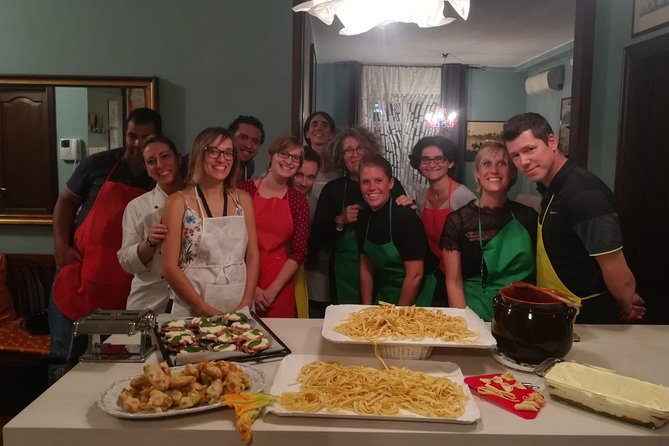
The small-group setup matters. With up to 8 people, you’re more likely to get direct feedback as you cook. You’re not stuck waiting your turn for a glance from the chef. This is also why the class tends to feel relaxed while still moving efficiently.
And since you share the meal you made, the social part is grounded in food. It’s not awkward small talk; it’s people comparing notes on dough thickness, sauce texture, and whether the cod came out the way they hoped.
English instruction, timing, and pacing: what 4 hours feels like
Instruction is offered in English, and the class is designed around a tight time window. Plan for a morning start and enough energy to cook actively for several hours.
The pacing is built like this:
- Market walk and ingredient selection (about an hour)
- Travel to the cooking location
- Hands-on cooking, then lunch together
Because it’s only about 4 hours, it’s a good fit when you don’t want a half-day activity that stretches into the afternoon with multiple stops.
If you’re the type who learns best by doing, this format will feel efficient. If you prefer purely observational experiences, you might feel the pace is busy. But the hands-on nature is the point.
Price and value: is $180.21 fair for Milan?
At $180.21 per person for an approximately 4-hour class, you’re paying for more than a recipe sheet. You’re paying for:
- A guided market ingredient selection
- A hands-on cooking class
- Lunch, with a welcome drink and wine
- A small group setup that keeps attention focused
You can find cheaper cooking classes in some places, but they often skip either the market part or the full meal experience. Here, the cost is tied to the full cycle: shop, cook, and eat in one connected morning.
Also, no hotel pickup is a real factor in value. That cost stays in the class itself, and you get a consistent meeting point and schedule.
If you go in expecting a dining experience where you learn how to cook, the price starts to make sense. If you’re simply hunting for a bargain meal, this won’t be the cheapest option in Milan.
What to know before you go: metro, dietary needs, and vegetarian options
This experience is near public transportation, which helps. Still, you’ll want a metro ticket for afterward, since the tour ends back where you started and you’ll need to move on to your next stop.
Dietary needs are handled through the booking process. You’re asked to advise specific dietary requirements ahead of time. A vegetarian option is available, and you should request it when you book.
One more practical tip: arrive with a clear idea of what you can and can’t eat. That helps the chef-guide adjust ingredients and recipes without last-minute stress.
Who this is best for in Milan
This tour is a strong match if:
- You want a food-focused Milan experience that feels local, not generic.
- You like learning by cooking, especially fresh pasta and Italian sauces.
- You’re traveling with a small group dynamic in mind, since it’s capped at 8.
It’s also a good option if you’re visiting for a short time and want one high-value food activity that delivers both instruction and a full lunch.
If you dislike cooking classes or you want sightseeing-only time, you might find it too hands-on. But if you’re even slightly curious about how Italian dishes come together, you’ll likely enjoy the structure.
FAQ
FAQ
Where is the meeting point for the tour?
You meet at McDonald’s, V.le Sabotino, 38, 20135 Milano MI, Italy.
What time does the tour start?
The start time is 9:30 am.
How long does the cooking class and market tour last?
It lasts about 4 hours.
Is the tour offered in English?
Yes. The experience is offered in English.
What’s included in the price?
The price includes the market visit, the cooking class, and lunch.
Is hotel pickup or drop-off included?
No, hotel pickup and drop-off are not included.
Do I need a metro ticket after the tour?
You will need a metro ticket to use after the tour.
Is a vegetarian option available?
Yes. Vegetarian options are available if you request them at booking.
How many travelers are in the group?
The group size is capped at a maximum of 8 travelers.
Can I get a refund if I cancel?
Cancellation is free up to 24 hours in advance for a full refund. The experience may also be canceled if minimum numbers aren’t met, with an alternative date or a full refund offered.
Final verdict: should you book this Milan market tour and cooking class?
If you want one activity in Milan that’s both practical and memorable, this is an easy yes. The market walk gives you ingredient instincts you can use later, and the cooking portion gives you real technique practice, then rewards you with lunch plus wine.
I’d book it if you like food learning, small-group attention, and eating what you made right away. I’d think twice only if you hate hands-on cooking or you really don’t want to manage your own way to the meeting point near V.le Sabotino.