REVIEW · MILAN
Milan: 4-Hour Art and History Private Walking Tour
Book on GetYourGuide →Operated by Segway Bike Walk Tour CITY GUIDED TOUR · Bookable on GetYourGuide
Milan hits you fast—then the details click. This 4-hour private walking tour is built for exactly that, with a licensed art-history guide, headset listening, and a route through the city’s most recognizable landmarks.
I especially love two things: you get Duomo access with the entrance fee included, and you can set the pace because it’s private. I also like that you’re not stuck in a big crowd, so your guide can answer your questions and point out what you’d otherwise miss.
One consideration: you’ll need to follow the dress code for places of worship (cover knees and shoulders), and luggage/large bags aren’t allowed. If you’re hoping to add the Last Supper, plan ahead because tickets aren’t included and can’t be bought last minute.
In This Review
- Key highlights worth your attention
- How private pacing changes your Milan walk
- Starting under the Galleria: where you meet and why it’s smart
- Duomo Cathedral inside and out: the moment the city makes sense
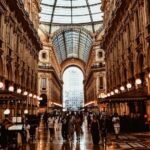
- Galleria Vittorio Emanuele II: Milan’s arcade, explained like a local
- La Scala from the outside: the opera house as a cultural marker
- Brera district: art students, creative streets, and what to look for
- Sforza Castle: ducal power you can still read in stone
- Personalizing your walk: ask for the Milan you want
- Value for money: what $215 for up to 4 really buys
- Timing, logistics, and small rules that affect comfort
- Who this tour suits best (and who should think twice)
- If you care about explanations, prioritize the guide
- Should you book this Milan art and history private walking tour?
- FAQ
- FAQ
- What’s included in the tour price?
- Where do we meet for the tour?
- How long is the walking tour?
- Is this a group tour or private?
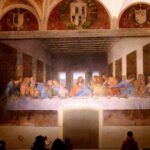
- Can we visit the Last Supper during this tour?
- What’s the dress code for places of worship?
Key highlights worth your attention
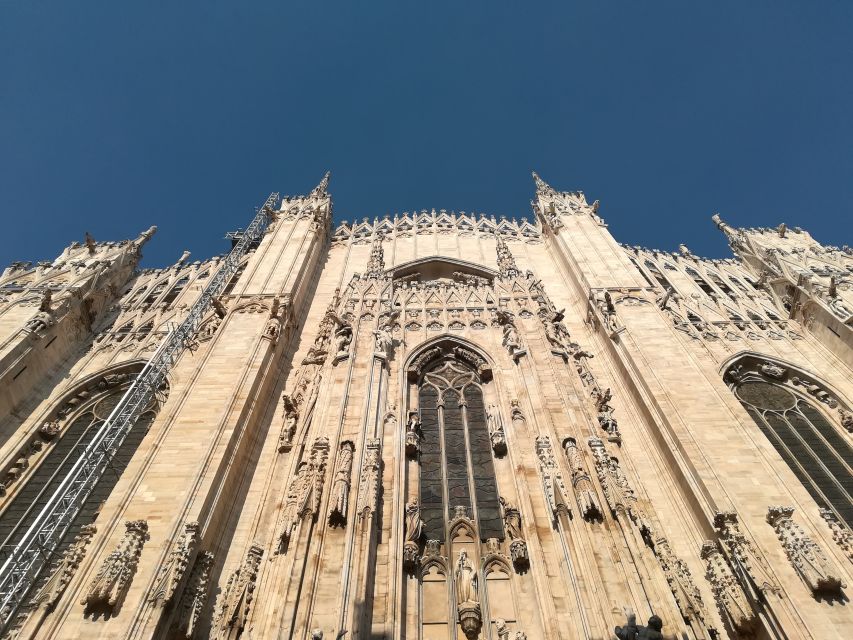
- Duomo ticket included so you can skip the ticket line and go inside
- Private pacing for up to 4 people, which makes questions actually useful
- Headsets included, so even busy streets don’t drown out the guide
- Galleria Vittorio Emanuele II stop with a story behind Milan’s famous arcade
- Brera district focus tied to the Academy of Fine Arts and its students
- Sforza Castle visit with context about Milan’s ducal power
How private pacing changes your Milan walk
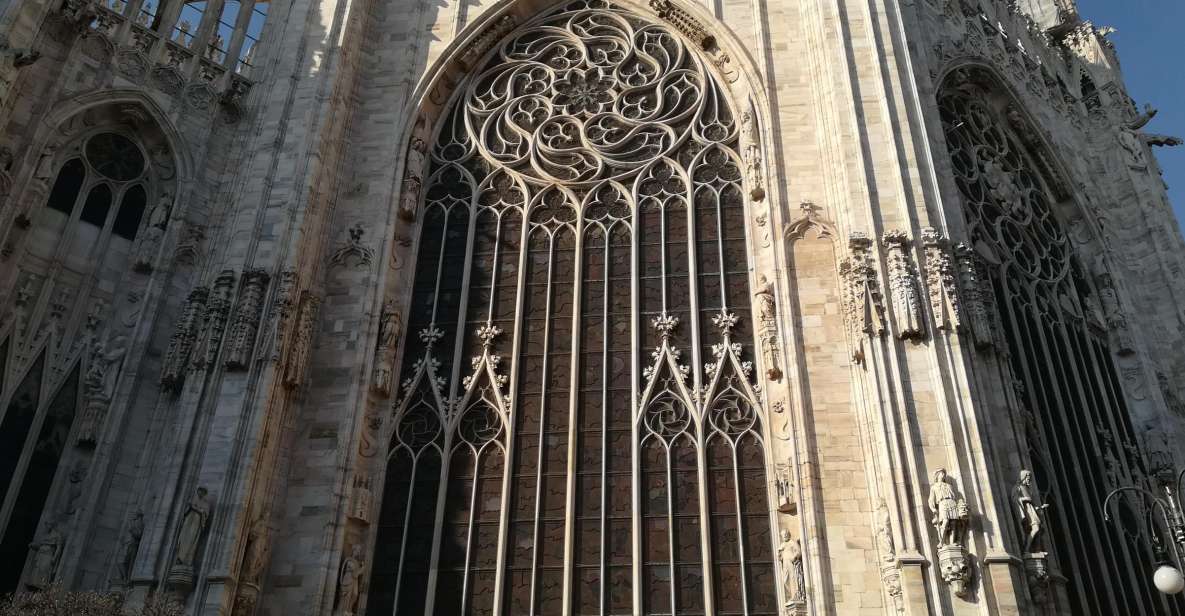
A private tour in central Milan isn’t just a luxury word. It changes what you notice. With a small group, you can slow down at the Duomo when something catches your eye, then move quicker through the shopping streets if you’re energy-efficient.
I like that your guide can adapt the walk to what you care about most, as long as you tell them beforehand. Maybe you want more art details, more architecture, or a couple of “less obvious” stops that fit your interests.
The best part is simple: you’re not racing the clock to satisfy a group deadline. That makes the experience feel less like sightseeing and more like learning the city in a human way.
You can also read our reviews of more walking tours in Milan


Starting under the Galleria: where you meet and why it’s smart
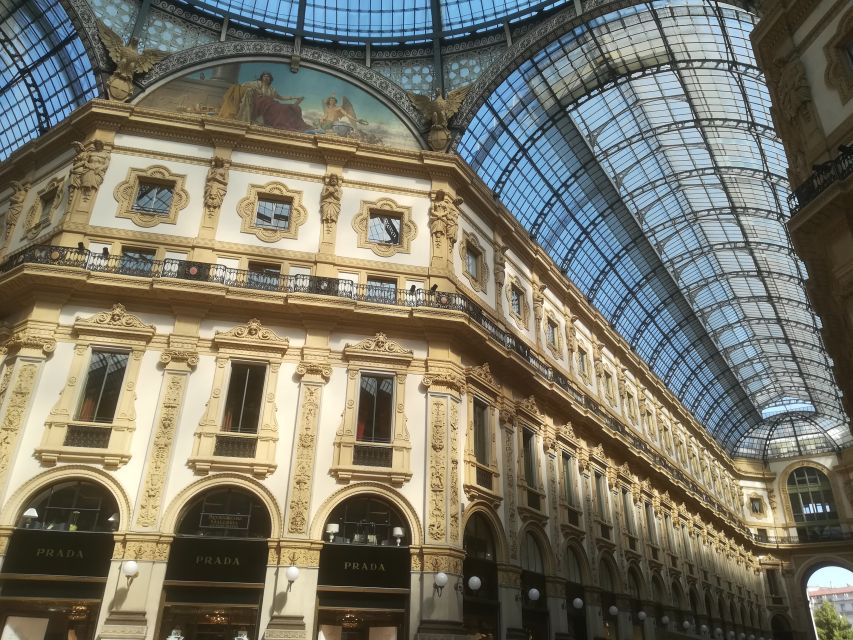
You’ll meet at the entrance under the lodge of Galleria Vittorio Emanuele II, right at the corner with Piazza del Duomo. This is one of those Milan starting points that saves time because you’re already on top of a major landmark and close to everything you’ll want to see.
The tour loops back to the same meeting point, which is handy when you’re planning lunch, shopping, or a museum visit right after. And because it’s only 4 hours, you can pair it with dinner plans without feeling like you’re tethered to a whole-day commitment.
If you’re coming from a hotel, give yourself a little extra buffer for the walk from transit—this part of Milan is lively and sometimes crowded. Not a reason to skip the tour, just a reason to arrive ready.
Duomo Cathedral inside and out: the moment the city makes sense
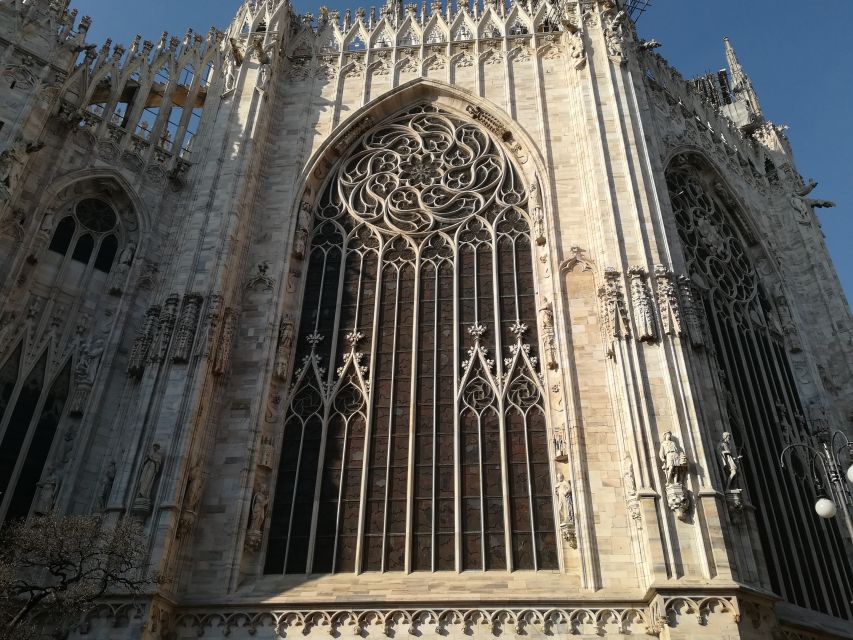
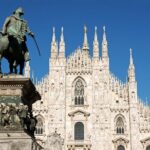
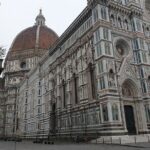
The Duomo is the anchor of this tour, and it’s included with the entrance fee. That matters because Duomo visits are one of those things where time can vanish while you figure out tickets and access. Here, you’re set up to skip the ticket line and go inside.
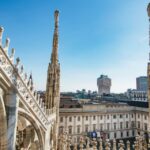
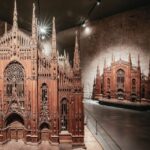
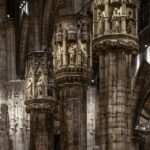
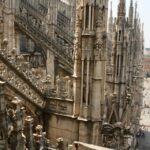
Outside, you’ll get a guided look at the scale and the design choices that make this cathedral feel like a whole world of carvings. Inside, your guide helps you connect the architecture to Milan’s story—why this building matters and how it fits into the city’s identity.
One thing I appreciate: the tour doesn’t treat the Duomo like a checklist item. A good art-history guide will point you toward what to watch for as you look around, so you’re not just staring at stone and hoping it turns into meaning.
Practical tip: wear shoes you can walk in comfortably. You’ll be on your feet for the full 4-hour circuit, and the Duomo area can be slower-moving than you expect.
Galleria Vittorio Emanuele II: Milan’s arcade, explained like a local
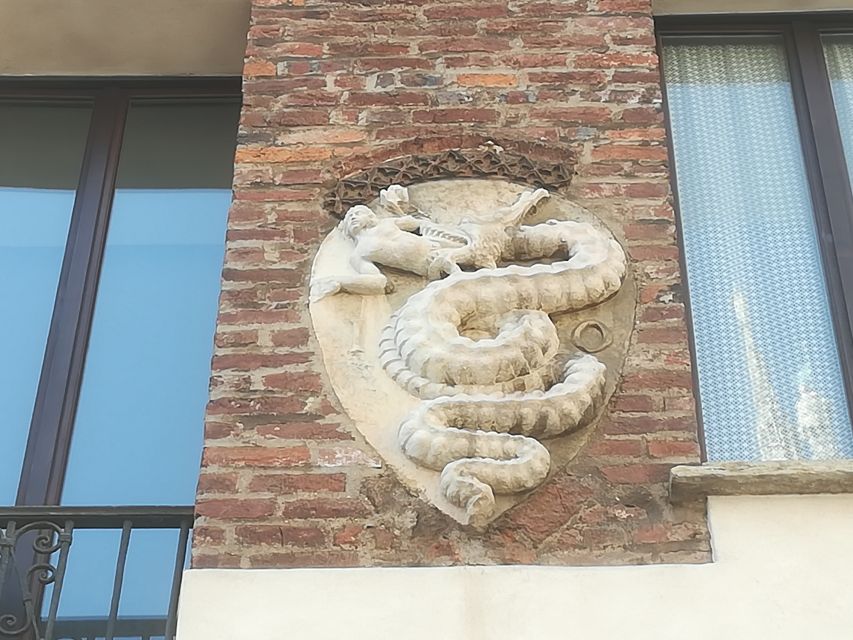
After the Duomo, you’ll pass through Galleria Vittorio Emanuele II, the famous shopping arcade. This stop is more than a photo moment. Your guide frames it as a predecessor to modern shopping malls, so you can see how the idea of a grand covered promenade evolved in Italy.
I like that the guide connects the design to how people used the space—how an arcade could feel public and glamorous at the same time. It’s an easy place to understand “city planning meets daily life,” especially when your guide adds the historical context.
Even if you don’t plan to shop, this is a good stretch of the tour because it’s sheltered and visually rewarding. If the weather turns, the Galleria can still keep your walk comfortable.
La Scala from the outside: the opera house as a cultural marker
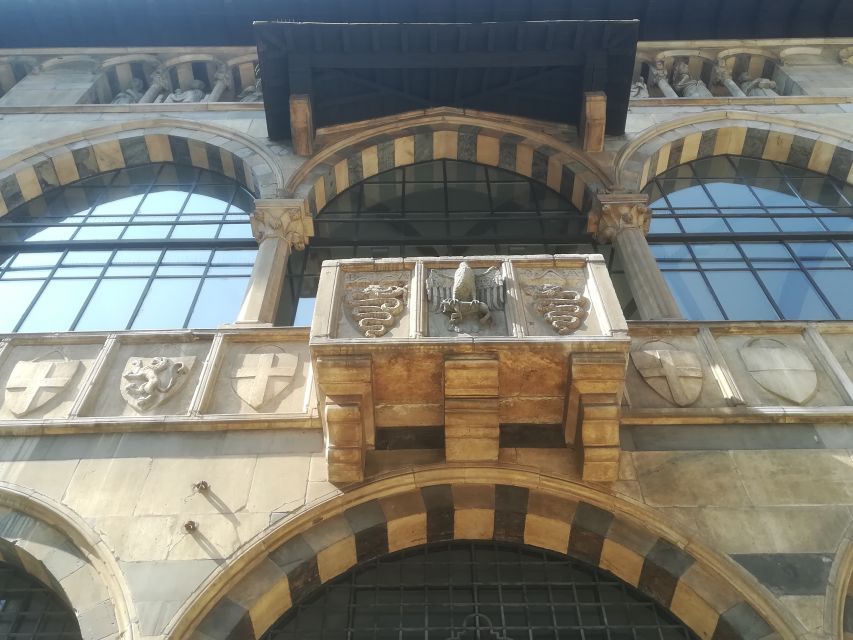
You’ll also see La Scala from the outside. Even without going inside, it works because your guide ties the theater to Milan’s identity as a place where opera is taken seriously.
I find outdoor viewing useful here. You can grasp the building’s presence and symbolism first, and then decide later if you want an opera performance during your stay. Not every visitor wants to add another ticketed event, and this tour gives you the cultural context without forcing extra plans.
If you’re an opera fan, you’ll likely leave with more than a landmark photo—you’ll understand why La Scala is so closely associated with the idea of world-class performances. If you’re not, it still helps to know why locals care.
You can also read our reviews of more private tours in Milan





Brera district: art students, creative streets, and what to look for
Brera is one of the most interesting parts of Milan for a walking tour because it’s tied to the Academy of Fine Arts and its students. That connection is key. Your guide will help you read Brera as more than a pretty neighborhood—it’s an area shaped by education, making, and culture.
As you walk, you’ll get pointers for what the district feels like and why it became known for artistic life. This is where the tour gets less about famous monuments and more about how a city’s creative institutions influence its streets.
One small drawback: Brera can involve slower walking because it’s a neighborhood, not a single monument zone. If you have limited mobility or you’re sensitive to crowded sidewalks, let your guide know early so you can adjust your pace.
Sforza Castle: ducal power you can still read in stone
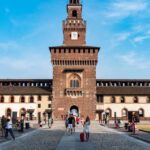
The tour ends with Sforza Castle, described as the luxury residence of Milan’s dukes. Even if you’re not a medieval-history person, castles are easiest to understand with the right framing.
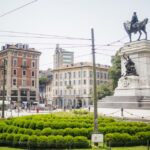
Your guide’s job here is to connect the scale and layout to power—who lived here, what it represented, and how Milan’s ruling families left their mark on the city. When you understand that, the castle stops being just “a big building” and becomes a political snapshot.
It’s a strong way to balance the earlier stops. You start with religious and civic identity at the Duomo, then move through trade and culture at the Galleria and La Scala, and finish with governance and status at Sforza Castle. That flow gives the tour structure, even when it’s flexible.
Personalizing your walk: ask for the Milan you want
One of the best features is the ability to personalize. If there are specific places you’ve been hoping to see—or a theme you want, like more art details or more off-the-main-route corners—tell the supplier beforehand.
I like personalization because it prevents the common problem with standard tours: you end up paying for stops you don’t care about. Here, the guide can shift the emphasis and potentially include more hidden-away places based on your interests.
If you’re traveling with family, this is also a smart way to make everyone feel included. You can spend more time where the kids are engaged by visuals and shorten parts that feel slower.
Value for money: what $215 for up to 4 really buys
This tour costs $215.24 per group up to 4. On the surface, that’s not “cheap.” But value in private tours isn’t about the lowest price—it’s about what you get that you can’t easily replicate.
Here’s why the pricing can work:
- Duomo entrance fee is included, which would otherwise add an extra ticket step to your day.
- You get a licensed guide with art history training, plus the explanation quality matters as much as the landmarks.
- Headsets are included, so you actually hear the guide even when the streets get loud.
- It’s a private group, meaning you avoid the big-tour problem of rushed questions and missed interests.
If you book with 3–4 people, the effective cost per person becomes much more reasonable than the typical “solo guide” experience. If it’s just you or two people, it’s still a solid choice when you want a high-quality, guided walk without extra ticket hassles.
Timing, logistics, and small rules that affect comfort
This tour runs for 4 hours, with either a morning or an afternoon option (you’ll see starting times when you check availability). Because the walking is compact and central, it’s usually easier to plan your other activities around it.
A few rules can change your experience if you ignore them:
- No luggage or large bags
- No sleeveless shirts
- For places of worship, dress code is required: no shorts or sleeveless tops, and knees and shoulders must be covered for both men and women
If you show up dressed for summer comfort only, you may risk being refused entry. Pack a light layer if you need it—this is the kind of small prep that prevents a frustrating halt mid-day.
Also note: the tour includes Duomo access, but Last Supper tickets are not included, and you can’t buy them last minute. If that’s a priority, plan it separately.
Who this tour suits best (and who should think twice)
This tour is a great fit if you want Milan through an art-and-history lens without spending all day navigating logistics. It’s also ideal when you’re visiting with family or friends and you want a shared, guided experience that moves at your pace.
I also think it works well for first-time visitors. The core stops cover the big identity markers—Duomo, Galleria, La Scala from outside, Brera, and Sforza Castle—so you get a real orientation fast.
If you hate walking or you’re bringing heavy luggage, you might find the restrictions limiting. And if you’re hoping to stack multiple major-ticket sights in one afternoon, remember this is 4 hours with specific included access, not a whole museum marathon.
If you care about explanations, prioritize the guide
The quality of the tour depends heavily on the guide’s storytelling. One guide name you may run into is Emilio, and he’s been praised for clear French and rich historical explanations connecting Milan to Italy more broadly.
Even if your guide isn’t Emilio, the format here supports strong guiding: headsets help the tone and pacing, and the guide is licensed with art history study. That combo is what turns landmark viewing into something you can actually remember.
My practical advice: bring 1–2 questions in your pocket. Ask about what you’re looking at on the Duomo, or how Brera’s art school shape changed the neighborhood. That’s how you get the most from a private format.
Should you book this Milan art and history private walking tour?
I’d book it if you want high-impact landmarks with real context, and you care about hearing the story behind what you’re seeing. The included Duomo entrance (plus skipping the ticket line) is a big time saver, and the private pacing makes it easier to get answers without feeling rushed.
I’d hesitate only if you’re not comfortable meeting dress-code requirements or you’re bringing luggage that you can’t leave behind. And if the Last Supper is a must-do, don’t rely on this tour to solve it—tickets aren’t included and last-minute purchase isn’t part of the plan.
FAQ
FAQ
What’s included in the tour price?
The tour includes a licensed guide, a private walking tour, headsets to hear the guide better, and the entrance fee for the Duomo Cathedral. Entrance fees for everything else are not included.
Where do we meet for the tour?
You meet at the entrance under the lodge of the Galleria Vittorio Emanuele II at the corner with piazza del Duomo, 20121 Milano. The tour ends back at the same meeting point.
How long is the walking tour?
The tour lasts 4 hours, with morning or afternoon starting times depending on availability.
Is this a group tour or private?
It’s a private group experience, priced per group up to 4 people.
Can we visit the Last Supper during this tour?
Tickets for the Last Supper are not included, and you can’t buy them last minute. You would need separate planning for that.
What’s the dress code for places of worship?
No shorts or sleeveless tops. Knees and shoulders must be covered for both men and women, and you may risk refused entry if you don’t comply.