REVIEW · MILAN
Milan Last Supper and S. Maria delle Grazie Skip the Line Tour
Book on Viator →Operated by World Travel Guide · Bookable on Viator
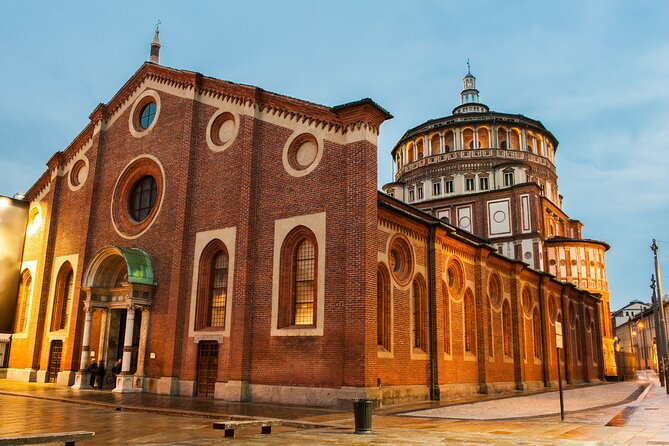
The Last Supper is worth planning. This Milan tour pairs skip-the-line entry to Il Cenacolo with a guided look at Santa Maria delle Grazie, in the same UNESCO complex. In English, the experience often comes with story-rich guiding from locals like Linda, Gian Luca, and Sylva.
What I like most is the 15-minute viewing window inside the refectory—short by design, but timed so you’re not stuck outside wondering what to do. You get an authorized guide with a microphone system and earphones, so you can actually follow the explanation without straining your voice or crowding your way in.
One drawback to factor in: there are strict rules. You’ll deal with ID/name checks, bag limits (bags stored in lockers), and a no-photo-with-flash/no-video rule inside the Upper Room—plus the basilica may be inaccessible during religious services or when closed.
In This Review
- Key things that make this tour work
- How skip-the-line turns a stressful ticket into a focused visit
- Il Cenacolo timing: what to expect in the 15 minutes
- Santa Maria delle Grazie: the church context that makes the painting click
- Guide quality: why hearing the story matters in such a strict space
- Price and value: what you’re paying for (and what you aren’t)
- Day-of logistics that can trip you up
- ID/name match is not optional
- Dress code: basic respect
- Bags and lockers
- Arrive with a realistic schedule
- How to schedule this in your Milan day
- Who this tour suits best
- Should you book this Last Supper skip-the-line tour?
- FAQ
- How long is the Milan Last Supper and Santa Maria delle Grazie tour?
- Is the ticket to see the Last Supper included?
- How long do I get inside the refectory to see the painting?
- Do I need to bring ID?
- Can I take photos or record video inside the Upper Room?
- Are bags allowed?
- What clothing rules should I follow?
- What happens if the tour is canceled due to poor weather?
Key things that make this tour work
- Skip-the-line entry to Il Cenacolo: you save hours of standing in line for timed access
- A guide you can hear: microphone system and earphones help the whole group follow along
- Built-in 15 minutes to see the painting: conservation limits keep your visit focused
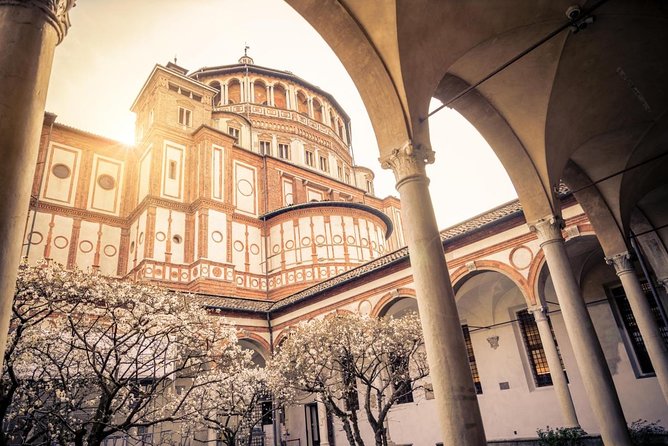
- Santa Maria delle Grazie context: you get the story around the church, not just the artwork
- Small-group feel (max 29): easier pacing than big tours in a high-demand site
How skip-the-line turns a stressful ticket into a focused visit
Milan’s Last Supper has one big problem: access is tightly scheduled, and the line outside can feel like a test of patience. This tour is designed to cut that waiting time with skip-the-line entry, so you’re using your hours on the ground instead of burning them near the ticket office.
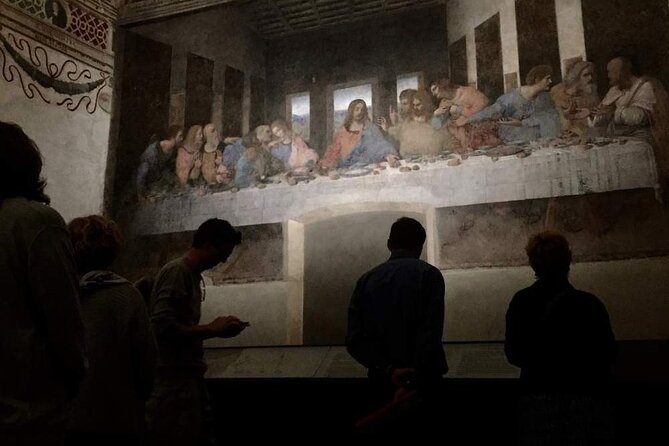
That matters because your time inside is limited anyway. The refectory visit isn’t long—just 15 minutes inside to view Leonardo’s work—so the goal is simple: get you in, keep you moving, and make sure you understand what you’re looking at while you’re there.
The tour runs in English and is built around a small group setup (maximum 29). That helps in a place where people naturally want to stop, look, and re-look. The guide’s audio system also makes a real difference in a crowd. When you can hear clear explanations without leaning over shoulders, the whole visit feels calmer.
There’s another practical win: you get your tickets handled on the day with the guide. That reduces the chance of arriving with the wrong paperwork or missing the correct check-in process.
You can also read our reviews of more tours and experiences in Milan
Il Cenacolo timing: what to expect in the 15 minutes
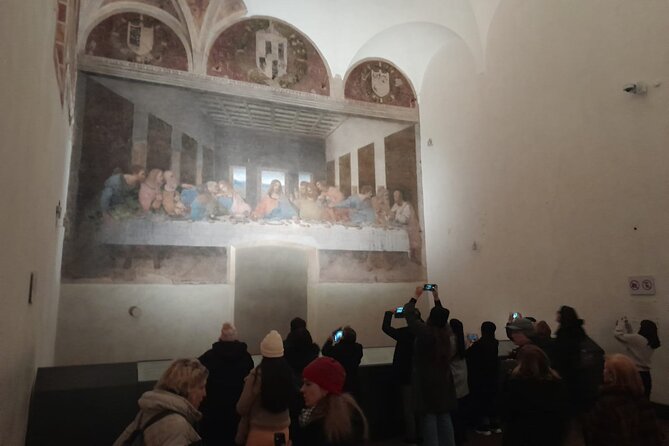
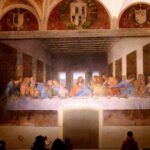
Stop one is Il Cenacolo, housed in the UNESCO-designated Monumental Complex. You’ll be led in with an authorized guide and your entrance ticket is included.
Here’s the part many people underestimate: the visit inside the refectory is short on purpose. For safeguarding the painting, you only get 15 minutes in the Upper Room. That’s not negotiable, and it’s not something a guide can stretch.
So think of this time as a guided sprint, not a slow museum stroll. You’ll likely start with a quick orientation—where to stand, what details to notice, and how the composition works—then you’ll have enough time to look at the painting as more than a famous image on a postcard.
A couple rules affect your experience directly:
- No flash photography and no video recording inside the Upper Room.
- Plan for the fact that you won’t have time for distractions. If you want close attention, skip the phone fiddling and keep your focus on what the guide points out.
If you’re a detail person, this is still doable in 15 minutes—just come ready to look rather than browse.
Santa Maria delle Grazie: the church context that makes the painting click
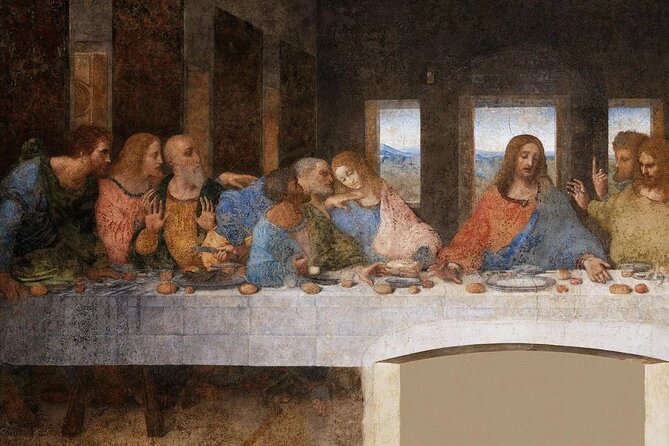
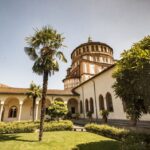
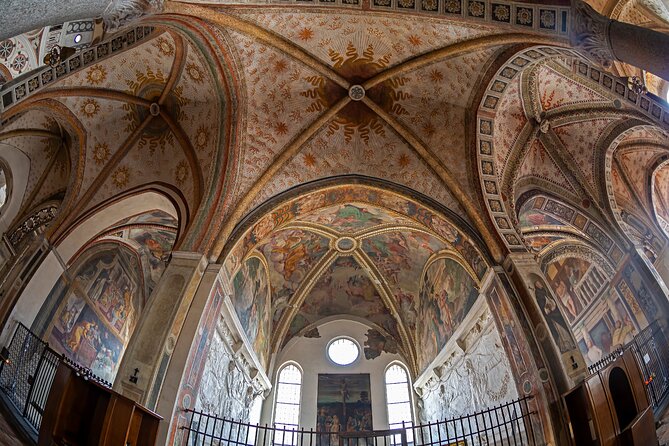
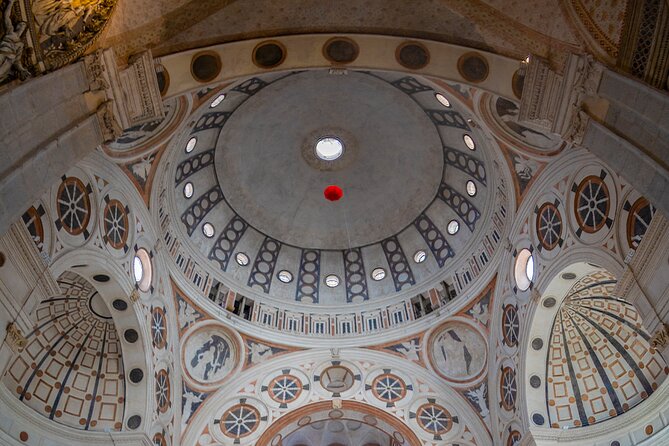
After Il Cenacolo, the tour shifts to Santa Maria delle Grazie, often where the real understanding builds. Yes, you’re here for the Last Supper—but the church area helps you connect the artwork to its surroundings.
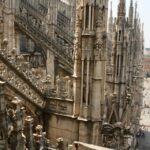
This stop is designed around both place and story. You’ll learn about the Grazie district and the wider background, including the role of the Dominicans and the influence of Milan’s Renaissance culture. The visit includes explanations of what you’ll see around the basilica area and what to notice inside.
Practically, this part is longer than the refectory window—about 45 minutes—so you get time to slow down. It’s also where a guide’s storytelling really earns its keep. A good guide helps you look at architecture and space in a way that makes the whole complex feel purposeful, not random.
One more important note: you may not be able to access the church during religious services or when it’s closed. If the basilica isn’t available at that time, the guide will still handle what they can within the tour structure, but you should understand the access rules are real.
Guide quality: why hearing the story matters in such a strict space
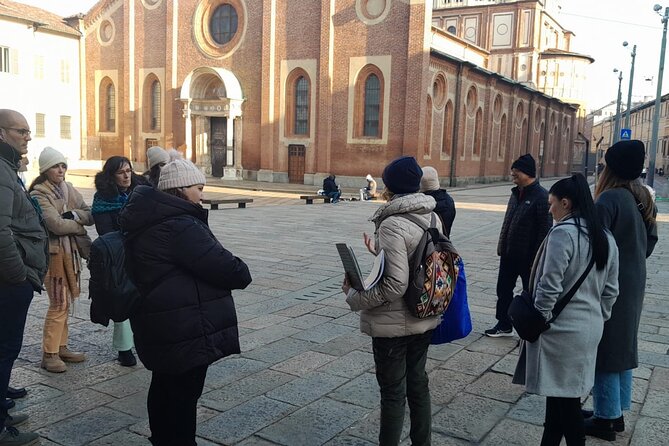
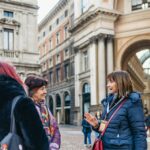
This is one of those sites where the art is the star—but the guide is the difference between seeing it and understanding it. The tour includes an authorized English guide with a microphone and earphones, which keeps the group together and makes the explanations easier to follow.
You’ll hear names like Linda, Gian Luca, and Sylva associated with guiding on this experience. While guides can vary by day, what stays consistent is the format: they explain context, highlight what to look for, and help you time your viewing so you don’t lose your chance during the short 15-minute refectory window.
A couple review-driven patterns are worth your attention:
- Guides tend to be story-forward, with clear, well-paced explanations. That’s important when you can’t linger.
- Some days include schedule disruption from official activity. One example described dignitary visits affecting timing by about an hour. It’s not common enough to predict, but it’s a reminder to keep a little flexibility in your Milan day plan.
If you’re the type who loves art history, you’ll likely be satisfied even with the compressed format. If you’re less into history, you’ll still get enough structure to leave with a clearer mental picture of what you saw.
Price and value: what you’re paying for (and what you aren’t)
The price is $83.44 per person, for around 1 hour 30 minutes (approx.). That includes:
- Entrance fee for the Upper Room area (tickets handled by the guide the day of)
- An authorized English guide with microphone system and earphones
Not included:
- Private transportation
So is it worth it? I think the value is strongest if you care about two things: (1) getting in smoothly, and (2) understanding what you’re seeing. The skip-the-line piece matters because tickets are hard to secure on your own, and the Last Supper is scheduled tightly. Add a guide who can put the painting in context within a limited visit time, and you’re buying time plus interpretation.
Could it be cheaper if you buy tickets yourself? Possibly. There’s at least one perspective that says self-booking may cost less. But when you lose the guided explanation, you may miss what turns the visit from a photo moment into an experience with meaning.
In other words: if you want pure logistics, you might try to DIY. If you want a memorable visit without stress, this tour is built for you.

Day-of logistics that can trip you up
This is a high-control site, so a few rules are worth taking seriously before you arrive.
ID/name match is not optional
You must bring a passport or identity card to show at the ticket office. Tickets are nominal, meaning the names on your reservation must match what’s on your ID. Once the name is entered, changes can’t be made. That’s the kind of detail that can wreck a day if you’re careless—so double-check before you book.
Dress code: basic respect
You’ll need appropriate clothing for a place of worship. Avoid short skirts and shirts that are too low-cut. It’s simple, but it matters here.
Bags and lockers
It’s forbidden to bring bags of all sizes, plus food and drink. The guide will accompany you to lockers for your personal belongings. If you’re traveling with a suitcase, you may not have a suitable place to store it, since the experience is organized around locker storage.
Arrive with a realistic schedule
The meeting point is Via Fratelli Ruffini, 1, 20123 Milano MI, Italy. It’s near public transportation. One useful tip from people who’ve done this: you likely don’t need to arrive more than about 20 minutes early, especially if rain is in the forecast. Also, don’t count on finding restrooms close by once you’re in the area—plan ahead.
How to schedule this in your Milan day
Because the total time is around 90 minutes, this tour fits well into a tight itinerary. Morning and afternoon departures give you flexibility, which helps if you’re also doing other Milan highlights.
One scheduling smart move: don’t stack your next activity too tightly right after the tour time. While most days run as planned, official interruptions can affect timing. If you have a reservation later that depends on exact arrival, give yourself a buffer.
Also, remember the church access note: the basilica can be unavailable during religious services or when closed. If the church isn’t accessible at your time slot, the guide may adjust the experience within what’s allowed. The tour is still designed to cover what it can.
Who this tour suits best
This is a good fit if:
- You’re visiting Milan for a short time and want a compact, well-structured visit
- You want a guided explanation delivered in a place with strict viewing limits
- You prefer small-group pacing rather than a long, wandering day
It may feel less ideal if:
- You need lots of free time for independent wandering inside the complex
- You dislike rules (ID matching, no photos/video, bag restrictions)
- You’re hoping for a long, slow look at the painting (the 15 minutes are firm)
Should you book this Last Supper skip-the-line tour?
I’d book it if you want to see the Last Supper without spending your Milan day in line—and you care about learning why the painting looks the way it does. The combination of skip-the-line entry, a guide with clear audio support, and context from Santa Maria delle Grazie gives you a strong return for the time you spend there.
If you’re very budget-focused and you already know you can secure timed entry on your own, you might consider DIY tickets. But if you want a calmer plan, fewer hassles, and a guided explanation that helps the short viewing window feel complete, this tour is built for you.
FAQ
How long is the Milan Last Supper and Santa Maria delle Grazie tour?
The tour lasts about 1 hour 30 minutes (approx.). Your time is split between Il Cenacolo and Santa Maria delle Grazie.
Is the ticket to see the Last Supper included?
Yes. Entrance to the Upper Room (where the painting is located) is included, and tickets are collected on the same day with the guide.
How long do I get inside the refectory to see the painting?
For safeguarding the painting, visitors have 15 minutes inside the refectory to see the Last Supper.
Do I need to bring ID?
Yes. You must bring a passport or identity card to show at the ticket office, and the names on your ticket must match your ID.
Can I take photos or record video inside the Upper Room?
No flash photos, and no video inside the Upper Room.
Are bags allowed?
No. It is forbidden to bring bags of all sizes, food, and drink. The guide will take you to lockers to store personal belongings, and suitcases may not have a suitable place to store them.
What clothing rules should I follow?
You should wear appropriate clothing for a place of worship. Avoid short skirts and shirts too low-cut.
What happens if the tour is canceled due to poor weather?
If canceled due to poor weather, you’ll be offered a different date or a full refund.