REVIEW · MILAN
Milan: La Scala Theater & Museum Guided Experience
Book on GetYourGuide →Operated by Z V SRL · Bookable on GetYourGuide
La Scala hits you hard—in the best way. This guided stop puts you inside one of the world’s top opera houses and pairs it with the La Scala Museum for costumes, instruments, and standout stories. Two moments I really love: the 3rd level box views of the auditorium and the sight of the crystal chandelier up close.
This tour also shines because the guide threads the theater, the museum, and the big names together—often with guides like Renata, Claudia, and Beatrice. One thing to plan around: if you’re even a bit late, entry can’t be guaranteed and you may lose your spot, with no refund.
In This Review
- Key highlights you’ll feel right away
- Why La Scala feels different once you’re inside
- Meeting La Scala: the exact spot and the timing pressure
- Museum time: costumes, instruments, and the names you’ll recognize
- Theatre viewing from the boxes: your best angle on the room
- When rehearsals help (and when they don’t)
- How the guide changes the experience fast
- Group flow: small-group pacing inside a tight building
- La Scala price and value: what you’re really paying for
- Who should book this La Scala guided visit?
- FAQ
- How long is the La Scala guided experience?
- Where is the meeting point?
- Is this experience wheelchair accessible?
- What languages are offered?
- What happens if I’m late to the meeting point?
- What’s included in the $34 price?
- Should you book this La Scala tour?
Key highlights you’ll feel right away
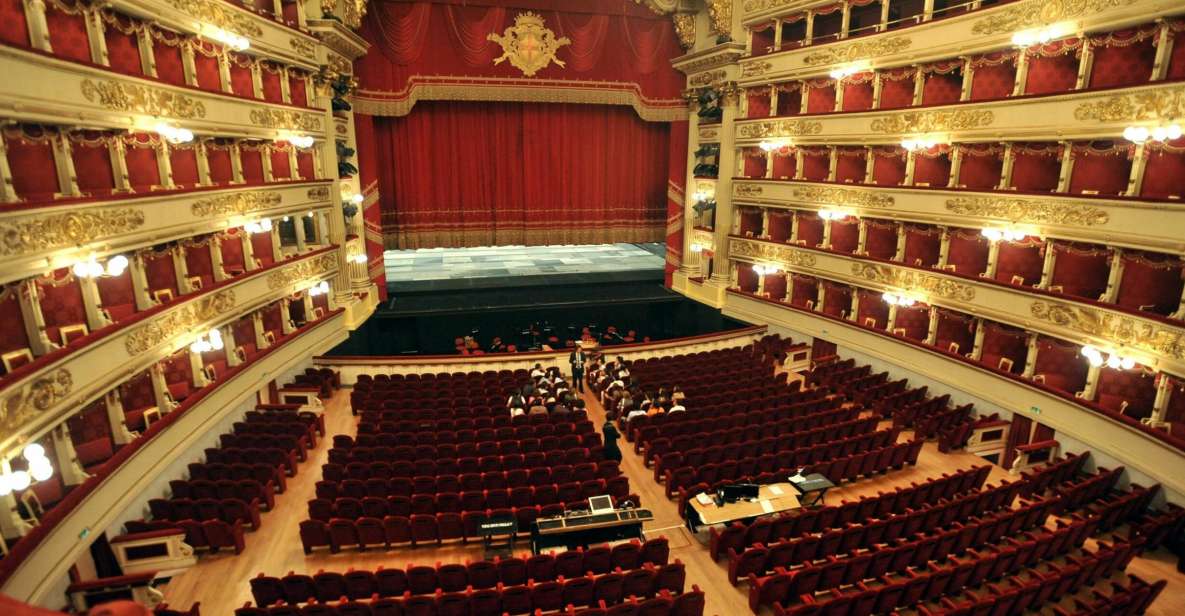
- Box views of the auditorium from the 3rd level give you a clear, impressive perspective.
- Crystal chandelier moment: you see it as a real, physical centerpiece, not a photo.
- Museum focus on music objects like costumes and instruments, plus artwork and busts.
- Chance of rehearsal access depending on what’s happening that day in the theater.
- Small-group pacing that works well in a building with tight indoor spaces.
Why La Scala feels different once you’re inside
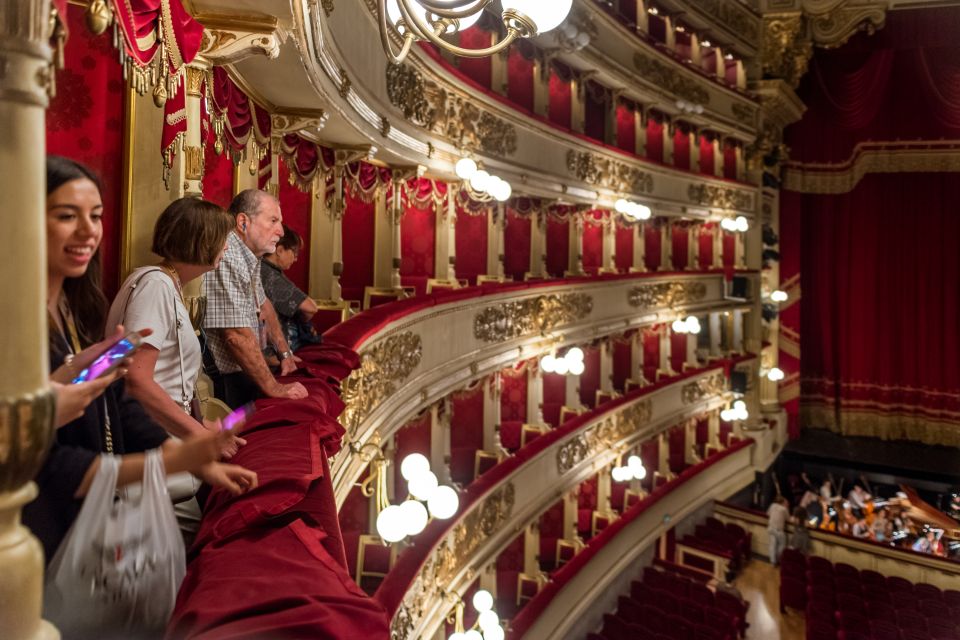
From the outside, La Scala is already legendary. Inside, it turns into something else—architecture, light, and stage engineering all at once. The guided format matters because you’re not just looking around; you’re learning what you’re actually seeing as you stand in the space.
You’ll start with the theater experience (via viewing from the boxes) and then move into the museum. That order works well because the museum items land better after you’ve framed the theater in your mind.
You can also read our reviews of more guided tours in Milan



Meeting La Scala: the exact spot and the timing pressure
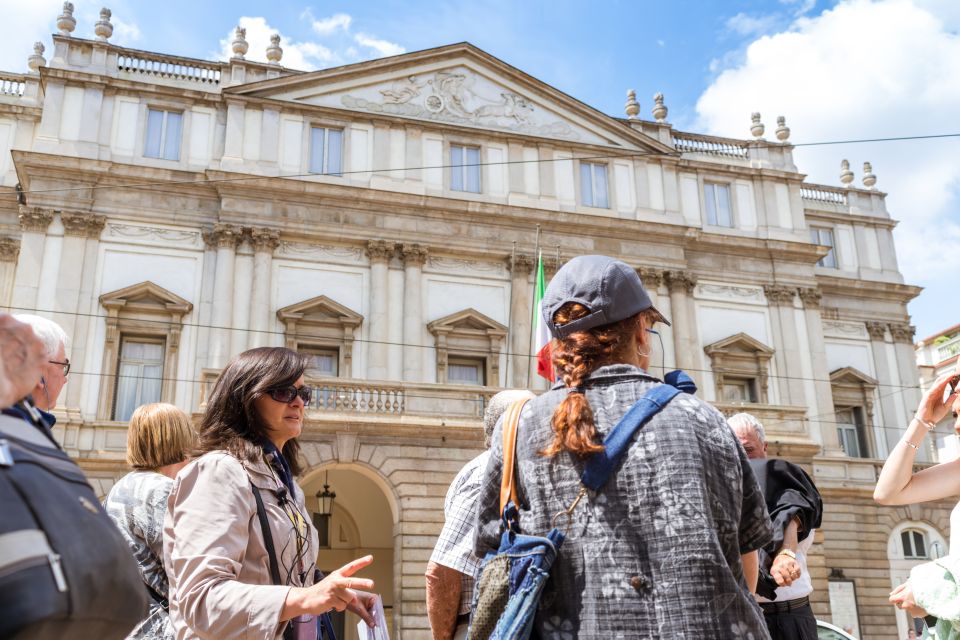
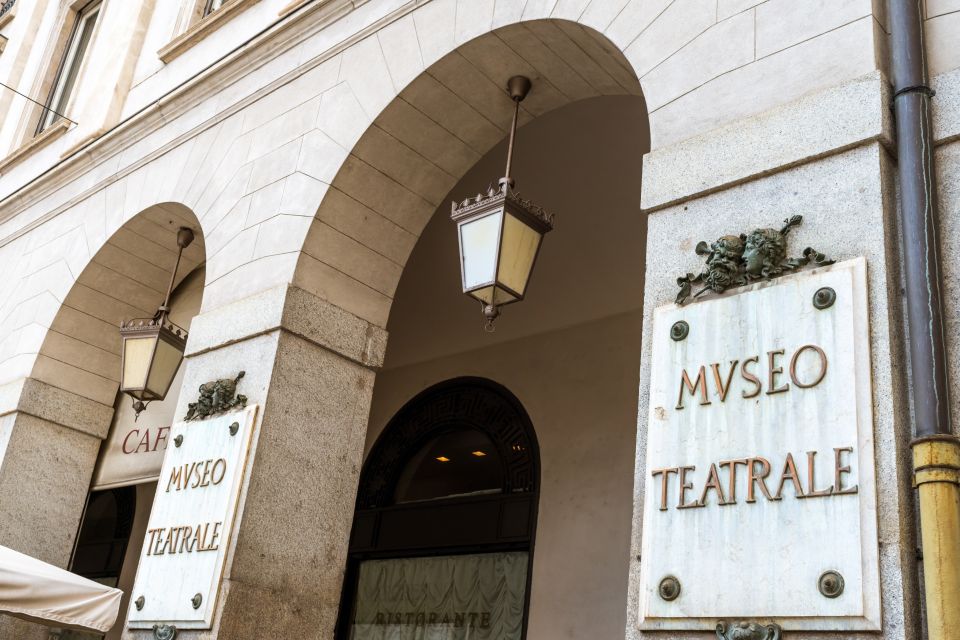
You meet at the entrance of the La Scala Museum, to the right of the restaurant Il Foyer. The address is LARGO ANTONIO GHIRINGHELLI 1 – MILAN.
Now the practical part: the instructions are strict that if there’s a delay, entry will no longer be allowed and no refund will be possible. Milan traffic, tram delays, and wrong turns happen. I’d rather you arrive early, take a breath, and wait than roll the dice.
Also note the practical “no” list. No pets, no food or drinks, and no luggage or large bags. If you’re carrying a backpack, keep it compact and easy to manage.
Museum time: costumes, instruments, and the names you’ll recognize
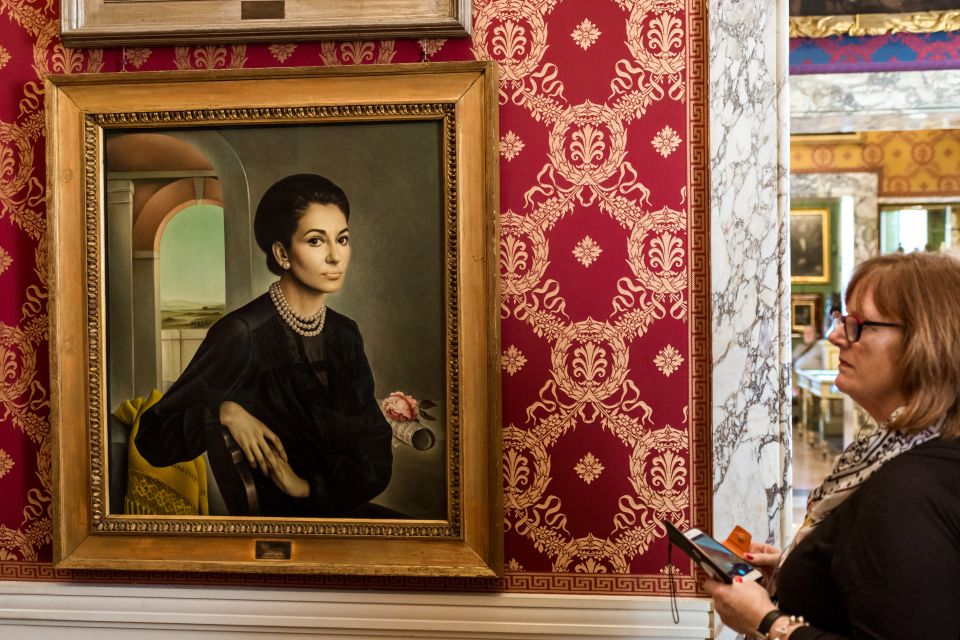
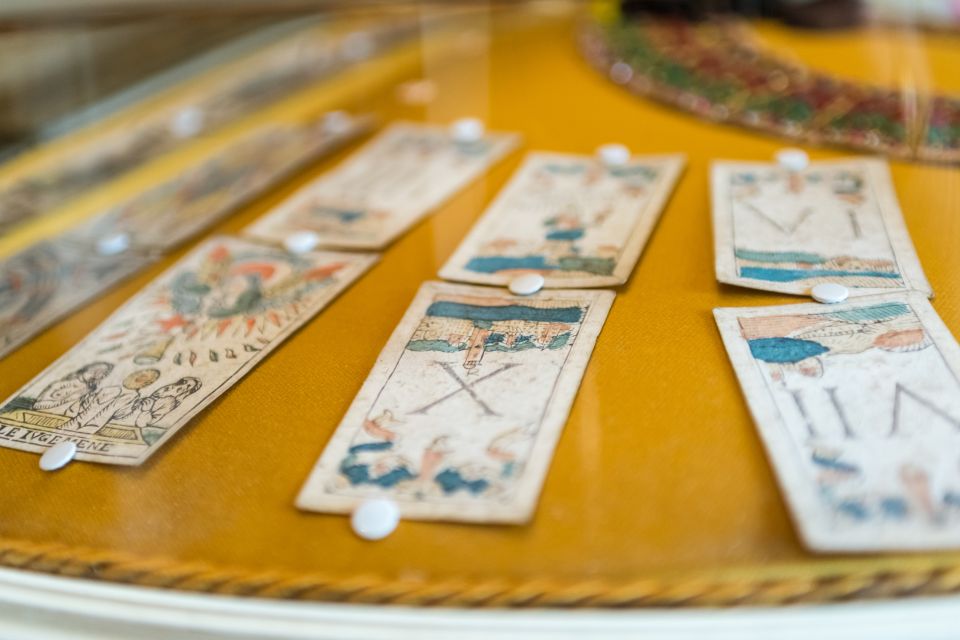
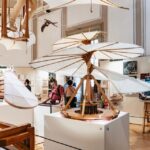
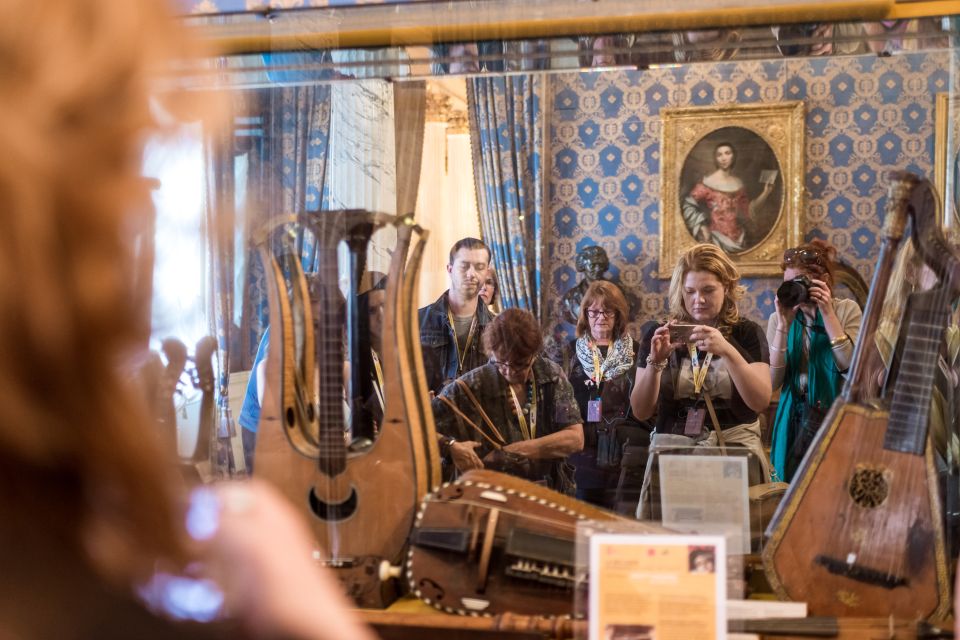
The museum portion is where the tour earns its keep. You’ll see a collection built around La Scala’s identity—musical artifacts, display objects, and art tied to composers and performers.
Expect to spend real time on things like:
- Costumes and other stage-related pieces
- Instruments and music curiosities
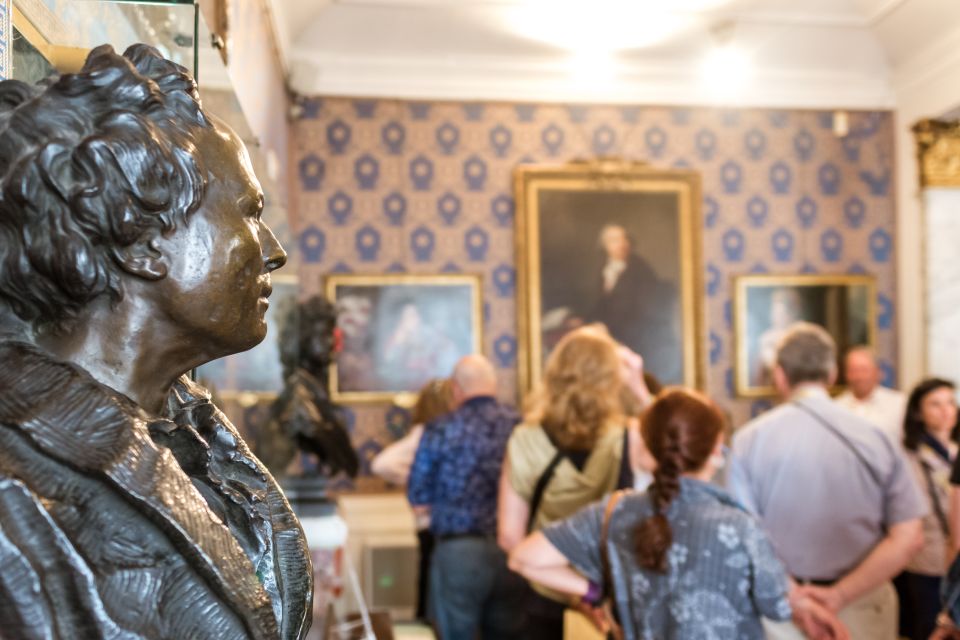
- A gallery-style look at portraits and busts of key figures, including Giuseppe Verdi and Arturo Toscanini
This isn’t only “look at objects.” With a guide, you get the story behind why those pieces matter to La Scala’s reputation and the way opera evolved in Italy.
On some visits, there may also be special displays (for example, one tour session noted a Maria Callas exhibition). Since these can vary, don’t count on one specific exhibit—but do count on the museum to give you a solid anchor in classical music history.
Theatre viewing from the boxes: your best angle on the room
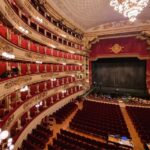
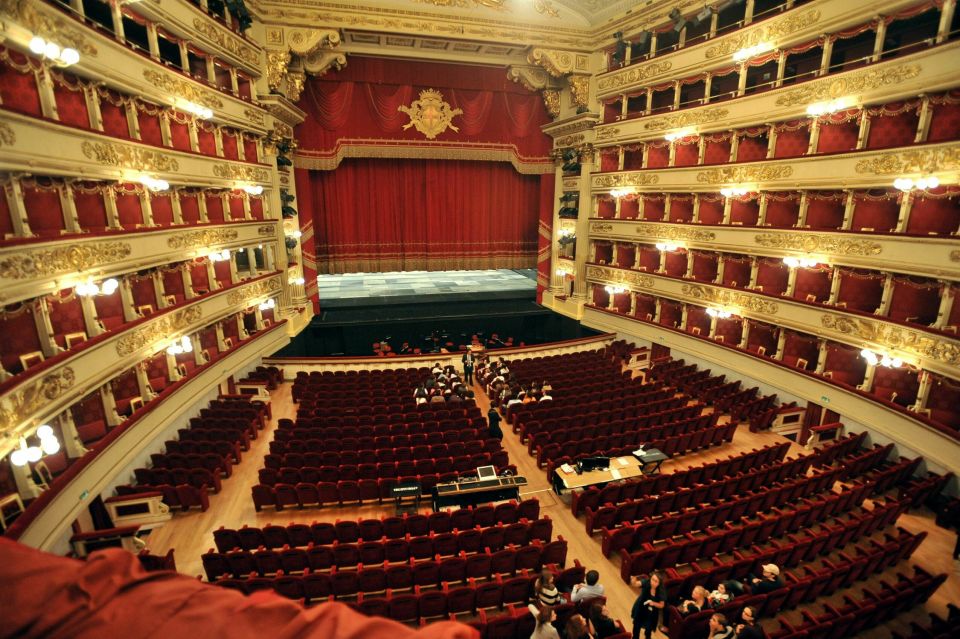
Your theater experience is built around viewing from the boxes, especially the 3rd level boxes. That’s a smart choice. You get an overview of the auditorium without needing to be on stage, and you still feel the scale of the room.
From this angle, you can take in the neoclassical interior and the overall layout. It’s also where you notice details most people miss on a casual exterior pass—how the space is shaped for sightlines, how the stage relationship feels, and how light plays across the theater.
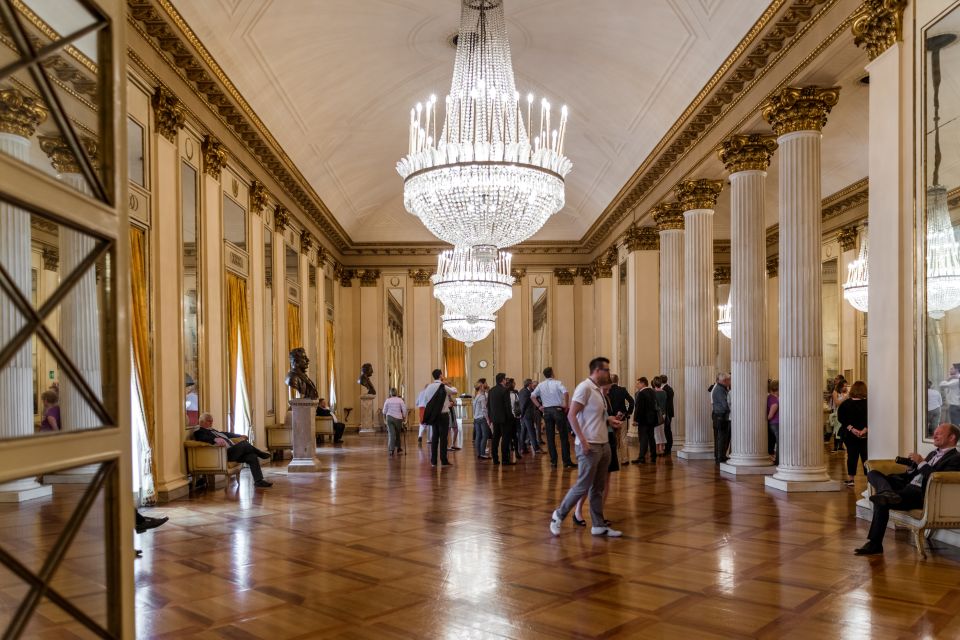
And yes, the crystal chandelier is a highlight. It reads as “enchanting” because it isn’t just decoration. It’s part of the theater’s visual drama, and seeing it in person gives you a better sense of why performers and audiences treat the space like more than a venue.
When rehearsals help (and when they don’t)
One of the most exciting possibilities is rehearsal access. The tour’s timing sometimes lines up with artists rehearsing, and that can change the whole feel of the visit.
But it’s also a reality check: the theater visit may not be permitted during rehearsals or special events, and access rules can shift day to day. That’s why you shouldn’t build your entire plan around one “perfect” outcome.
What I like about how this tour handles that uncertainty is that even without rehearsal moments, the theater-and-museum pairing still works. Reviews also point to occasional staff requests around photos during rehearsals, so if you see rehearsing happening, follow instructions quickly and don’t argue with the moment.
You can also read our reviews of more museum experiences in Milan




How the guide changes the experience fast
You can buy your way into iconic buildings. But La Scala is the kind of place where context makes you care. The guides here are often praised for storytelling style and for helping people connect the museum objects to the stage.
Guides you may encounter include Renata, Claudia, Valentina, and Beatrice—each bringing a slightly different tone. The common thread is that the guide points out what to look for and explains it in plain terms, like what a certain room is for or why a specific artist connects to La Scala’s legacy.
Also, sound support seems to be handled well. Some visitors noted headsets/audioguides working and keeping the narration easy to follow, which is helpful in a theater where you’d rather not strain your ears.
Group flow: small-group pacing inside a tight building
“Small group” is more than marketing here. La Scala’s interior spaces can feel compact, and you’ll move through rooms and sight points that don’t allow long, meandering pauses.
In practice, this tour tends to keep you moving without feeling rushed. You’ll also get time in the theater space to take in the view from your boxes, and many tours include the option to continue exploring after the guided portion, so you can slow down when you’re done absorbing the stories.
One more practical note: the guide manages the constraints of the space, including the fact that you’ll be looking around while other people are also trying to see. If you like structured visits, this format is a good fit.
La Scala price and value: what you’re really paying for
At $34 per person for about 1 hour, you’re not just buying entry. You’re getting a guided tour plus admission to both the theater and museum, with a setup meant to skip the ticket line.
So where’s the value?
- You avoid wasting time figuring out what to prioritize.
- You get explanations that make the museum objects feel connected.
- You get the best practical viewing angle in the theater via the boxes.
If you like “DIY wandering” and you already know opera history, you might feel this is pricey. But if you want your time in La Scala to be efficient and meaningful, this is one of the clearer ways to spend that hour in Milan.
Who should book this La Scala guided visit?
This is a strong choice if you:
- Love opera or want to start with a high-impact intro
- Want to see the auditorium from the boxes and understand what you’re looking at
- Like museums when the guide ties objects to stories and names
It may not be ideal if you:
- Want long free time in the theater (this is a 1-hour guided experience)
- Need guaranteed backstage access (that’s not something you can count on)
- Are traveling with bulky luggage or food constraints (those are explicitly not allowed)
FAQ
How long is the La Scala guided experience?
The tour runs for 1 hour.
Where is the meeting point?
Meet at the entrance of the La Scala Museum, to the right of the restaurant Il Foyer, at LARGO ANTONIO GHIRINGHELLI 1 – MILAN.
Is this experience wheelchair accessible?
Yes, the tour is listed as wheelchair accessible.
What languages are offered?
Tours are available in Italian, German, Spanish, English, and French.
What happens if I’m late to the meeting point?
If there is a delay, entry will no longer be allowed and no refund will be possible.
What’s included in the $34 price?
The price includes entrance tickets to La Scala Theatre and La Scala Museum, plus a guided tour with a private guide. Food and drink are not included.
Should you book this La Scala tour?
If your goal is to get inside La Scala and leave with a clearer sense of what makes the building special, I’d book it. The mix of museum artifacts, major composer connections, and theater viewing from the boxes makes this a high-return use of one hour in Milan.
Just be strict about timing. Show up early, travel light, and be ready for day-to-day rehearsal rules. If you do that, you’ll get a visit that feels more like understanding opera history than simply checking off a famous name.