Three hours to read Milan’s streets. This private walking tour strings together big-ticket sights and quieter neighborhoods, with guides like Lisa and Alessandro who explain what you’re looking at. You get a street-level view of Milan’s culture, not a frantic checklist.
I really like two things about this experience. First, it’s private and exclusive—it’s just your group, so the guide can answer your questions and adjust the tempo. Second, it stays outside-focused at the main stops, which keeps the day smooth and avoids the chaos of monument lines.
One drawback to consider: if you’re expecting only truly obscure corners, the route still includes major landmarks (Duomo, Galleria, Castello). Also, a few details like finding the meeting point can be confusing if your directions aren’t clear at a glance.
Key points worth knowing before you go
- Private, just your group: no mixed crowd energy or shared hearing.
- 5 classic stop moments: Duomo (outside), Galleria (inside arcade), Brera, San Simpliciano, Castello Sforzesco courtyards.
- About 3 hours of walking: steady pace, mostly flat for a city tour style.
- Multiple languages available: English plus Spanish, French, and Italian speaking guides.
- No attraction tickets needed: the stops are set up as a city walk, not a monument-ticket day.
- Guide quality varies with language fit: most guides are praised for communication and tailoring.
In This Review
- Start at Piazza dei Mercanti: A smart base for your Milan walk
- Duomo Plaza Views: You’ll get the why, not just the photo
- Galleria Vittorio Emanuele II: A historic arcade walk with real story context
- Brera District stroll: Less crowd feel, more local street texture
- Basilica di San Simpliciano: A quieter history stop with architecture focus
- Castello Sforzesco courtyards: End with a big landmark, still walkable
- Private guide quality: why communication can make or break the value
- Price and value: what $78.10 buys you in real terms
- What’s included vs what’s not: keep the plan realistic
- Walking pace and practical comfort for a 3-hour day
- When the experience matches your taste (and when it might not)
- Should you book this Milan Highlights and Hidden Gems Private Walking Tour?
- FAQ
- What is the duration of the Milan walking tour?
- Where does the tour start and where does it end?
- Is this tour private?
- What languages are available for the guide?
- Are attraction tickets included?
- Can I cancel for a full refund?
Start at Piazza dei Mercanti: A smart base for your Milan walk
The tour begins at Piazza dei Mercanti 1, and it ends back there. That matters more than it sounds. Milan is easy to get around by foot and tram, but it’s also easy to lose time. Starting and finishing at the same spot helps you plug this into the rest of your day—lunch, a museum later, or just wandering without stress.
It also helps that the meeting point is near public transportation. So if you’re staying near the center, you’re not locked into one single route to get there. I’d still plan to arrive a few minutes early, because finding your guide is half the battle in any big city.
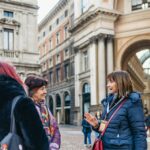
For a private walk, you should expect a conversational setup. A good guide will check what you care about—architecture, art stories, fashion and design, or “help us understand the layout fast.” The best part of a private format is you can steer the day.
Duomo Plaza Views: You’ll get the why, not just the photo
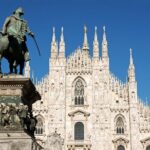
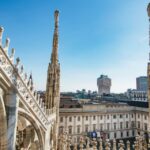
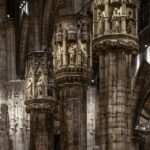
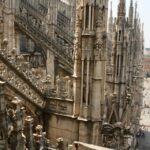
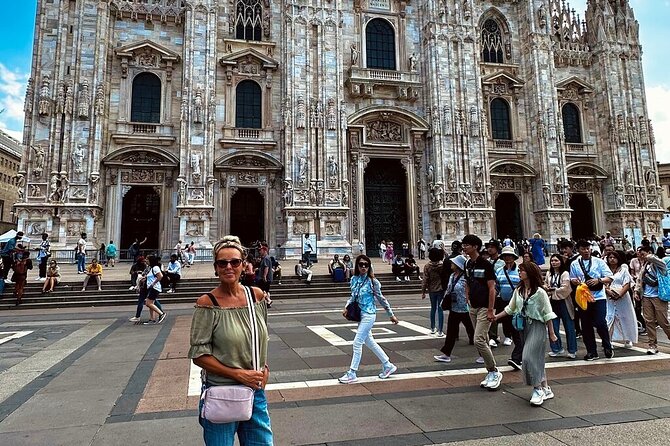
The first stop is Piazza del Duomo, where you’ll admire the Duomo cathedral from the outside. You’re not paying for entry here, and that’s the point. In about 35 minutes, you get the big picture: why this place matters, how it fits into Milan’s identity, and what to notice when you’re standing in the square.
Outside visits can be underrated. Yes, you miss the interior wow factor, but you gain something else: context. A guide can connect the cathedral to the city’s power, taste, and history—without spending time on queues. That’s a win if you have limited time in Milan and you still want to see several areas.
What to do during this stop: look at the scale and spacing, and don’t rush your photos. If you’re the type who likes details, ask where people usually stand for the best perspective and what features are most symbolic. The tour format is designed so your questions fit naturally.
Possible drawback: if you came to Milan mainly for cathedral interiors, this won’t satisfy that craving. It’s a city walk, so keep your expectations aligned: you’ll get the Duomo’s “face,” not the inside.
You can also read our reviews of more walking tours in Milan
Galleria Vittorio Emanuele II: A historic arcade walk with real story context
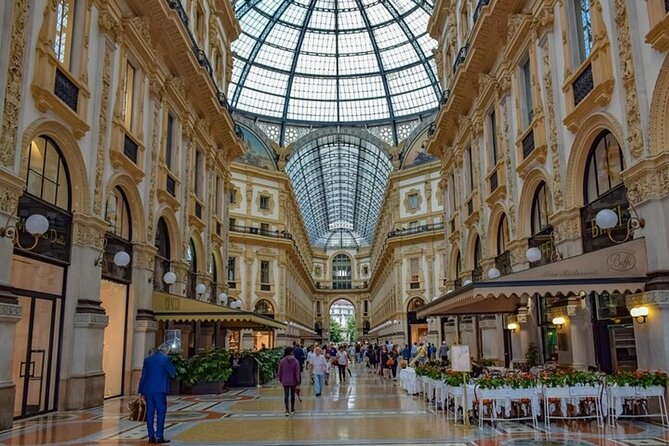
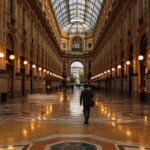
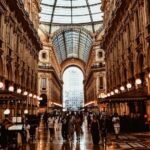
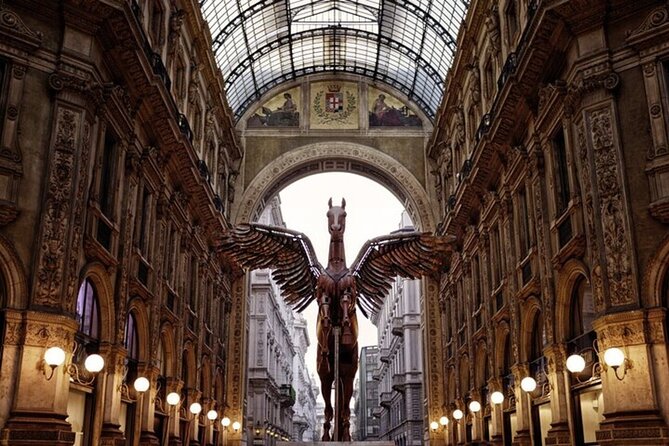
Next up is the Galleria Vittorio Emanuele II, one of Milan’s signature indoor arcades. You’ll step inside and walk through it while your guide shares the building’s history and architectural appeal. The stop is timed at about 35 minutes, which is long enough to slow down without turning into a wandering slog.
Arcades sound like “shopping stuff,” but in Milan they’re also about engineering and city life. This stop is valuable because it bridges the past and present. You’ll see how Milan’s elegant public spaces create an atmosphere—like a corridor between street and society. And because you’re walking with a guide, the place becomes more than scenery.
What makes this part work for most people is variety. You go from the open-air intensity of Duomo plaza into a covered, light-filled structure. It’s a change of pace you’ll feel in your legs and your attention span.
Practical note: since you’re moving indoors and out, wear shoes you can handle. Milan streets can be smooth, but they’re also uneven in patches, especially near older areas.
Brera District stroll: Less crowd feel, more local street texture
After the big sights, the tour moves into the Brera District for a local-feeling exploration. This stop is about 35 minutes, and it’s designed to get you away from the heaviest tourist pressure. Brera is known for its artistic heritage and its lively, lived-in energy, and the guide’s job is to help you notice what makes the neighborhood tick.
This is where the tour’s “private” advantage shows up. A mixed group stroll often turns into single-file walking and quick stops. In a private tour, you can ask for practical guidance too: where to sit for a coffee later, which streets are best to browse slowly, or how Brera’s layout affects your navigation.
If your guide is doing a great job, this stop won’t just feel like “we walked around.” It becomes a mini lesson in how Milan organizes art districts, street rhythms, and everyday hangouts.
Consideration: Brera can feel like two different Breras depending on time of day. The tour gives you one snapshot. If you want to compare it to “night Brera” or “early morning Brera,” plan a bit of extra wandering on your own after the tour ends.
Basilica di San Simpliciano: A quieter history stop with architecture focus
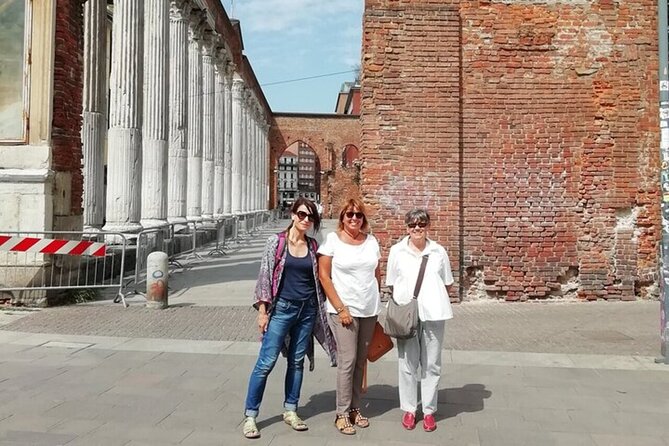
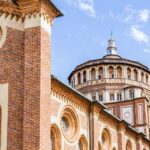
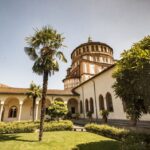
The tour then heads to Basilica di San Simpliciano, described as one of Milan’s most important churches, with a visit around 40 minutes. This is your longest stop, and it’s the one that leans hardest into cultural and architectural significance.
A centenary church stop is a smart balance between the heavy-hitters and the neighborhood strolls. You’ve already seen Milan’s major symbols. Now you get something more grounded: the texture of centuries-old architecture and what it means in the city’s religious and cultural story.
For many travelers, this is the moment the tour feels “real.” It’s less about the postcard and more about understanding how the city grew, what it valued, and how different eras left marks.
What you’ll want to do here: slow your walking. Don’t just rush from one point to another. If your guide is good at answering questions, this is the best place to ask about how the church fits into Milan beyond being a pretty facade.
Castello Sforzesco courtyards: End with a big landmark, still walkable
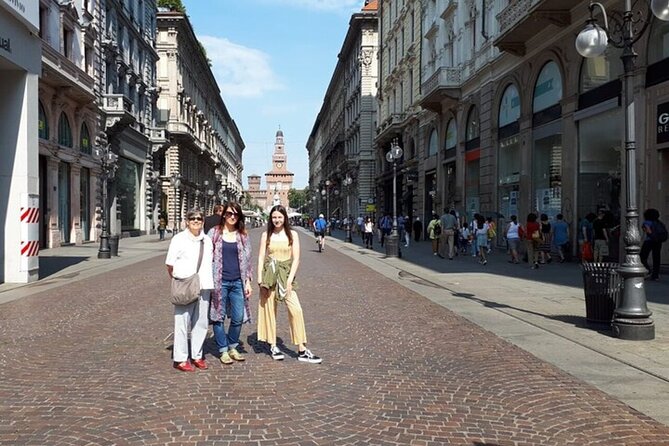
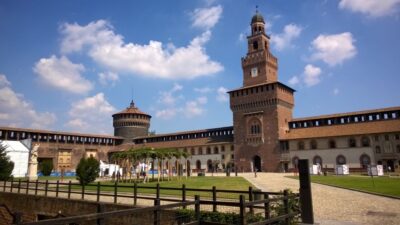
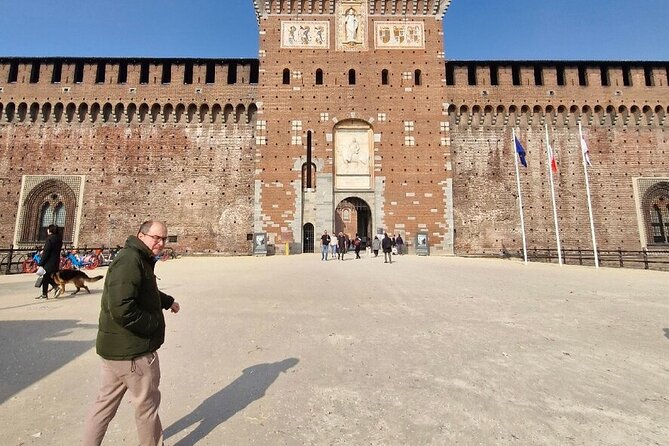
The final major stop is Castello Sforzesco, with a focus on the main courtyards. You’ll wrap up in about 35 minutes, wandering the castle grounds with guidance on its historical legacy.
This ending is practical. Castles can swallow your day if you’re unstructured. Here, you’re guided through the parts that give you a clear sense of the complex, without turning the tour into a full museum plan. Courtyards also work well for photos and perspective because you can see space and structure, not just details up close.
I like ending with Castello for another reason: it helps you mentally “file” Milan. After Duomo and Galleria, the city can feel like one continuous center. After Sforzesco, Milan feels organized in your mind—more like neighborhoods and eras layered together.
Tip: if you want to continue exploring after the tour, ask your guide what direction feels best from the meeting point. The best guides will also help you pick what to skip next.
You can also read our reviews of more private tours in Milan


Private guide quality: why communication can make or break the value
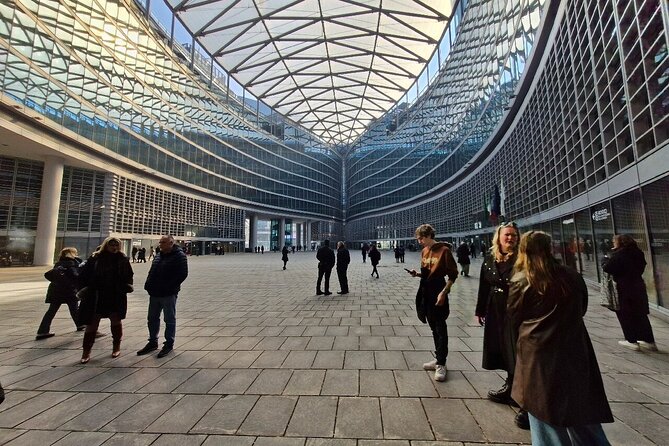
This tour is built around one key resource: the guide. And the reviews show you’ll mostly get a strong experience when your guide can clearly explain Milan and respond to questions.
I’d pay attention to patterns in how guides are praised:
- People describe guides like Daniela, Andrea, Raffaele, Youssef, and Paola as friendly and able to explain history and architecture in a way that fits a walking pace.
- Several guides are noted for answering questions well and tailoring the route toward what the group wants.
- One guide-related issue shows up too: in a few cases, language comfort wasn’t ideal, or the tour felt rushed.
So here’s my practical advice: before the tour starts, tell your guide what you want most. If you’re most excited by architecture, say so. If you care about art districts and street texture, say that. If you want a better feel for where to go next in the city, ask for navigation help.
Because it’s private, your request actually lands. A guide can’t tailor a mixed-group tour as easily, but they can tailor yours.
Price and value: what $78.10 buys you in real terms
At $78.10 per person for roughly 3 hours, this tour can be excellent value if you fit the right traveler profile.
Here’s the value logic:
- Private format means you’re paying for attention, not just information. That matters in Milan, where street-level navigation is half the fun.
- You cover multiple zones in a short day: Duomo plaza, Galleria, Brera, a church visit, and Castello courtyards.
- You don’t need separate attraction tickets for the stops as presented, which lowers the “hidden costs” feeling.
This is also the kind of tour that can save you money the following day. When you understand where neighborhoods sit and how the city flows, you plan better. You’re less likely to waste time hopping around blindly.
Who may feel it’s pricey: if you only want museum interiors, or if you prefer to skip guided context entirely, then a self-guided day might be cheaper. But if you want a guided route that gives you orientation fast, private walking tours often beat DIY after you factor in time.
What’s included vs what’s not: keep the plan realistic
The included items are straightforward: the tour is private and exclusive, it’s a walking tour, and you get an in-person guide in English (with options in Spanish, French, and Italian). You also get a mobile ticket.
What’s not included: tips, drinks and food, transport, and tickets to attractions.
The good news is the stops are planned as outside/area visits plus a couple indoor elements that don’t require extra paid admissions based on how the tour is described. That keeps the experience focused and prevents the day from ballooning.
If you want to go inside major landmarks on top of this (instead of just seeing them from the outside or via courtyards), you’ll need to plan that separately.
Walking pace and practical comfort for a 3-hour day
This is a walking city tour, about 3 hours, so comfort matters. You’ll be moving between stops with brief pauses for viewing and explanation.
One review noted the walking felt mostly flat, but I’d still assume you’ll do plenty of steady steps. Bring comfortable shoes and water if you tend to get thirsty. You’re not carrying a bag of museum items, but you are covering distance.
Since it’s private, you can usually adjust the tempo a bit. If you need a slower pace, ask early. A good guide will keep you from falling behind while still delivering the stories.
When the experience matches your taste (and when it might not)
This tour name signals a mix of highlights and lesser-known angles. In practice, that can mean different things depending on the guide and what you ask for.
If you want:
- a clean orientation to central Milan,
- quick cultural context at major landmarks,
- and direction for where to spend your remaining hours,
…this fits nicely.
If you want:
- only remote off-the-radar streets,
- or lots of time inside major monuments,
…then you might feel shorted. The route is designed as a city walkthrough, not an interior museum marathon.
Also, meeting-point clarity matters. One comment mentioned the meeting point directions could be hard to spot on the ticket page. So don’t rely on memory—save the address and confirm what you’re looking for when you arrive.
Finally, keep one scheduling reality in mind: at least one traveler reported a last-minute cancellation due to a guide emergency. That’s not something you can control, but it’s smart to keep your Milan day flexible if you’re on a tight itinerary.
Should you book this Milan Highlights and Hidden Gems Private Walking Tour?
I think you should book it if you’re a first-timer (or close to it) who wants to get oriented without spending your day fighting lines, and if you value a guide who can answer questions and steer the walk to your interests. The private format is the big win here: you get attention, pace control, and the chance to ask, not just listen.
I’d skip or rethink it if you need a lot of interior time inside monuments, or if you want a tour that’s guaranteed to feel like only ultra-obscure streets. This one mixes famous stops with quieter moments, and that’s ideal for many people—but not everyone.
If you book, do yourself a favor: show up with two or three priorities (architecture, art areas, shopping streets, or where to eat later). Then tell your guide. In a private tour, that simple step often turns a good walk into a memorable one.
FAQ
What is the duration of the Milan walking tour?
The tour lasts about 3 hours.
Where does the tour start and where does it end?
It starts at Piazza dei Mercanti, 1, 20123 Milano MI, Italy and ends back at the meeting point.
Is this tour private?
Yes. It’s described as private and exclusive, meaning only your group participates.
What languages are available for the guide?
The tour offers an in-person guide in English, and also Spanish, French, and Italian.
Are attraction tickets included?
Tickets to attractions are not included. The listed stops are presented as admission ticket free, and the tour is described as a city tour rather than a tour inside monuments.
Can I cancel for a full refund?
Yes. You can cancel up to 24 hours in advance for a full refund. Canceling less than 24 hours before the start time is not refundable.