REVIEW · MILAN
Milan: La Scala Theatre Skip-the-line Guided Tour
Book on GetYourGuide →Operated by Wander Italy · Bookable on GetYourGuide
One sentence can change your whole Milan plan. La Scala is that kind of place: history, music, and architecture packed into a short, guided visit with skip-the-line ease. I love how the tour turns a famous building into a story you can follow, from the hall’s design choices to the major names tied to it. I also like the practical setup: headsets help you catch every detail, even in a busy environment. One thing to keep in mind is that the stage may not be visible due to rehearsals, and there’s no refund if you can’t see it.
Expect an expert English-speaking guide (French and English are offered) to walk you through what makes La Scala special, including the neoclassical interior and the museum’s collection of costumes, sets, and instruments. You’ll also get moments that feel a bit like backstage life, like the chance to spot rehearsing artists when the schedule allows. The small-but-important caution? This tour isn’t suitable for people with mobility impairments, and the experience is weather-dependent in the sense that it runs rain or shine.
In This Review
- Key Highlights You’ll Appreciate
- Skip-The-Line La Scala: Where the Tour Starts
- The 1-Hour Guided Walk Through La Scala’s Core Spaces
- Before you enter the theatre: museum-to-theatre momentum
- Inside the theatre: stories tied to the artists you know
- What You’ll See in the Neoclassical Interior (and Why It Feels Different)
- Stage visibility: what you can plan for
- Museum Time at Teatro alla Scala Museum: More Than Waiting Rooms
- How the Headsets Make a Difference (Especially in a Busy Theatre)
- Guides and Style: You’re Paying for the Storyteller
- The Practical Reality: Timing, Weather, and What to Wear
- Who This Tour Is Perfect For (and Who Might Want to Choose Otherwise)
- Value for Money: Is $44 Worth It?
- Should You Book This La Scala Skip-the-Line Guided Tour?
- FAQ
- Meeting point and signage
- How long is the tour?
- Is this a skip-the-line experience?
- What languages are available?
- Will I need headsets?
- Is the stage always visible?
- What if it rains?
- What’s included in the price?
- Is it accessible for people with mobility impairments?
- Any items I can’t bring?
Key Highlights You’ll Appreciate
- Skip-the-line entry so you start seeing La Scala faster
- Expert storytelling that connects the building to opera legends like Verdi, Toscanini, and Barenboim
- Headsets (for groups larger than 5) so the guide is always easy to hear
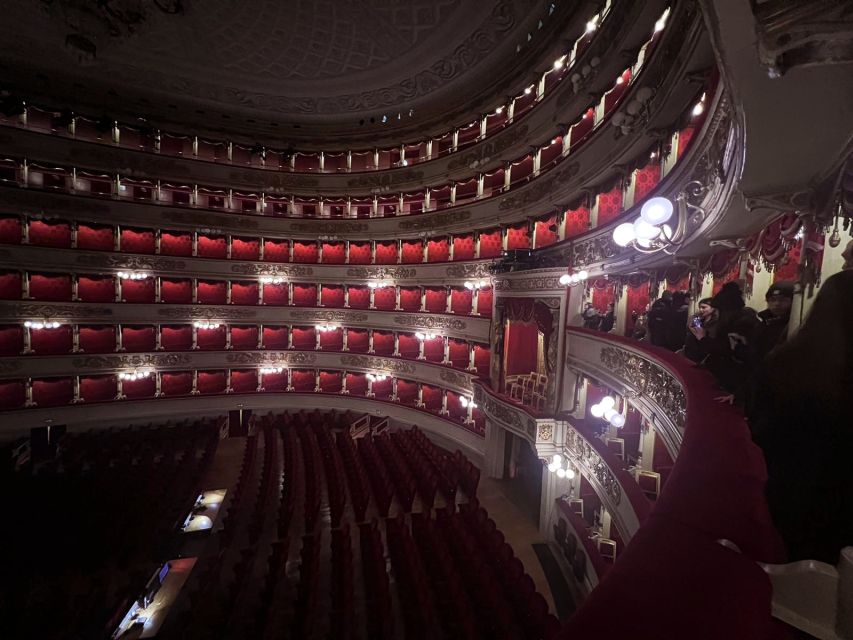
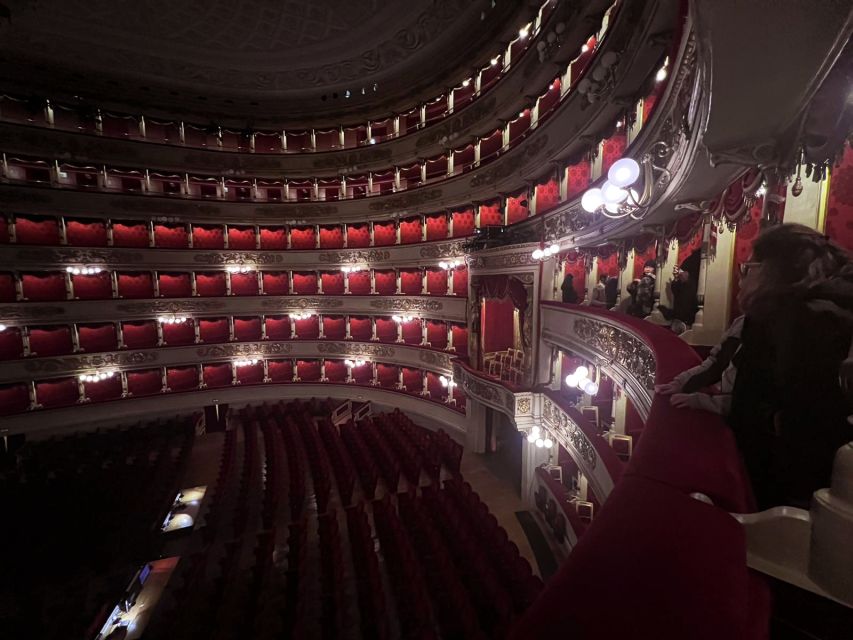
- Neoclassical auditorium details like the crystal chandelier
- Museum time with a look at set designs, costumes, and musical instruments
- Rehearsal luck: sometimes you can glimpse performers preparing
Skip-The-Line La Scala: Where the Tour Starts
Your tour begins at Teatro alla Scala Museum, meeting at Largo Antonio Ghiringhelli, 1, right in front of the ticket office. The guide holds a sign for Wander in Italy, so you’re not left wandering with everyone else.
This start matters. La Scala’s popularity means ticket lines can get slow, and a short one-hour tour doesn’t leave much cushion. The main value here is not just convenience; it’s time. You’re paying to spend your limited Milan time on viewing and listening, not queuing.
The group format is also part of the comfort. Even though it’s guided and structured, you’re not stuck with a rigid pace that ignores your questions. In past experiences, guides have been praised for staying engaging without needing you to already know opera.
You can also read our reviews of more guided tours in Milan



The 1-Hour Guided Walk Through La Scala’s Core Spaces
The schedule is simple: you start at the museum, the guide brings you through the theatre, and you end back at the museum. In practice, that means you get a tight arc: context first, then the dramatic payoff of the interior.
Before you enter the theatre: museum-to-theatre momentum
You’re not just arriving and staring at a hall. The guide’s job is to build meaning as you move. That’s especially useful at La Scala, because it’s easy to see the grandeur and miss the craft behind it.
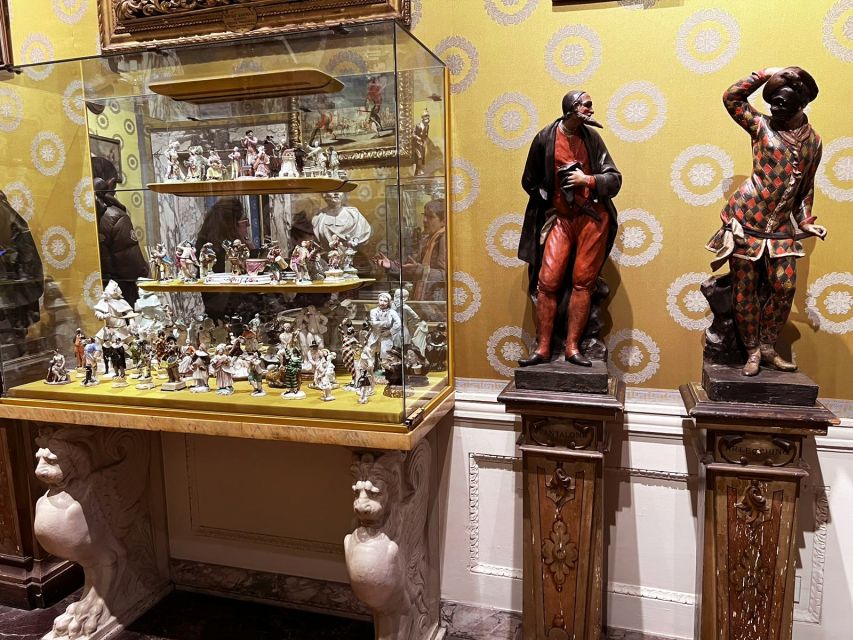
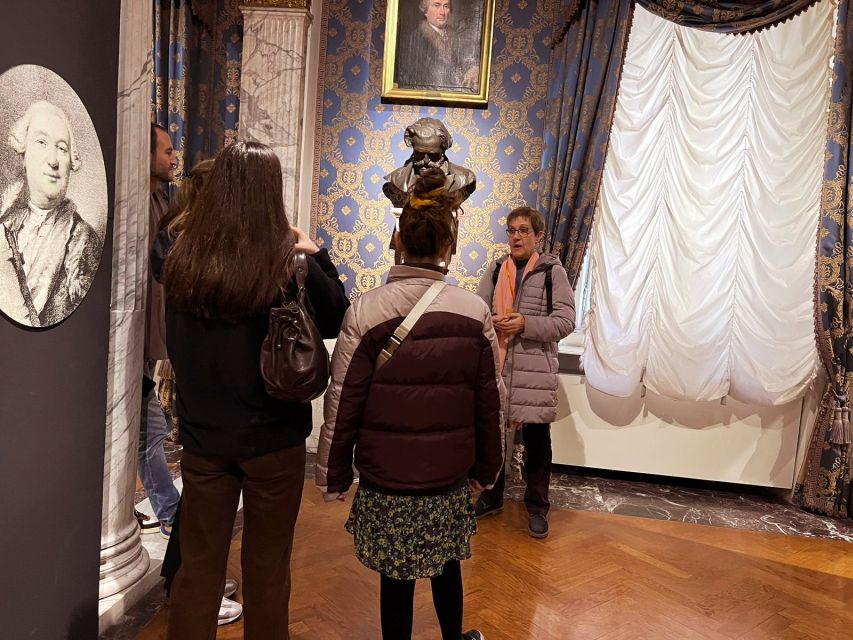
You’ll likely spend time in areas tied to the museum collection—the kind of behind-the-scenes material that explains why opera looks the way it does. The tour description points to items like set designs, costumes, and musical instruments, and this is where you’ll start connecting the visual world of opera to what happens onstage.
Inside the theatre: stories tied to the artists you know
La Scala’s big draw is that it’s not just a building. It’s a stage with a timeline. Your guide is there to keep that timeline clear and human, with anecdotes and explanations that link the hall to major figures connected with Italian opera and conducting culture, including Verdi to Toscanini to Barenboim.
If you’re coming in with famous names in your head, you’ll appreciate the guide’s way of stitching those names into what you’re seeing. If opera isn’t your thing, don’t panic. The explanations focus on the venue itself—what the space is built to do, how the design supports performance, and why the traditions matter.
What You’ll See in the Neoclassical Interior (and Why It Feels Different)
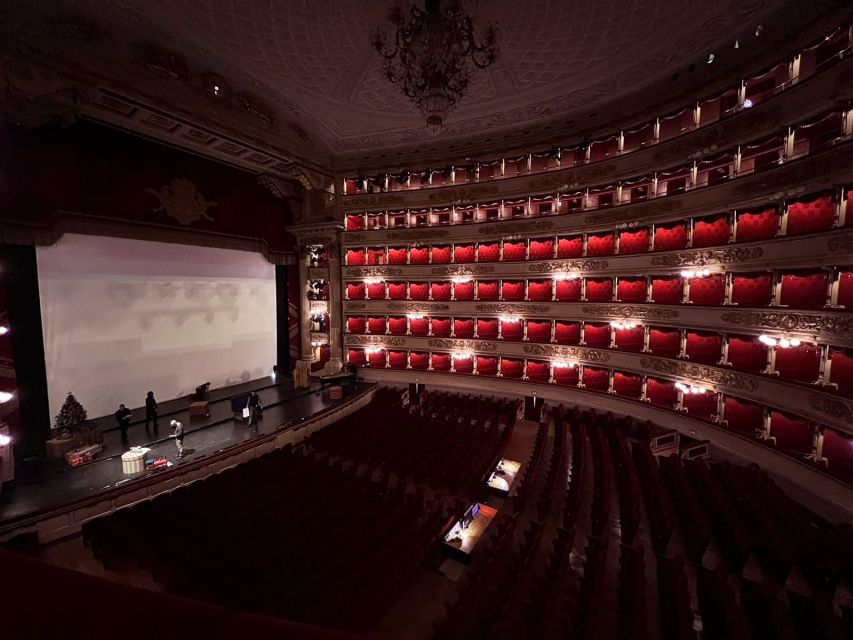
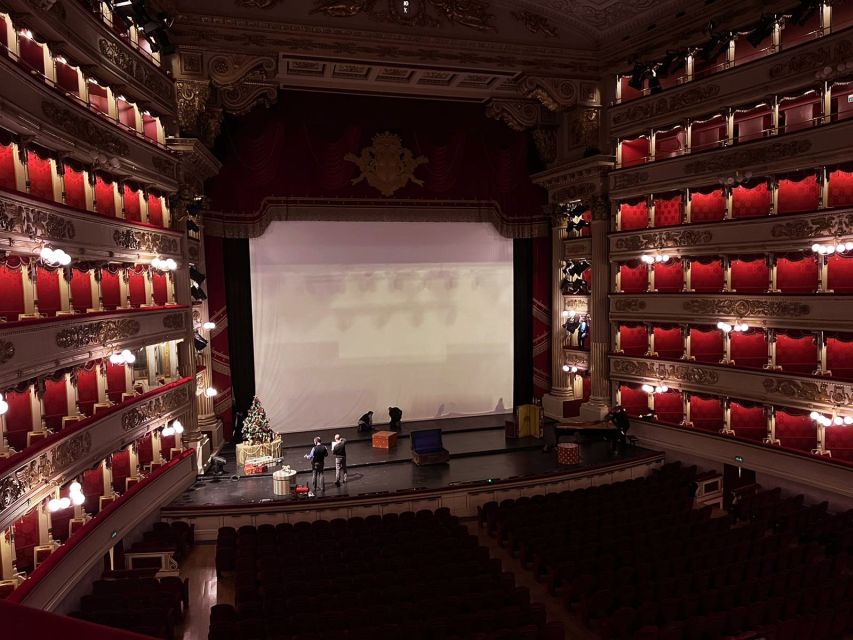
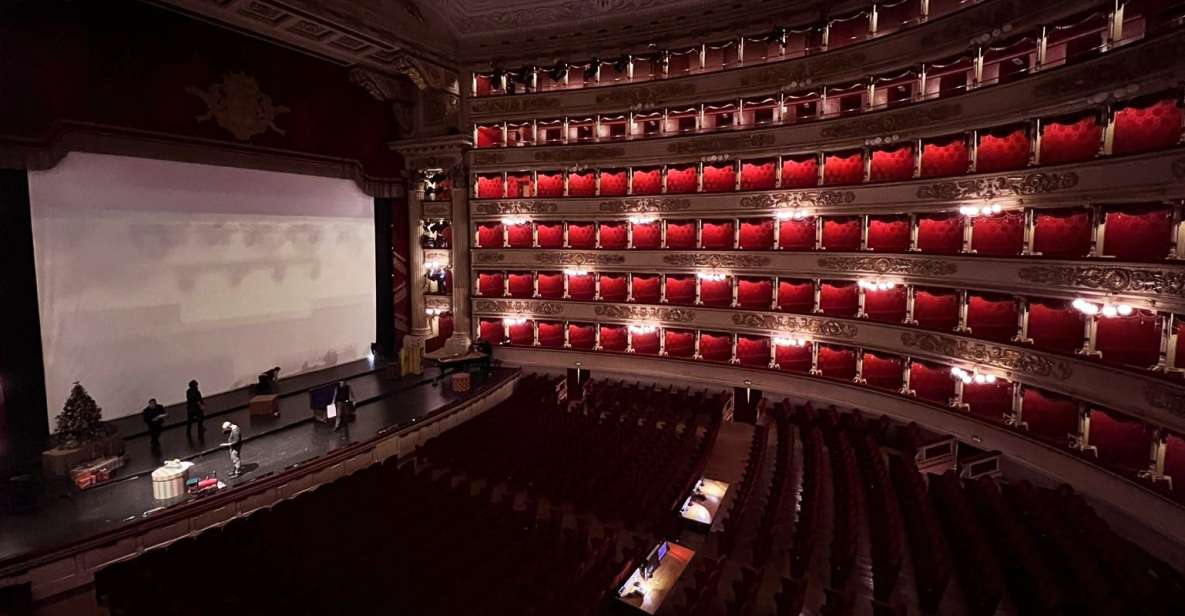
The standout visual moment is the neoclassical auditorium. La Scala is famous for its architecture, but the real win of a guided tour is that someone points out what you might otherwise overlook.
A specific highlight mentioned in the tour description is the crystal chandelier. Even if you’ve seen photos before, seeing it in person hits differently. It turns the room from an idea into a physical place where light and design work together.
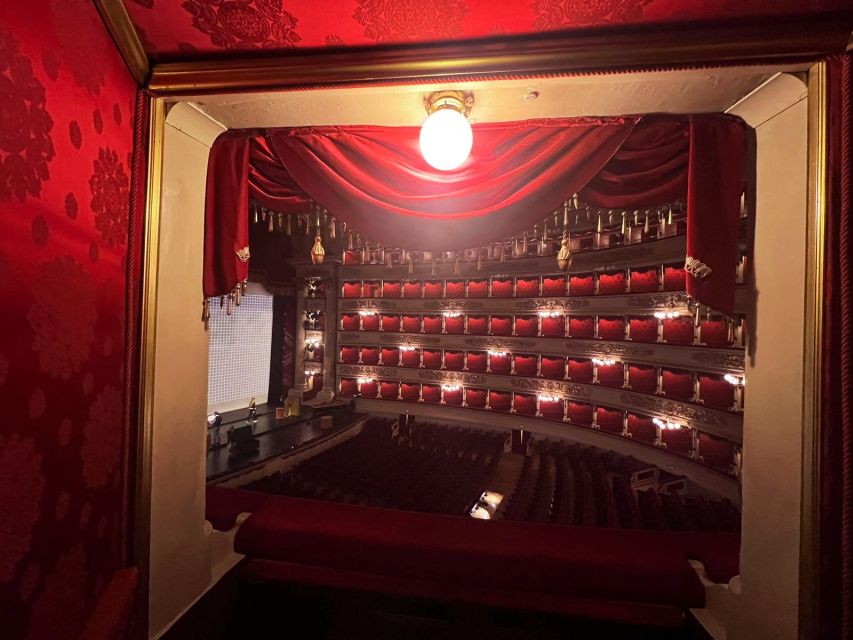
Also, La Scala’s history is tied to major cultural shifts in music. The hall has been described as inaugurated in 1778, and your guide’s narration should help you understand why that date still matters. It’s not just trivia; it frames the whole place as an active participant in centuries of performance rather than a static monument.
You can also read our reviews of more tours and experiences in Milan





Stage visibility: what you can plan for
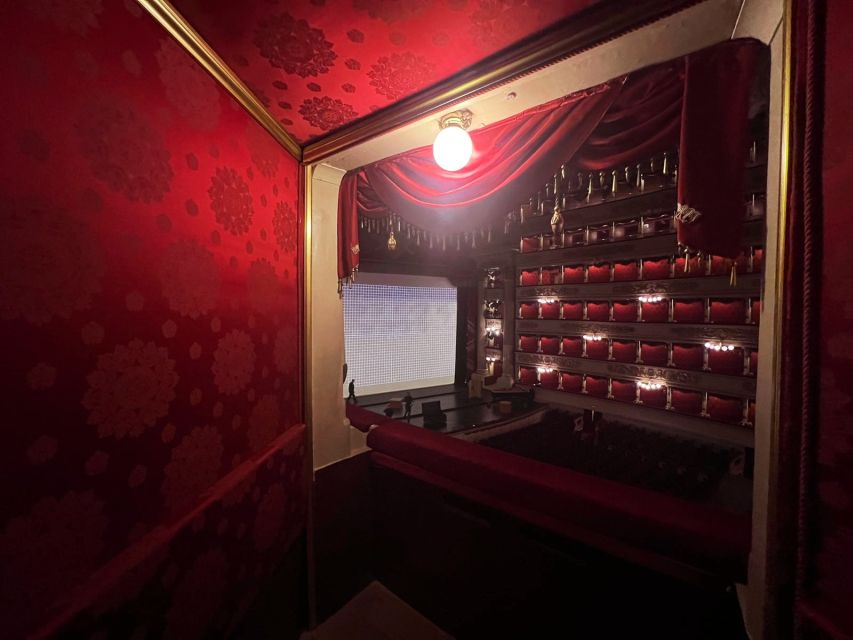
Here’s the honest part: the tour info says the stage may not be visible due to rehearsals, and there are no refunds if you can’t view it. That means you should calibrate expectations.
I’d treat the stage as a bonus. Your main value is the guided view of the theatre interior and museum context. If you’re coming specifically for the chance to see rehearsals, you’ll want to read the situation on the day when you arrive. When the schedule allows, the tour description says you might even glimpse rehearsing artists. When it doesn’t, you’ll still have the hall and the guided explanation.
Museum Time at Teatro alla Scala Museum: More Than Waiting Rooms
Even though this tour is one hour, museum time is built into the experience. That’s a smart choice. La Scala can feel intimidating if you only focus on the audience area and the chandelier. The museum content helps you understand the production side of opera.
The tour description explicitly mentions a wide collection of:
- set designs
- costumes
- musical instruments
That matters because opera is not only music. It’s storytelling made with architecture, materials, and craftsmanship. When your guide connects those objects to what you’re looking at in the theatre, you start noticing details in the hall that look purely decorative until you understand their purpose.
One review noted an extra museum highlight: the Maria Callas museum was equally fascinating for their group. While that may depend on what’s emphasized on a given day, it gives you a good idea of how the museum component can add extra emotional power—especially if you love classic opera voices.
How the Headsets Make a Difference (Especially in a Busy Theatre)
Headsets are included for groups larger than 5, which is a thoughtful detail. La Scala can be loud and busy, and a guided tour only works if you can actually hear the guide clearly. The experience is built around live narration, and the headset system supports that.
In other words: even if you think you’re fine without help, take the headset offer seriously. It’s one of those small services that changes the whole flow. You’ll spend less energy trying to hear and more energy paying attention to the stories and architectural cues.
Guides and Style: You’re Paying for the Storyteller
A guided tour stands or falls on the person talking. The best signals from the experiences you were given are about passion and clear communication.
Names that came up include Gianluca, Bea, Lara, and Maria, each praised for different strengths—everything from precise explanations to humor to staying engaging throughout. One group specifically noted how their guide adjusted timing when rehearsal closures were announced, keeping the experience workable.
That flexibility is another reason the tour format feels good. Opera schedules change. The theatre has rehearsals, and staff may need to close or adjust areas. A good guide helps you adapt without turning the tour into a disappointment.
The Practical Reality: Timing, Weather, and What to Wear
This tour runs rain or shine, so plan around typical Milan weather. Since you’re mostly moving indoors with some outside meeting time, you don’t need full hiking gear. But do wear something comfortable for standing and walking for an hour, plus a short buffer at the start.
Also consider the meeting point area. You’re meeting in front of the ticket office at Largo Antonio Ghiringhelli, so give yourself a few minutes to locate the sign and match it to your tour. You don’t want to arrive flustered.
One more practical note from the tour details: weapons or sharp objects aren’t allowed. That’s standard for many venues, but it’s good to know so you don’t show up with anything questionable (like certain tools).
Who This Tour Is Perfect For (and Who Might Want to Choose Otherwise)
This is a great fit if you want:
- a high-impact introduction to La Scala without wrestling with ticket lines
- a guided explanation of what you’re seeing in the neoclassical interior
- a short visit that includes theatre + museum context
- an English-speaking experience (French is also offered)
You might be less satisfied if:
- you need wheelchair-friendly access (the tour is not suitable for people with mobility impairments)
- you’re expecting a guaranteed, front-and-center view of the stage (rehearsals can affect visibility)
- you want a long sit-down experience. This is one hour, so it’s efficient, not leisurely.
Value for Money: Is $44 Worth It?
At $44 per person for about 1 hour, the value is really in two things:
First, you’re paying for skip-the-line access plus reservation handling. In a place like La Scala, time is expensive. The tour is short, and skipping queues keeps the experience from shrinking.
Second, the price includes a professional guide and (for larger groups) headsets, which is what makes the experience feel complete rather than like a quick pass-through. You’re not only buying entry; you’re buying context: the why behind the architecture, and the how behind the production world via the museum collection.
Is it the cheapest way to see La Scala? Usually not. But for many visitors, paying this amount feels like buying the right pace and the right explanations. You’ll leave knowing more than what a photo can tell you.
Should You Book This La Scala Skip-the-Line Guided Tour?
I’d book this tour if you want a smooth first look at La Scala that respects your time. The skip-the-line advantage plus guided storytelling makes the one-hour format feel like it earns its keep.
I’d think twice if stage visibility is your number-one obsession. Since the stage can be blocked due to rehearsals and there’s no refund for it, treat any stage view as a bonus. If your goal is the theatre hall, the neoclassical details, and the museum context, then this tour matches that goal well.
FAQ
Meeting point and signage
Meet at Largo Antonio Ghiringhelli, 1 in front of the ticket office. The guide will be holding a sign with the tour name and the Wander in Italy logo.
How long is the tour?
The tour lasts about 1 hour.
Is this a skip-the-line experience?
Yes. You get skip-the-ticket-line entry with a reservation included.
What languages are available?
The live guide is offered in French and English.
Will I need headsets?
Headsets are included if your group is more than 5 people.
Is the stage always visible?
No. The stage may not be visible due to rehearsals, and the tour info says there are no refunds if the stage cannot be viewed.
What if it rains?
The tour takes place rain or shine.
What’s included in the price?
Entrance and reservation fees are included, along with a professional guide. Headsets are included when required as noted above.
Is it accessible for people with mobility impairments?
No. The tour is not suitable for people with mobility impairments.
Any items I can’t bring?
Weapons or sharp objects are not allowed.