REVIEW · MILAN
Milan: Market and Cooking Class at a Local’s Home
Book on GetYourGuide →Operated by Cesarine · Bookable on GetYourGuide
Shopping for dinner makes you cook better.
This Milan experience pairs a hands-on market visit with a private home cooking class run by a certified Cesarina, so you’re not just eating Italian food—you’re figuring out why ingredients matter and how recipes come together. I love the way you shop for seasonal produce with your host, including tips on what looks best and what’s worth buying. I also love the relaxed pace of cooking in a real home kitchen, where you learn family-style techniques and then sit down to taste what you made.
The main thing to consider is logistics: the exact address is shared only after you book, so you’ll want to watch for your host’s message and confirm directions early.
In This Review
- Key highlights worth your attention
- Market shopping with a Cesarina: what you learn before the stove
- Getting to the home kitchen: address, meeting point, and what to watch for
- Private cooking class in a local home: why it feels different from a restaurant demo
- The 3 Lombardy recipes: how you learn the logic behind Italian family cooking
- Tasting everything you cooked: wine, coffee, and the table moment
- Price and value for $214.11 per person: what you’re paying for
- How to decide if it fits you (and when to choose something else)
- Should you book this Milan market and cooking class?
- FAQ
- How long is the experience?
- Is this a private group class?
- Where does the cooking class take place?
- What’s included besides the cooking lesson?
- Do you get wine during the class?
- Can the class accommodate dietary requirements?
- What languages will the instructor use?
Key highlights worth your attention
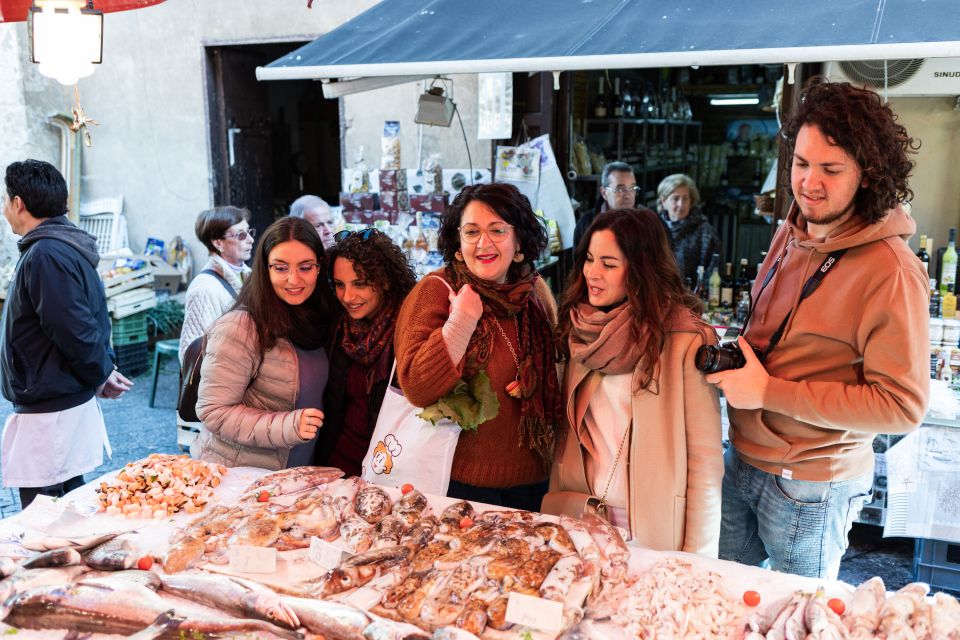
- Shopping with your Cesarina so you learn what to buy, not just what to photograph
- Private class in a local home with an expert home cook, not a big demo crowd
- 3 regional recipes taught step-by-step with a workstation already set up for you
- Everything you cook gets tasted at the table, with local red and white wines
- You leave with repeatable know-how (the kind you actually use later)
Market shopping with a Cesarina: what you learn before the stove
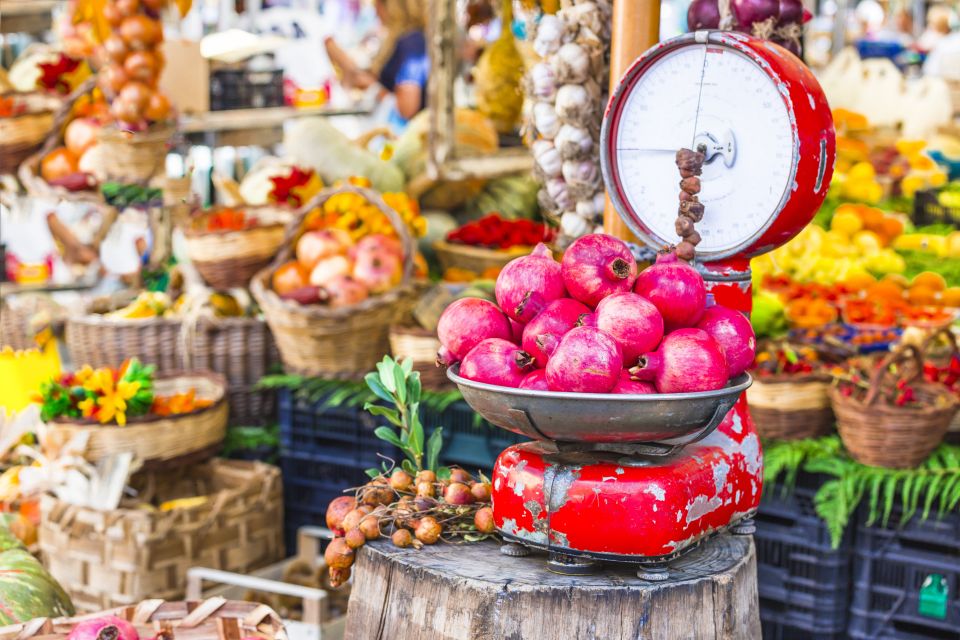
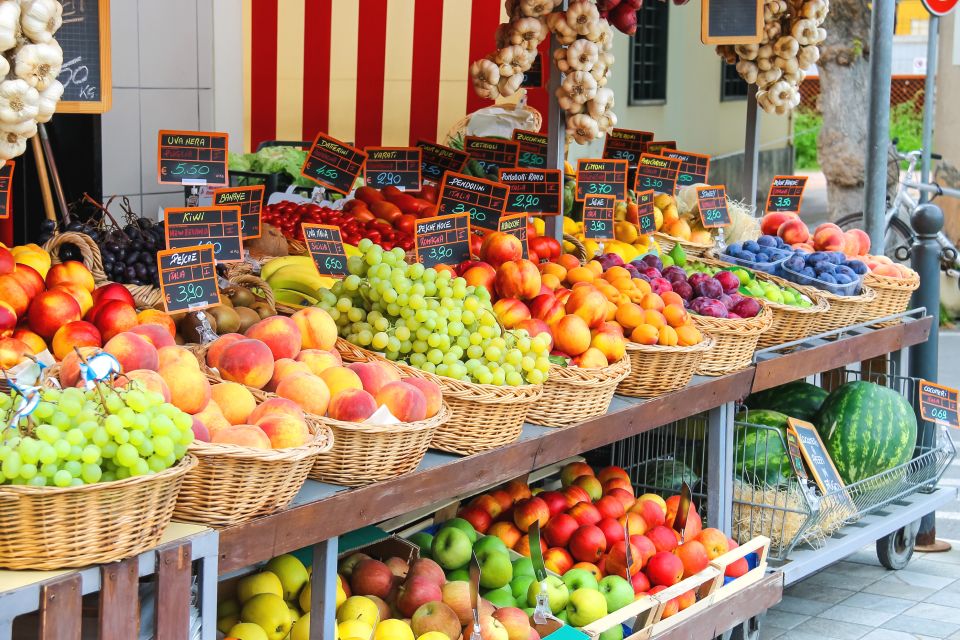
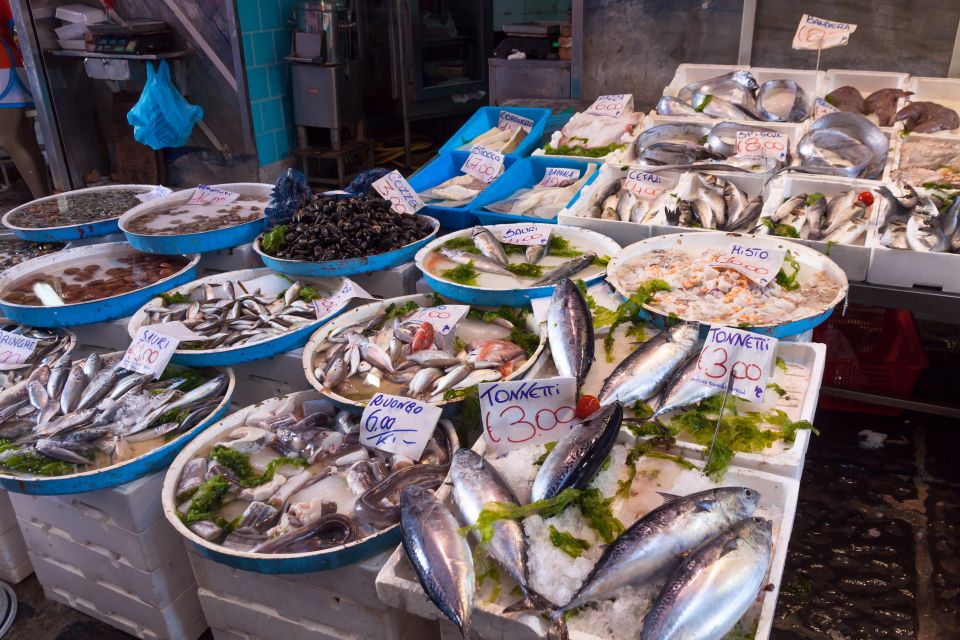
The day starts with a market visit led by your Cesarina, who approaches the stalls like a real shopper with real taste. Instead of treating the market as a photo stop, you’re learning how Italian cooking begins: with picking ingredients at their best. Your host helps you recognize top produce from the land—seasonal items that taste better and also show up more naturally in local recipes.
I like this part because it immediately makes the cooking class feel grounded. When you know what you picked and why, the recipe stops being a list of steps and turns into a decision-making process. Think about it: you’re paying attention to texture, ripeness, and quality while you’re still standing in front of the food. That’s the same mindset you want for future cooking, even if you’re back home and buying at a normal grocery store.
You’ll also get a sense of how Italians shop—practical, quick, and based on what’s available right now. One past host named Giacomo is described as taking people through seasonal products and helping them buy what they’d later use to cook. That’s the vibe to expect: hands-on guidance that makes you feel like you belong at the market.
You can also read our reviews of more shopping tours in Milan

Getting to the home kitchen: address, meeting point, and what to watch for
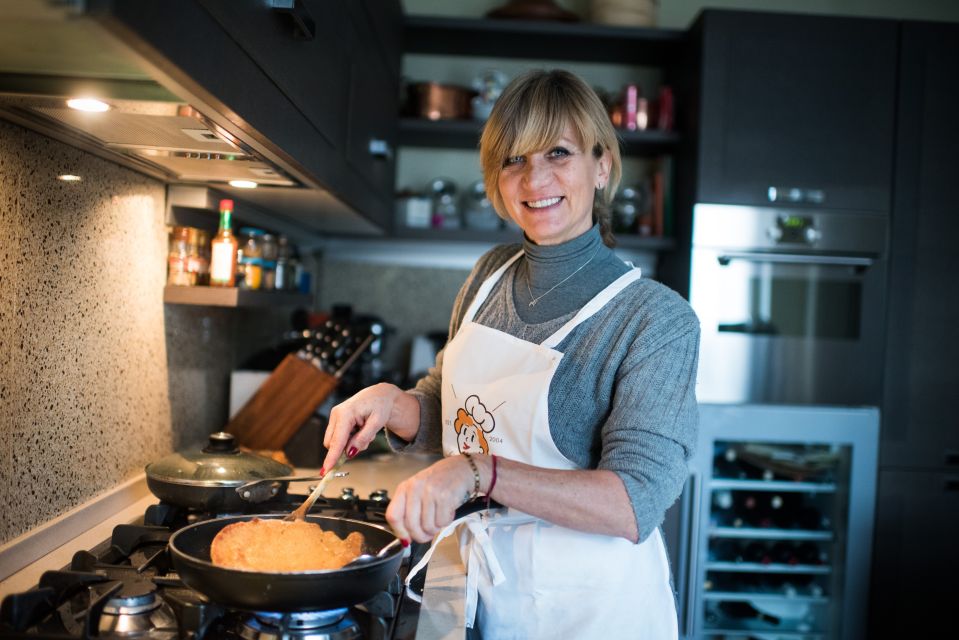
This is a private class in a local family’s home. For privacy reasons, you won’t get the full address until after booking. After you book, the local partner contacts you with instructions about the meeting point and how to get there.
What this means for you: plan to be responsive. If you’re someone who ignores messages until the day of the trip, fix that habit here. Cooking classes are time-sensitive, and you’ll have a smoother experience if you confirm the meeting instructions as soon as they arrive.
There’s also a small psychological shift that helps: arrive thinking of it like dinner at a friend’s house, not a formal classroom. You’ll likely find a bright, welcoming kitchen setup designed for the lesson. And because it’s a home, the experience can feel warmer and more personal than the typical commercial cooking school.
Private cooking class in a local home: why it feels different from a restaurant demo
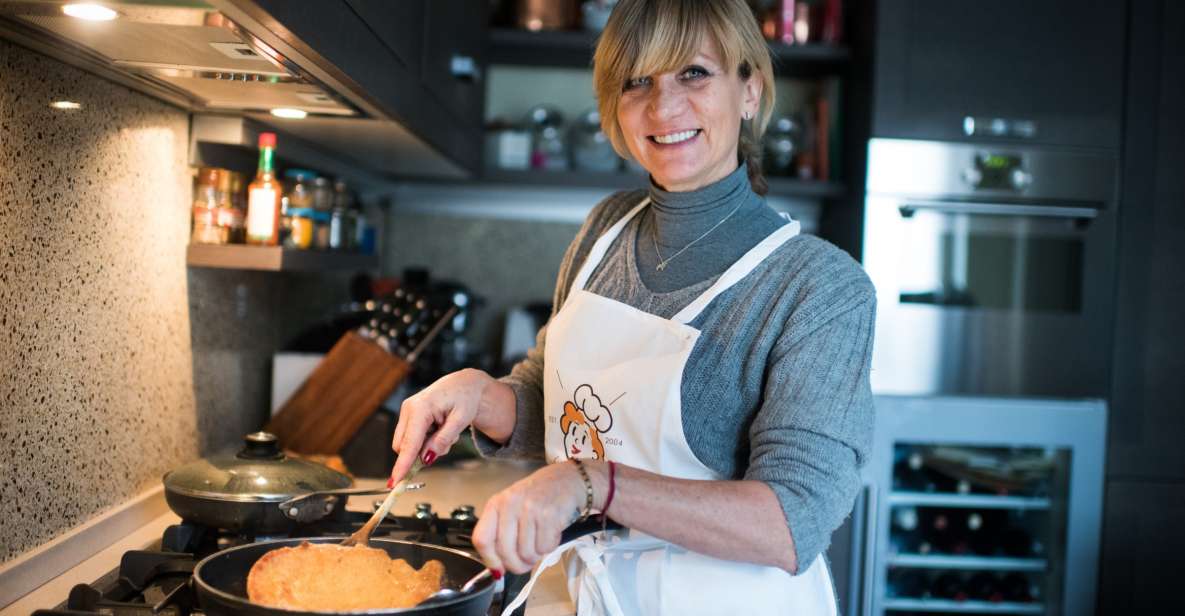
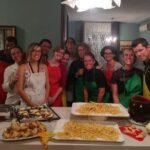
In this class, you’re cooking with a certified home cook (your Cesarina). The key difference is that you’re not watching someone else do everything. You have a workstation with utensils and all the ingredients you need to make the dishes, so the focus stays on learning rather than hunting for tools or substitutions.
That’s valuable if you’re nervous about Italian cooking. Homemade pasta and desserts can sound intimidating, but the teaching approach here is designed to make the process feel doable. One instructor described as Deborah is credited with taking away fears about making classics like homemade ravioli or tiramisu—so the lesson style isn’t just about memorizing steps. It’s about confidence, pacing, and learning what to look for as things come together.
Also, the class is private, meaning you can ask questions without feeling rushed. Your instructor speaks English and Italian, which helps if you want clear explanations in English but also want the option to hear key terms in Italian.
The 3 Lombardy recipes: how you learn the logic behind Italian family cooking
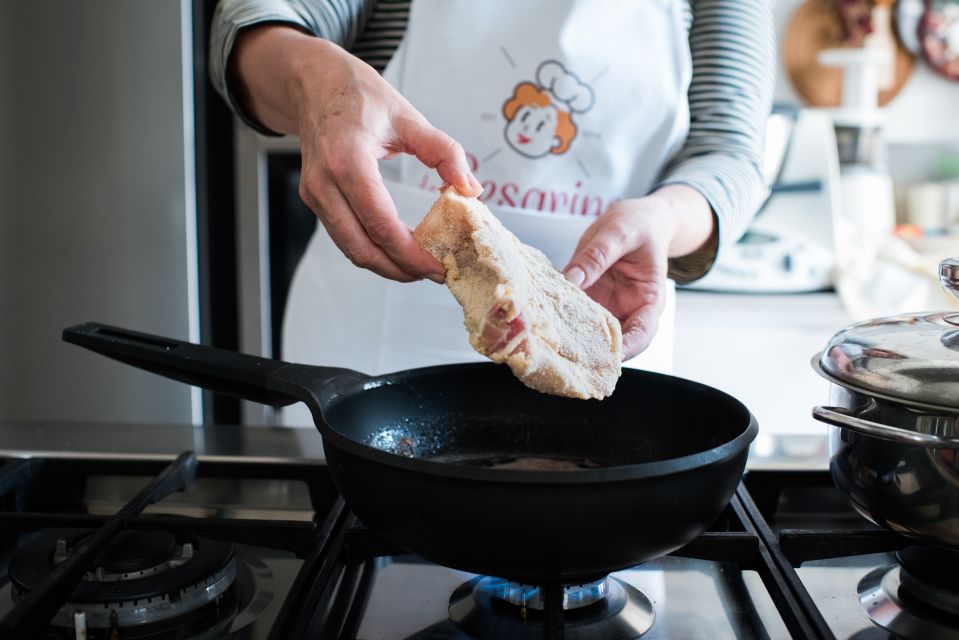
The format centers on three authentic local recipes. During the lesson, your Cesarina reveals the tricks of the trade—practical details that often don’t make it into cookbook instructions, like how ingredients behave and what signals to watch for while cooking.
While the exact recipes can vary by lesson, the experience is built around the idea of Italian family cookbooks: the kind of guidance that’s been passed down and refined over time. You’ll usually get a sense of both technique and timing—how to manage multiple components, when to taste, and when to stop messing with a dish.
A useful way to think about the learning goal: you’re building instincts. For example, instead of only learning that you add something at a certain step, you learn how the dish should look and smell as it progresses. That makes it easier to reproduce the recipe later, even if you don’t follow the timing perfectly.
And because you shop for ingredients first, you’ll recognize what you’re using and how it supports the final flavors. That connection is a big part of why cooking classes like this stick with you longer than a restaurant meal.
Tasting everything you cooked: wine, coffee, and the table moment
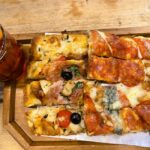
You don’t just sample a bite or two. The class ends with a full tasting of everything you prepared, served around the table. That matters because it turns your effort into a real meal, not a culinary exercise that disappears the moment it’s plated.
The beverages included are part of the experience: local wines in both red and white, plus water and coffee. Pairing your food with wines while you’re still fresh from cooking makes flavors feel more connected. You also learn the kind of choices Italians make when they match food with drink—not as a formal exercise, but as everyday habit.
There’s something satisfying about sitting down and realizing you can actually make the dishes you came to Milan for. You also get to enjoy the recipes as a cohesive meal, so you can understand how the components work together in a typical local setting.
You can also read our reviews of more tours and experiences in Milan

Price and value for $214.11 per person: what you’re paying for
At $214.11 per person for a 5-hour experience, it’s not the cheapest thing on the menu. But the value is pretty clear once you break down what’s included.
You’re paying for:
- Market time with a Cesarina (ingredient guidance and buying support)
- A private cooking class in a home setting
- All ingredients and a prepared workstation
- Tastings of all three recipes
- Beverages (water, local wines, coffee)
- Local taxes
In other words, you’re not just buying a cooking demo. You’re buying a full experience that includes education, food, drink, and the ingredients that would cost you extra if you tried to recreate it yourself. If you value learning + a satisfying meal in one block of time, this starts to look like good value rather than a splurge.
One more point: private groups often cost more, but they’re worth it when you want feedback and conversation. If you’re the type who learns by asking questions, this format pays you back.
How to decide if it fits you (and when to choose something else)
This experience fits best if you want:
- A real Milan food day that mixes buying ingredients and cooking
- A smaller, more personal setting than a commercial cooking school
- Confidence-building instruction for classic Italian dishes
- A hands-on activity that also ends with a proper meal and wine
It’s also a great match for couples or friends who want to do something more meaningful than another quick sightseeing loop.
You might consider a different option if you’re short on time and need very rigid scheduling, because the market tour can be flexible based on requirements. The experience duration is set at 5 hours, but the market component is described as usually running from 9 AM to 4 PM, and adjustments can happen based on what you request in advance.
Should you book this Milan market and cooking class?
If you’re choosing between yet another meal out and something you can bring home, book this—especially if you care about food quality and want to learn how Italians think about ingredients. The best reason to go is the combination: market shopping with a Cesarina first, then cooking in a home kitchen, then tasting the full results with local wines.
I’d say book it if you’re open to learning three regional recipes and you want a day that feels like a local routine, not a staged performance. Just do one thing for yourself: keep an eye on your host’s message after booking so you arrive smoothly at the meeting point. That small bit of attention lets you focus on the fun part—shopping, cooking, and eating what you made.
FAQ
How long is the experience?
It lasts 5 hours. Starting times vary, so check availability to see the options.
Is this a private group class?
Yes. It’s listed as a private group experience.
Where does the cooking class take place?
The cooking class happens in a local family’s home. You’ll receive the full address after you book.
What’s included besides the cooking lesson?
You get a local market visit, tastings of the 3 recipes you cook, beverages (water, wines, and coffee), and local taxes.
Do you get wine during the class?
Yes. Local wines (red and white) are included with the tastings, along with water and coffee.
Can the class accommodate dietary requirements?
Different dietary requirements can be catered for, but you need to confirm directly with the service organizer after booking.
What languages will the instructor use?
The instructor speaks English and Italian.