REVIEW · MILAN
Milan: Private Sightseeing & Shopping Tour with a Local
Book on GetYourGuide →Operated by Suisse Plus Travel · Bookable on GetYourGuide
Fashion and landmarks in one walk.
This private Milan tour mixes famous sights with shopping help, and I like that it’s designed to feel local fast—think Duomo and then down into neighborhoods where people actually eat, browse, and hang out. The big upside is the chance to pair sightseeing with a personal shopper for luxury fashion shopping at better prices. The only real drawback to watch for: shopping style and results can vary a lot depending on your guide, so set expectations at the start.
You’ll start with hotel pickup and drop-off and then move mainly on foot, which is exactly how you should do central Milan if you want to cover ground without burning time. One more thing: this is a local/expat-led experience, not a specialist historian with academic-level depth at every stop, so you’ll get practical context and city know-how rather than museum-grade lectures.
It runs rain or shine, and you can choose a 2 to 8 hour window depending on how much you want to see versus how long you want to shop. Just know that entry-ticket sights and most museums aren’t included, so if you’re aiming for something with strict access (like The Last Supper), confirm ticket timing early with your guide.
In This Review
- Key things to know before you go
- A local rhythm that saves your first-day stress
- Duomo and Galleria: start where Milan shows off
- The fashion spine: Montenapoleone and luxury shopping without the chaos
- Sforzesco, Sempione Park, and Brera: history that isn’t trapped in one room
- Sant’Ambrogio and Triennale Milano: Milan’s older layers and design culture
- Navigli canals and aperitivo vibes: the day turns from sights to life
- Contemporary art detours: HangarBicocca, Fondazione Prada, and Armani Silos
- Shopping success depends on your brief (not just the store)
- Time management: how to get more done in 2–8 hours
- Tickets, entry sites, and the extra costs that matter
- Price and value: is $54 per person a smart buy?
- Quick reality check: who this tour suits best
- Should you book this private Milan sightseeing and shopping tour?
- FAQ
- How long is the tour?
- Is this tour private?
- What sights can you see during the tour?
- Can the itinerary be customized?
- Is hotel pickup included?
- What languages are available for the guide?
- Will the tour go on rain or shine?
- Are food and drinks included?
- Are attraction entry tickets included?
- Is public transport included?
Key things to know before you go
- Private and customizable for 2–8 hours, so you can weight the day toward sights, art, or shopping
- Main Milan highlights are built in: Duomo, Galleria Vittorio Emanuele II, Sforzesco, and more
- Hidden-secrets stops can include Navigli canals, contemporary art spaces, and design-focused institutions
- Personal shopper support helps with boutiques and outlets, not just walking directions
- A local/expat guide focuses on what’s worth your time and how to move around the city
- Entry tickets aren’t included, so plan for extra costs on museum-type stops
A local rhythm that saves your first-day stress
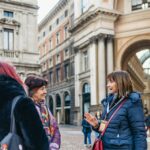
Milan can feel big and designer-heavy, even when you’re only covering the center. This tour makes it easier because you’re not doing a cold-start map-and-museum marathon. You get a local guide to set the pace, choose smart walking segments, and point you toward the places that match your mood—sightseeing morning, shopping midday, aperitivo later.
Because it’s private, you also avoid the common group problem: everyone wants something different. With a private setup, you can ask to slow down where you care and cut time where you don’t. And you’ll have a built-in conversation partner for practical questions like where people actually stop for a quick bite, what neighborhood works best for shopping, and how to structure your day so you’re not running late.
You can also read our reviews of more private tours in Milan
Duomo and Galleria: start where Milan shows off
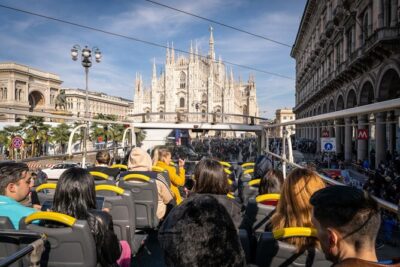
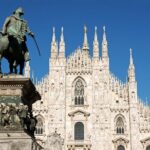
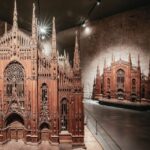
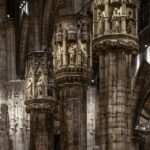
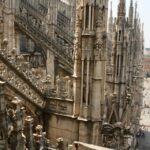
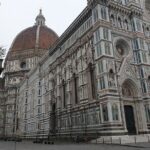
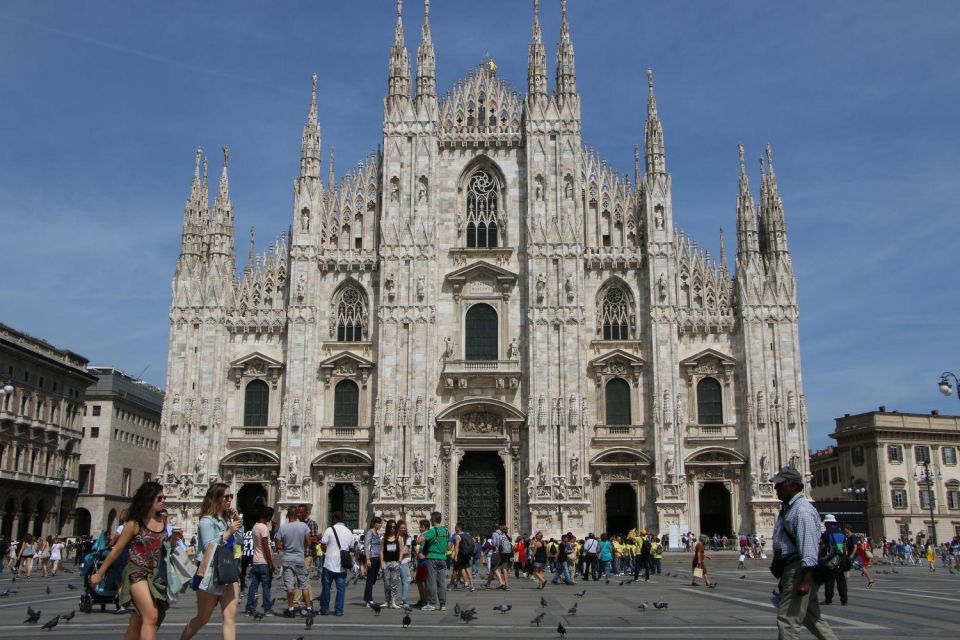
If you only do one area well, this is it. Your route commonly begins at Duomo di Milano, the landmark cathedral that basically sets the city’s visual tone. Even if you’ve seen photos, standing near it changes your sense of scale. Your guide can help you understand what you’re looking at and how to position yourself so you’re not stuck in the most crowded angles.
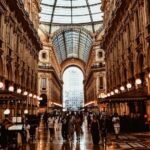
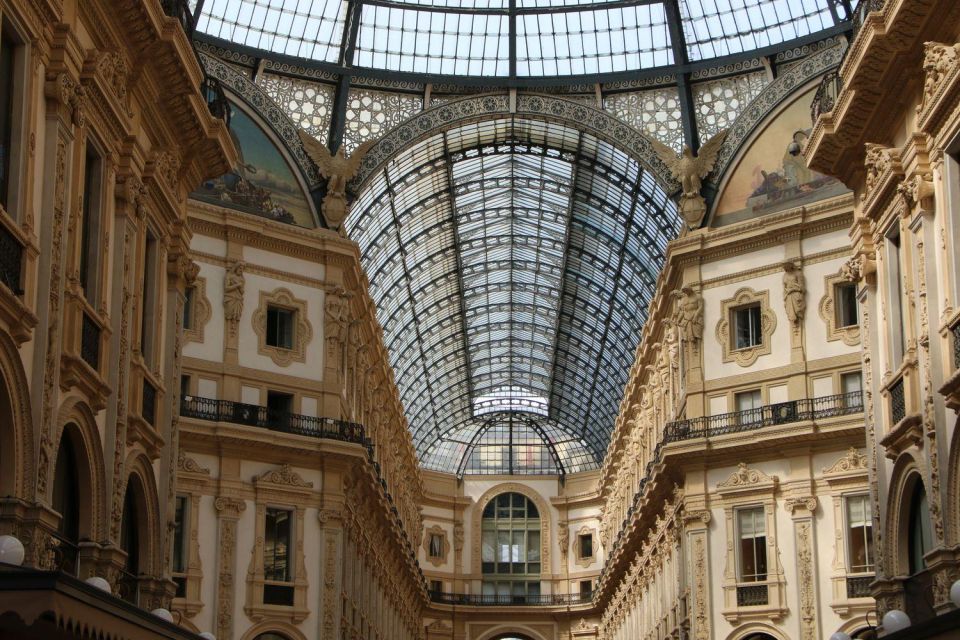
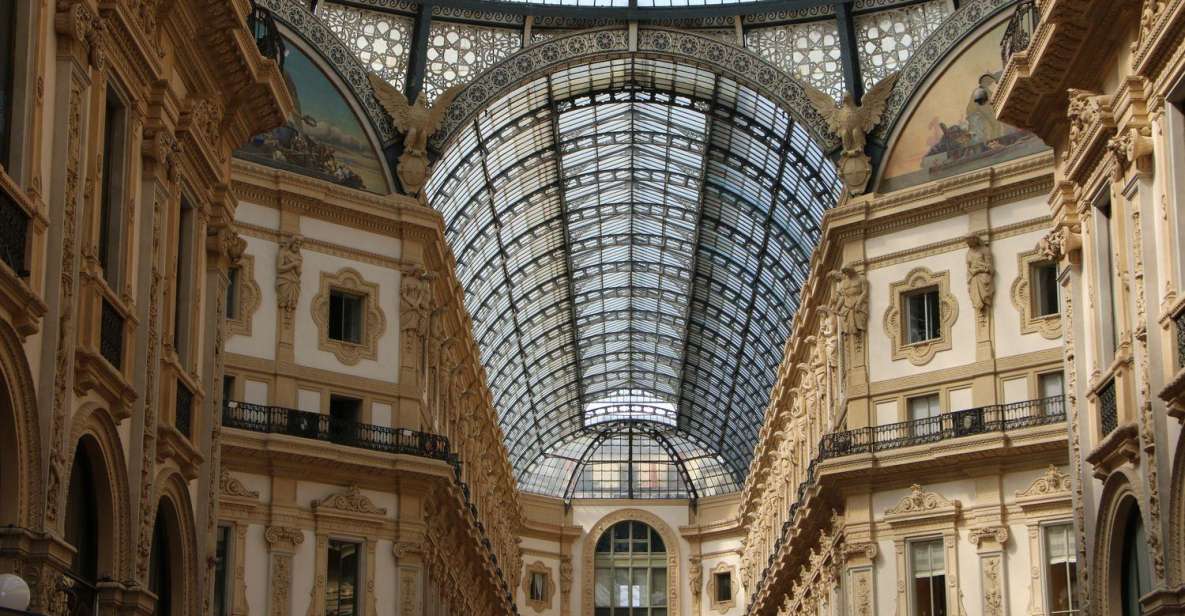
Next up is Galleria Vittorio Emanuele II, a grand shopping gallery that’s still active. It’s not just a pretty corridor—it’s a working landmark. The best value here is time: you get architecture, atmosphere, and the start of a fashion-focused mindset without needing a ticketed museum.
Practical tip: if you’re planning on serious shopping afterward, take 10 minutes to decide what you’re shopping for today—shoes, a jacket, a dress, or accessories. It keeps the rest of the day from turning into random browsing.
The fashion spine: Montenapoleone and luxury shopping without the chaos
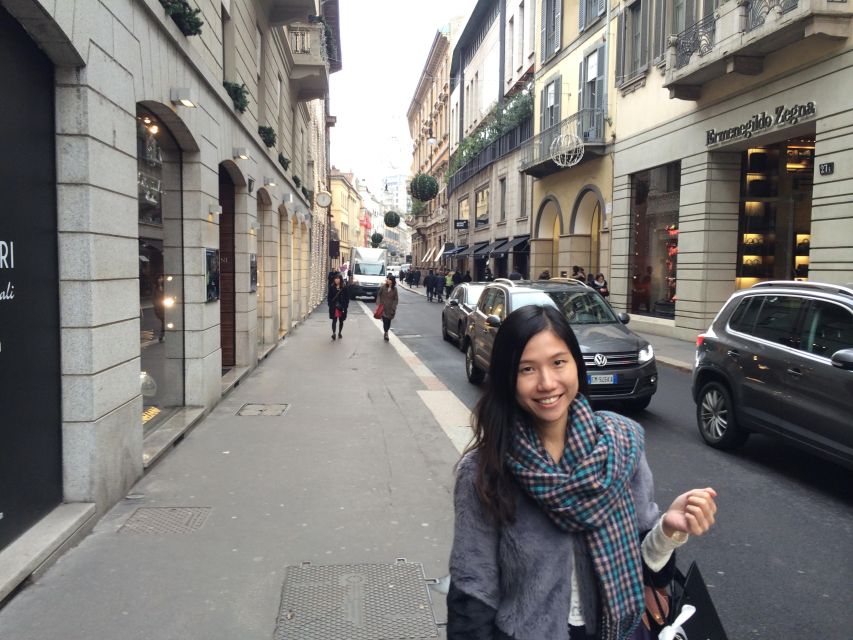
Milan’s luxury shopping has a center of gravity, and Montenapoleone is the name you’ll hear for a reason. This is where the tour can shift from sightseeing mode into shopping mode. If you’re chasing the look you saw in magazines, this area is where your personal shopper can help connect the dots: which boutiques to prioritize, how to ask the right questions, and where prices tend to feel more “worth it” than you expect.
What I like about adding shopping here is that you’re already oriented. You’ve seen the “why” of Milan’s grandeur (Duomo and the gallery), so the shopping streets don’t feel like a separate trip. They feel like the continuation of the city’s identity.
One watch-out: a shopping-focused guide needs to know the brands and the store rhythm, and that can differ by person. I’ve seen examples of guides who were very flexible with group needs (Luna comes up for that kind of adaptability), and I’ve also seen cases where the guide wasn’t a strong stylist or shopper. If shopping is your main goal, be direct up front about your budget, sizes, and the types of items you want.
Sforzesco, Sempione Park, and Brera: history that isn’t trapped in one room
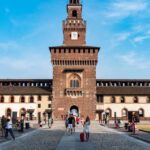
Milan balances big monuments with open-air space. Sforzesco Castle is often included because it gives you a medieval anchor in the middle of a modern city. Even if you don’t go deep into interiors, the fortress setting helps you understand Milan’s longer timeline.
From there, Sempione Park is a smart reset. After walking through dense streets, park time feels like a breather that also keeps your route efficient. It’s especially helpful in hot weather or when you want a short pause before hitting galleries or shops again.
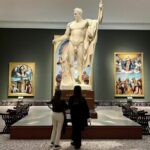
Then comes Brera Picture Gallery, a key stop if art is part of your Milan plan. The practical value here is simple: you get one of the city’s best-known art destinations bundled into your sightseeing arc, instead of forcing a standalone museum day.
Important note: museum and gallery entry tickets (where required) aren’t included, so plan for that extra cost and time. If you’re tight on time, ask your guide how to prioritize what’s realistic during your booked hours.
Sant’Ambrogio and Triennale Milano: Milan’s older layers and design culture
Milan isn’t all fashion windows. Basilica of Sant’Ambrogio is one of the city’s ancient churches and helps you see a different side—older stone, older atmosphere, and a sense of continuity. It’s the kind of stop that works well when you want to slow down and actually look.
If you like design and modern art, Triennale Milano is a strong match. It’s a design-and-art museum stop inside the broader Sempione Park area, so it’s easy to plug into your day without huge detours. Even if you don’t go “full museum,” your guide can steer you toward what’s most worth your time based on what you care about—design objects, exhibitions, and the city’s cultural branding.
You can also read our reviews of more shopping tours in Milan


Navigli canals and aperitivo vibes: the day turns from sights to life
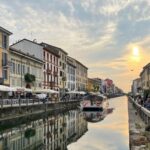
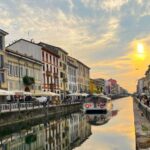
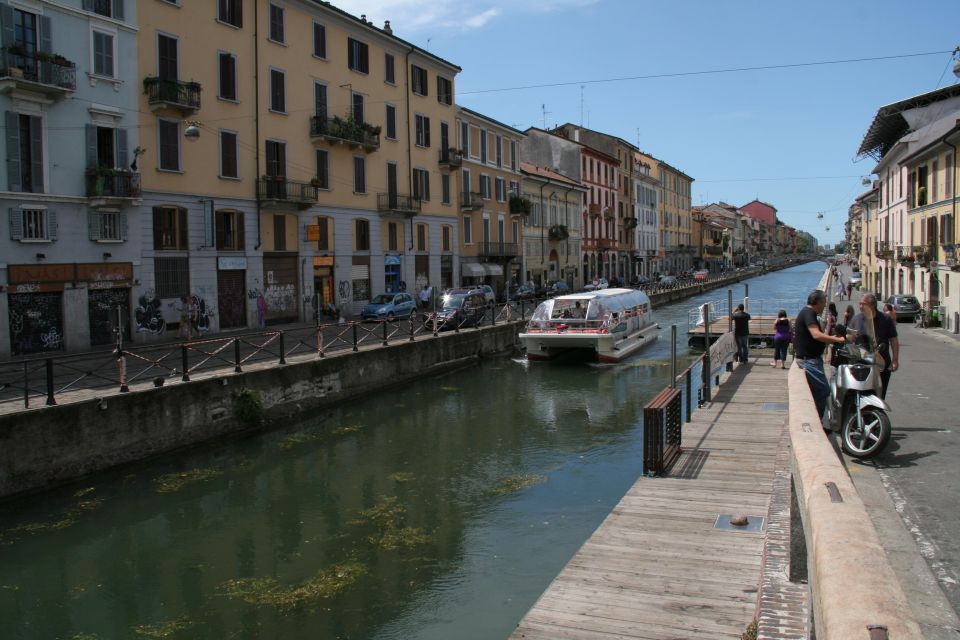
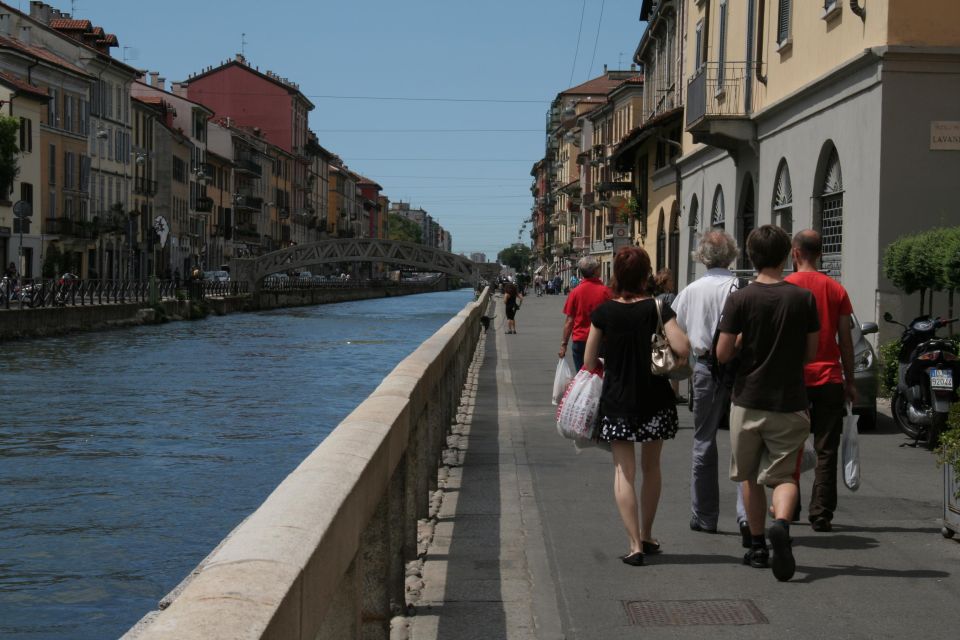
If Milan has a neighborhood where the city feels like it’s breathing, it’s often Navigli. This is where your tour can shift into a more relaxed pace, with canal views and lots of places to eat and drink. It’s especially good for an evening stroll, and it pairs perfectly with the classic Milan-style aperitivo concept—where you grab a drink and typically find a buffet-style food spread.
I like Navigli because it’s not just a “see it” stop. It’s a do something stop. After hours of walking and shopping, you’ll likely want that human-scale reward: a table, a drink, and a slow look at the canals.
Practical tip: if your goal is aperitivo, tell your guide early. Timing matters, and it can influence how you schedule museums or fashion stops so you don’t arrive late when it’s most fun.
Contemporary art detours: HangarBicocca, Fondazione Prada, and Armani Silos
If you’re curious about what Milan is doing right now, the tour can include contemporary art and culture stops. Depending on your time, this might mean:
- Pirelli HangarBicocca, a contemporary art venue in a former industrial setting
- Fondazione Prada, which hosts temporary exhibitions and performance/cinema-style events
- Armani Silos, a museum focused on Giorgio Armani’s work, including designs spanning decades
This is where the “hidden secrets” part becomes real. These places aren’t just famous landmarks—they show the city’s creative engine beyond the cathedral-and-catwalk image.
A key practical point: these are often entry-ticket experiences, and your tour package doesn’t include museum tickets. Also, some events can affect access, so it’s smart to ask your guide what’s likely feasible with your booked duration.
Shopping success depends on your brief (not just the store)
Your personal shopper component is the differentiator. But to get good value out of that, you need to show up with a clear shopping plan. You don’t need a detailed fashion spreadsheet; you do need a few anchors.
Here’s how I’d brief your guide in plain terms:
- Tell them 1–2 items you want most (example: a coat and a pair of shoes)
- Share your approximate budget range and whether you’re flexible
- Mention sizes and comfort needs
- Say what you want to avoid (too formal, too casual, certain colors)
Then ask for the next step: store order, fitting approach, and how you’ll handle brands that may need more time.
From the guide side, I’ve seen how flexibility can make a big difference. Luna, for example, is associated with being very adaptable to needs in hot weather. On the flip side, I’ve also seen situations where the guide didn’t feel like a strong stylist. That doesn’t mean the tour is bad—it means you should calibrate expectations. If you want true styling guidance, ask early what your guide’s strengths are and whether they can help you build outfits, not only shop single pieces.
Time management: how to get more done in 2–8 hours
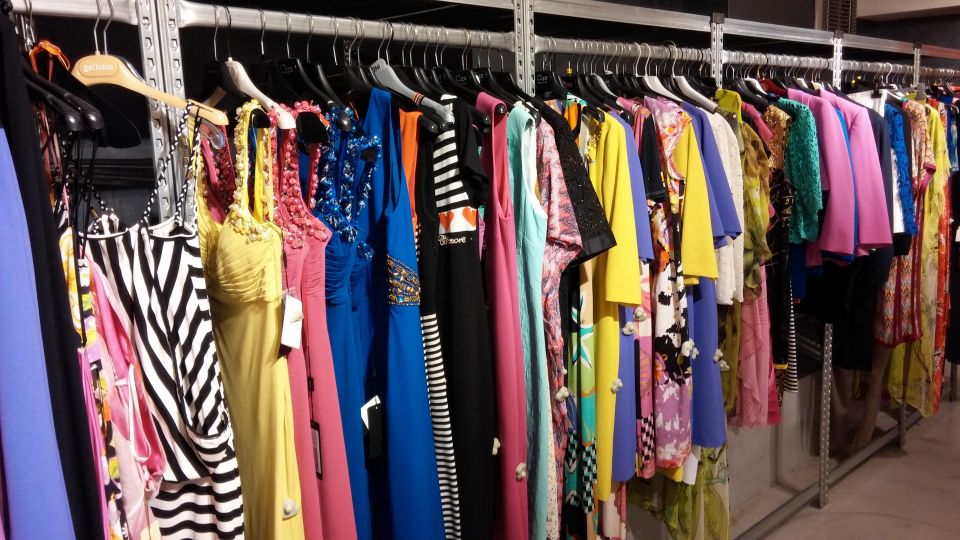
The main benefit of booking a 2–8 hour private tour is that it lets you match Milan to your travel style.
- 2–3 hours works best for a tight loop: Duomo area, Galleria, and a fashion neighborhood walk. Great if you’re jet-lagged or want a fast orientation.
- 4–5 hours is a sweet spot for mixing highlights with at least one “secret” stop and some real shopping time.
- 6–8 hours gives you room for contemporary culture stops and a longer shopping session, plus enough time to breathe before dinner.
Here’s the truth: shopping expands to fill the time you give it. If you want shops and canals, pick a longer slot or choose only one museum-type stop.
Tickets, entry sites, and the extra costs that matter
Your tour includes the guide, walking, and the shopping help. It does not include food, drinks, or entry tickets for attractions that charge admission.
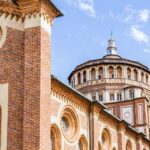
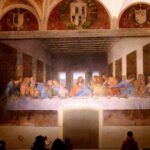
That matters most if you’re hoping for major ticketed experiences. A helpful example from past comments: when people ask for access to high-demand sights like The Last Supper, it’s important that ticket expectations are crystal clear. If your dream stop is in that category, ask your guide directly what’s possible in your time window and how tickets work for that specific attraction.
Also, while the tour is mostly walk-based, if you and your guide agree to use public transport to save time between far-apart stops, you’ll need to cover transport tickets.
Price and value: is $54 per person a smart buy?
At $54 per person, the value depends on your goals.
If you’re mainly sightseeing, this price can feel fair because you’re paying for a private local with efficient routing and pickup convenience. You’re also not paying for entry tickets or meals—so your real total cost will depend on what you choose to enter versus just see from outside.
If shopping is your priority, the value can jump. A personal shopper role can be worth real money in Milan, especially when you want help finding boutiques and fashion outlets where pricing can be more attractive than you might expect. But only if your guide is actually strong in shopping—so again, set expectations early.
Where the deal can slip: if you end up wanting a very specific kind of fashion help and your guide isn’t the right fit, you may spend more time than planned walking rather than buying. That’s why the best “value move” is to communicate your shopping needs before the day starts.
Quick reality check: who this tour suits best
This tour is ideal if you want:
- A first-time Milan plan that hits top sights fast
- A walkable day with local guidance and neighborhood-level tips
- Real shopping help, not just directions
- A mix of classic landmarks and contemporary culture stops
It may be less ideal if you want:
- Deep, lecture-style historical storytelling at every stop
- A guaranteed museum-heavy itinerary without extra ticket costs
- Strictly shopping outcomes with no flexibility needed
Should you book this private Milan sightseeing and shopping tour?
I’d book it if you’re the type who enjoys walking, wants a guided sense of where to go next, and plans to spend some time shopping while in the city. The pickup, the flexibility in what you see, and the chance to add fashion shopping support can make your Milan day feel efficient and personal.
I’d think twice only if shopping is your whole reason for booking and you can’t communicate your needs clearly in advance. In that case, you should ask for clarity on the shopper component before you commit your time.
If you do book, go in with a simple plan: one or two must-see sights, one culture detour you’d love, and a short shopping brief. That’s how you turn a private walk into a genuinely useful Milan day.
FAQ
How long is the tour?
It can run for 2 to 8 hours, depending on the time you book and how long you spend at each stop.
Is this tour private?
Yes, it’s a private group tour.
What sights can you see during the tour?
You can typically visit major Milan landmarks like Duomo di Milano, Galleria Vittorio Emanuele II, Montenapoleone district, Sforzesco Castle, Sempione Park, Brera Picture Gallery, Basilica of Sant’Ambrogio, and Triennale Milano. Additional stops can include Navigli, Pinacoteca Ambrosiana, Porta Nuova and Corso Como, Villa Necchi Campiglio, Pirelli HangarBicocca, Fondazione Prada, and Armani Silos.
Can the itinerary be customized?
Yes. You can agree on which sightseeing points to visit in advance or discuss them when you meet your guide.
Is hotel pickup included?
Yes, hotel pickup and drop-off are included.
What languages are available for the guide?
The live guide can be English, Italian, or Chinese.
Will the tour go on rain or shine?
Yes, the tour takes place rain or shine.
Are food and drinks included?
No, food and drinks are not included.
Are attraction entry tickets included?
No. Tickets for attractions with entry fees such as museums are not included.
Is public transport included?
Public transport isn’t included. Since it’s a walking tour, you’ll usually walk between places. If you agree to take public transport to save time, you’ll need to pay for the transport tickets.