REVIEW · MILAN
Milan Skyscrapers Guided Tour: Porta Nuova, Unicredit tower & Vertical Forest
Book on Viator →Operated by Raphael Tours & Events · Bookable on Viator
Milan’s newest skyline has a clear story. This 3-hour architecture tour takes you through Porta Nuova, down Corso Como, and over to the Vertical Forest in Isola, with an art historian explaining how Milan reshaped itself around the 2015 World Expo. I especially love the mix of big design moves and street-level walking, and I also like the payoff at the end at Eataly, where you can keep the experience going with regional bites. The one drawback: it’s a focused walking tour with moderate fitness needs, so you’ll want comfortable shoes and a steady pace.
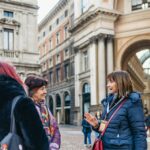
You’ll also feel the benefit of a private format. Your guide leads the route, and the stops are timed to show you both the new buildings and the way older neighborhoods still shape the city. In one review, the guide Valerio was mentioned for keeping that story easy to follow even on a hot July afternoon, and that matches what this kind of tour is best at: turning architecture into something you can actually picture.
In This Review
- Key things that make this tour worth your time
- Modern Milan on Foot: What You’ll See in 3 Hours
- Porta Nuova and the World Expo 2015 Renewal Story
- Corso Como to Gae Aulenti Square: A Night-and-Style Milan Walk
- Unicredit Tower: Why This Skyline Moment Works
- Isola’s Railing Houses and the Vertical Forest Towers
- Eataly Milano Smeraldo: Regional Bites to Close the Loop
- Value, Price, and What You Get for $265.09
- Who This Tour Fits Best (and Who Might Skip It)
- Practical Tips Before You Go
- Should You Book This Milan Skyscrapers Tour?
- FAQ
- Where does the tour start and end?
- How long is the Milan Skyscrapers Guided Tour?
- What is the price per person?
- Is this tour private?
- What’s included in the tour price?
- What is not included?
- How should I prepare physically?
- Can I cancel for a full refund?
Key things that make this tour worth your time
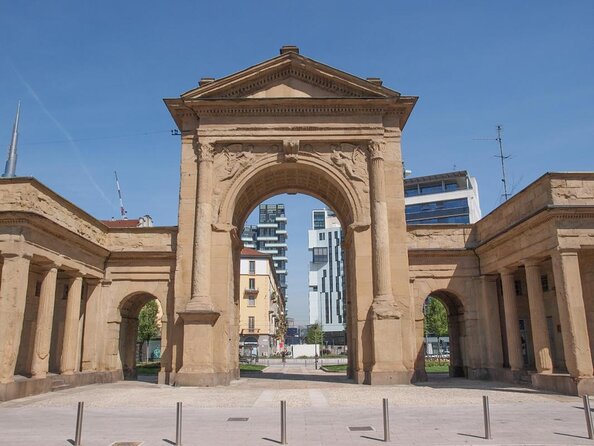
- Expo 2015 to today: you connect the renewal project to the skyline you see now
- Terrace views in Porta Nuova: scenic lookouts that help the “big picture” click
- Corso Como + Gae Aulenti Square: street drama and city-scale design in one flow
- Unicredit Tower perspective: you get context for why this tower matters in Europe
- Isola’s Vertical Forest: real numbers on trees and plants, plus the idea of urban reforestation
- Eataly tasting as a finish: a practical, tasty wrap-up back at the meeting point
Modern Milan on Foot: What You’ll See in 3 Hours
This tour is designed for people who want Milan’s present-day face, not just the usual postcard stops. In about three hours, you cover a cluster of newer districts and landmark spaces, and you learn how the city’s planning choices shaped what you see on the street.
The pacing is steady: walk, pause, look up, and listen. You’ll spend time outside at several key viewpoints, including terrace-style perspectives in the Porta Nuova area and major skyline moments around Gae Aulenti and Isola.
Because it’s a private tour, you’re not stuck listening to a guide talk across a large crowd. It also means you can take more time at the spots you care about most—especially if you’re into architecture, urban design, or how cities handle sustainability.
You can also read our reviews of more guided tours in Milan

Porta Nuova and the World Expo 2015 Renewal Story
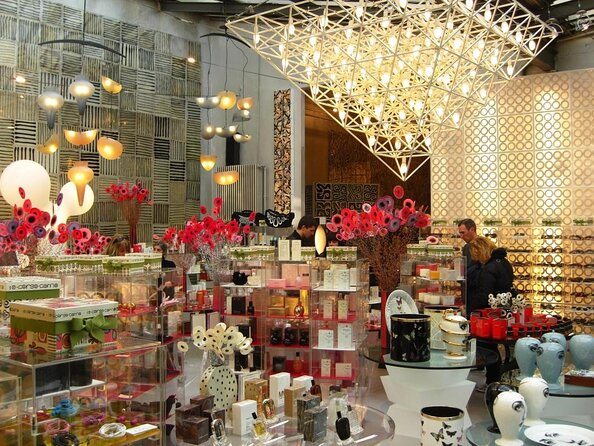
Porta Nuova is where the “new Milan” becomes visible fast. The tour frames it as a long renewal project that followed Milan hosting the 2015 World Expo, with an emphasis on eco-sustainability goals.
This matters because Porta Nuova doesn’t feel like a random set of modern buildings. The district was rebuilt so older and newer parts of the city can coexist, and you’ll hear how the skyline changed as leading architects helped reshape the area.
One of the best ways the tour teaches this is through height and viewpoint. You’ll walk through the district and then get a chance to climb to one of the scenic terraces—described as one of the dozen terraces—so you can see how the project reads from above, not just from street level.
A practical note: terrace time is where your walking will pay off. If you go in expecting only photos at ground level, you might miss the point. The value here is learning to “read” the skyline the way planners and designers do.
Corso Como to Gae Aulenti Square: A Night-and-Style Milan Walk
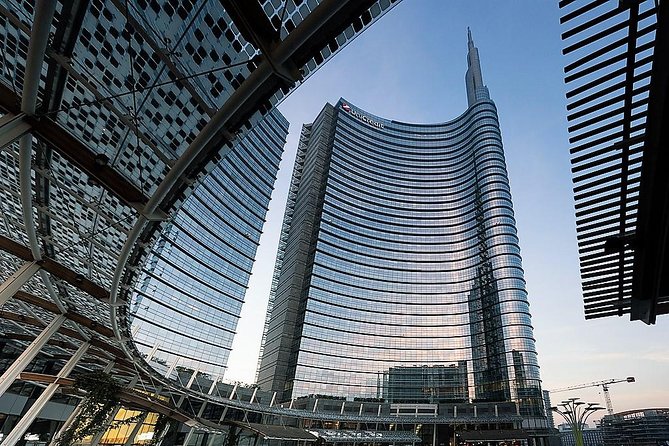
After Porta Nuova, the tour shifts to a more human scale: the streets and squares that create the city’s rhythm. You’ll walk along Corso Como, described as a landmark of Milan by night, which hints at why this area feels so intentional after dark.
Even if you’re there in daytime, the guide’s framing helps you understand the setting. Corso Como isn’t just a street—it’s a stage for how Milan signals modernity: design-forward spaces, strong sightlines, and a mix of commercial energy with architectural ambition.
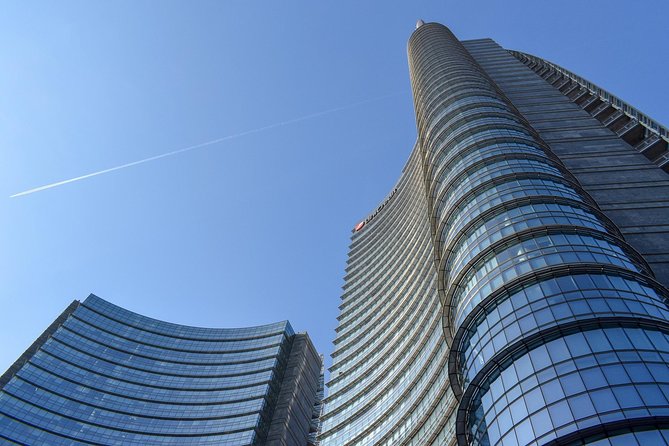
Your walk lands at Gae Aulenti Square, and this is where the tour pulls you toward the skyline’s “main event.” From this area, you reach the view set for the Unicredit tower—the tallest tower referenced in Europe in the tour description.
This stop is especially good if you like architecture that’s more than style. The story here is about how Milan uses big projects to create identity in the city center, without abandoning how people move and gather in public spaces.
Unicredit Tower: Why This Skyline Moment Works
You’ll see Unicredit Tower at Piazza Gae Aulenti, and the tour doesn’t treat it like a distant monument. The guide’s job is to connect the tower to its neighborhood setting, so it doesn’t feel detached from daily life.
The tour description calls out the tower as one of the highest skyscrapers in Europe, and you’ll understand the significance more clearly when you experience the sightline from the surrounding square. Tall buildings are hard to “get” from photos; standing near them (and with guidance) makes scale and intention feel real.
If you care about design, this stop is also a good checkpoint. It helps you compare how different parts of Milan aim for modern impact: terrace views in Porta Nuova, street life around Corso Como, and then pure vertical presence at Gae Aulenti.
The one thing to keep in mind: this is still a walking tour. You won’t have a museum-style, long indoor session here. Expect outside time focused on perspective and explanation, not deep access into the tower itself.
Isola’s Railing Houses and the Vertical Forest Towers
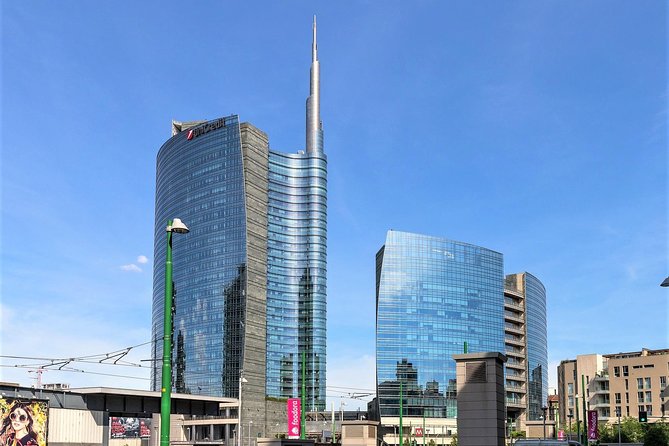
Isola brings a different kind of Milan. The tour frames it as a historical district with distinctive “railing houses” that include commons galleries and courtyards, which gives the neighborhood a sense of community space and street-to-inner-world flow.
That matters because it’s the contrast that makes the Vertical Forest towers hit harder. You’re not just looking at greenery attached to a modern building—you’re looking at a sustainability concept placed into a district with its own older urban logic.
Then comes the headline: the Vertical Forest towers. In the tour description, they’re noted as being rewarded in 2016 as the most beautiful urban project of the World, which helps explain why this was treated like more than a novelty.
What I find most useful here is the concrete sustainability framing. The tour describes the Vertical Forest as a model of urban reforestation and biodiversity, built to regenerate the environment without expanding the city territory. It also shares numbers on the scale of the project: 900 hundred trees and more than 20 thousand plants on the towers.
Even if you’re not an ecology person, those details give you something real to picture. And if you are into sustainability, you’ll appreciate how the tour ties design to environmental goals rather than treating it like decoration.
If you tend to get cold easily, plan for what the day brings. Outdoor pauses near towers mean the wind can shift fast. If you’re going in summer heat (one review mentioned a very hot July afternoon), it helps to have water and pace yourself.

Eataly Milano Smeraldo: Regional Bites to Close the Loop
The tour ends at Eataly Milano Smeraldo, which is a smart move for this specific itinerary. You spend hours learning about the city’s planning and design; then you get food that feels like another kind of “Italian identity” showcase.
Eataly is described as offering regional typical foods across Italy, from Valle d’Aosta to Sicily. The practical benefit is choice: you’re not forced into one set menu. Instead, you can sample what appeals to you after you’ve just walked through a visually and conceptually rich part of Milan.
This stop also makes the tour feel complete. Architecture tours can end with you staring at buildings and going home hungry. Here, you finish with something concrete and fun that fits the neighborhoods you’ve been learning about.
One more reason I like this ending: it’s also the meeting point, so you’re not dealing with complicated end locations. It simplifies the day and helps you transition to your next activity without extra stress.
Value, Price, and What You Get for $265.09
At $265.09 per person for an approx. 3-hour private guided experience, this isn’t a budget add-on. But it’s also not just “a guide walking next to you.”
You’re paying for a professional art historian guide and a private format. That combination matters when you’re dealing with modern architecture and sustainability concepts. A good guide helps you interpret what you’re seeing—especially for projects like the Vertical Forest, where the design goals matter as much as the look.
The tour also includes group discounts and uses a mobile ticket. Group discounts can make this easier if you travel with friends or family and want the private feel without paying full price for every person.
If you’re the type who enjoys planning and design explanations, the price makes more sense. If you mainly want photo ops with minimal talking, you may feel it’s steeper than you need.
My rule: if modern architecture and city planning are part of what you travel for, this price can be fair. If your Milan priorities lean more toward churches, museums, and slow wandering, you might prefer a different kind of tour.
Who This Tour Fits Best (and Who Might Skip It)
This tour is ideal if you’re curious about how cities evolve. The route is built around the idea that Milan’s skyline isn’t random—it’s tied to decisions like the Expo 2015 renewal and later sustainability-focused projects.
You’ll also love it if you enjoy a mix of scale and detail. Porta Nuova gives you skyline structure, Corso Como gives you street-level atmosphere, Gae Aulenti Square gives you a major skyline moment, and Isola gives you neighborhood context plus an environmental design story.
You may want to choose something else if you don’t like walking-based sightseeing. The tour calls for moderate physical fitness, and it’s about moving between outdoor stops. Bring comfy shoes and expect a real walking rhythm.
It’s a strong pick for couples, small groups, and anyone who wants a guided “new Milan” that doesn’t ignore the older neighborhood fabric.
Practical Tips Before You Go
Start with the basics: comfortable shoes and water. You’ll be outside for multiple stops, and modern districts can mean more open space and more sun exposure than you expect.
Bring a light layer if you’re doing this near evening. Even when the city is warm, tower areas and wide squares can feel cooler from wind.
Because it’s a private tour, you may want to come with one or two questions. For example: what makes Porta Nuova’s design different from older Milan, or how does the Vertical Forest idea work beyond appearances? A good guide like Valerio (named in one account) can usually turn those into a richer walk.
Also, plan your timing around Eataly. Since the tour finishes back at Eataly Milano Smeraldo, you can build your meal around it rather than scrambling to find dinner right afterward.
Should You Book This Milan Skyscrapers Tour?
I’d book it if you want modern Milan with real context. The best part isn’t only the skyscrapers—it’s the way the tour connects them to the Expo 2015 renewal, then carries that logic into sustainability with the Vertical Forest and finishes with practical food at Eataly.
Skip it if you want a classic highlights-only day, or if walking for a few hours feels like a chore. Also, if you’re the type who prefers museums or indoor experiences, the outdoor viewpoint focus may not match your style.
If you’re curious about city design, this is a good use of time. In three hours, you get multiple skyline perspectives, a neighborhood contrast in Isola, and a satisfying finish that keeps the day enjoyable.
FAQ
Where does the tour start and end?
It starts at Eataly Milano Smeraldo, Piazza XXV Aprile 10, 20121 Milano, and it ends back at the meeting point.
How long is the Milan Skyscrapers Guided Tour?
The duration is about 3 hours.
What is the price per person?
The price is $265.09 per person.
Is this tour private?
Yes. It’s described as a private tour/activity, meaning only your group participates.
What’s included in the tour price?
Included is a professional art historian guide and the private tour.
What is not included?
Hotel pickup and drop-off are not included.
How should I prepare physically?
You should have moderate physical fitness. It’s a walking-based tour with outdoor stops.
Can I cancel for a full refund?
Yes, you can cancel for a full refund if you cancel up to 24 hours in advance of the experience’s start time.