Milan can feel like a blur at first, but this tour helps you read it. You get a tight 2.5-hour introduction that mixes the big-name sights with calmer streets and real local rhythms. Two things I like a lot: you’re not stuck in a long entry line at the Duomo, and you get stop-by-stop context that turns buildings into stories.
I also like that the experience is truly private. Based on past tours, guides like Salvatore and Armando bring a warm, funny style, and they’ll adjust for what your group wants and needs. The pace works for short trips, and you still get a mix of walking and quick transit between areas.
One possible drawback: this is short, so it won’t replace deeper museum time. If you want long, slow museum visits, you’ll need to add that on your own day.
In This Review
- Key Things I’d Plan for This Milan Highlights Walk
- Why 2.5 Hours Gives You Real Milan Bearings
- Starting at Piazza del Duomo: Where Your Day Makes Sense
- Duomo Square Without Entry: Best Use of Your Time
- Galleria Vittorio Emanuele II: The Arcade You Walk Like a Local
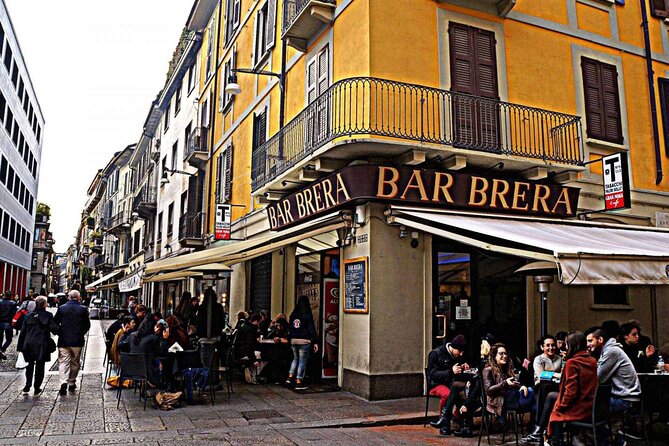
- Brera District: Getting a Feel for Milan Beyond the Main Sights
- San Simpliciano: Why a Church Stop Adds Depth
- Castello Sforzesco Courtyards: Castle Atmosphere in Limited Time
- Private Guide Payoff: Humor, Context, and Flexibility
- Where the Value Really Comes From
- What You’ll Probably Do During the Walk (Beyond Photos)
- Food and Drink: Coffee Built In, Meal Planning Made Easier
- What to Wear and Bring for This Schedule
- Who Should Book This Tour (and Who Might Skip)
- The Quick Decision: Should You Book This Milan Private Highlights Tour?
- FAQ
- How long is the Milan private highlights tour?
- What is the price per person?
- Which stops include admission tickets?
- Is this tour private?
- Where do we meet and where does the tour end?
- What’s included in the tour, and what language is it offered in?
Key Things I’d Plan for This Milan Highlights Walk
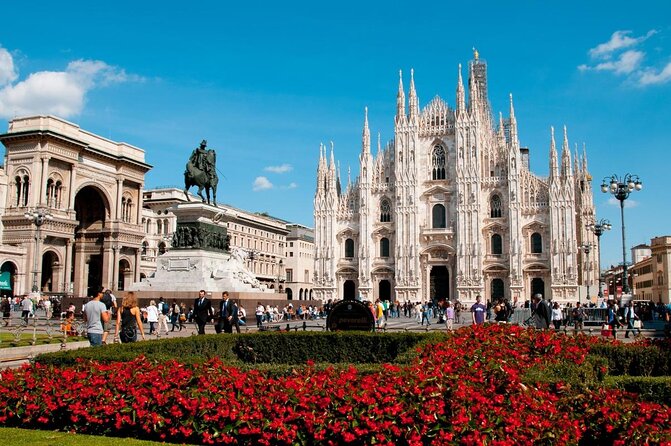
- Duomo from the outside so you get the best photo angles without an entry ticket
- Galleria Vittorio Emanuele II indoors with a guided read of the architecture
- Brera District out of peak crowds for a calmer sense of how Milan lives
- San Simpliciano entry included to balance the walk with a real interior church visit
- Castello Sforzesco courtyards for castle atmosphere without a huge time commitment
- Coffee and/or tea included, plus local tips for where to eat and drink
Why 2.5 Hours Gives You Real Milan Bearings
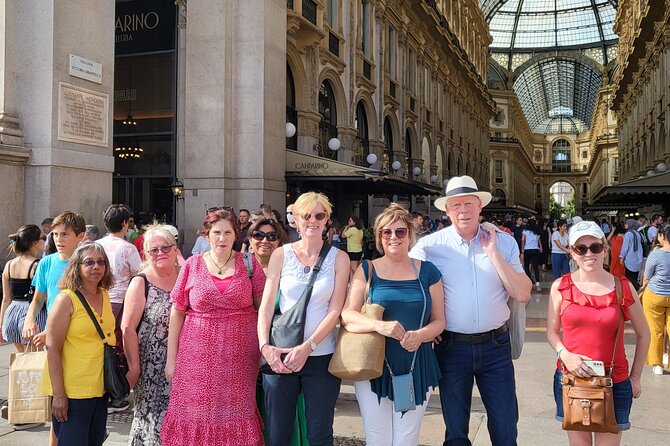
This tour is built for the moment when you arrive and feel like Milan is too big to figure out. Instead of only checking boxes, you get a guided path that connects the city’s major landmarks to everyday life—art districts, church life, and the places locals pause.
The timing is smart. In just a short block of time, you’ll see how Milan shifts from grand monuments to “everyday Milan,” and you’ll leave knowing where things are in relation to each other.
You can also read our reviews of more private tours in Milan


Starting at Piazza del Duomo: Where Your Day Makes Sense
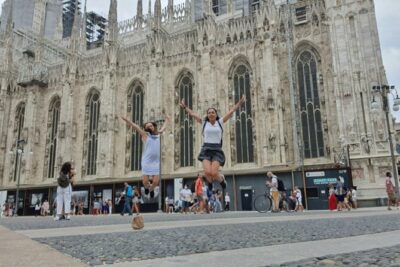
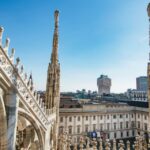
You meet at Piazza del Duomo, which is exactly where your brain needs to start. It’s the visual anchor of the city, and even with no entrance ticket, you can still understand why this area matters.
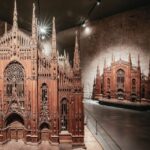
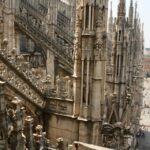
Expect a guide-led orientation before you move on. You’ll get a chance to look closely at details on the Duomo façade—small design choices that explain the larger style—before you step into the quieter rhythm of the side streets and arcades.
Duomo Square Without Entry: Best Use of Your Time
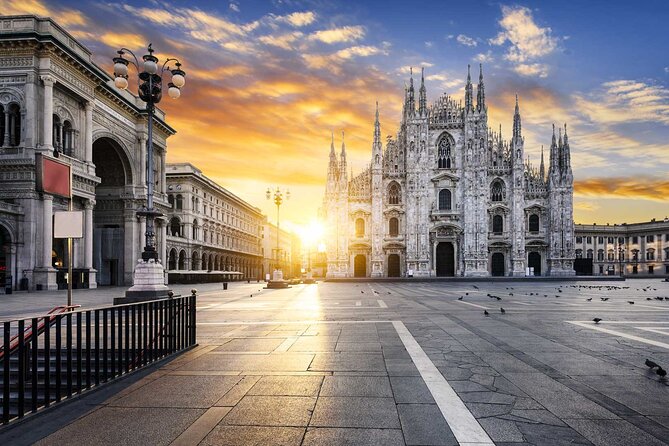
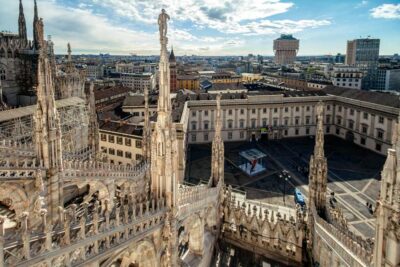
No-entry tours can sound disappointing, but here it’s a plus. If you’re short on time, being outside lets you focus on what you can actually absorb fast: scale, symmetry, and the feel of the square.
You’ll also avoid the common stress of planning an inside visit during a busy day. That’s not about missing something—it’s about getting the right first impression so you can decide later whether you want to come back for more.
Galleria Vittorio Emanuele II: The Arcade You Walk Like a Local
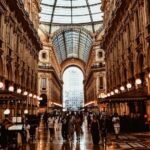
The Galleria Vittorio Emanuele II stop is one of those Milan moments that feels instantly special. It’s not just a pretty corridor; it’s a social space where architecture, shops, and street energy blend into one.
You’ll have time for a guided walk through the Galleria, and that’s the key. A good guide points out what to look for so you’re not just passing under glass and stone without understanding why it’s famous.
In a tour like this, that interior stop is also a weather-saver. If Milan is rainy or too bright, you’ll still get something substantial without losing the whole afternoon.
Brera District: Getting a Feel for Milan Beyond the Main Sights
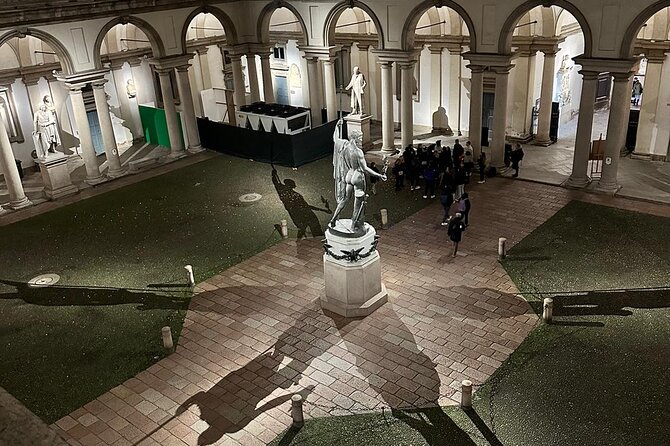
Then the tour shifts into Brera District, and that change matters. Brera is known for its art atmosphere, but on this kind of route you also get something rarer: a calmer sense of how the neighborhood feels when you’re not surrounded by tour groups.
You’ll walk through local streets and hear about the area’s role in Milan’s cultural life. The goal isn’t to memorize trivia—it’s to help you notice the difference between a landmark district and a working neighborhood.
If you’re traveling with kids or anyone who gets tired fast, this is often a good balance stop. It’s not only monuments; it’s a place where you can slow down and actually look at everyday details.



San Simpliciano: Why a Church Stop Adds Depth
This is the one interior visit included: Basilica di San Simpliciano. And the timing makes sense. You’ve already seen the city’s “big face” (Duomo) and its architectural showpiece (Galleria), so stepping into a historic church gives the tour emotional and cultural grounding.
Even in a short visit window, you get something churches do well: a break from the street tempo. The guide helps you understand what makes the building important in Milan, so you’re not just scanning for pretty art.
A drawback to consider: church interiors may have rules about clothing and quiet behavior. If your group tends to move quickly, you’ll want to be ready for a brief moment of slow, respectful observation.
Castello Sforzesco Courtyards: Castle Atmosphere in Limited Time
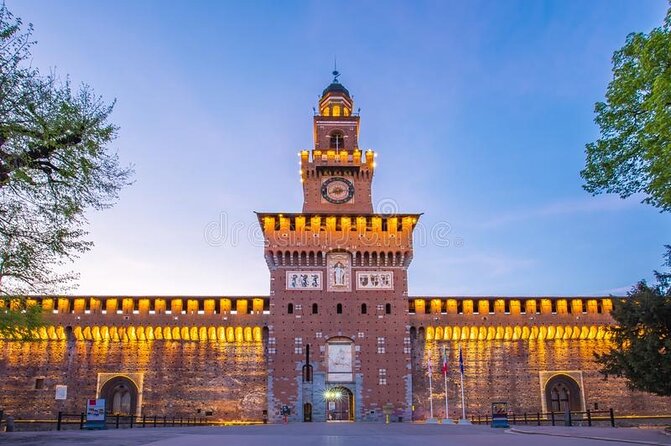
The final sight is Castello Sforzesco, but the visit focuses on the main courtyards. That’s smart for a 2.5-hour tour. You still get the feeling of the castle—stone mass, open spaces, and that “power and politics” vibe—without trying to fit a full on-site tour into a short day.
Courtyard visits are also practical. They let you see the castle’s structure and scale while keeping the schedule tight enough to stay enjoyable.
Plus, ending at the Piazza Castello area is a useful landing spot. You’ll be close to other things you can add later, whether that’s an evening walk or a quick stop for gelato.
Private Guide Payoff: Humor, Context, and Flexibility
This is a private tour, and that changes the whole experience. In real terms, it means the guide can shape the pace and the focus to your group, rather than sticking rigidly to a script.
From past tours, I’ve seen a pattern: guides like Salvatore and Armando are praised not only for history and city context, but also for personality. One guide style that comes through is practical explanation—so you can understand why a building looks the way it does, and how it fits Milan’s bigger story.
Some tours also include a bit of subway travel between areas. That can be a lifesaver in a city built for walking but too spread out for one perfect stroll.
Where the Value Really Comes From
At $108.43 per person, you’re paying for structure and interpretation, not just sightseeing. The value is strongest if you’re trying to do Milan in a limited time window and you want to leave with a mental map.
Here’s what you’re getting that justifies the price:
- A guided overview that ties together major sites and lesser-crowded areas
- Coffee and/or tea included, which is a small comfort but also helps keep energy up
- A stop that includes an interior church visit (Basilica di San Simpliciano)
- A route that ends at a convenient major landmark area (Sforzesco)
The tickets situation also affects value. The Duomo viewing is from outside, Galleria and Brera stops are free, San Simpliciano entry is included, and the Castello visit focuses on courtyards without an extra admission ticket for that portion. That combination keeps the day from turning into constant add-on costs.
What You’ll Probably Do During the Walk (Beyond Photos)
You’re not only collecting images. You’re getting practical orientation and local advice that can help you after the tour ends.
Based on guide styles described in past experiences, you’ll likely get tips about where to eat, drink, and explore next. Some tours also include small local habits, like how people use public fountains. That kind of detail might sound tiny, but it’s exactly what makes a city feel less foreign.
Also, expect the tour to be friendly and responsive. One reason people recommend this is the attention to families and group preferences, which can make the experience feel easier than standard group tours.
Food and Drink: Coffee Built In, Meal Planning Made Easier
Coffee and/or tea is included, which is a nice way to keep the tour comfortable without you hunting for a café mid-route. After two to three stops, you’ll be glad you started with a planned break.
Just as important, you’ll likely get restaurant and aperitivo direction from your guide. Milan is full of choices, so having a local suggestion can save you time—and help you avoid the places that feel designed only for quick tourist traffic.
What to Wear and Bring for This Schedule
Because this is a walking-focused route with about 30 minutes at each main stop, shoes matter. Choose something comfortable for city sidewalks and short pavement stretches.
Weather matters too. If rain moves in, the Galleria stop becomes even more valuable because it offers an indoor setting without losing the guided flow.
Bring a light layer for church interiors and take a water bottle if you tend to get thirsty on walks.
Who Should Book This Tour (and Who Might Skip)
This is a good match if you want:
- A day-one orientation so Milan makes sense fast
- A private guide who can explain and adjust
- A route that includes Duomo-area views, Galleria, Brera, San Simpliciano, and Sforzesco courtyards
- A manageable time commitment when you also have other plans
You might skip (or supplement) if you:
- Want long time inside major museums and chapels beyond one included church stop
- Prefer a fully independent itinerary with no guided interpretation
- Need deep accessibility details beyond the broad statement that most travelers can participate
The Quick Decision: Should You Book This Milan Private Highlights Tour?
If your goal is to get your bearings and learn how Milan works, book it. The structure is tight, the mix of sights is well chosen for a short visit, and the private guide factor usually makes the information feel personal instead of generic.
I’d especially recommend it if it’s your first or second day in town. You’ll walk away with a mental map, practical next-step ideas, and a clearer sense of Milan’s personality beyond the postcard versions.
FAQ
How long is the Milan private highlights tour?
It’s about 2 hours 30 minutes.
What is the price per person?
The price is $108.43 per person.
Which stops include admission tickets?
Basilica di San Simpliciano includes admission. Piazza del Duomo is viewed from outside with no entrance ticket, and the other listed stops are free.
Is this tour private?
Yes. It’s a private tour/activity, and only your group participates.
Where do we meet and where does the tour end?
It starts at Piazza del Duomo (P.za del Duomo, Milano MI, Italy) and ends at Sforzesco Castle (Piazza Castello, 20121 Milano MI, Italy).
What’s included in the tour, and what language is it offered in?
Coffee and/or tea are included. The tour is offered in English, and you’ll receive a mobile ticket.