REVIEW · MILAN
Jewish Guided Tour in Milan
Book on Viator →Operated by Milano Mia · Bookable on Viator
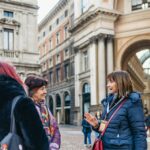
Milan’s center hides layers of Jewish life in plain sight, and this 3-hour guided walk ties them together into one clear storyline. I like that it starts with you getting bearings in classic Milan spots, then connects past and present with a guide who’s paying attention to the details you usually miss.
What I really liked most is the pacing and the size: it’s built for a small group (max 8 travelers) and the guide keeps the facts human, not museum-dry. A small note to plan around: the synagogue visit isn’t just a quick stop—you’ll need to coordinate entry and cover a donation.
In This Review
- A synagogue stop plus Duomo symbolism
- Key things to know before you go
- Jewish Milan in 3 hours: a tight route that makes sense
- Price and what you’re actually paying for ($120.48)
- The first landmarks: San Babila and the feeling of Milan
- Sinagoga Centrale: donation entry and August timing
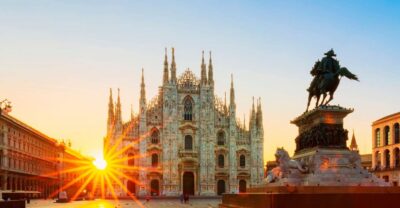
- Piazza del Duomo: comparing Judaism and Christianity through symbols
- Rinascente Milano viewpoints: Milan’s vertical angle
- The Holocaust Memorial link: guided escort, not a museum tour
- Who this Jewish guided tour is best for
- A quick reality check before you book
- Should you book this Jewish Guided Tour in Milan?
- FAQ
- How long is the Jewish guided tour in Milan?
- What is the price per person?
- What language is the tour offered in?
- How large is the group?
- Where does the tour start and end?
- Do I need to pay anything for the synagogue visit?
- Do I need to coordinate synagogue entrance in advance?
- Is the Holocaust Museum included in the tour?
- What is the cancellation policy?
A synagogue stop plus Duomo symbolism
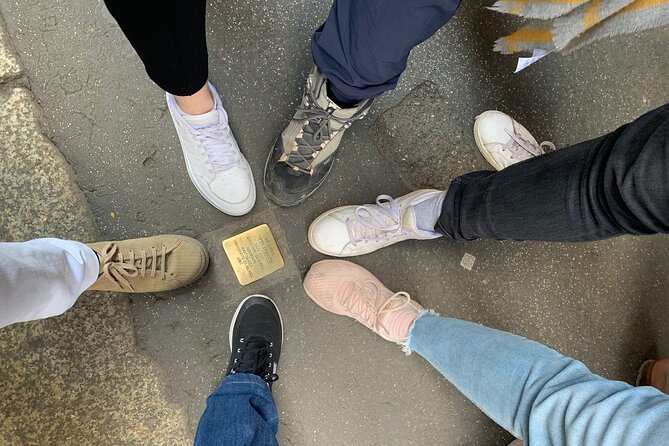
I also like how the route flows from street-level history to big-picture ideas. You’ll connect WWII and Mussolini-era context at one stop, then end up at Piazza del Duomo with comparisons between Judaism and Christianity, plus talk about Jewish symbols on the cathedral.
The main drawback is practical: the synagogue entry involves a donation (at least 10 euros per person), and during August the schedule can be tight due to limited opening hours—so you should reach out in advance if you’re traveling then.
Key things to know before you go
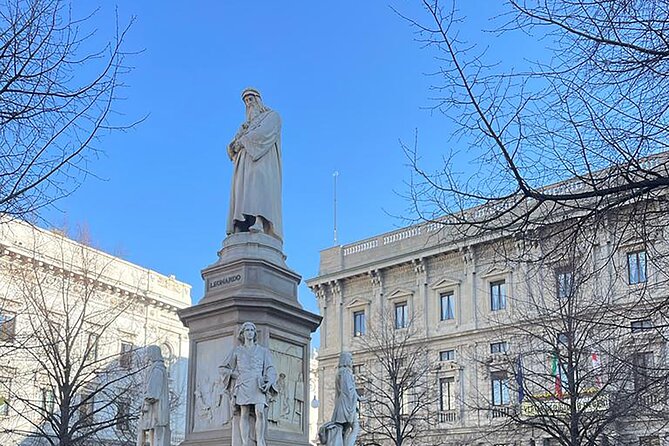
- Small group (max 8) means you get more room for questions and better attention at each stop.
- The route mixes city history (including WWII/Mussolini) with religion and architecture, not just dates.
- Sinagoga Centrale is the anchor stop, with entry via a donation and advance coordination.
- At Piazza del Duomo, you’ll learn how Jewish symbols show up in the cathedral’s wider world of meaning.
- You finish with a metro escort toward the Holocaust Memorial site, so you don’t end the day feeling lost.
You can also read our reviews of more guided tours in Milan
Jewish Milan in 3 hours: a tight route that makes sense
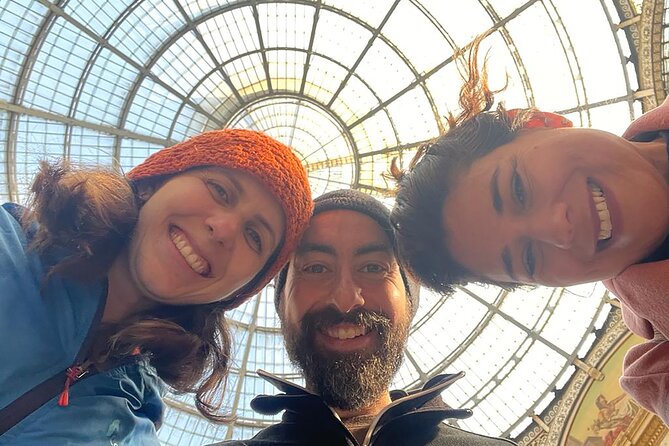
This is a classic city-center walking tour that stays focused. In about 3 hours, you move through key Milan locations that help you understand how Jewish life interacted with the city’s power, culture, and public spaces.
I like tours like this because they don’t ask you to know everything ahead of time. You start at Corso Monforte (near public transportation), then the guide builds a map in your head—past, present, and future—before you jump into specific eras like royal dynasties and WWII.
And even though Milan isn’t known for one obvious Jewish neighborhood you can wander through, the tour doesn’t try to force that story. Instead, it works where Milan really is: in the heart of the city, using landmarks and street geography to explain what was possible, what changed, and what survived.
One more practical benefit: the tour uses a mobile ticket, so you’re not hunting for printed passes while you’re trying to keep up with a group.
Price and what you’re actually paying for ($120.48)
At $120.48 per person for roughly 3 hours, the price isn’t a “cheap walk in the park.” But you’re not just paying for movement from point A to point B.
You’re paying for:
- a licensed/certified in-person guide (the kind who can connect architecture, politics, and religious history in a way you can follow)
- all fees and taxes
- a route that includes Sinagoga Centrale, plus an escort that ends you near the Holocaust Memorial site via metro
The synagogue donation is separate (at least 10 euros per person), and there’s no coffee/tea included. Still, that’s the standard reality for religious sites. When you look at the full package—city-center guidance, a structured narrative, and time with a guide—the value tends to make sense, especially for the small-group format.
Also, this is the kind of tour you book earlier rather than later. It’s commonly reserved around 25 days in advance, so if you want a specific day or weekday rhythm, it’s smart to lock it in.
The first landmarks: San Babila and the feeling of Milan
The tour begins at San Babila, where the guide sets the scene. This part matters more than it sounds. If you’ve never been to Milan, early context helps you see why later stops land the way they do.
From there, you shift to Corso Vittorio Emanuele II. Here the guide talks about Vittorio Emanuele and the dynasties that shaped Italy, along with how Milan’s city layout grew up around that political and cultural power. Even if you’re not obsessed with royal families, this gives you a framework for reading the city: who built it, what they wanted it to communicate, and how people navigated it.
Next comes Piazza del Liberty, where the focus turns to WWII and Mussolini. This isn’t just name-dropping. The point is to show you how ideology can shape everyday streets, public life, and the safety of communities.
Then you move to Monumento a Cesare Beccaria, connecting the story to law and justice. Beccaria’s contribution to legal thinking in Italy becomes a bridge between “Milan as power” and “Milan as ideas about rights,” which is a useful lens before the synagogue stop.
If you like tours where the guide helps you connect the dots, these first landmarks do that job well.
Sinagoga Centrale: donation entry and August timing
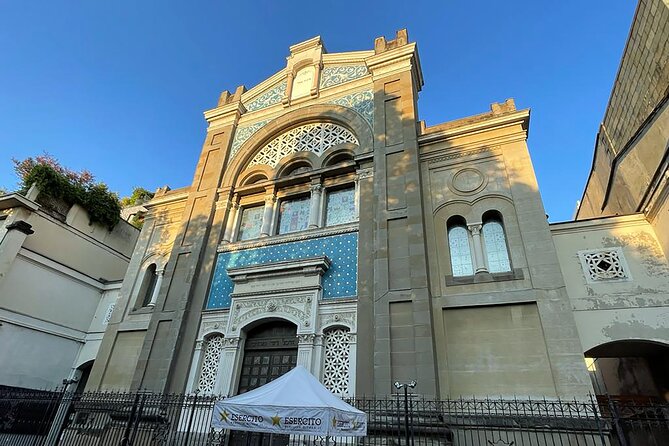
This is the heart of the tour: Sinagoga Centrale. The guide explains the Jewish religion, Jewish history in Italy, and the specific story of Jewish life in Milan.
The big practical thing: entrance requires a donation of at least 10 euros per person. You also need to coordinate entrance with the tour team in advance. So treat that like a checklist item, not something to improvise on the day.
There’s an extra wrinkle for August. The synagogue visit may require prior arrangement because of limited opening hours. If you’re traveling in August, contact the provider ahead of time so you don’t lose this highlight due to schedule limits.
In terms of what you’ll take away, this stop tends to do two jobs at once:
- it gives you religious and historical context you can carry to other places in Milan
- it changes the tone of the day from “history in the streets” to “living tradition and memory”
Plan to arrive with a little patience. Religious sites often work on their own timing and security flow. The donation step is normal, just don’t leave it for the last minute.


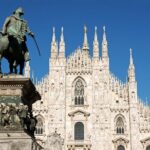

Piazza del Duomo: comparing Judaism and Christianity through symbols
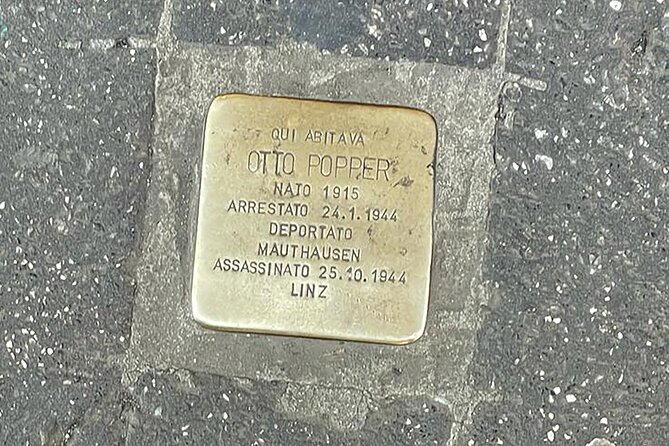
After the synagogue, the tour shifts to Piazza del Duomo. This is where Milan’s “everyone’s here” energy meets deeper symbolism.
The guide talks about similarities and differences between Judaism and Christianity, framed in a way that doesn’t make you feel like you need a religious studies degree. The real value is learning how people understand one another’s traditions, especially when public buildings and shared spaces become part of the conversation.
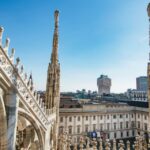
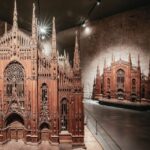
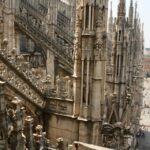
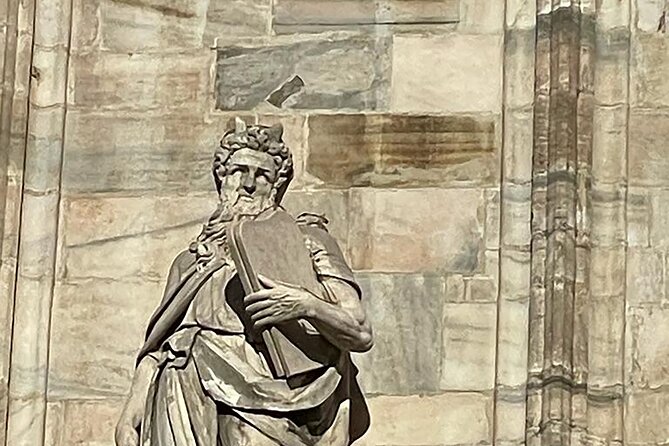
You also get architecture talk. You’ll connect church and synagogue design logic at a high level, then zoom in on Jewish symbols on the Duomo. That detail is what makes the cathedral visit more than just photos. It turns a landmark into a readable text.
And if you’re wondering why this belongs after the synagogue stop: it’s the same story in a different setting. Instead of learning in the synagogue about Jewish life, you’re seeing how Jewish ideas and symbols can show up in a major Christian monument’s visual world.
If you like tours that mix big sights with meaningful interpretation, this is the segment to lean into.
Rinascente Milano viewpoints: Milan’s vertical angle
Next you go to Rinascente Milano for a quick city-from-above moment and discussion about high-rise buildings in Milan and Italy.
This part is short—around 15 minutes—but it helps your brain reset. When you’ve been walking through monuments and plazas, it’s easy to think of the city as flat. The view reminds you Milan is also about height, density, and how modern buildings reshape sight lines and neighborhoods.
It’s a practical change of pace too. You’re not sitting all day, but you do get a break from street-level focus.
If you’re a photographer, this is the moment to get your “city overview” shots before heading into the last portion of the tour.
The Holocaust Memorial link: guided escort, not a museum tour
You end with guidance toward the Holocaust Memorial site in Milan. The tour includes escort and guidance to the entrance, and you travel together on the metro to get there smoothly.
Important nuance: the tour does not include a tour of the Holocaust Museum itself. What it does include is the handoff—so you arrive at the right place and don’t waste your time figuring out logistics at the end of a long day.
That matters, especially if your goal is a respectful visit with context. The guide helps you orient so you can walk into the memorial area with clarity, not confusion.
If you’re planning your day around this, give yourself enough time after the tour to slow down. This ending is more reflective than the earlier sightseeing blocks.
Who this Jewish guided tour is best for
This tour fits best if you want:
- Jewish history and context in central Milan, tied to real landmarks
- a guide who can connect WWII/Mussolini-era context with Jewish religious and historical themes
- a small-group format where you can ask questions
- a structured route rather than a self-guided hunt
It also works well for first-timers who need city orientation fast. The route is designed to help you understand Milan quickly—then you get to see how the Jewish story fits into that larger city picture.
If you’re traveling with friends or family and you want a shared learning experience, the maximum of 8 travelers keeps the conversation flowing without turning into a lecture.
Most travelers can participate, and the tour is offered in English, which makes it a strong choice for English-speaking visitors who want more than a basic “see this, see that” day.
A quick reality check before you book
I’d book this tour if you care about meaningful interpretation, not just sightseeing. The main reasons are simple: the synagogue stop, the guide’s ability to connect stories across eras, and the Duomo symbolism segment that helps you notice details without getting lost in them.
I’d hesitate only if you know you can’t manage religious-site entry rules. The synagogue requires a donation of at least 10 euros per person and needs coordination, with extra timing issues during August.
Also, if your main goal is a full Holocaust Museum experience, this tour won’t satisfy that by itself. You’ll get guided arrival and orientation near the memorial site, but the museum tour is not included.
Should you book this Jewish Guided Tour in Milan?
Yes, with a smart plan. Book it if you want an efficient route that turns Milan into a readable story—royal Italy, WWII context, legal and ethical thinking, a real synagogue visit, and Jewish symbols you’ll spot at the Duomo.
Do book with attention to the two “prep points”:
- make sure you’re ready for the synagogue donation and coordination
- if you’re going in August, reach out early about synagogue timing
If those pieces line up for you, this is one of the better ways to spend a half-day in Milan with understanding you can carry home.
FAQ
How long is the Jewish guided tour in Milan?
The tour lasts about 3 hours.
What is the price per person?
The price is $120.48 per person.
What language is the tour offered in?
The tour is offered in English.
How large is the group?
The tour has a maximum of 8 travelers.
Where does the tour start and end?
It starts at Corso Monforte, 2, 20122 Milano MI, Italy and ends on Via Dante, Milano MI, in front of the Holocaust Memorial Site area.
Do I need to pay anything for the synagogue visit?
Yes. Entrance to Sinagoga Centrale requires a donation of at least 10 euros per person.
Do I need to coordinate synagogue entrance in advance?
Yes. You need to coordinate the entrance with the tour team in advance.
Is the Holocaust Museum included in the tour?
No. The tour includes escort and guidance to the Holocaust Memorial site, but it does not include a tour of the Holocaust Museum.
What is the cancellation policy?
Free cancellation is allowed up to 24 hours before the experience’s start time for a full refund.