REVIEW · MILAN
Learn to Cook Italian Recipes with an Italian Chef
Book on Viator →Operated by Chef and the City · Bookable on Viator
A Milan kitchen where the menu is a mystery. This hands-on class in Milan teaches you three traditional courses—starter, first course, and dessert—without you knowing the exact dishes until you’re in the room. I love the step-by-step coaching (the chef focuses on how, when, and why each step matters), and I also love that you end with a sit-down meal with Italian wine plus recipes you can cook again at home. The main consideration: you don’t choose the menu ahead of time, so if there’s one specific dish you’re chasing, this may not be the best fit.
The experience is designed to feel professional but relaxed, with direct assistance as you cook. You’ll likely share the kitchen with a small group (the cap is 20, and the vibe can feel more intimate depending on the night), and the class is offered in English. One more practical point to plan for: the kitchen is street level and you should expect to work standing up, since there’s no mention of seating during prep.
You’ll meet at Via Laura Ciceri Visconti, 4, look for the street-level space with the red CHEF AND THE CITY sign, and ring the front doorbell. There’s no luggage storage, and you can’t bring animals, so travel light and keep it simple.
In This Review
- Key things I’d bet on
- Entering the Milan Kitchen: What This Class Actually Feels Like
- Finding the Lab on Via Laura Ciceri Visconti (and What to Do When You Arrive)
- The Real Lesson: How, When, Why Each Step Matters
- Starter Time: Bruschetta, Focaccia, Parmigiana, and Surprise Appetizers
- Pasta by Hand: Gnocchi, Ravioli, Tagliatelle, and Dumplings
- Dessert Workshop: Tiramisu, Cantucci, Pan Meino, and Chocolate Tortini
- Dinner With Italian Wine: Included, Shared, and Best Enjoyed Slowly
- Price and Value: Why $82.27 Can Make Sense
- Small Group Energy, Real Teaching, and Who Might Love This Most
- Chef and the City: The Teaching Style You’ll Want to Seek Out
- Should You Book This Italian Cooking Class in Milan?
- FAQ
- What dishes will I cook in this Milan class?
- How long is the experience?
- Is the class taught in English?
- Do I need to bring my own kitchen tools or an apron?
- Is wine included, and is it unlimited?
- Will I get recipes to take home?
- Can I store luggage at the venue?
- Can I cancel for a full refund?
- Is there a limit on group size?
Key things I’d bet on
- The menu stays secret until class so you’re learning techniques, not just copying a preview list
- 3 courses, made by hand (starter + fresh pasta/dumplings + dessert)
- English-speaking instruction with room for questions and notes
- Hands-on tools and apron provided so you don’t arrive hunting for supplies
- Wine is included with the meal but shared, not a free-for-all
Entering the Milan Kitchen: What This Class Actually Feels Like
This is the kind of cooking class that’s built around skills, not showmanship. From the moment you start, the goal is clear: you’re going to learn the logic behind Italian cooking—timing, texture, ratios, and technique—so the food you make at home looks and tastes like it should.
The “surprise menu” concept is more than a gimmick. It pushes you to focus on fundamentals. Instead of thinking, I hope they cook the dish I imagined, you’re learning how to produce the same kind of Italian outcomes again and again: crisp-yet-tender bruschetta style components, fresh pasta dough behavior, and dessert structure that holds up when you serve.
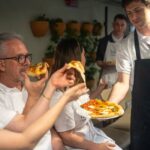
And yes, you’ll eat what you make. That matters. A cooking class can be fun and still feel incomplete if you don’t sit down for the finished result. Here, the experience ends with your meal—three courses, Italian wine, and coffee/tea afterward.
You can also read our reviews of more cooking classes in Milan


Finding the Lab on Via Laura Ciceri Visconti (and What to Do When You Arrive)
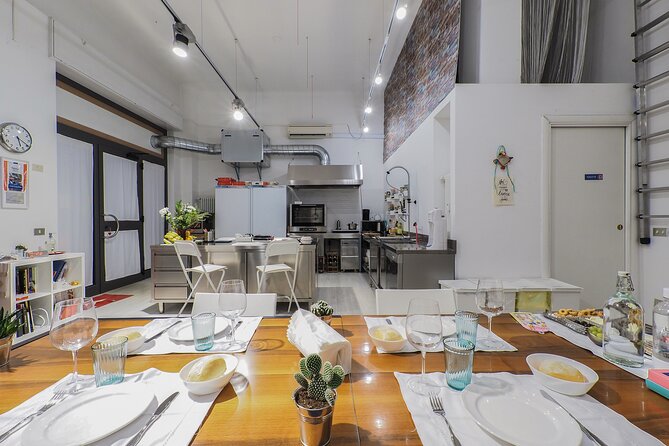
Logistics are usually where cooking classes quietly fail. This one is pretty straightforward.
You meet at Via Laura Ciceri Visconti, 4, in a street-level lab. The space has three windows with the red CHEF AND THE CITY sign, and you ring the front doorbell to be let in. It’s near public transportation, which is helpful in Milan when you’d rather not waste time on transfers.
Two small “plan ahead” notes:
- No luggage storage is listed, and carrying luggage is forbidden. If you’re day-tripping, keep your hands free and travel light.
- Smoking is prohibited, and the kitchen is set up for cooking work, not hanging around.
The Real Lesson: How, When, Why Each Step Matters
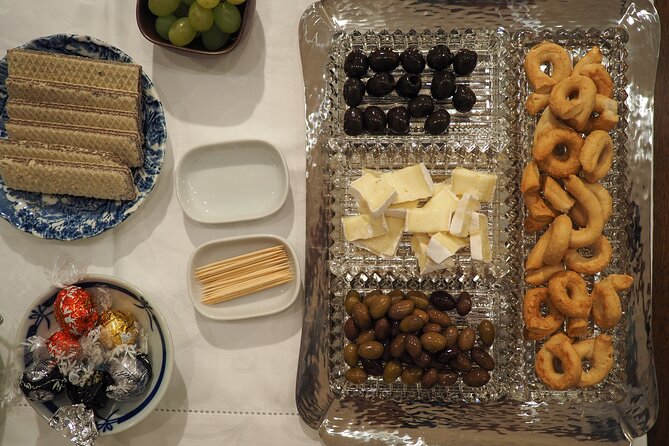
The best part of this class isn’t that it’s hands-on. Lots of classes are hands-on. The difference is the emphasis on how, when, and why.
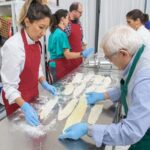
That approach shows up in what the chef teaches you while you’re doing the work, not after you mess it up. You’re not just handed a task. You’re guided through timing and technique so you can understand what’s happening as the dough hydrates, as sauce thickens, or as dessert components set.
You also get the chance to ask questions and take notes. That sounds basic, but it changes the experience. You can pause your brain mid-recipe and get answers on the exact issue in front of you—like why a dough needs a certain texture before shaping, or how to balance flavor when you dress a pasta.
If you’re a beginner, this is exactly what you want: clarity and coaching. If you’re more experienced, it’s still valuable because the chef is teaching process, not just serving a menu.
Starter Time: Bruschetta, Focaccia, Parmigiana, and Surprise Appetizers
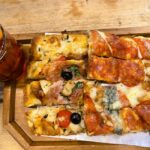
Your starter will be a classic Italian appetizer. The examples given include bruschetta, focaccia, and parmigiana, and the lesson may include others depending on what they’re making that day.
What’s great here is that these dishes teach different building blocks:
- Bruschetta-style flavors push you toward good bread prep and fresh topping logic.
- Focaccia shows dough behavior and how to get the right surface texture.
- Parmigiana helps you understand layering and how to build flavor without making the dish heavy.
In at least one described menu, students made a chickpea-based appetizer alongside other courses. That’s a reminder that Italian cooking isn’t only about the “perfectly photogenic” classics. You’re also learning how Italian home-style food uses straightforward ingredients and turns them into something satisfying.
Pasta by Hand: Gnocchi, Ravioli, Tagliatelle, and Dumplings
The first course is fresh pasta or handmade dumplings. The class examples include gnocchi, tagliatelle, ravioli, and other options depending on the night. This is where you’ll feel the biggest learning curve.
And it’s a good curve.
Hands-on pasta teaches you what store-bought never does: how dough feels, what “right” looks like mid-step, and why sauce matters. Even if you don’t end up making pasta every week at home, the technique you learn will transfer to other cooking styles—especially with texture control.
The chef also works with you on the dressing/sauce. That’s important. A lot of cooking classes stop at “make the pasta.” Here, you get coached on pairing and finishing so the final dish tastes like an Italian meal, not just a bowl of handmade carbs.






Dessert Workshop: Tiramisu, Cantucci, Pan Meino, and Chocolate Tortini
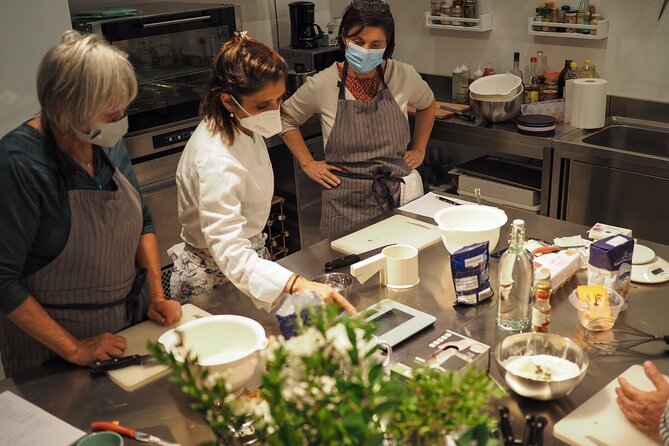
Dessert is where this class can really win you over. You might make tiramisu, cantucci, pan meino (a Milanese classic), chocolate tortini, or another traditional option from the chef.
What you’ll learn isn’t just assembly. You’ll pick up the structure that makes Italian desserts work:
- Tiramisu teaches layering and balance, plus how to keep the texture right when you add and finish.
- Cantucci-style cookies focus on shape and bake-doneness so they slice cleanly and don’t crumble into sadness.
- Pan meino is a great reminder that Milan has its own identity inside Italian food culture.
- Chocolate tortini-type desserts are about controlling doneness so the center and exterior feel like they belong together.
Dessert lessons also tend to be the easiest way to get a “win” quickly—something you can recreate later without needing a professional kitchen.
Dinner With Italian Wine: Included, Shared, and Best Enjoyed Slowly
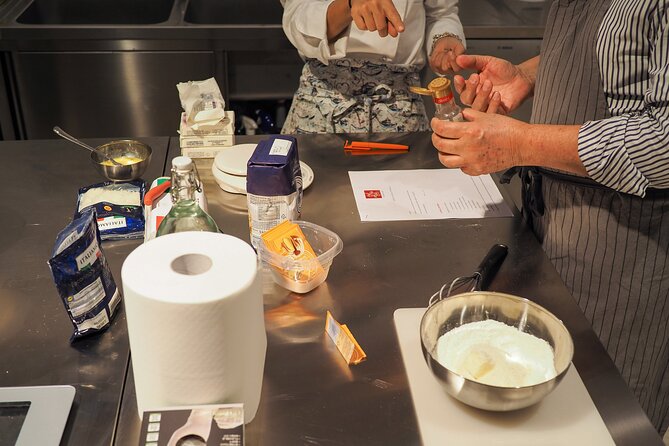
After cooking, you sit down and eat your three courses. Italian wine is included with the meal, and coffee and/or tea are also part of the package, along with bottled natural and sparkling water.
One detail worth understanding up front: wine is shared. The guidance provided says it’s based on a bottle every few guests (about one bottle per three guests). If you want more than what’s included in the share, it may require paying extra.
So here’s the practical mindset: enjoy the wine during the meal, don’t assume unlimited pours before you confirm how it’s handled on your specific date. If you go in expecting that structure, you’ll have a better time.
Price and Value: Why $82.27 Can Make Sense
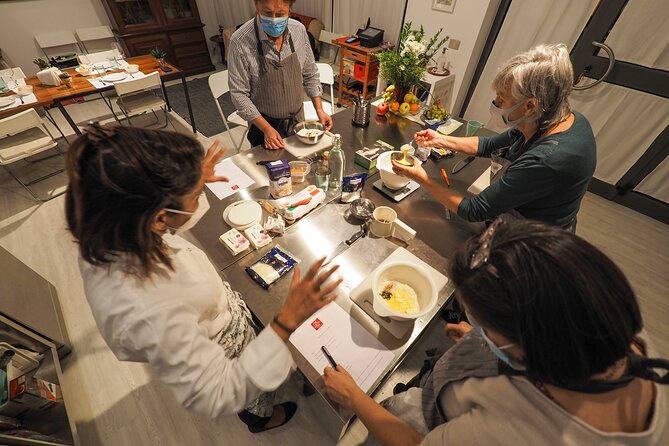
At about $82.27 per person for roughly 3 hours, the value comes from what you actually receive:
- You’re not just tasting. You’re cooking.
- You get an apron and the tools you need.
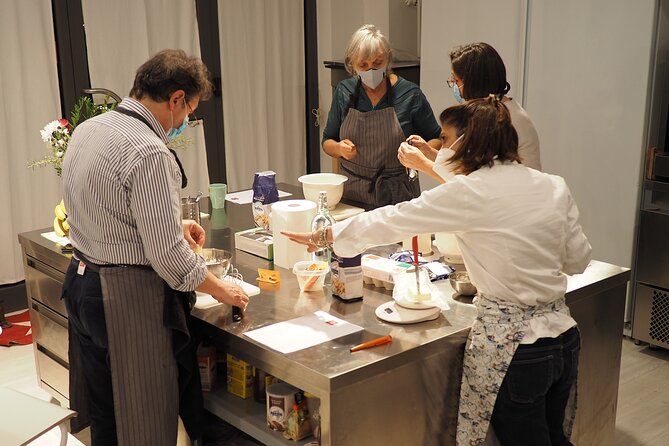
- Italian-style welcome snacks are included.
- Coffee/tea and bottled water are included.
- The class ends with dinner, and wine is part of the meal.
This is one of those deals where the price is easier to justify than when you’re paying for a single dish tasting. You’re paying for instruction, ingredients, and the full “learn then eat” format.
It’s also a solid price point for Milan, where a lot of experiences become expensive fast once you add meals. Here, your meal is the result of your work—so you’re getting more than a guided snack.
Small Group Energy, Real Teaching, and Who Might Love This Most
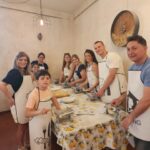
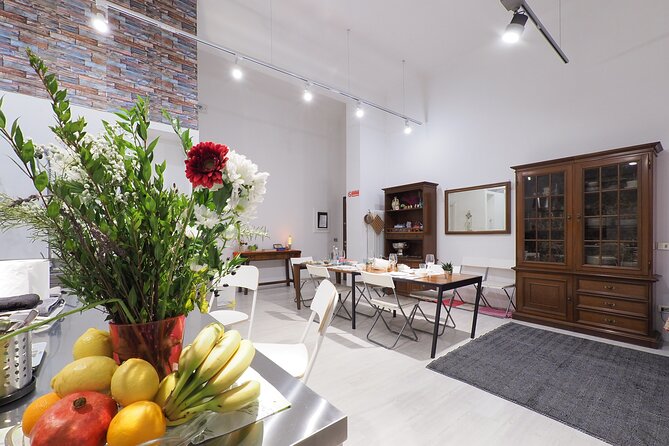
This class caps at 20 participants, and in practice it can feel closer to a small group session. That size matters because you can actually cook instead of standing in the back trying to see what’s going on.
The teaching style described is also very inclusive: participants can ask questions, and everyone is involved in prep. This makes it a good choice for mixed cooking levels, including people who don’t cook much at home.
If you’re a foodie who wants only the most intense technical deep-nerd talk, this might feel a bit gentle. There’s also the reality of group dynamics in any shared kitchen. You’ll likely be busy, talking, and working side by side.
Diet notes: one described experience mentions gluten accommodation for a gluten allergy. If you have dietary needs, don’t assume it’s handled automatically. Ask the provider in advance so you’re not guessing last minute.
Chef and the City: The Teaching Style You’ll Want to Seek Out
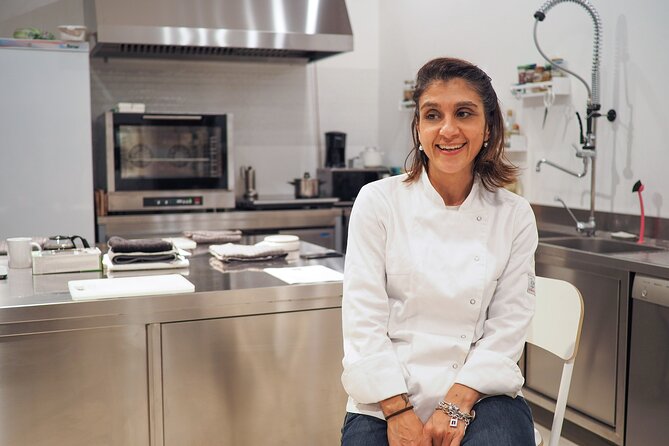
The chef name that comes up repeatedly is Chef Ilaria. You may also encounter Chef Alessandro depending on the schedule.
What stands out from the teaching style described is energy and patience. The chef’s goal isn’t to rush you. It’s to get you confident with steps and technique. That’s why the class keeps returning to the same themes: cleanliness in the kitchen, hands-on participation, and clear explanations while you cook.
A good sign: students describe learning practical tips and new techniques, not just following a script. When that happens, the recipes you take home are more likely to work for you.
Should You Book This Italian Cooking Class in Milan?
Book it if you want a real cooking lesson with a meal attached, and you’re happy with a surprise menu. This is ideal for:
- First-time cooks who want confidence and structure
- Food lovers who learn best by doing
- People who want Italian comfort classics like pasta and tiramisu, but made hands-on
Consider skipping (or choosing a different format) if you’re locked on a specific dish you must cook, because the menu isn’t selected in advance. Also, if your priority is heavy wine drinking, plan for the shared-wine approach tied to the meal.
If your goal is to leave Milan with recipes you can actually repeat—plus technique that makes your next attempt taste like Italy—this is a very strong pick.
FAQ
What dishes will I cook in this Milan class?
You’ll cook three typical Italian courses: a starter, a first course (fresh pasta or handmade dumplings), and a dessert. The exact dishes are not chosen in advance—you find out in class what you’ll prepare.
How long is the experience?
It’s listed as about 3 hours.
Is the class taught in English?
Yes, the experience is offered in English.
Do I need to bring my own kitchen tools or an apron?
No. You’ll be equipped with an apron, and all cooking tools are included in the cooking course.
Is wine included, and is it unlimited?
Italian wine is included with the meal. The wine is shared (about a bottle every three guests is mentioned), and extra wine would be an added charge.
Will I get recipes to take home?
Yes. All recipes are delivered at the end of the experience so you can cook them independently later.
Can I store luggage at the venue?
No luggage storage is listed, and carrying luggage is forbidden.
Can I cancel for a full refund?
Yes. Free cancellation is available up to 24 hours in advance for a full refund.
Is there a limit on group size?
Yes. The experience has a maximum of 20 travelers.