REVIEW · MILAN
Milan: Pasta and Tiramisu Cooking Class with Wine
Book on GetYourGuide →Operated by The Roman Food Tour · Bookable on GetYourGuide
A pasta dough lesson beats another museum day. I really like making fresh pasta from scratch and learning the real secrets behind tiramisu. One thing to consider: it’s typically a small-to-medium group, so if you want lots of one-on-one attention, you may have to wait your turn.
What makes this class feel extra Milan is the setting and the pace. You start with a welcome glass of Prosecco, then work behind the scenes in a locally loved restaurant with step-by-step guidance in English. By the end, you sit down together to eat what you made, with wine that’s meant to go right along with the meal.
In This Review
- Key highlights worth planning for
- Why this Milan cooking class works in real life
- Prosecco welcome and the restaurant kitchen setup
- What to note about group size
- Rolling fresh pasta dough: flour, technique, and the big difference
- Why this matters for you back home
- Pasta shaping and the way the class keeps moving
- Expect a practical pace
- Tiramisu: learning the dessert, not just eating it
- A tip for the dessert stage
- Wine at the table: why it’s more than just alcohol
- Price and value: is $61 a fair deal in Milan?
- Dietary needs: what to know before you book
- My advice before you send the booking note
- Who should book this class (and who might want to skip)
- Practical tips to get the most out of your 3 hours
- FAQ
- FAQ
- Is the instruction offered in English?
- How long is the cooking class?
- Does the class include food and wine?
- Can I request a vegetarian option?
- What ingredients are used in the traditional recipe?
- Is the class suitable for vegans or people with gluten or lactose intolerance?
- Should you book this Milan cooking class?
Key highlights worth planning for
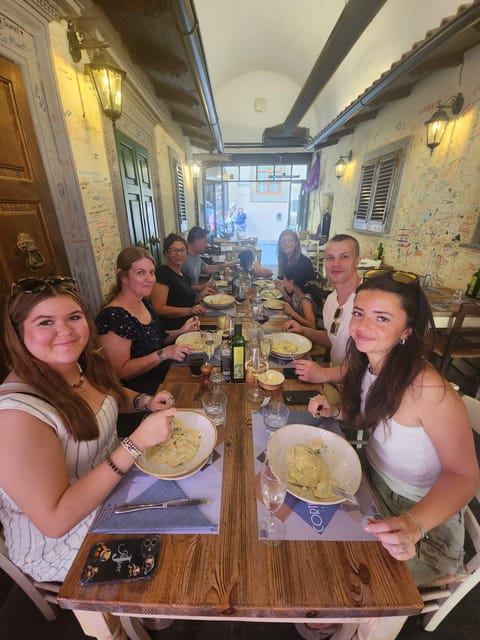
- Fresh pasta basics you can repeat at home: flour choice, dough method, and the difference between pasta fresca and pasta secca
- Tiramisu that makes sense, not just a recipe: you’ll learn how to assemble it the traditional way
- Your meal comes right from your workstation: you’ll taste what you helped create
- Wine + lunch or dinner timing: you’re eating together at the end, not just snacking
- It’s social, but not private: classes can run around 15–20 people, so questions may come in bursts
- Dietary reality check: traditional instructions include gluten, dairy, and eggs, with cross-contamination risk
Why this Milan cooking class works in real life
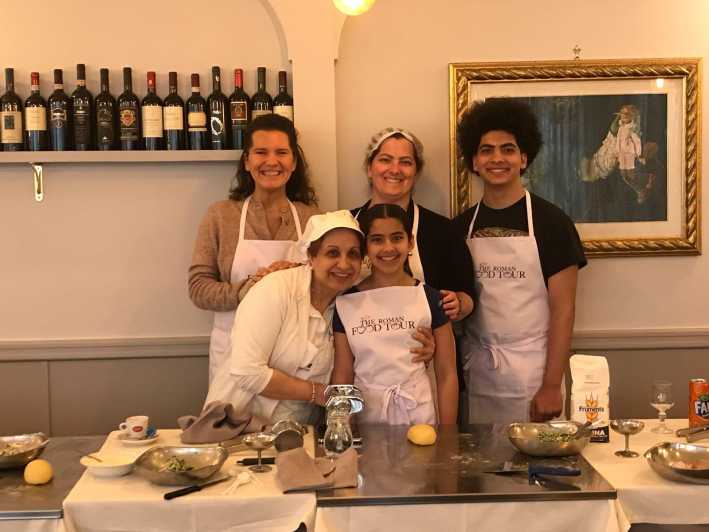
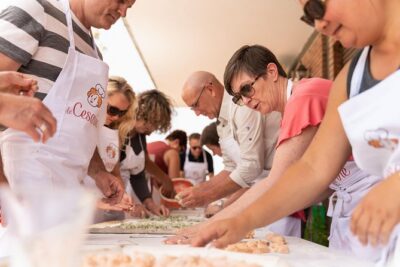
If you’re in Milan for a few days, it’s easy to stack your time with cathedrals, shopping streets, and galleries. This is the kind of break that resets your day. In just 3 hours, you learn skills that go beyond tasting—rolling, shaping, assembling, and understanding what makes Italian food feel like Italian food.
I like that the structure is clear. You’re not just watching someone cook; you’re getting your hands on the dough, then building the dessert. And because you end with lunch or dinner, it feels like an actual experience—not a demo.
The vibe also helps. People want to talk, laugh, and compare notes over food. In the reports I saw, hosts like Damiano are called out for keeping the energy high, and Chef Mimo shows up often as a name associated with making the class feel welcoming.
You can also read our reviews of more cooking classes in Milan

Prosecco welcome and the restaurant kitchen setup
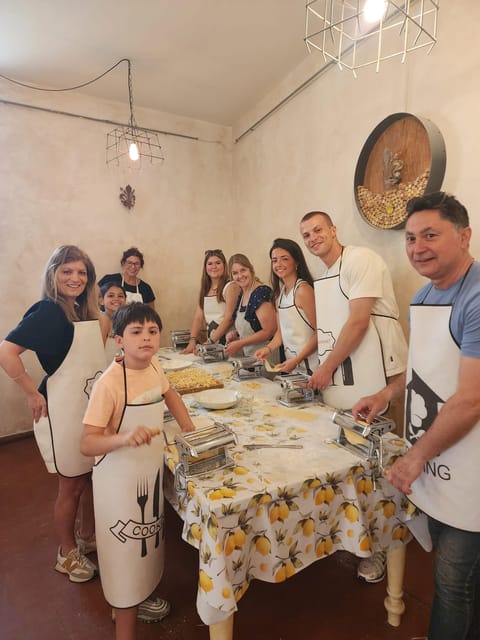
The class starts with you walking into the restaurant and being welcomed immediately—first with a glass of Prosecco. That small moment matters in a city where everything can feel rushed. It’s a soft landing before you tie on your apron.
Then you go behind the scenes to see how a restaurant kitchen works in practice. You get oriented before you start working, so you’re not standing around guessing where to go or what to do. The goal is to help you understand both the ingredients and the rhythm of a real Italian meal.
You’ll also get an English-speaking instructor guiding you step by step. That’s especially helpful for cooking techniques that sound simple but have real texture details—like dough consistency and how to handle it without making a sticky mess.
What to note about group size
A lot of the fun here is social. One group reported having around 15–20 people, which is a good sign you’ll meet folks and share the table at the end. The tradeoff is that you might not get instant, personal troubleshooting every minute—so listen closely when guidance is given to the whole group.
Rolling fresh pasta dough: flour, technique, and the big difference
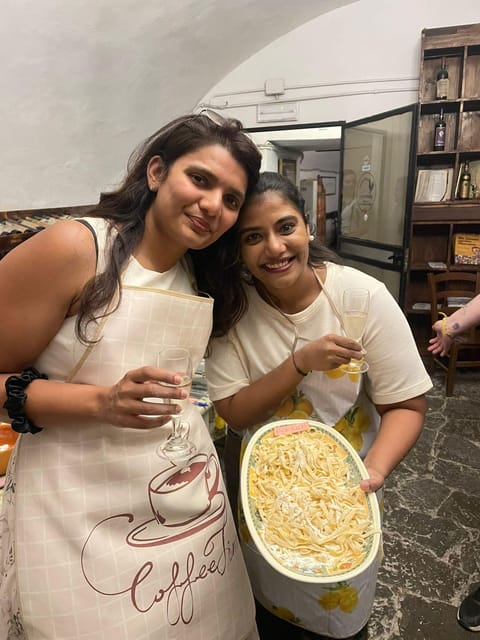
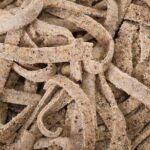
This is the heart of the class. You’ll learn to make fresh pasta from scratch, including dough preparation and what’s going on when it turns from shaggy to smooth. The instruction covers the basics you’ll need to get consistent results.
You’ll also learn what flour to use and why that choice matters. Different flours can change the feel of the dough and how it holds up when shaped and cooked. You’re not just memorizing steps—you’re understanding the logic.
One of the most useful teaching points is the difference between pasta fresca and pasta secca. In plain terms, it’s about fresh vs dried pasta, and it affects how sauces cling, how the pasta cooks, and even how forgiving it is. That knowledge helps you order better in restaurants later, too.
Why this matters for you back home
Even if you never make pasta again, you’ll leave with a clearer sense of what you’re eating. You start noticing textures and how sauces behave. And if you do cook at home, the flour-and-dough lesson becomes your foundation.
If your last attempt at pasta was years ago, don’t worry. One of the most common themes in the feedback was relief—people said they had given up, then found the class made it feel doable again.
You can also read our reviews of more wine tours in Milan


Pasta shaping and the way the class keeps moving
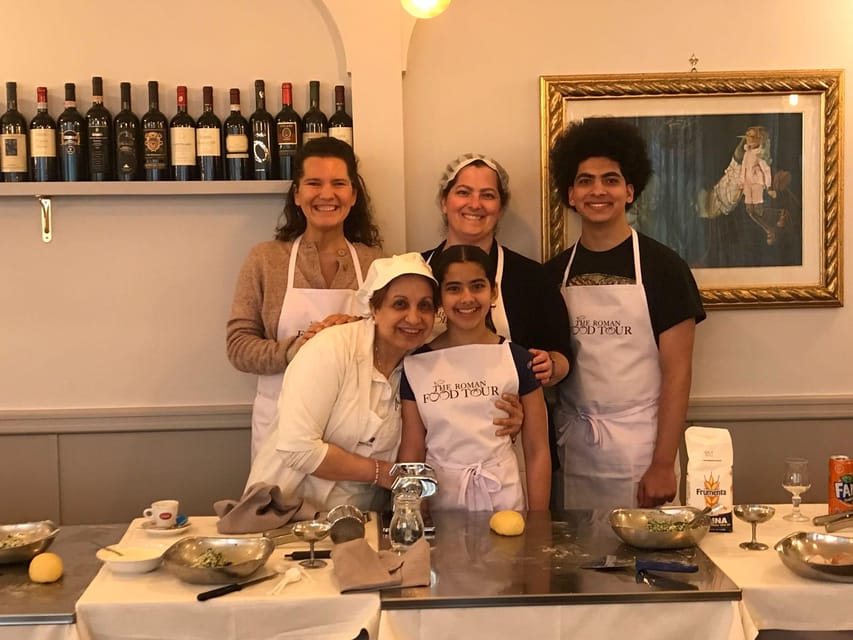
After dough is ready, the class moves into hands-on shaping. You’ll work at your own workstation, which makes a big difference. It’s not just a crowd watching one person roll; you get your turn with the dough.
The class also includes the sauces that bring everything together. People specifically praised the sauces for the pasta they made, and that’s a big part of why this class feels like a meal, not a snack.
A key point: you learn the process, but you also get help with the final cooking and finishing. One set of reports described staff cooking the pasta and adding sauce before participants ate, which means you’re guided toward great results without spending the entire session in front of the stove.
Expect a practical pace
The format is designed for a 3-hour window, so you won’t get stuck on one step too long. If you’re the type who learns by asking lots of follow-ups, aim to ask early while the instructor is giving general guidance. That’s when you’ll get the most relevant answers.
Tiramisu: learning the dessert, not just eating it
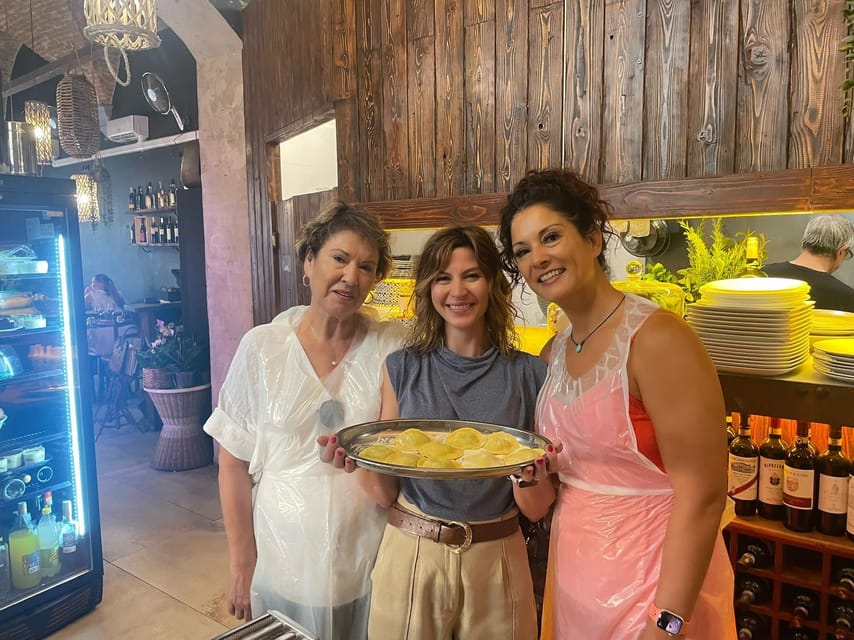
Tiramisu is where Italian cooking becomes emotional. It looks simple, but the balance of textures—creamy layers, soft structure, and the dusting—is what makes it memorable.
In the class, you’ll learn how to prepare tiramisu with traditional technique. You’ll get step-by-step guidance, then you’ll sample the dishes you helped make. That matters because you’re not guessing whether your assembly worked—you get immediate feedback through tasting.
One reported flow had participants making tiramisu first, then moving to pasta. Other sessions may follow a different order, but the core idea is the same: you’ll spend real time learning the dessert assembly while you’re still in the cooking rhythm.
A tip for the dessert stage
Watch your texture more than your timing. The cream layer and the way the components combine are the parts that make tiramisu feel light instead of heavy. If your class has a pause point, use it to ask about what the instructor wants you to look for visually and by feel.
Wine at the table: why it’s more than just alcohol
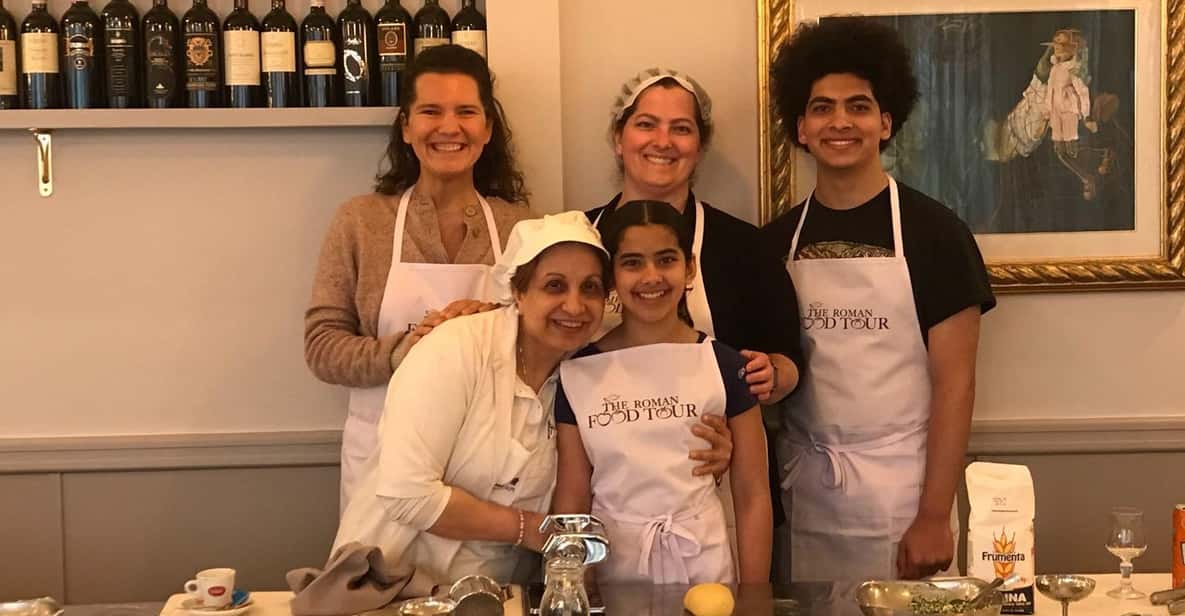
You’re not asked to drink your way through the experience. The wine is presented as part of the meal. You’ll have fine wine served alongside what you made, and you’ll sip as you sit down together at the end.
That pairing style changes the whole feel of the class. It turns the meal into a shared celebration of skills you just learned. And it also helps you build a mental link between flavor families: pasta + sauce, then dessert, then wine.
If you’re curious about what pairs well with Italian dishes, this is a low-pressure way to get ideas. Just keep in mind you’re in a cooking class, so go at a normal pace and save your energy for the tasting and the final photos.
Price and value: is $61 a fair deal in Milan?
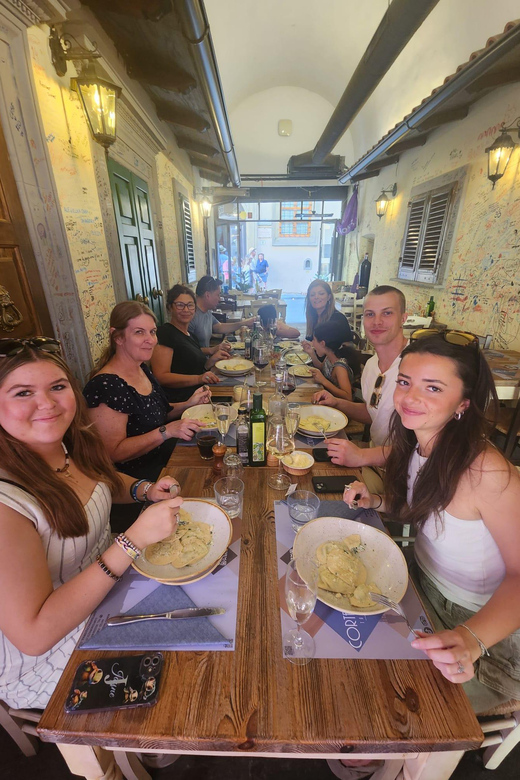
At $61 per person for a 3-hour class, the value comes from three things: hands-on instruction, a full meal, and ingredients that you’d otherwise spend time and money recreating.
If you tried to duplicate this yourself, you’d pay for:
- ingredients for fresh pasta (flour, eggs or required ingredients, plus time)
- a dessert setup (and the trial-and-error for assembly)
- wine for a meal
- and, honestly, the cost of your time spent learning rather than cooking
Here, the instructor handles the teaching and the class structure. You still do the work, but you’re guided so it doesn’t collapse into a frustrating experiment. And the included items—fresh pasta and tiramisu plus fine wine—mean you’re not paying extra for the best part.
So yes, $61 feels fair for Milan, especially because you’re leaving with a skill you can use, not just a plate you finished.
Dietary needs: what to know before you book
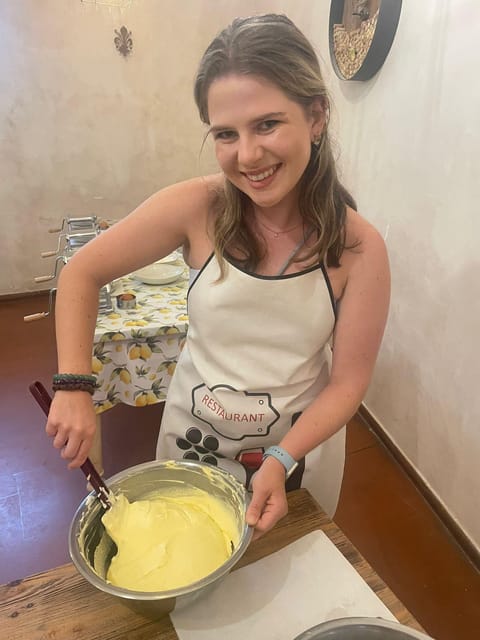
This is where you should be extra practical.
The class says it can offer substitutes for allergies or food preferences, but it’s also clear that the instruction focuses on the traditional recipe containing gluten, dairy, and eggs. They can’t guarantee 100% freedom from cross contamination.
It also lists some clear limits: it is not suitable for vegans, people with gluten intolerance, and people with lactose intolerance. Vegetarian options are available upon request, which is the best match for many people with simpler restrictions.
My advice before you send the booking note
If you have allergies or dietary restrictions, message the provider with specifics. Ask what they can actually replace and whether substitutes stay safe for your needs. And if gluten or lactose are in the danger zone for you, treat this class as a potential risk unless you get a clear, confident answer from the operator.
Who should book this class (and who might want to skip)
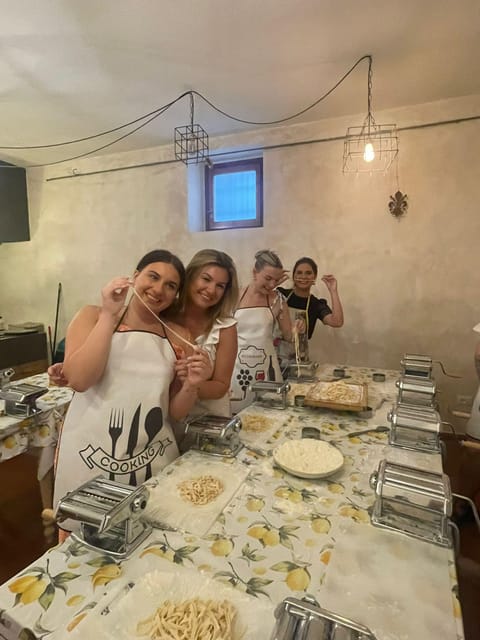
This class is a great fit if you:
- want a hands-on break from sightseeing
- enjoy learning by doing, not only watching
- like Italian food enough to care about technique
- want a social activity that ends with a real meal
It may not be the best fit if you:
- need fully gluten-free or fully lactose-free cooking (traditional recipe includes both, and cross contamination can’t be guaranteed)
- follow a vegan diet (it’s listed as not suitable for vegans)
- expect a one-on-one private cooking lesson (group sizes can be around 15–20)
If you’re traveling with friends, this kind of class is especially fun. The table at the end encourages conversation, and everyone leaves with something to share—recipes, stories, and that first bite of tiramisu you built yourself.
Practical tips to get the most out of your 3 hours
- Arrive a little early at the meeting point. The meeting point can vary depending on your option booked, so don’t assume it’s the same location every time.
- Bring a curious mindset. The class explains choices like flour type and pasta type, which helps you understand what you’re eating later.
- Plan to ask smart questions. With a larger class, it helps to ask when the instructor is already teaching the whole group.
- Pace your wine. You’re tasting while cooking, so take your time and don’t rush the final meal.
One small thing I’d watch for: since you’ll be learning multiple parts—pasta and dessert—your attention matters. If you feel yourself getting tired, slow down on the dessert stage. Tiramisu is where careful focus pays off.
FAQ
FAQ
Is the instruction offered in English?
Yes. The instructor provides guidance in English.
How long is the cooking class?
The duration is 3 hours.
Does the class include food and wine?
Yes. You’ll sample the dishes you prepare, and fine wine is included. There’s also a welcome glass of Prosecco at arrival.
Can I request a vegetarian option?
Vegetarian options are available upon request.
What ingredients are used in the traditional recipe?
The traditional instructions focus on a recipe that contains gluten, dairy, and eggs. Substitutes may be offered, but cross contamination cannot be fully ruled out.
Is the class suitable for vegans or people with gluten or lactose intolerance?
It’s listed as not suitable for vegans, people with gluten intolerance, and people with lactose intolerance.
Should you book this Milan cooking class?
If you want an authentic Milan moment that isn’t just photo ops, I’d book it. The value is strong: hands-on fresh pasta work, real tiramisu technique, and a shared lunch or dinner with wine. It’s also an easy win if you’re traveling with friends and want something social that still feels skill-based.
Just be honest about dietary needs. If gluten or lactose is a deal-breaker for you, treat this as higher risk unless the operator confirms safe handling for your situation. If you’re in the clear—or you can do vegetarian substitutions—this is the kind of experience that makes Milan stick in your memory for more than a day.