REVIEW · MILAN
Milan: Pasta and Tiramisu Small Group Cooking Class with Wine
Book on Viator →Operated by The Roman Food Tour - Food Tour Rome · Bookable on Viator
Milan is for people who love to eat. This small-group pasta and tiramisu class brings you into a real restaurant kitchen and has you working at your own station, with a Prosecco welcome to get things moving. I like that you’re not just watching; you’re making the dough and dessert steps yourself, then sitting down together to eat what you helped create.
My other big plus is the teaching style. You get step-by-step guidance on choosing flour and understanding fresh pasta (pasta fresca) versus dried pasta (pasta secca), then the class walks you through tiramisu in a way you can repeat at home. One possible drawback to keep in mind: the way final servings land on the table may vary; in at least one case, the pasta served wasn’t exactly one guest’s individual batch, so manage expectations about what you personally make versus what you personally eat.
In This Review
- Key Highlights Worth Booking
- First Stop: Central Milan, Prosecco, and a Peek Behind the Kitchen Door
- Making Fresh Pasta: Flour Choices, Dough Feel, and Cutting Techniques
- Tiramisu Lessons: Turning Simple Ingredients Into a Proper Dessert
- The Meal Moment: What You Eat, How Wine Fits In, and Why It’s Not an Afterthought
- Small-Group Size in Practice: Capped at 12 People
- Who This Class Is Best For (and Who Should Rethink It)
- Price and Value: What $83.44 Buys You in Milan
- Tips to Get the Most From Your Time in the Kitchen
- Should You Book This Milan Pasta and Tiramisu Class?
- FAQ
- How long is the Milan pasta and tiramisu cooking class?
- Is the class small group?
- Is the cooking class offered in English?
- What is included in the price?
- Can I cancel for a full refund?
- Where does it take place in Milan?
Key Highlights Worth Booking
- Small group capped at 12 so you actually get hands-on time and ask questions
- Central Milan restaurant setting with a warm start: Prosecco in the meeting area
- Fresh pasta basics that matter: flour choices and the pasta fresca vs pasta secca difference
- Tiramisu training with clear steps you can recreate later
- Lunch or dinner with wine included, plus soft drinks and non-alcoholic options
- English-led class (handy if you want cooking instruction without language stress)
First Stop: Central Milan, Prosecco, and a Peek Behind the Kitchen Door
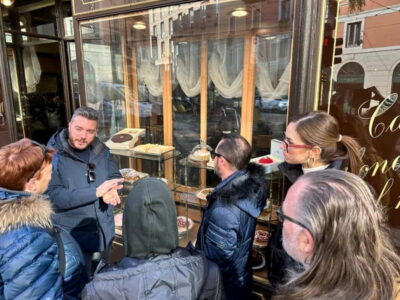
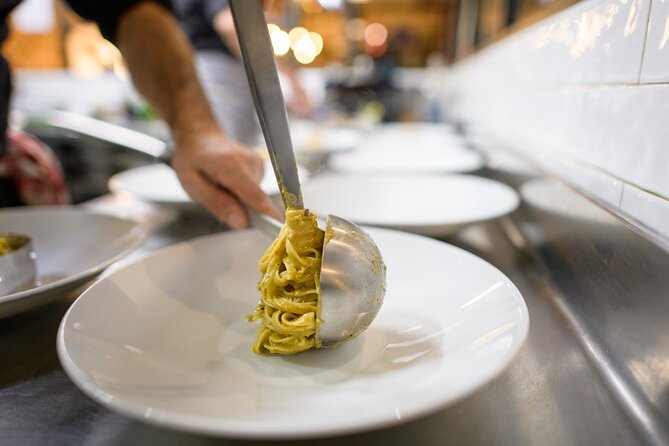
The experience starts right in the middle of Milan, in a central restaurant that’s easy to reach by public transportation. When you arrive, you step inside, grab a welcome glass, and then you’re taken behind the scenes to see how the place actually runs. That small “how this works” moment helps set the tone: this is about cooking like a working restaurant, not a stage show.
The welcome glass is usually Prosecco, and it’s not just a gimmick. It helps you settle in and lowers the stress level when the chef starts explaining what you’ll do next. You’ll then be guided into the kitchen and placed at a workstation where the class flows from demonstration to hands-on practice.
If you’re the type who likes structure (me too), this setup helps. You know where to go, you know what’s next, and you get comfortable fast.
You can also read our reviews of more cooking classes in Milan

Making Fresh Pasta: Flour Choices, Dough Feel, and Cutting Techniques
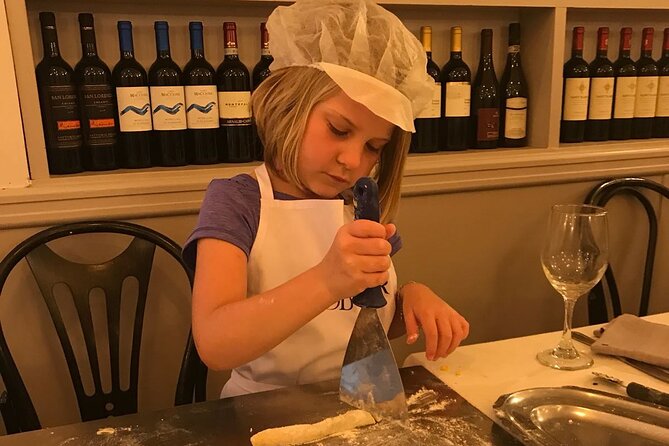
This is the heart of the class: fresh pasta. The chef guides you through making the dough step by step, including what flour to use and what to look for as the dough comes together. You’ll also learn the difference between pasta fresca and pasta secca, which is one of those concepts that sounds academic until you try it.
In practical terms, knowing the difference helps you understand why fresh pasta cooks differently and why sauce choices can change your whole result at home. Dried pasta is built for longer shelf life and a firmer texture. Fresh pasta is moister and behaves differently in boiling water. Learning that logic means you’re not just copying a recipe—you’re learning the why.
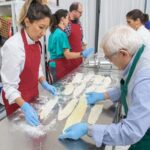
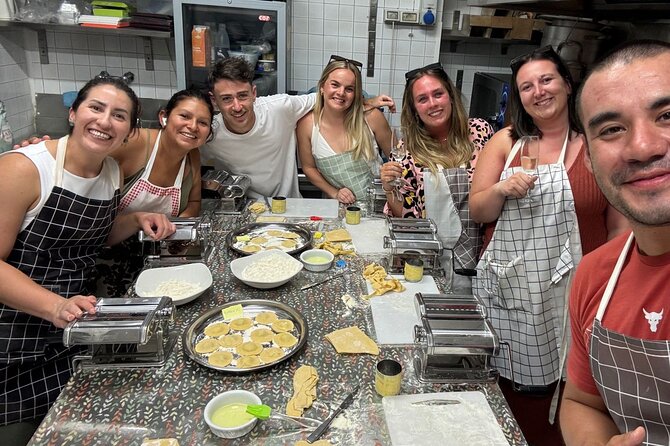
Once the dough is ready, the class moves into the physical skills: rolling it out and shaping/cutting it into pasta at your station. Several past sessions emphasize that everyone in the group gets their hands on the process. That matters because pasta-making is mostly tactile. If you only watch, you miss the cues—how the dough stretches, how thin it should get, and when it’s ready to cut.
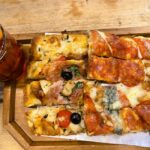
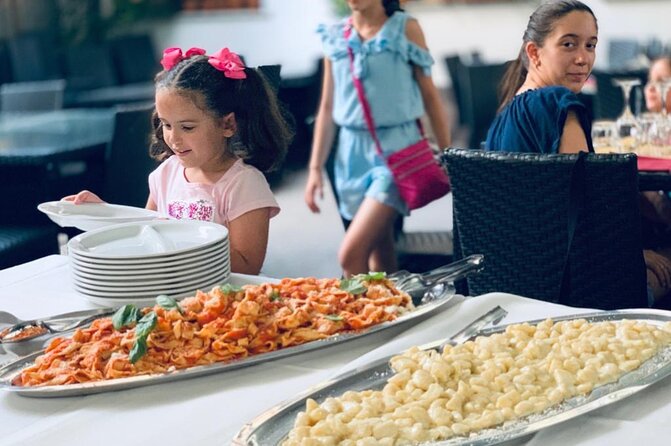
You’ll also get to experience regional favorites through what you’re making and what you’re served. The included meal typically features fettuccine with tomato sauce plus ravioli filled with ricotta and spinach with butter and sage. You also get wines during the meal—more on that next—so you’re learning pasta skills and tasting a real lineup that fits the theme.
Tiramisu Lessons: Turning Simple Ingredients Into a Proper Dessert
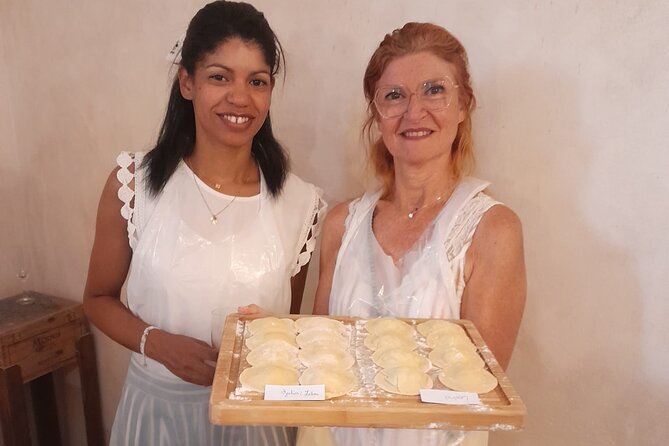
Then you switch gears from pasta to tiramisu, and the change is refreshing. Tiramisu is one of those desserts people think they know—until they taste one done with proper technique.
In class, you’ll get step-by-step instruction for building tiramisu, focusing on how to assemble the layers and achieve the creamy balance. The key here is that you’re not left with a vague explanation. The chef’s guidance is meant to be usable later, so you can actually recreate it instead of just remembering you made something that was good.
Even if you’re not a confident baker, tiramisu tends to be forgiving when the steps are clear. You’ll learn how the mascarpone filling comes together and how the overall dessert should look once it’s assembled. The goal isn’t perfection-by-showmanship; it’s giving you a repeatable method.
The Meal Moment: What You Eat, How Wine Fits In, and Why It’s Not an Afterthought
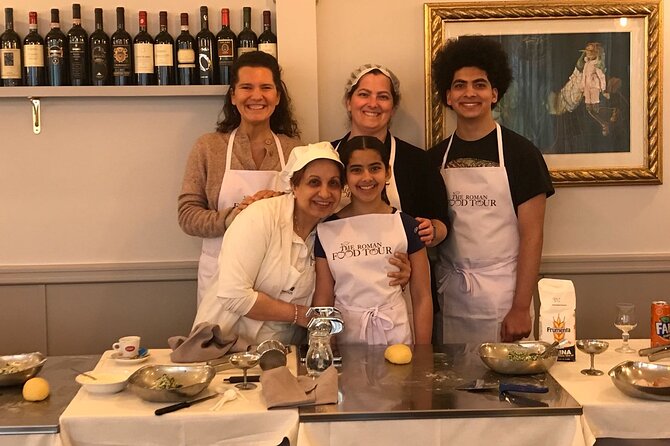
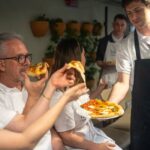
At the end, you sit down together for lunch or dinner, and this is where the class turns into a full Italian meal. You’ll sample the pasta dishes and your tiramisù as part of the included meal, with wine paired to the experience.
The drink setup is part of the value here. You’ll typically have a glass of wine with the meal, and the class listing includes prosecco plus red and white wine, along with non-alcoholic beverages. So if you want the vibe without alcohol, you should have options.
One thing I’d watch for is the pacing and how the kitchen serves everything. In most sessions, the format is straightforward: you make pasta and tiramisu, then you eat a meal that includes those items. But at least one past participant reported frustration with slow service and said the final pasta served wasn’t individually theirs. That’s the only notable red flag in the feedback you shared.
My advice: go in expecting a fun night at a real restaurant. If you care a lot about eating exactly what you hand-made at your exact station, you can ask during the start about how portions are handled and when your finished pasta will be served.
Small-Group Size in Practice: Capped at 12 People
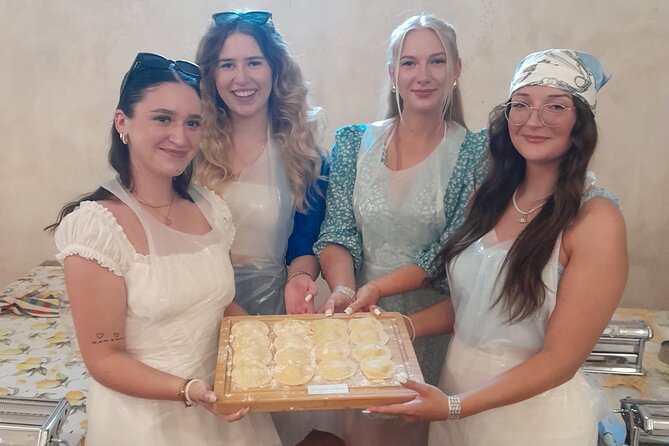
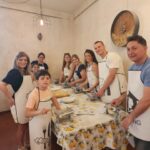
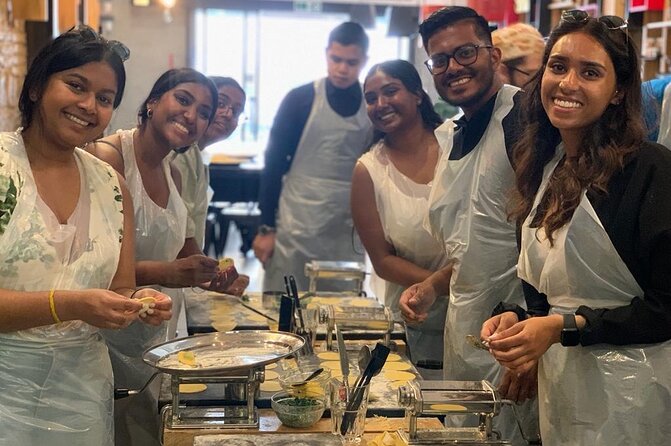
A big reason this class works is the size. It’s capped at 12 travelers. That’s small enough that the chef can give genuine guidance and correct technique, not just talk at a room.
It also changes the vibe. You’re more likely to connect with the people next to you—without it turning into a forced icebreaker situation. Many participants also highlight that the atmosphere warms up quickly, which usually happens when you’re not stuck waiting in line behind a crowd.
This is also a great option if you’re traveling solo or as a couple. You’ll still get the instructor attention you want, and you won’t feel invisible. And yes, it can be family-friendly: the experience is described as a good fit for families, couples, and single people of all ages. One of the reasons it’s praised for families is that kids can participate in the hands-on steps, and the instruction tends to be supportive.
You can also read our reviews of more wine tours in Milan


Who This Class Is Best For (and Who Should Rethink It)
You’ll probably love this if you:
- Want a hands-on cooking class rather than a passive tasting
- Like structured instruction and want methods you can repeat at home
- Enjoy wine with dinner and want that included
- Prefer small groups over crowded demo classes
It may be less ideal if you:
- Are extremely time-sensitive and get irritated by slow restaurant pacing
- Need strict certainty that your exact individual batch is what will land on your plate
- Don’t enjoy a shared meal format at the end
In other words, if you want a perfect lab experience with zero variability, a private cooking session might suit you better. But if you want real Milan energy and practical skills, this format fits well.
Price and Value: What $83.44 Buys You in Milan
At about $83.44 per person for roughly 3 hours, this class sits in the middle of the “worth it” zone for Milan. Here’s why the math can work.
You’re getting:
- A hands-on pasta dough and tiramisu lesson
- Wine included with lunch/dinner (plus soft drinks and non-alcoholic options)
- A shared meal after cooking
- A small group capped at 12
- English-led instruction
The value is strongest if you price it like a dinner plus a class. If you’d otherwise spend money on a good meal and wine, the class doesn’t feel like an extra burden—it feels like a better way to spend that night.
Also, this is often booked ahead (on average, about 26 days in advance). That’s a hint that the slot quality is in demand. If your dates are fixed, booking earlier gives you more choice.
Tips to Get the Most From Your Time in the Kitchen
These are practical, no-drama moves that help you enjoy the class more.
- Wear comfortable clothes you don’t mind getting flour dust on. Cooking stations can be messy, even when everything is handled well.
- Pay attention during the flour and dough explanation, even if your brain wants to rush to rolling. That part is what makes homemade pasta work at home.
- When you’re shaping pasta, go slower than you think you need to. Thin, even dough is usually the difference between okay and great.
- For tiramisu, focus on the assembly steps. People often remember the ingredients and forget the layering technique.
If you want to bring home the best results, take a quick note on what the chef says about dough texture and timing. That’s the stuff you’ll forget first.
Should You Book This Milan Pasta and Tiramisu Class?
If you like food culture that you can actually practice, I’d book it. The standout reasons are the combination of small-group hands-on cooking and a full included meal with wine in a central Milan restaurant. It’s also consistently rated highly (4.9 out of 5 with 98% recommending), which lines up with the most praised elements: patient teachers, fun group energy, and delicious results.
Book it especially if you want a memorable, active way to spend an evening in Milan that’s not just sightseeing. Just go in with realistic expectations about restaurant pacing and how the kitchen serves the final portions.
FAQ
How long is the Milan pasta and tiramisu cooking class?
The class runs for about 3 hours (approx.).
Is the class small group?
Yes. The experience has a maximum of 12 travelers.
Is the cooking class offered in English?
Yes. It’s offered in English.
What is included in the price?
You get lunch or dinner with pasta and tiramisu, plus wine and soft drinks. Tips are not included.
Can I cancel for a full refund?
Free cancellation is available up to 24 hours in advance of the experience start time for a full refund.
Where does it take place in Milan?
It happens in a convenient central Milan restaurant, and it’s near public transportation. A mobile ticket is provided.
If you tell me your travel dates and whether you prefer lunch or dinner, I can help you pick the best time slot and set expectations for timing.