REVIEW · MILAN
Milan: Italian Cooking Class with Food and Wine
Book on GetYourGuide →Operated by CHEF AND THE CITY · Bookable on GetYourGuide
Fresh pasta in a real Milan kitchen is the quickest way to learn. This 3-hour Italian cooking class at Chef and the City turns hands-on cooking into a sit-down meal with wine. You’ll also leave with recipe copies you can actually use at home, not just a nice souvenir.
My favorite part is the practical focus: you work from your own station and get technique tips as you go, including how to shape pasta and nail classic combinations. I also love that the session is designed to feel relaxed at the end, when you finally sit together and eat what you cooked. A possible drawback: it’s not wheelchair accessible and it’s not a class for kids under 10, so plan around that if you’re traveling with family or mobility needs.
In This Review
- Key things that make this class worth your time
- Chef and the City: finding the lab kitchen in Milan
- The 3-hour rhythm: snacks, cooking, then dinner with wine
- Fresh pasta making: your personal station and real technique
- Sauces and main flavors: cacio e pepe and ragu style cooking
- Beyond pasta: bruschetta, focaccia, eggplant parmigiana, and dessert
- Wine at the table: the social part without losing the learning
- What you take home: recipes that make this class practical
- Price and value: is $80 fair for a chef-led Milan session?
- Who should book this class (and who might want a different plan)
- Should you book it?
- FAQ
- How long is the Milan cooking class?
- What does the $80 price include?
- What will I cook during the session?
- Do I get recipes to take home?
- Is it family-friendly?
- What are the kitchen rules?
- Can dietary restrictions be handled?
Key things that make this class worth your time
- Chef-led, desk-to-table format: you cook at your own workspace and then eat together in the dining room
- Fresh pasta skills: you make pasta shapes from scratch (tagliatelle, gnocchi, ravioli are mentioned)
- Classic sauces, modern method: cacio e pepe and ragu style flavors get taught with technique tips
- Waste-free, healthier approach: the class explicitly aims for no-waste cooking
- Wine is included with dinner: you sip while you chat after cooking
- Recipe handouts: you receive the recipes so you can recreate the dishes later
Chef and the City: finding the lab kitchen in Milan
The meeting point is a street-level shop called Chef and the City, with three big windows and three red signs above them. When you arrive, ring the bell at the main window door. This matters because the workshop is inside a professional cooking lab, not a casual demo kitchen in someone’s apartment.
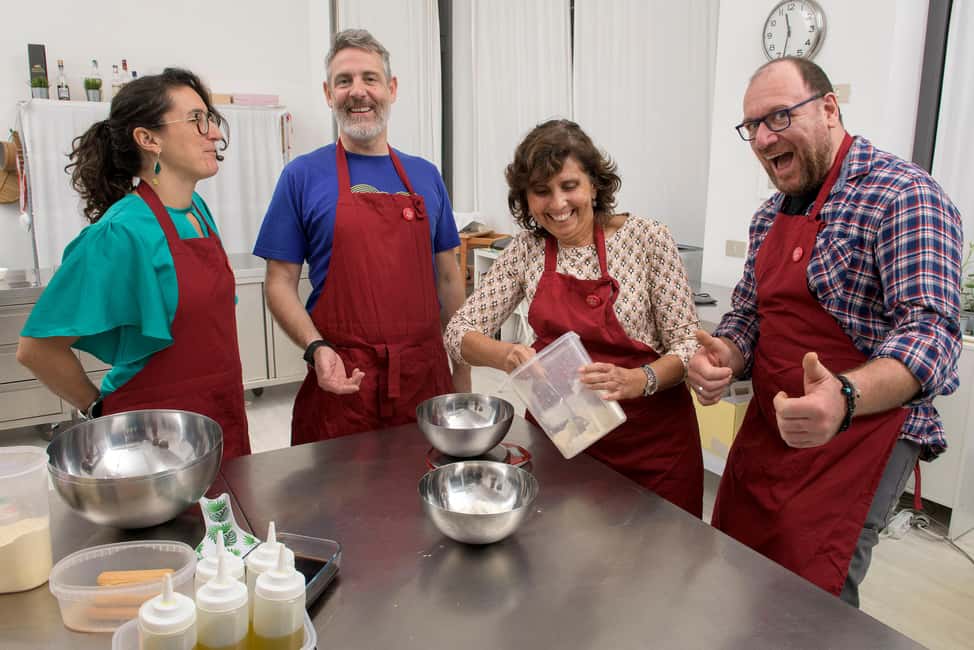
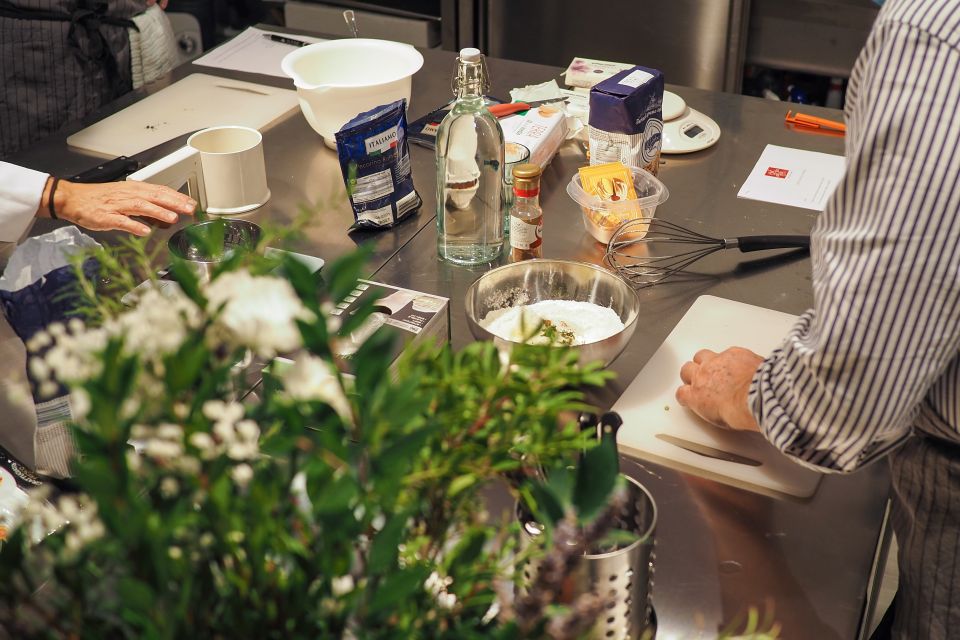
Once you’re inside, you’ll get the feel of a working studio: clean, organized, and set up for cooking. That professional setup shows up in the included gear too—cooking tools, plus gloves and aprons. If you’ve done a cooking class in a less-than-serious space before, you’ll notice the difference fast. Here, you’re expected to cook properly, and the flow of the class reflects that.
One practical note: there’s a no-luggage rule. The activity also says it’s not wheelchair accessible, and pets aren’t allowed. You’ll want to travel light so you don’t end up scrambling with bags when it’s time to work at your station.
You can also read our reviews of more food & drink experiences in Milan

The 3-hour rhythm: snacks, cooking, then dinner with wine
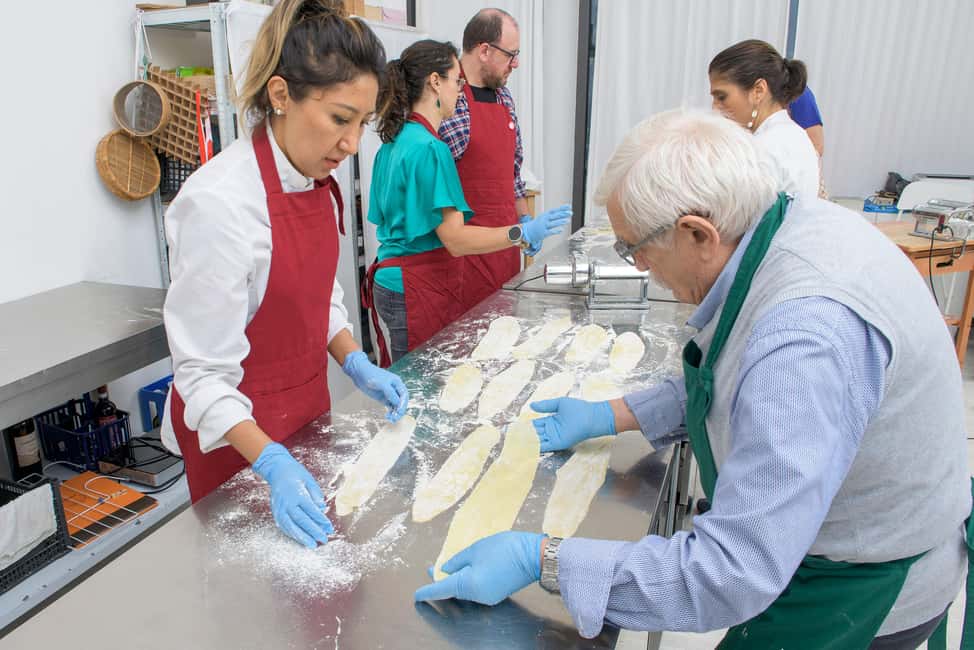
This class runs for about 3 hours, and the structure is clear: prep snacking first, then hands-on cooking, then group dining. You start with light bites and ingredients that set the stage for what you’ll cook. Think cheese, dry tomatoes, mortadella, and olives—plus coffee, tea, and infusions (along with water).
Then comes the real work. You’ll cook several dishes during the session (the experience is described as making 3 traditional dishes). The pace is efficient, with the chef guiding you step-by-step so you’re not just chopping ingredients while someone else cooks. Many participants highlight that the instructions are easy to follow and that the class moves at a good tempo without turning into a long wait.
Finally, you sit down as a group and eat the dishes you made. This is where the experience turns from classroom to dinner party. Wine is included, and you’ll have time to chat with other students while you enjoy what’s on your plate.
If you’re the type who learns best by doing, this format is a win. If you’re looking for lots of free time to watch only, you might find it hands-on from start to finish.
Fresh pasta making: your personal station and real technique
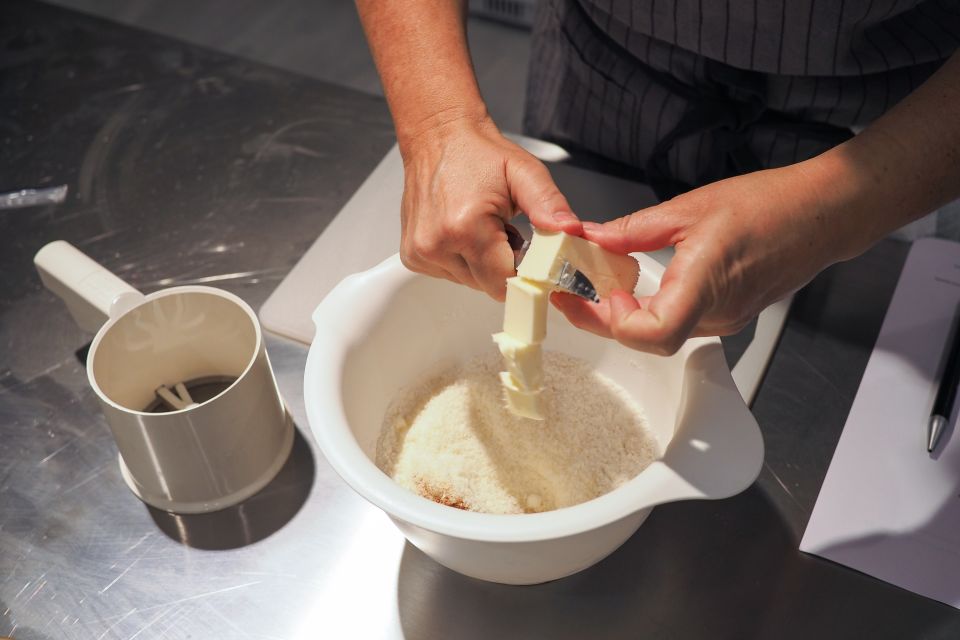
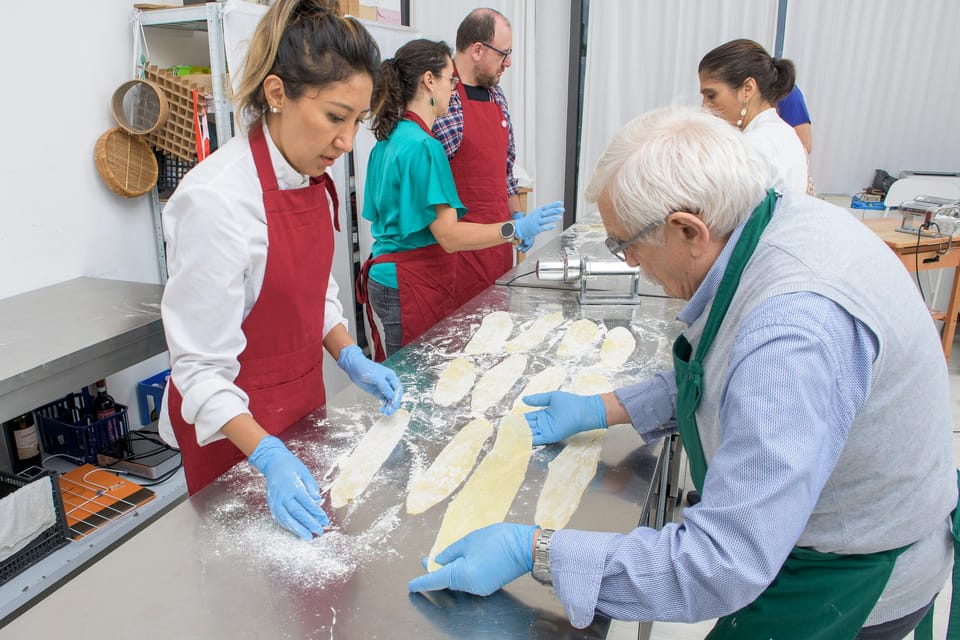
Fresh pasta is a headline here, and it’s not treated like a quick novelty. You’ll work on dough and learn to shape pasta—tagliatelle, gnocchi, ravioli are all specifically mentioned, and other pasta shapes may appear depending on the session. You also learn pasta-making basics like texture, rolling thickness, and how to handle the dough without turning it into a sticky mess.
One detail I really appreciate from the class setup: you cook from your own personal desk. That reduces the “I’m standing behind someone” problem that ruins some cooking classes. You’re not just in the room—you’re actively producing. And because the chef teaches while you work, you pick up the small technique points that matter.
There’s also a strong practical culture around correctness. One participant shared a carbonara-style tip that reflects the teaching attitude: classic Italian methods come with rules, and the chef will explain why those rules exist. You might not make carbonara in your specific session, but you’ll learn the mindset: flavor comes from method, not shortcuts.
Expect some rules during the kitchen time. The experience notes say no drinks or food while cooking, no tasting while cooking, and long hair must be tied back. You’ll handle that quickly once you see the rhythm of the lab.
Sauces and main flavors: cacio e pepe and ragu style cooking
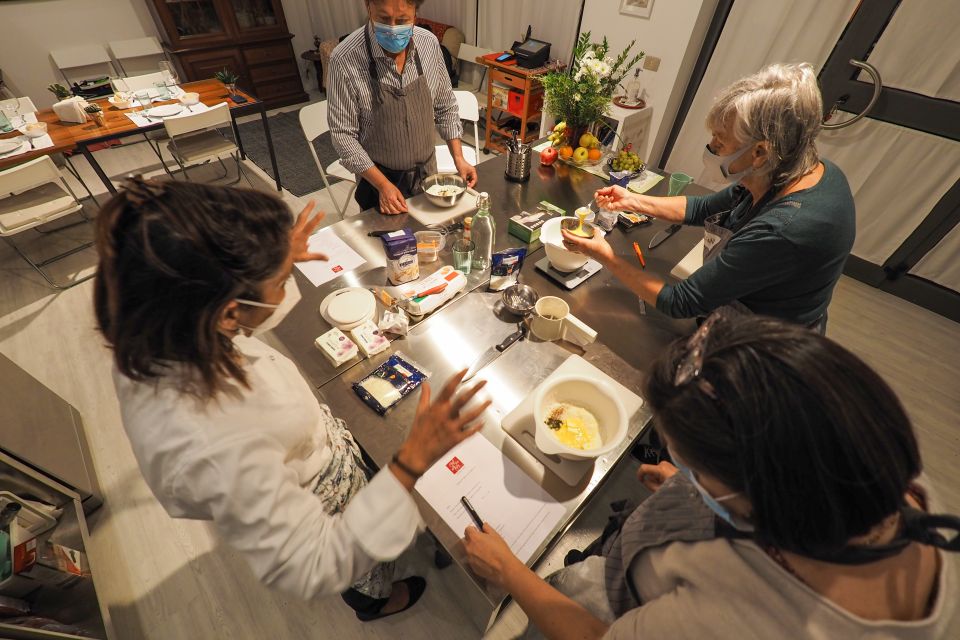
Pasta is only half the story. The class also teaches the sauces and flavor building that make Italian dishes taste like Italian dishes. Two sauces are specifically mentioned: cacio e pepe and ragu. Even when the exact dishes vary, you can expect to learn how to bring cheese, pepper, and sauce texture together—or how to build a rich ragù-style flavor.
This is where you get the “secrets and tips of a professional cuisine” that the description promises. In practice, that means you’re learning the small decisions: when to combine ingredients, how to adjust consistency, and how to season in a way that respects the dish rather than masking it.
One thing to know: some sauces take longer to develop, and the class plan may account for that by having certain elements ready for you. In at least one session, participants mention receiving homemade sauces (like ragu and cacio e pepe) to finish the dish at the right time. That approach keeps the class on schedule while still teaching you the key pairing and technique that you’d use at home.
The upside for value: you leave with both skill and usable guidance. The downside for perfectionists: you might not cook every single component from raw to finished in the exact same way every time, depending on timing. Still, the goal is repeatable home cooking, and the recipe handouts help close that gap.
Beyond pasta: bruschetta, focaccia, eggplant parmigiana, and dessert
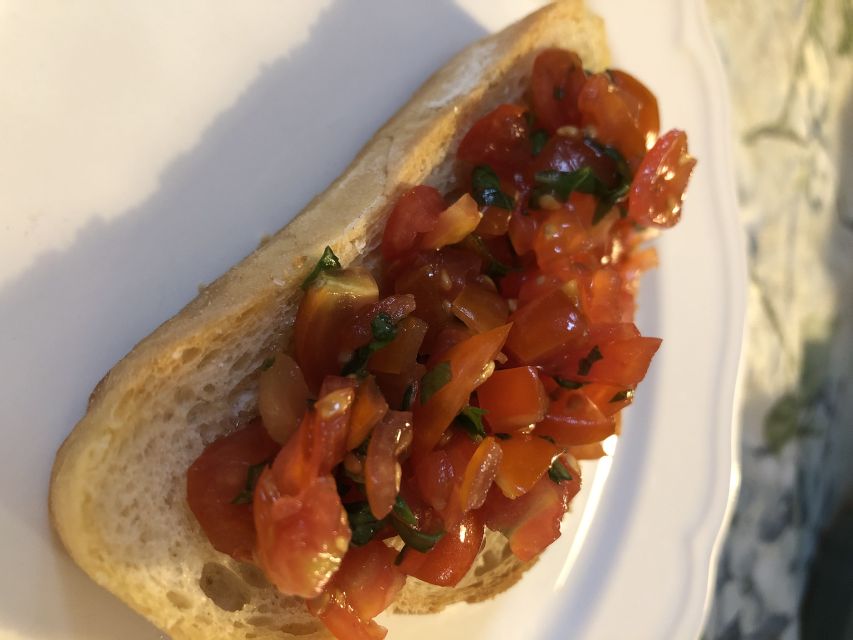
A Milan cooking class should feel like more than pasta only, and this one tries to balance it. Along with pasta shapes, the experience mentions focaccia, eggplant parmigiana, bruschetta, and tiramisù among the possible dishes.
Here’s how those pieces usually land in the experience:
- Bruschetta gives you fast confidence: you learn how to balance topping textures and freshness so the bread doesn’t steam itself into sadness.
- Focaccia teaches dough and bake timing, even if it’s only part of the session menu. It’s a great entry point for anyone who thinks bread is intimidating.
- Eggplant parmigiana adds the lesson of managing moisture and layering flavor so it doesn’t turn watery.
- Tiramisù closes the circle with a dessert you can bring to a dinner table at home.
Dessert matters because it shows you how the chef thinks about pacing and balance. In several examples, people mention tiramisù, and at least one participant noted a specific instruction difference—like not preparing it the way they expected—so you get real guidance, not just a generic dessert lecture.
Also, you’ll see plenty of snacks and sweet breaks along the way. Cookies, biscuits, and candies are mentioned with coffee, tea, and infusions. That keeps energy steady during kitchen work.
And yes, photos and videos are permitted according to one participant, so you should be able to capture at least some of the process.
You can also read our reviews of more tours and experiences in Milan




Wine at the table: the social part without losing the learning
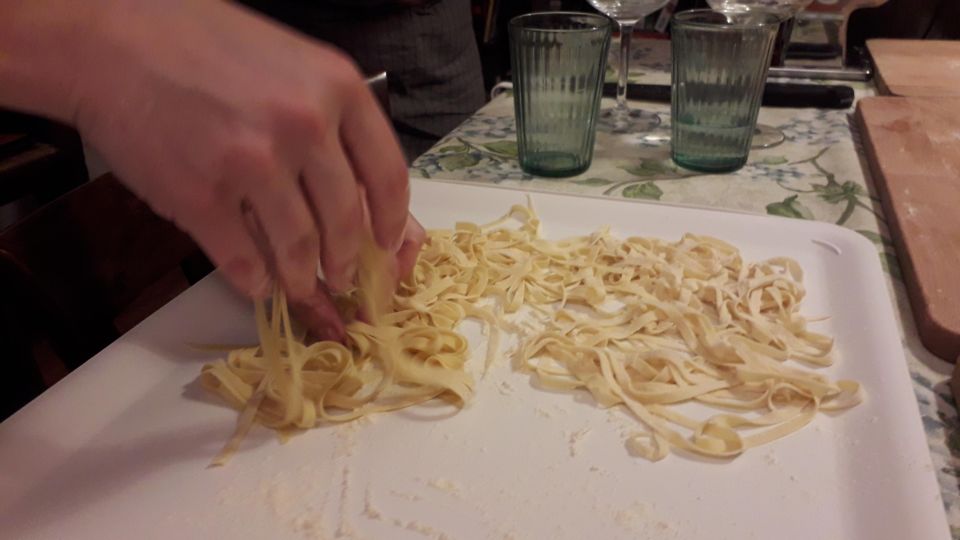
The meal is included, and wine is included too. That combination is a big reason people enjoy this class. You don’t just cook—you also get to slow down, taste everything properly, and chat with your group while you’re eating.
This is where the class becomes more than a checklist. People highlight the atmosphere: professional, fun, and social, with instructors who use clear English and add stories behind the dishes. There are multiple instructor names mentioned across sessions, including Ilaria, plus examples of Klara and Fernando in different classes. Translation and teaching style seem to be a strong point overall.
If you’re a solo traveler, that social meal is one of the easiest ways to meet people without forcing awkward conversation. If you’re traveling with a friend, it’s still a great shared activity because you’ll both be cooking at your own stations and then comparing how each of you handled technique.
One gentle consideration: since the class is hands-on and then focused on dining, it’s best if you’re comfortable participating rather than quietly observing. The no-tasting rule while cooking is there to keep things moving, and dinner is where you finally enjoy.
What you take home: recipes that make this class practical
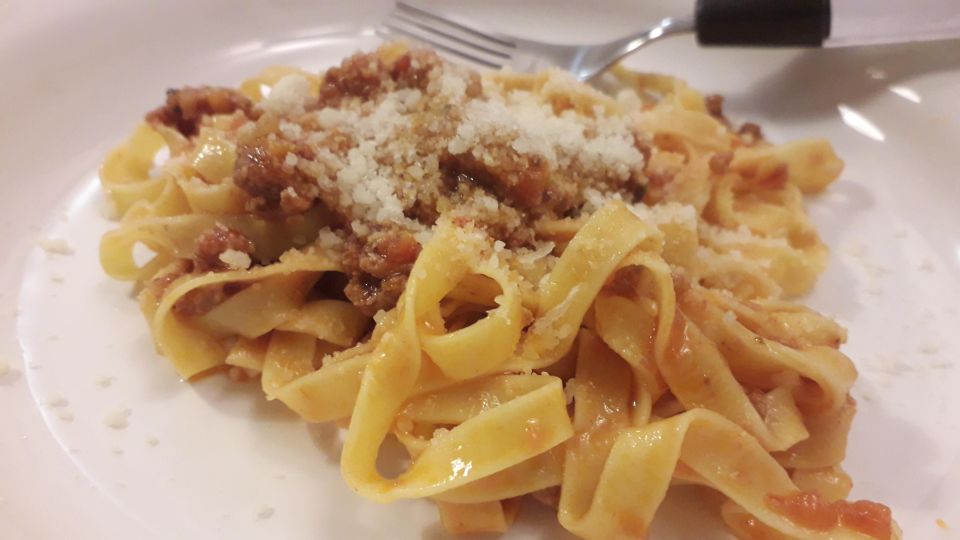
The best cooking classes give you a memory. This one also gives you the tools to turn that memory into dinner.
You receive copies of all the recipes from your chef. That matters because pasta and sauces can be deceptively tricky. The difference between okay and great often comes down to small ratios, timing, and texture cues. Having written recipes means you can reproduce the dish later without guessing.
A smart way to use the recipe handouts:
- Cook your favorite dish first while it’s still fresh in your mind.
- Read the sauce instructions separately so you understand how it should look and feel.
- Use the technique tips during the prep, even if you’re missing a specific ingredient. The method is what you’re truly learning.
Some ingredients may be provided during the class, and the class description emphasizes healthy, no-waste cooking. That also suggests the recipes are meant to be realistic—built around what you can find and use at home, not culinary fantasy.
Price and value: is $80 fair for a chef-led Milan session?
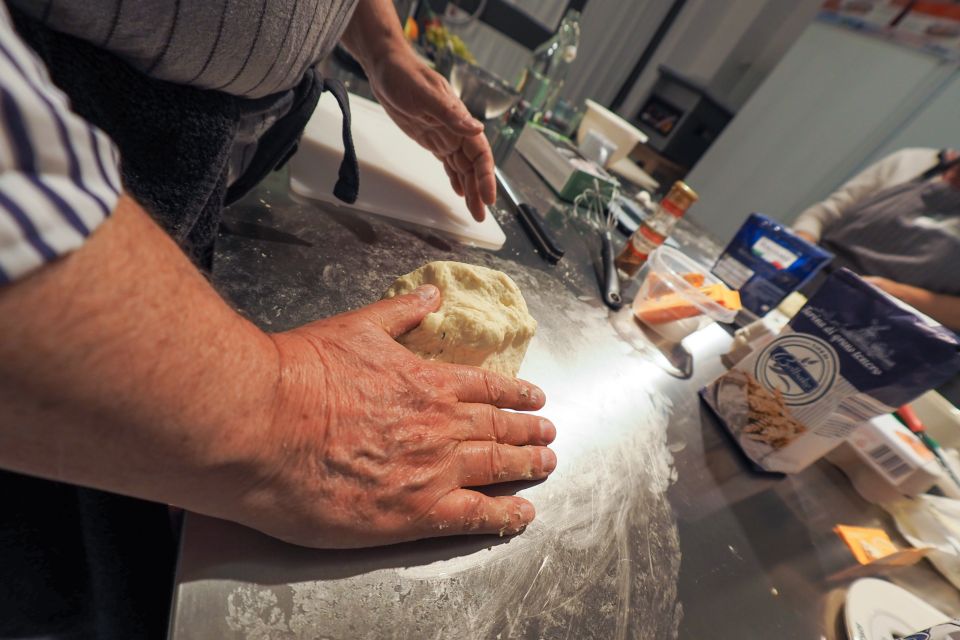
At $80 per person for about 3 hours, you’re paying for a lot more than ingredients. The value comes from three things working together:
- A real chef teaching technique while you cook at your own station
- Included equipment like tools, gloves, and aprons, so you don’t need to pack kitchen gear
- Included wine with the meal, plus recipe handouts to take home
In other words, you’re paying for instruction, structure, and a finished meal—not just a taste test. And the “3 traditional dishes” promise means you should leave with more than one bite worth of skills.
Where you’ll feel the value most is if you genuinely want to improve at cooking Italian food. If you just want a quick photo-and-bite experience, you might prefer something shorter. But if you want to learn pasta shapes and how classic sauces fit the dish, the price looks reasonable for Milan.
Who should book this class (and who might want a different plan)
This class is best for:
- Adults and teens (it’s not suitable for children under 10)
- People who enjoy hands-on learning
- Solo travelers who like meeting others over dinner and wine
- Food lovers focused on Italian technique, not just tasting
It may be a mismatch for:
- Anyone who needs wheelchair access (it’s not wheelchair accessible)
- People traveling with large luggage (luggage or large bags aren’t allowed)
- Those who strongly prefer watching rather than cooking
If you’re planning to spend most of your Milan time eating your way through neighborhoods, this class is a great “learn and taste” counterbalance. You’ll go home knowing how to make at least a few dishes instead of just knowing where to eat them.
Should you book it?
If your goal is to learn Italian cooking you can repeat—especially fresh pasta and classic sauces—this is an easy yes. The format is chef-led, hands-on, and ends with a shared meal and included wine, which makes it feel like an evening with a plan rather than a cooking chore.
Book it if you want practical technique, recipe take-homes, and a small-studio vibe. Consider another option only if mobility access is an issue, you’re traveling with lots of luggage, or you’re not comfortable following kitchen rules like no tasting while cooking.
FAQ
How long is the Milan cooking class?
It lasts about 3 hours, with the exact starting time depending on availability.
What does the $80 price include?
The class includes food, beverages, cooking tools, gloves, aprons, and wine.
What will I cook during the session?
You’ll prepare 3 traditional dishes, and the experience mentions options like fresh pasta (tagliatelle, gnocchi, ravioli), sauces such as cacio e pepe and ragu, plus items like bruschetta, focaccia, and tiramisù.
Do I get recipes to take home?
Yes. You receive a copy of all recipes from the chef so you can recreate the dishes at home.
Is it family-friendly?
It’s not suitable for children under 10.
What are the kitchen rules?
While working in the professional lab, you’ll follow kitchen rules such as no drinks or food while cooking, no tasting while cooking, and tying up long hair. Luggage or large bags are not allowed.
Can dietary restrictions be handled?
The data includes an example where a gluten-free participant felt accommodated without limiting their experience. If you have restrictions, it’s smart to confirm details with the provider ahead of time.
If you want, tell me what dishes you’re most excited about (pasta shapes, tiramisù, eggplant parmigiana, bruschetta, wine) and I’ll suggest a smart way to prioritize your dinner plan around this class in Milan.