REVIEW · MILAN
Leonardo Da Vinci’s Last Supper Guided Tour
Book on GetYourGuide →Operated by Crown Tours · Bookable on GetYourGuide
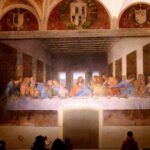
You can feel the centuries shrink to minutes. A guided look at Leonardo da Vinci’s The Last Supper gets you into Milan’s Santa Maria delle Grazie with context you can actually use.
Two things I really like: the guide’s clear, art-first explanations, and the fact that you get an audio system so you’re not straining to catch every detail. One thing to plan for: you’re limited to 15 minutes inside the refectory, so you have to look smart, not slow.
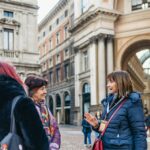
Meeting up is part of the experience, too. Crown Tours sets you at Piazza di Santa Maria delle Grazie, and you’ll spot your guide holding a Crown Tours flag near Corso Magenta. Guides like Anton and Valentina (and others such as Marcella, Fiamma, Irene, and Giorgio) are consistently praised for energy and for answering questions, even with the tight time window.
Here’s the main consideration: the church visit can’t always be guaranteed because of religious events, and there can be some waiting outside before your group gets in. If you’re picky about squeezing every minute of indoor time, treat the refectory allowance as the headline, not the rest of the building.
In This Review
- Key highlights worth knowing before you go
- Meeting your guide at Santa Maria delle Grazie without stress
- Inside the refectory: the 15-minute rule and how to use it well
- What your guide helps you notice in The Last Supper
- What happens before and after the painting room
- Santa Maria delle Grazie: the building isn’t filler
- English support and audio system: small thing, big comfort
- Price check: is $81 worth it?
- Who this tour is perfect for (and who may want to DIY)
- Small rules and what to bring so you don’t lose time
- Should you book the Crown Tours Last Supper guided visit?
- FAQ
- How long is the guided tour?
- Where do I meet the guide?
- How much time do I get inside the refectory with the Last Supper?
- Is flash photography allowed?
- What should I bring to enter?
- What items are not allowed?
- Is the tour wheelchair accessible, and what languages are offered?
Key highlights worth knowing before you go
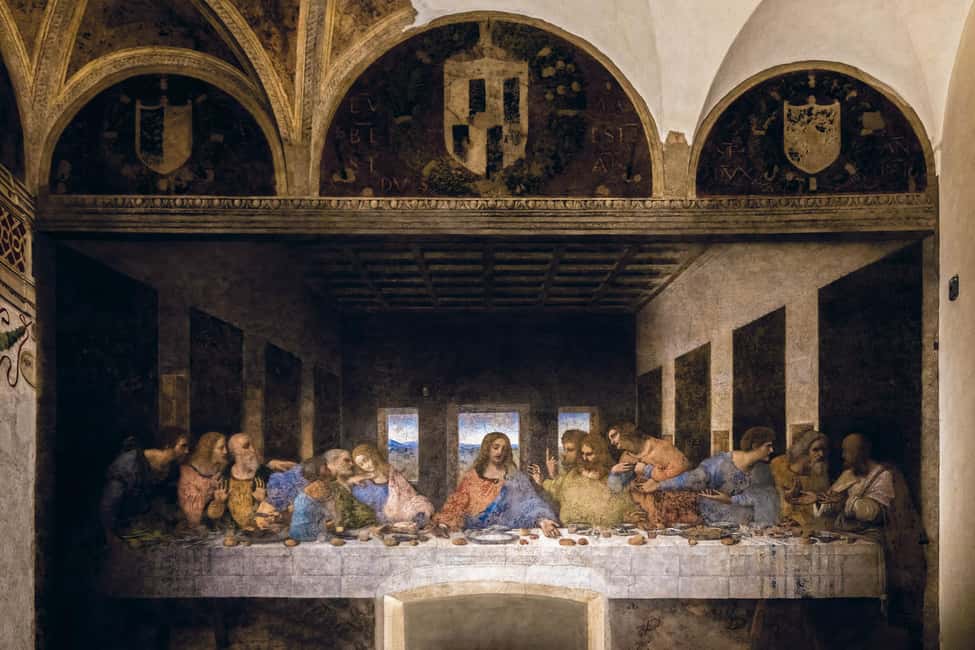
- A 15-minute maximum view inside the refectory, with a guide helping you focus
- Audio system included, so your guide’s explanations stay clear in a loud queue
- Sforza-era context for why this mural matters in 15th-century Milan
- Architecture + painting in one stop, in the convent complex of Santa Maria delle Grazie
- Symbol-by-symbol guidance, including what each disciple’s body language suggests
- Restrictions that protect the fresco, including no flash photography and limits on what you can carry
Meeting your guide at Santa Maria delle Grazie without stress
The meeting point is straightforward. Find your Crown Tours guide at the corner between Piazza di Santa Maria delle Grazie and Corso Magenta. They’re holding a flag with the Crown Tours logo, which makes the start feel organized instead of chaotic.
Plan to arrive a bit early. Even when everything runs well, you’ll still go through the entry rhythm that comes with timed art tickets and a controlled-flow site. A couple of guides are known for excellent pre-tour communication (some people specifically noted WhatsApp-style messages), so watch your inbox and follow the exact meet-time you’re given.
This matters because the whole experience depends on timing: you don’t want to miss your group window and lose the chance to see the painting under the allowed conditions.
You can also read our reviews of more guided tours in Milan
Inside the refectory: the 15-minute rule and how to use it well
All visitors get a maximum of 15 minutes inside the refectory with the Last Supper. That rule is real, and it changes how you should approach the room.
Here’s how to make your minutes count:
- First minute: take in the overall composition (center figure, then the groups on either side).
- Middle minutes: focus on one or two areas your guide highlights (faces, hands, or the way perspective pulls your eye).
- Last minute: step your gaze back to the whole scene again, now that you know what you’re seeing.
I like this format because it forces a stronger viewing habit. You’re not drifting for an hour. You’re learning how to look at a Renaissance masterpiece like a detective.
One more practical note: flash photography is not permitted. That’s not a vibe-killer, it’s part of how the fresco is protected. Come prepared to look closely with your eyes instead of relying on your camera.
What your guide helps you notice in The Last Supper
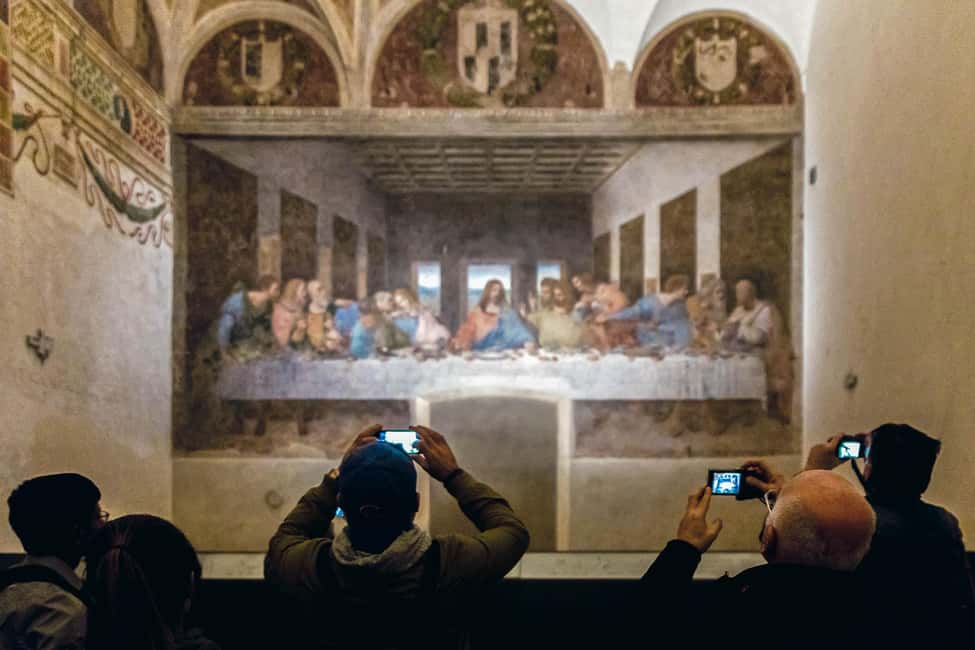
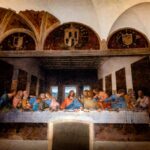
The star is obviously Leonardo’s The Last Supper, but the value of the guided part is what it teaches your brain to see. Your guide walks you through the painting’s meaning, its historical setting, and the stories behind the disciples.
From the way guides are described, you can expect two common strengths:
1) Symbol and detail interpretation
Guides often break down the scene in a way that makes individual gestures feel purposeful, not random. One guide style focuses on how each person’s expression and body language contributes to the emotion of the moment.
2) Renaissance technique and restoration context
Even though you’re only in the room briefly, many guides use that time to explain how the mural has survived through restorations and why that history affects what you see today. If you care about conservation, this is a big part of the payoff.
Guides also tend to make it feel less like a static painting and more like a designed scene. One of the most common guide approaches is talking about perspective and composition—how the arrangement guides your eye toward key moments in the narrative.
Expect the guide to keep it structured. With the tight time limit, they can’t do a scattershot lecture. The best guides are the ones who point you to the right details fast.
What happens before and after the painting room
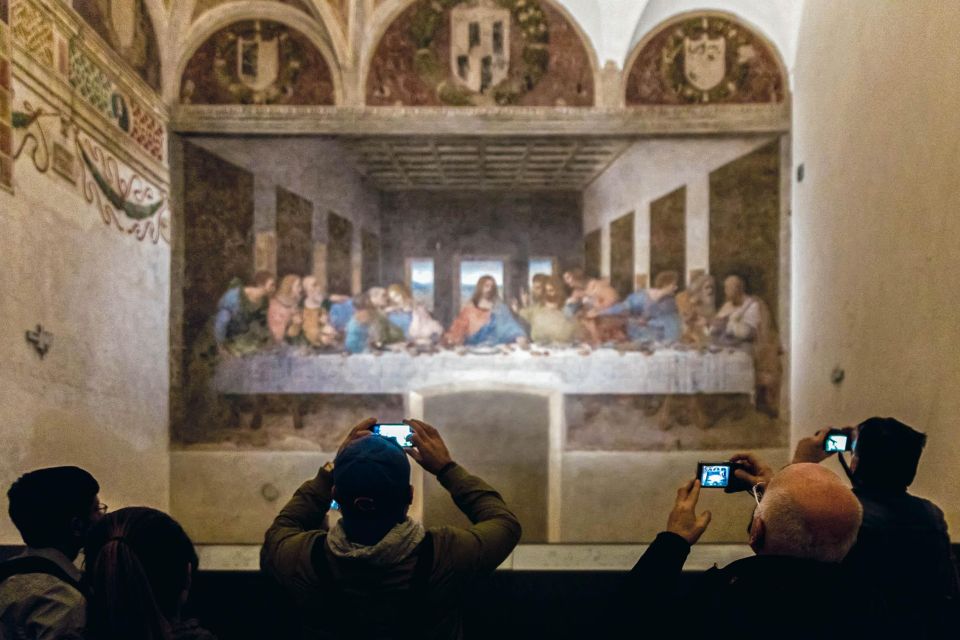
The tour isn’t just: arrive, stare, leave. You start in the convent area, where you get context for what you’re about to see.
Your guide frames the visit in 15th-century Milan, when the city was prospering under Ludovico Sforza’s rule. That historical lens matters because it places Leonardo’s work in a real political and cultural environment, not just as a timeless masterpiece. You’ll hear about how the painting fits into the life of the convent and why this commission carried weight.
Then, after the refectory, you’re left with a cleaner mental map of what you just experienced: who the figures are, what the scene is showing, and why Leonardo’s approach was revolutionary for its time. A number of people specifically noted guides adding extra visual context, including a look at a lesser-known fresco across from the Last Supper in the same hall. You might not get a long stop there, but you’ll likely be pointed toward it.
That matters because it turns the visit into more than a single photo moment. You leave understanding the room and its visual program, not only the headline panel.
Santa Maria delle Grazie: the building isn’t filler
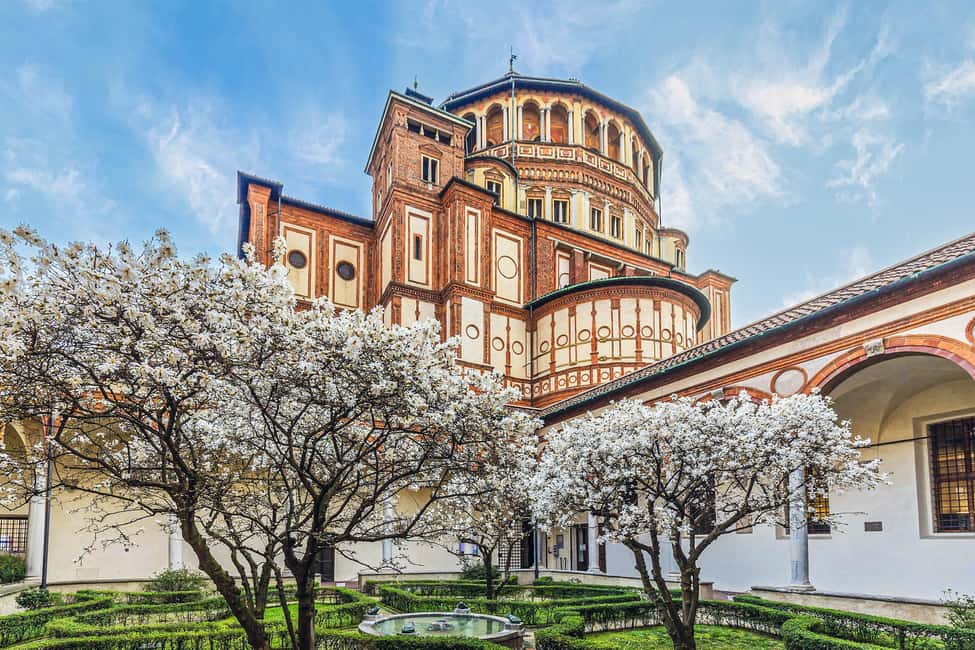
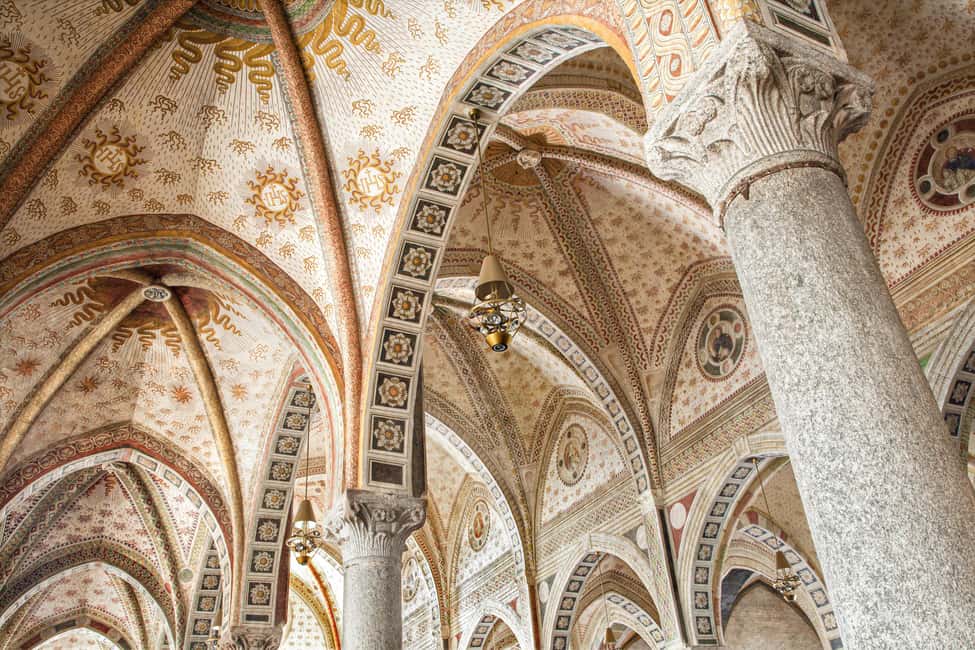
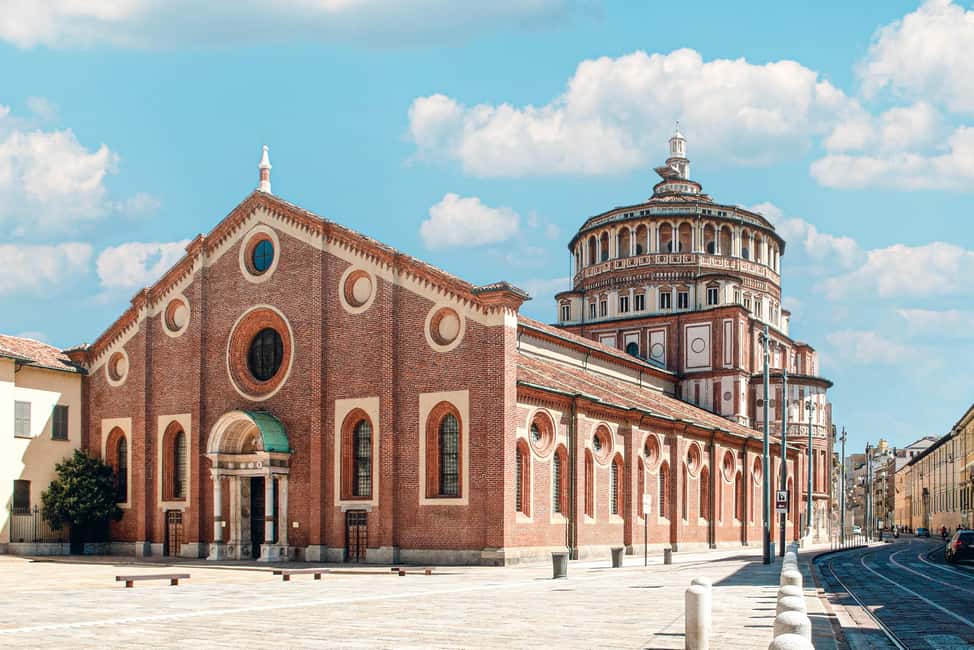
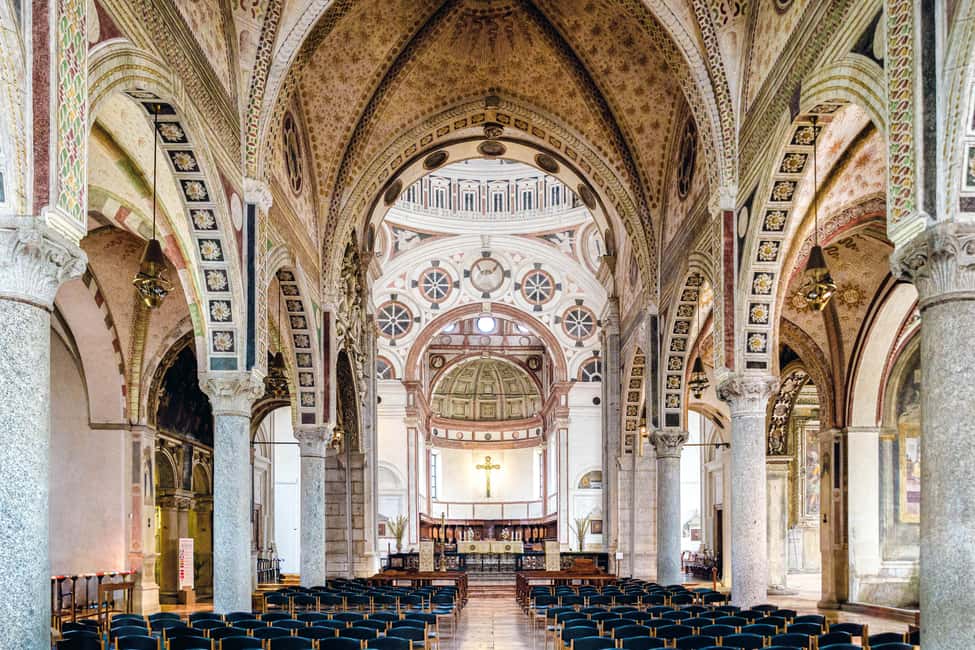
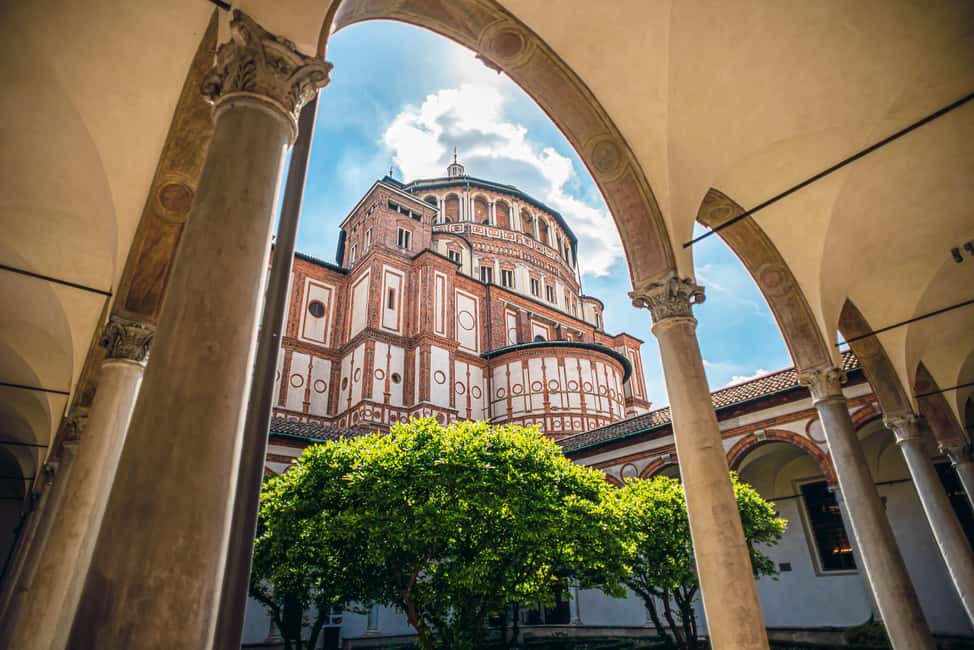
Even if you came for the painting alone, I think you’ll appreciate the architecture of Santa Maria delle Grazie. The convent complex gives the Last Supper its original stage-like setting. In other words, it’s not floating in a museum hall. It’s part of a space designed for ritual and routine.
Your guide typically explains what you’re looking at—how the building layout supports the mural, and how the setting shaped the experience of viewing it. That’s useful if you’re into art history, but it’s also useful if you’re just trying to understand why this place feels different from a typical church visit.
And yes, religious events can affect access. The church visit cannot always be guaranteed, so don’t tie your whole day to the assumption that every area will be open.
English support and audio system: small thing, big comfort
I’m a big fan of tours that don’t treat hearing as optional. This one includes an audio system, which helps you follow the guide clearly even when groups shift around or you’re in a room with ambient noise.
The tour runs with live guides in English and Spanish, and you can choose private or small-group options. From the feedback, people often mention strong English delivery and guides who are willing to answer questions without rushing you.
One accessibility point that’s worth knowing upfront: the tour is wheelchair accessible. If you need that, it’s a good sign you won’t get stuck dealing with avoidable stairs or last-minute surprises.
Price check: is $81 worth it?
The price is listed at $81 per person for a 1-hour guided experience that includes the Last Supper entry ticket, the guide, and the audio system.
Here’s how I think about value for a place like this:
- Ticket access for The Last Supper is notoriously constrained.
- The time inside is capped (15 minutes), so the guide’s role is concentrated, not padded.
- You’re buying clarity: interpretation of symbolism, perspective, and the artwork’s later survival through conservation.
So for many people, the cost feels justified because it turns a difficult entry item into a smooth, structured experience.
That said, you should be mentally prepared for sticker shock. One person pointed out that direct ticket sales can be released infrequently, and that the pricing gap between face-value and tour pricing can feel large. Whether you agree with their math or not, the theme is real: availability is tight, and scarcity has a price.
If you already have a plan to get tickets on your own and you know exactly how you want to read the painting, you may feel less need for a guide. If you want help making sense of the scene quickly, the guide time is the main value engine.
Who this tour is perfect for (and who may want to DIY)
This works best if you:
- Want a guided explanation focused on the painting’s meaning and composition
- Prefer a timed, controlled experience rather than spending hours guessing when you’ll enter
- Enjoy learning how a Renaissance work connects to its political and religious context
- Want a smooth entry process at a site with tight rules
You might skip the guided part if you:
- Already know the Last Supper story and symbolism well enough to go solo
- Are comfortable navigating the constraints on your own
- Want maximum unstructured time in the building (this tour’s 15-minute refectory cap sets a hard limit)
Small rules and what to bring so you don’t lose time
For this visit, bring a passport or ID card. That’s not optional. Entry is tied to identity checks tied to the ticketing system.
Leave the wrong stuff outside your day:
- No flash photography
- No food and drinks
- No luggage or large bags
- No weapons or sharp objects
- No backpacks
- Dress appropriately: short skirts and sleeveless shirts are not allowed
The good news: small lockers are available in the ticket office for storing items. So if you’re only carrying a small bag, you should still be able to manage it without turning your day upside down.
Should you book the Crown Tours Last Supper guided visit?
If you want your Milan morning to start with a world-famous artwork and end with real understanding, I’d book it. The biggest reason is the math of time: with only 15 minutes inside the refectory, you want someone pointing out what matters so you don’t burn your minutes on a vague scan of faces and hands.
I’d also book it if you value practical support: audio system, English or Spanish live guide, and a meeting point designed to keep entry calm. For many first-timers, that’s the difference between seeing The Last Supper and actually reading it.
If your priority is maximum independence or you’re already an art-history pro with your own plan for what to track in the mural, you might feel the cost less persuasive. But for most people, $81 buys you focus, not just access.
FAQ
How long is the guided tour?
The tour duration is listed as 1 hour.
Where do I meet the guide?
Meet at Piazza di Santa Maria delle Grazie, at the corner between Piazza di Santa Maria delle Grazie and Corso Magenta. The guide holds a flag with the Crown Tours logo.
How much time do I get inside the refectory with the Last Supper?
Visitors are granted a maximum of 15 minutes inside the refectory.
Is flash photography allowed?
No. Flash photography of the Last Supper is not permitted.
What should I bring to enter?
You should bring your passport or ID card.
What items are not allowed?
Weapons or sharp objects, food and drinks, luggage or large bags, short skirts, sleeveless shirts, flash photography, and backpacks are not allowed.
Is the tour wheelchair accessible, and what languages are offered?
The tour is wheelchair accessible. Live guides are offered in English and Spanish.