REVIEW · MILAN
Milan: Pinacoteca Art Gallery and Brera District Guided Tour
Book on GetYourGuide →Operated by Hidden Experiences · Bookable on GetYourGuide
Pinacoteca and Brera in two hours sounds tight. But this tour is a smart way to see major works at Pinacoteca di Brera and then feel Brera after the museum. I especially liked how the guide doesn’t just point at paintings; they explain what you’re looking at and why it matters.
My second favorite part is the pairing: classical art inside, then real Milan street life outside. You get a focused look at top names like Caravaggio and Raffaello, and the headphones make it easy to keep up even in busy rooms. The possible drawback: 2 hours moves quickly, and if you’re hoping for a long, slow wandering day, the schedule can feel like a sprint.
One more practical note: the Brera walk may be shortened by weather, and one visitor even mentioned needing a strong tolerance for museum time. So if you’re pairing this with dinner, I’d plan some flexibility afterward.
In This Review
- Key Things I’d Highlight Before You Go
- Pinacoteca di Brera: the fast route to major masterpieces
- What you’ll see: Caravaggio, Raffaello, Hayez, and more
- Inside the galleries: how the guide keeps the tour moving
- The gallery-to-streets shift: Brera after the paintings
- Where the walk can land you: studios, shops, and a calmer pace
- Price and value: why $61 can work (if you’ll use it right)
- Who this tour fits best (and who might want a different plan)
- The guides: what good guiding looks like here
- Should you book this Pinacoteca and Brera tour?
- FAQ
- How long is the tour?
- What’s included with the ticket price?
- Is food included?
- Do you visit Brera as part of the experience?
- What time periods are covered at Pinacoteca?
- What languages are available for the guide?
- Is the tour wheelchair accessible?
- Is there a private group option?
- Can you reuse the gallery ticket?
Key Things I’d Highlight Before You Go
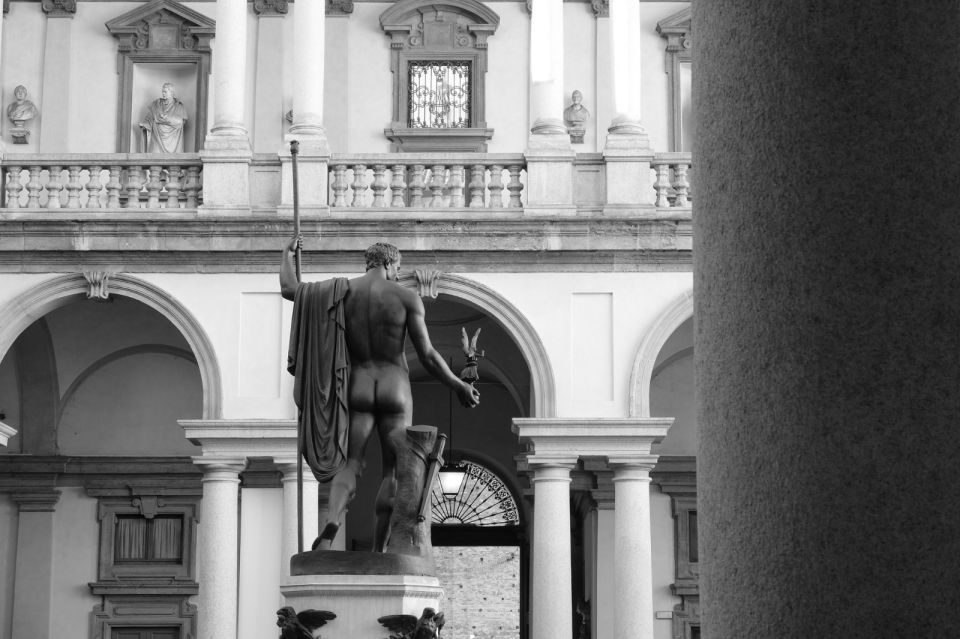
- A guided museum route that prioritizes the big masterpieces so you don’t get lost in rooms
- Art-history context built into the viewing (technique, symbolism, and artist stories)
- Headphones included so you can hear the guide clearly in galleries
- A real walk through Brera’s studio-and-shop vibe after the museum
- Multiple guides with different styles, including one approach using an iPad to compare artworks across the world
Pinacoteca di Brera: the fast route to major masterpieces
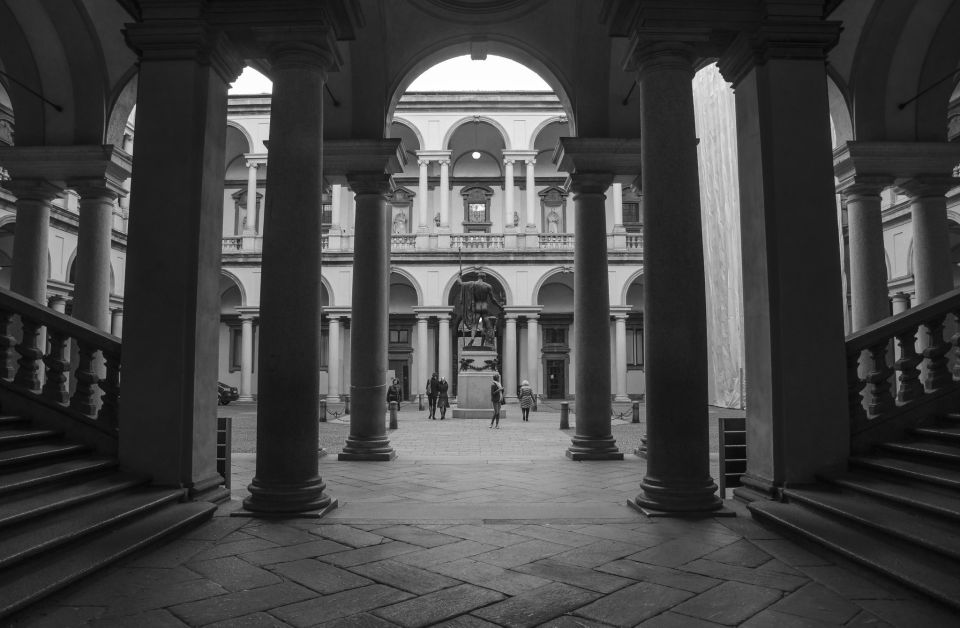
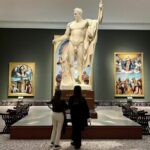
The Pinacoteca di Brera is Milan’s top art stop for a reason. It’s not just one museum room with a few famous works—it’s a collection spanning the 13th to the 20th century, which gives you a sense of how painting changed over time. On this guided tour, you’re not trying to “see everything.” You’re seeing a carefully chosen slice, with the guide steering you toward the works that help the whole collection click.
What you’ll like most is the way the tour turns looking into understanding. Instead of treating paintings like static decoration, the guide explains what to notice: the mood, the composition, the lighting, the subject choices, and how artists built styles across their careers. Several guides get praised for doing this in a way that doesn’t overwhelm you, which matters because the museum can easily become information overload.
If you’re an art lover, this is exactly the right format. You get a guided circuit of highlights and then time to connect those works to the broader story of art history. And if you’re not sure you’re “an art person,” that’s okay too. The best guides translate big art ideas into plain, visible details—why something looks the way it does, and what the artist was aiming for.
You can also read our reviews of more guided tours in Milan

What you’ll see: Caravaggio, Raffaello, Hayez, and more
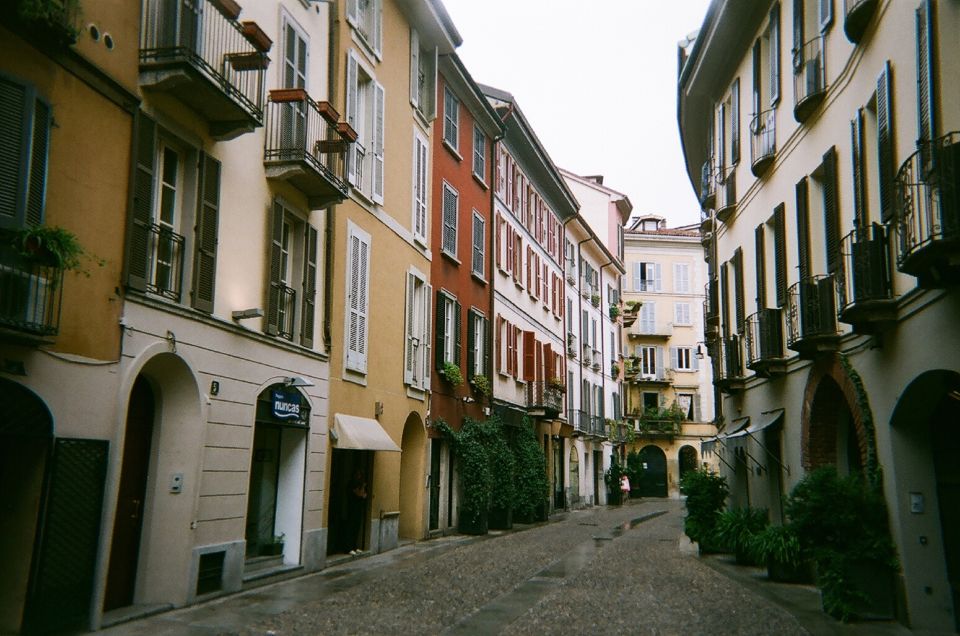
The tour is built around famous artists and widely recognized works. You’ll get classic moments from major painters including Raffaello and Caravaggio, plus names like Hayez and other important artists from the collection. Even if you only know a few of these names, you’ll still benefit because the guide explains them in context.
Here’s how the viewing usually feels: you stop, the guide sets the scene, and then you look again with new eyes. That second look is the payoff. One guide’s approach, for example, used an iPad to compare paintings to masterpieces from elsewhere—so you can see not just what’s in Brera, but how it connects beyond Milan. Another guide reportedly took a more analytical route, using close commentary so the paintings felt grounded in their time.
That “switch” is important. Art at this level can look intimidating if you expect it to be instantly obvious. With guidance, you learn how to read images: what the figures are doing, what the lighting emphasizes, and what the story choices communicate.
Inside the galleries: how the guide keeps the tour moving
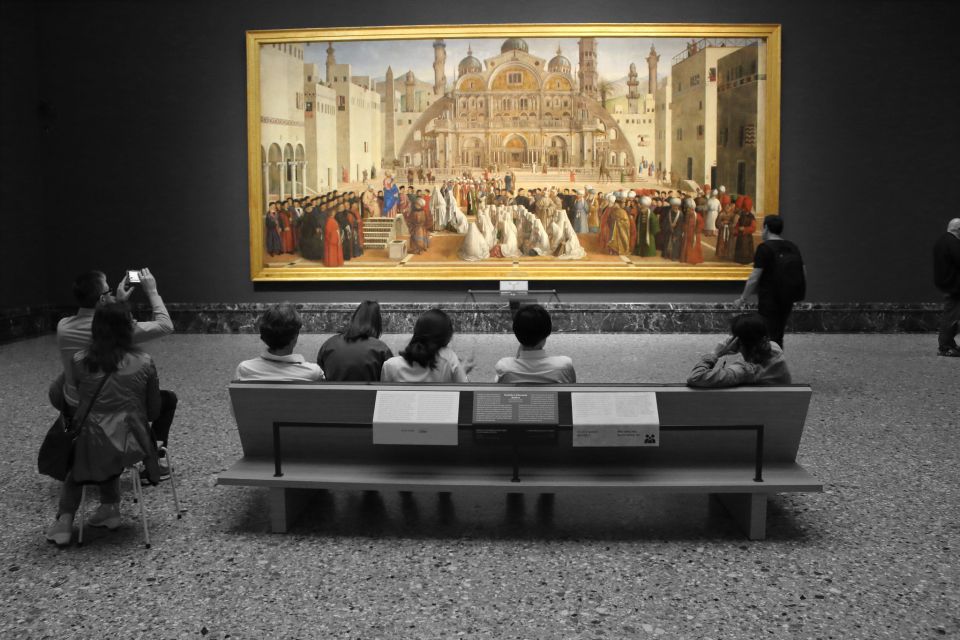
This is a museum tour, not a slow art picnic. The structure is designed to keep momentum, and that’s a good thing because Pinacoteca rooms can be dense. The tour also includes headphones, which is a relief—your attention stays on the art instead of drifting to figuring out what someone said from across the room.
You’ll likely hit multiple rooms and focus on key works in each. That matches what several guests described: a “cross section” of artworks instead of random wandering. It’s also why the timing works. In two hours, the only way to do this well is for the guide to pick the most meaningful stops and keep you oriented.
Potential drawback? A couple reviews flagged that the pace can feel a bit hurried. If you like spending a long time with one masterpiece, you may want to follow up with a self-guided visit later. But for first-timers, this guided format is a smart way to understand what the museum is offering before you spend your own time.
The gallery-to-streets shift: Brera after the paintings
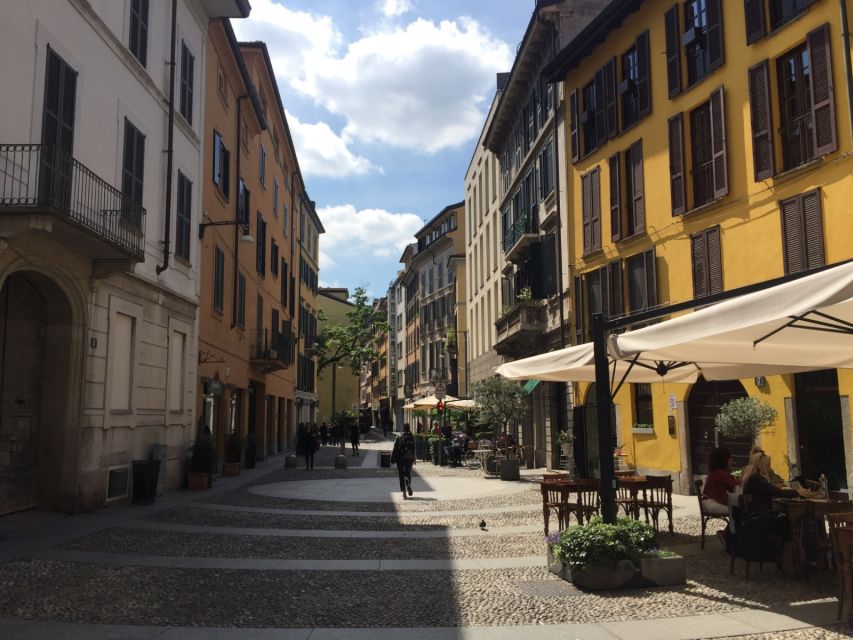
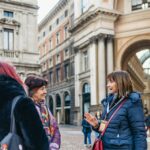
Then comes the fun part: you leave the museum and walk through Brera, one of Milan’s most creative neighborhoods. If Pinacoteca gives you the art-world backbone, Brera gives you the art-world atmosphere. The streets have that everyday creative feel—small studios and local shops connected to art-making and design, including places tied to canvas and paints and specialty items.
The walk is also a chance to reset your brain. After looking at centuries of painting technique, you get a taste of the present—light, faces, storefronts, and the general buzz of a neighborhood where art culture leaks into daily life. Several guides are praised for building this neighborhood context into the walk, including the way Brera’s identity has changed over time (one guide described how the area moved from a darker past toward the restaurant-and-studio vibe people associate with it today).
Even if you don’t buy anything, it’s worth it for the sensory shift. You’re not just sightseeing; you’re seeing how the city supports artists and creative businesses right now.
Where the walk can land you: studios, shops, and a calmer pace
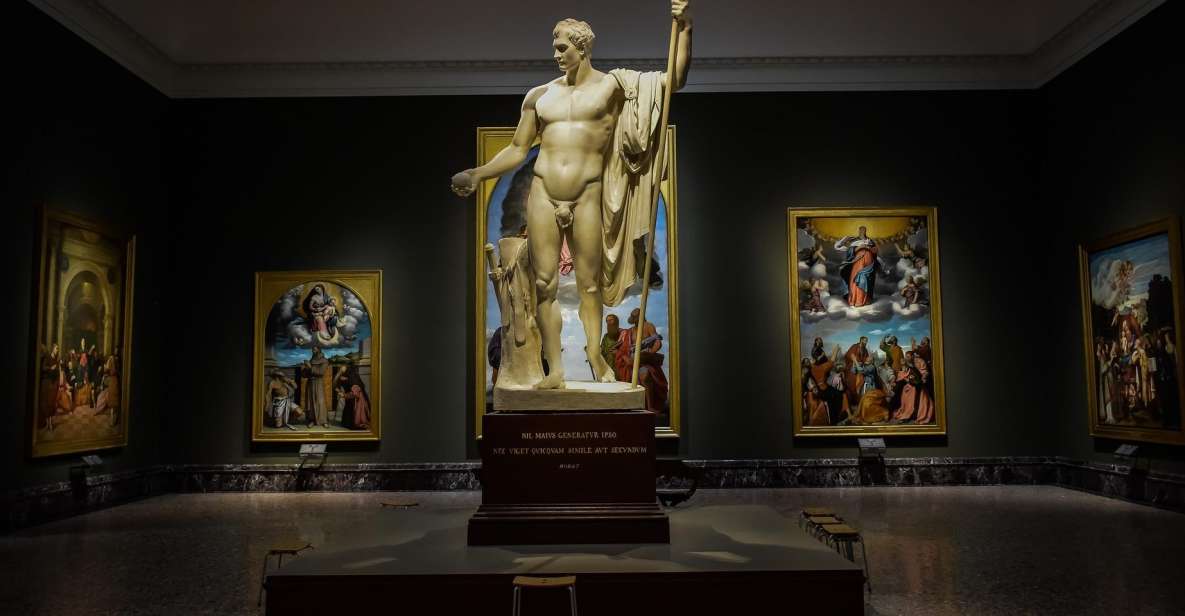
One of the reasons this combo works is that the Brera segment is meant to be a stroll, not another marathon. The tour aims to keep you moving between points while letting you absorb the character of the area. And if the museum side has a scholarly feel, the neighborhood side is more about mood.
There’s also mention of a botanical garden walk linked with the Pinacoteca experience. That detail matters because it shows the tour can include small “breathing moments,” not only galleries and streets. Since timing can vary, don’t count on a garden stop every day—but it’s good to know that some guides build in that kind of pause when conditions allow.
Comfort tip: this tour includes standing and walking in both the museum and the neighborhood. Wear shoes that can handle polished museum floors and city sidewalks, and bring a light layer if you’re going in cooler months.
You can also read our reviews of more museum experiences in Milan


Price and value: why $61 can work (if you’ll use it right)
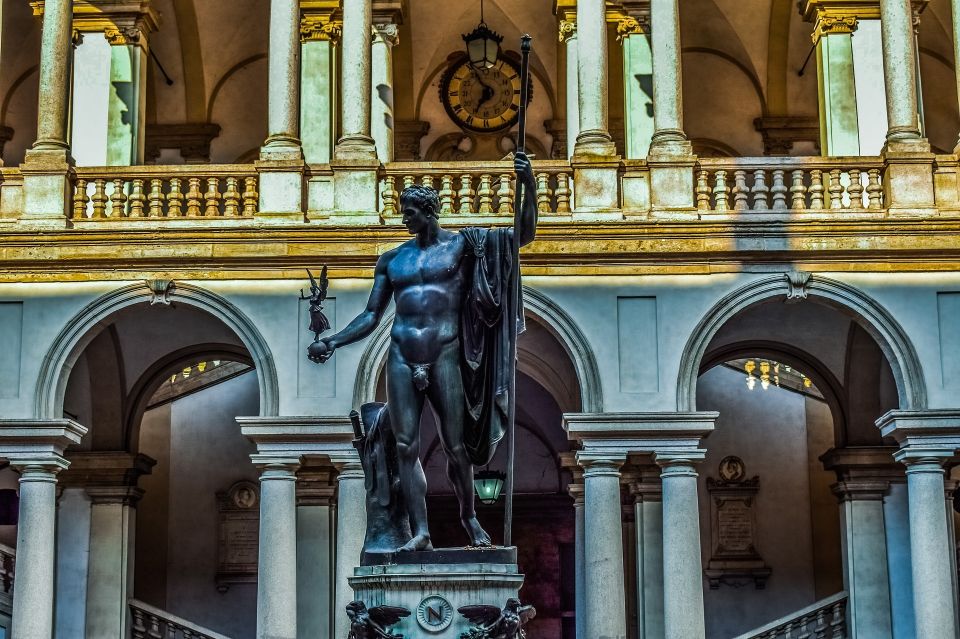
At $61 per person for a 2-hour guided experience, the price is really about what you’re getting bundled together. You’re paying for:
- Pinacoteca entry tickets
- A live guide
- Headphones so you can actually hear what you’re paying for
If you tried to replicate that on your own, you’d spend time figuring out tickets and then still need a guide (or endless reading and app-wrangling). Here, the guide compresses the learning curve for you. The value is strongest if you want a curated path through the museum highlights and a structured introduction to Brera instead of a self-guided plan.
This tour is also a good “first Milan art” option. It gives you a high-quality taste of the collection without requiring you to commit an entire day to art museums. If you end up loving it, you’ll know what to target for a second visit.
If you’re the type who wants slow, silent museum time or long neighborhood wandering, the price may feel less justified because the structure moves fast. In that case, consider using this tour to learn the basics—then plan your own longer follow-up afterward.
Who this tour fits best (and who might want a different plan)
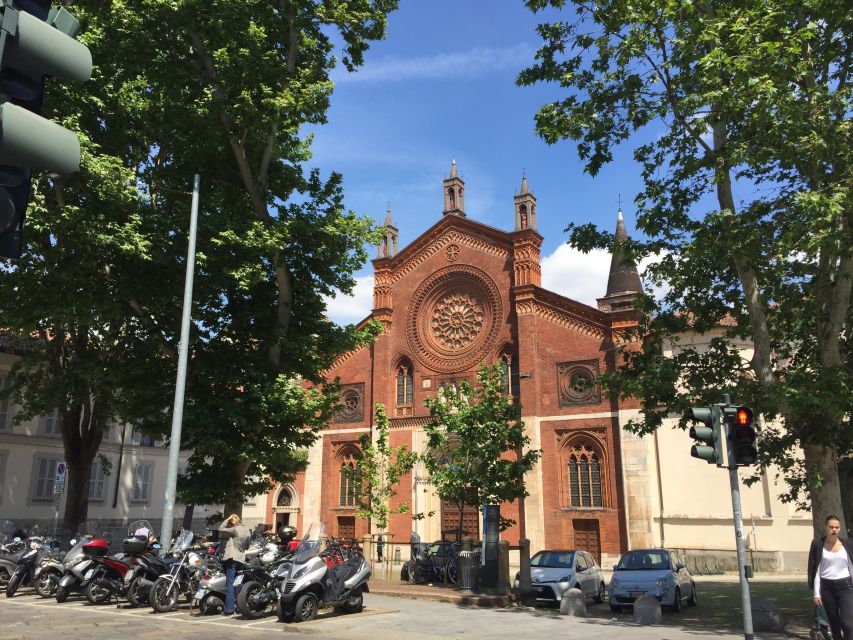
This experience fits best if you:
- want to see major works quickly without getting lost
- like learning why paintings look the way they do
- enjoy a guided approach that balances context with actual looking
- want a straightforward transition from museum to Milan streets
It may feel less ideal if you:
- prefer to take a long time with every single artwork (this route is designed for highlights)
- dislike museum-heavy itineraries
- expect a long, freeform Brera exploration (the neighborhood walk is part of a set schedule)
I’d also say it’s ideal for couples, friends, and small groups who can enjoy conversation and then spend the rest of the day on their own. One review even suggested that some guides point out a good restaurant nearby, which can make the afternoon easier to plan.
The guides: what good guiding looks like here
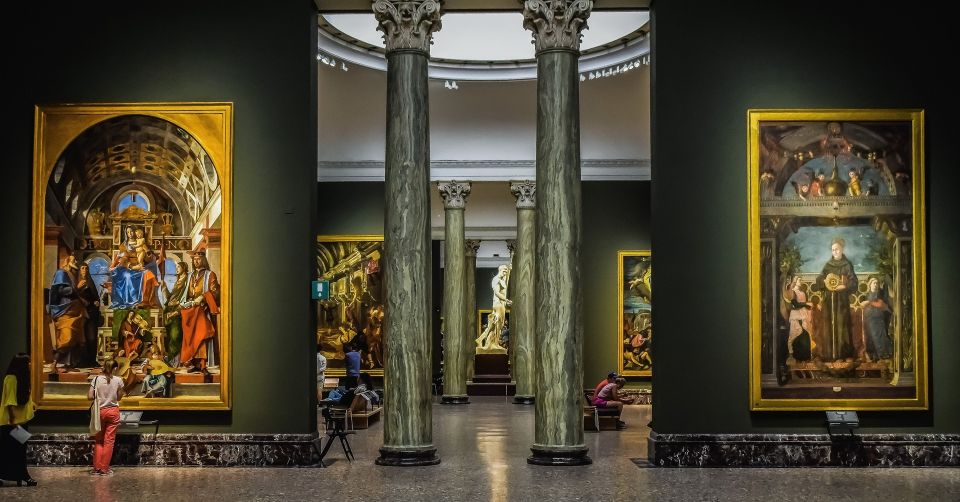
The reviews put a clear spotlight on guide quality. People mention guides who:
- select the key works carefully
- explain art without drowning you in jargon
- keep the tour engaging from start to finish
- answer questions with patience
Specific guide names show up repeatedly. Giorgio gets praise for presenting masterpieces with strong storytelling, including a guide style that uses an iPad to compare artworks for extra context. Simone is praised for making sure visitors see the right highlights and for giving the right amount of analysis without overloading you. Laura and Lara are also mentioned for strong art-history explanations and for weaving in helpful background that makes the paintings easier to understand.
Even when a tour runs short because of rain, the guidance seems to be the thing that keeps the experience worthwhile. That’s a good sign: the “human factor” is doing real work here.
Should you book this Pinacoteca and Brera tour?
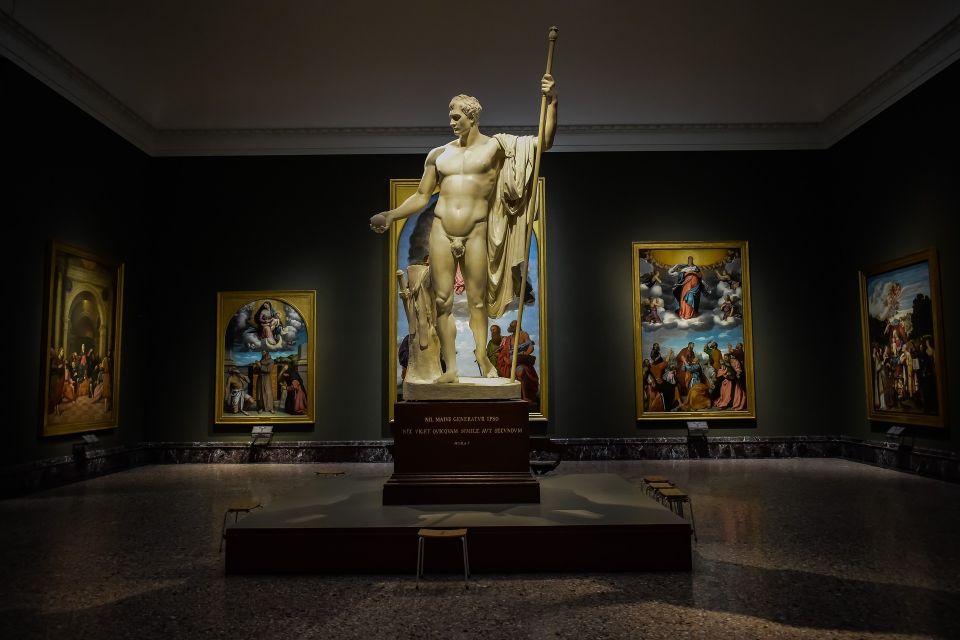
I’d book it if you want an efficient, guided introduction to Milan’s art and a neighborhood walk that feels like more than just passing through. The combination is the main reason: you get world-class paintings at Pinacoteca di Brera, then you get Brera’s creative streets right after, when your art mood is still fresh.
Skip it or think carefully if you’re hoping for a slow museum day or a long Brera wander. The timing is tight by design, and the tour is best for people who like being led.
FAQ
How long is the tour?
The duration is 2 hours.
What’s included with the ticket price?
The tour includes Pinacoteca entry tickets, a tour guide, and headphones.
Is food included?
No. Food and drinks are not included.
Do you visit Brera as part of the experience?
Yes. After the museum, you’ll enjoy a guided stroll through the Brera district.
What time periods are covered at Pinacoteca?
The tour covers paintings from the 13th to the 20th century.
What languages are available for the guide?
Guides are available in Italian, English, German, French, and Spanish.
Is the tour wheelchair accessible?
Yes, the tour is wheelchair accessible.
Is there a private group option?
Yes, private groups are available.
Can you reuse the gallery ticket?
One past guest noted that the ticket provided can be reused for a period of a couple of months, but you should confirm details when you receive your ticket.