REVIEW · MILAN
Milan 3–Hour Cultural Bike Tour
Book on GetYourGuide →Operated by Guided Tour Milan · Bookable on GetYourGuide
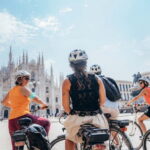
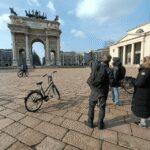
Milan moves fast, so a bike tour helps you keep up. This 3-hour ride is a practical way to see major landmarks like the Duomo and Scala, while also getting commentary on Roman-era remains and Renaissance-era stories. One thing to consider: this is a private tour with a premium price, so double-check the bike condition and the plan for traffic stops—one past experience had delays and bike issues.
You’ll get live guidance at every stop, and the tour is built around shifting time periods: Castello Sforzesco, Roman ruins from when Milan was a key imperial city, and the Duomo’s iconic skyline. I especially like that you’re not stuck looking at buildings from one corner—you’re cycling through neighborhoods with context as you go. The trade-off is that you are riding in city traffic, so wear comfy clothes and be ready for some stop-and-start movement.
In This Review
- Key Highlights You’ll Feel on the Ride
- Why a 3-Hour Cultural Bike Tour Works in Milan
- Getting Started at Stazione Centrale (and Finding the Meeting Point)
- Castello Sforza: Where Renaissance Milan Shows Its Power
- Roman-Era Ruins: The City’s Earlier Life, Up Close
- Cycling Past the Duomo: 135 Spires and Real-World Views
- Teatro alla Scala: Opera History Without the Museum Feel
- How the Guide Commentary Changes the Experience
- Bike Setup, Comfort, and What to Watch For
- Price and Value: Is $325.13 Worth It?
- Who This Tour Suits Best (and Who Might Prefer Another Plan)
- Should You Book This Milan 3-Hour Bike Tour?
- FAQ
- How long is the Milan Cultural Bike Tour?
- Where does the tour start and end?
- What is the closest metro station?
- What’s included in the price?
- Are meals or drinks included?
- What languages are available for the guide?
- Is there a cancellation option?
Key Highlights You’ll Feel on the Ride
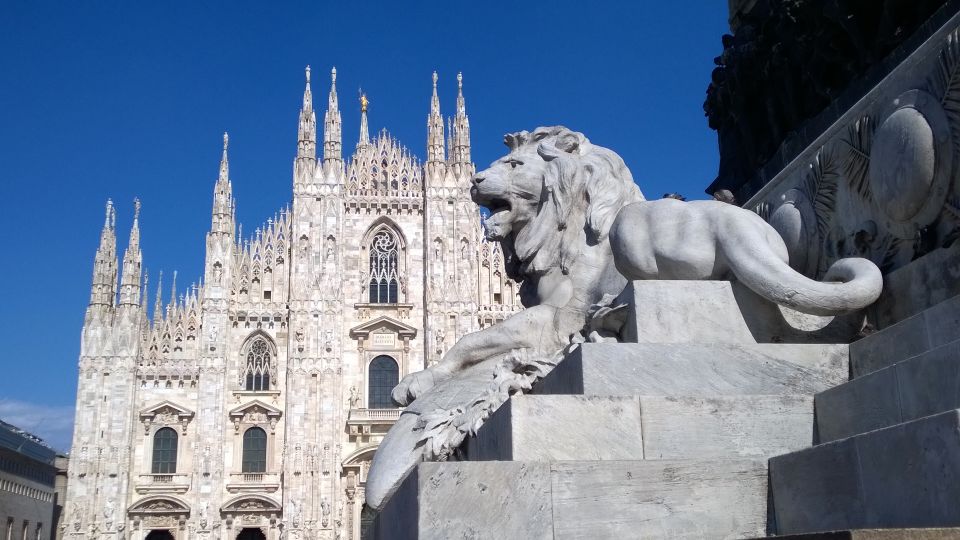
- Duomo Cathedral viewpoints: ride past the symbol of Milan with a focus on its famous spires
- Roman-time stops: see archaeological remains tied to Milan’s imperial past
- Castello Sforza start: begin with the power center of Renaissance Milan
- Teatro alla Scala context: get the opera-house story as you move through the area
- Guide commentary every stop: history comes with a walking-and-looking rhythm built in
- Private-group pacing: you should get a more tailored flow than big group tours
Why a 3-Hour Cultural Bike Tour Works in Milan
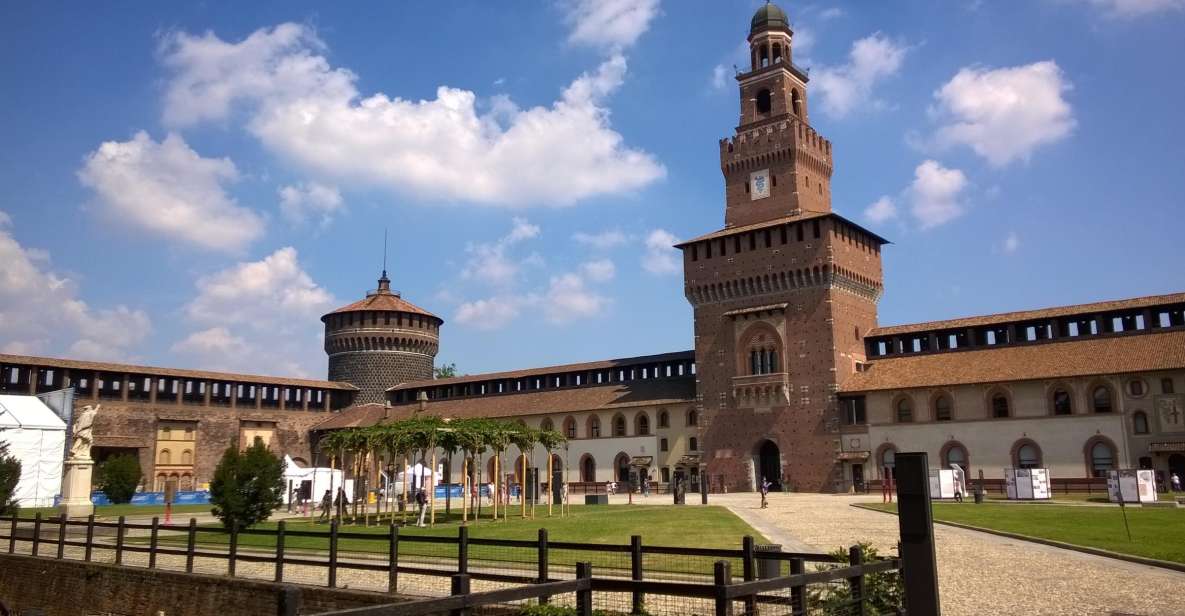
Milan is a city where you can easily spend half a day “just traveling” between sights. A tight 3-hour bike tour is designed to compress a lot of culture into a manageable window, so you’re not losing your afternoon to transit and long lines.
What makes this one worth your attention is the time-jump concept. You’re moving from Renaissance power (Castello Sforza) to Roman remains and then to the Duomo and Scala area. That pattern gives you a clearer mental map of how Milan evolved, instead of a scatter of photos.
The other practical win: you get an expert guide with live commentary at stops. If you like understanding what you’re looking at—why a building matters, what a site used to be—that guidance keeps the ride from becoming just transportation.
You can also read our reviews of more cycling tours in Milan
Getting Started at Stazione Centrale (and Finding the Meeting Point)
The meeting point is at the front door of the building, and the closest metro stop is Stazione Centrale on yellow line 3 or green line 2. Since it starts and ends back at the meeting point, it’s also easier to plan your day around it.
If you’re arriving by train or you’re already near the station area, this is a helpful location. It also means you can likely combine the tour with an earlier or later Milan wander—then return for the bike ride instead of changing neighborhoods all day.
You should plan to bring a small bag for your belongings. Comfortable city biking clothes are the only real clothing requirement (no special sports gear needed), but you’ll be more relaxed if you choose shoes you can trust on pavement and quick stops.
Castello Sforza: Where Renaissance Milan Shows Its Power
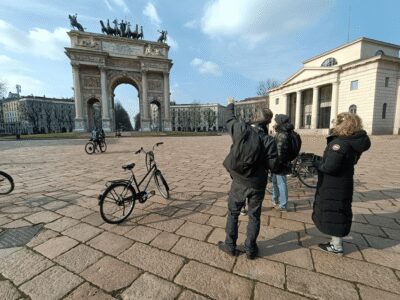
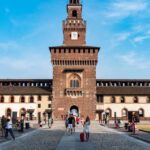
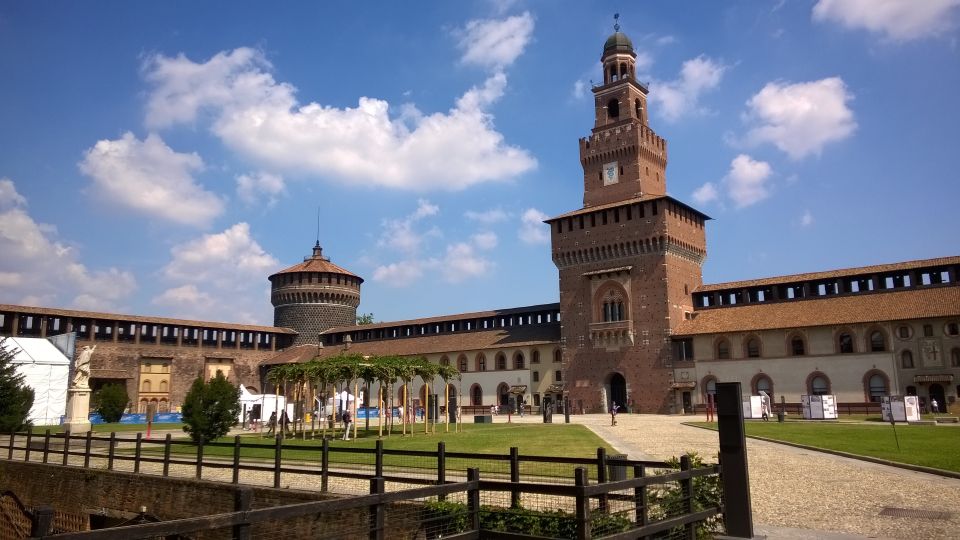
Your first big milestone is the colossal Castello Sforza, once home to Milan’s ruling families during the Renaissance. Starting here matters because it gives you a baseline for everything else.
When you look at Milan later and think about the Duomo or the opera world, you’re really seeing different expressions of power—religious, political, and cultural. Castello Sforza is the early “why Milan became Milan” reference point.
If you’re into art history or political history, you’ll probably enjoy how the tour links the Renaissance atmosphere to the sites you’ll see next. Even if castles aren’t your top interest, the context helps you understand why Milan’s later monuments feel so intentional.
Possible drawback: castles and open areas can still be busy, and a bike tour means you’re sharing space with pedestrians and cars. Stay alert at intersections and follow your guide’s pace closely—especially in the parts of the city where traffic is heavier.
Roman-Era Ruins: The City’s Earlier Life, Up Close
Next you shift to ruins from the Roman era, when Milan served as a capital of the Empire. This stop is one of the most interesting parts of the tour because it interrupts the usual “Duomo-and-back” Milan routine.
Seeing Roman remains in context is a different kind of wow. You’re not just looking at an old structure—you’re learning how Milan’s earlier identity set the stage for later centuries. It’s the kind of stop that makes you look at the city differently after you move on.
This is also where the guide commentary really matters. Archaeological remains can feel scattered if you’re on your own, but with a live guide you get the narrative thread—what it was, why it’s there, and how it ties back to Milan’s bigger story.
A practical tip: keep your camera ready, but also slow down mentally. Short stops can pass fast on a bike tour, and Roman ruins deserve a minute or two of focused looking.
Cycling Past the Duomo: 135 Spires and Real-World Views
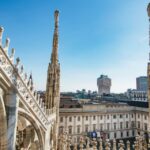
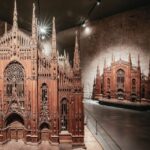
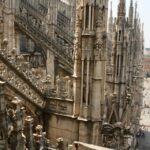
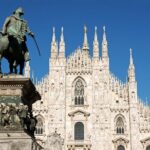
Then comes the Duomo Cathedral, the third-largest church in the world, and Milan’s most recognizable symbol. The tour specifically highlights its 135 spires, which is a great anchor fact because it gives you a way to “read” the skyline instead of just noticing the building from a few angles.
The value here isn’t only the monument itself. It’s the way a bike changes your relationship to big architecture. You’re moving, so you get a series of viewpoints—closer, then more distant—without spending all your time waiting or navigating on foot.
I also like that this stop fits into the broader timeline. The Duomo is religious architecture, but in Milan it’s also civic identity made stone. When your ride has already set up Renaissance and Roman context, the Duomo lands with more meaning.
One consideration: the area around major landmarks can be crowded. If you’re the type who needs calm, quiet photos, you might want to mentally prepare for bikes, pedestrians, and traffic noise during the stop-and-go moments.

Teatro alla Scala: Opera History Without the Museum Feel
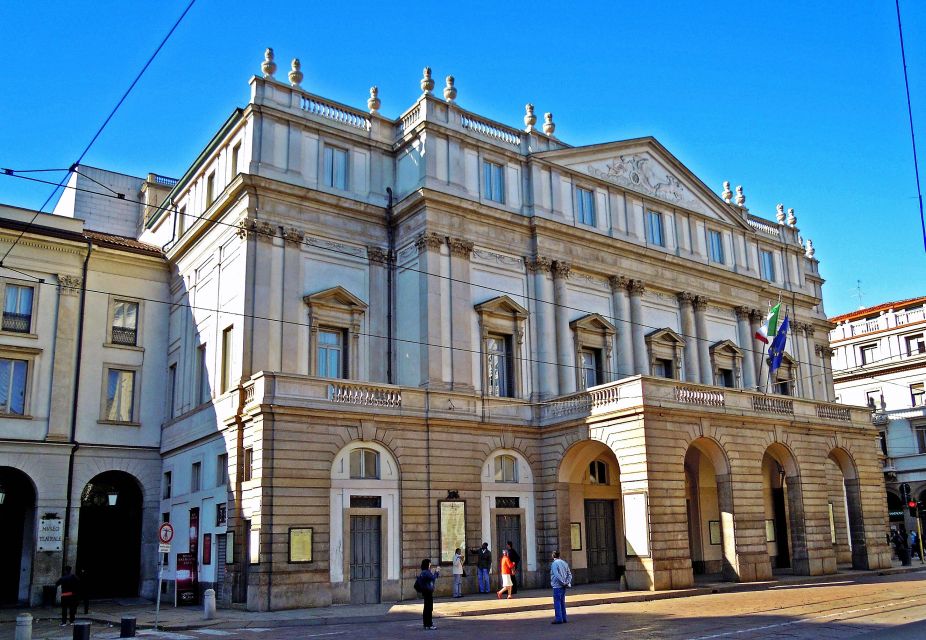
After the Duomo area, the tour includes the Teatro alla Scala, one of the leading opera houses in the world. This part works best if you like cultural landmarks that are also living institutions.
You’re not being asked to treat everything like a formal museum visit. Instead, it’s woven into the ride, so you connect the opera-house story to the city streets around it. That can be a relief if you don’t want your sightseeing to feel like a checklist.
Also, this stop continues the theme of Milan as a city of both tradition and innovation. A bike tour tends to keep the day from feeling too compartmentalized, and that suits Scala—where the landmark is famous, but the meaning shows up in the cultural atmosphere around it.
How the Guide Commentary Changes the Experience
This tour is built around historical commentary at every stop, not just one or two big speeches. That structure is what turns a bike ride into a cultural tour rather than a scenic spin.
If you get a confident guide, you’ll feel it right away. One of the strongest notes from past riders was about a guide named Vera, praised for being competent and for guiding safely through Milan while answering questions. That kind of responsiveness matters because it helps you fill the gaps you didn’t know to ask about.
The practical takeaway for you: if questions pop into your head while you’re moving between sites, ask. With live multilingual options (English, Italian, German, Spanish, French), you’re likely to get a clear explanation that makes the next stop easier to understand.
Bike Setup, Comfort, and What to Watch For
Bike rental is included, with available accessories, and you’ll be riding for about three hours. That’s not a casual stroller pace, but it’s also not an all-day cycling marathon—so your comfort comes down to the basics: shoes you trust, breathable clothes, and a plan for your bag.
Here’s the balanced reality: while many riders report a smooth experience, there is at least one account of bikes being in poor condition, including a chain issue, and also a mention that bikes weren’t provided with locks. I can’t promise those problems won’t happen on your date, but the smart move is to treat setup as a quick safety check.
Before you roll too far, confirm the basics:
- Check the bike feels stable and the brakes respond as expected.
- Notice whether the bike has working gears and a smooth chain.
- If you’ll need to park the bike briefly, ask whether locks are available as part of the rental or bring a small solution yourself.
On any Milan street, stay focused. One report also criticized racing through traffic without considering heavy flow. That’s a reminder that your guide’s style matters. If you feel the pace is too fast for the conditions, you can still speak up and ask for a safer rhythm.
Price and Value: Is $325.13 Worth It?
The price is listed as $325.13 per group up to 1, and the tour is private. That means you’re not paying for seats in a shared bus—you’re paying for a guide and a guided cycling plan with bike rental included.
At this price point, you’re buying three things:
1) Time efficiency: three hours is enough to cover the big Milan hits without losing the day to transit.
2) Navigation help: you’re following someone’s pacing and route, which matters in a busy city like Milan.
3) Context: the live commentary at every stop is the difference between sightseeing and learning.
Where the value can drop: if bikes are slow to replace or if there’s a major interruption, the premium price starts to feel unfair. The best way to protect your value is to go in expecting a smooth start and to communicate early if anything feels off with the equipment or timing.
If you’re traveling solo or as a small private group, and you want a guided “timeline” tour (not just landmarks), this is priced like a specialty experience. If you prefer low-cost freedom and you don’t care about guided commentary, you’ll probably find cheaper options.
Who This Tour Suits Best (and Who Might Prefer Another Plan)
This tour is a strong fit if you:
- Want a quick overview of Milan’s big icons like the Duomo and Scala
- Like history that connects eras (Roman → Renaissance → Milan’s cultural identity)
- Prefer guided interpretation rather than wandering with no direction
- Enjoy cycling through a city and don’t mind traffic conditions
It may be less ideal if you:
- Are sensitive to interruptions or equipment hiccups (you’re paying premium pricing)
- Prefer a slower pace with lots of walking breaks
- Want a perfectly relaxed sightseeing day with minimal cycling
For families, you’d need to judge based on the ride style and how comfortable your group is with city cycling. Since the info emphasizes city-bike clothing and a bag for belongings but doesn’t specify child age ranges, you’ll want to check that before assuming it’s kid-friendly.
Should You Book This Milan 3-Hour Bike Tour?
I’d book it if you want a guided time-travel route that hits Milan’s most famous sights with commentary, all in a compact three hours. The Duomo-focused spire highlight, the Roman remains, and the Renaissance-to-opera storyline are exactly the combo that makes a bike tour feel like more than transportation.
I’d hesitate only if you’re extremely picky about equipment quality or you can’t handle the possibility of disruptions. One past experience included a serious interruption and bike problems, so it’s fair to ask about bike condition and any planned handoffs if the guide is running on a tight schedule.
If you do book, show up ready: comfy biking clothes, a small bag, and a quick bike check before you ride. If everything runs smoothly, this is the kind of Milan tour that helps you remember the city as a connected story, not just a set of stops.
FAQ
How long is the Milan Cultural Bike Tour?
It’s 3 hours long.
Where does the tour start and end?
It starts at the front door of the building and ends back at the same meeting point.
What is the closest metro station?
The closest metro stop is Stazione Centrale, with line 3 (yellow) or line 2 (green).
What’s included in the price?
Bike rental is included, along with an expert guide.
Are meals or drinks included?
No, meals and drinks are not included.
What languages are available for the guide?
The live guide is available in English, Italian, German, Spanish, and French.
Is there a cancellation option?
Yes. You can cancel up to 24 hours in advance for a full refund, and you can reserve now and pay later.