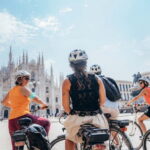
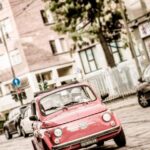
Milan slips past fast on two wheels, thanks to a tight route and guide-led storytelling. I love the iconic aquamarine bike and the way you cover big sights plus quieter local streets without feeling rushed. One catch: this tour isn’t for people who can’t ride a bike, and there’s a 135 cm height minimum.
You also get a smooth, low-stress way to learn the city in about 3.5 hours, with Dutch or English guides. Names like Paulo, Sandra, and Martha show up because they’re consistently praised for clear, friendly explanations and good pacing.
Everything you need is handled for you: a bike, helmet, and even a waterproof jacket if the sky decides to be Milan-ish. With a strong 4.7 rating across hundreds of bookings, this is the kind of tour that’s easy to justify when you want results fast.
In This Review
- Key highlights I’d plan around
- Why a Milan bike tour works so well in 3.5 hours
- Starting in Ticinese: the best way to begin without getting lost
- Duomo, Palazzo Reale, Galleria Vittorio Emanuele, and La Scala—without the stress
- Brera and the Pinacoteca zone: where Milan’s art brain starts
- Porta Nuova’s modern contrast: what to look for while you pedal
- Castello Sforzesco and Parco Sempione: the calm break you’ll want
- Roman ruins finish: the long view you don’t get on quick visits
- Bikes, helmets, and guide style: where the tour feels worth it
- Weather and what to pack so you stay comfy
- Price and value: what you get for $44.41
- Using the tour to plan the rest of your Milan day
- Quick decision guide: who this tour is best for
- Should you book this Milan bike tour?
- FAQ
- FAQ
- How long is the Milan Highlights and Hidden Gems Guided Bike Tour?
- What is included with the tour?
- Where does the tour start and end?
- Where is the nearest metro station to the meeting point?
- Is the tour offered in English?
- What should I wear or bring?
- Does the tour run in light rain?
- What are the age or height limits?
- Are alcohol or drugs allowed on the tour?
- If I arrive by car, is there anything I should know?
Key highlights I’d plan around
- Iconic landmarks plus neighborhood streets: Duomo, Palazzo Reale, Galleria Vittorio Emanuele, La Scala, and more—plus side streets you’d skip on foot.
- A clear Milan arc: Ticinese to Brera, then Porta Nuova, Castello Sforzesco, Parco Sempione, and Roman-era remnants.
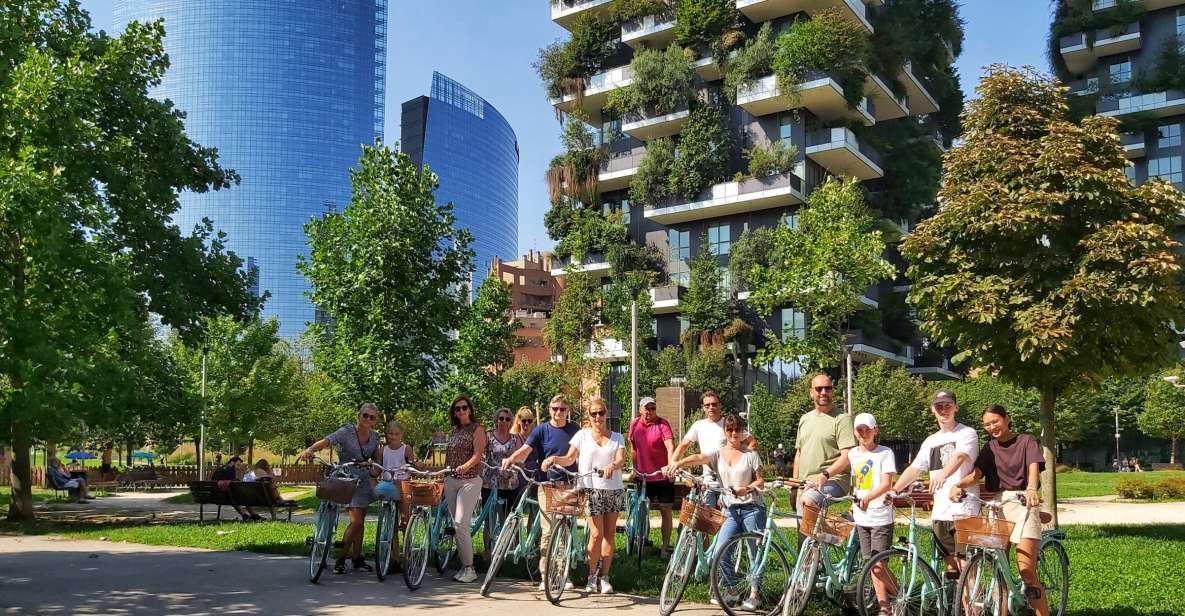
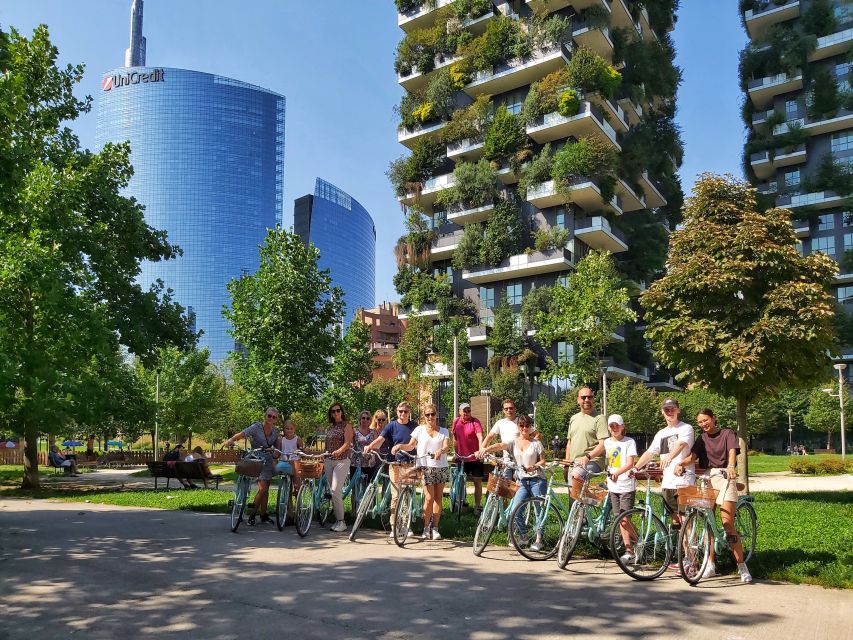
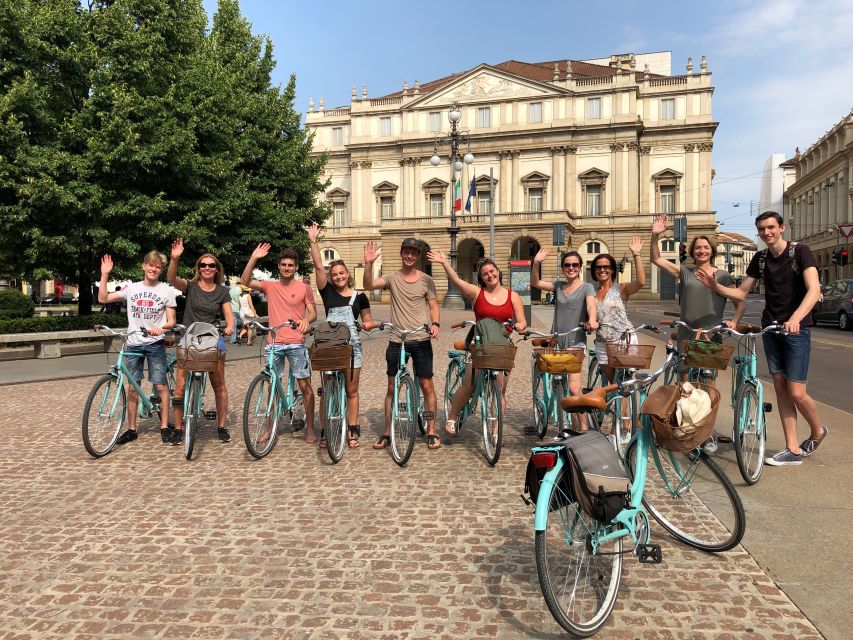
- A bike that feels like part of the experience: that famous aquamarine color, shared with a group in a relaxed vibe.
- Guides who steer you well: Paulo, Sandra, and Martha are repeatedly linked with confident navigation and great stop-and-explain moments.
- Easy riding, mostly flat: one common theme is that the city’s flatter stretches make it comfortable, even if you’re not a road-racer.
Why a Milan bike tour works so well in 3.5 hours
Milan can be a little overwhelming at first. A bike tour gives you that fast mental map: where the center sits, where the art sits, where the modern face begins, and where the calm breaks happen.
What I like is the balance. You get the headline monuments (Duomo and La Scala), but the route keeps pivoting into districts that change the mood of the city. In a few hours, you’ll understand why Milan feels like several cities stitched together.
At $44.41 per person for about 3.5 hours, you’re not just paying for motion. You’re paying for a guided route that threads together multiple districts with fewer detours than you’d risk on your own, especially if you’re short on time.
You can also read our reviews of more cycling tours in Milan
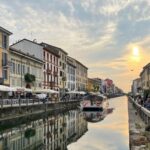
Starting in Ticinese: the best way to begin without getting lost
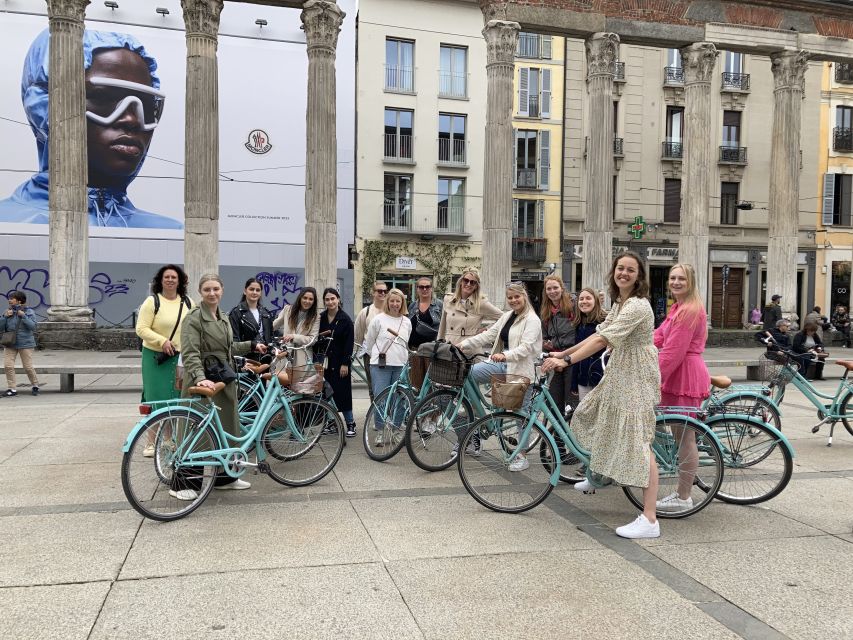
Most first-timers start in the Duomo area and then wonder why the city feels one-note. This tour starts you in Ticinese, a lively place that’s a smart springboard for the center.
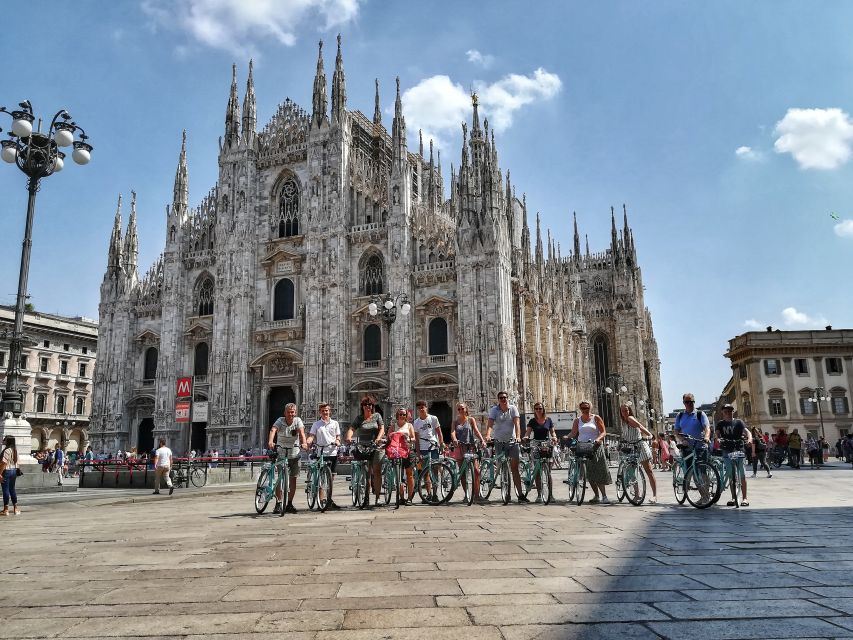
You’ll also get an easy orientation with directions on where to meet. If you’re coming by public transit, the start is close to Metro Vetra (M4) (about a 3-minute walk). If you’re closer to Duomo (M1/M3), you’re looking at about a 14-minute walk or a short tram ride.
If you’re arriving by car, there’s an important reality check: avoid entering the ZTL area, or you could get fined. Milan’s restricted traffic zones are the kind of thing you only learn once—so it’s worth heeding this before you drive in.
Duomo, Palazzo Reale, Galleria Vittorio Emanuele, and La Scala—without the stress
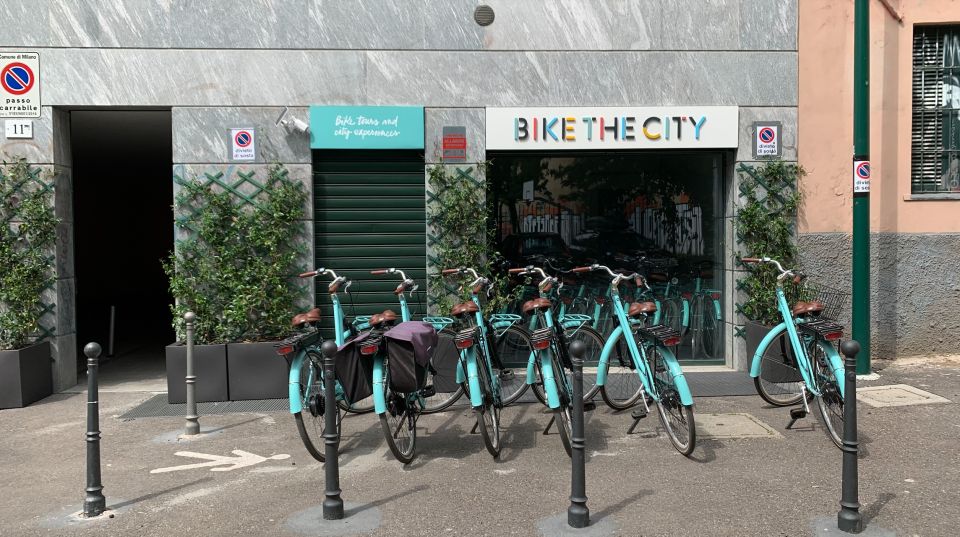
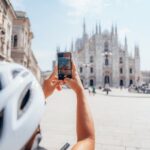
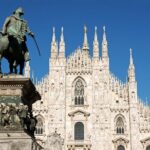
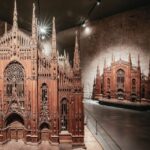
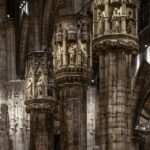
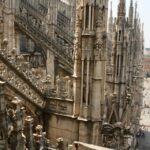
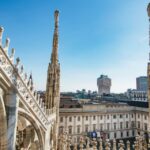
This is the classic Milan sweep, and it’s done in a way that keeps your brain from freezing. You’ll pedal past the Duomo Cathedral, then continue toward Palazzo Reale, a key stop for understanding the city’s refined side.
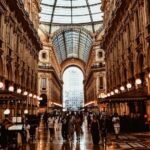
One highlight is the ride through the Galleria Vittorio Emanuele area. It’s not just a pretty passage; it’s the kind of place that makes Milan feel polished in a very specific way—glass, arcades, and people moving with purpose.
Then comes La Scala, the world-famous opera house. Seeing it by bike helps because you’re not stuck only on the building. You’re seeing the surrounding streetscape that supports it, which makes the whole place feel more real.
A good thing here is the rhythm: you’re not rushing straight from photo spot to photo spot. The guide’s stories and anecdotes fill in the “why,” so each monument feels connected instead of randomly collected.
Brera and the Pinacoteca zone: where Milan’s art brain starts
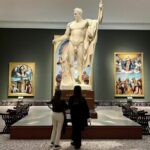
After the center’s big-name sights, the route shifts toward Brera, widely known as Milan’s artistic heart. Even if you don’t plan to go inside museums that day, Brera’s streets give you the right tone.
You’ll be close to the Pinacoteca area, which is helpful even if you only skim the outside energy. It’s the kind of district where you’ll notice how the city supports creativity—small details, street life, and that slow-moving feel that makes people linger.
This part of the tour is also a sanity saver. On foot, Brera can turn into a maze of decisions: where to turn, where to stop, what matters most. By bike, you keep moving, but you still get time to absorb the vibe.
Porta Nuova’s modern contrast: what to look for while you pedal
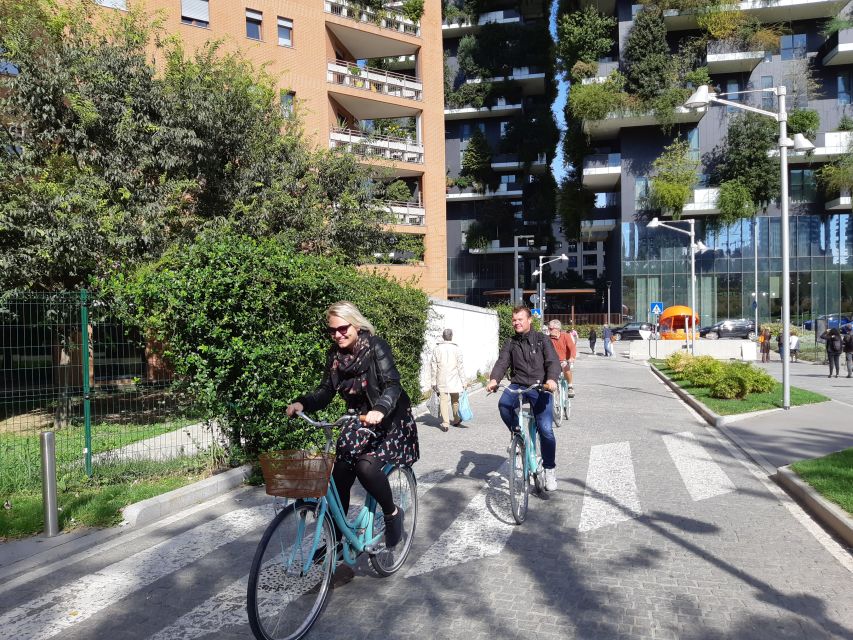
Then the tour jumps forward in time to Porta Nuova, and that contrast is one of the best “aha” moments of the day. Milan isn’t only the Duomo and opera tradition—this district shows its modern planning and architecture side.
Porta Nuova is where you’ll start noticing how Milan redesigns itself. From the bike, you’re positioned to see how streets connect, how buildings frame public space, and how the city handles scale—something that can be hard to grasp if you’re only walking in one direction.
This is also where guide storytelling really helps. The better your guide is, the less you just see shapes—and the more you understand why those shapes matter in how Milan functions today.
You can also read our reviews of more guided tours in Milan
Castello Sforzesco and Parco Sempione: the calm break you’ll want
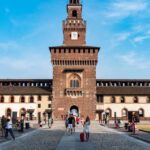
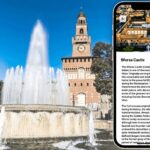
If you need proof Milan has breathing room, this is it. The ride leads you to Castello Sforzesco, and from there it transitions into Parco Sempione, described as Milan’s green lung.
This section works because the pace feels different. You slow down naturally as the park atmosphere takes over, and it’s easier to appreciate the change from architecture-heavy streets to open space.
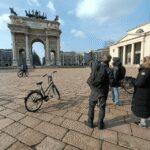
Right near the park, you’ll also see the Arco della Pace, the elegant neoclassical structure that anchors the area visually. Seeing it after Castello Sforzesco makes the whole sequence feel like a planned “breather” in the middle of the city’s momentum.
Roman ruins finish: the long view you don’t get on quick visits
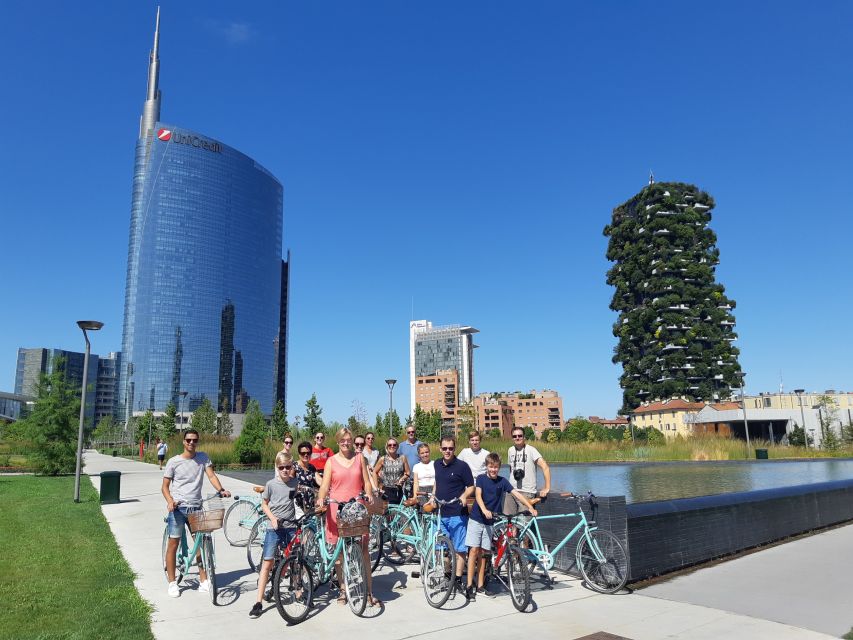
The last stretch is a time-travel payoff: you explore Roman remnants that point to Milan as a capital of the Roman Empire. That’s not a headline most people connect to Milan early on, and it’s exactly why this ending works.
You’ll visit remnants linked to an imperial palace, plus a circus and an amphitheater. This matters because it turns Milan from a “fashion and monuments” picture into a city with deep layers you can actually point to.
Ending here also helps your memory. When the tour ends near Roman-era sites and then returns you to the start, you’ve got a clearer timeline in your head: ancient roots, Renaissance and opera-era prestige, and then the modern skyline contrast.
Bikes, helmets, and guide style: where the tour feels worth it
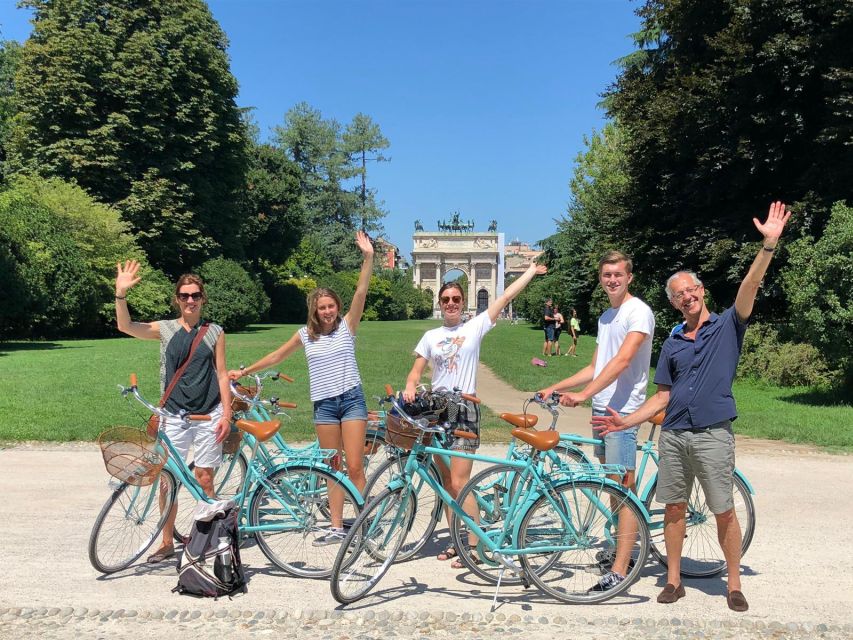
This tour is built around an easy success formula: good equipment, clear leadership, and frequent chances to stop. You get a bike and helmets included, plus third-party liability insurance—the kind of detail that signals the operation takes safety seriously.
You’ll also get a waterproof jacket if rain shows up. One strong theme is that the tour goes ahead even with a gentle sprinkle, and if weather becomes worse, the organizers help you reschedule or get a full refund.
As for riding: the route is described as smooth and easy, with roads that are flat and comfortable to pedal. One rider even noted that gears weren’t necessary on the Milan stretches they rode—so you can focus on steering and absorbing the city rather than fighting the bike.
Group size can vary. One rider shared that their group was about 15 riders, and the guide kept everyone together well. That’s reassuring if you care about not getting separated, but it’s still smart to stay close and listen when the guide calls the route changes.
And the guide approach is a big part of why people rate this tour so highly. Paulo and Sandra, in particular, are associated with crisp explanations and safe navigation, while Martha is praised for being detailed and making it fun without losing clarity.
Weather and what to pack so you stay comfy
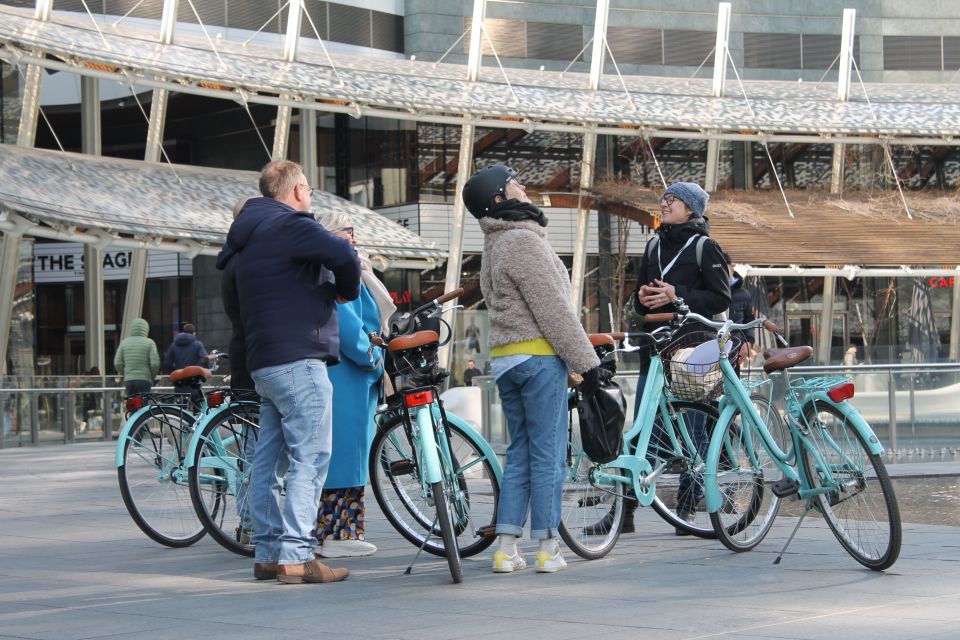
Milan weather can swing, but the tour’s approach is realistic: light rain doesn’t cancel your day. Bring comfortable clothes, and treat the waterproof jacket as your backup plan rather than your entire strategy.
If you ride in close quarters or stop often to hear stories, you’ll want clothing that lets you move easily. Also, plan your day so you’re not arriving already exhausted—this tour is short, but it still takes steady effort for 3.5 hours.
Rules are simple: no alcohol and no drugs. It’s a practical policy that keeps the group safer and the ride calmer.
Price and value: what you get for $44.41
Let’s do the honest math. You’re paying for a guided route, a bike you don’t have to rent or figure out, a helmet, and protection against weather with that waterproof jacket.
You’re also paying for time. A guided loop through central Milan plus Brera, Porta Nuova, Sforzesco, and Roman remnants is not just “things to see”—it’s the sequencing that keeps your day from falling apart. When you’re trying to cover a lot quickly, that structure is what you’re really buying.
If you’re only in Milan for a short stay, this tour can act like a map you carry in your head. You’ll likely leave with a short list of places to return to on foot, and a clearer sense of which districts you actually want to explore again.
Using the tour to plan the rest of your Milan day
Here’s how I’d use this ride after you get back. Start by picking one area you enjoyed most—Brera for art energy, Porta Nuova for modern contrast, or the Sempione park zone for a calmer second visit.
Then use what the guide points out to guide your next steps. Guides are known for suggesting what to do next and where to eat, and that’s often the fastest route to finding small local pleasures without wasting hours guessing.
One classic example that came up is food cravings. If the guide recommends stopping for something like panzerotto later, it’s worth following that trail—because it ties the districts you rode into real-life Milan comfort food.
Quick decision guide: who this tour is best for
This tour is a strong fit if you:
- want a first-day overview of Milan’s most important zones
- like seeing multiple districts in one outing
- can ride a bike comfortably for a few hours
It’s not a fit if you:
- can’t ride a bike
- are under 135 cm in height
If you’re the type who prefers slow wandering with zero structure, you might find a guided bike loop a bit too organized. But if you want direction, this one gives it without feeling like a rigid lecture.
Should you book this Milan bike tour?
Yes—if you want maximum Milan for a half-day commitment. The mix of Duomo and La Scala with districts like Brera, Porta Nuova, and the park-and-ruins finish gives you a rounded sense of the city that walking alone often delays.
I’d book it early in your trip. Once you’ve got the mental map from the ride, you’ll spend the rest of your time choosing where to go instead of playing catch-up.
FAQ
FAQ
How long is the Milan Highlights and Hidden Gems Guided Bike Tour?
It lasts about 3.5 hours. Starting times vary, so you’ll need to check availability for the exact schedule.
What is included with the tour?
The tour includes a bike, helmets, an official guide, third-party liability insurance, and a waterproof jacket in case of rain.
Where does the tour start and end?
It starts back near the meeting point and ends back at the same meeting point.
Where is the nearest metro station to the meeting point?
The meeting point is about a 3-minute walk from Metro Station Vetra (M4). It’s also about a 14-minute walk from Duomo (M1 and M3), or you can use a tram. From S. Ambrogio (M2) it’s about 12 minutes on foot, and from Porta Genova (M2) it’s about 1.3 km (17 minutes walking).
Is the tour offered in English?
Yes. The live tour guide speaks English (and Dutch as well).
What should I wear or bring?
Bring comfortable clothes. The tour may include a waterproof jacket for rain, but wear gear that lets you pedal comfortably.
Does the tour run in light rain?
Yes. The tour goes ahead even if there’s a gentle sprinkle. If weather gets worse, the organizers will contact you to help you reschedule or offer a full refund.
What are the age or height limits?
It isn’t suitable for people under 4 ft 4 in (135 cm). It’s also not suitable for people who can’t ride a bike.
Are alcohol or drugs allowed on the tour?
No. Alcohol and drugs are not allowed.
If I arrive by car, is there anything I should know?
Yes. If you arrive by car, be careful not to enter the ZTL area, since fines can apply.