REVIEW · MILAN
Milan exclusive private tour and wine tasting
Book on Viator →Operated by ROBERTO MAURIELLO · Bookable on Viator
Milan gets tastier after the museums close. This private, 2.5-hour Milan walk with Roberto Mauriello mixes landmark history with wine tasting and small-group pacing, starting at Piazza della Scala and flowing into Brera’s art streets before ending in the Porta Garibaldi / Corso Como area. You get the kind of evening that helps you understand how Milan thinks about food, drink, and culture—without spending your whole day in lines.
The main thing to know: it’s a walking experience with no transportation provided, and the wine is set up as tastings, not unlimited pours. Also, if you’re specifically hunting sweet wine, the standard program isn’t built around that.
What You’ll Remember Most
- 4:00 pm start is ideal for an early-evening start and smoother walking
- Roberto Mauriello brings building-and-food context, not just facts on a page
- La Scala’s medieval church foundation (1381) turns a famous square into a story
- Brera courtyard + Brera District shows why this area became an artists’ magnet
- Porta Garibaldi connects you to an older Milan route toward Lake Como
- Tastings come in portions that can be enough to skip dinner, if you pace yourself
In This Review
- Where the Tour Starts (and Why 4:00 pm Matters)
- Piazza della Scala: The Opera House Built on a 1381 Story
- Brera Courtyard and Pinacoteca di Brera: How Art Geography Drives the Night
- Porta Garibaldi and Corso Como: The Bridge to Lake Como Milan
- What You Taste: Spritz, Wine Pours, and Milanese Bites
- Expect tastings, not a full dinner
- A word about sweet wine expectations
- Wine amount can be a surprise
- Roberto Mauriello and the Private-Tour Advantage
- Logistics You Should Plan For
- Value Check: Is $288.34 a Person Actually Fair?
- Common Booking Gotchas (So You’re Not Caught Off Guard)
- Sweet wine isn’t the focus
- Walk pace and weather
- Restaurant-day variables
- Rare timing issues can happen
- Who Should Book This Tour (and Who Should Skip It)
- FAQ
- FAQ
- How long is the Milan exclusive private tour and wine tasting?
- What does the tour cost per person?
- When does the tour start, and where do we meet?
- Is this tour private?
- What stops are included during the walk?
- What’s included in the experience?
- What’s not included?
- Is there a drinking age requirement?
- Is there a mobile ticket?
- Is it refundable if plans change?
Where the Tour Starts (and Why 4:00 pm Matters)
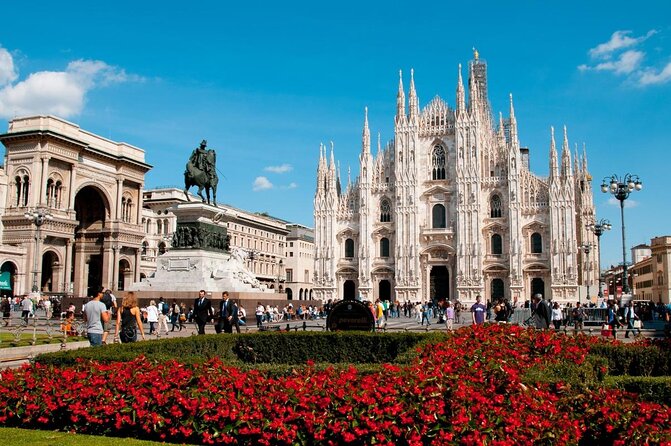
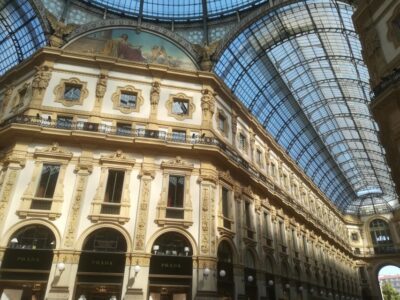
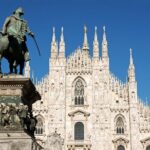
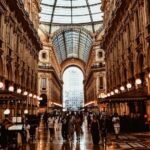
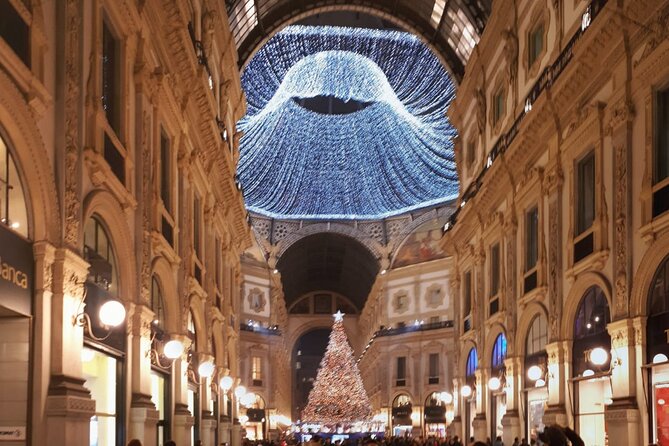
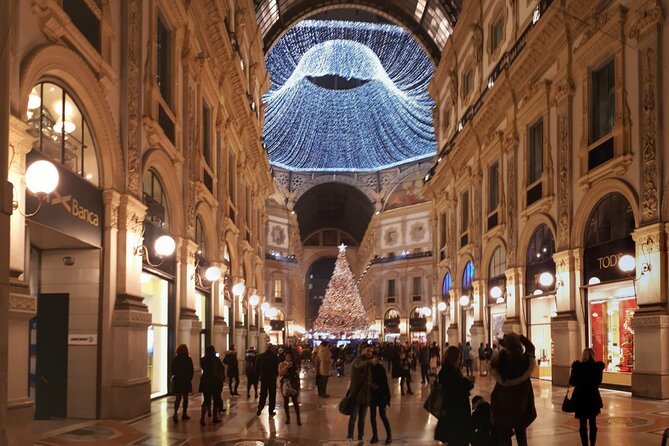
This tour begins at 4:00 pm at Piazza della Scala. The specific meeting point is tied to the Leonardo da Vinci statue in the area, and there’s an easy suggested approach from Duomo Square through the Galleria Vittorio Emanuele II. Even if you’re not coming from Duomo, the key idea is simple: you start right in the center of Milan, among streets where walking feels natural.
You’ll finish at Viale Monte Grappa, 16. That ending location is handy because it’s still connected to public transit, and it puts you in an area where you can keep going for dinner or a late drink on your own.
Why the late-afternoon timing helps: Milan can feel like a lot when the sun is up and everyone is moving. Starting at 4:00 pm gives you a better rhythm—less rush, more atmosphere. The walking portion is real, so wear comfy shoes and plan to walk with purpose, not sightseeing-by-traffic-light.
One practical bonus: the experience uses a mobile ticket, and confirmation comes at booking time. So you’re not scrambling the day-of.
Piazza della Scala: The Opera House Built on a 1381 Story
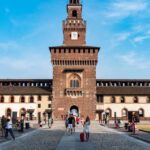
Your first stop is Piazza della Scala, where the famous opera house sits on top of an older religious footprint. Here’s the twist your guide gives you: the building was constructed on the foundation of a medieval church built in 1381, honoring a foreign countess connected to Verona—and the narration expands into the bigger picture of medieval Italy being divided into many kingdoms (more than ten).
It’s a great opener because it changes how you see the square. Instead of treating La Scala like a postcard, you start noticing layers: Milan keeps rebuilding, but it rarely erases what came before.
This part is also short—about 15 minutes—and the admission ticket is free for the stop as described. Translation: you’ll likely be more focused on the story and the surrounding atmosphere than on museum-style time.
Small caution: this is history told through the setting. If you’re expecting a long interior visit or a deep dive into opera culture, you might feel a bit more “walking tour” than “performance night.”
You can also read our reviews of more food & drink experiences in Milan
Brera Courtyard and Pinacoteca di Brera: How Art Geography Drives the Night
Next you head to Pinacoteca di Brera, but the stop centers on the courtyard area. The point isn’t to turn this into a full art museum day. It’s to show you why Brera became the magnet it did.
You’ll learn how the district developed as an art zone starting in the 18th century, with the creation of what became the Brera Museum complex under Austrian influence. Today, that area includes multiple major institutions associated with Brera, and the courtyard stop helps you understand how Milan separates space for art—then feeds it back into daily life.
Time here is about 10 minutes, with free admission ticket noted for the stop.
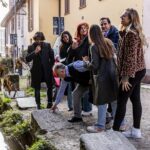
Then you transition into the Brera District itself (about 15 minutes, and this portion is described as included). The guide frames it as Milan’s version of an artist magnet: painters, sculptors, and original travelers have long been part of the neighborhood story, and you can still feel that creative pressure today when you wander side streets and small squares.
One downside you should be aware of: Brera is popular. Even on a private tour, you’ll be among normal neighborhood movement. If your ideal pace is silent and empty streets, this stop may feel lively—but that liveliness is also the point. This neighborhood is alive.
Porta Garibaldi and Corso Como: The Bridge to Lake Como Milan
The final portion connects you to Porta Garibaldi, described as an ancient gate—historically linked to travel routes reaching toward Lake Como. That matters because it gives you a sense of Milan as a crossroads, not just an interior city. Gates were practical. They defined movement, trade, and who got to where.
From there, you move into a district where Milanese people live and work—an area where you’ll see Corso Como with its mix of nightlife venues and restaurants. The key for you is that the tour is designed so you end in a place that still feels like Milan, not like a theme park. You’re finishing in an energetic part of town where you can continue easily without needing a taxi to find something to eat.
If your goal is maximum history density, this ending might feel more social than scholarly. If your goal is to understand how Milan shifts from museums to aperitivo energy, it’s exactly right.
What You Taste: Spritz, Wine Pours, and Milanese Bites
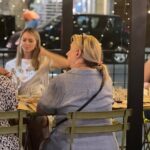
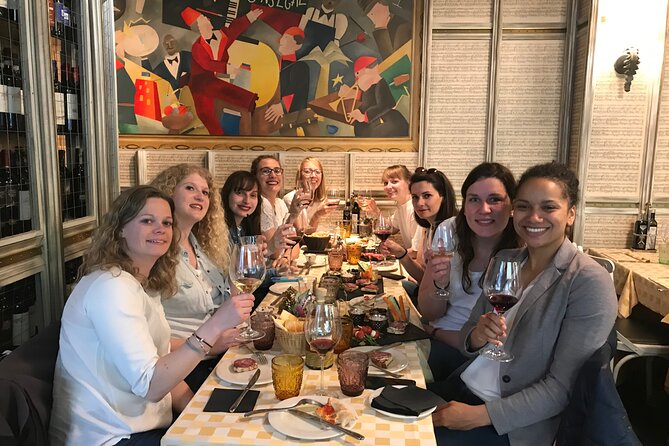
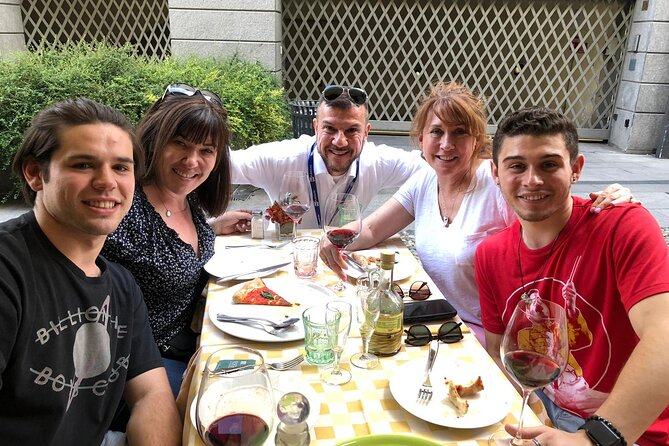
The tour is built around sampling Milanese treats and local wines, and the tasting format shows up in the way people describe their experience: aperitif-style drinks, small plates, and a wine stop where the guide helps connect flavors to place.
A key detail: minimum drinking age is 20. So if anyone in your group is under that threshold, plan for non-alcohol options on your end.
Expect tastings, not a full dinner
One of the most important value questions for you is how much food and wine you’ll actually get. The experience is set up like a guided tasting walk, so think small servings across multiple stops rather than one big meal where you eat your way through a menu.
In practice, you’ll likely encounter combinations like:
- an aperitif such as Campari spritz
- wine tastings that can include a white and reds (based on the kind of pours described)
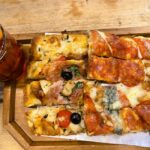
- Milanese snacks such as sandwiches, cheeses and meats, and sometimes pizza-style bites
- in some versions, a warmer comfort plate appears, with lasagna getting specific praise
Also, some experiences are described as filling enough that dinner wasn’t necessary afterward. That makes sense if the bites are paced well and you don’t treat the tour like a dessert-only mission.
You can also read our reviews of more private tours in Milan
A word about sweet wine expectations
Here’s a practical heads-up that comes up in the tour’s communication style: the program is not framed around sweet wine. If you’re the kind of person who’s hoping for dessert wines or sweet reds, this tour may feel like it’s not meeting your preferences—even if the guide tries to be helpful on the spot.
So do yourself a favor: decide what you’re there for. If you want to experience typical Milan-area wine culture, this can work nicely. If your personal wine radar is tuned to sweet wines only, tell the guide what you like early.
Wine amount can be a surprise
Because the wine is presented as tastings, not all groups receive the same exact drink count. Some people finish feeling satisfied with the amount. Others expect more wine variety or more volume. Your best move is to treat this as a learn-and-sample style tour, then plan to order an extra glass later if you want more.
Roberto Mauriello and the Private-Tour Advantage
This is explicitly a private tour, meaning only your group participates. That changes everything in a good way: the guide can adjust pacing to your questions and interests, and you’re less likely to get herded past details you care about.
The experience is priced as $288.34 per person and lists group discounts plus a mobile ticket format. Private tours are often a better value when you’re sharing the cost with a partner or a small group, because you get the guide time without splitting it with strangers.
A detail worth knowing: one comment about the format suggests the tour is kept small—so you won’t have the full “big group” problem. That matters in tasting tours. Food and drink flow better when people are not being juggled in waves.
Roberto’s style, based on the pattern of feedback, leans into three things:
- history tied to what you’re seeing
- practical food-and-drink context
- conversation that doesn’t feel like a lecture
That matters because Milan’s landmarks can be easy to memorize and hard to understand. When the guide links a building story to the way people eat and celebrate, the whole city clicks into place faster.
Logistics You Should Plan For
This is not a “ride everywhere” tour. Transportation to/from attractions is not included, so you’ll be moving on foot between stops. That’s also part of why it’s only about 2 hours 30 minutes: the time is concentrated, and the walking is the backbone.
The tour is described as near public transportation, which helps if you need to reposition yourself before you meet or after you finish.
Also, because it ends at Viale Monte Grappa, you’ll want a plan for where you’re going next. If you’re trying to catch an evening reservation, that finish can be convenient—just make sure the restaurant is within a reasonable walk or transit hop.
Value Check: Is $288.34 a Person Actually Fair?
Let’s do the honest math of what you’re buying. You’re paying for:
- a private walking experience
- a professional guide and local guide
- a structured path through key Milan areas (Scala, Brera, Porta Garibaldi)
- a tasting-oriented format built around wine and Milanese snacks
For a city like Milan, you can burn money fast on separate ticket days plus meals plus guided time. This package aims to compress the day: one guide, a connected route, and tasting stops that help you understand food and wine as part of the city.
The tradeoff is also clear: you’re not getting unlimited wine and you’re not getting a museum-day schedule. It’s a tour for people who like walking, asking questions, and using food as a way to read a place.
If you’re traveling solo, the cost can feel steep compared with group tours. If you’re traveling as a couple, it often feels more reasonable because you’re splitting the private guide time across more than one set of eyes and appetites.
Common Booking Gotchas (So You’re Not Caught Off Guard)
A few realities can shape how your experience feels:
Sweet wine isn’t the focus
The program isn’t built around sweet wine, and that’s a major expectation-setting point. If you want sweet wine specifically, plan to order it separately during your evening out.
Walk pace and weather
It’s an active walking evening. On hot days, pace can feel tougher. On rainy evenings, you’ll still be walking, so bring weather-ready clothing and a plan for photos that don’t require perfect conditions.
Restaurant-day variables
Since tastings happen at actual places, things can go wrong anywhere—a fridge issue, a delay, a slower moment. That’s not unique to this tour style, but it’s part of the reality of food experiences.
Rare timing issues can happen
There’s at least one reported situation where a guide didn’t show up at the reserved time. Most of the time, this is handled through communication and refunds, but the bigger takeaway for you is simple: confirm details, keep your booking info handy, and contact the operator promptly if anything looks off.
One more note: the experience is non-refundable and cannot be changed for any reason. So lock it in only if you’re confident your schedule is solid.
Who Should Book This Tour (and Who Should Skip It)
This tour fits best if you want:
- a private evening in Milan
- the mix of landmarks + local food culture
- a walking route through Scala / Brera / Porta Garibaldi
- wine as a learning experience, not a drinking contest
It may not fit if:
- you only want sweet wine styles
- you hate walking in an active city
- you expect an all-you-can-eat, all-you-can-drink setup
If you’re the type who likes to understand why neighborhoods form the way they do—then food becomes a shortcut to that understanding—you’ll likely enjoy this.
FAQ
FAQ
How long is the Milan exclusive private tour and wine tasting?
It’s listed as about 2 hours 30 minutes.
What does the tour cost per person?
The price is $288.34 per person.
When does the tour start, and where do we meet?
The start time is 4:00 pm. The meeting point is Piazza della Scala, 20121 Milano MI, Italy, near the Leonardo da Vinci statue in the area.
Is this tour private?
Yes. It’s a private tour/activity, and only your group participates.
What stops are included during the walk?
The stops listed are Piazza della Scala, Pinacoteca di Brera (courtyard), Brera District, and Porta Garibaldi / the Corso Como area.
What’s included in the experience?
The experience includes a professional guide and a local guide.
What’s not included?
Transportation to/from attractions and tips are not included.
Is there a drinking age requirement?
Yes. The minimum drinking age is 20.
Is there a mobile ticket?
Yes. The tour offers a mobile ticket.
Is it refundable if plans change?
No. This experience is non-refundable and cannot be changed for any reason.
If you want, tell me your travel dates and whether you’re more interested in wine depth or Milanese food details—I’ll help you decide if this pacing matches your style and what to plan for after the tour.