REVIEW · MILAN
Milan’s Authentic Street Food tour: A Gourmet Experience
Book on Viator →Operated by FollowMI Around · Bookable on Viator
Street food in Milan sounds simple, until a local shows you where to go. This tour focuses on the less-obvious areas and the small producers that locals actually seek out, with guides like Marco, Francesco, Simone, and Irene bringing the stories along the way. I love the mix of savory + sweet tastings and the fact that you’re walking into a fashionable local district, not circling the same few sights.
One thing to consider: you’ll be on foot (and sometimes public transit), and if you prefer deep explanations at every step, you might want to ask questions as you go because the pace can feel brisk between stops.
The big appeal here is that you’re tasting more than random bites. You’re sampling regional Italian specialties and learning what makes them worth repeat visits, including a balsamic vinegar producer that many food lovers rate as a highlight. I also like that the tour is set up for vegan options and allergies if you tell the operator in advance, so you’re not stuck eating bread only. The possible drawback is value perception: some people feel the portions and included items are high-price for what they eat, so it helps to go in knowing you’re paying for guidance, tastings, and drinks—not a grocery-bag of unlimited food.
In This Review
- Key highlights to know before you go
- Street food, but make it Milan
- Price and what you really get for about $116
- The 3-hour flow: pickup, transit, stops, and pacing
- Stop 1 for many routes: balsamic vinegar and why it matters
- Crescia, focaccia, and the savory ladder
- Pizza and wine: farm ingredients, not mystery sauce
- Arancini, panzerotto, and fried street bites
- Ham, cheese, and drinks that actually pair
- Gelato finale: when sweet closes the loop
- Choosing the right guide vibe: Marco, Francesco, Simone, Irene, Irina
- Is this tour good value, or just pricey?
- Who should book this Milan street-food tour
- Should you book it?
- FAQ
- What is the duration of the tour?
- How much does it cost?
- Is pickup included, and how do I find the meeting details?
- Do I need public transport tickets?
- Is the tour private?
- Are vegan options and allergies accommodated?
- What food and drinks are included?
- How many food stops will I visit?
- FAQ
- Is the tour in English?
- What’s included in the ticket besides food tasting?
- What should I do if I want a specific drop-off location?
- What is the cancellation window?
Key highlights to know before you go
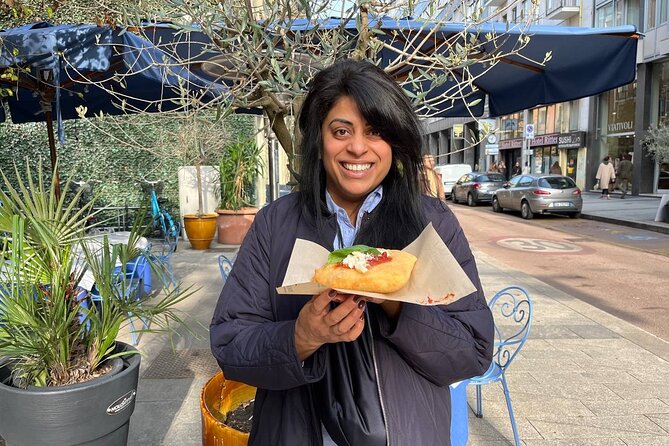
- Pickup + drop-off included, with the guide contacting you the day before with details
- 4–5 food stops focused on quality shops (plus churches and side streets if your route allows)
- Alcohol included (typically 1 beer or glass of wine or soft drink, and more drink options may appear)
- Vegan and allergy friendly when you request needs ahead of time
- No private vehicle: pickup is on foot or by public transport, and transit tickets are not included
Street food, but make it Milan
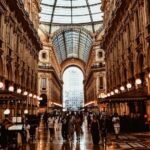
Milan can feel built for fashion magazines, but it also has a quieter food life running underneath. That’s what this tour aims for: the local rhythm of quick bites, small producers, and food shops that don’t need tourist signage to do well. You’ll be taken out of the most congested zones and into a neighborhood feel that’s easier to understand once you’ve tasted your way through it.
What makes the experience feel “worth it” (when it clicks) is the sequencing. You don’t just get individual snacks; you get a path that builds from savory to sweet. The tour’s tastings are designed to show how regional Italy tastes, from street-style fried bites to pizza and gelato. And if you’re a first-timer, it’s also a quick way to learn where things are and how the city moves.
You can also read our reviews of more food & drink experiences in Milan
Price and what you really get for about $116
At around $116.09 per person (with the exact total sometimes varying by booking currency), you’re not paying for a restaurant meal. You’re paying for three things together:
1) A local guide who routes you through good spots and explains what you’re eating
2) Multiple tastings + at least one drink
3) Time and organization so you don’t spend Milan hours hunting for the best stall
Some guests have felt the price is too high for the amount of food alone. Others have been very happy because they’re paying for more than food: they want the why behind it. In the comments, you’ll see a pattern—when people love the tour, they usually praise the guide’s stories and the ease of having someone steer you away from average options. When people don’t, it’s usually because they wanted more stops, more walking-time context, or more street-level variety.
My practical advice: if you want a “food-only” deal, you might find cheaper tastings on your own. If you want a guided introduction to Milan’s food culture with real producers, this can be a good use of your first day.
The 3-hour flow: pickup, transit, stops, and pacing

The tour runs about 3 hours and visits 4–5 high-quality street food shops. Pickup is offered, and the guide shares the details one day before the experience. Pickup happens on foot or using public transport—no private cab/van is provided. Also, public transport tickets are not included, so you’ll need to handle that part yourself.
A few practical timing points that help you enjoy the walk:
- Wear shoes you can stand in for a while. The route includes walking between stops, and the gaps can feel longer if your guide is sharing long-form explanations at each location.
- Plan for Milan-level interruptions. One guide adapted when a holiday affected usual stops, switching to alternatives to keep the tour moving.
- If you’re picky about starting exactly on the minute, arrive early. Construction in the meeting area can make it harder to spot the guide right away.
Drop-off is set according to your preference, which is helpful if you’re trying to connect to something later.
Stop 1 for many routes: balsamic vinegar and why it matters
One stop that shows up again and again is a balsamic vinegar shop—including a producer mentioned by name: Giusti. This is not just a sample cup. The best guides treat it like a lesson you can taste.
What you learn (and what people often get excited about) is the difference between types and qualities. You’ll see how balsamic becomes a gift-worthy item and why some bottles taste far better than the basic versions you find in tourist shops. Even the folks who don’t buy much usually appreciate the education, because it explains why certain balsamic is worth paying for.
A consideration: this shop may be accessible to walk-in visitors in general. If you’re expecting the tasting experience to feel exclusive, go into it expecting context from your guide. The value is how your guide connects the vinegar to Italian cooking and quality standards—not just the liquid in the cup.
Crescia, focaccia, and the savory ladder
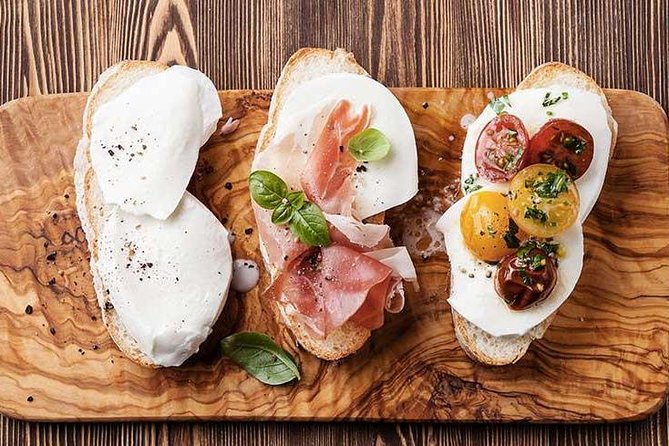
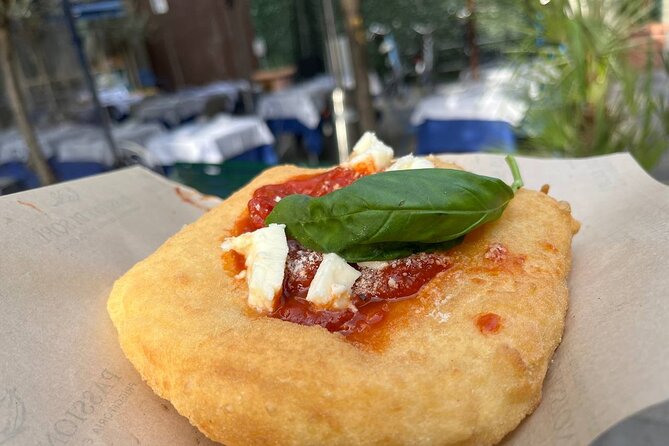
Milan and nearby regions love their dough. Across the tour, you may taste things like crecia (or similar regional savory specialties), and you might also see a focaccia-based sandwich depending on the day. One common structure is: you start with a bread-forward bite, then build toward pizza, fried items, and cured meats/cheese.
Here’s what this does for you as a diner:
- It teaches you how Italian street food often works in layers: bread first, then salty, then rich, then sweet.
- It helps you compare textures—crisp edges on fried snacks, chew on baked goods, and the way cheese changes a simple sandwich.
If you have dietary needs, this is also where your advance request matters. The tour says it can be adapted for vegan options and allergies if you inform them when booking. Still, do it early and clearly so your guide isn’t scrambling at the first stop.
You can also read our reviews of more tours and experiences in Milan



Pizza and wine: farm ingredients, not mystery sauce
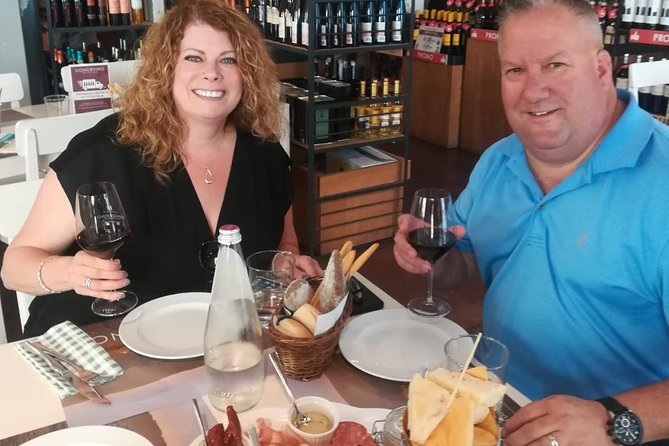
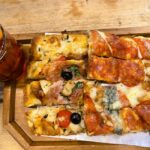
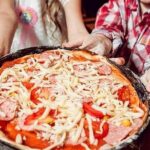
A standout part of the experience is the pizza of Milan—paired with drinks. The tour materials point to a farm-based ingredient story: ingredients sourced from a single, family-run farm in Southern Italy. You may also taste wine paired with food, including references to premium Italian wine.
What makes this section valuable for your trip is the pairing logic. Milan’s pizza scene can be hard to navigate if you don’t know what to look for. With a guide, you get a smoother path: you’re not just buying a slice, you’re tasting a specific style with a reason.
Also, don’t underestimate the role of the included drink. Alcohol on tours can sometimes feel like an afterthought. Here it’s presented as part of the food sequence. One guest noted tasting both wine and an Aperol spritz during their experience, which matches the idea that you’ll be drinking alongside at least one tasting.
Arancini, panzerotto, and fried street bites
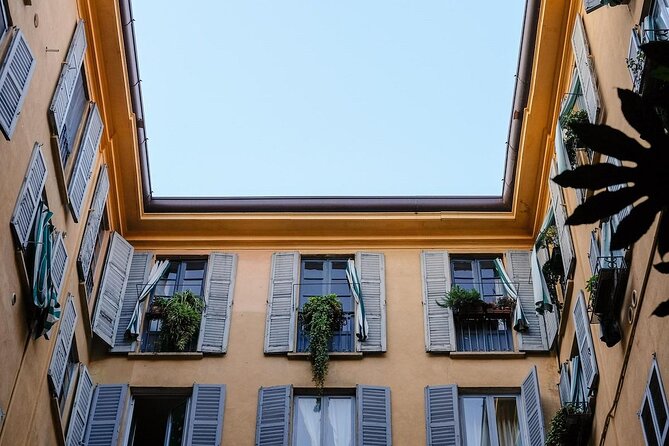
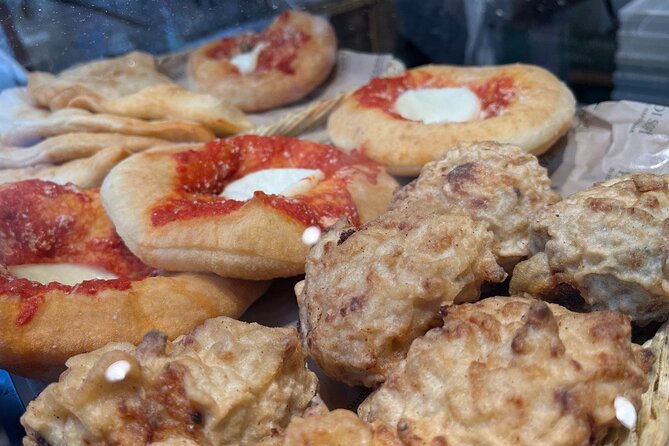
This tour leans into classic Italian street snacks, and fried foods show up for good reason: they’re the easiest way to experience regional flavor fast. Based on the tour description, you might try items like arancino/arancini and panzerotto, plus pastry-style snacks.
One detail to keep in mind: names can shift. A response included clarification that a guest had a Rome-style supplì rather than the exact same name as arancino. Either way, you’re in the same family of comfort food—crispy, hot, and built for eating while walking.
If you’re watching your diet, fried items can be a challenge. The tour states it’s suitable for vegan and allergies if you inform them ahead of time, so ask your guide how they handle substitutions at the fried-stop stage.
Ham, cheese, and drinks that actually pair
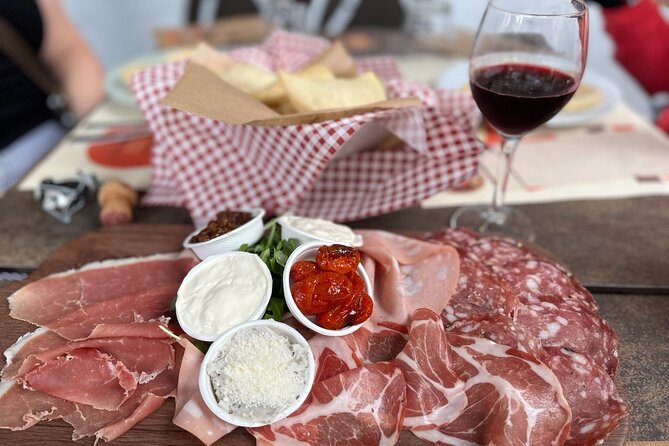
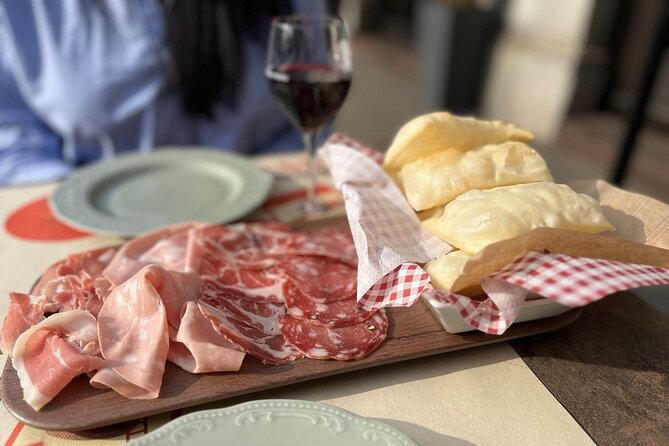
Another suggested element of the route is a stop with ham and cheese selection, including a pairing with wine or another drink. This is the kind of tastings section that many people remember because it’s more than a snack tray. Good guides use it to show how Italians think about quality and balance—salt, fat, and acidity, plus the drink that smooths it out.
If you love food details, this is a good time to ask questions. Things like where the product is sourced from, why it’s served that way, and what local pairing people do at home.
If you dislike surprise stops, be aware this is a “guided route” type of tour. Your exact selection can vary by day and availability, especially in high season or when specific shops are closed.
Gelato finale: when sweet closes the loop
Gelato shows up at the end for a reason: it brings the tour from savory overload to a clean finish. The tour describes gelato for burning summers and winter-style versions too, which matches the reality that Milaners keep eating gelato year-round.
Practical tip: use the gelato as your compass. If you love it, ask your guide where they’d send you next for another flavor. In the comments, people mentioned returning to a gelato shop again later—usually because a guide gave them a reason beyond hype.
Choosing the right guide vibe: Marco, Francesco, Simone, Irene, Irina
This tour experience can vary a lot depending on the guide’s style. The names that come up include:
- Marco: a big fan of food history and culture, with a farm-food background mentioned in the notes
- Francesco: strong storytelling while walking between locations, plus helpful direction when people needed help getting back
- Simone: friendly and fun, and good at showing you less crowded parts of Milan
- Irene / Irina: organized, knowledgeable, and especially focused on the vinegar stop and professional presentation
If you book this for the first day, lean into the guide’s strengths. A good move is to ask one question at each stop, like what you should order if you come back. Guides often turn a tasting tour into a mini roadmap for the rest of your trip.
Is this tour good value, or just pricey?
Here’s my balanced take. You’re paying for:
- High-quality small shops
- Multiple tastings (and drink)
- A local’s route and explanations
- Access to producers that are harder to find on your own
You might feel disappointed if you expected more food quantity or if you’re the type who learns best only through lots of talk while walking. Some people also felt the walk between stops was long without enough contextual info. That’s fixable on your end: ask for details, point at the food, and don’t be shy.
On the other hand, the biggest praise tends to go to two things:
- the tasting quality (pizza, balsamic, gelato, and fried bites)
- the guide’s cultural context (Milan history mixed into what you’re eating)
So, decide based on your style. If you love learning while you eat, this usually lands well. If you want a deal where you mostly eat and don’t care about stories, you may want a cheaper self-guided plan.
Who should book this Milan street-food tour
This tour fits best if you:
- are in Milan for a short time and want an efficient introduction
- want help choosing what’s worth eating
- enjoy walking and learning food culture in real neighborhoods
- need vegan options or allergy accommodations and can share details in advance
- like meeting a small group vibe (it’s private, but in high season it can merge into small groups)
It might be less ideal if you:
- strongly dislike public transit walking segments
- want a lot more than 4–5 tasting stops
- expect every stop to feel completely exclusive to the tour (some producers are open to walk-ins)
Should you book it?
If you’re planning your first trip to Milan, I’d seriously consider booking this early. It’s the kind of tour that helps you get your bearings fast, then go back later with better instincts. The best version of this experience is when the guide uses the food as the lesson and the neighborhood as the classroom.
Book it if you’re hungry for both food and context, and especially if you’ll use the recommendations right after the tour. Skip it if your only goal is volume and lowest cost, because you’re paying for guidance and drink alongside tastings.
If you do book, do one thing that makes a difference: message about your dietary needs immediately and ask your guide what the route looks like on your date. That one step keeps the tour smooth from stop one to the gelato finish.
FAQ
What is the duration of the tour?
The tour lasts about 3 hours.
How much does it cost?
The price is $116.09 per person.
Is pickup included, and how do I find the meeting details?
Pickup is offered. The guide will be in touch one day before with pick up details, and you should check your phone or email.
Do I need public transport tickets?
Public transport tickets are not included, so you’ll need to handle subway/tram/bus tickets yourself if the route uses transit.
Is the tour private?
It is private, but in high season the operator may merge bookings into small groups while still ensuring the best experience.
Are vegan options and allergies accommodated?
Yes. The tour is suitable for vegan needs and for allergies, as long as you inform the operator in advance.
What food and drinks are included?
Food tasting is included, along with 1 bottled water, one beer or glass of wine or soft drinks, snacks, alcoholic beverages, plus dinner and lunch are listed in the inclusions.
How many food stops will I visit?
You’ll visit 4 to 5 street food shops during the tour.
FAQ
Is the tour in English?
Yes, the tour is offered in English.
What’s included in the ticket besides food tasting?
Included items list a local guide, snacks, bottled water, and alcoholic beverages (plus the listed meals). A mobile ticket is provided.
What should I do if I want a specific drop-off location?
Drop-off can be determined according to your preference.
What is the cancellation window?
Free cancellation is available. You can cancel up to 24 hours in advance for a full refund.