REVIEW · MILAN
Small group Pasta and Tiramisu class in Milan by Cesarine
Book on Viator →Operated by Cesarine: Cooking Class · Bookable on Viator
One great way to get past tourist pasta is this class. You start with an aperitivo (prosecco and snacks), then learn hands-on pasta basics in a real Milan home. I especially love the small-group size, because it means your host can correct your technique while you work.
The other big win for me is learning sfoglia by hand—no machines, no shortcuts. The main catch to consider is that the exact home location can vary, and you may not know it until later, so it might be farther than you expect depending on where you’re staying.
In This Review
- Key things I’d plan for
- Aperitivo Start: Prosecco and Snacks While You Get Oriented
- Small-Group Cesarine Format (Max 12) in a Real Milan Home
- Getting to the Meeting Point: Public Transit Friendly, But Not Always Central
- Learning sfoglia by Hand: The Skill Behind Real Fresh Pasta
- Two Pasta Dishes From Scratch: How to Choose Your Main
- Tiramù Workshop: The Dessert You’ll Want to Recreate at Home
- What You Eat (and Why the Home Table Matters)
- Morning vs Evening Classes: Pick the Right Rhythm for Your Milan Day
- Price and Value: Does $155.42 Make Sense?
- Health and Distance Rules in Cesarine Homes
- Who This Class Is Perfect For (and Who Might Prefer Something Else)
- Should You Book This Milan Pasta and Tiramisu Class?
- FAQ
- How long is the Pasta and Tiramisu class in Milan?
- What is included in the class?
- Is the class offered in English?
- How large is the group?
- Do I choose a morning or evening session?
- What is the cancellation policy?
- Where does the class start and end?
Key things I’d plan for
- Aperitivo start: prosecco and snacks set a relaxed pace before the cooking begins
- Up to 12 people: more attention, fewer waiting turns at the counter
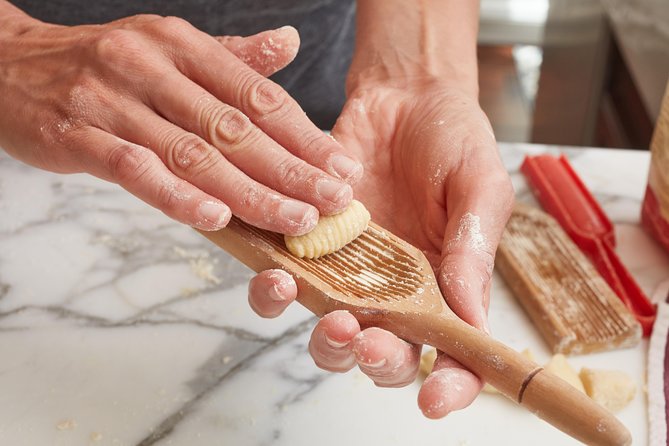
- Hand-rolled sfoglia: you practice rolling fresh pasta sheets yourself
- Two pasta dishes + tiramisù: you leave with a full meal you made
- Morning or evening options: choose the class time that fits your Milan day
- Cesarine home setting: you cook in a host’s kitchen, not a classroom
Aperitivo Start: Prosecco and Snacks While You Get Oriented
In Milan, food is social before it’s technical. This class gets that right. You’ll begin with an aperitivo—prosecco plus snacks—so you can settle in, meet your small group, and get comfortable before anyone asks you to roll pasta dough.
That opener matters more than it sounds. Fresh pasta is all timing and touch. Starting with drinks and nibbles takes the pressure off and gives you a smooth runway into what can otherwise feel like a rushed cooking demo.
A practical note: because it’s a home experience, you’ll likely feel the same comfortable, lived-in rhythm you’d expect from an Italian dinner. You might even notice the table setting and pacing are more like hosting than production catering, which is part of why people walk away saying it felt quiet and away from the busiest parts of the city.
You can also read our reviews of more cooking classes in Milan


Small-Group Cesarine Format (Max 12) in a Real Milan Home
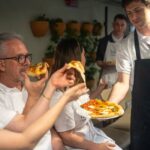
This isn’t a big group show. The class caps at 12 travelers, and that small number changes everything. Instead of watching someone else cook, you’re working at the same counter and getting guidance while you go.
Cesarine are home cooks, not just instructors. Reviews repeatedly mention hosts being gracious and making the experience feel friendly, like you’ve been invited over. Depending on which Cesarina you get, you might be hosted by names such as Guliana, Sandra, Debora, or Sissi—and the common thread is careful, patient teaching.
Also, since it’s hosted in a home kitchen, you’ll get a more realistic sense of how Italians actually cook and eat: laid-back conversation, shared tasting, and the way dinner happens after the work is done. If you care about learning the craft behind the food (not just collecting photos), this format is a strong fit.
Possible drawback: home locations can differ, and one review noted that the location isn’t shown until later. If you’re trying to map your entire day with military precision, keep a little flexibility.
Getting to the Meeting Point: Public Transit Friendly, But Not Always Central
The activity starts in Milan and ends back at the meeting point. It’s described as near public transportation, and reviews note it’s easy to reach by tram from many areas.
Still, here’s the real-world advice: because the class takes place in a Cesarina home, your kitchen could be in a residential pocket rather than right in the tourism hub. Plan to give yourself a small buffer for transit and walking time, especially if you’re connecting from another neighborhood.
If you’re staying in central Milan, you’ll probably find it straightforward. If you’re staying farther out (or switching tram lines), treat it like a neighborhood dinner plan, not a doorstep event.
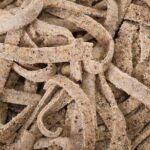
Learning sfoglia by Hand: The Skill Behind Real Fresh Pasta
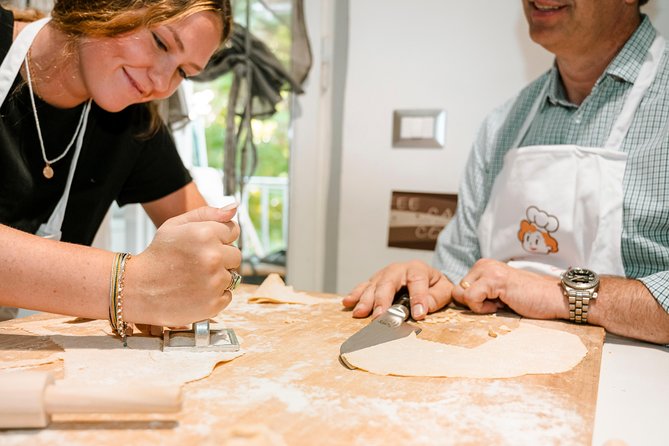
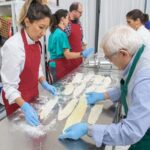
The headline skill is sfoglia—fresh pasta sheet dough—rolled by hand. That’s the kind of technique that makes the rest of your cooking easier to understand.
In a class like this, you’re not just mixing and hoping. You practice rolling and handling the dough so it becomes thin enough, but not torn or too fragile. You learn what the dough should look and feel like as you work, which is hard to get from a recipe alone.
And because the class is structured around cooking, you’ll connect the technique to food outcomes quickly. When your pasta sheet is right, it holds up through shaping and cooking. When it’s off, you’ll notice—so you naturally learn through guided correction.
If you’ve ever wondered why homemade pasta tastes different from boxed or restaurant pasta, this is where the difference comes from: texture, thickness, and that fresh, tender bite.
Two Pasta Dishes From Scratch: How to Choose Your Main
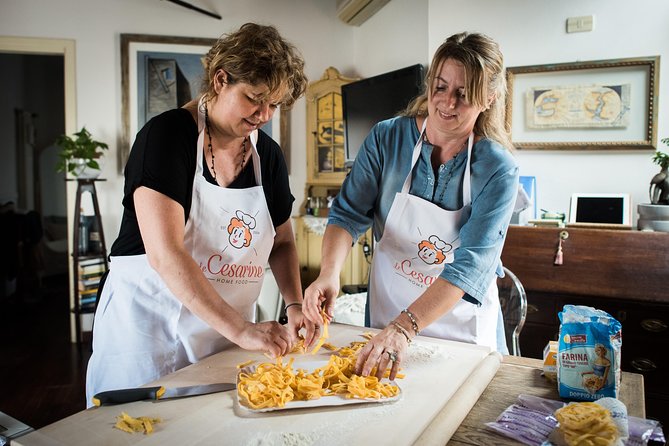
The menu focus is clear: you’ll learn how to prepare two simple kinds of pasta from scratch. The class also includes sfoglia (hand-rolled), then you use those skills in the pasta you make.
You may see options that include regional styles such as pizzoccheri, risotto, or lasagna. Which one(s) you get can vary with the class. So think of it as: you’re training your pasta-making hands and your understanding of how different dishes work, rather than locking into a single guarantee of one exact pasta name.
Why this is valuable for you:
- You get more variety than a basic one-dish workshop.
- You learn transferable technique—especially around dough and shaping—rather than only a sauce or garnish.
One review also mentions a kid-friendly focus that included ravioli-making. That suggests the teaching style may flex toward hands-on shapes and approachable steps for different ages, but your exact dish format depends on your specific class.
You can also read our reviews of more tours and experiences in Milan



Tiramù Workshop: The Dessert You’ll Want to Recreate at Home
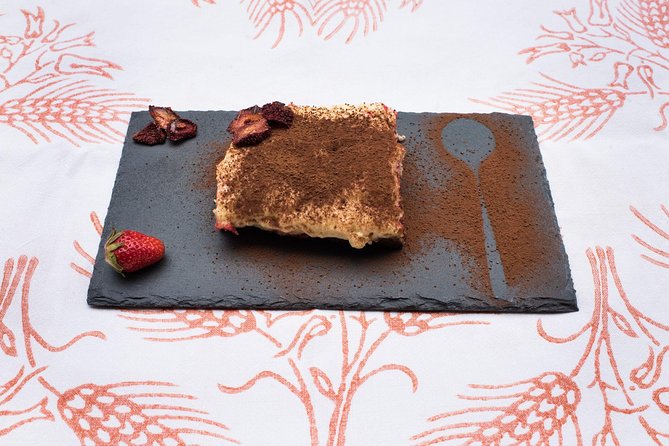
After pasta comes dessert, and the dessert is the real deal: tiramisù.
You’ll make it under guidance, which is perfect if you’ve tried to follow a written recipe before and ended up with something that tasted fine but didn’t look or set right. With tiramisù, the details matter—how you assemble layers and how ingredients are combined and treated.
The best part of doing tiramisù in the same session as pasta is that you’re not rushing around afterward hunting for a dessert plan. Your work becomes the meal: you cook, you sit down, and you eat what you just made.
Reviews also mention the experience feels well hosted, with the table set nicely and the dessert part landing as the satisfying finish. Some classes may also include wine with the meal, which pairs naturally with a dessert like tiramisù if you like a full dinner rhythm.
What You Eat (and Why the Home Table Matters)
You don’t just make food and leave. The class is built so you eat what you prepared. That changes the payoff.
Think about it: pasta skills can feel abstract until you taste the result. By eating it immediately, you learn how thickness, cooking time, and handling affect flavor and texture. Then tiramisù gives you the sweet marker that everything ended in balance.
Many reviews describe the aperitivo flow continuing into the meal—prosecco for sure, and in some cases additional drinks like limoncello or red wine. Even if the exact drinks vary, the overall idea is consistent: a relaxed, dinner-party feel rather than a take-home-only workshop.
This is also where you start picking up practical cultural context—how hosts talk about food, what they consider normal, and what they treat as worth doing carefully at home.
Morning vs Evening Classes: Pick the Right Rhythm for Your Milan Day
You can choose a class at morning or evening. If you like structure, a morning session can be a great anchor: you’ll get the cooking done, then have the rest of the day free for museums or neighborhoods.
Evening classes can be ideal if you want a break from sightseeing pace. Several people describe it as a quiet, friendly time away from busy streets—exactly what you want when you’re tired of crowds and want something social that still feels local.
My practical suggestion: if you’re already planning a big dinner out, consider taking the morning class. If your evenings tend to be free and you’d rather do an experience than hunt for a restaurant, the evening class is a smart move.
Price and Value: Does $155.42 Make Sense?
At $155.42 per person for about 3 hours, you’re paying for more than ingredients. You’re paying for:
- Hands-on teaching in a small group (up to 12)
- A real home setting with an experienced Cesarina host
- Multiple outputs: fresh pasta skills, two pasta dishes, and tiramisù
- An aperitivo start with prosecco and snacks
Is it cheap? No. But the value feels tied to the format. In many cooking classes, you might do one dish or spend half the time watching. Here, you’re doing the work and then eating the results.
Also, you’re not left holding the bag. You walk away with skills you can repeat—especially rolling sfoglia—and a clear idea of how the finished dishes should taste and feel.
One more value note: this is a smaller commitment time-wise. About three hours is manageable even on a packed Milan itinerary.
If you’re booking with flexibility in mind, the experience also offers free cancellation up to 24 hours in advance, which gives you room to adjust if your schedule shifts.
Health and Distance Rules in Cesarine Homes
Because this takes place in someone’s home, the class includes specific sanitary guidance. You’ll be told about sanitary rules and that homes provide essential supplies like paper towels for hand washing and hand sanitizing gel.
You’ll also be asked to maintain 1 meter distance when required, and if distance can’t be maintained, masks and gloves are part of the plan.
This is exactly the kind of rule set that helps you relax. You can focus on learning the pasta and enjoying the meal without feeling like you’re winging it.
Who This Class Is Perfect For (and Who Might Prefer Something Else)
This class is a strong match if you want:
- A small-group Milan food experience (not a crowded classroom)
- Hands-on technique, especially fresh pasta
- A full meal that includes dessert, not just a snack
- A more local feel by cooking in a home
It’s also a good fit for people traveling with kids, based on feedback that the class can be kid friendly and focused on learning how to make and prepare food with less processed input.
You might prefer a different style of class if you:
- Need a guaranteed, exact pasta type name in advance (options can vary)
- Hate the idea that your home location might be shared later
- Want a highly formal, lecture-heavy experience rather than a dinner-party feel
Should You Book This Milan Pasta and Tiramisu Class?
I’d book it if you want the kind of Milan experience that feels like food culture, not just tourism. The combination of aperitivo, small group attention, and learning sfoglia by hand makes this more than a one-night distraction.
You’ll get real skills you can repeat, plus the satisfaction of eating what you made—pasta and tiramisù—in the same sitting. Add in a likely relaxed vibe with hosts like Guliana, Sandra, Debora, or Sissi (depending on assignment), and it’s an easy “yes” for travelers who enjoy hands-on cooking and want a calmer evening.
If you’re the type who plans every minute and needs exact location details up front, factor in that the home address may be shared later. Otherwise, this is a well-priced way to get authentic food education in a setting that feels genuinely local.
FAQ
How long is the Pasta and Tiramisu class in Milan?
It runs for about 3 hours.
What is included in the class?
You’ll learn to roll sfoglia fresh pasta and prepare two simple kinds of pasta from scratch, plus make tiramisù.
Is the class offered in English?
Yes, the class is offered in English.
How large is the group?
There’s a maximum of 12 travelers.
Do I choose a morning or evening session?
Yes, you can choose either a morning or an evening class.
What is the cancellation policy?
You can cancel for free up to 24 hours in advance for a full refund.
Where does the class start and end?
It starts in Milan and ends back at the meeting point.