REVIEW · MILAN
Milan: Wine Lovers Experience at Cantina Urbana Winery
Book on GetYourGuide →Operated by Cantina Urbana Milano · Bookable on GetYourGuide
Urban wineries feel like a prank.
Cantina Urbana Milano turns that joke into a smart wine stop: you get a guided walk through the production area with wooden barrels and terracotta amphorae, then taste six wines paired with local charcuterie. I like that the sommelier-led format makes the differences in winemaking methods feel practical, not academic, and I also like the value for a city experience that lasts about 1.5 hours. One thing to consider is that the winery tour is small, so if you want hours of wandering, this is more of a focused hit than a full-day immersion.
The setting is what makes it fun. An organic, artisanal winery in Lombardy that’s physically located in Milan means you spend your time learning about wine instead of commuting out to the countryside. The tasting covers multiple styles, and you’ll also have typical gastronomic products at the table, which helps you understand how food changes what you taste.
It starts and ends at Via Ascanio Sforza, 87, and it’s described as close to the No.3 tram stop, though you may still face a short walk from the nearest Metro. If that timing fits your day, this is an easy way to add serious wine knowledge without losing an entire morning or afternoon.
In This Review
- Key things to know before you book
- Entering Cantina Urbana Milano: a winery inside the city
- Meeting point and the 1.5-hour rhythm at Via Ascanio Sforza, 87
- The winery tour: barrels, amphorae, and tanks you can see close-up
- The tasting flight: 6 wines (or 4) plus Milan charcuterie
- How the sommelier turns winemaking methods into flavor in your glass
- Organic and artisanal in practice: what certified organic changes for you
- Price and value in Milan: $36.44 for a focused wine lesson
- Is there extra food or drinks if you get hungry?
- Who should book this Wine Lovers Experience in Milan?
- Getting the most out of your tasting (without overthinking it)
- Should you book Cantina Urbana Milano?
- FAQ
- Where is Cantina Urbana Milano located?
- How long does the wine tasting experience last?
- What’s included in the ticket price?
- How many wines will I taste?
- Is food included with the wine tasting?
- What languages are the guides available in?
- Is the experience wheelchair accessible?
- Can I order more food or drinks besides what’s included?
- What are the cancellation and payment options?
Key things to know before you book
- Organic, artisanal wines in the middle of Milan: certified organic production tied to a city setting
- You’ll tour real equipment: wooden barrels, terracotta amphorae, and stainless steel tanks
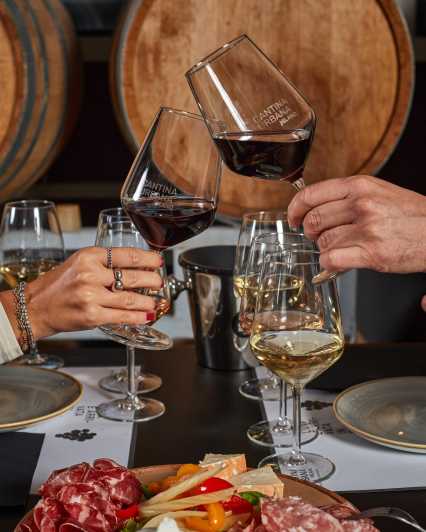
- A flight of 6 wines (or 4, depending on option): structured tasting, not random pours
- Food pairing is built in: charcuterie with typical local products alongside the tasting
- Your guide matters: named hosts like Irene, May, Mia, Francesco, and Julia show up in English-guided groups
Entering Cantina Urbana Milano: a winery inside the city
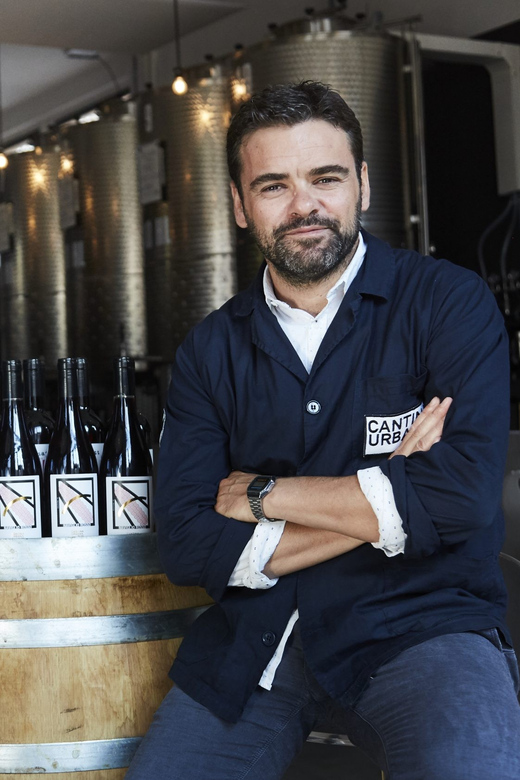
I like when a destination surprises you in a good way. Cantina Urbana Milano is exactly that: a winery concept placed in a metropolis, with the idea that wine-making values and projects can exist right alongside city life in Lombardy. The pitch is simple—keep the wine pure, respect nature, and produce in an artisanal way—and the space supports it.
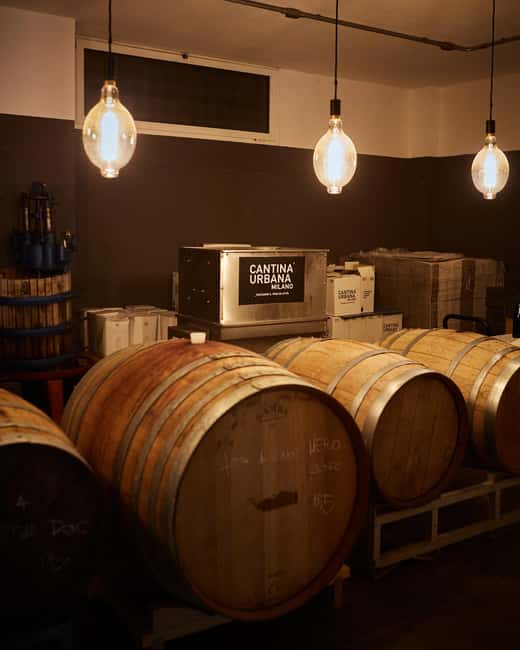
You’re not just buying a tasting ticket. You’re being shown how the wine is made, with a guided walk through areas that include wooden barrels, terracotta amphorae, and stainless steel tanks. That mix matters because it gives you a visual anchor for what you’re tasting later. When you understand where the wine sits during production, the flavors stop feeling like a mystery and start feeling like cause-and-effect.
The other thing I really appreciate is the pacing. This is designed to fit into a travel day. In about 1.5 hours, you’ll get the tour, the guided tastings, and a local food pairing—enough to feel informed and pleased, without the experience stretching into your whole afternoon.
You can also read our reviews of more wine tours in Milan
Meeting point and the 1.5-hour rhythm at Via Ascanio Sforza, 87
The experience runs from Via Ascanio Sforza, 87, and that’s both your starting point and where you’ll finish. The duration is listed as 1.5 hours, so you should plan your schedule with that in mind—especially if you’re jumping back onto public transport right afterward.
In practical terms, this timing is great for two kinds of days. If you’re sightseeing in Milan and you want a break from churches and museums, this gives you a calmer indoor slot. If the weather turns rainy (Milan loves surprises), the whole experience is concentrated in one place, with the tasting and the tour happening inside.
Group sessions usually mean you should arrive a few minutes early. You don’t need a long buffer, but being prompt helps the guide keep the flow tight and keeps your tastings on track.
The winery tour: barrels, amphorae, and tanks you can see close-up
The winery itself is described as small, but characteristic. That’s often a good sign for this kind of tasting: you get closer attention, and the guide can explain what’s happening without rushing you through a huge facility.
During the tour, the key “visual lesson” is the variety of production vessels. You’ll see:
- Wooden barrels, which can influence how wine integrates and develops
- Terracotta amphorae, used in traditional-style approaches
- Stainless steel tanks, associated with more controlled handling
Even if you’re not a wine nerd yet, seeing these materials in person helps you later when the sommelier starts talking through the differences. You’ll hear how each approach affects the wine you’re about to taste, so the tasting feels like confirmation rather than guesswork.
Also, the guide role is real here. This isn’t a self-guided stroll where you stare at equipment and hope. You’re guided by a live tour guide in English and Italian, and the format is built around explanation as much as it is around tastings.
The tasting flight: 6 wines (or 4) plus Milan charcuterie
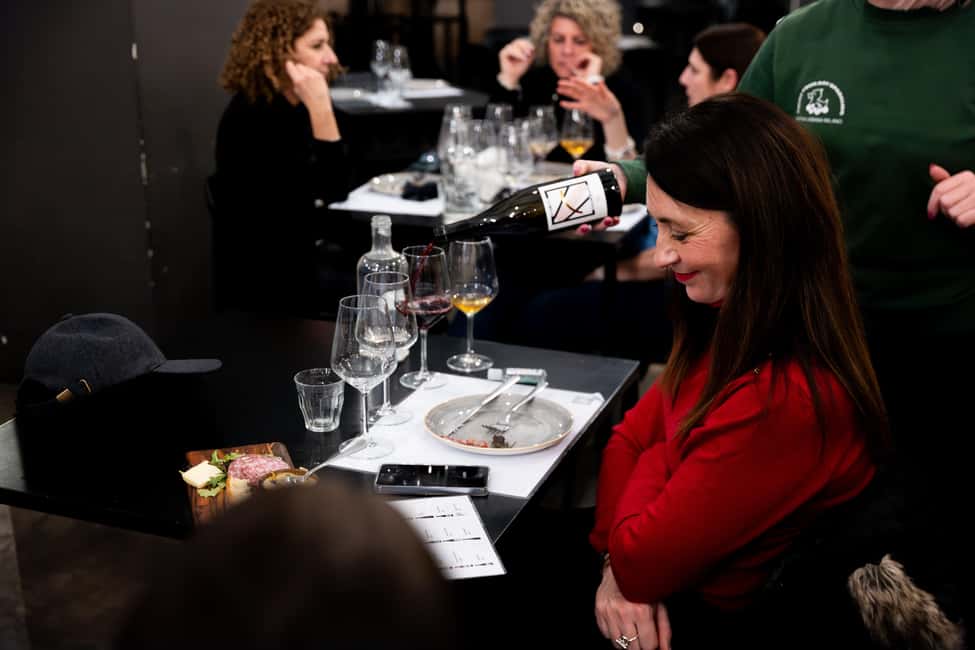
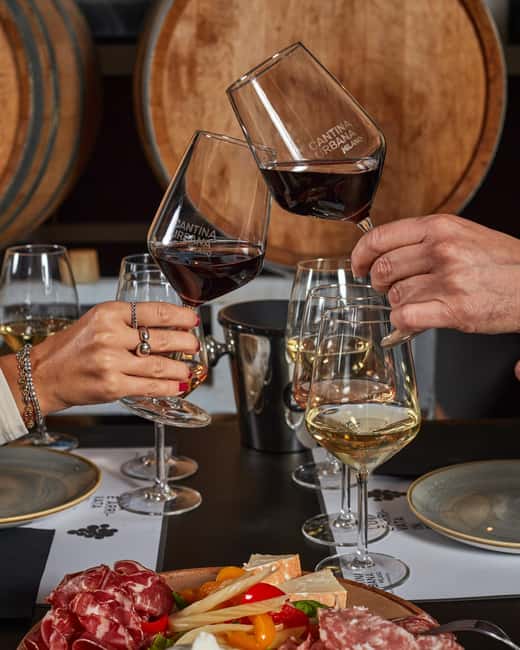
The core of the experience is the tasting. After the short winery tour, you’ll taste the wines of the Cantina Urbana Milano production—six wines for the full option, or four if you chose the shorter tasting. Either way, it’s structured: you’re not just sampling whatever is poured first. The flight is arranged to show range, and the guide ties the story back to how the wine is made.
What you taste is paired with typical local products. Your food element comes as charcuterie accompanying the tasting. That pairing detail is more useful than it sounds. Wine changes from sip to sip, but food does too, and the combination helps you notice what’s really happening—like how salt, fat, and savory flavors can make certain aromas pop and others feel smoother.
If you’re picky, you’ll still likely find something you enjoy. The experience is designed for wine lovers, but the tasting format also works well for people who don’t drink wine daily. You’re guided through what you’re tasting, and the local charcuterie gives you a “neutral ground” for comparing styles.
How the sommelier turns winemaking methods into flavor in your glass
The best part of any tasting is when the explanation makes your senses sharper. The sommelier format here is built for that. The guide walks you through the production story and then ties it back to what you’re tasting in the next pour.
In plain terms, you’ll learn how the winemaking process connects to the glass. The experience specifically highlights discovering various wine-making methods, and the way the staff talks about those methods is the difference between a pleasant drinking session and an actually educational one.
From the vibe of the named guides—people like Irene, May, Mia, Francesco, and Julia have led groups in English—you can expect a host who will answer questions and guide your attention. That’s not a minor detail. When you’re tasting six wines, questions can keep you from glazing over. You get to ask what matters to you, whether that’s the difference between styles, what organic certification changes in practice, or why one pour feels lighter while another feels more structured.
Also, the guide can tailor the pacing a bit. Some groups note that the host adjusted to preferences, which is a big deal when you’re trying to keep the experience enjoyable instead of rigid.
Organic and artisanal in practice: what certified organic changes for you
This winery is described as certified organic and artisanal, with an emphasis on keeping wine pure and respecting nature. That matters for a couple of reasons when you’re a visitor.
First, it frames what you’re being asked to taste. The story isn’t just branding. You’re being introduced to a winemaking philosophy that’s tied to how the wine is approached and produced. When the guide brings up organic practices, it can help you understand why certain decisions are made and how the producers view the relationship between nature and the final product.
Second, the organic label can be a filter for your own preferences. If you care about farming and production choices, this experience gives you a direct way to see and taste how the winery’s values show up in the wine. You still judge by your palate, of course, but you’re tasting with context.
Finally, the city setting makes this easy to access. You don’t need a countryside day trip to find a winery with an organic focus. In Milan, that’s a rare kind of convenience.
Price and value in Milan: $36.44 for a focused wine lesson
At $36.44 per person, the value comes down to what you receive in that 1.5-hour window. You’re not paying for a vague tasting. You’re getting:
- a guided tour of the winery space
- a wine tasting (4 or 6 wines depending on option)
- a food pairing with typical local charcuterie
In a city like Milan, wine experiences can be expensive, and you often end up paying for atmosphere more than instruction. Here, the instruction is part of the package. You’re learning how winemaking methods show up in the wine you’re sipping, and the charcuterie is included to help you taste more thoughtfully.
If you’re comparing costs, the biggest value lever is the number of wines. The full option gives you six pours, which is a lot for one short session, especially when the tour and food are included. Even if you choose the four-wine version, you still get the guided winery tour and pairing, so you’re not just buying glasses of wine and hoping for the best.
Is there extra food or drinks if you get hungry?
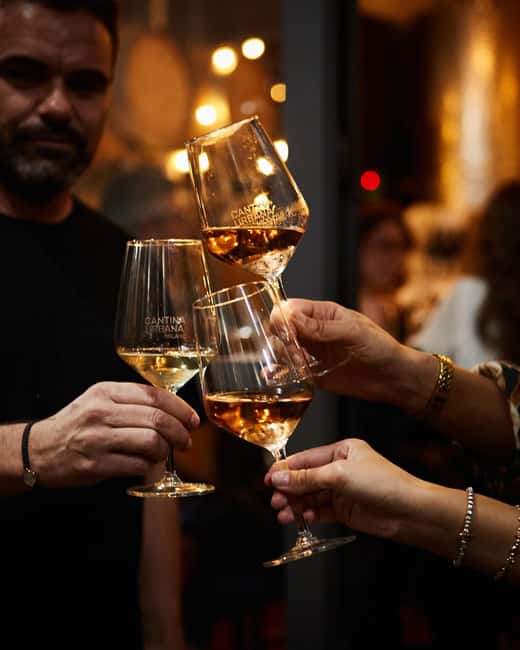
Yes. The winery is also open as a Wine Bar, and you can order from an à la carte menu if you want more than the included charcuterie. That’s a practical plus if your tasting is scheduled near lunch or dinner and you don’t want to rush to another meal afterward.
Keep expectations realistic. The included food is part of the tasting format, not a full restaurant dinner. If you’re going to make it a meal, plan on ordering more from the menu so you don’t end the experience hungry.
Who should book this Wine Lovers Experience in Milan?
This is a great fit if you’re the kind of traveler who likes structure. You want guided tastings, a real explanation, and a clear sense of why each wine is different. It’s also ideal if you’re curious about production methods but don’t want to spend a whole day in transit.
I’d especially recommend it if:
- you want wine education without leaving the city
- you like tasting multiple styles in one sitting
- you enjoy pairing wine with local foods
- you’re visiting on a tighter schedule and want a planned 1.5-hour activity
It may be less ideal if you’re looking for a long, slow vineyard day outdoors. This is inside an urban winery space. The upside is convenience and learning density; the tradeoff is time. If you want open countryside views and hours of roaming, you’d probably prefer a countryside tour.
Getting the most out of your tasting (without overthinking it)
Here are a few ways to make your 1.5 hours count.
Start with questions. When the guide talks about production methods, ask what you should pay attention to in the next pour. You’ll get more out of the experience if you actively listen rather than just sip.
Try to taste with the food, not around it. The charcuterie is there for a reason. Eat a bite, sip, then reset. That rhythm helps you notice differences between wines instead of blending everything into one impression.
Use the option that matches your style. If you really love variety, choose the six-wine option. If you prefer a shorter flight, pick the four-wine version. Either way, you’ll still get the winery tour and food pairing.
Plan your transport. It starts and ends at Via Ascanio Sforza, 87. It’s close to the No.3 tram stop, and you may need a short walk from the nearest Metro. Build a small buffer so you’re not arriving out of breath.
Should you book Cantina Urbana Milano?
I think you should book it if you want a practical wine experience in Milan that combines a guided tour, a structured tasting, and included local charcuterie. The price makes sense because you’re paying for instruction and pairing, not just wine in a glass.
Skip it only if you’re chasing a long countryside day or you prefer wine tastings that feel more like free-form browsing. This one is focused, scheduled, and guided—and that focus is exactly why it works.
If you want a smart break from typical Milan sightseeing, this urban winery is an easy yes.
FAQ
Where is Cantina Urbana Milano located?
The experience starts and ends at Via Ascanio Sforza, 87, in Lombardy, Italy.
How long does the wine tasting experience last?
It lasts 1.5 hours.
What’s included in the ticket price?
You get a guided tour of the winery, a wine tasting (4 or 6 wines depending on the option), and a food tasting.
How many wines will I taste?
You’ll taste either 6 wines or 4 wines, depending on the option selected.
Is food included with the wine tasting?
Yes. The tasting includes charcuterie with typical local products.
What languages are the guides available in?
The live tour guide offers English and Italian.
Is the experience wheelchair accessible?
Yes, it is listed as wheelchair accessible.
Can I order more food or drinks besides what’s included?
Yes. The winery is also open as a Wine Bar, and you can order from the à la carte menu.
What are the cancellation and payment options?
You can cancel up to 24 hours in advance for a full refund. There is also a reserve now & pay later option where you pay nothing today.