REVIEW · MILAN
Milano The Art of Making Pasta with Italian Chef
Book on Viator →Operated by Pizzaskill · Bookable on Viator
Fresh pasta class in Milan always hits.
I love how this is hands-on from the first minute, with Chef Vittorio guiding you step by step as you make dough, shape pasta, and prepare sauces. I also like that it ends with a real lunch or dinner you sit down to after your work, not a sad bite and a goodbye.
One thing to plan around: gluten-free lessons aren’t possible in their kitchen, so if that’s required for you, you’ll want to choose a different class.
In This Review
- Key Things to Know Before You Go
- A Small-Group Pasta Workshop in Milan’s Cascina Cuccagna
- What You’ll Make: Fresh Dough, Stuffed Shapes, and Classic Sauces
- Inside the Kitchen: How the Lesson Flows Step by Step
- The Meal, the Drinks, and Why It Feels Like Dinner, Not a Demo
- Dietary Needs and the Gluten-Free Reality Check
- Chef Vittorio and Letizia: Patient Teaching With Real Italian Technique
- Price and Value for a 2.5-Hour Chef-Led Class
- Timing, Location, and What to Do Before You Arrive
- Making the Skills Stick at Home: the Support You Get After
- Should You Book This Pasta Class in Milan?
- FAQ
- What’s included in the class?
- Will we actually eat the pasta we make?
- How many people are in the group?
- Is the class offered in English?
- Can I choose vegetarian, vegan, Halal, or Kosher options?
- Is gluten-free pasta making available?
- Can I cancel and get a full refund?
Key Things to Know Before You Go
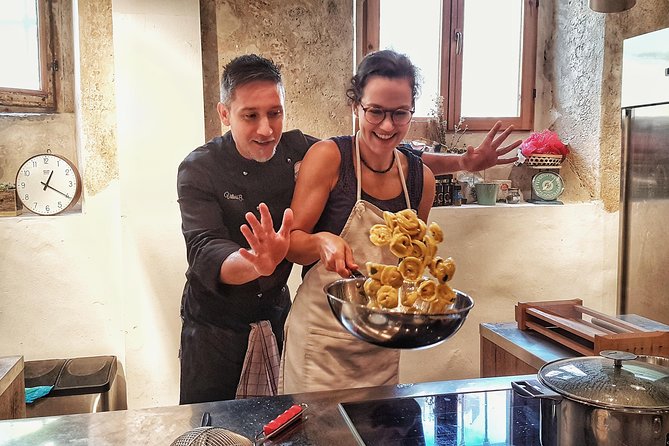
Small group feel (max 10 people). You’ll get real attention instead of watching from the sidelines.
Two pasta styles plus classic sauces. The sample menu includes fettuccine, agnolotti, tortellini, and sauce options like pesto or ragù.
Chef-led, station-based teaching. You’re set up with your own tools and ingredients so you can actually practice the moves.
Meat, vegetarian, and special diets on request. Vegetarian and vegan options are available, and Halal or Kosher meat can be accommodated by request.
You take pasta knowledge home. You get a PDF with recipes and a prep guide, plus support to keep going after the class.
A Small-Group Pasta Workshop in Milan’s Cascina Cuccagna
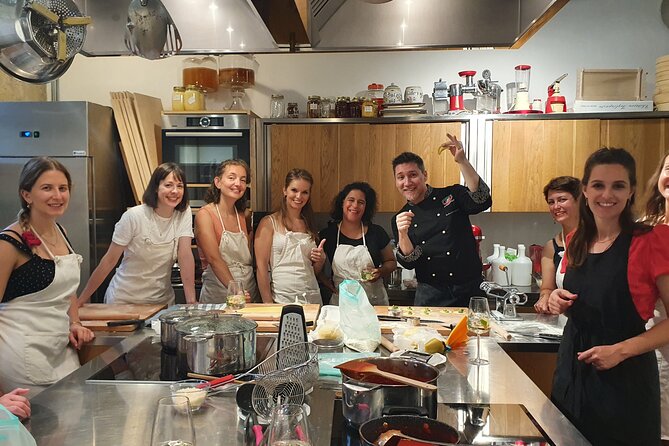
Milan has no shortage of food experiences, but a pasta class is different. This one is built around doing, not just eating—so by the time you’re done, you understand how pasta dough behaves and how sauces come together.
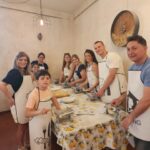
You’ll start at Cascina Cuccagna, a well-located spot in the city (and it’s near public transportation). The class is limited to a maximum of 10 people, which matters more than you might think. In bigger groups, you can end up waiting your turn; here, you’re kept moving and practicing the technique.
And yes, you’ll eat what you make. That turns the whole lesson into a proper meal, with wine or craft beer included.
You can also read our reviews of more cooking classes in Milan
What You’ll Make: Fresh Dough, Stuffed Shapes, and Classic Sauces
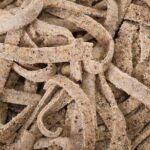
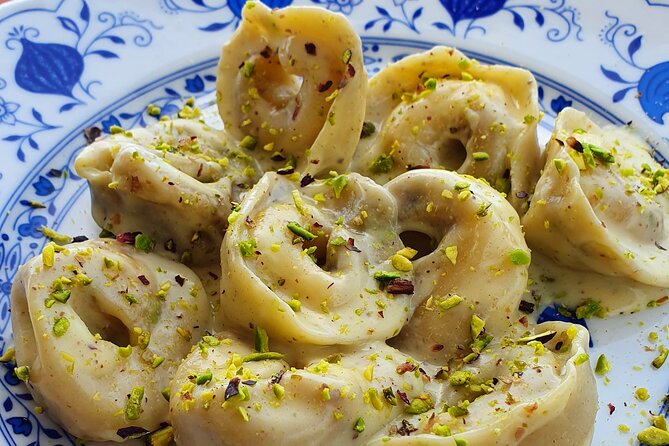
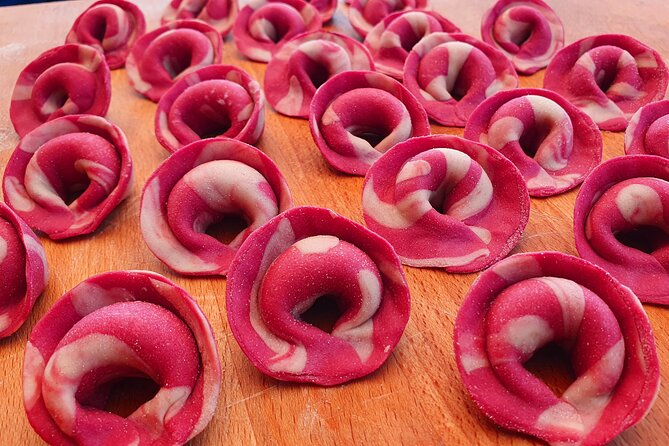
The class focuses on making authentic homemade Italian pasta. You’ll learn how to create the dough and work it into different shapes, including stuffed options (the menu includes half-moon agnolotti and tortellini).
Your pasta and fillings can be chosen as meat or vegetarian. If you follow Halal or Kosher restrictions, that’s supported too, as long as you request it ahead of time. They also offer vegan and vegetarian options on request, which is helpful for mixed groups.
For sauces, you’ll prepare classic combinations and taste what they taste like when made fresh. The sample menu includes:
- Fettuccine Pomodoro e Basilico
- Half Moon Agnolotti Burro e Salvia
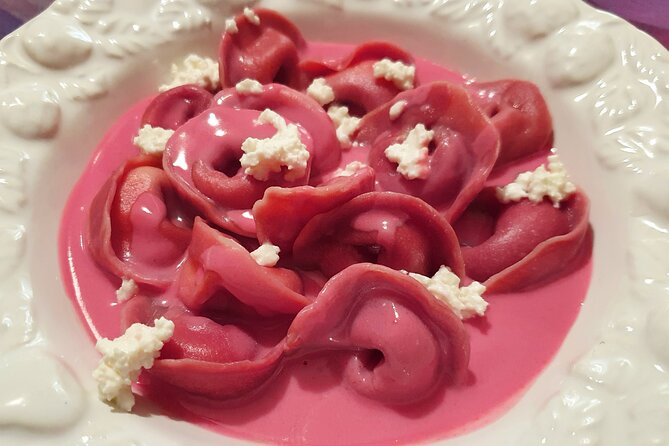
- Tortellini Burro e Salvia
- Ragù or Pesto Sauce (on request)
That mix is smart. You get both lighter, herb-forward flavors (tomato and basil, sage and butter) and richer comfort sauces (pesto or ragù) depending on what you choose.
Inside the Kitchen: How the Lesson Flows Step by Step
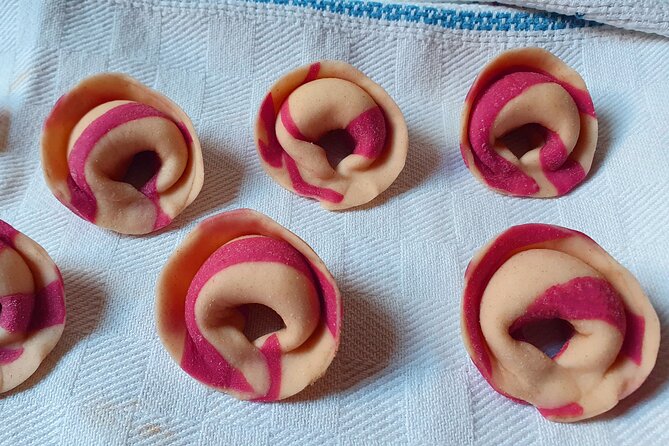
This isn’t a “watch the chef for two hours” situation. You’ll be taught and then guided while you work at your station.
The structure you can expect:
- Make pasta dough from scratch
- Form at least two pasta styles (from the shapes covered in the class)
- Add fillings for stuffed pasta types
- Cook classic sauces to match your pasta
- Eat your pasta together as lunch or dinner
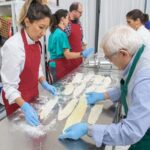
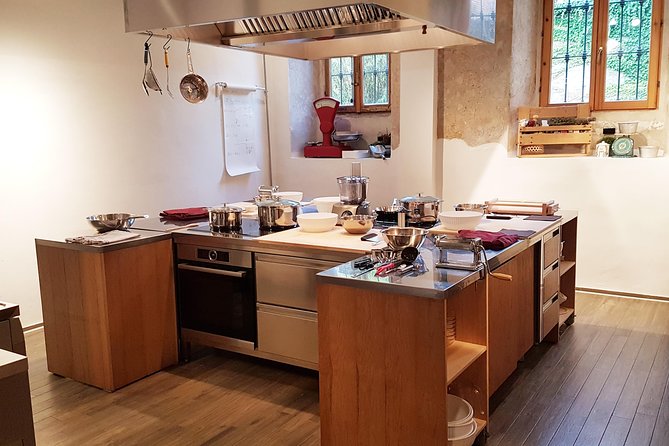
The kitchen setup is designed so you don’t just hold a rolling pin for show. The experience is organized with stations, ingredients laid out for each person, and step-by-step coaching so you can repeat the process. That’s the key to taking this home later: you leave with muscle memory, not just instructions.
Chef Vittorio’s teaching style also matters. In the feedback you’ll hear the same themes again and again: patient guidance, clear explanations, and a focus on making sure everyone actually gets hands-on time.
The Meal, the Drinks, and Why It Feels Like Dinner, Not a Demo
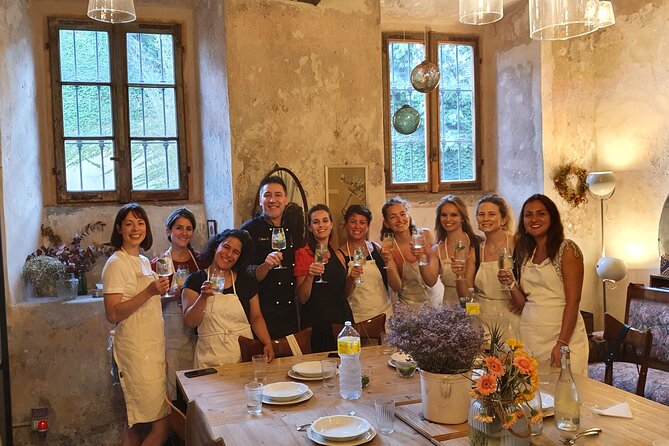
A lot of pasta classes end with a token tasting. This one is built like you’re going to eat what you made, and then talk about it while you do.
You can have lunch or dinner depending on your session. Either way, the meal follows your work. You’ll sit down with sauces you helped prepare, and your pasta will be served fresh.
The class is also inclusive in the drink department. You get:
- Soft drinks (Sprite, Coca-cola, Fanta, or water)
- A glass of Italian wine (white or red) or one craft beer
That may sound small on paper, but it helps the class feel like a real evening in Milan rather than a timed workshop.
If you’re the type who likes to understand pairing basics, this is a good place to connect flavors and technique. You’ll learn what changes when butter turns glossy with sage, or what happens when tomato sauce is handled with fresh balance rather than jar shortcuts.
Dietary Needs and the Gluten-Free Reality Check
This class is flexible, but it’s not magic.
Here’s what you can count on from the info you’re given:
- Vegetarian choices are available
- Vegan and vegetarian food can be arranged on request
- Halal and Kosher meat options are available
- Gluten-free lessons aren’t possible in their kitchen
So if gluten-free is part of your health plan, you’ll need to choose a different experience. Don’t wait until the day of. If you’re bringing a group with different needs, message ahead so you get the right fillings and sauces prepared.
Also note that gluten-free is the one hard stop. Everything else seems to be handled through choice and request, which is what you want in a class where dough and fillings are the core of the lesson.





Chef Vittorio and Letizia: Patient Teaching With Real Italian Technique
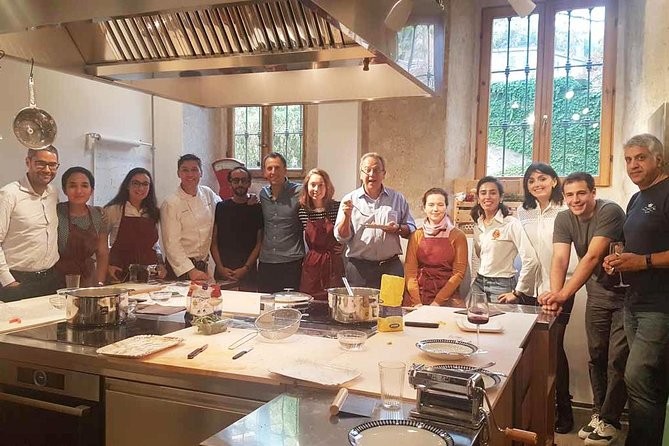
Chef Vittorio is the kind of host who makes you feel like you belong in the kitchen. He’s described as welcoming, entertaining, and—most importantly—focused on teaching you the process, not just the final dish.
A few teaching touches are worth highlighting because they affect your results:
- You’re taught in a way that keeps everyone working, not waiting
- The class is organized so each person has their own station
- Recipes and preparation steps are provided after the lesson, so you’re not scrambling to write everything down
Letizia is also part of the experience, showing up as part of the team that helps keep the day moving and makes the atmosphere feel warm and easy. That combination matters for families too. The class is lively without turning chaotic, so teenagers can stay engaged while adults get technique.
One extra detail that came up in feedback: Chef Vittorio also shares helpful tips beyond pasta, like guidance for making pizza crust at home. It’s not required, but it’s a nice bonus if you’re the kind of cook who likes to connect one Italian skill to another.
Price and Value for a 2.5-Hour Chef-Led Class
At $191.72 per person for about 2 hours 30 minutes, you’re paying for more than ingredients. You’re paying for real coaching time with a professional chef, plus a structured meal that’s included.
Here’s what makes the value feel real:
- You learn multiple pasta shapes and sauce techniques
- You eat what you make
- Drinks are included (wine or craft beer plus soft drinks/water)
- The group is small enough to get individual attention
- You leave with a PDF recipe and preparation process for both pasta and sauces
If you’re comparing mentally to the cost of dinner plus a cooking workshop elsewhere, this one often makes sense because the meal is part of the program, not an add-on. You’re also getting the “do it yourself” skill. A dish you eat once is great. A technique you can repeat at home is better.
Timing, Location, and What to Do Before You Arrive
You’ll meet at Cascina Cuccagna at the start time. The activity finishes back at the meeting point, so you’re not stuck navigating Milan with flour on your hands.
A good rule for any pasta class: wear clothes you don’t mind getting a little flour on. You don’t need to dress like you’re going to a lab, but comfort helps. Pasta making moves fast—rolling, cutting, shaping, and handling fillings.
Also, do a quick headcount in your mind about your group’s needs. If you want vegetarian, vegan, Halal, Kosher, or a specific sauce direction like pesto or ragù, that’s the kind of detail that should be handled in advance so the kitchen can prepare properly.
Making the Skills Stick at Home: the Support You Get After
The best classes give you a plan for when you’re home and the excitement fades. This experience includes that.
You receive:
- A PDF with recipes and the preparation process for pasta and sauces
- Online support and video courses to help you prepare pasta at home
- Ongoing support from the chef when you come home
That’s huge if you’ve ever made pasta once and then wondered why it didn’t work again. You’re not just leaving with a memory. You’re leaving with guidance you can repeat.
If you’re cooking for friends, this is also an easy way to show off without being a show-off. You’ll know what to do, what to look for in dough texture, and how to make the sauce that matches the shape you chose.
Should You Book This Pasta Class in Milan?
I’d book it if you want an experience that feels like real Italian cooking practice. This is a small-group, chef-led class where you make pasta and then eat it with included drinks. It’s also a strong pick for families and mixed ages because the format keeps people involved—everyone has a station and real tasks.
I’d skip or rethink it if gluten-free is non-negotiable. Also consider whether your group prefers instruction-heavy experiences. If you just want a meal, you might find something cheaper. But if you want a hands-on skill you can repeat, this is one of the more practical ways to spend a couple of hours in Milan.
FAQ
What’s included in the class?
You get soft drinks (including Sprite, Coca-cola, Fanta, or water) and an alcoholic drink (a glass of Italian wine in either white or red, or one craft beer). You also get support after the class to help you prepare pasta at home.
Will we actually eat the pasta we make?
Yes. After the lesson, you’ll sample your pasta for lunch or dinner with the fresh sauce prepared during the class.
How many people are in the group?
The experience has a maximum of 10 travelers, so it stays small enough for hands-on participation.
Is the class offered in English?
Yes, the class is offered in English.
Can I choose vegetarian, vegan, Halal, or Kosher options?
Vegetarian fillings are available, and vegan and vegetarian food can be arranged on request. Halal and Kosher meat options are available as well, based on your choices.
Is gluten-free pasta making available?
No. Gluten-free lessons aren’t possible in their kitchen.
Can I cancel and get a full refund?
You can cancel for a full refund if you cancel at least 24 hours before the experience’s start time. If you cancel less than 24 hours before, the amount you paid is not refunded.