REVIEW · MILAN
Rockin kitchen : Fresh Pasta lesson with Music Aperitif Dinner
Book on Viator →Bookable on Viator
Fresh pasta, timed to music. At Rockin Kitchen in Milan, Simone leads you through classic music-led pasta making in a lively home setting, then you eat the results. The evening starts fast with eggs and flour, then shifts into a proper Romagnola aperitivo before you shape cappelletti and tagliatelle.
I especially love the small group format, capped at 10 people, which keeps the vibe personal and hands-on. I also like that the meal is not just an add-on; the aperitivo includes piadina romagnola, cold cuts, cheeses, and red wine, and you finish by tasting everything you made.
One consideration: this is a home kitchen experience, so expect a cozy space and a schedule packed into about 3 hours. If you hate being close to other people or moving around a lot, you may want to think twice.
In This Review
- Key reasons this class is worth your time
- A Milan food night that turns cooking into a show
- Where you meet and how the timing works (so you do not miss anything)
- Entering Simone’s home kitchen: small group, big welcome
- From eggs and flour to cappelletti and tagliatelle
- The aperitivo break: piadina romagnola with wine before pasta
- The sauces and the tastings: your “dinner” is the lesson payoff
- Tiramisu and the small “extra moments” that make it memorable
- Dietary needs: what’s supported, and what you should ask first
- Price and value: what $131.32 per person buys you
- Who should book this Rockin Kitchen pasta lesson
- Should you book Rockin Kitchen? A simple decision checklist
- FAQ
- What time does Rockin Kitchen start?
- Where is the meeting point?
- How long is the experience?
- Is there an English-speaking guide?
- What food is included?
- Is this a small group?
- Do they accommodate dietary restrictions?
Key reasons this class is worth your time
- Music-guided pasta steps: the dough work comes with a choreographed soundtrack, so it stays fun even if your hands are new to pasta.
- Aperitivo first: you get piadina romagnola made on the spot, plus typical foods and red wine before you start rolling and shaping.
- Real Milan small-group energy: max 10 people means more attention when you learn cappelletti and tagliatelle.
- You taste your own dinner: the end of the night is eating what you helped create, not just watching from the sidelines.
- Hands-on tiramisù: you end with a dessert that’s prepared ahead of time for quality, then served after your pasta work.
- Dietary notes are taken seriously: the experience lists support for celiacs, diabetics, and vegans, so it’s a good option to ask questions early.
A Milan food night that turns cooking into a show
Milan has plenty of big-ticket sights, but this evening gives you something different: a kitchen night where your hands and your ears get equal attention. Instead of a quiet, classroom-style lesson, Rockin Kitchen turns pasta making into a rhythm game. That sounds silly until you realize it helps you remember the steps, move at the right pace, and not panic when flour gets everywhere.
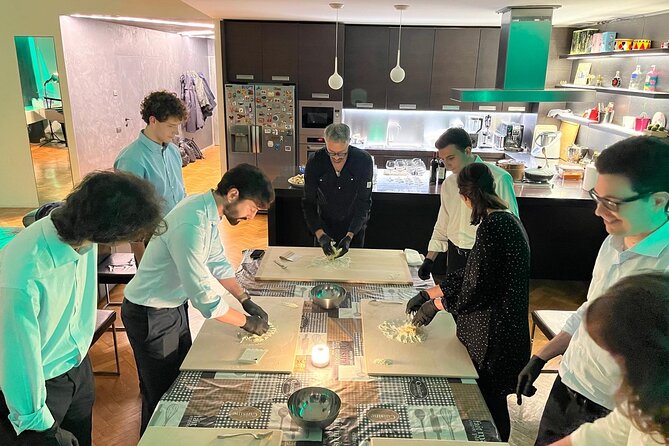
The heart of the experience is fresh pasta, taught in a way that feels friendly rather than formal. You start with the basics of working dough made from eggs and flour, then you get into shaping cappelletti and tagliatelle. At the same time, you’re surrounded by the energy of music, dancing, and a host who clearly wants you to enjoy the process.
You can also read our reviews of more cooking classes in Milan


Where you meet and how the timing works (so you do not miss anything)
The session meets at Via Rosso di S. Secondo, 7 (20134 Milan). Start time is 6:30 pm, and the activity runs about 3 hours. It ends back at the meeting point, so you do not need to plan onward transport like you might after an all-day tour.
Because it’s a small group class, being punctual matters. You do not want to arrive late and end up rushing the first part, when the evening kicks off right away with eggs and flour. If you’re using public transit, the meeting area is described as near public transportation, which is handy in a city where walking and traffic can both be unpredictable.
Entering Simone’s home kitchen: small group, big welcome
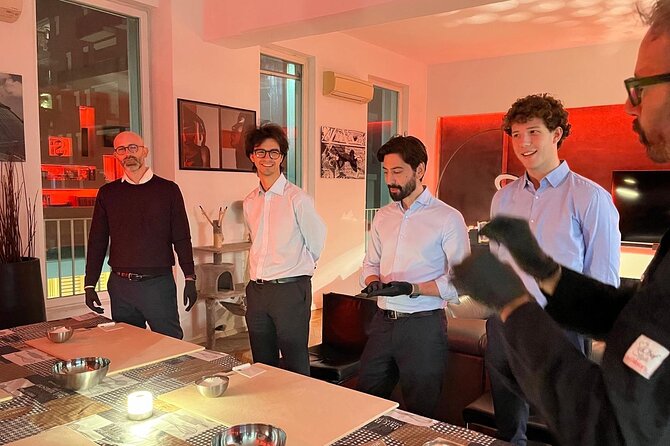
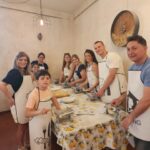
This class happens in a home-style setting, and that shows in how the night starts. The mood is warm and personal, with hosts making you feel like you’re joining an evening among friends. Reviews mention lively hospitality and a very welcoming approach, including lots of laughter during the lesson.
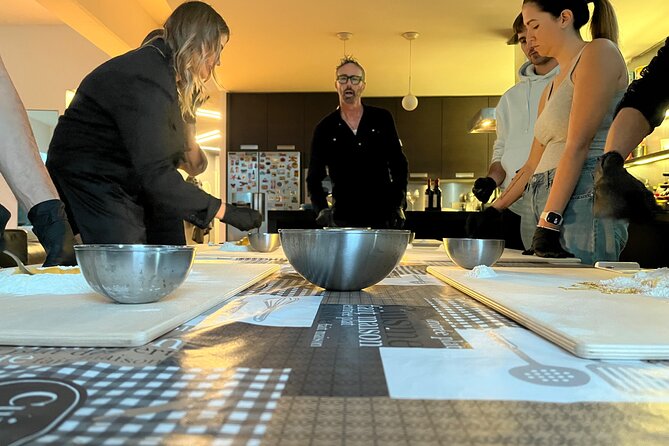
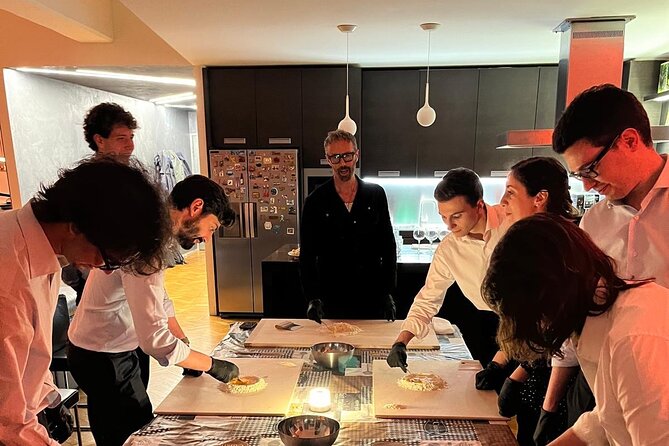
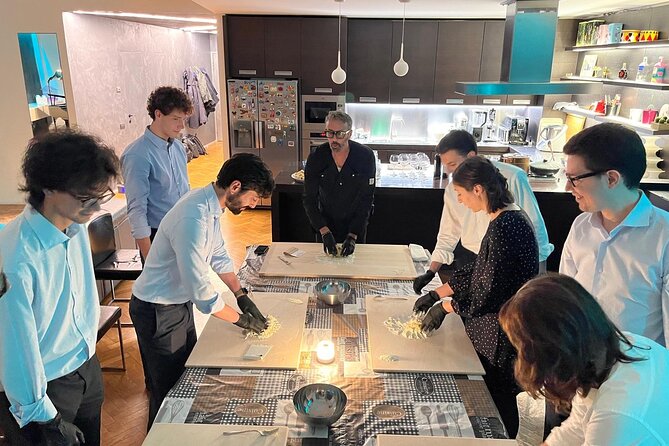
The small group size (maximum 10 people) is a big practical plus. You’re not stuck in a long line watching someone else cook. Instead, you’re working at the bench, learning by doing, and getting corrections while your dough is still in front of you. For families and first-timers, that kind of attention matters more than fancy equipment.
It also helps that the experience is guided in English and Italian. Even if your Italian is basic, you’ll still follow the steps, and you won’t feel left out when questions come up.
From eggs and flour to cappelletti and tagliatelle
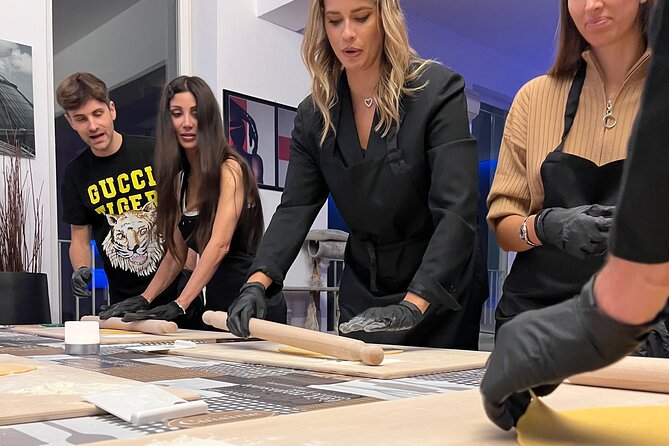
The evening starts immediately with the pasta basics: processing eggs and flour. That initial phase is important because it sets you up for everything that follows. Fresh pasta is all about feel, and you’ll learn what the dough should look and feel like as it comes together.
Then the class moves into two shapes:
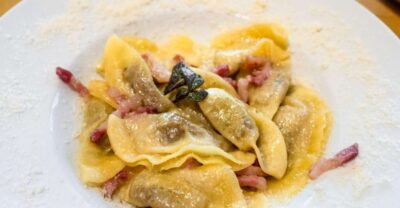
- Cappelletti, a stuffed pasta that requires patience and a steady hand.
- Tagliatelle, ribbon-style pasta that’s all about rolling and cutting cleanly.
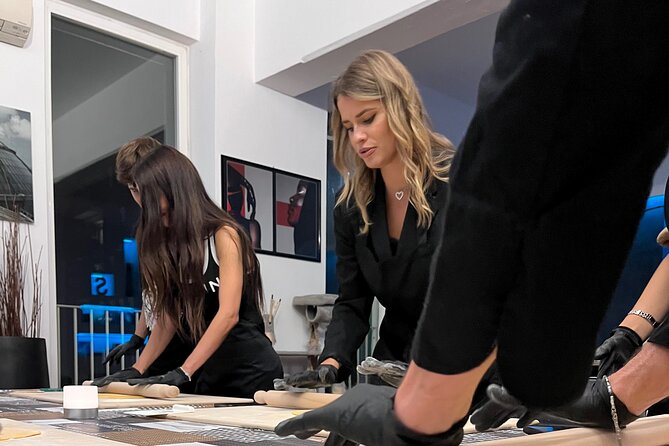
What makes this class different is the pace and the tone. The pasta work is described as choreographed to music, with hosts dancing and laughing alongside the lesson. You’ll still be doing real culinary work, but the rhythm reduces the awkwardness of learning something new in public.
If you’ve done pasta classes before, you may still enjoy this because the format is less rigid. The host’s instructions are described as clear and engaging, which helps first-timers get to the point of tasting something they actually made. And if your group includes a mix of skill levels, that music element tends to equalize everyone’s energy.
The aperitivo break: piadina romagnola with wine before pasta
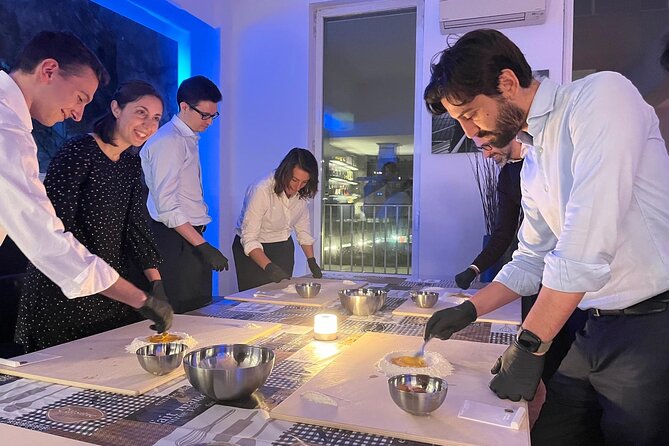
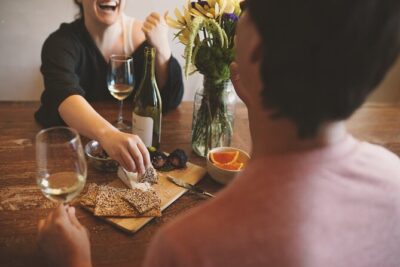
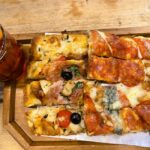
Before you return to the workbench, you get a proper aperitivo. This is not a token snack. The menu includes piadina romagnola plus typical products such as cold cuts and cheeses, and you also get a good red wine.
A key detail: the piadina is made instantly. That matters because it turns the aperitivo from a pre-packed stop into a fresh, hands-on moment in the flow of the night. It’s also a nice pacing trick: you strengthen your appetite and your focus before you go into the more technical pasta steps.
In practical terms, this break also helps if you’re traveling with people who get cranky when the main meal comes late. Here, you get fed early, and you still end with a full tasting.
You can also read our reviews of more tours and experiences in Milan






The sauces and the tastings: your “dinner” is the lesson payoff
After you finish shaping the pasta, you taste your own creations. The class includes main dishes such as:
- Cappelletti with meat ragù (described as a Bolognese-style ragù)
- Vegetarian noodles with mushrooms
- Tiramisu for dessert
One detail that really helps you set expectations: the host prepares sauces during the evening. That’s a smart way to guarantee flavor and timing, so you’re not stuck waiting for long simmering tasks while your pasta cools. The result is that you get the satisfaction of cooking, plus the reliability of restaurant-level finishing.
This is also where the night’s “music kitchen” concept pays off. The dancing and singing isn’t just entertainment for entertainment’s sake. It keeps everyone in a good mood during the parts that often feel stressful in other classes, like stuffing, sealing, or cutting pasta evenly.
If you’re cooking with friends, you’ll likely enjoy this stage because everyone gets to compare shapes and celebrate the small wins.
Tiramisu and the small “extra moments” that make it memorable
Tiramisu is included, and multiple reviews highlight it as genuinely excellent. That’s not always true in classes where dessert can feel rushed or generic. Here, it’s described as one of the best tiramisù experiences some people have had in Milan.
You might also catch extra musical touches beyond the core pasta choreography. Reviews mention a piano serenade and a sing-along to close out the evening, plus a generally celebratory atmosphere. If you like nights that feel like a party but still teach you something, this is your style.
There are also playful touches noted, including time around cats. That’s not a “must plan for” item, but it’s a sign the setting is lived-in rather than staged.
Dietary needs: what’s supported, and what you should ask first
The experience lists support for celiacs, diabetics, and vegans. That’s a strong signal that they take dietary requirements seriously. One review also mentions accommodating a gluten allergy and practicing good food safety.
Still, be smart and ask questions when you book. The data does not spell out exact substitutions or cross-contact rules, so you’ll want confirmation based on your specific needs. If you’re celiac, ask how they handle flour and shared prep space. If you’re vegan, ask what replaces egg-based pasta elements in the plan.
This class is hands-on, so the more you can communicate early, the smoother it will be.
Price and value: what $131.32 per person buys you
At $131.32 per person for about 3 hours, you’re paying for a small-group, hands-on cooking class that includes more than instruction. You get:
- A guide in English and Italian
- Snacks aperitif with wine and typical foods
- The pasta-making experience (eggs and flour, then cappelletti and tagliatelle work)
- A full meal tasting that includes main dishes and tiramisù
The value angle here is the combination. Many food tours give you one thing: either a lesson or a meal. This offers both, and because the group is capped at 10, it feels more like you’re invited into a kitchen evening than dropped into a mass-production class.
Also consider that the music and host energy are part of the product. You’re not just buying pasta skills; you’re buying an evening that turns learning into a fun memory, with real hospitality.
Who should book this Rockin Kitchen pasta lesson
This experience fits best if you want Milan to feel personal and hands-on. I’d point you toward Rockin Kitchen if:
- You want a cooking class that is fun on purpose, not stiff or silent
- Your group includes people who don’t all love cooking, because music keeps everyone engaged
- You like small settings and a guide who teaches with clear steps
- You’re traveling in a group up to 10 and want everyone to have a job at the bench
It may not be ideal if you prefer a traditional, quiet cooking school vibe where you can take notes without interaction. Since the class involves singing and dancing elements, it’s more high-energy than academic.
Should you book Rockin Kitchen? A simple decision checklist
Book it if you’re excited by the idea of shaping cappelletti and tagliatelle in a home kitchen while you eat a true aperitivo and finish with tiramisù. This one is strongest for people who learn best by doing and who want a night that feels like an event.
I would pass (or ask lots of questions first) if your dietary needs require very specific accommodations that you can’t confirm in advance, or if the idea of choreographed music and close-quarters cooking would stress you out.
If you want one evening in Milan that breaks the routine, Rockin Kitchen is a smart bet.
FAQ
What time does Rockin Kitchen start?
The class starts at 6:30 pm.
Where is the meeting point?
You meet at Via Rosso di S. Secondo, 7, 20134 Milan, Italy.
How long is the experience?
It lasts about 3 hours.
Is there an English-speaking guide?
Yes. The guide works in English and Italian.
What food is included?
You’ll have an aperitif with piadina romagnola and typical products plus wine. The tasting includes cappelletti with meat ragù, vegetarian noodles with mushrooms, and tiramisù, along with other included items from the aperitivo.
Is this a small group?
Yes. The experience has a maximum of 10 travelers.
Do they accommodate dietary restrictions?
The experience lists support for celiacs, diabetics, and vegans. It’s a good idea to confirm the details when you book, especially if you have a severe allergy.