REVIEW · MILAN
The Award-Winning Private Food Tour of Milan: 6 or 10 Tastings
Book on Viator →Operated by Withlocals · Bookable on Viator
Milan bites, with your own guide. This private tour pairs Brera food stops with quick cultural sightings, so you get more than just eating on autopilot. I like the private guide setup (only you and your host) and the clear choice between 6 or 10 tastings, which helps you match the tour to your appetite. The main drawback to consider is value fit: if you expected 10 very distinct, sit-down-style meals, the tasting format can feel lighter or more focused than you might imagine.
Plan for about 3 hours on foot, in English, with a mobile ticket and no hotel pickup. The operator is described as carbon neutral and run by a B-Corp certified company, which is a nice extra when you’re trying to travel more responsibly. One more thing: some of the sights on the walking route are churches where entry costs are not included.
A few guides mentioned in feedback, like Serena and Armando, are praised for pacing and making the walk feel personal, not rushed. Still, if you’re the type who likes a lot of variety, you should ask your guide early how the tastings will be spaced across the time. And if you care about church interiors, flag it so you know what you may pay on top, since church tickets aren’t included.
In This Review
- Key highlights at a glance
- Private guide plus Brera food stops: what this tour feels like
- Price and value: when $158.09 makes sense
- Timing and logistics: the 3-hour walk plan
- Stop 1: Porta Garibaldi and Milan’s old gate energy
- Stop 2: Chiesa di Santa Maria Incoronata as a cultural palate cleanser
- Stop 3: Chiesa di San Marco and the Venice vs. Barbarossa story
- Theatre stop: Teatro Fossati, Teatro Studio, and learning why places change
- What “6 or 10 tastings” can look like in real life
- The guides: where the best tours live or die
- How to get the most from your afternoon
- Who this tour fits best (and who should be careful)
- Should you book The Award-Winning Private Food Tour of Milan?
- FAQ
- How many tastings are included on this Milan private food tour?
- How long is the tour?
- Is this tour private or shared?
- Where does the tour start?
- Does the tour include vegetarian options?
- Are admission tickets included for the church stops?
- Is hotel pickup provided?
Key highlights at a glance
- Private means private: it’s only you and your guide, no other parties
- Brera is the food focus: small eateries and bar-style stops fit the neighborhood vibe
- 6 or 10 tastings: choose based on how hungry you are
- Culture breaks up the eating: city landmarks and church stories between bites
- Responsible travel angle: described as carbon neutral via a B-Corp certified company
- Check value expectations: the “award-winning tastings” concept may feel more concentrated than you expect
Private guide plus Brera food stops: what this tour feels like
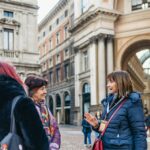
This is built for travelers who want Milan explained in real time, not just a list of places. Because it’s private, your guide can steer the pace and swap explanations for what actually interests you, whether that’s food culture, neighborhood design, or quick “why this matters” stories as you walk.
Brera is the key setting here. It’s known for lots of small dining spots, so your stops tend to feel like you’re joining locals for an afternoon rather than lining up at one big attraction. In practice, that matters because you’re walking and snacking in small chunks, which helps when your day is also packed with museums and sights.
You also get flexibility through the 6 vs 10 tastings choice. If you’re on your first day and want a gentle start, 6 tastings can be plenty. If you’re the type who plans meals around food, the 10-tasting option is the better bet, since the whole point is to leave full and smiling.
One fair warning: a few people felt the tour was too concentrated, with a smaller spread of different items than the phrase “tastings” can imply. That doesn’t mean it’s always the same, but it does mean you should calibrate expectations. The best approach is to go hungry and ask your guide what a “tasting” means for your specific plan.
You can also read our reviews of more food & drink experiences in Milan
Price and value: when $158.09 makes sense
At $158.09 per person, you’re paying for three things at once: the guide time, the food-and-drink budget, and the advantage of having it all handled for you. That can be a strong deal in a city where food options are everywhere, but good guidance is harder to piece together quickly.
Here’s how I think about value on this kind of tour:
- If you want a smooth first-day experience with direction (where to go next and what to order), the guide can justify the price.
- If you’re expecting a wide restaurant hop with many separate menus, the tasting format might not feel “full value” compared to that fantasy.
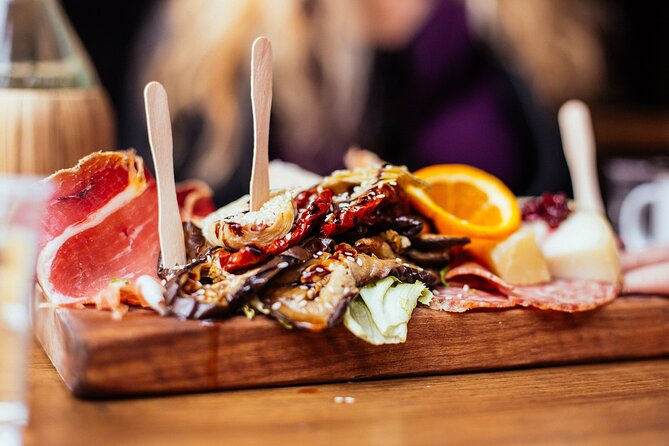
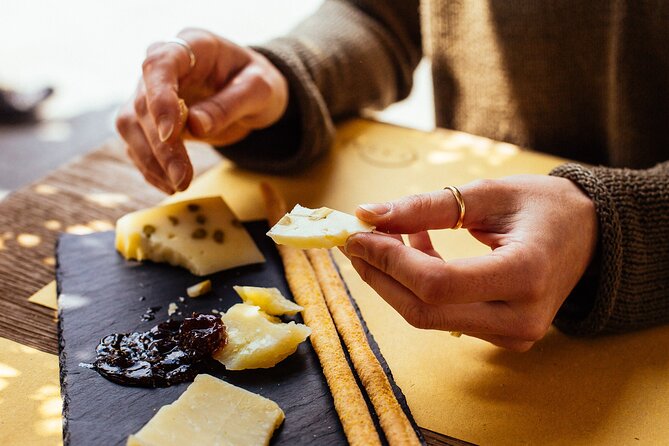
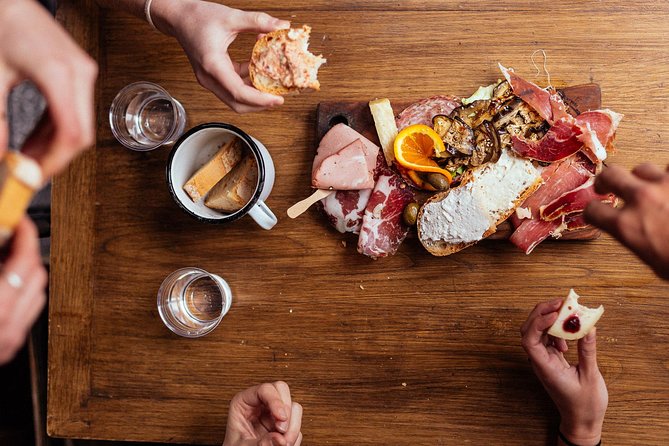
- If you’re comfortable with charcuterie-style bites plus sweets plus a drink, the value usually lands better, because that’s a common way Milanese food tastings get delivered.
The tour also notes vegetarian alternatives, which helps for a lot of diets. If your needs are more complex, send those details at booking so the guide can build tastings that actually work for you.
So does the price pay off? Usually yes if you treat this as a guided food walk plus cultural context, not as ten completely unrelated restaurant sit-down experiences.
Timing and logistics: the 3-hour walk plan
The tour runs about 3 hours and ends back at the meeting point. That’s a sweet spot. Long enough to get a real neighborhood route and multiple stops, but not so long that it feels like your feet are filing a complaint.
There’s no hotel pickup, so plan on getting to the meeting area on your own. The meeting point is listed as Largo Greppi, 1, 20121 Milano MI, Italy, and the tour is described as near public transportation. A mobile ticket is included, so once you’re there, you should be able to check in with less friction.
One small practical point: start times matter. A missed tour due to travel delays is a real risk with any walking tour, and rescheduling rules can be strict. If your arrival day is tight, buffer time and aim to be early enough to handle trains, construction, or simply getting your bearings.
Stop 1: Porta Garibaldi and Milan’s old gate energy
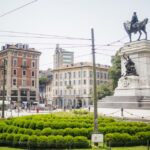
You begin at Porta Garibaldi, a site that used to be Milan’s city gate on the road toward Como. Even if you’re not a history deep-dive type, this works as a grounding moment. It tells your brain where Milan’s movements used to go, and that makes later neighborhood wandering feel more intentional.
Porta Garibaldi is listed as having free admission, with about 1 hour allotted at the start. That longer block may sound like a lot for a gate, but on these tours it often includes the walk-in orientation and a few “what you’re seeing” explanations before you shift into the food rhythm.
The upside: you get an easy entry point to Milan that doesn’t require money or a ticket desk. The caution: if you’re purely food-motivated and want to start eating instantly, you may feel the route begins with more sight time than you expected. Still, the orientation tends to pay off when you understand why certain districts look the way they do.
Stop 2: Chiesa di Santa Maria Incoronata as a cultural palate cleanser
The tour then moves to Chiesa di Santa Maria Incoronata, a stop timed at about 30 minutes. The key value here is pacing. Food tours can blur together fast, so the church stop works like a reset button between tastings.
The tour description also flags this as more than just food: it’s designed as a cultural experience that mixes must-sees and local hot spots into one afternoon. That matters because Milan can feel a bit “design-forward” and less “obvious foodie city” at first glance. A stop like this helps you connect the city’s architecture and identity to what you’ll eat later.
Admission for this church is listed as not included. That’s a real consideration. If you want to go inside fully, you’ll likely need to budget for any entry costs on the day, depending on the church’s current rules.
You can also read our reviews of more tours and experiences in Milan


Stop 3: Chiesa di San Marco and the Venice vs. Barbarossa story
Next comes Chiesa di San Marco, also about 30 minutes. This stop has a specific historical storyline: the church was dedicated to San Marco thanks to Venice’s help to Milan in the fight against Barbarossa around 1250.
That kind of story does two useful things on a food tour. First, it gives you a reason to slow down and actually look at what’s in front of you. Second, it helps explain why cities in Northern Italy are tied together by alliances, trade, and culture, not just by modern tourism routes.
Again, admission is listed as not included, so the same tip applies. If church interiors are a must for you, factor in possible entry fees. If you’re more interested in exterior photos and quick orientation, you can keep the moment simple and move back into the food flow.
Theatre stop: Teatro Fossati, Teatro Studio, and learning why places change
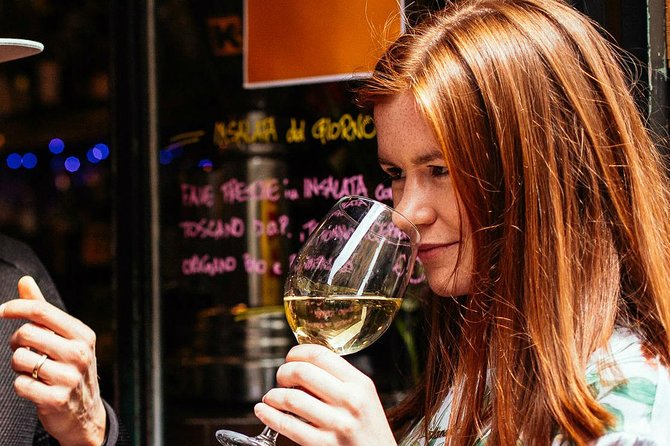
The final listed cultural stop connects to Teatro Fossati, a 19th-century theatre that raised its curtains again in 1986 to become Teatro Studio. The description also notes it functions as a gymnasium for young students of Piccolo’s Theatrical School.
This is a neat Milan detail because it shows how cultural buildings can shift roles over time. It also breaks the usual “church, then more food” pattern and adds a different kind of local flavor.
If you like the idea of food tours that also teach you how a city works, this stop supports that goal. If you want only food and would skip the culture moments if given the choice, it could feel like the tour’s focus drifts. Still, it’s short, and it’s meant to round out your Milan picture.
What “6 or 10 tastings” can look like in real life
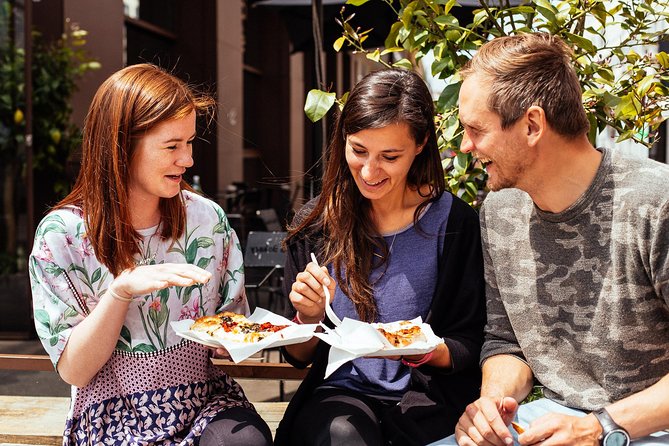
The tour promises 6 or 10 food and drinks tastings of high quality local products, plus vegetarian alternatives. It also notes drinks are part of the package, which helps explain why a private guide is worth paying for: someone has to coordinate the flow and timing so you don’t get stuck at one place too long or run out of time.
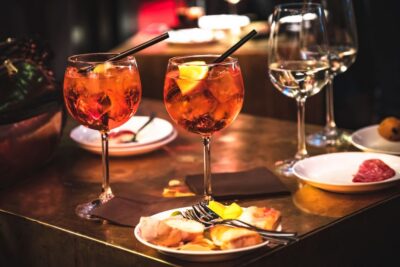
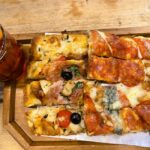
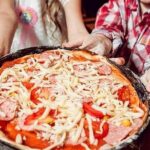
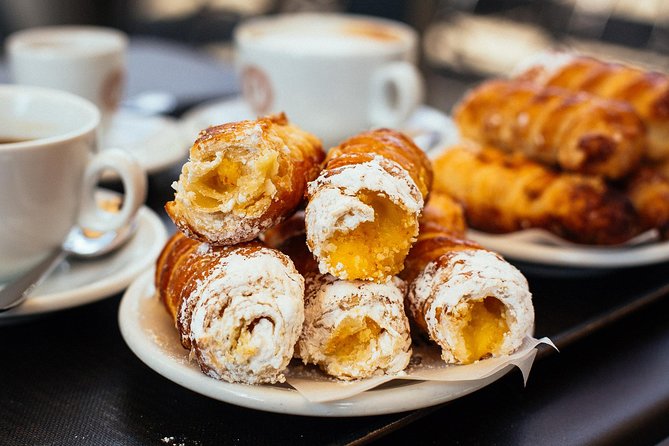
From the food patterns described in feedback, tastings often include things like charcuterie trays and local wines, plus Italian sweets such as gelato and cannoli. Some plans also include espresso and chocolate-style treats, depending on season and what’s available in the moment.
Here’s the practical way to use the 6 vs 10 choice:
- Choose 6 tastings if you want a fun food highlight, a few bites you can repeat later in your own meal planning, and a comfortable pace.
- Choose 10 tastings if you want to leave the tour truly full, or if your schedule means you won’t eat much for the rest of the evening.
If you want the tour to match your expectations, set a goal before you start. For example, you can tell your guide you want a spread that includes savory + sweet and at least one hot drink like espresso. Since the tour is private, you have a better chance of getting what you want than on a set-group itinerary.
The guides: where the best tours live or die
The success of a private food tour usually comes down to the guide. In this case, several guides are praised for being gracious, patient, and able to connect food choices to Milanese stories. Names you may see associated with great experiences include Serena, Armando, and Salvatore, and the consistent theme is good pacing and explanations that feel personal.
That’s the “why it’s private” advantage in plain language. If your guide talks to you, reads your energy, and keeps the food flow smooth, the tour can feel like a friend showing you Milan instead of a scripted bus stop with plates.
On the flip side, there are also negative signals to take seriously: some people described guides as too quiet, distracted, or not matching the promised “food tour” intensity. That’s not something you can fully predict, but you can reduce your odds by going in with clear expectations. Ask a few questions early and confirm how the tastings will be delivered.
How to get the most from your afternoon
You’ll enjoy this most if you treat it as a guided walking meal, not a checklist. With a 3-hour timeframe, your tour should feel like a sequence: small culture moment, then bites, then another culture beat, then more food. When the timing clicks, the day feels easy.
Since vegetarian alternatives are available, tell the guide your dietary needs at booking. If you have an allergy, also make sure it’s clearly stated in writing so there’s no guessing during tastings.
Also, wear shoes that can handle Milan cobblestones. The tour is walking-focused and designed around neighborhoods like Brera. You’ll get more out of the stories when you’re not constantly stopping to recover your feet.
Finally, if you care about value, ask how the “tastings” break down for your option. Since the tour can feel different depending on how the food is staged, getting clarity upfront helps you judge whether the plan matches what you paid for.
Who this tour fits best (and who should be careful)
This is a strong fit if you’re visiting Milan for the first time and want a guided path that mixes Brera food culture with landmark context. It’s also a good match if you like private tours because you want your guide to tailor pacing and focus, especially on your first day when you’re still orienting yourself.
It’s less ideal if your main goal is a large number of totally separate restaurant experiences. The tour may feel more like a focused tasting route with a handful of key stops. If you’re the type who wants a wide scatter of restaurants, you may want to compare other food tours with a more explicitly restaurant-heavy format.
If you’re sensitive to “descriptions vs. reality,” ask your guide what each tasting category includes for your tour day. That one question can save you from disappointment.
Should you book The Award-Winning Private Food Tour of Milan?
I’d book it if you want a guided Brera food walk that also gives you Milan context, and if you choose the 6 vs 10 tastings option based on how much you plan to eat that day. The private setup is the big advantage, and the carbon-neutral, B-Corp approach is a nice bonus.
I’d be cautious if you’re paying with the expectation of ten wildly different dishes across many separate venues, or if you hate uncertainty about what tastings will actually include. Your best move is to message your dietary needs early and ask your guide how tastings will be structured on your specific tour.
FAQ
How many tastings are included on this Milan private food tour?
You can book either 6 or 10 food and drink tastings, depending on the option you choose.
How long is the tour?
The tour lasts about 3 hours.
Is this tour private or shared?
This is a private tour. It is only you and your local guide, with no other parties during the tour.
Where does the tour start?
The meeting point is listed as Largo Greppi, 1, 20121 Milano MI, Italy, and the tour ends back at the meeting point.
Does the tour include vegetarian options?
Yes. Vegetarian alternatives are available, and you should advise your specific dietary requirements at booking.
Are admission tickets included for the church stops?
Porta Garibaldi is listed as free. For the churches (Chiesa di Santa Maria Incoronata and Chiesa di San Marco), admission tickets are listed as not included.
Is hotel pickup provided?
No. Hotel pickup and drop-off are not included. The tour is near public transportation.