REVIEW · MILAN
Walking Food Tour of Milan with Tastings
Book on Viator →Operated by Walking Palates · Bookable on Viator
One great meal in Milan starts with a walk. This 3-hour small-group food tour mixes tastings, wine, and local stories so you understand what you’re eating and why Milan does it differently.
I especially love the way the stops are chosen: you see landmarks like the Colonne di San Lorenzo and the route leading toward Navigli, then you get bites that match the neighborhoods. I also like the pace and size, with a cap of 15 people, which keeps the whole thing from feeling rushed or scripted.
One consideration: it’s still a walking tour with weather in play, so comfortable shoes and layers matter, even though it runs in all weather.
Key things I’d bet on before you book
- Off-the-main-tiles neighborhoods: You move through lesser-noticed Milan corners, not just the postcard stops.
- Real food, not just tiny samples: The tastings are meant to feel like a meal sequence, not a snack parade.
- Wine included: Local wine tastings are part of the experience, with a minimum age of 18.
- Stops tied to the story: Roman, early Christian, and city-gate history show up right where you’re walking.
- Small-group feel (max 15): Easier questions, more interaction, and calmer restaurant moments.
In This Review
- Milan’s Walking Food Tour: why this route feels different
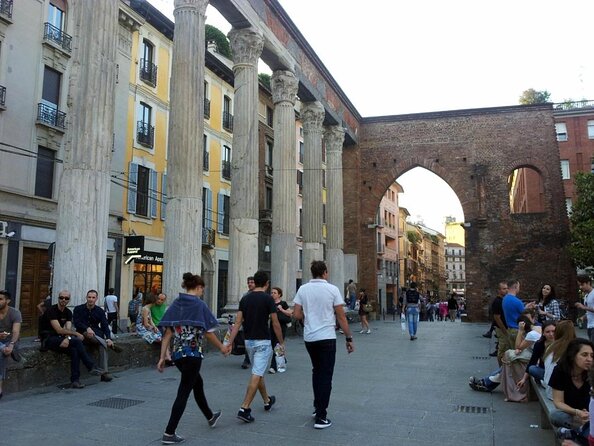
- Starting at Colonne di San Lorenzo: Roman columns and a perfect kickoff
- Basilica San Lorenzo Maggiore: what to notice even if you skip the ticket
- Statue of Constantine: the quick history stop that actually matters
- Piazza Vetra: canal traces and a calmer pause mid-walk
- Piazza di Sant’Eustorgio: Three Magi vibes and a peaceful square
- Arco di Porta Ticinese: the city gate that points to Navigli
- How the tastings and wine create real value in 3 hours
- The guide and group size: why small matters here
- Weather, shoes, and pacing: how to set yourself up for a good time
- Where this tour fits best in your Milan trip
- Who should book (and who should think twice)
- Should you book this Milan food walking tour?
Milan’s Walking Food Tour: why this route feels different
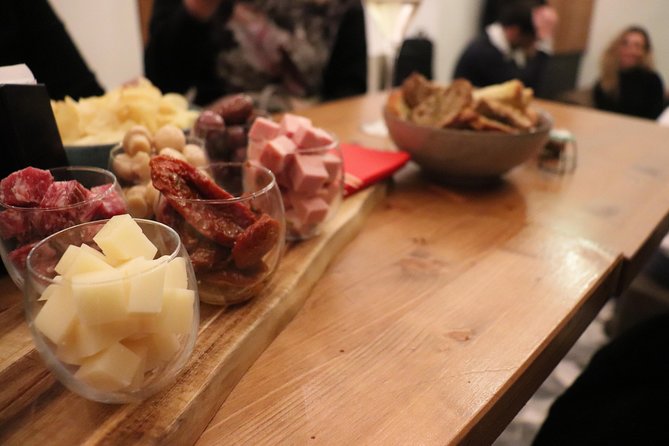
Milan can be quick to judge if you only chase the big sights. This tour does the opposite. You start with ancient stone, then you keep moving through layers of Milan’s past, and the food shows up like a translation of what the city is about.
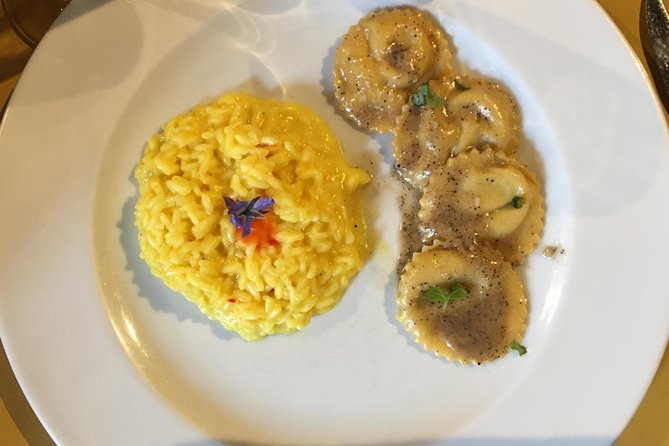
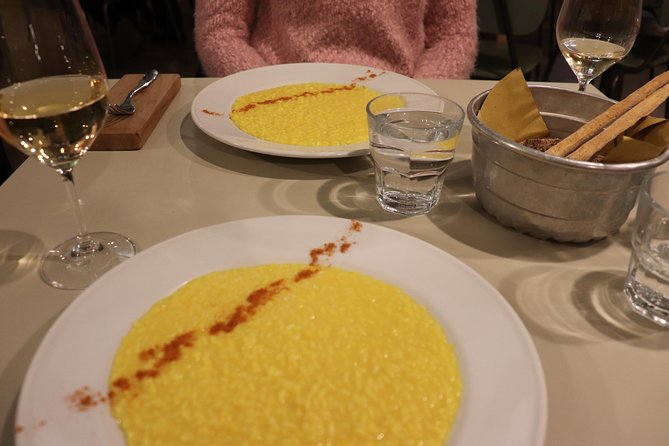
You’re not just collecting tastes. You’re learning the local logic: Lombardy and Milan have their own rhythm, and you’ll notice it the moment risotto alla Milanese shows up, along with fresh pasta, local cheeses, and local wines. The guide also connects the food to what you’re seeing on the street, so the history stops being trivia and starts feeling useful.
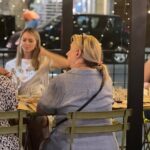
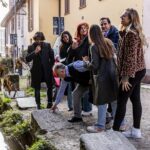
And yes, it’s genuinely social in the best way. With a maximum of 15 travelers, you can actually hear the guide and ask questions without shouting over the group.
Starting at Colonne di San Lorenzo: Roman columns and a perfect kickoff
Your meeting point is the Colonne di San Lorenzo on Corso di Porta Ticinese. This is a smart start because you’re anchored immediately in Milan’s older identity. The columns sit near the Basilica of San Lorenzo, and the area has that “people are here all the time” energy, even before you get to the church.
There’s also a practical advantage. Meeting near public transport makes it easier to arrive on time and settle in. The tour includes an admission ticket for this stop, so you’re not scrambling to figure out what’s covered and what isn’t.
Expect your guide to set the tone quickly: how Milanese food differs from the rest of Italy, and why you’re about to taste dishes shaped by local traditions and newer ideas.
You can also read our reviews of more walking tours in Milan
Basilica San Lorenzo Maggiore: what to notice even if you skip the ticket
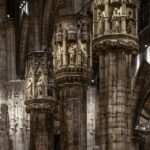
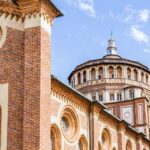
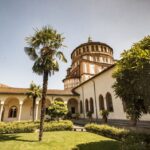
Next comes the Basilica San Lorenzo Maggiore, one of Milan’s oldest churches, blending Roman and Renaissance architecture. The standout detail here is the mosaics. Even without getting lost in art history, you can still do the simple thing: pause, look up, and notice the way the surfaces catch light and hold the scene together.
One caution for your planning: the tour indicates that admission for this stop is not included. That means you may need to pay separately if you want full interior access, depending on how your guide runs the stop. If you’re the type who loves mosaics and wants to spend time inside, budget a little extra.
Statue of Constantine: the quick history stop that actually matters
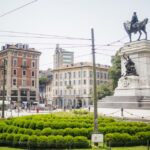
Then you’re at the Statue of Constantine, honoring his Edict of Milan, which ended Christian persecution. This isn’t a long stop, but it’s a good one. It helps explain why early Christian Milan isn’t just a story from books—it’s part of how the city grew.
The benefit here is timing. You get context without a museum-style slowdown. You learn the “why” in about the time it takes to take a breath, snap a photo, and move on.
This is also one of those moments where a good guide can connect dots for you. Food history makes more sense when you understand the city’s historical layering.
Piazza Vetra: canal traces and a calmer pause mid-walk
After the big names, you get a quieter break at Piazza Vetra, a tranquil park with history tied to Milan’s ancient canal system. The canal reference matters because Milan’s geography shaped how people traded, ate, and lived. If you like understanding food through logistics—where ingredients came from, how people moved—this stop clicks.
This is also where you reset. A short, open-air pause helps you stay comfortable before the next church square and the gateway toward Navigli.
Piazza di Sant’Eustorgio: Three Magi vibes and a peaceful square
Next is Piazza di Sant’Eustorgio, centered on the Basilica of Sant’Eustorgio, connected to the Three Magi. Even if you’re not chasing religious history, the atmosphere is the point: it feels like stepping into older Milan, slower than the busy main streets.
This is a great stop for two reasons. First, it’s visually pleasant for photos without feeling like a tourist bottleneck. Second, the guide can use this setting to explain how Milan preserved traditions while still evolving—an idea that matches what you’ll taste later, like classic dishes alongside more modern touches.
You can also read our reviews of more food & drink experiences in Milan

Arco di Porta Ticinese: the city gate that points to Navigli
You finish the landmark sequence at Arco di Porta Ticinese, a neoclassical arch marking a historic city gate. A city gate is more than architecture. It’s a reminder that Milan wasn’t always the same shape, and people moved through entry points like this daily—exactly the kind of movement that helps explain why food culture changes over time.
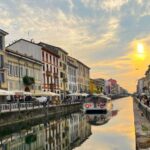
This arch is also a gateway toward the Navigli district. If you want a little extra payoff, keep your eyes open for that shift in the feel of the streets as you move in that direction. The walking route sets up what Milan feels like beyond the central monuments.
How the tastings and wine create real value in 3 hours
Let’s talk value, because this is where food tours either impress you or waste your time.
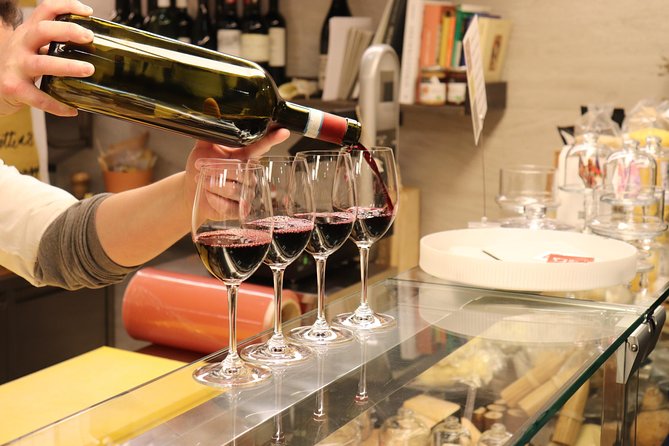
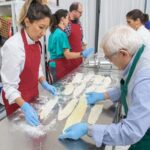
For the price point (listed at $141), you’re getting a professional local guide plus food tastings and wine tastings. And it’s not just “here’s a bite, then we stand around.” The tour is structured as a progressive sequence of tastes, built around places you can actually walk to in a short window.
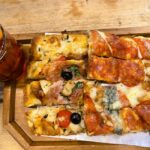
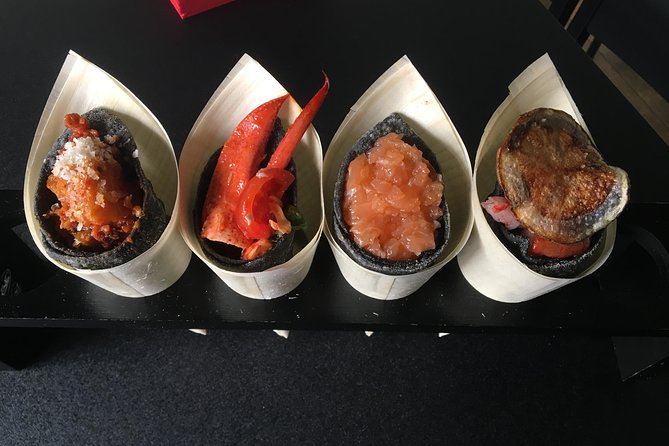
What you can expect to taste includes Milanese staples such as:
- Risotto alla Milanese
- Fresh pasta
- Local wines
- Cheeses
You may also encounter sweets such as cannoli at the end of the tasting sequence, depending on how the day is run and what your guide has lined up. Either way, the idea is clear: you leave with a fuller sense of Milan’s flavors, not just a checklist.
Wine is part of the deal, but the tour follows a simple rule: minimum drinking age is 18. If you’re under 18, you’ll want to plan around that when you book.
The guide and group size: why small matters here
This kind of tour lives or dies by the guide. The standout theme across experiences is that the guides don’t treat food as a gimmick. They add history that helps you taste smarter—especially for Milanese-specific dishes.
I also like that you’re capped at 15 travelers. In practical terms, that means you get fewer bottlenecks at doorways and better attention at tastings. If you’re the kind of person who likes asking why a dish is prepared a certain way, small-group pace makes that possible.
Several guides have strong reputations by name, including Francesca, Maria Christina, and Agnes. If you’re picky about communication, that’s a reassuring sign.
Weather, shoes, and pacing: how to set yourself up for a good time
This tour operates in all weather conditions. That’s common, but it affects your comfort level. Dress appropriately and bring layers, especially since you’re walking between churches, squares, and a park.
The pace is built around about 30 minutes per stop, which is long enough to look around and short enough to keep momentum. You should come ready to move. Comfortable shoes are not optional here.
One more practical tip: if you have dietary needs, you should advise them at booking. The tour notes that dietary requirements can be handled with advance notice, which is the real difference between a good tasting experience and a frustrating one.
Where this tour fits best in your Milan trip
If it’s your first day (or your arrival day), this is a smart choice. You get bearings fast: Roman roots, early Christian Milan, and the pull toward Navigli—all while you’re eating.
If you already visited the big-ticket attractions, this helps you shift gears. You’ll likely appreciate the extra context and the side streets you wouldn’t pick on your own.
And if you’re a foodie who also enjoys stories, this tour is a tidy match. It’s not just tasting; it’s tasting with a guide who connects what’s on your plate to what you’re walking past.
Who should book (and who should think twice)
You’ll probably love this tour if:
- You want Milanese-focused food, not generic Italian sampler bites.
- You like history that shows up in the streets, not just in a slideshow.
- You’re okay spending a few hours walking while still getting seated moments for tastings.
You might think twice if:
- You dislike walking in mixed weather.
- You don’t drink wine and don’t want a tour where wine tastings are a core component.
- You need very frequent stops to sit down, since the rhythm is stop-and-go.
Should you book this Milan food walking tour?
Yes, if you want a fun, structured way to taste Milan while learning why the city’s food feels different. The biggest strengths are the guide-led mix of history and tastings, the small-group size, and the fact that you’re not just sampling—you’re eating through a sequence that feels worth the money.
I’d book it especially if you value off-the-beaten-path neighborhoods and want a first taste of Milan that goes beyond a single restaurant meal. Just go in prepared for walking, plan around the 18+ wine rule, and send dietary needs when you book.